• Link to X
  • Link to Facebook
  • Link to Instagram
  • Link to TikTok
  • Link to Youtube
  • About
    • About Us
      • President
      • Board of Directors
      • Board of Advisors
      • Financials
      • Our Methodology
      • Success Tracker
      • Contact
  • Act Now
    • 30 Ways to Help
      • Email Congress
      • Call Congress
      • Volunteer
      • Courses & Certificates
      • Be a Donor
    • Internships
      • In-Office Internships
      • Remote Internships
    • Legislation
      • Politics 101
  • The Blog
  • The Podcast
  • Magazine
  • Donate
  • Click to open the search input field Click to open the search input field Search
  • Menu Menu

Archive for category: Development

Information and stories on development news.

Developing Countries, Development, Food Insecurity, Global Poverty

Food Insecurity in Ghana

Food insecurity in GhanaMany consider Ghana “one of the most stable and democratic countries in West Africa.” However, poverty rates are high, standing at 25.5% in 2020, according to the World Bank. In the last 30 years, Ghana has made great progress in reducing poverty from a 49% poverty rate in 1990 to a 13% poverty rate in 2018. Still, inequalities exist between the north and south of the nation as well as between the urban and rural populations. During the lean season in 2020, the World Food Programme noted that more than 21,000 people suffered from food insecurity in Ghana, particularly in the northern region.

Difficulties in Northern Ghana

Food insecurity in Ghana is more severe in the north of the country largely due to climatic issues. In the northern region, 90% of Ghanaian households depend on agriculture for their livelihoods, however, this region only has one rainy season in comparison to the south, which has two rainy seasons. This climatic difference impacts food production and worsens both poverty and food insecurity in Ghana’s north. Farmer also face other issues such as “low [market] prices, poor road infrastructure, lack of access to finance, inadequate markets, post-harvest losses, insufficient education and knowledge[and] unsustainable farming systems.” Due to an agricultural dependence among rural people, food insecurity and poverty largely affect rural populations.

The World Food Programme (WFP) Combats Food Insecurity in Ghana

The WFP’s work in Ghana, in general, focuses on four key areas to fight food insecurity in Ghana.

  1. Private Sector Collaboration. To address stunting and nutritional deficiencies, the WFP provided support to the private sector to supply and promote “affordable and safe fortified nutritious foods.” For example, the WFP gave technical and financial assistance to two companies and linked these manufacturers to local small-scale farmers. The two Ghanaian companies manufacture Tomvita and Maisoya, which are fortified foods that improve the nutrition of pregnant and breastfeeding women. The companies aim to extend production to supplemental foods for children.
  2. Nutritional Assistance. The WFP partners with various government institutions to fight against food insecurity in Ghana and address nutritional deficiencies. The partnership aims to ensure citizens consume nutritious local-based diets and learn behaviors conducive to good health. The WFP also supplies electronic vouchers to supplement the nutrition of pregnant or breastfeeding women and children younger than 2.
  3. Food System Resilience. The WFP connects small-scale Ghanaian farmers to local markets “to increase the availability, access and utilization of staples foods” such as “maize, millet, cowpeas and soybeans.” So far, the WFP has connected “10,000 smallholder farmers to two industrial agro-food processing companies that produce specialized blended nutritious foods.” The WFP also aims to strengthen the food supply chain and ensure proper “post-harvest facilities, technologies and services” to improve the quality and safety of foods.
  4. Policy-Making Assistance and Capacity Expansion. The WFP is offering its support and services to improve Ghana’s existing programs and develop policies that focus on combating malnutrition and establishing adequate food systems. This involves connecting Ghana’s national school feeding initiative to the country’s agricultural arena. The WFP helps Ghana to implement food security monitoring measures and establish guidelines to “improve food quality and safety and emergency preparedness.”

Impact in Numbers

According to a WFP Ghana Country Brief published in August 2021, for the year 2021 overall, the WFP aimed to help 45,000 people through nutritional assistance. In August 2021 alone, more than 4,500 people “received direct food assistance through vouchers.” If one looks at the gender proportions of beneficiaries, women formed 72% of the beneficiaries while men accounted for 28%.  Moreover, in 2021, the WFP helped 22,020 small-scale farmers to increase their capacity and connect to markets.

Even though the WFP is seeing success in improving food insecurity in Ghana, worsening environmental conditions like drought stand as additional barriers to food security. Through ongoing support in strengthening the country’s food systems and resilience overall, Ghana can remain out of famine.

– Ander Moreno
Photo: Flickr

March 4, 2022
https://borgenproject.org/wp-content/uploads/borgen-project-logo.svg 0 0 Jennifer Philipp https://borgenproject.org/wp-content/uploads/borgen-project-logo.svg Jennifer Philipp2022-03-04 07:30:022024-05-30 22:25:45Food Insecurity in Ghana
Developing Countries, Development, Food Insecurity, Global Poverty, USAID

Examining USAID Programs in South Sudan

USAID Programs in South SudanSouth Sudan is an East African nation with a population of more than 11 million people. After decades of civil war, South Sudan declared independence in 2011 and is now a war-torn nation with failing institutions, a corrupt and violent security force and a population in abject poverty. The fledgling nation quickly descended back into civil war, further hindering any efforts at reconstruction. Since South Sudan’s independence, USAID programs in South Sudan have been providing humanitarian aid to alleviate human suffering, foster sustainable economic growth and mitigate conflict.

Food Security in South Sudan

Food security is one of the largest issues plaguing South Sudan, and as of February 2022, 8.3 million South Sudanese out of a population of 11 million are severely food insecure. To address the crisis of food insecurity, USAID launched a program initially to operate between 2017 to 2020, which was then extended to August 2022, called Sustainable Agriculture for Economic Resiliency Program in South Sudan (SAFER). The SAFER project ultimately seeks to increase the productive capacities and sustainability of South Sudan’s agriculture sector.

In 2018, the SAFER program promoted sustainable crop production by conducting “community-based participatory planning” exercises to identify production constraints and propose interventions to remedy those constraints. During the same reporting period, the SAFER also provided technical assistance and training to lead farmers, village facilitators and NGOs in micro-irrigation, water management and seed production.

In addition to providing direct agricultural assistance, this program also trains local farmers in basic financial literacy, bookkeeping and marketing plans. In 2021, the SAFER program helped facilitate 25 agricultural enterprise groups to develop business plans regarding leadership structure, finances and marketing strategies.

Conflict Mitigation in South Sudan

South Sudan is a remarkably diverse nation with 64 different ethnic groups. Since 2013, South Sudan has become a nation embroiled in civil war and violence with different groups of people taking different sides for different goals. With a precedence of violence and civil war, USAID programs in South Sudan need to mitigate communal conflicts and rising tensions in order to promote stability, thereby also reducing South Sudanese poverty.

The active USAID Viable Support to Transition and Stability (VISTAS) program is a conflict mitigation program that started in 2013 “to promote peaceful coexistence,” foster “a more informed community” and facilitate a greater degree of trauma awareness to advance reconciliation between diverse communities. In 2018, the program hosted a conference in Jebel Boma County with traditional authority representatives, women leaders and youth leaders from Jie, Murle, Kachipo and Toposa to converse on key issues plaguing South Sudan regarding child abduction, gender-based violence, cattle raids and road ambushes.

Dissipating Ethnic Conflicts and Misinformation

Despite the remote locations and conflicts between the Jie, Murle, Kachipo and Toposa ethnic groups, the conference did lead to the development of resolutions and action plans to address inter-community conflicts. VISTAS has also provided technical assistance to media outlets to decrease potentially conflict-inducing miscommunication and misinformation while promoting interdependency through livestock and trade and conducting 196 trauma awareness sessions in 2018.

One of the most important facets of VISTAS is promoting a more well-informed society to prevent conflict through decreasing information asymmetry. To this end, VISTAS has assisted the development of independent media outlets, trained local journalists and set up community learning centers. USAID supplied these community centers with laptops, books and internet access to allow people with little formal education to educate themselves. While the independent media environment continues to face setbacks from the government and security forces, VISTAS has enabled the Juba Monitor and Radio Tamazuj to continue operating as the media outlets both represent large independent media networks designed to deliver information in an objective manner.

The Necessity of USAID Programs

With a poverty rate of 82%, according to the World Bank, today, more than 50% of South Sudan “still depends on emergency aid to survive” and millions are now displaced from the ongoing violence. USAID programs in South Sudan, while not enough to address the root causes of South Sudanese poverty, are necessary to alleviate abject poverty, ensure the survival of millions and develop a plan for long-term stability.

– Alexander Richter
Photo: Flickr

March 4, 2022
https://borgenproject.org/wp-content/uploads/borgen-project-logo.svg 0 0 Kim Thelwell https://borgenproject.org/wp-content/uploads/borgen-project-logo.svg Kim Thelwell2022-03-04 01:30:472022-02-23 04:06:19Examining USAID Programs in South Sudan
Development, Global Poverty

How Planting Trees Can Alleviate Poverty

Planting Trees Can Alleviate Poverty
Scotland announced plans to “plant millions of trees” along national rivers to preserve salmon populations. Salmon prefer cold waters and trees help provide shade during hot summer months. Planting trees alongside rivers also improves water quality, stabilizes riverbanks and protects wildlife habitats. Countries can use tree-planting campaigns to attain healthy rivers, which bring social, economic and environmental benefits that can uplift low-income communities. In these ways, planting trees can alleviate poverty.

The Value of Rivers in Low-Income Communities

Around the world, about 2 billion people rely on rivers as direct sources of drinking water, according to the World Wildlife Fund. In areas without electricity or water filtration systems, rivers can provide a quick and accessible supply of drinking water. Globally, “25% of the world’s food production depends on irrigation from rivers.” Rivers indirectly and directly supply billions of people with food and water. Therefore, it is vital to keep rivers and their surroundings clean and healthy. Dam development, rising temperatures and increasing demands for water to use on farms and in hydropower plants put rivers under more pressure than ever before. Protecting and conserving rivers especially benefits low-income communities by sustaining natural resources, like fish, that millions of people rely on to support themselves and their families.

How Trees Lead to Healthy Rivers

Planting trees alongside rivers can improve water quality by limiting pollution and runoff from nearby land. Trees stabilize riverbanks by binding the soil, which reduces the risk of riverbank collapse. Trees also absorb water and intercept heavy rain, which prevents flooding and excessive runoff. Entire ecosystems may arise from planting trees by riverbanks. Land animals form habitats in trees and surrounding wooded areas and species, such as salmon, that live in rivers benefit from the shade that trees provide. Planting trees protect and promote biodiversity in a time when many human factors threaten it. People, plants and animals alike benefit from rivers and rivers benefit from nearby trees. Planting trees can alleviate poverty by improving river health and the ecosystems that millions of people rely on to survive.

Scotland: A Plan in Action

Scotland recognizes the benefits of planting trees along rivers and aims to plant a million trees by 2035. Scotland’s plan involves planting several native tree species, which will preserve the country’s history and improve biodiversity. Fisheries in Aberdeenshire, Scotland, have already “planted 250,000 saplings” alongside the River Dee, which is a salmon fishing hotspot. Scientists found that rivers in the Scottish Highlands and uplands are too warm for wild Atlantic salmon in summer months when the fish swim “upstream to spawn.” Planting trees alongside rivers protects salmon populations and benefits Scottish people who rely on fish for food and income. With socioeconomic and environmental benefits, planting trees can alleviate poverty in places where people rely on rivers for their livelihoods and national success.

Healthy rivers are essential to ecosystems around the world and trees play an essential role in maintaining these environmental networks. As seen in Scotland, tree-planting campaigns can have great influences on preserving local and national wildlife. Planting trees can alleviate poverty by protecting rivers that support life and provide resources to millions of people worldwide.

– Cleo Hudson
Photo: Flickr

March 3, 2022
https://borgenproject.org/wp-content/uploads/borgen-project-logo.svg 0 0 Kim Thelwell https://borgenproject.org/wp-content/uploads/borgen-project-logo.svg Kim Thelwell2022-03-03 01:30:132022-02-22 12:28:08How Planting Trees Can Alleviate Poverty
Development, Food Insecurity, Food Security, Global Poverty

Food Systems in Afghanistan

Food Systems in Afghanistan
In the wake of Afghanistan’s government collapse in August 2021, the nation’s humanitarian crisis has plunged to new depths and will continue on this path if Afghanistan does not receive the necessary aid. Of the total population, 41.7 million, about 23 million Afghans, are experiencing food insecurity due to the failure of food systems in Afghanistan. However, organizations are making efforts to combat the hunger crisis and strengthen food systems in the nation.

The State of Food Systems in Afghanistan

About 8.7 million Afghans currently endure “emergency levels of food insecurity,” and according to the United Nations Development Programme (UNDP), without urgent action, Afghanistan could see a 97% universal poverty rate by mid-2022. The loss of more than 500,00 Afghan jobs since August 2021 and the steep incline of food prices leave Afghan families depleted of food with no income to purchase more. The Afghan people have no way of obtaining a sufficient supply of food nor can they harvest sufficient crops due to the harsh winter and severe drought.

The World Food Programme (WFP)

Since the start of 2021, the World Food Programme has assisted “15 million Afghans with food and nutrition support” while prioritizing the most vulnerable population segments such as young children and pregnant/breastfeeding women. The WFP’s “targeted supplementary feeding [program]” has addressed the nutritional needs of more than “500,000 pregnant and breastfeeding women” and more than 1 million malnourished children younger than 5. The WFP aims to “reach 23 million Afghans in 2022,” including 1 million children through its school feeding program.

The organization works with the Afghan government and commercial partners to strengthen the food systems in Afghanistan by supporting local small-scale farmers  as well as “building local milling and fortification capacity and strengthening value chains and food safety measures.” The WFP assists the Afghan government and humanitarian organizations “in beneficiary management, supply chain, information and communication technology and facilities and information management” to ensure a targeted response to citizens’ needs.

USAID Assists Afghanistan

The United States Agency for International Development (USAID) has been taking measures to improve food systems in Afghanistan for the last two decades and has vastly strengthened Afghanistan’s agricultural sector. This is crucial work because about 80% of all Afghans depend on agriculture for their livelihoods. USAID’s efforts intend to scale up Afghanistan’s agricultural exports, expand “the reach of Afghan agricultural goods to bolster job creation” and distribute more agricultural goods throughout the country.

In 2010, USAID created a $100 million Agricultural Development Fund to supply credit to Afghan farmers and small-scale agricultural businesses to help them accumulate resources such as seeds, fertilizer and equipment. As of 2021, this fund has distributed “$132.7 million in loans to more than 43,600 Afghan farmers.” USAID has also assisted in creating more than 657,000 full-time agricultural-related employment opportunities, which has contributed to reducing poverty in the nation and strengthening food systems in Afghanistan.

Programs that are geared toward improving food systems in Afghanistan are essential in fighting the nation’s hunger crisis. Implementing these programs will increase food distribution throughout the country and strengthen Afghanistan’s agricultural sector.

– Isabella Elmasry
Photo: Max Pixel

March 2, 2022
https://borgenproject.org/wp-content/uploads/borgen-project-logo.svg 0 0 Kim Thelwell https://borgenproject.org/wp-content/uploads/borgen-project-logo.svg Kim Thelwell2022-03-02 01:30:262024-06-06 01:05:43Food Systems in Afghanistan
Development, Global Poverty, Poverty Reduction, USAID

5 USAID-Sponsored Programs in Mexico

USAID Programs in Mexico
Despite Mexico’s social and economic developments over the past decades, the country still confronts serious issues of corruption, a high violent crime rate and unsteady public trust in its institutions. These issues impact those experiencing poverty the hardest because they are often targets of crime and frequently find public assistance to be unreliable. Addressing concerns relating to human rights, violence prevention and environmental sustainability will benefit the most vulnerable members of society. There are several USAID-sponsored programs in Mexico with these objectives in mind.

5 USAID-Sponsored Programs in Mexico

  1. Violence Prevention and Reduction Activity (USAID/PREVI). In recent years, Mexico experienced a significant increase in crime partly due to the COVID-19 pandemic. In response, USAID sponsored the PREVI activity. Its purpose is to increase the capacity of local Mexican governments to respond to and resolve crimes. USAID/PREVI partnered municipal authorities will intervene in low-level crime with a reduced focus on imprisonment and a greater focus on community policing and solutions that build public trust in institutions. The activity also calls for the establishment of public hearings, increased communication within the criminal justice system and solutions that address the imprisonment of at-risk youth. USAID provided $19.4 million to the program and will continue support until 2024.
  2. Mexico Border Investigative Reporting Hub (International Center for Journalists). This program, which the International Center for Journalists runs, seeks to reduce corruption in Mexico’s northern border states by improving journalists’ investigative skillset. The idea is that improved reporting on issues of corruption will increase civilian oversight and government accountability of public resources. USAID contributed $6 million to the program and expects to continue support until 2023.
  3. Human Rights Accountability Activity (Chemonics). This is another USAID-sponsored activity that addresses crime in Mexico, though with an increased focus on human rights abuses. Its goal is to support the Government of Mexico’s plans to combat torture and disappearance-related crimes, increase cooperation among agencies and help build the institutional capacity to address those human rights concerns. As part of this effort, the project also lends the Mexican government technical assistance in reducing backed-up forensic cases in five key states. USAID committed $24 million to the activity and will continue support until 2025.
  4. Alliances for Analysis and Communication (Mexico Evalua). This activity aims to increase the transparency of the judicial system in Mexico. Historically, institutions of Mexican justice have not been very open to people from outside of those bodies. To remedy this, Alliances for Analysis and Communication seeks to increase the accessibility of justice sector data among members of Mexican civil society. Members of the general public, the private sector and academia could then play a larger role in oversight. USAID contributed more than $2.3 million to this activity and plans to continue support until 2024.
  5. Sustainable Landscapes Ventures (Conservation International Foundation). There are a number of USAID programs in Mexico that focus on sustainable business, though this one works to make landscape practices more profitable for small farmers. The program will link small producers with buyers and investors to produce partnerships that generate profit through practices that fight deforestation and forest degradation. USAID contributed $10 million with continued support until 2025.

These USAID-sponsored programs in Mexico help build connections between influential state institutions and civil society. The expectation is that this will benefit all members of Mexican society, especially those living in poverty.

– Gonzalo Rodriguez
Photo: Flickr

February 24, 2022
https://borgenproject.org/wp-content/uploads/borgen-project-logo.svg 0 0 Jennifer Philipp https://borgenproject.org/wp-content/uploads/borgen-project-logo.svg Jennifer Philipp2022-02-24 07:30:532024-05-30 22:25:475 USAID-Sponsored Programs in Mexico
Developing Countries, Development, Global Poverty

 The Introduction of 3D-Printed Housing in Zimbabwe

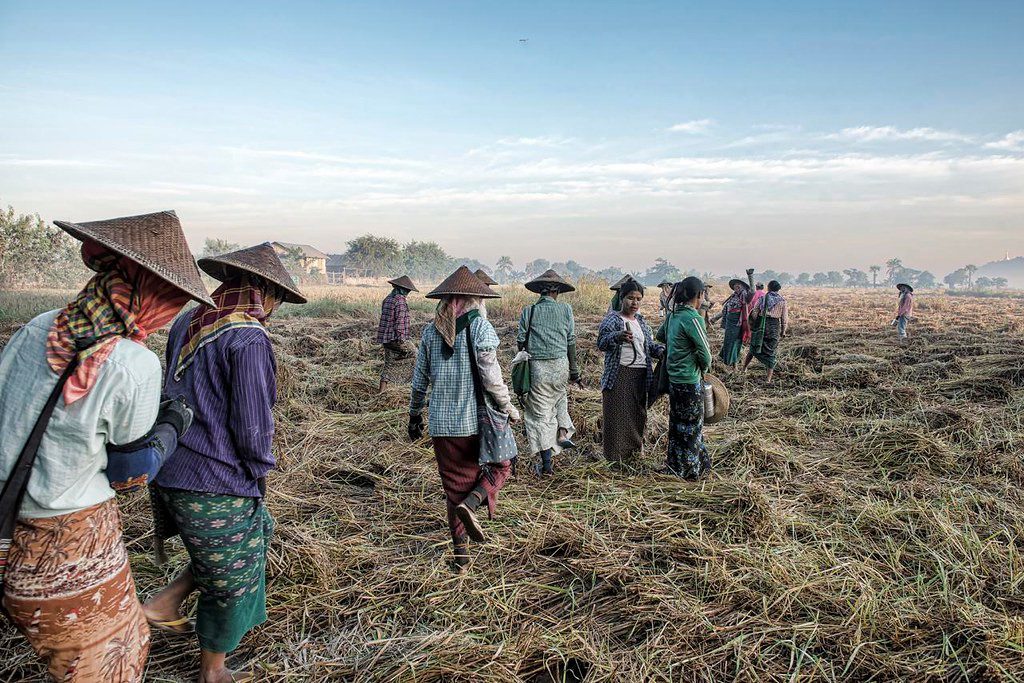
3D-printed Housing in ZimbabweThe World Bank’s Zimbabwe 2021 Economic Update reports that extreme poverty in Zimbabwe climbed to almost 50% in 2020. The onset of the COVID-19 pandemic itself pushed 1.3 million people into extreme poverty due to soaring unemployment rates and income cuts. Poverty rates coupled with highly inflated housing prices make it extremely challenging for hundreds of thousands of families to afford a house, pushing many into slum living situations. However, 3D-printed housing in Zimbabwe may provide a potential solution.
Zimbabwe’s Housing Shortage

In 2005, Zimbabwe’s government cleared slum areas nationwide, leaving 700,000 people homeless. This effort to combat slum living launched the country into a housing crisis that would persist for decades. With a government housing waitlist of 1.25 million households in 2015, Zimbabwe’s history of housing shortages continues to worsen as more of the population falls below the poverty line.

In Zimbabwe, corrupt officials sell housing permits to housing cooperatives at extremely low rates. The cooperatives then construct the houses and sell them to homeless Zimbabweans for outrageously inflated prices. Buyers pay off homes for a minimum of 14 years before even receiving the title deed of ownership. These corrupt officials partnering with housing cooperatives often swindle homeless civilians out of desperation for basic shelter. As the 23rd most corrupt country in the world, without a third party to intervene in this crisis, officials may continue to exploit impoverished Zimbabwean populations.

Lafarge Cement’s 3D Housing Project

Lafarge Cement Zimbabwe is a subsidiary of LafargeHolcim, a Swiss construction material manufacturer. The company hopes to change the future of affordable housing in Zimbabwe. By using 3D printing technology, Lafarge Cement’s initial project plans to print the first 10 3D houses in Zimbabwe “under the affordable housing project” in 2022. A joint venture between LafargeHolcim and the CDC Group in the United Kingdom, 14Trees, created the concrete 3D printing technology for the project.

With this new building technology, constructing homes and schools in Zimbabwe will take a fraction of the time in comparison to traditional construction efforts. While traditional construction methods require a minimum of four days to complete a house, Lafarge can print these 3D houses in as little as 12 hours, with a school taking a little longer at 18 hours. The technology can also reduce construction costs by 10-20%.

This housing solution is particularly exciting as it offers a much more affordable option in comparison to homes in the existing housing market. Starting at around $30,000 for a home “in a medium-density area”and skyrocketing up to $80,000, for many low-income families, conventional homeownership is out of reach. However, 3D-printed housing in Zimbabwe offers lower-income communities an affordable housing option starting at $10,000.

The Future is 3D Printing

Following the successful printing of houses and schools in Malawi, the introduction of 3D-printed housing in Zimbabwe has the potential to transform the property landscape in the nation. Lafarge Cement Zimbabwe has no plans of halting the manufacturing of affordable 3D housing in Zimbabwe and across Africa until housing shortages remain an issue of the past.

In April 2021, the company launched a new dry mortars factory in Zimbabwe worth $2.8 million, which is expected to increase manufacturing capabilities significantly. This type of investment in Zimbabwean society suggests Lafarge’s legacy will continue to grow, aiding low-income communities with affordable 3D-printed housing in Zimbabwe and bringing a much-needed housing solution to Zimbabwe’s housing markets.

– Hannah Eliason
Photo: Flickr

February 2, 2022
https://borgenproject.org/wp-content/uploads/borgen-project-logo.svg 0 0 Jennifer Philipp https://borgenproject.org/wp-content/uploads/borgen-project-logo.svg Jennifer Philipp2022-02-02 01:30:342022-01-21 06:46:46 The Introduction of 3D-Printed Housing in Zimbabwe
Children, Developing Countries, Development, Education, Global Poverty, Health

Poverty and the Drug Trade in Myanmar

Drug Trade in Myanmar
The drug trade in Myanmar is a critical contributing factor to poverty in the country. However, the relationship between the drug trade and poverty in Myanmar is very nuanced and complex. Factors such as decades of civil war, the military coup and foreign economic sanctions create complications in addressing the relationship between poverty and narcotics.

The Drug Trade in Myanmar

The drug trade in Myanmar is both a large-scale and persistent problem. Myanmar is central to the narcotics trade throughout Southeast Asia. In fact, Myanmar is one of the largest producers of synthetic drugs in the world. Along with ongoing conflicts, the drug trade is an issue that the country has grappled with for decades.

The lack of development and economic opportunity within the nation is an essential contributing factor to the scale of the drug trade in Myanmar. The United Nations Office on Drugs and Crime (UNODC) recognizes that lack of rural development means few viable economic alternatives for impoverished rural communities other than engaging in the drug trade.

UNODC recognizes that creating jobs and other industries in rural areas stands as a potential solution for mitigating the drug trade. By providing alternative forms of income to Myanmar’s rural impoverished, it would be less necessary for people to rely upon drug production for income.

In an interview with The Borgen Project, the director of Counter-Narcotics Interdiction Partnerships at Rigaku Analytical Devices and former U.S. Drug Enforcement Administration (DEA) attaché to the Myanmar government from 2017 to 2019, Michael Brown, discussed the relationship between narcotics and poverty. Brown noted that the lack of economic development and the prevalence of the drug trade in Myanmar are two of the central pillars of instability and poverty in the country.

Conflict, Coup and the Drug Trade

Decades of conflict in Myanmar play a central role in the prevalence of the widespread drug trade in the country. Brown discusses how many of the armed groups fighting the government of Myanmar have become heavily reliant on the drug trade. Essentially, armed groups utilize the drug trade in Myanmar to support their war efforts against the government.

In addition, much of the country’s most productive regions for drugs are directly under the control of various armed groups. Armed groups view poppy fields and synthetic drug laboratories as a vital economic resource. Brown also told The Borgen Project that some of these armed groups have essentially abandoned their initial political motivations for fighting the government of Myanmar. Instead, the groups have shifted their focus to operating as criminal organizations that focus on drug production and distribution activities.

The coup that occurred in February 2021 has also created complications in addressing poverty and the drug trade in Myanmar. Political instability from the most recent coup significantly compromises the ability of the nation to combat the issue of the drug trade. Additionally, much of the international community has levied sanctions on Myanmar, creating economic upheavals that the U.N. predicts will drive more people into the drug trade to make ends meet. Brown also noted that the military could no longer focus on combating the drug trade as its first priority is maintaining the military government’s rule.

Poverty and the Impact of COVID-19

The pandemic also heavily impacts the relationship between poverty and the drug trade in Myanmar. Much like the economic sanctions stemming from the coup, the pandemic has created economic upheavals that could make the drug trade more appealing to those seeking to make ends meet. Since the onset of the pandemic, more than 80% of families have reported a loss of income. Rising food and fuel prices also undermine food security.

Efforts to Help

Brown explains that the coup and the following economic sanctions against Myanmar make it more difficult for the international community to help the nation combat poverty or the drug trade. Despite this, he discusses that the U.S. DEA, U.S. companies such as Rigaku and law enforcement in Myanmar have worked together successfully in the past to combat the drug trade in Myanmar. For example, several years ago, Operation Viper successfully curtailed the flow of precursor chemicals into the country essential to synthetic drug production.

To address the effects of worsening rates of poverty in the country due to the impacts of both COVID-19 and the military coup, the Myanmar Red Cross stepped in to provide emergency humanitarian assistance. The organization mobilized its volunteers to provide “lifesaving first aid, health care and ambulance services” to citizens amid political unrest. According to the Red Cross website, “since February [2021], 2,000 volunteers have provided first aid services to more than 3,000 people.” The Myanmar Red Cross is also supporting people with both food and cash assistance.

Mercy Corps recognizes that strengthening economic prospects for impoverished citizens helps to both keep them out of the drug trade and raise them out of poverty. By increasing the economic prospects of farmers in Myanmar’s rural and conflict-riddled regions — areas that typically form the centers of the drug trade in Myanmar — Mercy Corps has addressed the issue at its roots. Mercy Corps helps farmers “increase productivity and incomes by accessing new technologies, adopting diversified and environmentally-friendly agricultural practices and accessing financial services like loans and insurance.” Mercy Corps also addresses the instability in Myanmar by working to enhance the agency of individuals and communities with programs designed to increase trust, accountability and conflict resolution.

Looking Ahead

For years, the vibrant drug trade in Myanmar has been a critical component of poverty in the country. Armed groups looked toward narcotics as an economic base. In addition, the lack of economic development in many parts of the country and economic upheavals from the pandemic and foreign economic sanctions make the drug trade a more appealing source of income. Despite efforts to provide direct assistance to the impoverished of Myanmar and to curtail the narcotics industry, much work remains to address the relationship between poverty and the drug trade in Myanmar.

– Coulter Layden
Photo: Flickr

January 31, 2022
https://borgenproject.org/wp-content/uploads/borgen-project-logo.svg 0 0 Jennifer Philipp https://borgenproject.org/wp-content/uploads/borgen-project-logo.svg Jennifer Philipp2022-01-31 01:30:512022-01-26 02:43:52Poverty and the Drug Trade in Myanmar
Development, Global Poverty

How AFR is Improving Rwanda’s Financial Sector

AFR
Access to Finance Rwanda (AFR) is a nonprofit that began in 2010. It aims to stimulate the economy by increasing the use of financial services. AFR addresses the barriers that restrict financial sector service to the low-income population, with hopes to bring sustainable change and financial inclusion. The COVID-19 pandemic impacted their poverty levels and economy drastically, making AFR critical to recovery. Here is some information about Rwanda and how AFR is improving Rwanda’s financial sector.

Poverty in Rwanda

Poverty is not new for Rwandans, since it is one of the poorest countries in the world with 56.5% of the population living on less than $1.90 a day. However, this was before the COVID-19 pandemic which brought this percentage higher. The World Bank explained that “the overall increase in the poverty headcount is 5.7 percentage points, indicating an estimated additional 625,500 people falling into poverty.”

The harsh reality of the pandemic hit Rwanda hard, making foreign aid more important than before. The unfortunate aspect of the situation is the step back from previous successful progress.

How AFR Works

Access to Finance Rwanda (AFR) aims to help boost Rwanda’s financial sector, which is essential for its growth. It implements phases, each lasting five years with specific goals and targets to achieve. Each phase consists of Micro, Meso and Macro level achievements which all aid Rwandans in poverty.

Between 2010 and 2015, almost 1 million people in Rwanda were able to access and use financial services thanks to AFR and its partnership with other institutions. During the second phase, between 2016 and 2020, AFR partnered with the public and private sector and implemented interventions and allowed the access and use of financial services to around 2.5 million people in Rwanda. Its work speaks for itself and with more phases to come, Rwanda has a loyal and strong team fighting on its behalf.

AFR’s Objectives

AFR’s objectives are clear and demonstrate the importance of their job.

  1. “Increase access to financial services for poor rural and urban people and Micro, Small and Medium Enterprises (MSMEs);”
  2. “Improve the livelihoods of poor people through reduced vulnerability to shocks, increased income and employment creation;”
  3. “Provide funding and technical assistance to the public sector/private sector and/or civil society recipients in order to promote, and achieve, the objectives set out in paragraphs (a) and (b) above; and”
  4. “Carry on all other such things that are incidental or conducive to the attainment of the above.”

AFR upholds values of respect, integrity, collaboration, responsibility, quality and value for money. Its mission and vision are to bring inclusivity and diversity to Rwanda’s financial sector. This could bring sustainability and resilience to the economy and people.

Rwanda’s Future

Although the pandemic brought setbacks to Rwanda’s development, its previous progress brings hope for the future. Rwanda continues to have one of the fastest-growing economies in Central Africa. By 2035, Rwanda hopes to gain Middle Income Country Status and High Income Country status by 2050.

The pandemic resulted in Rwanda’s first recession since 1994, which is extremely impressive for this country. Not to mention, its economic growth brought immense improvement in living standards, “with a two-thirds drop in child mortality and near-universal primary school enrollment,” according to the World Bank.

Organizations like AFR grow every day in strength and number, so expect great improvement in years to come. Rwanda could return to making the progress it started over 20 years ago and the benefits could continue to improve life for Rwandans.

– Anna Montgomery
Photo: Flickr

January 29, 2022
https://borgenproject.org/wp-content/uploads/borgen-project-logo.svg 0 0 Jennifer Philipp https://borgenproject.org/wp-content/uploads/borgen-project-logo.svg Jennifer Philipp2022-01-29 07:30:452022-01-18 14:10:32How AFR is Improving Rwanda’s Financial Sector
Children, Developing Countries, Development, Education, Global Poverty, Health

5 Ways to Support Sustainable Development Goal 2

Sustainable Development Goal 2
In 2015, the United Nations established 17 Sustainable Development Goals (SDGs) for creating global change in key areas by 2030, especially in lower and middle-income countries. The second of these goals, Zero Hunger, aims to “end hunger, achieve food security and improved nutrition and promote sustainable agriculture.” According to Action Against Hunger, in 2021, hunger affects almost 10% of the global population. Furthermore, just between 2019 and 2020, the number of people suffering from undernourishment globally rose by 161 million. To prevent the dire consequences of not reaching Sustainable Development Goal 2, the U.N. has suggested several steps for individuals to take to support this goal.

5 Ways to Achieve Zero Hunger

  1. Shop Local and In-Season. Eating locally-grown foods helps to support smaller-scale farmers in one’s community. Buying in-season foods also helps sustain local, native crops and plants. Preserving native crops helps increase genetic diversity as it increases the number of plant species in a given area. Maintaining genetic diversity in food production across the globe is one of the targets of Sustainable Development Goal 2 as this allows the plants with favorable traits — those that are resistant to pests or are able to provide higher yields — to proliferate.
  2. Reduce Food Waste. Food waste is one of the greatest barriers to eradicating hunger as food that could serve food insecure populations instead ends up in landfills. According to Feeding America, U.S. citizens waste “108 billion pounds of food” annually, equivalent to 130 billion discarded meals. However, food waste is not an issue unique to high-income countries: the U.N. Environment Programme’s “Food Waste Index Report 2021” has found that lower-middle-income nations annually discard 201 pounds of food per capita at the household level. In comparison, for high-income nations, this amount is 174 pounds per capita per year. To reduce food waste, people can freeze extra produce and save leftovers from meals. They can also buy “ugly” produce from the grocery store, which often ends up going to waste because it is less aesthetically desirable. However, the slightly misshapen produce found in grocery stores is still perfectly good to eat. In addition, staying informed on anti-food waste initiatives in low- and middle-income countries helps to develop global awareness and better understand the progress that these countries are making toward achieving Zero Hunger.
  3. Reduce Meat Consumption. The U.S. imported $216 million worth of beef from Brazil in the first nine months of 2021. Approximately 80% of deforestation in the Amazon is due to cattle ranching. Deforestation can have negative impacts on food production thousands of miles away. For example, deforestation of the Amazon at 40% would significantly decrease rainfall in the Rio de la Plata agricultural basin more than 2,000 miles away. Such droughts lead to decreased crop production, negatively impacting local farmers. To help mitigate the impact of the meat industry on deforestation, the U.N. has suggested that individuals consider vegetarianism for just a day per week. Just one day of vegetarianism could preserve “3 million acres of land.” Even though those who live in North America may be physically far away from local farmers in the Amazon, individual eating habits still impact these farmers.
  4. Support Organizations Focusing on SDG 2. Two organizations working to improve food security worldwide include the Global Alliance for Improved Nutrition (GAIN) and the World Food Program (WFP). GAIN focuses on providing aid to women, children and adolescents. One of its programs is Better Diets for Children, which provides support to small-scale food manufacturers in low- and middle-income countries to make nutritious, safe food more affordable and accessible. The program spans eight countries and aims to help more than 120 million people. The WFP provides food assistance to victims of extreme events, such as those facing natural disasters and conflict. The organization operates in more than 80 countries and provides more than 15 billion life-saving meals each year. One of the WFP’s programs is the food assistance program, which provides “cash-based assistance” so that families can afford nutritious food.
  5. Stay Informed and Spread the Word. Staying updated on global hunger reduction initiatives is important for tracking progress made toward Sustainable Development Goal 2. The U.N. SDG website and social media stand as great resources in this regard. It is also important to educate others about Sustainable Development Goal 2 by sharing ways that others can help and the organizations that people can support in achieving this goal. Social media serves as an essential tool for raising awareness of global issues.

Looking Ahead

Minimizing hunger is an important step in the sustainable development of low- and middle-income countries. By taking action to support Sustainable Development Goal 2, each person can help improve food security and small-scale agriculture worldwide.

– Aimée Eicher
Photo: Flickr

January 29, 2022
https://borgenproject.org/wp-content/uploads/borgen-project-logo.svg 0 0 Jennifer Philipp https://borgenproject.org/wp-content/uploads/borgen-project-logo.svg Jennifer Philipp2022-01-29 01:30:162024-06-04 01:08:515 Ways to Support Sustainable Development Goal 2
Children, Developing Countries, Development, Education, Global Poverty, Health

A Success Story: 10 Impressive Improvements in Rwanda

improvements in RwandaRwanda is the fourth-smallest country in Africa, located in the Great Rift Valley in the central part of the continent. The nation has a population of about 13 million people and is home to two main ethnic groups: the pastoral Hutu and the agricultural Tutsi tribes. In 1990, tensions rose between these two groups and sparked a civil war, resulting in the Rwandan genocide in 1994. The genocide led to the massacre of approximately 800,000 Tutsi civilians by Hutu extremists, marking one of the worst genocides in history. Since then, Rwanda has been in a state of repair and has made great strides in many areas of development. In particular, the Rwandan government notes 10 impressive improvements in Rwanda.

10 Improvements in Rwanda

  1. Poverty is on the Decline. In 2001, the poverty rate in Rwanda was as high as 77%, dropping to 55% in 2017. The introduction of the first five-year Economic Development and Poverty Reduction Strategy in 2008 and a second five-year plan in 2013 largely account for this reduction.
  2. Increasing Life Expectancy. The Rwandan Civil War had a significant impact on life expectancy, which fell to a mere 26 years in 1993. Since then, the government has committed to improving the health and quality of life for its citizens, achieving a life expectancy of 69 as of 2019.
  3. Rwanda is a Leading Country in Gender Equality. In the World Economic Forum’s 2017 Global Gender Gap Report, Rwanda ranked as one of the top five leading countries in gender equality alongside Finland, Iceland, Sweden and Norway. Since the civil war, the nation has pushed for more female leadership in politics — as of November 2021, the Rwandan parliament has a 61% women-led majority, the world’s highest rate of female representation in parliament. Rwanda also has one the highest rates of women participating in the labor force at 84% in 2019.
  4. Unemployment is Decreasing Despite the COVID-19 Pandemic. Before the pandemic, unemployment in Rwanda was steadily declining, dropping to less than 1% in 2019. Like many countries, lockdowns and other preventive measures for COVID-19 originally caused unemployment to skyrocket back up to 1.35% in 2020. However, Rwanda quickly bounced back — employment rates rose from 43% in the second quarter of 2020 to nearly 49% in the third quarter.
  5. Maternal Mortality Rates are Falling. In 2019, the maternal mortality rate in Rwanda decreased by nearly 23% “from 1,270 per 100,000 live births” in the 1990s to 290. This significant decrease is largely due to innovations in the medical field, which allow for better storage and delivery of blood supplies, preventing postpartum hemorrhaging deaths in women.
  6. Inequality is on the decline. Inequality is defined as “disparities between individuals or groups in areas such as income, wealth, education, health, nutrition, space, politics and social identity.” Historically, Rwanda was home to some of the highest rates of inequality in Africa. However, this is changing. Over the past two decades, Rwanda has noted significant improvements in terms of access to utilities. Access to health care is also improving although there are still disparities between urban and rural communities. From 2006 to 2017, inequality declined from 0.52 to 0.43 as measured by the Gini index.
  7. The Rwandan Economy is Growing. Prior to the pandemic, Rwanda was experiencing “an economic boom.” From 2000 to 2019, the economy grew by an average of 7.2% and the country’s GDP rose by about 5% annually. Rwanda has put in place measures to control COVID-19 within its borders, resulting in an unsurprising 3.4% GDP decrease in 2020. However, the nation hopes to resume growth following the distribution of vaccines.
  8. Land Restoration. Rwanda also notes great improvements in terms of the environment. In 2012, the Rwandan government initiated the Green Fund, “the largest investment fund of its kind in Africa.” So far, the project has created more than 10,000 jobs and encourages rural communities to participate in agroforestry and reforestation.
  9. Malaria Progress. Medical improvements in Rwanda have reduced fatal malaria cases significantly in recent years. In 2017, the country experienced upwards of 4.8 million cases, but in 2020, cases dropped to 1.8 million. Malaria-related deaths also reduced from 700 in 2016 to 148 deaths in 2020.
  10. Health care is Universal. Mutual Health is the name of Rwanda’s universal health care system, which was created in 2008. As of 2019, Mutual Health covered close to 96% of the population, lowering medical costs and providing services for even the most impoverished citizens of Rwanda.

Rwanda: A Success Story

The COVID-19 pandemic has created many new obstacles for Rwanda, but the “Land of a Thousand Hills” is advancing nonetheless. Since the civil war and the Rwandan genocide of 1994, the country has committed to recovery and restoration and has certainly exceeded all expectations. These many improvements in Rwanda are due to the great resiliency of the nation’s people, a nation that will continue to rise above all obstacles.

– Hannah Gage
Photo: Flickr

January 28, 2022
https://borgenproject.org/wp-content/uploads/borgen-project-logo.svg 0 0 Jennifer Philipp https://borgenproject.org/wp-content/uploads/borgen-project-logo.svg Jennifer Philipp2022-01-28 07:30:312024-05-30 22:25:39A Success Story: 10 Impressive Improvements in Rwanda
Page 42 of 163«‹4041424344›»

Get Smarter

  • Global Poverty 101
  • Global Poverty… The Good News
  • Global Poverty & U.S. Jobs
  • Global Poverty and National Security
  • Innovative Solutions to Poverty
  • Global Poverty & Aid FAQ’s
Search Search

Take Action

  • Call Congress
  • Email Congress
  • Donate
  • 30 Ways to Help
  • Volunteer Ops
  • Internships
  • Courses & Certificates
  • The Podcast
Borgen Project

“The Borgen Project is an incredible nonprofit organization that is addressing poverty and hunger and working towards ending them.”

-The Huffington Post

Inside The Borgen Project

  • Contact
  • About
  • Financials
  • President
  • Board of Directors
  • Board of Advisors

International Links

  • UK Email Parliament
  • UK Donate
  • Canada Email Parliament

Get Smarter

  • Global Poverty 101
  • Global Poverty… The Good News
  • Global Poverty & U.S. Jobs
  • Global Poverty and National Security
  • Innovative Solutions to Poverty
  • Global Poverty & Aid FAQ’s

Ways to Help

  • Call Congress
  • Email Congress
  • Donate
  • 30 Ways to Help
  • Volunteer Ops
  • Internships
  • Courses & Certificates
  • The Podcast
Scroll to top Scroll to top Scroll to top