• Link to X
  • Link to Facebook
  • Link to Instagram
  • Link to TikTok
  • Link to Youtube
  • About
    • About Us
      • President
      • Board of Directors
      • Board of Advisors
      • Financials
      • Our Methodology
      • Success Tracker
      • Contact
  • Act Now
    • 30 Ways to Help
      • Email Congress
      • Call Congress
      • Volunteer
      • Courses & Certificates
      • Be a Donor
    • Internships
      • In-Office Internships
      • Remote Internships
    • Legislation
      • Politics 101
  • The Blog
  • The Podcast
  • Magazine
  • Donate
  • Click to open the search input field Click to open the search input field Search
  • Menu Menu

Archive for category: Development

Information and stories on development news.

Developing Countries, Development, Global Poverty, Health

Fanning the Flames: Extreme Heat and Child Malnutrition in West Africa

Extreme Heat and Child MalnutritionResearchers from Cornell University found a link between extreme heat and child malnutrition in western Africa. The study revealed that there was an increased prevalence of chronic and acute malnutrition in young children due to extreme heat exposure.
About the Study

The study focused on West Africa because it is a particularly warm section of the sub-Saharan region that experiences an average maximum temperature of 32 degrees Celsius — the heat threshold after which there are effects on mortality. It looked at data from the Demographic and Health Surveys (DHS) in the West African countries of Benin, Burkina Faso, Côte d’Ivoire, Ghana and Togo between 1993 and 2014.

The DHS Program conducts household surveys to collect data from developing countries about health, nutrition and demographics. Researchers studied the nutrition of children aged 3-36 months who had been exposed to temperatures at multiple ranges, the highest of which is above 35 degrees Celsius or 95 degrees Fahrenheit.

According to the study, extreme heat affects child growth and nutrition in three main ways:

  • Agriculture: Inadequate rainfall brought on by extreme heat can negatively impact agricultural production. The study primarily looked into the agricultural effects of extreme heat on chronic and acute malnutrition.
  • Disease: Extreme heat increases exposure to infectious diseases that may affect early development, as pathogens and vectors survive at warmer temperatures.
  • Direct Impact: Infants and young children are sensitive to sudden heat waves or increased temperatures, as they are unable to regulate their heat stress.

The study found that the prevalence of stunted growth from chronic malnutrition increased by 12% and low weight from acute malnutrition increased by 29% as a result of average heat exposure.

Beyond health impacts and higher mortality rates, chronic undernutrition can also lead to worse learning outcomes and lower incomes later on in life, which perpetuates the cycle of poverty and malnutrition.

Future Implications

Research published by the American Association for the Advancement of Science showed that extreme weather patterns are linked to increased conflicts, the spread of diseases and migration globally. While the study analyzed child nutrition and temperatures between 1993 and 2014, its findings have larger implications for the future.

Rising temperatures are affecting the African continent disproportionately. According to the National Oceanic and Atmospheric Administration, 2021 was the sixth warmest year globally, but the third warmest year for Africa. In particular, West African countries faced their highest annual temperatures on record, including the countries reviewed in the study. The region is also likely to be more prone to heat waves in the future, which can set off droughts and other extreme climate events. In addition, Africa already has a high rate of stunting at 30.7% compared to the global average of 22% as of 2020, according to the Global Nutrition Project.

The effects of extreme weather patterns on food insecurity can already be seen in the long-term drought in the Horn of Africa, where millions are food insecure and are facing malnutrition. Western Africa is also experiencing a food crisis exacerbated by multiple factors, including extreme weather events, conflict, Russia-Ukraine war-driven inflation and impacts of the COVID-19 pandemic.

This issue will not stay localized to Africa — many other regions are seeing the impacts of extreme heat. Europe experienced extreme heat waves in June and July 2022, with countries such as France breaking temperature records. Along with these heat waves come wildfires, heat-related deaths and rising food prices from decreased agricultural production, leaving many families food insecure.

Successes

The study found that in the period of analysis, interventions such as improved infrastructure and child care decreased rates of stunting by 5.8%. Programs instituted by organizations such as UNICEF, Save the Children, the World Food Programme, Actions Against Hunger and more have made a tangible impact on providing food assistance and reducing child malnutrition in the past few decades.

Countries across Africa, including Senegal, Rwanda, Cameroon and Angola, set up councils or committees in their governments to address food insecurity and malnutrition. They started initiatives encouraging breastfeeding, fortifying foods, hosting school feeding programs and using technology to spread awareness about the importance of nutrition. Malabo Montpellier Panel, an international group of agriculture and food security experts, noted that these countries saw a significant drop in stunting and undernourishment rates between 2000 and 2016.

As the current food crisis persists, President Joe Biden’s administration announced $215 million in emergency food assistance to several African nations as of May 2022. This is an important step in addressing what Secretary of State Antony Blinken called “the greatest global food security crisis of our time.”

– Ramona Mukherji
Photo: Flickr

August 13, 2022
https://borgenproject.org/wp-content/uploads/borgen-project-logo.svg 0 0 Jennifer Philipp https://borgenproject.org/wp-content/uploads/borgen-project-logo.svg Jennifer Philipp2022-08-13 01:30:132024-06-07 05:08:17Fanning the Flames: Extreme Heat and Child Malnutrition in West Africa
Children, Developing Countries, Development, Education, Global Poverty, Health

International Organizations Fund School Feeding in West Africa

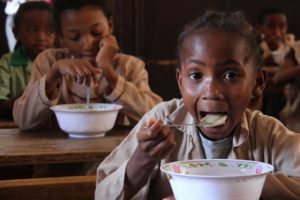
School Feeding in West AfricaThe COVID-19 pandemic forced schools across West Africa to shutter their doors. These widespread school closures had a deleterious effect on the education and well-being of western Africa’s most vulnerable children. Youth were not only deprived of an education but also a chance to receive a meal through their country’s school feeding program. As schools gradually reopened as COVID-19 rates subsided, school feeding in West Africa provided an avenue for children to receive nutritious food, a commodity that some children only attain through their educational institution.

What is School Feeding?

School feeding refers to a meal provided at a child’s school at no cost to the child’s family. According to the World Bank, it is “most frequently designed as a social protection measure for poor and vulnerable communities with the key outcome being an improvement in education through increased enrolment, reduced absenteeism and enhanced gender equality.”

With a full stomach, school feeding often leads to children’s increased ability to concentrate and learn. Additionally, per the World Food Programme (WFP), “every $1 invested in school meals has a $9 return on investment.” Finally, school feeding provides incentives for families to send girls to school instead of keeping them at home or marrying them off early.

Thus, initiatives to support school feeding in West Africa are crucial because of their remedial effects on the harmful repercussions of school closures. Fortunately, international organizations are partnering with government authorities to provide increased funding and efficacious implementation for school feeding in West Africa. Specifically, Sierra Leone, Senegal and Liberia have benefited from foreign assistance.

Home-Grown School Feeding in Sierra Leone

Sierra Leone is an impoverished West African nation bordered by Guinea and Liberia. According to the WFP, in 2022, more than 65% of residents living on less than $1.25 per day.

As food prices skyrocket across the nation, school feeding programs remain essential for children and their families. In 2021, the government of Sierra Leone launched an initiative to transition the nation to a home-grown model, according to the WFP. This novel type of school feeding allows local agricultural workers to directly supply schools with fresh produce.

Of note, the WFP is assisting the government by launching a pilot program in the town of Tawuya. The pilot initiative has been a blessing to local female farmers. Adama, a Tawuya resident and mother of seven, told a representative of the organization that the “WFP created a means for us women to earn money regularly.” Overall, the WFP’s intervention in Tawuya has enabled many families to overcome food insecurity.

The McGovern-Dole Program in Senegal

Currently, 751,000 Sengalese citizens are food insecure and 17% of children younger than 5 are malnourished. In response to the food security crisis in Senegal, Counterpart International, an organization focused on establishing enduring relationships with at-risk communities, announced in October 2021, that the nation would be the recipient of a $25 million McGovern-Dole program award. The McGovern-Dole program is an initiative by the United States Department of Agriculture to curtail childhood hunger by providing food and financial assistance to developing nations.

The new initiative seeks to bolster school attendance, literacy and community health through school feeding and enhance the Senegalese government’s ability to implement the program. In a 2021 article in Counterpart International, Brian Dotson, Director of Food Security at Counterpart International, commented “…this project will provide a vital safety net for food-insecure families living in poverty in Senegal…”

Save the Children’s $25 Million Project in Liberia

According to the 2021 Global Hunger Index, Liberia ranks 110th out of 116 countries. In an effort to ameliorate hunger in Liberia, Save the Children launched a $25 million school feeding program on June 2, 2022

The funds from Save the Children will help the Liberian government implement its “Liberia Empowerment Through Attendance, Reading, and Nutrition (LEARN) Project.” Although this is a program implemented by both the government and NGOs, the majority of its funds are supplied through donors. Thus, Save the Children revitalized the LEARN program which has distributed more than 10 million school meals to more than 45,000 Liberian children.

Western African Governments Take the Lead

As these three programs demonstrate, school feeding in West Africa is indispensable. While international organizations have largely funded and implemented these programs, western African governments have also taken action to strengthen school feeding.

According to Brookings, 27 countries from across Africa voiced approval for a United Nations school meals coalition that aims to exceed pre-pandemic school feeding levels. Specifically, President Patrice Talon of Benin and President Macky Sall of Senegal have allocated additional funds for their nation’s respective school-feeding programs. Additionally, the African Union, a collective organization of 55 nations, endorsed home-grown school feeding and marked 2022 as the “Year of Nutrition.”

– Alexander Portner
Photo: Flickr

August 12, 2022
https://borgenproject.org/wp-content/uploads/borgen-project-logo.svg 0 0 Jennifer Philipp https://borgenproject.org/wp-content/uploads/borgen-project-logo.svg Jennifer Philipp2022-08-12 01:30:402024-06-04 05:25:36International Organizations Fund School Feeding in West Africa
Developing Countries, Development, Global Poverty, Health

Pandemic Preparedness: The World Bank’s Investment in the Africa CDC

Investment in the Africa CDCIn July 2022, the World Bank announced a new $100 million support program for the Africa Centres for Disease Control and Prevention (Africa CDC). It aims to increase African governments’ preparedness to handle future disease outbreaks. This funding is vital since there are approximately 140 disease outbreaks annually across the continent. “The project will help to cultivate regional capabilities critical to ensuring a resilient and prepared continent. It will do this by helping to build and maintain a robust public health workforce across countries’ health systems,” said the World Bank.

The Program’s Aim

An important aspect of the program and its investment in the Africa CDC is to “increase the number of epidemiologists and outbreak responders” to better deal with diseases at their initial outbreak. Along with a more immediate response, an aim of the World Bank is to reinforce Africa’s already existing public health infrastructure. The International Development Association, a branch of the World Bank focused on providing financial support for development programs in the world’s most impoverished countries, finances the project.

The Africa CDC was formerly directly associated with the African Union (AU), but recently, the AU granted the Africa CDC autonomy to increase its efficiency when dealing with health emergencies. The World Bank cites the health organization’s newfound autonomy as a great opportunity for investment in the Africa CDC to help its growth and further increase its future efficiency when handling health emergencies across the continent.

Other Recent Investments

This recent investment in the Africa CDC comes on the heels of a $100 million investment project in October 2020, also initiated by the World Bank, titled the Africa Pathogen Genomics Initiative (Africa PGI). However, this investment includes contributions from the U.S. CDC in addition to private entities such as Illumina, Oxford Nanopore, the Bill and Melinda Gates Foundation and Microsoft. The focus of this project is on pathogen genomics, namely to expand access to “next-generation genomic sequencing tools and expertise designed to strengthen public health surveillance and laboratory networks across Africa.” The Africa CDC asserts that this program will help “to develop new vaccines, diagnostics and treatments for current and emerging infectious diseases.”

Africa PGI will form part of the Institute of Pathogen Genomics that the Africa CDC established in 2019. The Africa PGI partnership will last for four years. These investments show an increased emphasis on public health in Africa from the states and organizations located outside of the continent.

Future Outlook

The goal of these investments in the Africa CDC is to increase preventative capability. The Africa CDC is looking to advance its ability to “nip diseases in the bud” before they become full-fledged outbreaks.

If the Africa CDC can be better prepared to detect and handle potential outbreaks before they occur, then it can save lives, time and funds. Africa’s past Ebola outbreaks present an illustration of inadequate disease control measures.

The Africa CDC cites these initiatives, namely the most recent $100 million from the World Bank, as holding the potential to increase efficient collaboration between institutions across the continent when it comes to outbreak preparedness.

Those that are likely to benefit most from these investments are those living in extreme poverty. Recent assessments of African states’ preparedness capacities have found that those most at risk of becoming affected by potential health emergencies are those living in the poorest conditions and those who are most marginalized. In sub-Saharan Africa, about 40% of the population lived in extreme poverty in 2018, equating to about two-thirds of the world’s extremely impoverished population.

The World Bank cites the emphasis on public health in the AU’s Agenda 2063: The Africa We Want, as a pivotal reason behind its recent investment initiatives. As Dr. Ahmed Ogwell Ouma, the acting director of the Africa CDC, eloquently stated, “Africa is changing the dynamic in its journey of realizing a New Public Health Order.”

– Devin Welsh
Photo: Flickr

August 11, 2022
https://borgenproject.org/wp-content/uploads/borgen-project-logo.svg 0 0 Kim Thelwell https://borgenproject.org/wp-content/uploads/borgen-project-logo.svg Kim Thelwell2022-08-11 08:14:152022-08-12 07:59:42Pandemic Preparedness: The World Bank’s Investment in the Africa CDC
Children, Developing Countries, Development, Global Poverty, Health

Demining in Libya: How Communities are Protecting Themselves

Demining in LibyaCivilians across Libya face a unique challenge in their daily lives: avoiding landmines. Both the United States and the European Union remain committed to building a safe community for Libyan civilians by working with groups pursuing demining in Libya.

How We Got Here

Libya is a coastal city in northern Africa. The Government of Libyan National Unity (GNU) was established in March 2021 and a group led by warlord Khalifa Haftar controls the country politically. States surrounding Libya began independently supporting the two competing groups, with countries such as Egypt supporting Hafter and Turkey supporting the GNU. Another power that joined in aiding Haftar is Russia and a Russian organization called the Wagner Group.

Currently, the Wagner Group continues to occupy and influence parts of Libya, especially in the east. It continues to assist the Libyan National Army (LNA) under Haftar despite the ongoing war that Russia faces in Ukraine.

In 2020, the Wagner Group withdrew from Tripoli, the capital of the country located along the coast in western Libya. According to several sources, the organization left landmines in the area in the process of withdrawing, leaving Libyan civilians in a dangerous situation. The remaining landmines resulted in more than 300 innocent deaths or injuries in the past two years.

Through partnerships with the United States, European Union and nongovernmental organizations (NGOs), the present dangers mobilized communities in Libya to come together and address the issue.

Communities Unite – Free Fields Foundation (3F)

Present dangers in Libya include landmines, improvised explosive devices (IEDs) and unexploded ordnance (UXO). Not only are these weapons remaining from the Wagner Group in the ongoing Libyan civil war, but there are still weapons from wars dating back to World War II. Three organizations that specialize in demining in Libya receive funding from the United States and represent a significant impact in eliminating the risk of more than 60,000 explosives in the last 11 years.

The European Union similarly coordinates three demining projects with several organizations including 3F, also known as Free Fields Foundation. Rabie al-Jawashi started 3F in 2012 in Tripoli. The organization now has 60 working members and received accreditation from the Libyan Mine Action Center. Rabie’s organization primarily focuses on areas near the coast and is making a large impact on the safety of families returning home after the war. In a mere eight months in 2020, 3F destroyed over 1,050 explosives in their focus area.

Many success stories arose from the Free Fields Foundation since its establishment. One example is the case of Saud Abdel Rahman and his family located in Sirte, Libya. After seeking refuge in a neighboring city during the war, Rahman’s family returned to find their farm in ruins. After seeing phone numbers for 3F on local billboards, Rahman contacted the organization, which removed landmines from his farm. This allowed the family to continue farming. Rahman also noted that his children personally experienced mine safety education in their school, thus illustrating the real-world impact that 3F creates.

A Safer Future

Apart from demining field work, 3F also works to educate Libyan civilians on mine safety. Members of the organization inform families on the correct steps to take if families locate explosives and collaborate with regional groups to instruct children in local schools.

The United States government also strives to inform civilians on the proper contacts and risk prevention to safely eliminate explosive risks. Further, the United States promotes the GNU’s humanitarian and economic development endeavors by offering support to the Libyan government.

With landmine education and renewed funding from the United States, European Union and other critical partnerships, demining in Libya continues to embody a community effort for the safety of Libyan civilians.

– Kaylee Messick
Photo: Flickr

August 10, 2022
https://borgenproject.org/wp-content/uploads/borgen-project-logo.svg 0 0 Jennifer Philipp https://borgenproject.org/wp-content/uploads/borgen-project-logo.svg Jennifer Philipp2022-08-10 09:19:232022-08-12 08:23:21Demining in Libya: How Communities are Protecting Themselves
Children, Developing Countries, Development, Education, Global Poverty, Health

The Impact of USG Funding for Ethiopia

USG Funding for EthiopiaDespite Ethiopia’s fast-growing economy, it is one of the most impoverished nations in Africa. However, the United States Government (USG) is making a significant effort to combat poverty in Ethiopia. On April 26, 2022, the U.S. announced that it would provide about $43.7 million in order for water, sanitation and hygiene (WASH) support along with health, nutrition and food aid to Ethiopians suffering from drought. Overall, USG funding for Ethiopia will help the nation make headway with poverty reduction.

Implementation

According to USAID, drought, flooding, food insecurity, vector-borne disease and minimal access to health services are just a few of the acute shocks that Ethiopian populations routinely suffer. These issues are worsened by continued large-scale violence, conflict and displacement, leading to a complicated emergency humanitarian situation.

On top of these challenges, the consequences of the COVID-19 pandemic have not only brought about health impacts for countries but also economic repercussions. The World Bank predicted that Ethiopia’s poverty rate would stand at 27% by 2019. Like many other countries, Ethiopia suffered economically after the pandemic as its gross domestic product growth shrank from 6.1% in 2020 to 5.6% in 2021. Real wages for Ethiopians in Addis Ababa alone declined by 14% for high skilled workers at the onset of the pandemic.

How Will it Help?

According to the World Bank, Ethiopia is the “second most populated country in Africa” as of 2020. With this comes the increasing problem of water shortages. Besides water shortages, there is a lack of access to clean and safe water, which can lead to water-borne diseases, such as cholera, as individuals resort to consuming water from unsafe and potentially contaminated sources.

In fact, according to an article by Lifewater, “7.5[%]of the global water crisis is in Ethiopia alone” as of 2019. According to USAID, by April 2022, 8 million people in the southern parts of Ethiopia faced the impacts of drought conditions as a result of a third continuous “poor rainy season” in the latter part of 2021, which sparked severe water shortages and increased demand for emergency food aid.

WASH support aims to combat this by supplying safe water and preventing disease outbreaks. Food insecurity is also an issue in Ethiopia. According to the World Food Programme, despite Ethiopia’s progression, there are 20.4 million people who are still in need of food aid. The U.S. will ensure more people in Ethiopia have access to food by “providing assistance to drought-affected populations.”

Aftermath

Ethiopia continues to show effort in slowing down poverty. In fact, according to the World Bank, the government created a 10-year plan based on the 2019 Home-Grown Economic Reform Agenda for Ethiopia. With the intention of moving to a “private-sector-driven economy” and fostering “competition in key growth-enabling sectors” while promoting efficiency and a proper “business climate,” the plan will run for approximately 10 years from 2020/21 to 2029/30.

Ethiopia’s five-year growth and transformation plans aim to achieve “middle-income status” for the nation by 2025 by “sustaining high growth and speeding up structural transformation.” In the meanwhile, the USG funding for Ethiopia is actively lessening the burden on those who suffer from poverty in Ethiopia.

– Frema Mensah
Photo: Flickr

August 10, 2022
https://borgenproject.org/wp-content/uploads/borgen-project-logo.svg 0 0 Kim Thelwell https://borgenproject.org/wp-content/uploads/borgen-project-logo.svg Kim Thelwell2022-08-10 08:48:252024-05-30 22:30:01The Impact of USG Funding for Ethiopia
Development, Global Poverty, Health

Foodborne Illness in Southeast Asia Impacts Poverty

Foodborne illness in Southeast AsiaEvery year, one in 10 people across the world become infected by a foodborne illness, according to the World Health Organization (WHO). These are known to cause a wide range of symptoms from the milder, which may result in a long day in the bathroom, to the more severe, which can cause meningitis, sepsis and even death. Though common throughout the world, foodborne illnesses affect some regions more than others in both spread and severity, with the greatest impact on the poorest areas. The Asian Development Bank estimates that 4.7 million people in Southeast Asia fell into poverty in 2021, making safe food and other necessities harder to access. Due to these factors and others, there is a higher prevalence of foodborne illness in Southeast Asia.

The Current Standing of Foodborne Illness in Southeast Asia

High rates of both population and economic growth among Southeast Asian countries contribute to an increase in demand and production of food. But, higher agricultural output, especially meat production, the advent of foodborne illness has become more likely.

In 2015, the WHO created the first-ever global estimate of the burden of foodborne illness. Based on 2010 data, it estimated the existence of more than 150 million foodborne illnesses in Southeast Asia. These infections proved fatal for 175,000 people in the region, with children under 5 accounting for one-third of global deaths due to diarrhea. These diseases can also be disabling with side effects often including brain disorders, cancer and organ failure.

The four most prevalent causes of foodborne illness in Southeast Asia include Campylobacter species, Shigella species, Enterotoxigenic E. coli and Non-typhoidal S. enterica. Each is estimated to burden more than 15 million Southeast Asian people with bouts of sickness every year. Various forms of Salmonella and E. coli are the most life-threatening while norovirus and hepatitis A contribute to thousands of fatalities as well.

How Foodborne Illness in Southeast Asia Exacerbates Poverty

Diseases caused by foodborne illnesses result in “an annual loss of 33 million years of healthy life,” Felicia Wu, a food scientist who works with the WHO and for Michigan State University, told NPR in 2015. With thousands dying every year, the possibility of children losing one or both parents to a foodborne illness is a real threat. The loss of a parent can do harm to human capital development. For instance, a study by Kathleen Beegle and others found that maternal orphanhood leads to a loss of two centimeters of final height and one year in school.

Even when these diseases do not lead to the worst outcomes, they can still have major effects on the short-term well-being of those in poverty. For instance, while rarely fatal, those infected with the Campylobacter species, the most prevalent foodborne illness in Southeast Asia, will experience painful symptoms for a week on average. A week or more of debilitating symptoms can likely mean time off of the job. With so many people infected with these diseases in the region, this can have broader effects on the economy. In the Southeast Asian country of Indonesia, there is a projected cost of $4.7 to $16.7 million from diarrhea caused by foodborne illnesses alone.

Improving Standards through Multilateral Institutions

In 2016, an estimated 60 million people endured undernourishment in Southeast Asia, making food security high on the policy priorities of countries in the Association of Southeast Asian Nations (ASEAN), the intergovernmental body responsible for facilitating cooperation between the nations. Trade between Southeast Asian nations has been an important tool in countering this.

But, with trade, one country’s foodborne illnesses can quickly become another’s. To address this, ASEAN set up a Food Safety Policy in 2015 for better practice and enforcement of food safety standards. Some of the actions that this policy takes include support for small and medium-sized producers to adhere to food standards, a rapid alert system for disease tracing and transparency requirements concerning all new food safety laws.

Improving Practices with the ILRI

While news laws and standards set up an improved framework, especially for producers involved in regional trade, nearly all of the agriculture in Southeast Asia is informal. While these informal producers are more accessible to most, they are also harder to regulate, creating greater potential for hazards.

The International Livestock Research Institute (ILRI), an intergovernmental organization based in Kenya and Ethiopia, is working to improve local producers’ practices on the ground in Southeast Asia through a number of programs. In 2017, the ILRI began the SafePORK project to counteract disease from pork in Vietnam. This project has helped teach better pork safety practices and risk communication methods to small-scale producers across the country. With more confidence in the pork supply, the president of one pork cooperative told ILRI that there is more stability in its supply chains and it is making between 10-15% more on sales.

Looking Ahead

Though the incidence of foodborne illness remains high in Southeast Asia, the work of multilateral institutions and international scientific organizations have created frameworks to reduce the prevalence.

– Joey Harris
Photo: Flickr

August 10, 2022
https://borgenproject.org/wp-content/uploads/borgen-project-logo.svg 0 0 Kim Thelwell https://borgenproject.org/wp-content/uploads/borgen-project-logo.svg Kim Thelwell2022-08-10 06:20:402022-08-12 09:56:54Foodborne Illness in Southeast Asia Impacts Poverty
Children, Developing Countries, Development, Education, Global Poverty, Health

Repairing Madagascar’s Health Information System Through Singing

Madagascar’s Health Information SystemMadagascar’s exotic flora and fauna belie a broken and underdeveloped health information system. According to the World Health Organization (WHO), the probability of dying by the age of 5, per 1,000 live births in Madagascar is 50.24. The problem is not only a lack of access to health care but also lags in timely information, which prevents Malagasy people from taking proper precautions against infectious diseases.

Although 77% of Madagascar’s population is literate and 57% have access to mobile phones, people in the rural areas are still hampered by low literacy rates and a lack of a proper telecommunication system. Consequently, people share the majority of health-related facts orally, leading to the rampant spread of misinformation. In an effort to debunk myths and reform Madagascar’s health information system, a local NGO called Doctors for Madagascar, initiated a project that utilizes a unique tool for its success: singing.

Beginning of the Project

In 2018 and 2019, the measles epidemic in Madagascar caused more than 200,000 cases and over 1,000 deaths. During this time, health workers observed a deficiency of knowledge among rural people in southern Madagascar about measles vaccination.

To dispel the false rumors circulating, Doctors for Madagascar teamed up with local singer/songwriter Ebera to start the “Singing Sensitization” project as a medium of “getting accurate health information to isolated, rural communities in the country’s south.”

Free live music performances took place in places such as markets so that it could reach as many different demographics as possible. The song “The Measles” by Ebera became vastly popular among the rural Malagasy people for its educative lyrics and lilting tune.

The lyrics contained all information from verifiable sources such as the WHO and the Malagasy Ministry of Health. The song warned — “measles — they’re lethal” and advised them to take their children to the hospital if they showed symptoms like coughing, sneezing, vomiting, or diarrhea, instead of bringing them to “a shaman or a witch.” In addition, the song also urged villagers to get the measles vaccination as it would help protect them better against the disease.

Melodies During COVID-19

The success of “Singing Sensitization” during the measles outbreak in Madagascar encouraged the NGO to continue its project during the COVID-19 pandemic. During the first wave in 2020, songs focused on the importance of wearing masks, washing hands regularly with soap and water as well as social distancing. The productions also placed emphasis on the origin and spread of the virus.

According to the WHO case study, these performances were conducted sporadically “at eight to nine locations each month (or bimonthly in each village) in Ampanihy until August 2021.” The infrequency was a result of compliance with social distancing rules proposed by the government.

The Song of Victory

Conveying facts through songs sung in local dialects has proven effective especially since the performances conclude with an informative Q&A session, where health workers address additional questions and concerns.

This created trust between the villagers and the health workers. The project members often held focus group sessions and informal interviews with “community leaders, health care workers, and local health authorities” to understand how much the villagers had learned and retained as well as identify what was lacking in their knowledge, WHO case study reports.

The team modeled additional performances based on these discussions, focusing on filling the “knowledge gaps” and denouncing any inaccurate information.

Additionally, these discussions helped the “Singing Sensitization” team infer that the reach of their performances was approximately 60–70%, with “a positive uptake of the initiative by the local population,” WHO case study reports.

Making it Large Scale

“Singing Sensitization” has greatly helped in improving rural Madagascar’s health information system. As of now, the biggest challenge is getting funding, recruiting more local performers and expending time and energy on translating lyrics into different local languages.

Nonetheless, the team wants to expand its project and take it to other “hard-to-reach” rural communities. One of their goals is to introduce a radio network for easier and wider transmission of information.

– Anushka Raychaudhuri
Photo: Flickr

August 9, 2022
https://borgenproject.org/wp-content/uploads/borgen-project-logo.svg 0 0 Jennifer Philipp https://borgenproject.org/wp-content/uploads/borgen-project-logo.svg Jennifer Philipp2022-08-09 10:25:532024-12-13 18:02:44Repairing Madagascar’s Health Information System Through Singing
Development, Global Poverty, Health

Cash Transfers in Government Policy

Cash Transfers in Government PolicyIn recent years, humanitarian organizations have recognized cash transfers as an effective way to pull children and families out of poverty. In the early 2000s, just a few UNICEF country offices experimented with cash transfer initiatives to reduce child poverty. After a few years, these initial projects and several cash transfer programs implemented by UNICEF in Latin America showed promising results. For this reason, cash transfers form an integral part of UNICEF’s Framework. In fact, as of 2015, more than 70 countries globally are implementing cash transfer programs. These programs show the importance of including cash transfers in government policy.

Conditional Cash Transfer Initiatives

Cash transfers prove to be a simple and efficient way to provide low-income families with access to food rather than providing the food itself. Research shows that families struggling to make ends meet will likely spend cash transfers on pure necessities. However, critics still remain concerned over the misuse of cash transfers given to poorer families.

This is why cash transfer programs often rely on pre-agreed conditions. For example, for a family to be a beneficiary of a cash transfer program, they must agree to send their children for regular health checkups and must ensure school attendance.

In a study conducted by Bastagli et al. (2016), monitoring and assessing 56 cash transfer programs across 30 countries, households noted significant positive impacts from cash transfer programs. In a vast majority of cases, cash transfers led to an increase in household food expenditure, a reduction in the poverty rate and a positive local economic impact.

The Hidden Benefits

Despite the effectiveness of cash transfers in pulling people out of poverty, governments rarely use these programs or do not at all. Why? The short answer would be politics. Voters are not likely to vote for a party that requires higher tax payments from individual citizens but is far more likely to support a “free-school lunch” project. That is because to the average citizen, free lunches to low-income children do not feel like a cost coming from their own pocket while a cash transfer does.

Further, many fail to consider that cash transfers address financial limitations to basic social services, such as education and health care, and thereby, are able to reduce multidimensional child poverty. For many, the cost of school supplies, stationery, health service costs and prescription fees is not within the realm of what is financially possible.

An evaluation of cash transfer programs finds that 13 out of 20 reporting studies note a rise in school attendance rates. Furthermore, nine out of 15 reporting studies witnessed a rise in beneficiaries’ utilization of health care services.

Argentina’s Cash Transfer Program

In 2009, the Argentinian government implemented the Universal Child Allowance (AUH) Programme, a conditional cash transfer program with the goal of breaking intergenerational cycles of poverty. The program targets individuals younger than 18 who reside in financially unstable households, including households facing unemployment or households headed by workers in the informal economy sector.

The individual that qualifies for the program will receive 80% of a specific allowance monthly. The individual will receive the remaining 20% and future payouts on the condition that they satisfy certain school attendance requirements and attend health check-up appointments. By 2018, the program had benefited 3.9 million children since its implementation, equating to 0.6% of the nation’s GDP.

In agreement with the importance of cash transfer programs, the chief executive of the Child Poverty Action Group, Alison Garnham, has argued that countries should ensure a “minimum layer of protection”  via free school meals and sufficient cash transfers in government policy as a part of a long-term poverty reduction campaign.

– Pauline Luetzenkirchen
Photo: Flickr

August 9, 2022
https://borgenproject.org/wp-content/uploads/borgen-project-logo.svg 0 0 Kim Thelwell https://borgenproject.org/wp-content/uploads/borgen-project-logo.svg Kim Thelwell2022-08-09 07:30:562022-08-13 00:12:50Cash Transfers in Government Policy
Development, Economy, Health

Green Initiatives Reduce Poverty in Ghana

Poverty in GhanaPoverty in Ghana has been reduced, thanks to the tremendous growth of the Ghanaian economy over the past years, but at a hidden cost: the natural resources that undergird this success are being increasingly and perhaps unsustainably, depleted. The increase in the price and production of raw materials such as cocoa, gold and oil have quadrupled the real GDP growth, and cut extreme poverty in Ghana to a Lower Middle-Income Country status, from its previous status as a Low Income Country. Nonetheless, such impressive growth must be balanced with environmental protection in order to prove enduring.

Ghana’s Precarious Dependency on Natural Resources

Residents of the Bia Biosphere Reserve in Ghana are extremely dependent on the forest for their livelihoods. As cocoa farmers, harvesters of wild honey, mushrooms and other non-timber forest products, the people living in the region cannot economically sustain themselves without such natural resources. And yet, environmental depletion has become a serious concern, seeing as local populations rely almost exclusively on the forest’s resources for income. Large corporations also contribute to this degradation: unmanaged solid waste and gold mines result in air, plastic and water pollution, contaminated sites diffuse hazardous chemicals, and general deforestation and overfishing severely strain the biosphere.

Beyond the sheer environmental toll, the economic costs of such overexploitation are immense. The World Bank Ghana Country Environmental Analysis (CEA) estimates that environmental degradation incurs an annual cost of $6.3 billion, equivalent to nearly 11% of Ghana’s 2017 GDP. Air pollution costs nearly $2 billion and causes approximately 16,000 deaths each year. The damage caused by water pollution equates to 3% of the GDP. Land degradation costs over $500 million while deforestation costs $400 million per year. In addition to the immediate economic tolls, the depletion of natural resources inhibits the potential for future growth.

Green Economy Initiatives

In response to the increasingly salient threat of the Ghanian economy’s overdependence on natural resources, local communities have begun working with UNESCO and the Korea International Cooperation Agency (KOICA) to put in place green economy initiatives. The project builds on the Green Economy Scoping Study, performed by the United Nations Environment Programme (UNEP) and the Ministry of Environment, Science, Technology and Innovation (MESTI) between 2012 and 2013. The goal of such initiatives is to uncover income alternatives, as to reduce local populations’ reliance on natural resources for economic survival.

The project, launched in 2013, has thus far identified multiple viable alternatives to depleting natural resources, a few of which include mushroom farming, bee-keeping, snail rearing and palm oil production. According to UNESCO, there have been 235 direct beneficiaries, of which 91 are women, who received training and support as part of the green initiatives to transition to alternative livelihood options. In addition to the direct crafts, the residents also received education in marketing and investing, as to ensure the sustainability of their new businesses.

The green economy initiatives have had tremendous positive impacts on the socio-economic status of local communities, who have since been able to vary their sources of income and avoid environmental depletion. The project attests to the importance and viability of reconciling nature and economy for sustainable growth.

– Emily Xin
Photo: Unsplash

August 9, 2022
https://borgenproject.org/wp-content/uploads/borgen-project-logo.svg 0 0 Jennifer Philipp https://borgenproject.org/wp-content/uploads/borgen-project-logo.svg Jennifer Philipp2022-08-09 01:30:042022-08-15 02:42:47Green Initiatives Reduce Poverty in Ghana
Children, Development, Global Poverty, Health

5 Facts about Education in Niger

Education in NigerThe country of Niger has been fighting a war against poverty for years. In 2021, the United Nations named Niger the least developed country in the world, with 42.9% of its population earning less than $1.90 per day. As the country’s economic state has worsened, so has its education system. Children are unable to learn due to financial disparities and geographical disadvantages and are not receiving the level of education and social interaction that they need. Here are five facts about the realities of education in Niger.

5 Facts about Education in Niger

  1. More than 50% of children between the ages of 7 and 16 do not attend school. Meanwhile, the preschool enrollment rate sits at only 7%. These statistics are the results of food insecurity, extreme poverty and inadequate access to schools. One of the greatest barriers to education in Niger is hunger, as children are not able to attend school for weeks at a time due to malnutrition. While schooling in Niger is compulsory, many areas do not have educational facilities to accommodate children. Too many students live much too far to walk to school, and some families do not have enough money to purchase a car to get them there.
  2. As of 2020, the Government of Niger only spends 3.8% of its GDP on education, according to the World Bank. This low percentage is indicative of a lack of investment in the education of Niger’s youth. Niger continues to rank close to the bottom on the United Nations Development Programme’s Education Index but, since 2015, has spent less than 4.5% of its GDP on education.
  3. The literacy rate in Niger is only 13.6%, one of the lowest in the world. Less than 8% of children have acquired adequate numeracy and literacy skills by the end of primary school, and only one-third of teachers demonstrated satisfactory competency levels in 2017. Education in Niger demonstrates favor toward the men of the population, as the literacy rate for males ages 15-24 is higher than those of women in the same age group by more than 10%.
  4. Access to and completion of education is worse among minority groups in Niger, such as girls living in rural areas and children with physical and mental disabilities. Only four out of 10 girls make it as far as the sixth grade before dropping out due to financial or familial difficulties. In addition, the country’s lack of adaptive classrooms and inclusive training means that schools are not meeting the standard of education that students with disabilities need in order to succeed.
  5. The impacts of COVID-19 worsened the challenges that the education system in Niger was already facing. In addition to the 2.5 million children who were already being deprived of an education, 3.6 million children had to leave school, and few had the resources to participate in virtual learning. More than 80,000 teachers ended up out of a job, and dropout rates began to increase. The closure of schools in Niger has had a very negative impact on students, and many are still recovering from the financial and educational setbacks that their families have suffered.

UNICEF continues to advocate for more accountability of Niger’s government, urging them to allocate more funds toward education. In July 2020, the Global Partnership for Education donated $70,000 to Niger to help it recover from the pandemic, which will go toward drawing up a plan to rebuild and redefine education in Niger. Organizations around the world are acknowledging the disparities in Niger’s education system and are working to provide a stronger foundation for students.

– Ava Lombardi
Photo: Flickr

August 8, 2022
https://borgenproject.org/wp-content/uploads/borgen-project-logo.svg 0 0 Kim Thelwell https://borgenproject.org/wp-content/uploads/borgen-project-logo.svg Kim Thelwell2022-08-08 12:03:122022-08-10 01:13:485 Facts about Education in Niger
Page 36 of 163«‹3435363738›»

Get Smarter

  • Global Poverty 101
  • Global Poverty… The Good News
  • Global Poverty & U.S. Jobs
  • Global Poverty and National Security
  • Innovative Solutions to Poverty
  • Global Poverty & Aid FAQ’s
Search Search

Take Action

  • Call Congress
  • Email Congress
  • Donate
  • 30 Ways to Help
  • Volunteer Ops
  • Internships
  • Courses & Certificates
  • The Podcast
Borgen Project

“The Borgen Project is an incredible nonprofit organization that is addressing poverty and hunger and working towards ending them.”

-The Huffington Post

Inside The Borgen Project

  • Contact
  • About
  • Financials
  • President
  • Board of Directors
  • Board of Advisors

International Links

  • UK Email Parliament
  • UK Donate
  • Canada Email Parliament

Get Smarter

  • Global Poverty 101
  • Global Poverty… The Good News
  • Global Poverty & U.S. Jobs
  • Global Poverty and National Security
  • Innovative Solutions to Poverty
  • Global Poverty & Aid FAQ’s

Ways to Help

  • Call Congress
  • Email Congress
  • Donate
  • 30 Ways to Help
  • Volunteer Ops
  • Internships
  • Courses & Certificates
  • The Podcast
Scroll to top Scroll to top Scroll to top