Nukkad Nataks: Turning Audiences Into Activists
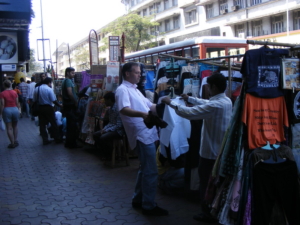 Nukkad Nataks, Indian street theatre, plays a vital role in preserving and revitalizing the cultural heritage of India; with roots in traditional storytelling and folk theatre forms that date back over 5,000 years, Nukkad Nataks emerged prominently in the 1980s as a tool for community engagement.
Background
In a country where public life is very open – where people cook, bathe, and connect with neighbours in shared spaces – and where access to literature and formal education is not universal, Nukkad Nataks offer an ideal medium for communication. Performed in vibrant public settings like street corners, markets and college campuses, these short, high-energy plays turn everyday spaces into platforms for protest, dialogue and awareness, as Euronews reports.
Nukkad Nataks confront deeply human struggles and provoke urgent conversations. Their interactive, accessible format – featuring props, music and audience participation – ensures their messages on themes such as gender equality, political corruption, and environmental justice resonate with a wide-cross section of society.
The SOS Children’s Villages India
One powerful example is a street play that the young girls of Children’s Villages India perform, addressing the urgent issues of female education and restrictive gender roles. A 15-year-old girl Meena wrote and staged the story in a public courtyard. The play was deeply personal – shaped by her own experiences growing up in a community where girls are discouraged and shamed for seeking an education.
The absurdity of this notion was amplified through use of sharp exaggeration and satire, causing the audience to question their moral system. Recognizing the value of youth in the fight for equality, this Indian street theatre group focuses on harnessing the creativity, leadership and self-expression of young activists.
SCMS Hyderabad
SCMS Hyderabad delivered a Nukkad Natak raising awareness about the widespread issue of child labour in India and its traumatic impact on children’s futures. Their powerful Indian street theatre portrayed a series of heart-wrenching realities: a young boy injured while toiling on a construction site; a girl trapped in domestic servitude, watching other children attend school; and another boy burdened with the role of a family breadwinner as his childhood quietly slips away.
At the play’s crescendo, an actor takes on the haunting role of child labour itself, joining the children’s desperate cries for freedom – a symbolic moment that brought the emotional weight of the issue to life. Through emotive performances, the student actors revealed the audience’s passivity and naivety, urging them to join the fight for a more promising future for every child. on the public to stand together in the fight for a more promising future for every child.
Yatri Niwas
Nukkad Natak also blends entertainment with vital education on health and safety. A striking example is the Yatri Niwas street play, where actors dressed as mosquitoes and viruses to raise mass awareness about the devastating impact of Dengue fever.
In a country where preventable diseases continue to claim lives, especially among the poor and vulnerable, this creative yet hard-hitting performance blended humour with harsh truths about the consequences of neglecting cleanliness. It shared life-saving information about Dengue’s causes, prevention and control, aiming to reach as many people as possible. The group dramatized the importance of awareness, empathy and group action in protecting public health.
Banka Bihar
Six tribal women from the Theatre of the Oprressed performed the unique Nukkad Nattax that dismantles the conventions of traditional theatre. The company serves as both a refuge and a platform – empowering women to transform their lived experiences of subordination into impactful, performative storytelling. Through a series of short scenes that expose the devastating consequences of gender inequality across India, the performances invite direct audience participation. Spectators are encouraged to pause the action, step onto the stage, and share their own stories if they feel compelled.
This interactive format not only deepens engagement but also fosters solidarity against gender-based discrimination. For many, this Indian street theatre provides liberation; several women have credited it with giving them the strength to leave abusive relationships and claim their autonomy.
Making Changes
These plays artfully expose audiences to the various forms of corruption within their society, and use cleverly executed theatre crafts to catalyse change that benefits and begins with the ordinary person. Their ability to ignite conversations, empower people across all age groups and communities and encourage civic responsibility cannot be overlooked. Hence, by turning public spaces into stages and amplifying unheard voices, Indian street theatre actively performs a more conscious, compassionate and equitable society into existence.
– Emily Wooster
Emily is based in Birmingham, UK and focuses on Good News and Global Health for The Borgen Project.
Photo: Flickr
