The Unspoken Story Of The Chagossians The Chagos Archipelago, a cluster of more than 60 islands with seven main atolls, holds deep historical, ecological and geopolitical significance. At its heart lies Diego Garcia, the largest and most pivotal island. In the 1960s, the British forcibly removed the Chagossians, mainly from Diego Garcia, to establish a United States (U.S.) – United Kingdom (U.K.) military base. This act caused decades of economic hardship, social injustice and the silencing of Chagossian voices.

Although the U.K. retained control as part of the British Indian Ocean Territory, Mauritius has consistently contested this claim, asserting its rightful sovereignty over the islands. The Chagos Islands symbolize both immense natural beauty and profound human suffering. This duality persists, as the displaced Chagossians continue their fight for justice, recognition and economic equality. 

Displacement of the Chagossian People

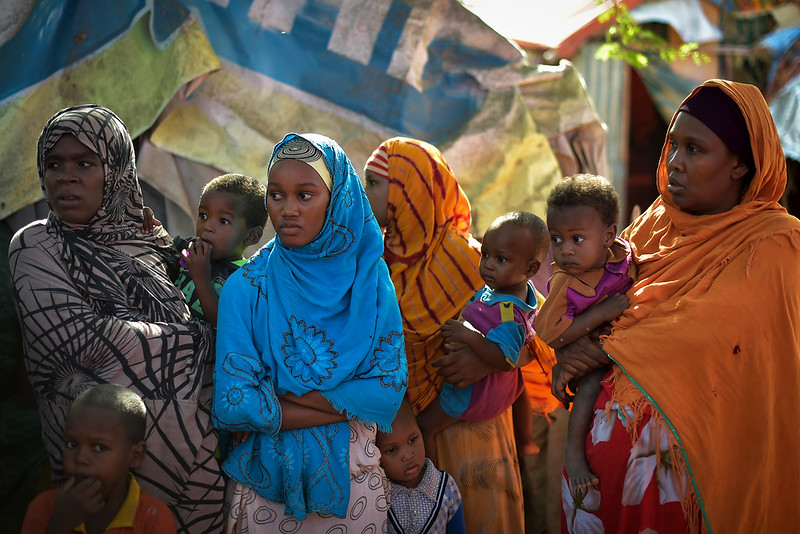
The British removal of the Chagossians marked a turning point in the archipelago’s history. Forced to leave their homeland, thousands resettled in Mauritius, Seychelles and the U.K., where they encountered poverty, legal identity struggles and limited opportunities. Attempts by the Mauritian government to alter Chagossian birth certificates deepened fears of cultural erasure.

From the 1960s and 1970s, displaced Chagossians struggled to rebuild their lives. Many arrived in new lands with no resources, legal identity or support systems. While the British government offered $3 million to Mauritius and a $4 million trust fund for the displaced, these measures failed to address the deep economic and social impacts of the removal.

Diego Garcia, transformed into a U.S.-U.K. military base, embodies the power imbalance that facilitated this displacement. Former U.K. Prime Minister Margaret Thatcher stated it would only be returned when “no longer needed.” Former U.S. Defense Department official Gary Sick admitted that during the removals, “nobody cared very much about these populations.” Currently, the Chagossian diaspora numbers more than 10,000, primarily in Mauritius and Seychelles, where economic and social challenges persist.

Legal Battles for Justice

In 1971, a U.K. immigration order banned the Chagossians from returning home. A 2000 High Court ruling initially favored the displaced community, but the British government overruled it using the Queen’s royal prerogative. Subsequent court decisions varied, with the House of Lords rejecting their right to return in 2008.

In 2024, U.K. Prime Minister Keir Starmer announced plans to transfer sovereignty of the Chagos Archipelago to Mauritius. This agreement includes a 99-year lease for U.K. and U.S. military operations and excludes Diego Garcia from resettlement due to its strategic importance.

The U.K. only recently acknowledged Mauritius’s claim, following advisory guidance from the International Court of Justice (ICJ), which ruled that the islands were taken against the people’s will. This long-standing legal battle highlights the enduring injustice faced by the Chagossians.

Efforts Toward a Brighter Future

Activist groups, such as Chagossian Voices, have amplified the struggles of the Chagossians on the global stage. Based in the U.K., the organization advocates for Chagossians worldwide, providing support and addressing social injustice. Its efforts led to the U.K. citizenship for Chagossian descendants and a $40 million support package for the community.

Chagossian Voices continues to emphasize the urgency of recognizing the community’s rights and addressing the need for resettlement. The organization works to ensure the global community does not overlook the Chagossians’ fight for justice, highlighting the importance of reparative justice, cultural preservation and recognition of their sovereignty.

Despite these ongoing efforts, many challenges remain unresolved. Key issues include resettlement, economic support and the continued use of Diego Garcia as a military base. The journey toward justice for the Chagossians is ongoing, requiring sustained advocacy and international attention.

A Path to Reconciliation

The Chagos Archipelago’s story is one of resilience and enduring hope amid profound challenges. The displaced Chagossians’ fight is more than a struggle for land; it is a quest for justice, cultural preservation and the right to self-determination. As advocacy efforts and international attention grow, the opportunity to transform the Chagos Islands from a symbol of displacement into one of reconciliation and perseverance emerges. The Chagossians’ unwavering determination reminds the world of the far-reaching consequences of colonialism and the pressing need for equitable solutions that uphold human dignity and justice.

– Zacc Katusiime

Zacc is based in Kampala, Uganda and focuses on Politics for The Borgen Project.

Photo: Flickr

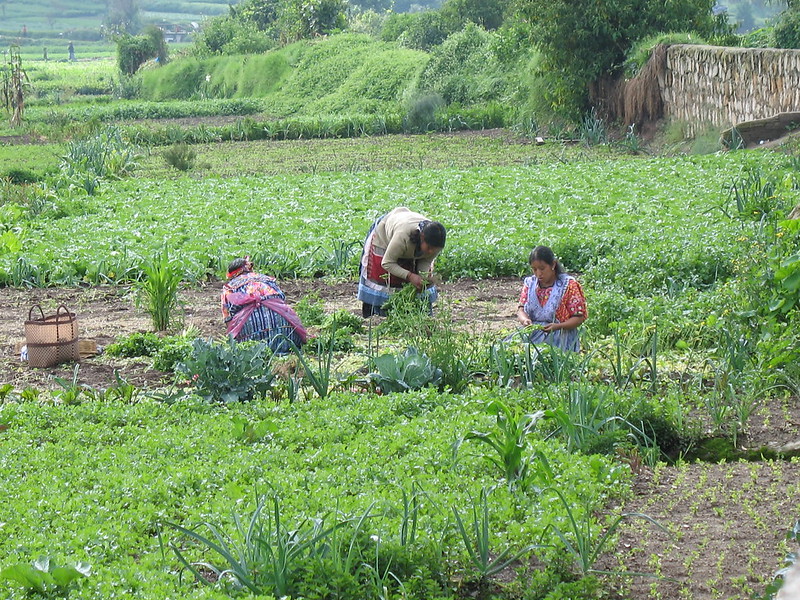
Maya Ch’orti’ in Guatemala: Combating Food Insecurity and Poverty In the mountainous regions of eastern Guatemala, the Maya Ch’orti’ people are reviving centuries-old agricultural practices to combat food insecurity and poverty. These Indigenous communities have faced significant challenges, including land degradation, the changing climate and limited access to markets. With support from organizations like Slow Food International and its Indigenous Terra Madre network, the Maya Ch’orti’ people are reintroducing sustainable farming methods. These traditional methods not only preserve their cultural heritage but also offer a sustainable pathway out of poverty. 

The Challenge of Food Insecurity

Guatemala is one of the most food-insecure countries in Latin America. More than half of the population enduring multidimensional poverty and rural Indigenous communities like the Maya Ch’orti’ are disproportionately affected. Historically, the Maya Ch’orti’ practiced sustainable agriculture, growing maize, beans and squash using traditional intercropping methods. However, the combination of modern agricultural pressures and environmental degradation led to the decline of these practices. Furthermore, this has resulted in poor crop yields and increased poverty.

Currently, the changing climate exacerbates these problems. Changes in the climate make it more difficult for the Maya Ch’orti’ to grow enough food to feed their families. Many households struggle with malnutrition and limited income, perpetuating a cycle of poverty that spans generations. This is where Indigenous agriculture in Guatemala comes into play, reviving ancient methods to address food insecurity.

Reviving the Milpa System

In response to these ongoing challenges, organizations like Slow Food International have stepped in to help the Maya Ch’orti’ reclaim their traditional agricultural knowledge. Slow Food International is a global organization dedicated to preserving local food cultures, promoting biodiversity and supporting sustainable agriculture by empowering communities, including Indigenous peoples, to maintain traditional farming practices and protect their natural resources. 

With funding and technical assistance from the Indigenous Terra Madre network, the community is reintroducing the Milpa system, a traditional intercropping method that involves planting maize, beans and squash together. This system, a core example of Indigenous agriculture in Guatemala, is proving to be an effective solution for increasing crop yields and improving soil health.

The Milpa system is highly sustainable: maize provides a structure for beans to climb, beans fix nitrogen in the soil to improve fertility and squash leaves cover the ground, preventing weeds and conserving moisture. This method has sustained the Maya people for thousands of years and is now being revived to improve food security and resilience in the face of the changing climate.

Economic and Social Benefits

The reintroduction of the Milpa system has profoundly impacted the Maya Ch’orti’ community. The system enables families to produce more food and diversify their crops. This enhances nutrition and reduces reliance on market-bought goods, boosting food sovereignty and shielding the community from food price fluctuations. The revival of traditional agriculture not only improves food security but also creates economic opportunities for the Maya Ch’orti’. With support from Slow Food International, farmers connect to national and international markets that value organic and heritage crops. Selling surplus produce allows families to earn sustainable incomes and lift themselves out of poverty, revealing the broad benefits of Indigenous agriculture in Guatemala.

Empowering Women and Community Resilience

A critical aspect of Slow Food International’s support has been the empowerment of women within the Maya Ch’orti’ community. Women play a central role in traditional food production. By giving them access to resources, training and markets, the project has enabled them to take leadership roles in the agricultural economy. This has not only improved food security but also enhanced gender equality and economic independence for women in the community. Additionally, the project has helped strengthen the community’s resilience to the changing climate.

The Milpa system’s ability to improve soil health and retain moisture makes it more adaptable to changing weather patterns. By revitalizing these Indigenous practices, the Maya Ch’orti’ are better equipped to withstand environmental challenges and ensure their long-term survival. This initiative highlights how Indigenous agriculture in Guatemala can potentially offer a sustainable solution to global challenges.

Looking Ahead

The revival of traditional agriculture among the Maya Ch’orti’ people, supported by Slow Food International, highlights the potential of Indigenous-led solutions to tackle global food insecurity and poverty. The Maya Ch’orti’ combine cultural knowledge with modern support to forge a sustainable future for their community. This initiative’s success demonstrates that investing in Indigenous agriculture in Guatemala preserves biodiversity and cultural heritage. Furthermore, it offers a viable solution to pressing global challenges.

– Safa Musa

Safa is based in London, UK and focuses on Global Health for The Borgen Project.

Photo: Flickr

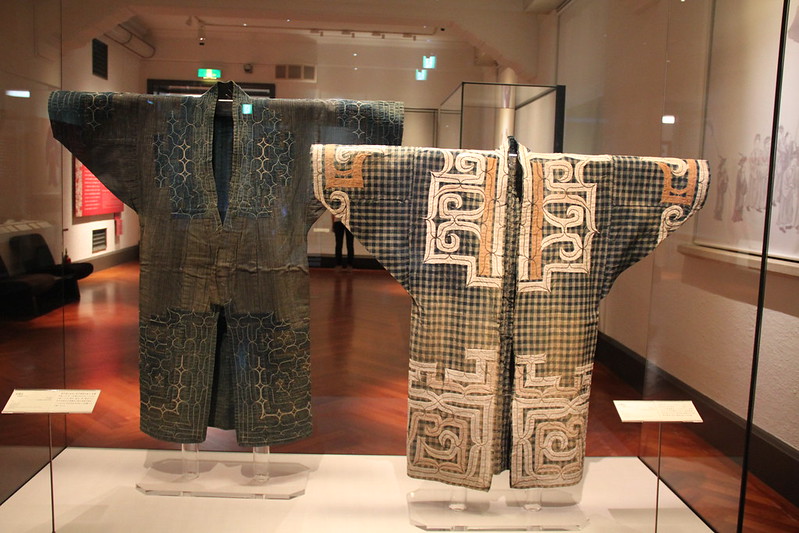
Challenges and Progress of the Ainu People in JapanJapan, renowned for its natural beauty and rich cultural traditions, is also home to the Ainu, an indigenous people native to the country’s northern regions. Traditionally, the Ainu inhabited northern Honshu, Japan’s main island, as well as Hokkaido, Sakhalin and the Kuril Islands, the latter two of which are still in a longstanding territorial dispute with the Russian Federation. Currently, most Ainu reside in Hokkaido.

Recognition and Rights of the Ainu

Despite their unique language and culture, the Ainu did not receive formal recognition from the Japanese government until 2008, when the Japanese Diet passed legislation acknowledging them as indigenous people. However, it took another 11 years until 2019 for the Ainu to gain recognition as the native people of Hokkaido.

Historically, past actions of the Empire of Japan during the Meiji Period from 1868 until 1912 made life very difficult for the Ainu and they are still recovering from the consequences at the moment. During this era, the government forbade the Ainu language in schools and banned its traditional hunting and fishing practices. These restrictions quickly marginalized the Ainu socially and economically. In an attempt at rectification in 1899, the government allocated land to the Ainu for farming, but the best farmlands in the region had already been stripped from the Ainu and given to Japanese settlers decades prior.

Economic and Social Advancements

Since the end of World War II, the lives of the Ainu have gradually improved. Organizations such as the Ainu Association of Hokkaido, formed by the Ainu in the 1940s, have strived to overcome the marginalized status of the Ainu. This includes environmental improvement projects and joint workshops in areas inhabited by the Ainu. 

In 2006, a study by the Hokkaido government suggested that the economic living conditions of the Ainu had improved. A decrease in the number of tax-exempt Ainu households in the region suggested that median income had increased amongst the Ainu. The study also revealed that the number of Ainu receiving government assistance had also declined. This meant that the income gap between the Ainu and Japanese peoples had also reduced. 

Educational Achievements and Challenges

In addition to economic improvement, the Ainu have also experienced improvements in access to education in recent years. In 1972, only 41.6% of Ainu attended high school compared to 78.2% amongst Japanese people. This number has significantly increased to 92.6% of Ainu attending high school in 2013. However, that is still behind the number of Japanese in high school at 98.6%. Similarly, the number of Ainu people attending college has risen from 8.8% in 1979 to 25.8% in 2013. While a great improvement, this falls well short of the 42% national average for college attendance.

Looking Ahead

Recent advancements have significantly improved the Ainu people’s economic conditions and access to education in Japan. Although progress is evident, disparities remain, with Ainu high school and college attendance rates still trailing national averages. Continued efforts are essential to close these gaps and ensure the Ainu community achieves full social and economic equality.

– Kaleb Boyer

Kaleb is based in Flint, MI, USA and focuses on Good News and Global Health for The Borgen Project.

Photo: Flickr