South Asian Truck Art: An Art Form of the Poor
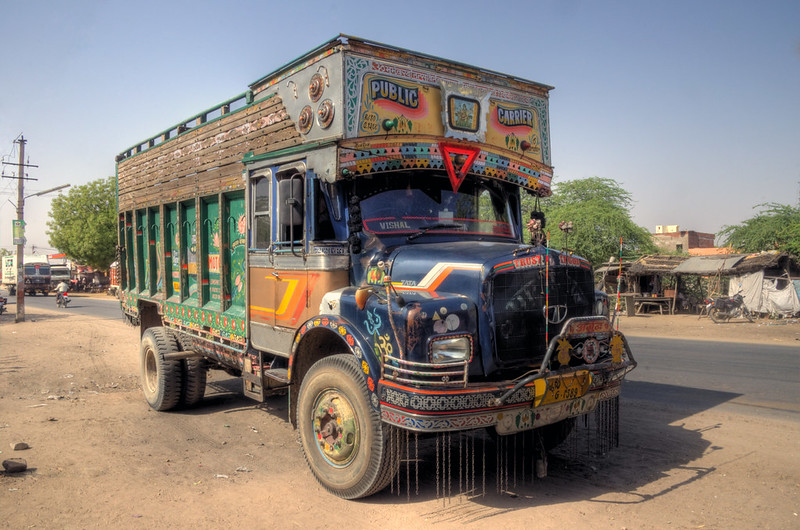 One thing the region of South Asia is popular for is truck art. Streets are full of vibrant, colorful, and detailed trucks that are carrying a variety of exports and necessities. In fact, within these streets, it can sometimes be hard to find trucks that are not donned in this extravagant art style. What is especially interesting about this art form, is that it is one of the working class and poor people in the country, telling an interesting story about aesthetics and poverty.
Origins
Truck art started in the 1920s, “Bedford trucks came from Great Britain, plying all over the country, carting goods”. The individuals driving the trucks decided to dress their vehicles in bright patterns and images to represent the “inspirations and imagination of the people at large, and they also show the close bond of the truck owner with his vehicle”. This gave birth to the concept of truck art, which now dons a majority of trucks in South Asia. The truck art still represents inspiring and important cultural or political images to the drivers.
Poverty Within the Asian Truck Art World
The countries that have the most truck art are also places with extremely high poverty rates. Pakistan, known for having intricately decorated trucks fill up the roads, has a poverty rate of 22%.
According to the working class people who paint the trucks, “people take up this profession not out of choice but out of necessity”. The trucks that have elaborate colors and images originate from these individuals in poverty who paint the trucks for the drivers. Within the world of poverty, aesthetics become a tool of making more of the living conditions inflicted upon them. “From clothes, accessories, decorative items, transport and housing, the aesthetic of the underprivileged is one that has to do with poverty. It is about making do with what is available, or something old and/or something used or even shabby.”
A Form of Hope
Although the drivers and painters are in conditions less than ideal, they use truck art to symbolize a hopeful outlook on life. Individuals interviewed had discussed how the images painted on trucks was not a reality of their lives, but instead their hopes. Despite living through conditions of poverty, truck art helps the workers involved – either through driving the truck or painting the art – hope for a different and better life. South Asian truck art is now popular worldwide for its beautiful and intricate designs, but what is not as popular is the art form’s origins of trying to improve one’s life through art and beauty when in poverty.
– Sara Tareen
Sara is based in San Jose, CA, USA and focuses on Business and New Markets for The Borgen Project.
Photo: Flickr
