• Link to X
  • Link to Facebook
  • Link to Instagram
  • Link to TikTok
  • Link to Youtube
  • About
    • About Us
      • President
      • Board of Directors
      • Board of Advisors
      • Financials
      • Our Methodology
      • Success Tracker
      • Contact
  • Act Now
    • 30 Ways to Help
      • Email Congress
      • Call Congress
      • Volunteer
      • Courses & Certificates
      • Be a Donor
    • Internships
      • In-Office Internships
      • Remote Internships
    • Legislation
      • Politics 101
  • The Blog
  • The Podcast
  • Magazine
  • Donate
  • Click to open the search input field Click to open the search input field Search
  • Menu Menu

Archive for category: COVID-19

COVID-19, Global Poverty, Sanitation, Water Sanitation

Access to Water and Sanitation During COVID-19 

Access to Water and Sanitation
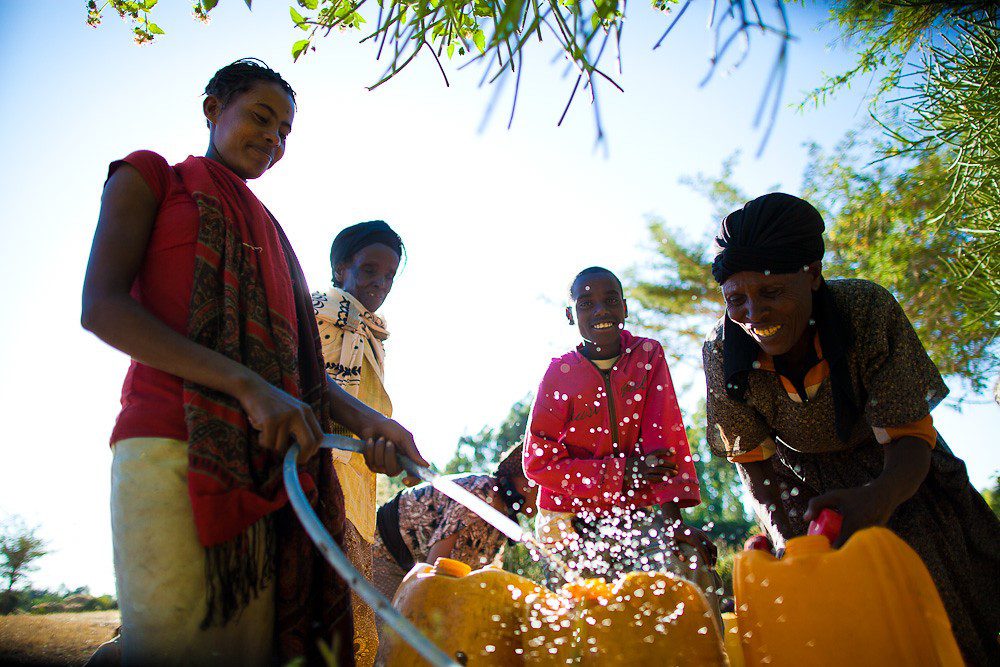
The U.S. investments that have been working toward improving access to water and sanitation have been particularly focussed on building a more water-secure world during the coronavirus pandemic. So far, the pandemic has affected the lives of billions all over the world and the most vulnerable in particular, already struggling with health and sanitation challenges. According to the OECD, before COVID-19, the African continent had already faced a slowdown in growth and poverty reduction. The organization added that “the current crisis could erase years of development gains.”

The pandemic could impact people already struggling with hunger and poverty. Several international organizations estimated that the number of starving people could have increased to 132 billion by the end of 2020.

To support countries struggling with water and sanitation access during the global pandemic, USAID re-configurated the priorities the Water for World Act of 2014 listed.

How does the global pandemic challenge water security and, in turn, how does USAID respond to these challenges? Before tackling these two questions, this article will give a brief background on the Water for World Act of 2014 and discuss its reconfiguration in light of the recent events regarding sanitation.

The 2014 Water for World Act and WASH Programs

The Water for World Act of 2014 is a reform bill that emerged from the 2005 Water for the Poor Act which made water, sanitation and hygiene – conveniently called WASH – top priorities in the federal foreign aid plan. In an attempt to make data more transparent, optimize aid strategies and improve water support, Congress voted for the Water for World Act in 2014. However, in 2020, the pandemic accelerated the need for global access to water and sanitation.

To address this concern, USAID re-designated 18 high-priority countries according to criteria such as lack of access to water, inadequate sanitation conditions and opportunities to make progress in these areas. Some of the high-priority countries are the Democratic Republic of Congo, Haiti, India, Kenya and South Sudan. In doing so, USAID intended to leverage WASH programs and enable vulnerable populations to have continual access to clean water during this critical period.

Current Challenges to Water Security

Access to water and sanitation is a basic human right and the current pandemic underscored the emergency to settle this right in the most vulnerable countries. Populations receive daily reminders to wash their hands and keep a healthy diet to prevent the propagation of the virus and save lives. However, the lack of clean, drinkable water is not only amplifying the already precarious living conditions of vulnerable populations, but it is also making it harder for these countries to stop virus transmission.

COVID-19 tends to affect vulnerable populations the most: poor communities, minorities and people living in crowded areas. According to UN-Habitat, it is clear that the pandemic affects the world’s most vulnerable populations the hardest because they lack sustainable access to water and sanitation.

For instance, India is the second-leading country in the world for most cases of COVID-19. It had almost 11 million cases on February 21, 2021. This number directly links to the country’s crowded rural areas and the lack of access to running water. At the end of 2020, more than 21% of the Indian population showed evidence of exposure to the virus. Meanwhile, in Bangladesh, Rohingya refugees living in a refugee camp are crowded with a population density four to seven times more than New York City, putting them in high-risk situations.

How WASH Programs Help

WASH programs helped high-priority countries respond to the pandemic in 2020. In the Democratic Republic of Congo, USAID and the World Bank financed WASH campaigns to improve the population’s handwashing behaviors.

Meanwhile, in Ethiopia, they collaborated with the local authorities to improve access to water and sanitation in health care facilities. In Haiti, WASH services included purchasing chlorine to clean water and installing water supply in markets, health centers, orphanages and prisons. According to the World Bank report, ensuring that these countries have safe access to water and sanitation is a necessary medium-term response to the pandemic.

US Investments and Improving Access to Water and Sanitation

U.S. investments aim to provide financial support for water service providers. For instance, in June 2020, USAID partnered with UNICEF in Mozambique to provide subsidies covering the cost of private water providers.

USAID also financed programs that relay information about handwashing. In April 2020, U.S. investments financed radio campaigns in Burkina Faso promoting a new handwashing system expanding access to hygiene in more areas. Data has shown that these programs made a difference in terms of transmission. In fact, transmission levels went down in both Mozambique and Burkina Faso from June to December 2020.

USAID also focused on health care facilities and on supporting health care workers in priority countries by training and protecting them. WASH programs trained more than 16,000 workers in diverse locations such as Senegal, India, Bangladesh, Ghana and Cote d’Ivoire. USAID support in Senegal was one of many successes: 447 officers and 549 health workers received training while the programs also resulted in the installation of 497 public handwashing stands in health facilities and high-risk places. They also distributed 2,423 handwashing kits to families with COVID-19.

Looking Ahead

Despite the crises of the past year, one can spot at least one positive outcome: global leaders have had to rethink access to water and sanitation. The pandemic increased global awareness about the importance of water and sanitation security, all over the world. U.S. investments to improve water and sanitation accessibility under the Water for World Act provide help during sanitary and water emergencies, even during these challenging times. The recent update about the high-priority status for designated countries is not the only positive news on the horizon. USAID administrator John Barsa has also signed the Sanitation and Water for all World Leaders call to action. His signature confirms what many have come to realize over the past year; international collaboration is key to fight the pandemic and secure better living conditions for all.

– Soizic Lecocq
Photo: Flickr

February 25, 2021
https://borgenproject.org/wp-content/uploads/borgen-project-logo.svg 0 0 Jennifer Philipp https://borgenproject.org/wp-content/uploads/borgen-project-logo.svg Jennifer Philipp2021-02-25 01:30:302024-05-30 07:56:37Access to Water and Sanitation During COVID-19 
COVID-19, Education, Global Poverty

Migrant Herders and Poverty in Mongolia

Migrant Herders and Poverty
Mongolia is situated in Central Asia and is landlocked by Russia to the north and China to the south. The country has a rich history that remains shrouded in mystery for many people. Its vast landscape consists of mountains, pastures and deserts. As a result, the geography creates suitable conditions for migrant herders to carry out their traditions. Sheep, camels, cattle, yak, goats and horses have provided for nomads for thousands of years.

History of Mongolia

Outer Mongolia used to be a part of the Mongolian Empire while Inner Mongolia was a province of China. The split of Mongolia developed first from internal strife within the Empire.  Genghis Khan ruled in the eastern territory for 34 years. The Manchus people ruled during the Ming and Qing Dynasties. Through alliances with Chinese administrators, the Ming dynasty was able to start expanding its power. By 1700, the Qing dynasty gained full control of Mongolia. To alleviate tensions, the Manchus used strategies to pacify the Mongol Khans. The two groups proposed intermarriage between the two groups in order to stabilize the country. In 1945, Western powers recognized the sovereignty of Mongolia, while Inner Mongolia remained a province of China.

Poverty in Mongolia

There are two main factors that explain the decline of the herding economy: The end and privatization of livestock cooperatives and state farms and climate change. As a result, the socio-economic repercussions rapidly created a new underclass of extremely impoverished families. These families are predominantly unemployed migrant herders with few livestock to support them. In 2017, environmental challenges dealt a fatal blow to the last surviving migrant herders. Thus, around 600,000 migrant herders seeking employment flocked to Ulaanbaatar with their families. Due to their lack of income, many families had to live in yurts around the urban centers.

In an interview, Altansukh Purev told the Guardian, “We lost all our animals […] 39 out of 40 cows, almost 300 sheep. The cows wandered far away in the snow and never came back. And when we got up one morning, all the sheep had frozen to death. We had lost everything so we decided to leave immediately for Ulaanbaatar.” Migrant herders are particularly vulnerable to the “dudz,” an unusual weather pattern marked by dry summers and extremely frigid winters.

Aid for Mongolia

Mongolia experienced a period of recovery when mining sectors, tourism and trade partners brought substantial revenue.

More recently, USAID has reached out to Mongolia during the COVID-19 pandemic to implement strategies for sustainable growth. According to USAID, the Mongolian economy needs to move away from heavily relying on extractive industries and begin expanding its smaller business sectors. To date, USAID has provided more than 500 groups and cooperatives with technical assistance.

Additionally, Australia has awarded scholarships to 62 Mongolian students to receive higher education in Australia. A technical school in the south Gobi serves as a model for Technical and Vocational Education through competency-based training curricula. Australia also extends its assistance to target sustainable growth, safety regulations in the mining sectors and geoscience.

Migrant herders are finding more opportunities to improve their income, education and health through aid Mongolia has received. Although many migrants cannot go back to herding, training and education allow them to provide for their families.

– Elhadjoumar Tall
Photo: Flickr

February 24, 2021
https://borgenproject.org/wp-content/uploads/borgen-project-logo.svg 0 0 Kim Thelwell https://borgenproject.org/wp-content/uploads/borgen-project-logo.svg Kim Thelwell2021-02-24 07:30:432024-06-04 01:08:49Migrant Herders and Poverty in Mongolia
Child Poverty, COVID-19, Global Poverty

The Effects of COVID-19 on Child Poverty in New Zealand

Child poverty in New Zealand
During the international struggle of dealing with COVID-19, New Zealand stood out as one of the few nations able to effectively and quickly minimize the virus. But the effects of COVID-19 on child poverty in New Zealand have worsened one of the country’s biggest social problems. More than 235,000 children live in poverty in New Zealand, a striking number considering New Zealand’s population of 4.8 million.

Child poverty in New Zealand is among the nation’s most dominant social issues. Tackling child poverty was a key tenant of Prime Minister Jacinda Ardern’s Labour Party Platform prior to her 2020 reelection. However, the economic fallout from the pandemic has hampered the government’s ability to deal with widespread poverty. Still, the government’s pandemic population assistance could be useful for taking on child poverty in the long term.

The Pandemic of Child Poverty

The New Zealand government defines child poverty across three measures. The first two include children living in low-income families before and after factoring in housing costs. The other encompasses children facing “material hardship.” Material hardship is a condition that a list of 17 factors in a child’s day-to-day life measures, such as owning two pairs of good shoes or having financial access to a doctor. If a child does not meet six of these items, the government considers them as living in material hardship. The government estimates that 13.4% of children in New Zealand were in material hardship in 2019 and that 20.8% of children lived in poverty after factoring in housing costs.

Even before COVID-19, the reduction of child poverty in New Zealand was challenging for the federal government. Even though Ardern and the Labour Party ran on the promise they would halve child poverty and material hardship by 2028, the percentage of children living below the poverty rate dropped by only 1.6% between 2018 and 2019. Early in 2020, UNICEF ranked New Zealand as having the 33rd worst record on child poverty out of 37 nations in the Organization for Economic Cooperation and Development (OECD).

COVID-19 Response and Alleviating Poverty

The New Zealand government’s response to COVID-19 provided a number of economic and social safety nets to those the pandemic affected, dedicating 4% of its GDP to pandemic relief. New Zealanders received a weekly relief payment until June 30, 2020. The amounts ranged from $585 a week for full-time employees and $350 a week for part-time employees. The government also introduced wage subsidy programs for employers and employees, allowing families to earn their pre-pandemic income even if they were unable to work regular hours or at their place of employment.

According to the government’s 2020 Wellbeing Budget, these relief programs kept several families from slipping into poverty throughout the pandemic. In managing the COVID-19 crisis, Jacinda Ardern’s government found effective ways to manage child poverty in New Zealand. It did this through the subsidization of wages and relief programs with the intention of protecting household economic stability. In addition to wage subsidies and relief packages, the government has worked to fight poverty during the pandemic through:

  • Doubling the “Winter Energy Payment,” a welfare program with a design of helping low-income families and pensioners pay for energy bills.
  • Introducing a rent freeze to prevent low-income or unemployed households from eviction.
  • Negotiating with major banks on deferring mortgages.

The Future of Child Poverty Response

These benefits are temporary, with the purpose of shielding New Zealanders from the economic impact of the pandemic. However, the government is incorporating economic relief into its long-term plans to tackle child poverty in New Zealand. Labour’s 2020 Manifesto, which the government’s response to the pandemic shaped, includes extensive plans to assist low-income New Zealand households and workers. This includes extensions of COVID-19 relief programs, such as wage subsidies for those seeking employment.

Child poverty in New Zealand remains a high national priority for the government and the people of New Zealand. The government’s fast response to COVID-19 mitigated what could have been a disastrous increase in child poverty. Should Jacinda Ardern’s coalition government between Labour and the Green Party continue to follow the success of its COVID-19 response, New Zealand could take major strides in tackling child poverty.

– Kieran Graulich
Photo: Flickr

February 24, 2021
https://borgenproject.org/wp-content/uploads/borgen-project-logo.svg 0 0 Kim Thelwell https://borgenproject.org/wp-content/uploads/borgen-project-logo.svg Kim Thelwell2021-02-24 06:40:002024-05-30 22:23:03The Effects of COVID-19 on Child Poverty in New Zealand
COVID-19, Global Poverty

Eliminating Poverty: Update on SDG 1 in Mozambique

Eliminating Poverty in MozambiqueLocated on the southeastern coast of Africa, Mozambique is home to approximately 29.5 million Mozambicans. With a 52% female and 48% male population growing at a rate of 2.5%, high child mortality rates, increased 12.6% HIV prevalence, low life expectancy and low literacy rates, Mozambique is struggling with most of the U.N.’s Sustainable Development Goals (SDG). Mozambique ranks 136 of the 162 countries measured by the Sustainable Development Index. The first SDG is eliminating poverty in Mozambique.

Poverty in Mozambique

According to Mozambique’s Household Budget Survey, 46.1% of the population lives below the poverty line. There exists multidimensional poverty measured by the quality of family, nutrition, education, work, health, sanitation and hygiene (WASH), resulting in 46% of children 17 years and below living in poverty.

The country’s location makes it vulnerable to many natural disasters that often stunt its economic growth, making it difficult to eliminate poverty in Mozambique. Mozambique faces a combination of tropical and dry climates, an abundance of natural resources ranging from renewable energy sources to agro-ecological regions, forests and wildlife. The Gross Domestic Product (GDP) growth rate fell from 7.4% to 3.7% between 2007 and 2017 as a result of drought, flood and cyclone natural disasters.

Barriers to Eliminating Poverty in Mozambique

The recent COVID-19 pandemic has brought an additional burden to Mozambique, coming just as the country was recovering from major economic shocks related to its recent debt crisis and the devastating 2019 cyclones. Since the onset of the pandemic, Mozambique has already experienced a 4% decline in its economic growth expectations with significant adverse effects on its already struggling economy. Mozambique is expected to feel the lasting effects of this shift in the coming years, facing even larger external and fiscal financing gaps than previously anticipated. Further, there is concern that large numbers of Mozambicans are on the verge of re-entering poverty, erasing much past progress and setting the country back on the SDG to eliminate poverty.

One of the main barriers to eliminating poverty in Mozambique is its long-standing exclusion regarding gender and other vulnerable groups and regional public policy imbalances. In order to have sustainable poverty reduction, Mozambique must give special attention to eliminating these key issues.

Current Efforts and Solutions

The Nation Basic Social Security Strategy (ENSSB) was developed to help achieve the government’s five-year plan (2015-2019) to implement actions aimed at reducing poverty and vulnerability. Between 2016 and 2024, it seeks to ensure impending economic growth is of benefit to all its citizens, particularly the most vulnerable. A strategy based on the Agenda 2063 of the African Union and the U.N.’s SDGs, the ENSSB was designed to build an efficient and effective social security system in Mozambique. It directly aims to sustainably support and strengthen Mozambique’s most impoverished population’s capacity to defend themselves against social risks such as violence, abuse, exploitation, discrimination, and social exclusions due to their elevated vulnerability.

The World Bank Group (WBG) currently supports a wide and diverse lending portfolio for the benefit of eliminating poverty in Mozambique. Focusing on Mozambique’s most vulnerable and underserved populations, the WBG has lent its resources to 27 operations with contributions of $3 billion funded by the International Development Association (IDA). The International Finance Corporation additionally has existing investments of up to $176 million, with $15 million in advisory services alone as of June 2020. The WBG’s portfolio consists of two Multilateral Investment Guarantee Agency exposures of up to $89.1 million as well.

Such large and varied contributions and investments have the following primary goals: diversification for economic growth and development, human capital development, and increased sustainable development, prosperity and resilience.

COVID-19 Relief Support in Mozambique

As a result of the onset of the pandemic, Mozambique is struggling with a growing fiscal gap and economic fallout. In order to prevent deepening long-term economic effects, the WBG approved a $100 million grant from the IDA on October 22, 2020. This funding aims to mitigate the pandemic’s adverse impact by providing emergency government financing, supporting affected businesses and households and improving fiscal sustainability reform.

This effort of the WBG will serve as part of its existing plans to aid Mozambique in post-crisis recovery in the form of improving health services, access to water and sanitation, extending social protection and labor, improving business, job creation and retention and economic management. These goals will help push Mozambique forward, improve Mozambicans’ quality of life and lift people out of poverty. These investments will be implemented through a two-pronged approach. First, the health sector will be addressed, along with social security, safety and water access for all Mozambicans, with a particular focus on the urban poor and vulnerable populations. Secondly, supporting small and medium enterprises’ (SME) access to financing and liquidity will help catalyze economic growth in the financial sector and industry reform and strengthen Mozambique’s fiscal and debt framework.

Though Mozambique has faced many setbacks in its economic development in recent years, the above strategies will hopefully set the country on its way to achieving the very first Sustainable Development Goal of eliminating poverty in Mozambique.

– Rebecca Harris
Photo: Flickr

February 20, 2021
https://borgenproject.org/wp-content/uploads/borgen-project-logo.svg 0 0 Kim Thelwell https://borgenproject.org/wp-content/uploads/borgen-project-logo.svg Kim Thelwell2021-02-20 01:31:042021-02-16 12:54:14Eliminating Poverty: Update on SDG 1 in Mozambique
COVID-19, Foreign Aid, Global Poverty

The Impact of Spain’s Foreign Aid 

Spain’s Foreign Aid
Spain is a great example of a country with a diverse and organized foreign aid plan. The European nation provides aid in many different sectors to a diverse set of recipients and its population places a high value on international support. Spain’s foreign aid expenditure was a total of $2.9 billion USD in 2019, making it the 13th-largest provider of foreign aid in the world. While Spain’s foreign aid allocations fluctuate due to economic trends and fortune, the nation displays a strong commitment to development across the world. 

Spain’s Aid Strategy

Spain’s foreign aid primarily goes towards Sub-Saharan Africa and Latin America as a whole, but there are some exceptions. Some of the main countries Spain gives aid to have a long history or a strong relationship with the country. The top 10 nations that receive aid from Spain are:

  • Venezuela
  • Colombia
  • Turkey
  • El Salvador
  • Syria
  • Morocco
  • Guatemala
  • The West Bank and Gaza Strip
  • Bolivia
  • Ukraine
Of these nations, some were former colonies of Spain whereas some are very close to Spain. For example, Morocco is a mere 8 miles from Spain across the Strait of Gibraltar. This could be a primary reason why these nations are among the top receivers of Spanish foreign aid. Still, aid to these top 10 recipients only accounts for a quarter of Spanish foreign aid, showing how balanced and wide-reaching the nation’s aid planning is.

Spain’s foreign aid is diverse and targets many different sectors for development. The primary sector Spain invests in is governance and security, followed by education, industry and trade, humanitarian aid and health care. This makes up about half of the aid that Spain sends out, with the rest unspecified or in smaller sums going to sectors like water and sanitation, infrastructure and debt relief. Spain has recently made crucial contributions in these sectors to donor countries. For example, Spain sent €2 million in aid to Venezuela during its economic crisis, which Spain’s foreign aid agencies spent getting food and medical supplies to the most impoverished.

Aid in the Past Decade

Unfortunately, Spain’s commitments to foreign aid have dropped in recent years, mainly due to economic considerations. The economic crisis of 2008 hit Spain hard, and the country’s foreign aid budget mirrors its economic troubles. Spain currently contributes 0.21% of its GNI (Gross National Income) to foreign aid. This is down from a high of nearly 0.5% in 2009 when the effects of the crisis first hit. While foreign aid commitments suffered in the past decade, Spain has a strong plan to revamp its foreign aid budget in the coming years.

Still, in recent years, Spain has put its foreign aid to good use. The Spanish Agency for International Development Cooperation’s Humanitarian Action Office identified five current crisis areas that Spain’s current foreign policy plan for 2018 to 2021 emphasized. These are the Syrian regional crisis, the Sahel and Lake Chad, the Palestinian Territories, the Sahrawi Refugee Camps and Latin America and the Caribbean. Spain also participated in various emergency responses to natural disasters. These include the 2018 earthquakes in Indonesia, the 2018 Fuego volcano eruption in India and Cyclone Idai in Mozambique in 2019. The aid Spain provided included on-the-ground disaster response support and the deployment of a team of medical professionals from its health care system in response to the cyclone.

Public opinion towards foreign aid in Spain remains remarkably strong despite the recent downturn in the foreign aid budget. According to a 2018 Eurobarometer survey, Spaniards attached the greatest importance to international aid of any European nationality. It also ranked highest in Europe regarding citizens’ belief that their government should give more emphasis to international aid. 

Looking to the Future

The future of Spain’s foreign aid is bright and signifies a return to the country’s previous strong commitments to foreign aid. Spanish Prime Minister Pedro Sánchez supports a target of 0.5% GNI contribution to foreign aid and included it as a part of his governing coalition’s agreement.

Spain has been displaying a commitment to a new future of foreign aid recently, especially during the COVID-19 crisis. The country’s foreign development agencies released the Spanish Cooperation Joint Strategy to fight COVID-19, which included an extra $2 billion budget for foreign aid in 2020 and 2021. It also announced that it will prioritize global health and epidemic prevention in its development cooperation policy.

Since 2020, Spain has pledged to contribute hundreds of millions of dollars to multilateral institutions such as the Global Fund to Fight AIDS, TB and Malaria, the Green Climate Fund, the U.N.’s Sustainable Development Goals Fund and the Global Agriculture and Food Security Program. These contributions, its balanced aid policies and the populace’s enthusiasm for foreign aid indicate that Spain will continue to be a global leader in this area. 

– Clay Hallee
Photo: Flickr

February 19, 2021
https://borgenproject.org/wp-content/uploads/borgen-project-logo.svg 0 0 Jennifer Philipp https://borgenproject.org/wp-content/uploads/borgen-project-logo.svg Jennifer Philipp2021-02-19 07:30:302024-05-30 07:56:37The Impact of Spain’s Foreign Aid 
COVID-19, Global Poverty

Côte d’Ivoire Health Care Post-COVID  

Côte d’Ivoire Health Care
Côte d’Ivoire health care has faced challenges in recent years and even more so during the COVID-19 pandemic. According to a 2020 Helen Keller International report, Moriame Sidibé, a mom and homemaker from northern Côte d’Ivoire was a “Vitamin A Hero” because every six months for the past three years she spent three full days walking door to door and village to village to give young children Vitamin A and deworming pills. Sidibé faced challenges because sometimes she needed to convince mothers of the importance and safety of the pills, coax the children to swallow the pills and mark the children’s fingers with black ink so she would not accidentally give them a second pill.

Sidibé left her own four young children to do this, but it was worth it to her because she has training as a community health volunteer who is part of a collaboration between the Ivorian government, Helen Keller International, the United Nations International Children’s Fund (UNICEF) and Nutritional International fighting the extreme form of malnutrition in children called micronutrient deficiency or “hidden hunger.”

The Situation

Twenty-five percent of Ivorian children get enough calories, but not foods with sufficient Vitamin A, zinc, iodine or iron.  That “hidden hunger” puts one in four Ivorian children at risk of blindness, impaired brain development and some fatal infections. Deworming pills kill the parasites that prevent children from absorbing micronutrients including Vitamin A, and together the deworming pills and the Vitamin A can save children’s lives. In December 2019, the campaign reached 5 million children or 98% of all Ivorian children, an incredible accomplishment of a ministry of health working with international non-governmental organizations (NGOs) and trained community health volunteers.

Côte d’Ivoire, the West African nation of 25 million, enjoyed a strong 8% average GDP growth between 2011 and 2018. According to the World Bank, the country had one of the strongest economies in sub-Saharan Africa due to an expanded middle class that supported demand in industry, agriculture and services. The Côte d’Ivoire health care indicators, however, lagged behind other less-developed nations, and in 2018, Côte d’Ivoire ranked 165 of 189 countries on the U.N. Human Development Index.

As noted in a 2020 Oxford Business Group report, planned increases in health care spending should improve these indicators. Côte d’Ivoire spent $1.8 billion on health care in 2016, $2 billion in 2019 and intends to spend $2.3 billion in 2021. The country invested in access to services, renovation and building of medical facilities, and development of technical platforms aligned with international health standards. The Ivorian government worked with a number of programs like the Helen Keller International Vitamin A Heroes; however, then the COVID-19 pandemic hit.

Despite COVID, Côte d’Ivoire Health Care Initiatives Regroup to Persevere

Based on the World Health Organization COVID-19 transmission guidance, the Vitamin A Heroes collaboration discontinued its door-to-door campaign. Nevertheless, during the pandemic, the campaign has resolutely distributed Vitamin A and deworming pills at local health clinics when children come with their families for other reasons. Once the pandemic subsides, it will renew its crucial Vitamin A Heroes campaign.

Predicted to Rebound Post COVID and Target Health Care

Côte d’Ivoire’s pre-COVID targeted investment in health care services, facilities and technical innovation gives Côte d’Ivoire health care a positive outlook according to the Oxford Business Group report. The International Monetary Fund predicts that Côte d’Ivoire’s GDP growth will climb back up to 8.7% in 2021 as the new investment in Côte d’Ivoire health care parallels the successful investment in other sectors.

Moving Forward, Côte d’Ivoire to Roll Out Planned Health Care Initiatives

One example of a Côte d’Ivoire health care collaboration of governmental, NGO and local organizations that launched during the COVID-19 pandemic in 2020 is Harness the Power of Partnerships. Harness the Power of Partnerships is a Côte d’Ivoire health care initiative to use faith-based organizations in the HIV response. Faith-based leadership is working with the President’s Emergency Plan for AIDS Relief (PEPFAR) and the Joint United Nations Programme on HIV and AIDS (UNAIDS) on long-term strategies to reduce the stigma of HIV/AIDS and to keep Ivorians on their antiretroviral therapies. This PEPFAR/UNAIDS program exemplifies how the Ivorian government continues to partner with non-government groups, including local groups, in order to improve Côte d’Ivoire health care indicators.

Improving Côte d’Ivoire health care will not be an easy task, but creating collaborations with international powerhouses like PEPFAR, UNAIDS, Helen Keller International and local nonprofits and community leaders is definitely a strategy worth watching as COVID-19  subsides and the Ivorian economy rebounds.

– Shelly Saltzman
Photo: Wikipedia Commons

February 19, 2021
https://borgenproject.org/wp-content/uploads/borgen-project-logo.svg 0 0 Jennifer Philipp https://borgenproject.org/wp-content/uploads/borgen-project-logo.svg Jennifer Philipp2021-02-19 01:30:392024-05-29 23:18:49Côte d’Ivoire Health Care Post-COVID  
COVID-19, Developing Countries, Global Poverty

Global Issues: The Debt Crisis During COVID-19

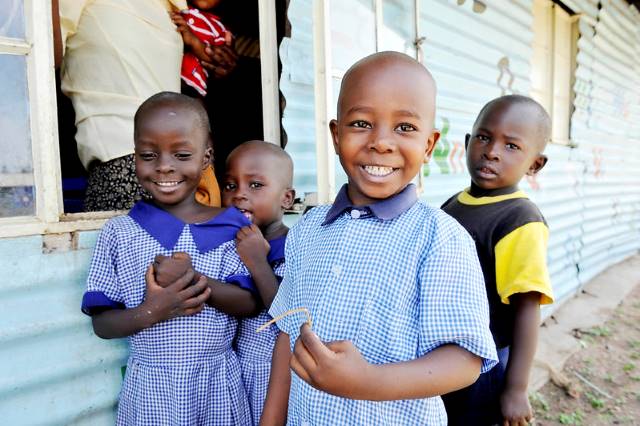
the debt crisisBefore the COVID-19 pandemic, the poverty rate was expected to drop to 7.9% in 2020. But, according to the president of the World Group Bank, the pandemic may cause more than 1.4% of the world’s population to fall into extreme poverty. Since March 2020, these countries have seen lower export prices, less capital and remittance inflows and shrinking tourism revenue. Many low-income countries are facing limited resources and weak institutions that prevent them from supporting their economies. Furthermore, the debt crisis has only worsened the economic situation of developing countries during COVID-19.
The Global Debt Crisis

Half of low-income developing countries entered the pandemic with high public debt. The U.N. hoped to raise $10.19 billion to help the poorest countries during COVID-19 but only managed to raise $2.8 billion. With 150 million people threatened to fall into extreme poverty, experts are worried about the long-term economic effects of the debt crisis.

The debt crisis is becoming increasingly more destructive in many countries. The borrowing of money is occasionally controversial because citizens are not always aware of the purpose of a loan or its terms and conditions.  Sometimes these loans are used to benefit a small group of people in the country. In 2020, low-income nations were expected to pay at least $40 billion to service debts. The 76 countries with the lowest incomes owe at least $573 billion in debt. These economies are forced to handle massive amounts of debt while facing rising domestic demands, dwindling tax revenues and shrinking economies.

Consequences of Defaulting on Debt

Failure to repay a debt, including interest or principal on a loan, is called debt default. According to research from the International Monetary Fund (IMF), waiting to restructure debt until after a default is associated with larger declines in GDP, investment, private sector credit and capital inflows. Several studies have suggested that debt crises result in a substantial drop in economic growth. For example, failure to repay debts will decrease a country’s rating. Debt defaults affect a country’s ability to borrow money, exclude countries from international capital markets and increase borrowing costs.  Furthermore, since international debts have to be paid back in the creditors’ currencies, it could force governments to mine their natural resources to generate hard cash, thus continuing harmful environmental practices.

The Debt Service Suspension Initiative (DSSI)

The World Bank has proposed a new idea for countries suffering from “unsustainable” debt. The Debt Service Suspension Initiative (DSSI) is a tool that global institutions have created to stave off the debt crisis, which would allow countries to pause debt repayments to creditors interested in participating. According to The New Humanitarian, if all eligible countries join the initiative, it will free up approximately $11 billion for social spending by governments. Those who sign up for the DSSI will be expected to open its books, reveal its debt and refrain from taking more commercial loans on the side. Debt intervention for the poorest countries is, however, not a new idea.

The debt crisis affects a wide group of people, many of whom already face extreme poverty. The Debt Service Initiative may be expanded at future World Bank meetings. According to analyst and executive director for global policy, David McNair, “Countries need money now to respond to the pandemic and the quickest way to do that is to basically stop debt repayments.”

Pausing Repayments to Prioritize Pandemic Recovery

The debt crisis demands attention, especially as the COVID-19 pandemic interferes with access to resources while highlighting weaknesses in developing countries’ institutions. The World Bank is focused on using a new initiative to pause repayments in hopes of freeing up money for social spending. The initiative will also steer countries away from the consequences of debt default, such as declines in investments, capital inflows and lowered ratings. The goal is to see leaders in developing nations using the pause from payments to access resources necessary for solving prominent issues in the country.

– Rachel Durling
Photo: Flickr

February 18, 2021
https://borgenproject.org/wp-content/uploads/borgen-project-logo.svg 0 0 Jennifer Philipp https://borgenproject.org/wp-content/uploads/borgen-project-logo.svg Jennifer Philipp2021-02-18 02:29:362021-02-18 02:29:36Global Issues: The Debt Crisis During COVID-19
Children, COVID-19, Developing Countries, Education, Global Poverty

Continued Education for Vulnerable Children in Kenya

Vulnerable Children in KenyaOrganizations like UNICEF and ACAKORO have been providing educational resources to Kenyan students despite the immense difficulties in the country due to COVID-19 and 2020’s locust invasion. On March 15, 2020, the Kenyan Government forced schools to shut down due to COVID-19. Due to school closures, millions of students risk losing out on education during the pandemic. Organizations stepped in to provide resources, remote learning services and sanitation facilities to vulnerable children in Kenya.

Education in Kenya

Over the past decade, poverty in Kenya has improved due to the country meeting many of its Millennium Development Goals. The Millennium Development Goals are goals created by the United Nations to help underdeveloped nations improve and one of these goals is to achieve universal primary education. A key issue that Kenya needs to address is education disparities. According to a UNICEF study conducted in 2014, low educational attainment of the household head and living in rural areas is the highest indicator that predicts child poverty.

Impoverished children struggle to gain an education. More than 1.2 million primary-school-age children do not attend school. Even more vulnerable children like orphans have increased susceptibility to experiencing education disparities.

Employment in Kenya

Young people in search of employment experience difficulties finding a job that lifts them out of poverty. Only 1% of Kenyan youth have a university education and many young people are entering a job market with few hirable skills. A whole 40% of the youth in Kenya either did not go to school or failed to complete primary education and the largest percentage of people unemployed in Kenya is represented by those aged between 15 and 24. Higher education in Kenya is expensive and not accessible to disadvantaged children.

UNICEF Provides Aid

Nationwide access to quality education is key in reducing poverty and investing in the futures of vulnerable children in Kenya. UNICEF alleviated education burdens during the COVID-19 crisis by providing remote learning to students and giving solar-powered radios and textbooks to vulnerable families. Through UNICEF’s solar-powered radios, 40,000 vulnerable children were reached with educational resources that are necessary for remote learning. On December 23, 2020, UNICEF provided 700,000 masks to be distributed in time for schools to reopen on January 4, 2021. Improved access to sanitation is an ongoing issue, and due to the pandemic, the need for sanitation is of crucial importance. UNICEF foresaw the issue and provided handwashing facilities to hundred of schools.

ACAKORO

ACAKORO is a community-based organization, supported by UNICEF, that uses football as a tool for development. ACAKORO works with the community of the Korogocho slum and has been tutoring vulnerable children during COVID-19 so that they can continue their learning. UNICEF is also supporting the government and the Kenya Institute of Curriculum Development (KICD) with remote learning and getting schools ready to reopen safely.

The Kenya Jua Kali Voucher Programme

The Kenya Jua Kali Voucher Programme, implemented between 1997 and 2001, was a revolutionary comprehensive policy designed to provide vulnerable youth with vouchers to pay for training courses. A similar modern-day strategy can be put in place in order to address the lack of access to essential education in Kenya. Providing equal access to education for all children in Kenya is essential to lift people out of poverty.

Organizations such as UNICEF and ACAKORO are addressing education-related disparities amid the pandemic, thereby addressing overall poverty in the nation.

– Hannah Brock
Photo: Flickr

February 17, 2021
https://borgenproject.org/wp-content/uploads/borgen-project-logo.svg 0 0 Kim Thelwell https://borgenproject.org/wp-content/uploads/borgen-project-logo.svg Kim Thelwell2021-02-17 01:30:452024-05-30 07:56:41Continued Education for Vulnerable Children in Kenya
COVID-19, Global Health, Global Poverty

All-Girls Afghan Robotics Team Fights COVID-19

all-girls Afghan roboticsAs the COVID-19 pandemic continues to stretch across the globe, all areas of the world have been impacted in various capacities and have been approaching the virus in numerous ways. With growing numbers and many hospitals at full capacity, innovation and new technology become a much-needed crutch. In early March of 2020, the virus began to spread in Afghanistan and the cases steadily increased to almost 1,000 new cases in early June. As of December 2020, Afghanistan had more than 50,000 confirmed cases. Though the World Health Organization (WHO) had been providing personal protective equipment to Afghanistan since February 2020, there was still a strain on doctors and nurses who lacked sufficient resources to treat patients. An all-girls Afghan robotics team aims to reduce the strain on the healthcare system with a ventilator prototype.

The Afghan Dreamers

In June 2020, the demand for oxygen was higher than the supply and many doctors and hospitals expressed concerns about both costs and scarcity. An all-girls Afghan robotics team saw the severity of this issue and took action to attempt to combat this shortage and fight against COVID-19.

The “Afghan Dreamers” are a robotics team from Afghanistan comprised of all girls between the ages of 14 and 17. The group has reached impressive heights including winning a silver medal in 2017 for “courageous achievement” in an international robotics competition called the FIRST Global Robotics Competition in Washington D.C. In light of the pandemic and increasing ventilator prices, the Afghan Dreamers decided to utilize their skills to design effective and more low-cost ventilators to combat the lack of affordable oxygen in Afghanistan.

Ventilator Prototype

One prototype they produced was based on a model from the Massachusetts Institute of Technology (MIT) and another utilized car parts. The gear-based model based on designs from MIT is low-tech, meaning that it can be duplicated from machine parts that are more easily sourced and widely available. The team’s ventilator designs are estimated to cost around 200 to 300 dollars, which is a 99% decrease from the original cost of $30,000. If the prototype does get approved, the ventilators will be used for emergency cases when there are no alternatives.

Car Parts for Ventilator Model

The Afghan Dreamers faced many obstacles during the course of the building process. While in the middle of a pandemic, the girls were also fasting during the month of Ramadan. In addition, they also had to look for
ways to source materials efficiently and effectively, which led them to look at car parts as Toyota Corollas are a common car driven in Afghanistan. Despite these potential barriers, the all-girls Afghan robotics team was determined to continue researching and problem-solving all while trying to keep themselves safe and healthy.

The Afghan Dreamers: Breaking Barriers

In Afghanistan, as many as 85% of girls do not receive a proper education. Due to many cultural barriers and stigmas, girls typically do not engage in endeavors as ambitious as the Afghan Dreamers. The all-girls Afghan robotics team has changed the narrative for many girls and hope to continue to help others and achieve more in the future. While the COVID-19 pandemic crippled many across the world, it certainly served as a large source of motivation and inspiration for the Afghan Dreamers.

– Grace Wang
Photo: Flickr

February 16, 2021
https://borgenproject.org/wp-content/uploads/borgen-project-logo.svg 0 0 Lynsey Alexander https://borgenproject.org/wp-content/uploads/borgen-project-logo.svg Lynsey Alexander2021-02-16 01:30:432021-02-14 23:31:48All-Girls Afghan Robotics Team Fights COVID-19
COVID-19, Global Poverty, Technology, Women

ICTs: Amplifying Voices of Women During COVID-19

ICTsIn recent years, studies have shown that Information and Communication Technologies (ICTs) have proven to be helpful for vulnerable communities on many different fronts. Since the start of the COVID-19 pandemic, it has been observed that women have increasingly used ICTs, especially those in developing countries.

Hear Her Voice Project

Hear Her Voice is a research project that stemmed from the pandemic itself, allowing 25 girls from five different countries, Bangladesh, India, Malawi, Nigeria and the United States, to share their experiences during COVID-19. These firsthand narratives are insightful as they vlog their daily lives from various different technological platforms. These intimate conversations equip the women with the tools to better educate the public on the struggles they face with menstrual health, relationships, mental health, isolation and livelihoods during COVID-19.

The platform showcased the struggles women had when it came to Sexual and Reproductive Health and Rights (SRHR), especially in Jaipur and Munger. One of the Technology Enabled Girl Ambassadors (TEGA) is Carol, a 23-year-old woman from Munger, India, who shared her struggles with obtaining sanitary pads due to restricted mobility. When she first got her period during the lockdown, she was unable to obtain pads in time and was therefore left with no feminine hygiene products whatsoever.

Women Disproportionately Affected by COVID-19

A study done by the U.N. found that women’s economic resources in Asia and the Pacific are being hit the most. The pandemic has made gender inequalities more prevalent than ever, with the discrepancy highest in family businesses, remittances, property and savings. On top of this, it has been found that COVID-19 governmental aid is not as readily available to women as they are for men. The report stated 84% of women outside of formal employment lack social protections like unemployment support or government financial help. Women are suffering more than men all across the charts: 61% saw decreases in their income, savings and investments; 66% saw their mental health plummeting and  63% saw increased time spent doing unpaid domestic work.

Similar Scenarios During Ebola and Zika

During the 2014 Ebola outbreak in West Africa, women had consistently been the sole caretakers and health care providers, putting them at a higher risk of contracting these highly contagious viruses. The Zika virus in Latin America displayed how reproductive health services were limited and overlooked due to health care services allocating all of their resources into combating the epidemic. These unequal gendered patterns are yet again repeating themselves with COVID-19, the disadvantages being most pronounced for women.

The Impact of ICTs

Overall, information and communication technologies have been utilized by vulnerable minority groups ever since the rise of their prevalence in recent years. These innovative technological modes of communication are reshaping and expanding the uses of social media. The Hear Her Voice project is one of the many initiatives that have been using ICTs in the wake of a pandemic, to give a voice to women and the unique challenges they face and bring global awareness, support and assistance.

Additionally, ICTs provide helplines, applications, resource centers and more, so that women so can access the help and support they require. These platforms are transforming lives by amplifying and uplifting the voices of women during COVID-19.

– Mina Kim
Photo: Flickr

February 14, 2021
https://borgenproject.org/wp-content/uploads/borgen-project-logo.svg 0 0 Kim Thelwell https://borgenproject.org/wp-content/uploads/borgen-project-logo.svg Kim Thelwell2021-02-14 07:30:402021-02-11 02:03:18ICTs: Amplifying Voices of Women During COVID-19
Page 15 of 25«‹1314151617›»

Get Smarter

  • Global Poverty 101
  • Global Poverty… The Good News
  • Global Poverty & U.S. Jobs
  • Global Poverty and National Security
  • Innovative Solutions to Poverty
  • Global Poverty & Aid FAQ’s
Search Search

Take Action

  • Call Congress
  • Email Congress
  • Donate
  • 30 Ways to Help
  • Volunteer Ops
  • Internships
  • Courses & Certificates
  • The Podcast
Borgen Project

“The Borgen Project is an incredible nonprofit organization that is addressing poverty and hunger and working towards ending them.”

-The Huffington Post

Inside The Borgen Project

  • Contact
  • About
  • Financials
  • President
  • Board of Directors
  • Board of Advisors

International Links

  • UK Email Parliament
  • UK Donate
  • Canada Email Parliament

Get Smarter

  • Global Poverty 101
  • Global Poverty… The Good News
  • Global Poverty & U.S. Jobs
  • Global Poverty and National Security
  • Innovative Solutions to Poverty
  • Global Poverty & Aid FAQ’s

Ways to Help

  • Call Congress
  • Email Congress
  • Donate
  • 30 Ways to Help
  • Volunteer Ops
  • Internships
  • Courses & Certificates
  • The Podcast
Scroll to top Scroll to top Scroll to top