
• Link to X
  • Link to Facebook
  • Link to Instagram
  • Link to TikTok
  • Link to Youtube
  • About
    • About Us
      • President
      • Board of Directors
      • Board of Advisors
      • Financials
      • Our Methodology
      • Success Tracker
      • Contact
  • Act Now
    • 30 Ways to Help
      • Email Congress
      • Call Congress
      • Volunteer
      • Courses & Certificates
      • Be a Donor
    • Internships
      • In-Office Internships
      • Remote Internships
    • Legislation
      • Politics 101
  • The Blog
  • The Podcast
  • Magazine
  • Donate
  • Click to open the search input field Click to open the search input field Search
  • Menu Menu

Archive for category: COVID-19

COVID-19, Economy, Global Poverty

The Success of Hungary’s Improving Economy

Hungary’s Improving EconomyThe Central European country of Hungary is a fairly small nation that has had high rates of poverty in the past. In 2007, 29.4% of Hungarians were at risk of poverty and that number rose to 34.8% in 2013. Despite these high poverty risk rates, the country has had success in reduction. The poverty risk rate reduced down to 18.9% in 2019. Hungary’s improving economy is fueled by new policies and support from other nations.

Increasing Consumer Spending

Part of the reason Hungary has struggled to develop a productive economy dates back to the 1990s after the fall of the Soviet Union. Hungary implemented many reforms such as the privatization of businesses that were once state-owned. Hungary began to cut funding to social programs as well. Despite living conditions deteriorating, Hungary was able to improve these conditions with its policy implementations and growing exports. Since then, Hungary has adopted a multitude of policies to help improve its economy.

Before the 2018 election, the country tried to increase its amount of consumer spending by implementing an increase in the minimum wage. Hungary’s government also reduced income tax by 1%. The Hungarian government implemented these strategies to encourage Hungarian citizens to put money back into the economy and keep Hungarian businesses operating.

European Commission Support

When COVID-19 swept the globe, many nations had to implement lockdown measures to protect their citizens and stop the spread of the virus. Because of Hungary’s struggling economy, the nation required financial assistance from the European Commission. In 2020, support came in the form of €1 billion. The monetary assistance aimed to provide Hungarian companies the help they needed to survive during COVID-19.  The assistance applied to all companies —  micro, small, medium and large. Certain businesses have a cap on how much of this aid they can access. Monetary support of up to €100,000 is available to businesses working in the agricultural production sector whereas up to €120,000 is available to businesses working in the fishery and aquaculture sector. The assistance excludes companies that were already in economic hardship on December 31, 2019. The monetary assistance ensures that Hungary’s improving economy does not lose progress due to COVID-19.

The Future

Due to policies that were implemented by Hungary’s government and support from the European Commission, Hungary’s improving economy has not been as harshly damaged. However, despite this assistance, the GDP of Hungary has still suffered just as other global GDPs have suffered. But, the future of Hungary’s economy is not as bleak as it may seem. It is expected that the GDP of the nation will grow by 3.5% in 2021, and by 2022, the economy is expected to return to the level it was at prior to COVID-19. While Hungary’s economy is far from perfect, it has no doubt made substantial improvements in recent years.

– Jacob E. Lee
Photo: Flickr
March 29, 2021
https://borgenproject.org/wp-content/uploads/borgen-project-logo.svg 0 0 Yuki https://borgenproject.org/wp-content/uploads/borgen-project-logo.svg Yuki2021-03-29 07:30:262024-05-30 22:23:04The Success of Hungary’s Improving Economy
COVID-19, Developing Countries, Global Poverty, NGOs

The Kwanisa Foundation Helps South Africans

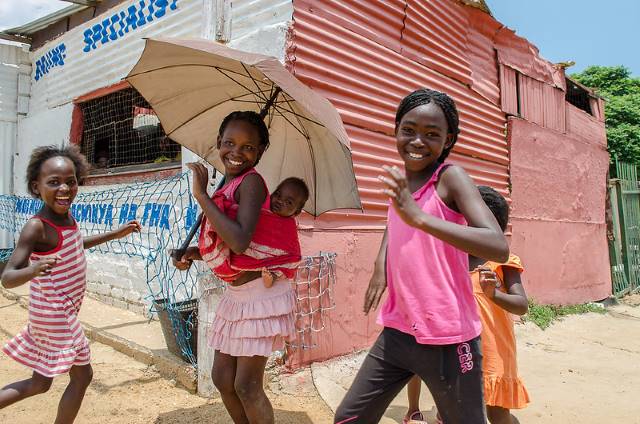
Kwanisa FoundationWhile COVID-19 casts a new set of challenges for poverty in South Africa, two extraordinary women are showing the power that a grassroots foundation has in the fight against poverty. COVID-19 has had disastrous effects on poverty in South Africa, leaving many South Africans unemployed and unable to secure basic needs such as food and clean water. The Kwanisa Foundation aims to assist South Africans in need.

COVID-19 in South Africa

Surprisingly, in an analysis done by Global Food Security, food security issues caused by COVID-19 in South Africa are not related to supply, logistics or distribution. Food insecurity is due to a collapse in earnings.

A recent study conducted by the United Nations Development Program (UNDP), concluded that 34% of households are expected to fall out of middle-class status and into the vulnerability of poverty. The same study predicts that the South African economy will contract anywhere from 5-8% in 2020. Furthermore, the economy will likely recovery slowly through 2024.

The adverse health effects of COVID-19 and economic disruptions put South Africa’s food security in jeopardy. Shocks in the system due to COVID-19 have resulted in a complete stop of household income for many families, income that is vital for purchasing food.

Although the South African government has provided relief funds, it has not been enough to curb the effects of the pandemic. With the loss of income resulting in food insecurity, social protections and grassroots efforts are vital to providing short-term relief.

The Kwanisa Foundation

Providing much-needed short-term relief is exactly what Kopano Tsengiwe and Nwabisa Mpotulo, both from Johannesburg, set out to do by founding the Kwanisa Foundation. Starting in March 2020 when the nation went into lockdown, the Kwanisa Foundation has been providing food to families in need.

Delivering food packages around their community, consisting of dry and canned goods and even hygiene products such as toothpaste, the Kwanisa foundation has empowered those in the community to help in any way they can.

By developing these grassroots programs that draw in help from those who can give it, the Kwanisa Foundation has put an increased emphasis on outreach directed toward the youth of South Africa.

The goal is to build a network of individuals who can pool together resources and skills in order to develop and improve local communities.

The co-founders first met at the University of Pretoria and both worked at the nonprofit called Blue Palm. In an attempt to continue their philanthropic efforts, the two co-founded the Kwanisa Foundation whose mission is to empower disadvantaged youth to become advocates for change within and outside of their communities.

Other Initiatives

The Kwanisa Foundation’s efforts do not stop at food drives. Looking to empower the youth of South Africa and address unemployment, skills development workshops target students in underprivileged schools. These workshops include university readiness training and career counseling to help prepare the youth for their futures ahead.

Another youth-driven project is the Light in a Home Mission. This project looks to improve the living conditions and access to resources for the 2.3 million orphaned children currently living in South Africa. Orphans receive basic necessities and administrative help such as applications for grants and tertiary institutions.

Other community-driven projects championed by the Kwanisa Foundation include sanitary pads and toiletry drives, school shoes and stationary drives as well as blanket drives.

Instead of just hoping for change, Tsengiwe and Mpotulo are stepping up and creating change with a grassroots effort to help end poverty in South Africa.

– Andrew Eckas
Photo: Flickr

March 26, 2021
https://borgenproject.org/wp-content/uploads/borgen-project-logo.svg 0 0 Kim Thelwell https://borgenproject.org/wp-content/uploads/borgen-project-logo.svg Kim Thelwell2021-03-26 01:30:132021-03-22 08:15:14The Kwanisa Foundation Helps South Africans
COVID-19, Global Poverty

Examining USAID Programs in Ukraine

USAID Programs in Ukraine
Seven years after the onset of the conflict in Crimea, President Joe Biden reaffirmed the United States’ support of Ukraine in the country’s ongoing struggle with Russia over the Crimean Peninsula. President Biden’s statement in support of those in the country working, “towards a peaceful, democratic and prosperous future,” comes as USAID programs in Ukraine continue to help deal with the aftermath of the conflict while also assisting with the ongoing COVID-19 crisis and other healthcare issues.

USAID Relief During the Crimean Conflict

The Russian occupation of Crimea and the ensuing discord in the region have resulted in over 3,000 civilian deaths and led to 1.5 million people becoming internationally displaced persons. As a result of the continuing effects of the hostilities in Eastern Ukraine, USAID has partnered with the Ukrainian Helsinki Human Rights Union to assist in helping victims of the conflict with legal matters.

In January 2021 alone, the partnership addressed 393 appeals for legal assistance. This followed a year in which the partnership addressed over 300 appeals for legal assistance each month on subjects ranging from illegal detentions and torture, reimbursement of damages and legislation related to social protection.

Similarly, USAID has also continued to support the U.N.’s efforts to help the populace in Eastern Ukraine. Since 2014, USAID programs in Ukraine have provided more than $88 million in aid towards providing food, shelter, protection and other forms of relief to affected people in the region.

USAID Healthcare Support in Ukraine

In 2021, USAID began participating in the U.N.’s 2021 Humanitarian Response Plan for Ukraine by supporting eight non-governmental organizations in their efforts to protect vulnerable populations in the area including the elderly, children and people in remote communities. The U.N. plan aims to provide aid to 1.9 million of the most vulnerable people in Eastern Ukraine in order to help improve their living conditions and assist in key areas like healthcare and sanitation during the ongoing COVID-19 crisis. USAID supports multiple areas of the plan including cash assistance and pandemic response programs.

One such program that has received support is WASH, an initiative to provide sanitation awareness, education and access to vulnerable communities including children and families. The U.S. government gave $6.9 million to WASH in 2020 to help the program achieve those goals through tactics like the distribution of hygiene commodities and the installation of public handwashing stations.

Pandemic Relief

USAID’s pandemic relief extends beyond U.N.-related initiatives as well. Thus far, the United States has given $29 million worth of aid to Ukraine to help combat the spread of COVID-19. That aid has helped provide key medical equipment and supplies to the country. For example, the U.S. embassy in Ukraine announced in February 2021 that USAID provided $1 million worth of oxygen stations to 15 different Ukrainian hospitals in order to treat severe COVID-19 cases.

Additionally, USAID programs in Ukraine have targeted healthcare issues in the country beyond the pandemic. This includes initiatives such as USAID’s new partnership with Ronald McDonald House Charities to support family healthcare in the country through efforts like a national education program to improve Ukraine’s medical systems. This joint effort marked the first partnership between USAID and Ronald McDonald House Charities, a nonprofit that currently operates in five public hospitals in Ukraine.

Through programs and initiatives like these, USAID continues to work towards its goal of helping facilitate a secure, healthy and self-reliant country for the Ukrainian people in the midst of the ongoing Crimean conflict.

– Brett Grega
Photo: Flickr

March 23, 2021
https://borgenproject.org/wp-content/uploads/borgen-project-logo.svg 0 0 Jennifer Philipp https://borgenproject.org/wp-content/uploads/borgen-project-logo.svg Jennifer Philipp2021-03-23 01:30:292024-05-30 07:56:50Examining USAID Programs in Ukraine
Children, COVID-19, Developing Countries, Education, Global Poverty

Virtual Learning for Colombia’s Indigenous People

Colombia’s indigenous people An effort to bring virtual education resources to Colombia’s indigenous people helps students learn in their native language and creates opportunities for them to break the cycle of poverty. The COVID-19 pandemic has created food insecurity and economic challenges for many indigenous communities in Colombia and Latin America. Education has also undergone disruption as 137 million children in Latin America and the Caribbean are staying home from school. Fundación El Origen is addressing this lack of education during COVID-19 by bringing virtual learning to indigenous children in Colombia.

COVID-19’s Impact on Colombia’s Indigenous People

In Colombia, the economic toll of the pandemic has hit the indigenous people of Colombia especially hard. Across Colombia, an estimated 1.5 million indigenous people account for 3.4% of the total population, according to the International Work Group for Indigenous Affairs (IWGIA).

The largest indigenous group in Colombia, the Wayuu people, live predominantly in the region of La Guajira in northern Colombia along the border of Venezuela.

The pandemic has been so detrimental to the indigenous people of Colombia because it has shut down the tourism sector and 90% of people in La Guajira work in informal sectors like tourism. At the same time, remote work or school is nearly impossible as only 10% of people have access to the internet.

Fundación El Origen: Virtual Learning

Fundación El Origen is trying to break the cycle of poverty by making virtual learning an option for all students and by focusing on other educational challenges faced by indigenous and rural youth living in La Guajira. Spanish is the official language in Colombia, however, estimates have determined that people speak 70 different indigenous languages in the country. This presents a challenge to indigenous students who may have grown up speaking a native language and then have to attend classes that teachers teach in Spanish.

To even the playing field for indigenous students, especially during the pandemic, Fundación El Origen has supplied students with tablets that offer instruction in their indigenous wayuunaiki languages. Roughly 260 children from the Wayuu tribe of La Guajira received tablets.

The tablets use a virtual learning program called O-Lab. This program teaches students in Spanish and in their native language. Moreover, it works without an internet connection.

“They have to adapt to an education system that was not made for them,” said Tania Rosas, executive director of Fundación El Origen, in an interview with The Borgen Project.

In Colombia, more than 100,000 kids dropped out of school during 2020, largely because of the financial hardships of the pandemic, Rosas said. The problem is daunting and organizations like Fundación el Origen can only help a small portion of students in need. So far, Fundación el Origen has brought online learning to 2,000 children and hopes to reach even more children in 2021.

Access to virtual learning is the latest education barrier but education is not a new fight for the indigenous people of Colombia or Fundación el Origen.

The Importance of Education for the Indigenous

“We have been fighting for many years to have the rights to our lands and have the right to access quality education for our communities,” Rosas said. Rosas sees education as the best way for Colombia’s indigenous people to have a voice in government and for an entire community to leave poverty.

“If we give them access to education programs to help them understand those problems and create solutions, we are eventually ensuring access to sustainable development in their communities,” she said. “We think that education is the best way to empower them and give them the tools to ensure sustainable development.”

– Laney Pope
Photo: Flickr

March 17, 2021
https://borgenproject.org/wp-content/uploads/borgen-project-logo.svg 0 0 Jennifer Philipp https://borgenproject.org/wp-content/uploads/borgen-project-logo.svg Jennifer Philipp2021-03-17 01:30:232021-03-16 12:48:19Virtual Learning for Colombia’s Indigenous People
COVID-19, Global Poverty, Health

What the Pandemics of History Can Teach

What the Pandemics of History Can Teach
As the Global Report for Research on Infectious Diseases of Poverty by the World Health Organization (WHO) explained, “Poverty creates conditions that [favor] the spread of infectious diseases and prevents affected populations from obtaining adequate access to prevention and care. Ultimately, these diseases…disproportionately affect people living in poor or [marginalized] communities.” This is what the pandemics of history can teach all countries.

While the number of people living in extreme poverty worldwide has dropped over the last 20 years, research has suggested that poverty will grow for the first time since 1999 due to the COVID-19 pandemic. Despite the many lives this disease has affected, hope exists that the world will be able to overcome this global setback.

A Quick Lesson in Terminology

In simple terms, infectious disease epidemiology is the study of the spread and burden of communicable diseases over time and, to understand pandemics of history, it is important to first know a few epidemiologic terms. The COVID-19 pandemic is an epidemic that has spread across national and continental borders. An epidemic marks a particularly sudden increase in the spread of a specific disease. Diseases are endemic when present within a population at steady levels.

The notable scientific and technological advancements that occur through the lessons of diseases past and present are of course vital to global health. However, a look through these histories can also provide context and even comfort in the face of COVID-19. Here are three examples of defeated plagues from history.

3 Defeated Pandemics of History

  1. The Black Plague: The Black Plague caused great destruction in Asia and Europe during the mid-1300s. It is a prime example of what the pandemics of history can teach. The movement of sailors from port to port was a significant influence on the spread of the bubonic plague—rats that were aboard ships, as well as sailors themselves, transmitted the disease, leading port officials to eventually restrict passengers from leaving ships for 30-40 days. This practice, known as quarantine, has of course played an important role in mitigating the spread of COVID-19.
  2. The Spanish Flu: Despite the comparisons between the 1918 influenza pandemic and COVID-19, there remain key differences. The Spanish flu primarily struck younger people who were otherwise healthy. Meanwhile, COVID-19 deaths have disproportionately included older populations. Many countries put public health measures in place in 1918. They bear an obvious resemblance to those deployed against COVID-19. Many can also be thankful for the many scientific and technological innovations of the last 100 years. The COVID-19 pandemic will hopefully end before killing 50 million people.
  3. Smallpox: Smallpox waxed and waned in many areas of the world as early as the 4th century and WHO eradicated it in 1980. Nonetheless, from the years of tragedy and struggle came lessons and innovations serving the world today. For perspective, over a millennium passed between the first cases of smallpox and Edward Jenner’s scientific discovery of a smallpox vaccine, and it was nearly another two centuries before the disease underwent eradication.

Light at the End of the COVID-19 Tunnel

Public health officials have continued to utilize the lessons of the past. What the pandemics of history can teach has informed the public health measures and campaigns of today.

– Amy Perkins
Photo: Pixabay

March 10, 2021
https://borgenproject.org/wp-content/uploads/borgen-project-logo.svg 0 0 Kim Thelwell https://borgenproject.org/wp-content/uploads/borgen-project-logo.svg Kim Thelwell2021-03-10 11:01:292024-05-30 22:23:10What the Pandemics of History Can Teach
COVID-19, Global Health, Global Poverty

Self-Testing for HIV/AIDS In The Dominican Republic

HIV/AIDS in The Dominican Republic
HIV/AIDS in the Dominican Republic is on the agenda of the Pan American Health Organization (PAHO) and HIV/AIDS has been the focus of the Plan of Action for the Prevention and Control of HIV and Sexually Transmitted Infections 2016-2021. The goal of the plan is to end HIV/AIDS in many regions of the Americas, including the Dominican Republic, by 2030.

From 2010 to 2019, HIV cases have reduced to 13 a year and the number of deaths has gone down by 4,000 over the years. Female sex workers are a portion of the population the epidemic affects; they accounted for 37% of new infections in 2019. Less than 30% of individuals do not know they have an infection and about one-third receive a late diagnosis. Over 200,000 were getting antiretroviral treatment in 2019.

HIV Diagnosis Decline

HIV/AIDS in the Dominican Republic has seen an advancement in health through more testing and the option of antiretroviral treatments. The options of PrEP, pre-exposure prophylaxis, and PEP, post-exposure prophylaxis, have contributed to the decline of infections. The COVID-19 pandemic has put a dent in the success of the decline of HIV/AIDS.

The pandemic is changing the social landscape and interaction of people through social distancing measures. Access to medical personnel has also experienced strain because of rising and new COVID-19 infections. When comparing 2019 to the current pandemic, the diagnosis of HIV has reduced by the thousands in the Dominican Republic. According to PAHO, “Self-testing is a key strategy for reaching the U.N. goal of having 90% of people with HIV know their status.”

PrEP and PEP

PrEP and PEP are two types of antiretroviral treatments that people can use to prevent HIV transmission. Individuals can take the antiretroviral treatment PrEP before HIV infection and it is available through two brands. Meanwhile, one can take PEP after an HIV infection and must take more than one medication. The CDC suggests that individuals consult with a doctor for more information. While both treatments are important, PEP offers more because sexual assault victims can use PEP or those who had a workplace accident. Advisories state that one should take PEP within three days of a dire situation and complete treatment within a month. Both treatments are highly effective with PrEP reducing HIV transmission from sex by 90% and PEP reducing risk by 80%.

HIV Self-Testing Market

The HIV self-testing market looks promising on a global scale especially with  HIV/AIDS in the Dominican Republic. Globally, there is a necessity and high demand for rapid diagnosis of HIV in many regions including Latin America. Self-testing is a better alternative because one can do it privately and it is less risky because it will prevent exposure to the COVID-19 pandemic. The self-testing market will grow more between 2020 and 2025. Self-testing will experience a great impact through government investments in healthcare worldwide. The HIV self-testing kit collects samples through blood, saliva and urine. In HIV testing, blood samples provide the most accurate read. According to MarketWatch, “The self-testing market in Latin America is anticipated to reach a value of 51.24 million USD in the year 2025.”

The COVID-19 pandemic has undoubtedly impacted the fight against HIV/AIDS in the Dominican Republic. However, despite HIV/AIDS’ prevalence, antiretroviral treatments and opportunities to self-test should result in improvements.

– Amanda Ortiz
Photo: Flickr

March 10, 2021
https://borgenproject.org/wp-content/uploads/borgen-project-logo.svg 0 0 Yuki https://borgenproject.org/wp-content/uploads/borgen-project-logo.svg Yuki2021-03-10 07:30:332021-03-12 05:19:46Self-Testing for HIV/AIDS In The Dominican Republic
Advocacy, Aid Effectiveness & Reform, COVID-19, Global Health, Global Poverty, Nonprofit Organizations and NGOs

How an NGO is Eliminating Childhood Poverty

Eliminating Childhood Poverty
Compassion International is a child-advocacy ministry that pairs people with children living in areas of extreme poverty in order to release those children from all of poverty’s aspects. What makes the organization so unique is its strict focus on children, with the hopes of eliminating poverty in their lives by the time they reach adulthood. Its impact has been massive with a high success rate: children in its programs are 75% more likely to become leaders in their communities and 40% more likely to finish secondary education. Moreover, they are more likely to spend thousands of hours in safe programs. The organization that is garnering recent attention from professional athletes has been working toward eliminating childhood poverty for years.

How Compassion International Began

Rev. Everett Swanson founded Compassion International. He was troubled by the masses of war orphans he saw living on the streets in South Korea. Another morning, Rev. Swanson saw city workers throwing rags into the backs of trucks, which turned out to be the frozen bodies of the orphans on the street. When Rev. Swanson returned to the United States, he told people of what he saw and encouraged them to donate so they could sponsor the orphans and work toward eliminating childhood poverty. Within 10 years, Compassion International helped 108 orphanages and homes in South Korea by donating funds to purchase rice and fuel.

Compassion International’s Mission

The nonprofit uses a ministry-based program in order to release children from poverty. This includes helping with child development, which the organization believes will provide the children with the skills to succeed. Compassion International’s programs begin as early as when the child is in the womb, aiming to eradicate poverty from their lives by young adulthood. Primarily, the work it does is through child sponsorship, but it has implemented initiatives that help babies and mothers in order to develop future leaders and meet critical needs as well.

The Fill the Stadium Initiative

Compassion International works with thousands of churches in 25 countries across the globe. One initiative it is running in the United States currently is the Fill the Stadium initiative. Due to COVID-19, 70,000 children and their families who are in Compassion Programs are in extreme poverty. Athletes such as Nick Foles, Kirk Cousins, Case Keenum and Jaccob Slavin have donated and joined the leadership team, encouraging fans to donate if able. The recommended donation amount is $500, around the same price as a game-day experience for a group of four. About $500 provides a year’s worth of essential food, nutritional supplements, hygiene essentials and medical screenings for COVID-19 for a family and their children. So far, the Fill the Stadium Initiative has “filled” 47,587 seats to provide essential care and support for these families in crisis, raising $23 million from athletes and national leaders. Due to COVID-19, a halt to in-person sporting events has occurred. The hope is that the money a family would spend on a game would go toward those in need instead.

Former Quarterback for the Arizona Cardinals and team member for the initiative, Carson Palmer pledged to donate $300,000 and challenged others to match his donation. “This is an incredible opportunity for American families to help children who are in dire straits and truly fighting for their lives,” said Palmer in an interview with Fill the Stadium.

A Look into Compassion International’s Impact

In 2020, Compassion International surpassed $1 billion for the first time in the history of the ministry. That year alone, Compassion International served 2.2 million children across 8,000 frontline partners. Since 1952, the sponsorship programs have impacted the lives of over 4.2 million children.

Because of the work of Compassion International, partners across the world have obtained access to hygiene kits, lifesaving surgeries, academic scholarships, classes, bathrooms, emergency food and water, electricity and countless other life-saving services. The organization will continue to strive toward eliminating childhood poverty, and especially aiding children the pandemic has hit hard.

– Jai Phillips
Photo: Flickr

March 8, 2021
https://borgenproject.org/wp-content/uploads/borgen-project-logo.svg 0 0 Jennifer Philipp https://borgenproject.org/wp-content/uploads/borgen-project-logo.svg Jennifer Philipp2021-03-08 13:18:242021-03-31 13:18:36How an NGO is Eliminating Childhood Poverty
COVID-19, Food Insecurity, Global Poverty

Tackling Food Waste During the Pandemic

Food Waste During Pandemic
The Philippines’ state of emergency during the COVID-19 pandemic has had an impact on farmers. While the new coronavirus guidelines halted city life, they were particularly damaging for individuals living in the lower-income rural parts of the island nation. Farmers primarily inhabited these regions of the Philippines and the new guidelines resulted in their isolation along with their farming businesses’ isolation from the major cities they feed. Luckily, a farmer rose to the challenge to tackle food waste during the pandemic.

COVID-19 Measures

When the first case of COVID-19 broke out in the Philippines in December 2019, the Filipino government had a severely delayed response over the course of four months which led to high and widespread transmission rates throughout major cities such as Quezon City and Manila. The spread quickly reached rural areas and had infiltrated much of the country before the Filipino government took action. Because the response was so late, it had to be immense. In turn, the Philippines declared a state of emergency and granted Filipino President Rodrigo Duterte emergency powers by mid-March; Duterte treated the pandemic as war and took warlike measures to fight the virus by using ex-military leaders to spearhead the pandemic efforts. Under this new state, Filipinos had to enter strict curfew and lockdown, and the country mandated the use of masks and shut down commercial roads, transportation and businesses.

Impacts of the COVID-19 Pandemic on Farmers

Just as the Philippines entered a state of emergency and lockdown took place, many of the Filipino farmers were harvesting the products of the dry season. Without the pandemic, these farmers would typically gather their crops and utilize commercial routes to bring them into the bigger cities. In these urban areas, the farmers would be able to sell their products to larger markets where the farmers could make a larger profit while simultaneously feeding the cities. However, the coronavirus lockdown in the Philippines shut down the major commercial traveling routes, effectively cutting farmers off from their major source of income. Moreover, lockdown prevented farmers from selling off their crops which resulted in a major food waste during the pandemic.

From March 2020 to May 2020, farmers amassed their Spring crops and eventually had to dispose of them due to a lack of consumers. Consequently, massive amounts of edible food underwent destruction while people in the urban areas did not have access to fresh produce. Moreover, Filipino farmers lost tremendous amounts of money by not being able to sell their fruits and vegetables.

Unfortunately, the government leaders did little to assist the movement of produce from rural areas to big cities and largely left Filipino farmers at a loss of money for months. This was particularly detrimental for the farmers because they were losing income while already living in a low-income area; in turn, the farmers’ access to additional job and income opportunities did not exist and made the farmers more vulnerable to falling into deep poverty. Moreover, these farmers became extremely susceptible to the coronavirus as they did not have access to medical resources or personal protective equipment or the money to obtain any medical resources. The pandemic created an extremely unique predicament for the farmers as they were left to fend for themselves against income loss and the spread of the virus.

However, a youth-led initiative fought food waste during the pandemic by providing an avenue of opportunity for these farmers to produce, harvest and sell their products in a manner where they would not experience exposure to the coronavirus while simultaneously maintaining their main source of income.

AGREA: The Road Ahead

Filipino farming organization AGREA saw the struggle that Filipino farmers were facing at the hands of the pandemic and decided to take action. Spearheaded by AGREA CEO Cherrie D. Atilano, AGREA sought to minimize food waste during the pandemic by creating alternative methods for farmers to transport and sell their produce.

Atilano and AGREA organized the #MoveFoodInitiative for many rural villages which sought to engage local communities in the efforts to fight food waste during the pandemic. The initiative mobilized youth food producer groups and local trucker groups which helped ship food from the local farmers to markets in the larger cities. Consumers of these products can easily access a list of fruits and vegetables with their respective prices on an order form, a method of contactless shopping that protects both the producers and the consumers.

AGREA’s #MoveFoodInitiative has become wildly successful as it has helped over 7,000 Filipino farmers reach and sell over 160,000 kilograms of fruit and vegetables to over 50,000 families across the Philippines. Additionally, AGREA has been able to utilize the surplus produce by donating the food to local kitchens that feed frontline medical workers who are fighting the coronavirus pandemic.

While the pandemic temporarily brought a stop to the businesses and livelihoods of many lower-income farmers and created massive food waste, AGREA’s quick work provided relief for farmers, food for consumers, and initiatives for youth groups to strengthen Filipino communities during these trying times. Due to her immense and important work in decreasing food waste during the pandemic, Cherrie d. Atilano has received the title of the Filipina U.N. Summit Food Systems Champion.

– Caroline Largoza
Photo: Flickr

March 5, 2021
https://borgenproject.org/wp-content/uploads/borgen-project-logo.svg 0 0 Lynsey Alexander https://borgenproject.org/wp-content/uploads/borgen-project-logo.svg Lynsey Alexander2021-03-05 12:12:122024-05-30 07:56:33Tackling Food Waste During the Pandemic
COVID-19, Global Poverty

A Surprising Upside to COVID-19


A Surprising Upside to COVID-19
Although the COVID-19 pandemic yielded many medical devastations, many young doctors fast-tracked into residencies to answer the demand for caregivers and essential workers, showing the surprising upside to COVID-19. This succeeded in easing the burden on the medical community. While COVID-19 cases are significant, young doctors are providing aid in places such as the United Kingdom, Czech Republic and Italy.

The UK

Across the United Kingdom, the March 2020 events immediately implored the Medical Schools Council (MSC) to expedite qualifications for final year medical students solely based on their clinical examinations. This fast-tracked those in their last year of medical school by unburdening them from having to work with patients in a hospital setting – something that became nearly impossible during the first stages of the pandemic due to a lack of information about the spread of the disease. A BMC Medical Education study found that almost 40% of students had their Objective Structured Clinical Examinations (OSCEs) canceled, allowing some students to graduate early and join the workforce.

Over the past 12 months, the United Kingdom endured over 4 million cases and over 100,000 deaths from COVID-19. The Mirror reported on January 20, 2021, that over 50,000 NHS staff members have been sick with COVID-19 and around 800 have died from the virus. The government is trying to respond quickly, not only allowing medical students to wave clinical examinations in some cases but also reconsider whether or not to fast-track the registrations of refugee doctors with foreign degrees. Anna Jones of RefuAid said to the Guardian, “We have 230 doctors who are fully qualified in their own countries. Most have many years of experience as doctors.”

The latter program offers a pathway out of poverty for refugees and immigrants in their new countries. The former has given young people the opportunity to help the global cause in a profound way. Meanwhile, the medical field gave more people of diverse backgrounds more opportunities, which is another surprising upside to COVID-19.

The Czech Republic

In Eastern Europe, medical schools had similar ideas. Many university students took it upon themselves to volunteer at overworked hospitals to help fatigued systems on the verge of collapse.  Students received important medical responsibilities in clinics and administrative roles. Aleksi Šedo, dean of the First Faculty of Medicine at Charles University in Prague, stated, “It’s an honor for our faculty that its students have spontaneously created an initiative to help our health care and, more broadly, the entire society.”

Perhaps another surprising upside to the COVID-19 pandemic is the opportunity for young people to stand out and receive recognition. Although, the Czech Republic obtained praise for how it responded to the pandemic, the second wave in October 2020 hit it hard, resulting in over 15,000 new cases per day. Additionally, just under 3,000 people died in the country from March to September. Moreover, more recent months have yielded a sharp increase, with the death toll now tracking upwards of 20,000.

Only 3.4% of the Czech population is at risk of poverty but there is a strong link between education and poverty in the country. This corroborates the trend of fast-tracking doctors (or in this case, the doctors taking control of fast-tracking themselves through volunteering) as a method of rising out of poverty. The Czech Republic is welcoming young doctors with first-hand pandemic experience into its qualified and registered ranks.

Italy

One of the surprising upsides of COVID-19 comes from Italy and its ‘Cure Italy’ campaign, which emerged during the first days of the pandemic. The whole world was horrified by Italy’s plight as Italy accounted for 10,000 of the first 30,000 reported COVID-19 deaths. The country expedited the process by “cutting the hospital exam and increasing the number of doctors being recruited.” This gave many young doctors their first professional job experience and saved them the standard practice of many Italian medical school graduates: work abroad.

For Italians like Chiara Bonini, Samin Sedghi Zadeh and Stefania Pini, the pandemic gave them a much appreciated if not worrisome opportunity to help in the northern regions when their neighbors needed it. Bonini was in the process of studying for her final exams when the government began to change the process and invited many up north. She jumped at the chance. Zadeh left a job as a general practitioner to help in the face of a crisis. He hopes this will be a call to action regarding the bolstering of health networks. Meanwhile, Pini transferred back to Italy in order to ease the burden after working in Switzerland’s hospitals. She thinks this might be an opportunity to return to work in her home country. One surprising upside to COVID-19 for Italian doctors has been young medical professionals the opportunity to return to Italy.

One Year Milestone

Now that the COVID-19 pandemic has reached its one-year milestone, one can process its effects on health and poverty a little more clearly. The study of medicine has long been one way for those in poverty to change their socioeconomic status and a surprising upside to COVID-19 has been its effects on young and foreign doctors in the United Kingdom, the Czech Republic and Italy. From inviting those in their final year of school to be fully qualified without traditional clinical tests, passing doctors with qualifications from other countries into the health system and bringing doctors back home to fight the disease ravaging their communities, the novel coronavirus has provided glimmers of hope for those in the medical community: it has presented opportunities for essential workers.

– Spencer Daniels
Photo: Flickr

March 1, 2021
https://borgenproject.org/wp-content/uploads/borgen-project-logo.svg 0 0 Kim Thelwell https://borgenproject.org/wp-content/uploads/borgen-project-logo.svg Kim Thelwell2021-03-01 16:17:412021-06-09 16:17:56A Surprising Upside to COVID-19
COVID-19, Global Poverty

Improving Mental Health in Yemen

Mental Health in Yemen
Mental health in Yemen requires attention due to the country’s ongoing troubles. For six years now, Yemen has been facing the worst humanitarian crisis in the world—more than 80% of the population are in need of humanitarian assistance, including more than 12 million children who have no hand in the fight for power and status. To make the matter worse, the outburst of COVID-19 drove the country into “an emergency within an emergency.”

Only half of Yemen’s health facilities are capable of functioning in the worst of circumstances, and amidst the shortage of masks, gloves, clean water and sanitation, the number of cases rose up to 2,221 as of February 25, 2021, with 624 losing their lives due to the lack of supplies to treat the virus. The country is facing a huge crisis, and the crisis is affecting the mental health of its citizens as much as their physical bodies. Amidst the lack of functioning facilities and death surrounding them from every direction, the increased pressure on the Yemenis worsened their mental health further. Here is some information about mental health in Yemen.

Mental Health in Yemen

Due to the crippling stress on the backs of the Yemeni people, an estimate of one in five people in Yemen suffer from a mental health disorder, according to a study that the Family Counselling and Development Foundation conducted in 2017; this includes depression, anxiety and post-traumatic stress disorder (PTSD). Moreover, due to the lack of education and facilities, the number of psychiatrists is small with almost 0.2 psychiatrists per 100,000 people as of 2016. This amounts to 40 psychiatrists for the entire population. Additionally, to add to the misery and the deteriorating mental health in Yemen, some of the few existing mental health services closed due to the pandemic.

UNFPA and Psychological Support Centers

However, amidst all the odds, and all the difficulties that Yemen is facing in trying to stay afloat, UNFPA has not ceased to offer its mental health services to the survivors of gender-based violence and improve the mental health in Yemen. The United Nations Population Fund (UNFPA) is the United Nations sector that works
to protect youth’s potential and ensures that every childbirth is safe.

In the beginning, social workers carried out the work, however, in 2018, the UNFPA offered its help and assistance through psychological support centers as well. These centers were capable of providing “specialized and clinical mental health care, including through telephone assistance.” Currently, even during the coronavirus outbreak, six UNFPA- supported psychological centers are operating and helping those in need—the European Union Civil Protection and Humanitarian Aid provides support to two of these centers that provide crucial assistance to the Yemenis when they need it most.

Due to the increased demands for mental support, UNFPA increased the number of counselors available for people’s convenience. The counselors became available to deliver telecounseling services via 18 toll-free telecounseling hotlines in order to assist survivors of gender-based violence and educate the population on COVID-19 prevention. The results were so impressive: nearly 18,000 people received specialized psychological support through the toll-free hotline from 2018. Moreover, more than 25,000 survivors of violence received psychological support in the form of in-person counseling. UNFPA aims to help assist 5.5 million people via essential and life-saving services by 2019.

The Internationational Organization of Migration (IOM)

Moreover, the International Organization of Migration (IOM) provides a safe place for children to escape from the blood and hunger in the country they must reside in—a place to feel a sense of normalcy and to live in the beauty of their childhood, even for a few hours. The children participate in a variety of activities to help them learn and play, such as storytelling, artwork and more.

Beginning in March 2016, IOM offered community-based psychosocial support to nearly 400,000 children. More than half of these children watched their homes getting destroyed and had to live in informal sites.

Yemen has been facing a depilating economic and social crisis until now, and this has been affecting mental health in Yemen every day. However, with the help of various organizations, the citizens of Yemen will receive sufficient treatment and care to help rebuild their country gradually.

– Reem Agha
Photo: Flickr

March 1, 2021
https://borgenproject.org/wp-content/uploads/borgen-project-logo.svg 0 0 Jennifer Philipp https://borgenproject.org/wp-content/uploads/borgen-project-logo.svg Jennifer Philipp2021-03-01 14:27:552021-03-01 14:27:55Improving Mental Health in Yemen
Page 14 of 25«‹1213141516›»

Get Smarter

  • Global Poverty 101
  • Global Poverty… The Good News
  • Global Poverty & U.S. Jobs
  • Global Poverty and National Security
  • Innovative Solutions to Poverty
  • Global Poverty & Aid FAQ’s
Search Search

Take Action

  • Call Congress
  • Email Congress
  • Donate
  • 30 Ways to Help
  • Volunteer Ops
  • Internships
  • Courses & Certificates
  • The Podcast
Borgen Project

“The Borgen Project is an incredible nonprofit organization that is addressing poverty and hunger and working towards ending them.”

-The Huffington Post

Inside The Borgen Project

  • Contact
  • About
  • Financials
  • President
  • Board of Directors
  • Board of Advisors

International Links

  • UK Email Parliament
  • UK Donate
  • Canada Email Parliament

Get Smarter

  • Global Poverty 101
  • Global Poverty… The Good News
  • Global Poverty & U.S. Jobs
  • Global Poverty and National Security
  • Innovative Solutions to Poverty
  • Global Poverty & Aid FAQ’s

Ways to Help

  • Call Congress
  • Email Congress
  • Donate
  • 30 Ways to Help
  • Volunteer Ops
  • Internships
  • Courses & Certificates
  • The Podcast
Scroll to top Scroll to top Scroll to top
