• Link to X
  • Link to Facebook
  • Link to Instagram
  • Link to TikTok
  • Link to Youtube
  • About
    • About Us
      • President
      • Board of Directors
      • Board of Advisors
      • Financials
      • Our Methodology
      • Success Tracker
      • Contact
  • Act Now
    • 30 Ways to Help
      • Email Congress
      • Call Congress
      • Volunteer
      • Courses & Certificates
      • Be a Donor
    • Internships
      • In-Office Internships
      • Remote Internships
    • Legislation
      • Politics 101
  • The Blog
  • The Podcast
  • Magazine
  • Donate
  • Click to open the search input field Click to open the search input field Search
  • Menu Menu

Archive for category: COVID-19

COVID-19, Global Poverty, Humanitarian Aid

NGOs Support Germany During COVID-19

Germany During COVIDCOVID-19 forced Germany to adapt to a new reality as it heavily impacted poverty, unemployment and inequality rates. NGO coalitions are supporting Germany during COVID-19 by providing relief sources for vulnerable individuals and children. On December 16, 2020, Germany initiated a COVID-19 lockdown that received an extension until March 7 to keep citizens safe from new COVID-19 variants. As Germany had suffered approximately 3.4 million cases and 3.1 million recoveries by May 5, 2021, the country has needed to adapt to a new reality during 2020. Government and NGO support formed the backbone for this transition.

Caritas Germany Association

Caritas Germany is a Catholic Welfare Charity Association that pioneered Catholic charity work in Germany since 1897. Recently, the association integrated safe volunteering methods while maintaining services in Caritas hospitals, elderly care facilities and other centers. It even created online services to train people as online counselors as part of a COVID-19 strategy to support Germany.

Approximately 693,082 people work with the association to support 13 million beneficiaries. To maintain contact with everyone during COVID-19, Caritas Germany utilized the Youngcaritas volunteer platform to teach people how to use digital devices through remote tutorials. Caritas Germany’s Press Spokeswoman, Mathilde Langendorf, talked with The Borgen Project. She explained that “our big aim is that no one falls through, that we continue to be able to reach out to people.”

Caritas’ counseling services received an “enormous boost from the pandemic,” making its aim even more crucial. The coalition trained thousands in counseling online during the first year of COVID-19. Langendorf described how 3,000 new people sought help every month on Caritas Germany’s online counseling platform in 2020. The platform even initiated two new counseling topics, regarding young adults and migration, in addition to the 15 already available.

In December 2020, Caritas Germany received 750,000 euros from the Generali insurance company. Langendorf told The Borgen Project that the funds will go toward approximately “21 [COVID-19] projects in 12 locations.” The projects range from training people to use digital tools to help families cope with the challenges of homeschooling.

The Association for Development Aid and Humanitarian Aid (VENRO)

The VENRO Germany coalition represents and advocates for the interests of 140 NGOs while strengthening NGO engagement in the field of development cooperation and humanitarian aid. VENRO’s 2017 to 2022 strategy focuses on protecting human rights, reducing poverty and conserving natural resources. Managing Director, Heike Spielmans, told The Borgen Project that VENRO Germany’s members include “almost all major German NGOs in this field.”

The coalition advocated for decreasing the value of government grants that NGOs have to match with their own funds from 25% to 10%. Spielman’s described how the coalition anticipates progress in a campaign “focused on a supply chain law to make companies take responsibility for their production and sourcing overseas with regard to human rights and environmental protection” before national elections in September 2021.

Government Policies Supporting Germany During COVID-19

A 2017 project authorized by the German Federal Ministry for Economic Cooperation and Development (BMZ) and the German Society for International Cooperation (GIZ) was still in progress when COVID-19 hit. The project seeks to achieve Sustainable Development Goals 1 and 10 from the UN Agenda 2030, where no one is left behind. To continue this work, authorities implemented tax and unemployment schemes for vulnerable populations as companies reduced hours and even closed. Germany passed a bill in March 2020 prohibiting landlords from terminating leases or evicting tenants for unpaid rent. The bill also provides rent extensions until June 30, 2022.

On February 12, 2021, Germany’s Federal Government expanded the Bridging Aid II into the Bridging Aid III and Restart Help application portal for companies of all sizes to provide a restart grant of up to 7,500 euros until June 30, 2021. Businesses and self-employed individuals can apply for monthly assistance of up to 1.5 million euros.

Beyond the in-country support, Germany’s government also increased its 2020 humanitarian assistance in Venezuela in a virtual donor conference in May 2020. It promises to increase its contributions by 4 million euros, bringing the total to over 50 million. Germany also seeks to aid refugees. As its refugee cap decreased from 5,500 to 1,178 refugees in 2020, Germany is working to migrate the remaining refugees in 2021.

A Look Ahead

Germany’s government and NGOs stepped up to support Germany during COVID-19’s debilitating effects. Yet another example is how the German Parity Welfare Association, which represents 10,000 NGO organizations, transferred member seminars and workshops online to introduce NGO members to topics ranging from protecting child rights to digitizing work processes during COVID-19. Another NGO, the International Rescue Committee (IRC) in Germany, is helping German NGOs acquire laptops for beneficiary employment support, PPE and vaccinations. With so many organizations willing to help those in need, Germany can be optimistic about its future.

– Evan Winslow
Photo: Flickr

May 13, 2021
https://borgenproject.org/wp-content/uploads/borgen-project-logo.svg 0 0 Kim Thelwell https://borgenproject.org/wp-content/uploads/borgen-project-logo.svg Kim Thelwell2021-05-13 07:31:232024-06-04 01:03:19NGOs Support Germany During COVID-19
COVID-19, Education, Global Poverty

Education Tools to Combat Gender-Based Violence

Combat Gender-Based Violence
Before the COVID-19 pandemic, the World Health Organization (WHO) reported that as many as one in three women experience physical and sexual violence across their lifetimes, amounting to roughly 736 million worldwide. COVID-19 has increased those numbers. The pandemic has been a gruesome lens of sorts, revealing the weaknesses in many emergency-response and social service systems worldwide. One particular view into the far-reaching consequences of the pandemic has highlighted the disturbing rate at which women experience gender-based violence, often in their own homes. The need to combat gender-based violence has become inherent during the pandemic because it has forced many victims into lockdown with abusers.

To make things worse, vital victim support programs, such as domestic violence shelters and helplines, have had to close or limit operations. Therefore, fear exists that the pandemic may erase the progress that countries previously made on addressing social norms that harmed women and girls.

Gender-Based Violence and Poverty

Gender-based violence disproportionately affects impoverished women and girls, furthering negative socioeconomic outcomes for generations. Unplanned pregnancies, sexually transmitted infections and medical complications all negatively impact the future-income potential of already financially strained women and girls. The unprecedented breakdown in social-response programs and victims’ services highlights the need for the transformative power of education to combat gender-based violence. Nations, nonprofits and other international organizations need to utilize education tools to combat gender-based violence to fight the ‘shadow’ pandemic.

The Education Transformation: Knowledge = Personal Power

Nonprofits worldwide tout education at-risk individuals as a way to reduce and more accurately report instances of violence in all communities. A focus on providing educational tools can help combat gender-based violence by offering a long-term way to identify and eliminate biases in the identification, reporting and prosecution of abusers.

Educating health professionals and law enforcement also plays a role in reducing gender-based violence; advanced, continuing education leads to increased compassion and empathy that is essential in properly addressing the needs of victims after trauma. Furthermore, educating authorities and communities on what constitutes gender-based violence may also limit the stigma associated with reporting it.

A recent UNESCO study found that Comprehensive Sexuality Education (CSE) was lacking in parts of the world with high rates of gender-based violence. The issue is a double-edged sword, as gender-based violence both causes and is a product of a lack of education. UNESCO’s Senior Programme Specialist in Health Education, Joanna Herat, concluded that a lack of quality education was contributing to the ‘shadow’ pandemic. Many countries, Herat says, poorly addressed sexual abuse, exploitation and rape. The trends are changing, Herat continues, and UNESCO will continue to support countries embracing quality CSE.

Social Services Superstars: International Initiatives to Combat Gender-Based Violence

The United Nations Security General’s Campaign to End Violence Against Women (UNiTe) calls for international awareness and advocacy to end gender-based violence and address the pandemic factors leading to a rise in domestic violence. As of July 2020, the Interagency Statement on violence against women and girls in the context of COVID-19 highlighted six critical areas for action:

  1. Make urgent and flexible funding available for women’s rights organizations and recognize their role as first responders.
  2. Support health and social services to operate and remain accessible, especially to those most likely to end up behind.
  3. Ensure that people regard services for violence against women and girl survivors as essential.
  4. Place a high priority on police and justice responses.
  5. Put preventative measures in place.
  6. Collect data to improve services/programs and help meet ethical and safety standards.

Several other organizations have attempted to use educational tools to combat gender-based violence. Here are a few.

McCann Worldgroup’s “The Shadow Pandemic PSA”

This one-minute-long public service announcement, narrated by Kate Winslet, highlights the upsurge in domestic violence during COVID-19. The UN Women Unstereotype Alliance developed the project to highlight homes in over 14 countries and raise awareness. “It’s a proud moment when the power of advertising is used not just to build awareness of a critical issue but also to empower people to do something about it,” says Michael Roth, CEO of Interpublic Group.

The World Bank Group and the Sexual Violence Research Initiative (SVRI) Partnership

The Development Marketplace launched this program to address gender-based violence. The organization awards international teams up to $100,000. Winners use the money to fund evidence-based research, interventions and other activities related to gender-based violence prevention. To date, the program has given $5,000,000 to teams.

– Katrina Hall
Photo: Flickr

May 10, 2021
https://borgenproject.org/wp-content/uploads/borgen-project-logo.svg 0 0 Kim Thelwell https://borgenproject.org/wp-content/uploads/borgen-project-logo.svg Kim Thelwell2021-05-10 08:24:192024-05-30 22:23:12Education Tools to Combat Gender-Based Violence
COVID-19, Global Poverty

Inequality and COVID-19 in Latin America

COVID-19 in Latin America
Latin America is a place of diversity, rich culture and history. However, Latin America is one of the most unequal regions in the world. The impacts of COVID-19 in Latin America have amplified these inequalities. 

Impact of COVID-19 in Latin America

The effects of COVID-19 in Latin America have been no exception to the gaps that exist in society. The role of public social protection policies is more necessary than ever, given the current growth of poverty and the increase in the social gap with the vulnerable population.

The Latin American region is one of the areas that the COVID-19 pandemic has most impacted. As of April 14, 2021, the region accounted for 19.3% of all world cases of COVID-19.

According to the United Nations Economic Commission for Latin America and the Caribbean (ECLAC), the region has experienced the worst crisis in the last 120 years, with GDP falling by 7.7% in the entire region during 2020. Likewise, the unemployment rate increased to 10.7% in 2020. The rise in unemployment caused an increase in poverty of up to 4.4 points, leaving per capita income at 2009 levels across Latin America. 

The Role of Social Protection Policies

The active involvement of governments and institutions is more necessary than ever so that the region does not experience another “lost decade.” There are numerous social protection mechanisms that, through public policies, can reduce or reverse the dramatic impact of the current crisis. Progressive taxes ensure the financing of social programs, including investment in education for the most vulnerable who may see the future threatened. Progressive taxes benefit the distribution of scarce resources. 

Conditioned social policies are some of the social protection instruments that Latin America needs. The empirical evidence says that states that invest the most in social spending are also the most prosperous. Furthermore, there is a positive correlation between HDI and GDP per capita with the percentage of GDP invested in social spending.

Some Answers

At the economic level, the governments of the region have implemented measures to support supply. Low-interest loans provide liquidity to companies. However, the measures adopted marginally do not foster too much demand in crisis and a radical increase in poverty. 

On the one hand, the implementation of subsidies and unemployment insurance by Latin American and Caribbean governments represents a safety net for many families. At the legislative level, the introduction of specific labor laws has been necessary. The regularization of teleworking has been another measure in order not to paralyze the economy. However, greater aid is necessary since digital democratization is not a reality in Latin America. Only 45.5% of the region’s households have a broadband connection. To generate a digital gap it is necessary to strengthen public investment.

Moving Forward

The Organization of American States (OAS) published “The Inter-American Democratic Charter: A Guide to Political Action to Address the COVID-19 Pandemic” in late May 2020. The publication served as a guide to economic and social recovery from a democratic perspective. Subsequently, there have been concerns about the inclusion of vulnerable groups in specific agendas.

The specific agendas underwent reorganization and now have fallen to the background. Although the government is taking necessary steps in social protection, the most disadvantaged should not be left behind.

The disadvantaged include citizens with full rights who are still vulnerable due to structural and historical inertia. According to the World Bank, working women were 44% more likely than working men to lose job positions. The same institution warns that the gender gap in labor force participation may mean an average loss of 14% of GDP in Latin America and the Caribbean as of March 2021.

The scenario poses many challenges ahead. More specific social protection policies are considered a moral duty and an investment by incorporating a large mass of work into the system that consumes and pays its taxes. In any democracy, all citizens must grow together.

– Guillermo Remón
Photo: Pixabay

May 5, 2021
https://borgenproject.org/wp-content/uploads/borgen-project-logo.svg 0 0 Kim Thelwell https://borgenproject.org/wp-content/uploads/borgen-project-logo.svg Kim Thelwell2021-05-05 10:59:272024-05-30 22:23:26Inequality and COVID-19 in Latin America
COVID-19, Global Poverty

A New Conversation on Mental Healthcare in China

Mental Healthcare in ChinaThe People’s Republic of China has a long history of mental healthcare, with the first National Mental Health Meeting in 1958. Along with this history of psychiatric care facilities and mental health resources, there comes a long history of stigma around mental health in China. Even more so since the COVID-19 pandemic began, mental health in China is at the forefront of the country’s mind.

History of Mental Health in China: Services & Stigma

Between 2001 and 2005, the prevalence of mental illness among the Chinese population was 17.5%. While the prevalence alone is striking, the lack of individuals seeking treatment provides a more accurate picture of mental health stigma in China. Of individuals with a diagnosis of a mental disorder, 91.8% never seek professional help. Besides stigma, there is the issue of access. Mental health most heavily affects the most disadvantaged in regard to socioeconomic status. China has a highly regulated and centralized healthcare system, but mental health services make up only 2.35% of the total health budget.

COVID-19’s Impact on Mental Health in China

Since the outbreak of COVID-19 in Wuhan, China, and the subsequent lockdown that began on January 23, 2020, China’s population has experienced the highest levels of psychological distress in decades. A nationwide survey measured the current mental health strain on the people of China and found that 35% of people are experiencing psychological distress.

Women, the elderly, migrant workers and those living in the regions where the pandemic is most severe show the highest rates of physiological distress and mental disorders. While these statistics may seem grim, the COVID-19 pandemic has resulted in a push toward destigmatization of mental health in China and a new conversation around seeking help.

Psychologists have observed that because people are hyperaware of health amid the pandemic, particularly their mental health, there will be a long-term shift in care beginning with the destigmatization of seeking treatment for mental illness and distress.

Positive Examples of New Mental Health Resources

All levels of government and non-governmental organizations have been taking steps to improve mental healthcare in China, given how much of the population reports experiencing mild to severe psychological distress. Local governments have set up mental health support and suicide hotlines. Currently, the Substance Abuse and Mental Health Services Administration National Helpline is available 24 hours a day to provide free and confidential information on mental health services and treatment. Mobile apps have emerged with a focus on mental wellbeing to help those experiencing negative mental health symptoms. Since the Ministry of Education has warned of “post-epidemic syndrome,” schools and universities have implemented screening and treatment for depression and anxiety among students.

A Path Forward

China has a population of 1.4 billion people, yet as of 2017, only nine mental health professionals existed for every 100,000 residents. This statistic is a direct result of the long-standing stigma surrounding mental health in China. Amid the negatives of the collective trauma and subsequent physiological distress resulting from the novel coronavirus, the country has successfully opened a dialogue around mental health reform in China, and evidence has determined that this is only the beginning of a hopeful path forward.

– Tatiana Nelson
Photo: Flickr

April 30, 2021
https://borgenproject.org/wp-content/uploads/borgen-project-logo.svg 0 0 Kim Thelwell https://borgenproject.org/wp-content/uploads/borgen-project-logo.svg Kim Thelwell2021-04-30 01:31:502024-05-21 03:19:43A New Conversation on Mental Healthcare in China
COVID-19, Global Poverty, Hunger

Organizations Providing COVID-19 Aid in Africa

Organizations Tackling COVID-19 in Africa
Since its start, COVID-19 has impacted countries worldwide. Citizens have lost jobs, and countries have taken an economic nosedive. Regions already suffering from poverty prior to the pandemic feel the ramifications of COVID-19 most severely. One particular region is Africa. Several organizations are dedicating efforts to providing aid in Africa amid the COVID-19 pandemic.

Action Against Hunger

Action Against Hunger has been providing aid to Africa for more than 40 years to fight hunger and malnutrition. Additionally, the organization works to improve nutrition, water, sanitation, hygiene, mental healthcare and support and emergency response. In 2019 alone, the organization reached 17 million people in need. In the previous year, Action Against Hunger joined the Disasters Emergency Committee (DEC) as one of the 14 charities committed to providing aid during major humanitarian disasters.

Meril Cullinan, senior communications officer at Action Against Hunger, describes the motivation behind the continued aid in Africa throughout the pandemic: “According to the United Nations, the number of people globally suffering from acute food shortages could nearly double in the next year due to COVID-19 and its economic impacts; in East Africa, food insecurity could double in just the next three months.” In addition to Africa, Action Against Hunger has provided support to the only hospital for those in quarantine in Somalia and has treated 31,000 people suffering from malnutrition across 60 healthcare facilities in Yemen.

Amref Health Africa

Amref Health Africa originated in 1957 under the name “Flying Doctors of East Africa.” At the time, the nonprofit used airplanes to deliver healthcare to communities in need. Over time, Amref Health Africa expanded into what it is today—an aid and advocacy organization with a devotion to providing West, East and southern African citizens, particularly women and girls, with quality health services and training for healthcare workers. Services include maternal healthcare, newborn and child healthcare, and information on sexual and reproductive health and rights.

In 2019, the nonprofit reached five million people in need across 40 countries in Africa. Amref has assisted in stopping deadly outbreaks within Africa, such as Ebola and cholera; “The whole Amref Health Africa family is working towards [sic] the ambitious goal of achieving Universal Health Coverage (UHC) by 2030.” The focus of Amref Health Africa’s response to COVID-19 has been training healthcare workers, providing access to clean water and proper sanitation, strengthening testing and laboratories and mitigating the secondary impacts of the pandemic.

Successes so far include building water and sanitation infrastructure in six African countries, training 3,000 healthcare workers through the mobile phone application LEAP, expanding COVID-19 testing throughout Africa and advocating for access to crucial services during the lockdown. Camilla Knox-Peebles, chief executive of Amref Health Africa, describes the response to providing aid during COVID-19: “As well as launching new initiatives to support communities affected by COVID-19, we have adapted our existing programmes to ensure they can continue.”

Motivation

Motivation began in 1989 after two students, David Constantine and Simon Gue, entered a competition to design a wheelchair for people with disabilities in developing countries. After their prototype won, they went on to build an actual wheelchair, and the rest is history. Motivation has been building wheelchairs fit for various terrains and conditions in developing countries, particularly East Africa, ever since. The organization also provides training to technicians and clinicians on how to select the proper equipment for particular needs and geographic areas. The 2019-2020 impact report has revealed that the organization serviced 6,918 people, trained 312 families and facilitators, supported 68 wheelchair and outreach services and gave 8,816 people an assistive technology product.

Motivation’s aid in Africa has had to adapt to the COVID-19 climate and its safety precautions. Virtual support has replaced face-to-face programs. The organization has also found ways to deliver food, medical supplies and hygiene products to those in need. Anna Reeve, communications manager at Motivation, says that “We are finding ways to offer training and support remotely as much as we can. And we’re are working to ensure that disabled people’s needs are not forgotten in this crisis. Our teams are in touch with beneficiaries and partners by phone and text messages to share advice.”

Looking Ahead

The entire world has felt the effects of the COVID-19 pandemic. While many parts of the world are in lockdowns, many people are without food, supplies, medical services and other crucial resources. Thankfully, organizations exist that have a dedication to using modern technological advances to continue supporting developing regions. COVID-19 aid in Africa is essential in order to keep up the progress that has taken decades to achieve. Organizations like Action Against Hunger, Amref Health Africa and Motivation are demonstrating the ways the world’s citizens can continue to help each other in times of need.

– Sage Ahrens-Nichols
Photo: Flickr

April 30, 2021
https://borgenproject.org/wp-content/uploads/borgen-project-logo.svg 0 0 Kim Thelwell https://borgenproject.org/wp-content/uploads/borgen-project-logo.svg Kim Thelwell2021-04-30 01:30:482024-12-13 18:02:28Organizations Providing COVID-19 Aid in Africa
COVID-19, Global Poverty, Health, Water Quality

World Hope International Helps Communities

World Hope International
World Hope International (WHI) is a Christian charity organization working to alleviate poverty by protecting communities. The organization began in 1996 in Virginia and has the core values of opportunity, hope and dignity. By 2019, WHI’s projects spanned 21 countries, awarded 1,835 child sponsorships and provided safe drinking water to 11,841 people.

World Hope International began focusing on COVID-19 related projects in February 2020 through the rehabilitation of wells in Liberia and the Enable the Children program in Sierra Leone. The Enable the Children (ETC) program gives therapy to children with disabilities and provides food for their families. On October 16, 2020, The Borgen Project spoke with Heather Hill, the Director of Communications and Marketing at WHI, about child sponsorships and aspects of the organization’s COVID-19 response.

Child Sponsorship Program

WHI funds an education-based child sponsorship program where people donate $35 a month to help the education of one child in need. During COVID-19, Hill noticed that the child sponsorship levels decreased. He told The Borgen Project that “We launched this campaign and we really talked about sponsorships.” As a result, the last months of 2020 picked up 200 new sponsorships. On top of this campaign, Hill explained how WHI’s partner, Wesleyan Church, launched “the initiative to try and get 1,000 children sponsored in the next few months with us.”

WHI’s COVID-19 Response in Haiti

World Hope International supports the La Gonave Wesleyan Hospital in Haiti. With the help of the Wesleyan church and private donors, the hospital received nearly $4 million worth of basic medical supplies in 2019. Founded over 50 years ago, the hospital still helps approximately 120,000 people in or near La Gonave. WHI’s current project asks for donations equating to $30,000 to transport approximately $2 million worth of medical materials to the location.

Another WHI project in La Gonave is the LB-20,000 water container that underwent installation in February 2019. This container produces approximately 20,000 gallons of clean water every day through solar-powered water farming techniques. The program was a collaboration between WHI, the GivePower Foundation and the West Indies Self Help (WISH) Organization to create clean water for the island. This collaboration continues to provide a clean water source for the entire island.

Other WHI Projects

WHI also helped create a new platform called the Get Support helpline. This platform allows communities to submit requests for various forms of relief during the quarantine period. It launched in late March 2020 and helps organizations connect with communities to better provide them with COVID-19 relief. This program allows people from quarantined communities to request relief packages, such as food or childcare. Volunteer organizations then respond to these requests.

One of WHI’s most important COVID-19 related projects focuses directly on rehabilitating the wells in Liberia. Pandemic restrictions placed numerous cross-country border and curfew challenges on drilling wells in the country. But, the team overcame these challenges by rehabilitating 15 wells instead of drilling new wells. After completing this goal marker by June 2020, WHI promptly set another 15-well marker to provide clean water for Liberians. These citizens would otherwise have to walk tens or hundreds of miles to find clean water.

Despite the COVID-19 disaster, World Hope International has not forgotten about its other ongoing projects. For example, the Strengthening Families and Communities program considers new ways to give Albanian children a place to pursue their interest in education while complying with pandemic restrictions.

True to its Goals

World Hope International is incorporating a variety of global projects to help communities survive the impact of COVID-19. Across the world, WHI’s projects have supported hospitals, rehabilitated wells and prepared a COVID-19 response. WHI’s projects have stayed true to their goals from the past to the present.

– Evan Winslow
Photo: Flickr

April 18, 2021
https://borgenproject.org/wp-content/uploads/borgen-project-logo.svg 0 0 Jennifer Philipp https://borgenproject.org/wp-content/uploads/borgen-project-logo.svg Jennifer Philipp2021-04-18 01:30:052024-05-30 07:56:04World Hope International Helps Communities
COVID-19, Global Poverty, United Nations

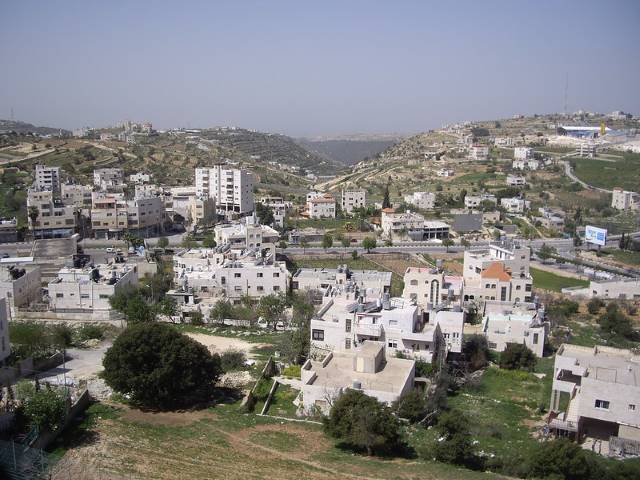
The Story of Hebron in the Context of Global Poverty

HebronHebron, also known as Al Khalil, is an ancient city located within the West Bank. It sits along the heavily-contested boundary between what is considered Palestinian and Israeli territory. As the site of vital religious and spiritual significance, Hebron has endured both strife and cultural development through the years. Demographically, Al Khalil is the most populated city within the West Bank, with 200,000 Palestinian-identifying residents as of 2018. One of the minority populations in the city, the Kurds, often suffered economically and financially due to their marginalized status. This disparity is especially clear in the context of refugee camps, where the majority of Kurdish communities reside. The Multidimensional Poverty Index of Palestine reports that poverty stands at 39% in refugee camps compared to 14% in rural areas and 24% in urban areas.

Life in Gaza

More than half of Palestinians living in Gaza, another site of frequent dissension, are currently in poverty. Furthermore, 33% of the Palestinian population suffers from unemployment. Food insecurity is an unfortunate but harsh reality among this segment of the population. This occurs due to trade boycotts and economic barriers. A variety of obstructions deter Palestinians from obtaining the resources they require. These range from physical checkpoints that divide the land and military frisking to international embargos as well as local trade impediments imposed by the Israeli state. On top of the hunger and poverty that families face, thousands of Palestinians experience homelessness and displacement.

The Israel-Palestine Conflict During COVID-19

As a result of the multitude of issues associated with trade and resource accessibility in Palestinian territory, more members of the population than ever before are presently struggling with extreme poverty. With the recent developments brought about by the COVID-19 pandemic, medical resources have become a new source of internal conflict. The unequal distribution of vaccines has caused an uproar across all sides of the ongoing political dispute.

As the death rate among Palestinians rises and more than 2,670 Palestinians have passed away as of March 22, 2021, it is evident that government authorities must equalize the distribution of medical resources to meet citizens’ needs. However, due to the contentious conditions within Israel-Palestine, it is unclear exactly who is responsible for ensuring equal distribution among communities. The United Nations has shrugged off the burden. It instead stated that it is the state of Israel’s duty to vaccinate Palestinians in Gaza and the West Bank. Such a designation of tasks has not proven successful. Political divides continue to affect the manner in which the population receives access to the vaccine.

The International Trade Drought in Hebron

In terms of the far-reaching effects of the pandemic in Hebron specifically, lack of access to foreign imports from China and East Asia has greatly weakened the already fragile Palestinian market. Many Palestinian business owners rely on Chinese-produced goods to make ends meet. With the increase of trade restrictions due to the global health crisis, merchants are no longer able to acquire the products that they normally sell to consumers. With much of agricultural sources of income blocked off by political circumstances, local trade is one of the few ways that Palestinian individuals are able to make a sustainable income.

According to Abdo Idrees, the head of Hebron’s Chamber of Commerce, another major source of income for Palestinian workers, factory work, has also suffered severely since 2020. The COVID-19 pandemic has made the successes and downfalls of globalization in the local economy extremely apparent. The profits of exports have become unavailable and citizens cannot obtain a majority of the imported products upon which they depend.

Future Relief for the City of Al Khalil

Although current Israeli-Palestinian relations remain tense in the city of Al Khalil, particularly after the decision of the Biden administration to leave the U.S. embassy in Jerusalem, a shred of hope still remains for Hebron and its citizens. The United Nations and other international bodies have expressed a firm commitment to attaining stability in the sacred city. The Temporary International Presence in Hebron (TIPH) pledged to preserve its mission of protecting the citizens of Hebron and supporting a safe two-state solution that may be the key to finally achieving long-awaited peace and statehood for Palestine.

– Luna Khalil
Photo: Flickr

April 12, 2021
https://borgenproject.org/wp-content/uploads/borgen-project-logo.svg 0 0 Kim Thelwell https://borgenproject.org/wp-content/uploads/borgen-project-logo.svg Kim Thelwell2021-04-12 04:25:162021-05-24 04:25:42The Story of Hebron in the Context of Global Poverty
COVID-19, Developing Countries, Development, Global Poverty, Health, Refugees

A Pandemic in a Refugee Camp

A Pandemic in a Refugee Camp
Since the Venezuelan refugee crisis began in 2015, over 360,000 Venezuelans have fled to Ecuador where they have sought political and economic asylum away from the tumultuous governing in Venezuela. In Ecuador, Venezuelan refugees have created camps and have attempted to rebuild their lives to little avail due to xenophobia, limited job opportunities and harsh living environments. While these harsh living conditions have continued for the Venezuelan refugees for years, the beginning of the COVID-19 pandemic has intensified hardships. Spending the pandemic in a refugee camp involving cramped and overflowing shelters has caused refugees to become extremely vulnerable to contracting and dying from COVID-19.

No Access

For the hundreds of thousands of impoverished and unemployed Venezuelan refugees living in cramped refugee camps, it is challenging to social distance or to retrieve information on COVID-19. Moreover, with limited money focused on food, shelter and provisions, refugees have little left to spend on personal hygiene or personal protective equipment. As a result, refugees do not have access to much-needed medical supplies to keep safe from virus transmissions such as masks, sanitizers, gloves or vitamins. Consequently, transmission rates in refugee camps are disproportionately higher than their urban Ecuadorian city counterparts, yet the medical care is disproportionately lower.

As hospitals in Ecuador have become overrun by sick patients and Ecuadorian first responders have become absorbed with endless virus-related emergencies, Ecuadorian healthcare workers have had to choose which patients they will actually provide medical care to. This decision oftentimes coincides with heavy racism against Venezuelan refugees. Consequently, first responders have often chosen to respond to the rich Ecuadorian citizens living in urbanized areas over the far away, impoverished Venezuelan refugee camps. Similarly, Ecuadoran doctors prefer to provide medical care to the more affluent Ecuadorian citizens who can surely pay their hospital bills rather than the refugees. In turn, Venezuelan refugees are not always able to use Ecuadorian healthcare and instead have to fend for themselves without medical supplies, information about the virus or the ability to social distance.

A Solution for Refugees Surviving a Pandemic in a Refugee Camp

Because solving xenophobia in Ecuador or empowering and enriching refugees could not rapidly happen in time so that they could receive proper treatment during the pandemic, refugees had to take matters into their own hands by looking to new initiatives to prevent the spread of COVID-19. Alongside the United Nations High Commissioner for Refugees (UNHCR), Venezuelan refugee communities in Ecuador developed the Community Epidemiological Surveillance System in an attempt to rapidly discover COVID-19 cases in refugee camps. The system can detect individuals with COVID-19 for quarantine purposes and consequently reduce the risk of COVID-19 transmission amongst refugee communities.

Once the system detects them, patients receive information about their diagnosis along with referrals for proper treatment. The system reports all cases to the national health authorities so that Venezuelan refugees can identify who they were in contact with so that all parties can undergo quarantine and testing for the virus.

How it Works

Since launching in July 2020, the Community Epidemiological Surveillance System has detected hundreds of cases and has prevented the further spread of the virus for thousands of refugees. By identifying a suspect COVID-19 case, the system is able to assess a localized community point of potential exposure for other refugees. Once discovered, the system registers all information upon a public health database that records exposed individuals and provides them with information and medical treatment for the virus. Furthermore, the Community Epidemiological Surveillance System records if a COVID-19 patient or exposed individual has access to personal protective equipment, has preexisting conditions or lives in overcrowded environments that would make them and their neighbors more susceptible to the virus.

UNHCR taught six refugee camps across Ecuador the process of contact tracing. Trained refugees can utilize the Community Epidemiological Surveillance System. This results in using telephone hotlines, community visits by healthcare workers and providing medical provisions. The system is curbing COVID-19 spread in a pandemic in a refugee camp for vulnerable Venezuelans who would have very few medical opportunities otherwise.

– Caroline Largoza
Photo: Flickr

April 10, 2021
https://borgenproject.org/wp-content/uploads/borgen-project-logo.svg 0 0 Kim Thelwell https://borgenproject.org/wp-content/uploads/borgen-project-logo.svg Kim Thelwell2021-04-10 13:36:262021-06-10 13:36:41A Pandemic in a Refugee Camp
COVID-19, Global Poverty

The Fight to Eliminate Poverty in Israel

Eliminate Poverty in Israel
In 2020, Israel faced a massive increase in poverty as COVID-19 spread throughout the world. In 2019, reports determined that poverty in Israel rose by 0.5%. There was a significant increase in the poverty rate from 22.4% in 2019 to 23% in 2020 with the COVID-19 pandemic being a contributor. In fact, Israel’s economy contracted 2.4% in 2020 resulting in high unemployment. Here is some information about the situation in Israel along with the efforts that some are initiating to eliminate poverty in Israel.

A History of Poverty

Before the pandemic began, Israel already had a history with its inhabitants living in poverty. At least 1.8 million people were living under the poverty line in 2018, with 841,000 of those people being children. Poverty among the elderly also increased from a staggering 17.2% to 18.8% in 2017. The standard of living has dipped significantly as well. The need for financial aid rose up to 70% in the wake of the COVID-19 outbreak.

The beginning of 2021 promised some growth in the economy. In December 2020, Israel began its vaccination inoculation drive, hoping to vaccinate 60,000 people a day to combat the coronavirus.

The Road to Recovery 

With the Israeli economy reopening and most of its people having received the COVID-19 vaccine, there have been about 400 infections, the lowest since June 2020, marking a three-month low. About 4.7 million people received both doses of the coronavirus vaccine. With most of its vulnerable population vaccinated, Israel started to emerge from its third national lockdown in February 2021.

While its economy is still starting to recover from the current lockdowns and it is slowly starting to ease restrictions, most of the middle class plunged into poverty due to the effects of the pandemic. With the surge of poverty in Israel, hope exists for those who are suffering from the pandemic’s catastrophic effects. Various groups and organizations have implemented solutions to help impoverished communities in Israel.

Israeli is using technology to help it solve its economic crisis. The IMPROVATE Innovative conference occurred in early 2021 in which Israeli innovation and technology companies met and discussed how their companies would assist in the aftermath of the coronavirus crisis. The IMPROVATE Innovative launched in September 2020 to connect world leaders in the advancement of global progress. With the meetings taking place, it seems that technological advancements will play a role in helping to reshape Israel after its economic crisis.

Making a Change for the Better

An OECD Economic Survey of Israel from 2020 has identified solutions that can help eliminate poverty in Israel. Measures and reforms in the survey included upgrading infrastructure, improving educational outcomes, supporting the poor, simplifying taxes, reducing economic distortions and reducing health risks by improving the environment.

Nonprofit organizations have also stepped in to help with the economic disaster. One of the leading NGOs in the country, Latet, believes the Israeli government should be doing more to combat inequality and access to resources in Israel. Fortunately, other nonprofits exist that are aiding in the battle against poverty and are instrumental in helping Israel recover.

While COVID-19 put the people of Israel in poverty, millions received vaccinations and the economy is slowly reopening. Technology groups and NGOs are willing to put in the effort to help during the COVID-19 aftermath, aiding in efforts to eliminate poverty in Israel and improve its economy. 

– Jose Ahumada
Photo: Flickr

April 10, 2021
https://borgenproject.org/wp-content/uploads/borgen-project-logo.svg 0 0 Kim Thelwell https://borgenproject.org/wp-content/uploads/borgen-project-logo.svg Kim Thelwell2021-04-10 12:54:112021-06-07 12:54:24The Fight to Eliminate Poverty in Israel
COVID-19, Global Health, Global Poverty

On-the-Ground Global COVID-19 Relief

Global COVID-19 Relief
Under the visionary leadership of Dr. Paul Farmer, Partners in Health is setting an example for an effective and compassionate response to the COVID-19 pandemic. It is a global nonprofit organization that has been fighting for access to quality healthcare. The organization has catered to low- and middle-income countries (LMIC) since 1987. It does a good job of supplying strong on-the-ground global COVID-19 relief.

The Way Partners in Health Works

Partners in Health has developed on-the-ground networks of local healthcare professionals, community workers, facilities and government partners. These networks are poising Partners in Health to support strong on-the-ground global COVID-19 relief. They are also challenging the traditional “control over care” that LMICs traditionally use to combat pandemics.

Dr. Paul Farmer is chief strategist and chair of the Partners in Health board of trustees and recently won the $1 million Berggruen Prize for Philosophy & Culture for his impact at the intersection of global health and human rights and his leadership in advocacy for a global COVID-19 response that is humane as well as effective. Farmer is chair of the Department of Global Health and Social Medicine at Harvard Medical School. He is also the Brigham and Women’s Hospital’s chief of Division of Global Health Equity, a physician and anthropologist.

Replacing “Control Over Care” with “Global Equity”

Farmer feels that the global health arena needs to overhaul the dominant “control over care” approach, which focuses on containment and isolation during epidemic outbreaks. The COVID-19 response has heavily emphasized isolation and social distancing more than rapid testing and treatment. In a recent Forbes interview, Farmer noted that LMICs lacked ventilators and oxygen masks for treatment during the onset of the pandemic. Instead, Farmer advocates “global health equity” so everyone has access to trained staff, medicines, supplies, appropriate facilities and best practices.

In Rwanda, Partners in Health supports community health workers who do contact tracing and accompany sick people. Farmer feels that the Partners in Health COVID-19 response in Rwanda has been stronger than the United States’ response as the U.S. does not utilize community health workers in the same way.

Investment in Local Health Systems

The Partners in Health COVID-19 response is succeeding. This is because Partners in Health has already deeply invested in the local health systems of the 11 countries it supports. In each country, Partners in Health focuses on systems building through training strong medical staff. It also focuses on securing facilities with electricity, running water and ample space. From there, Partners in Health works very closely with local governments to implement universally shared best practices to ascertain quality care. Partners in Health employs community health workers to help community members access to care. It employs 18,000 staff with 99% from countries served by Partners in Health. It also supports at least 12,000 community workers who make more than 800,000 annual home visits to patients and families.

The Partners in Health COVID-19 response includes testing and contact tracing. It also includes free care and treatment for all COVID-19 patients at all Partners in Health-supported health facilities. The Partners in Health COVID-19 response includes assisting local governments by providing personal protective equipment (PPE). It also includes training in infection protection and control measures. Mobilizing community health workers is a third facet of the Partners in Health response to the pandemic. Partners in Health’s extensive experience with infectious disease outbreaks in several countries has informed it significantly. The organization supports the “People’s Vaccine” and COVAX global movements for free and readily accessible COVID-19 vaccines. Two examples of Partners in Health’s COVID-19 response include the building of a quarantine center in Liberia and an initiative to aid disadvantaged girls in both Rwanda and Haiti.

Partners in Health Liberia’s Quarantine Center

Partners in Health Liberia opened a 26-bed quarantine center in the coastal city of Harper in April 2020. It accomplished this by working with Liberia’s health ministry and other local health partners. The center provides medical and psychosocial services 24/7. It includes dignified care amenities such as hand-washing stations and gender-friendly washrooms. It also includes appropriate medical equipment such as blood pressure and oxygen saturation monitors. This is a great example of providing more on-the-ground global COVID-19 relief.

Partners in Health Haiti Supports Teens Coping with Emotional Stress

The Partners in Health Women and Girls Initiative (WGI) offers a spectrum of activities. This includes drawing, yoga and guided meditation in Haitian Creole for teens overwhelmed with COVID-induced stress. The organization is also raising funds to provide each of the 80 Port-Au-Prince WGI participants with internet access and solar lamps. The resources will help them continue their studies during COVID-19 lockdowns. Partners in Health established WGI in 2008 to empower disadvantaged girls in both Haiti and Rwanda.

The world is beginning to grapple with the global COVID-19 vaccine rollout. Farmer and Partners in Health will play an important role in ascertaining that LMICs receive them too. “[COVID-19] is a sharp reminder that everyone should be concerned with making vaccines available, regardless of ability to pay, the country in which you happen to be born or live, or any of the other criteria that have long been abused to deny equitable access to the fruits of modern science,” he said.

– Shelly Saltzman
Photo: Wikipedia Commons

April 5, 2021
https://borgenproject.org/wp-content/uploads/borgen-project-logo.svg 0 0 Kim Thelwell https://borgenproject.org/wp-content/uploads/borgen-project-logo.svg Kim Thelwell2021-04-05 09:48:182021-06-09 09:48:31On-the-Ground Global COVID-19 Relief
Page 13 of 25«‹1112131415›»

Get Smarter

  • Global Poverty 101
  • Global Poverty… The Good News
  • Global Poverty & U.S. Jobs
  • Global Poverty and National Security
  • Innovative Solutions to Poverty
  • Global Poverty & Aid FAQ’s
Search Search

Take Action

  • Call Congress
  • Email Congress
  • Donate
  • 30 Ways to Help
  • Volunteer Ops
  • Internships
  • Courses & Certificates
  • The Podcast
Borgen Project

“The Borgen Project is an incredible nonprofit organization that is addressing poverty and hunger and working towards ending them.”

-The Huffington Post

Inside The Borgen Project

  • Contact
  • About
  • Financials
  • President
  • Board of Directors
  • Board of Advisors

International Links

  • UK Email Parliament
  • UK Donate
  • Canada Email Parliament

Get Smarter

  • Global Poverty 101
  • Global Poverty… The Good News
  • Global Poverty & U.S. Jobs
  • Global Poverty and National Security
  • Innovative Solutions to Poverty
  • Global Poverty & Aid FAQ’s

Ways to Help

  • Call Congress
  • Email Congress
  • Donate
  • 30 Ways to Help
  • Volunteer Ops
  • Internships
  • Courses & Certificates
  • The Podcast
Scroll to top Scroll to top Scroll to top
