
Living through a history saturated with civil war, economic corruption and political instability, Lebanon’s people witnessed some of the country’s darkest hours. However, 2020 holds the most significant challenges for Lebanon as the nation has had to deal with both the internal collapse of its government and the external threat of COVID-19, contributing to one of the worst economic crises in decades. Here is some information about the crisis in Lebanon.
Poverty in Lebanon
Today, the population sits at a 55% poverty rate, meaning that 2.7 million people are living on less than $14 a day and an estimated 1.7 million of those people live below the international poverty line of $1.90 a day. The current crisis in Lebanon has left the country paralyzed, but recently, the World Bank announced the Emergency Crisis and COVID-19 Response Social Safety Net Project (ESSN), which would provide $246 million of direct cash assistance and social services.
Estimates determine that 786,000 vulnerable Lebanese would benefit from this program. Moreover, the World Bank has also recently approved a reallocation of $34 million to assist with the distribution of vaccines through its Lebanon Health Resilience Project. This would provide an opportunity to recover from the devastating effects that COVID-19 has had on the already precarious state of Lebanon.
The Past That Haunts Lebanon’s Present
After the civil war, which lasted from 1975 until 1990, the country was in disarray and has since seen little improvement. Hezbollah, a Shiah Islamist political party that has heavily involved itself with Lebanon’s government since the 1990s, is facing accusations of corruption and mismanagement of the state. Estimates determine that Hezbollah’s corrupt deals have resulted in a loss of $100 billion within Lebanon’s banking system.
This dysfunction culminated in the uprising of 2019 when the government proposed to impose taxes on all WhatsApp calls that citizens made from Lebanon. On top of an explosion at the Port of Beirut on August 4, 2020, which cost the lives of 200 people and led to $3 billion of infrastructural damage, in 2020, the crisis in Lebanon resulted in a 19.2% decline in the country’s GDP. Two prime minister resignations later and on the verge of famine, Lebanon’s own government is largely leaving the country’s people to fend for themselves amid a global pandemic.
The World Bank’s Contribution
The objective of the EESN is to put a stop to the rise of extreme poverty rates in Lebanon by scaling up the Government of Lebanon’s National Poverty Targeting Program (NPTP), which receives financial and technical assistance from the World Bank. The EESN will contribute to the existing NPTP, as it currently provides cash transfers to vulnerable Lebanese individuals, covers costs of education and provides other forms of support to disabled and elderly Lebanese peoples. In addition, the EESN aims to consider the crisis in Lebanon within the context of COVID-19. With more than 250,000 total cases and approximately 5,000 daily confirmed cases as of January 17, 2021, immediate relief is necessary for long-term economic recovery.
The project will include the following:
- $206 million will provide cash transfers to the most vulnerable with electronic cards.
- $23 million will go toward educational costs.
- $10 million will improve the quality of social services such as the Ministry of Social Affairs (MOSA) and Social Development Centers (SDCs).
- $9 million will help to create and support social safety net services such as the National Social Registry, which will respond to future shocks to Lebanon.
The World Bank’s further initiative to launch the Lebanon Health Resilience Project on January 21, 2021, will aim to alleviate the ongoing crisis in Lebanon through widespread vaccine distributions. It projects that vaccinations will arrive by early February 2021 and will provide vaccines to more than 2 million people.
Beyond the Rubble
While the Lebanese government is in shambles amid the rubble of Beirut, Lebanon’s people are continuing to see through this dark hour of history. The efforts of organizations such as the World Bank demonstrate that although Lebanon must rebuild its foundations, the rest of the world will not abandon Lebanon’s people.
– Alessandra Parker
Photo: Flickr
 In 2021, COVID-19 is still rampaging across the globe, and despite efforts from the wealthiest nations, it has yet to drop down to non-pandemic status. Africa, a continent with a population of more than one billion, has reported
 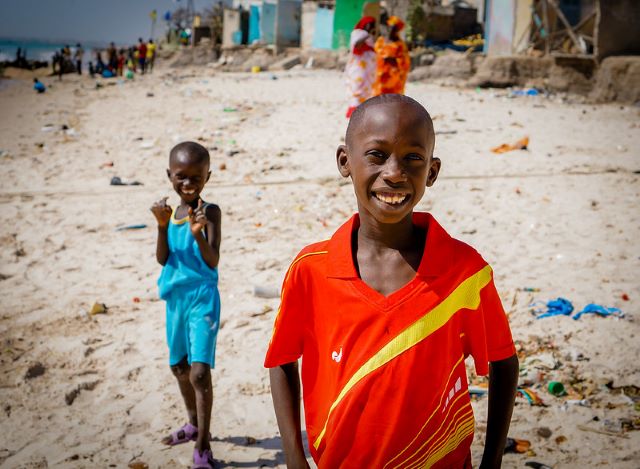 Senegal’s economy is one of the fastest-growing in Africa, with a growth rate of more than
  In Bangladesh, millions of children are living in poverty without any assistance. For this reason, the nonprofit organization, Spreeha Bangladesh Foundation, comes in and fulfills its mission. Spreeha greatly supports Bangladeshi children; the organization uses creative solutions to empower people to reach their full potential.
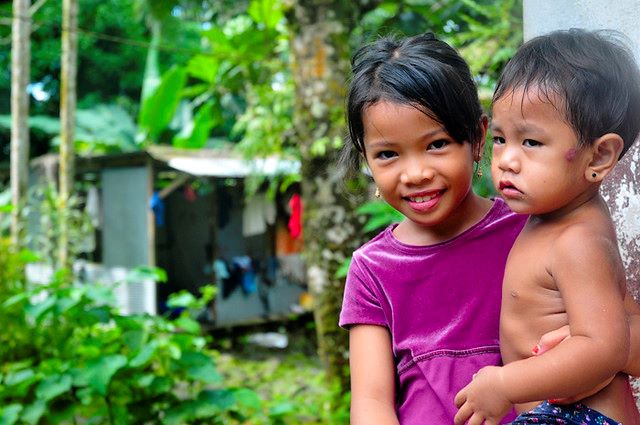 The impact of COVID-19 has resulted in fractured economies and health care systems all around the world. While some countries are trying to recover, others just cannot catch a break. Papua New Guinea is a country that finds itself in a unique and desperate situation. With the onset of COVID-19, the country was also hit with a resurgence of polio. Dual outbreaks are a cause of significant concern for Papua New Guinea. Australia is coming to the aid of its neighbors with a substantial financial assistance plan.
 The COVID-19 pandemic is deemed a global health crisis that has resulted in an economic crisis and a hunger crisis too. In the Dominican Republic, Cabarete Sostenible seeks to address the root cause of hunger.


 The COVID-19 pandemic has led to the closure of schools in many countries, keeping children at home and highlighting the inequality of education worldwide. The quality of education for children in Peru, a nation with one of the highest COVID-19 mortality rates, is based largely on the wealth of the family. This disparity in opportunity will only grow larger with remote schooling and more of the education burden will fall on the parents. Families that cannot afford personal tutors or often expensive education technology and the internet currently have no access to quality education for their children. Many organizations and companies in Latin America are assisting with this burden, creating new ways to provide education to impoverished students. People highly praise school broadcasts on television and affordable curriculum education, but some companies are trying to make the technology itself more attainable for students. The
