• Link to X
  • Link to Facebook
  • Link to Instagram
  • Link to TikTok
  • Link to Youtube
  • About
    • About Us
      • President
      • Board of Directors
      • Board of Advisors
      • Financials
      • Our Methodology
      • Success Tracker
      • Contact
  • Act Now
    • 30 Ways to Help
      • Email Congress
      • Call Congress
      • Volunteer
      • Courses & Certificates
      • Be a Donor
    • Internships
      • In-Office Internships
      • Remote Internships
    • Legislation
      • Politics 101
  • The Blog
  • The Podcast
  • Magazine
  • Donate
  • Click to open the search input field Click to open the search input field Search
  • Menu Menu

Archive for category: COVID-19

COVID-19, Education, Global Poverty

School Reopenings and Teacher Walkouts in Malawi During COVID-19

Malawi's SchoolThe COVID-19 pandemic has forced schools to shut down globally, leading to a crisis of learning as countless students are left without in-person instruction. School reopenings in Malawi show this effect, where remote learning alternatives are not widely available. A week-long teacher walkout recently heightened the tension between education and public health in what has already been a rocky school reopening. While Malawi attempts to balance the safety of teachers with the learning of an already struggling student population, international organizations such as UNICEF have lent a helping hand.

Malawi Teachers Strike

On April 6, 2021, in-person education in Malawi was put on hold as the nation’s teachers left their classrooms and refused to return. The boycott was in response to a dispute between the Teachers Union of Malawi (TUM) and the federal government. The government failed to deliver the nation’s teaching staff a previously promised monthly stipend of MK50,000 (about $66) as additional compensation for the hazardous nature of their positions.

Malawi’s government has argued that it does not have enough funding to compensate its teachers, an expense that would cost the impoverished government $2.4 million each month. But, teachers refused to return to the classroom without their hazard pay, until TUM signed a deal with the government, which sent teachers back to work empty-handed.

Learning During the Pandemic

The teachers’ boycott in April was yet another interruption during an already fragmented school year. Malawi’s schools were initially closed on March 23, 2020, to prevent the spread of COVID-19. After months of closed schools and public outcry, Malawi’s president reopened the nation’s schools in a two-stage process in early September 2020. Unfortunately for Malawi’s students, the return to school was not long. Around mid-January 2021, Malawi’s schools closed once again as COVID-19 cases spiked throughout the country. It was not until February 22, 2021, that students returned to classroom learning.

Malawi faced significant difficulties in supplementing school closures with remote learning alternatives. During the initial closures, the government, in conjunction with UNICEF, implemented the Emergency Radio Education Programme (EREP). The EREP delivered primary school lessons to Malawi’s students over the radio. In total, the EREP delivered 400 lessons in English, maths and Chichewa to nearly two million primary school students. Furthermore, more than 70,000 high school students had access to online learning and 50,000 high school students received self-study resources.

But, these remote learning initiatives were not all-inclusive. More than 60% of primary and secondary students in Malawi did not have access to remote learning resources during school closures. These long-term lapses in learning have been devastating for students.

Malawi’s School System

Primary education in Malawi became free in 1994. Since then, 90% of Malawi’s school-age children have enrolled in primary schools. Yet, high enrollment has caused problems because Malawi’s education system does not have the infrastructure to support and teach such a massive student body.

While Malawi’s education system has met the rising demand for schooling, it has struggled to maintain quality schooling. A review of student performances in Malawi found low rates of comprehension in multiple subjects. Additionally, only about half of Malawi’s students complete their primary education. Furthermore, for those who do pass primary school, only 16% continue to receive a secondary education.

The frequent pauses in learning due to the pandemic threaten to degrade students’ already low rates of comprehension and completion. Malawi’s education system has received international assistance to avoid further issues.

UNICEF Assists

UNICEF has been a key ally to Malawi’s education system during the COVID-19 pandemic. Apart from implementing Malawi’s Emergency Radio Education Program, UNICEF’s most substantial efforts have been to procure international funding for the education system’s COVID-19 response. This effort included $10 million from the Global Partnership for Education (GPE) and more than $300,000 from the Education Cannot Wait fund.

UNICEF has also helped to create health and safety protocols, which have guided the return of Malawi’s students and teachers to classrooms. Additionally, UNICEF has worked to distribute supplies to Malawi’s schools. For instance, the organization delivered 650 portable chalkboards to disadvantaged schools to facilitate outdoor learning for thousands of students.

UNICEF’s support has been vital to the reopening of Malawi’s schools during the pandemic. However, the recent teacher walkouts illustrate that the impacts of COVID-19 are persistent in Malawi. Malawi will need further international support for the country to fully revitalize its education system.

– Joseph Cavanagh
Photo: Flickr

June 18, 2021
https://borgenproject.org/wp-content/uploads/borgen-project-logo.svg 0 0 Kim Thelwell https://borgenproject.org/wp-content/uploads/borgen-project-logo.svg Kim Thelwell2021-06-18 01:30:222021-06-18 06:02:48School Reopenings and Teacher Walkouts in Malawi During COVID-19
COVID-19, Global Poverty

The Impact of COVID-19 On Poverty In Nigeria

The Impact of Covid-19 on Poverty in NigeriaCOVID-19 has economically impacted countries worldwide, particularly low-to-middle-income nations. One such nation is Nigeria. The impact of COVID-19 on poverty in Nigeria has been especially disastrous. Nigeria is the most populous and has the largest economy in Africa. Because of this, the downturn in Nigeria’s economy, as a result of COVID-19, affected a significant number of people and worsened the poverty level in Nigeria.

Nigeria Before COVID-19

Although its economy was steadily improving before COVID-19, Nigeria already had high levels of poverty and inequality. In 2018, about half the population (87 million people) lived on less than $1.90 a day. Most of the nation’s poor live in rural areas and have markedly less access to clean water than those in urban environments.

Prior to the COVID-19 pandemic, the Nigerian economy showed consistent growth, with the per capita GDP doubling from $1,400 per person to $2,800 per person between 2000 and 2012. However, Nigeria’s high poverty rate did not reflect this economic growth because the growth fell behind population growth.

The status of women in Nigeria was also less than ideal in 2018. Nigeria has an extremely high maternal mortality rate: 512 women per 100,000 die in pregnancy or the year following from causes related to the pregnancy. By comparison, the maternal mortality rate in the United States in 2018 was 17.4 per 100,000.

What Makes Nigeria So Vulnerable?

Oil makes up about 90% of Nigeria’s exports and 50% of its government revenue. This lack of diversity makes Nigeria especially vulnerable. The drop in oil prices during the pandemic damaged Nigeria’s economy and harmed government revenue at a time when it was especially needed to fight COVID-19. The World Bank predicts that this could result in Nigeria’s worst recession in four decades. The Nigerian economy’s dependence on oil exports accounts for much of its loss during COVID-19, as does foreign investors’ aversion to what they perceive as risky investments in the Nigerian economy. Inequality and lack of employment opportunities also made Nigeria vulnerable to COVID-19’s negative influence on its economy. Its already susceptible position aggravated the impact of  COVID-19 on poverty in Nigeria.

As recently as 2016, Nigeria had a recession. After 25 years of growth, Nigeria’s economy contracted due to lower oil prices. Prior to the 2016 recession, Nigeria’s economy was growing very quickly at 6.3%. Since then, it has fallen to around 2.2%. However, until 2020, economic growth remained positive. Nigeria was less prepared for COVID-19 than it was for the 2016 recession; the pre-COVID economy was less healthy than the pre-recession economy. Interest rates and the deficit were higher and the excess crude account was not sufficient to cover the needs of the people or allay the impact of COVID-19 on poverty in Nigeria.

How Did Nigeria Respond to COVID-19?

Although Nigeria has a large and growing population, it can only test around 1,500 people a day for COVID-19. The healthcare system cannot meet the needs of the people, with only 20 frontline healthcare workers per 100,000 people. Over a year into the COVID-19 pandemic, some still consider Nigeria’s testing capacity “inefficient and insufficient.”

On March 30, 2020, President Mahummadu Buhari declared a lockdown for Lagos and Ogun states. The government eased this lockdown in early May 2020 due to the economic toll it was taking on the country. In an attempt to mitigate the impact of COVID-19 on poverty in Nigeria, Buhari launched several fiscal and stimulus measures. These included money transfers for the poorest and vulnerable, employment programs and a credit facility for healthcare providers and manufacturers.

Money Transfers and Loans

The money transfer program focused primarily on the urban poor, giving 10 billion nairas directly to two billion households as a means to lift them from poverty and improve the local economy. Nigeria’s employment program focuses primarily on unemployment and getting Nigerians into any jobs available. This largely overlooked the underemployment plaguing young, educated Nigerians.

The credit facility extends loans at a limit of 20% of the company’s three-year average turnover with interest rates of 5% to 9% annually, with the intention of stimulating and supporting local production of medical supplies, reducing healthcare tourism by Nigerians and building healthcare infrastructure. The credit covers the production of drugs, medical equipment and technology. The Central Bank of Nigeria determines the expansion and establishment of healthcare service facilities, supplying healthcare services and necessities and other activities.

Unfortunately, Nigeria, like other African nations, went on to face a second wave of COVID-19 and has just introduced more protocols to prevent a third wave. This includes massive travel restrictions, increased testing and quarantine and isolation protocols.

NGOs Working in Nigeria During COVID-19

The Consultative Group for International Agricultural Research (CGIAR), a global partnership uniting organizations dedicated to researching food insecurity, has been actively involved in aiding Nigeria during the COVID-19 pandemic. Specifically, in cooperation with the Nigerian government, it has begun distributing seeds to farmers across Nigeria. CGIAR conducted surveys to ascertain the effect of COVID-19 on supply chains, compiling the data in an interactive database. CGIAR scientists also created a crowdsourcing tool to collect real-time Nigerian local price data, revealing threats to food security.

The Good News

Nigeria implemented lockdowns relatively early compared to other African nations and targeted its lockdowns, completely exempting some essential services, such as farming, power and water supply systems and manufacturing. This lessened the impact on food systems and may have lessened the impact of COVID-19 on poverty in Nigeria.

Post-pandemic, Nigeria may take the opportunity to diversify its economy, discourage inequality and improve its healthcare systems. Having learned from COVID-19 about the vulnerability of oil, costs of inequality and poorly prepared healthcare systems, they may become better and stronger as a country.

– Hilary Brown
Photo: Flickr

June 14, 2021
https://borgenproject.org/wp-content/uploads/borgen-project-logo.svg 0 0 Jennifer Philipp https://borgenproject.org/wp-content/uploads/borgen-project-logo.svg Jennifer Philipp2021-06-14 07:30:142021-06-18 06:58:04The Impact of COVID-19 On Poverty In Nigeria
COVID-19, Global Poverty

The Impact of COVID-19 on Poverty in Canada

Impact of COVID-19 on Poverty in Canada
The COVID-19 pandemic brought hardship in many forms during the year 2020. Every country struggled to mitigate infection. However, the impact of COVID-19 on poverty in Canada is still prevalent over 15 months into the pandemic.

According to The Toronto Star, 10.1% of Canadians (3.7 million) were living in poverty in 2019. Data in the coming years may actually show a continuation of the recent trend of reduced poverty levels into 2020. However, there may be an imminent correction of sorts. The director of fiscal and provincial economics at Scotiabank, Rebekah Young, explained that government will likely contribute to the visibility of an “artificial drop in poverty” in 2020. Here is some information about the impact of COVID-19 on poverty in Canada.

Unemployment rates in Canada

At the beginning of the pandemic, unemployment rates rose due to COVID-19 restrictions. The unemployment rates during the first few months of lockdowns were as follows:

February 2020 – 5.9%
March 2020 – 8.4%
April 2020 – 13.5%
May 2020 – 13.8%
June 2020 – 12.3%

As UBC Canada pointed out, the pandemic has exacerbated the disparity between high and low-income families. When this occurs, the cost of living generally rises. According to the report, “people in poverty are more likely to work in front-line and service” industries that COVID-19 restrictions most affected.

This reality is especially troublesome for such workers in Canada. The New York Times reported that fully vaccinated Americans could begin to enter certain public areas without a mask on May 13, 2021. This development is a promising sign as some industries continue to struggle amid COVID-19 regulations. However, Canada’s vaccination progress lags significantly behind.

Canadian Government Support Programs

While government support programs allowed for incomes of various demographics to rise during the majority of 2020, many Canadians struggled to maintain financial stability. Spending on recreational activities and even necessities declined for low to middle-income families as a result. Middle- to high-income families avoided the costs of travel and recreation, further widening the disparity between the two segments.

Across Ontario, food banks witnessed a substantial increase in traffic leading up to the start of the pandemic. Nearly 20% of food banks in the province saw an increase of 54% through the first four months of COVID-19.

Feed Ontario reported that one of the main causes of this continued increase in foodbank use is “precarious employment.” As of November 2020, Ontario saw an 8% increase in employed adults visiting food banks.

The Impact of Unemployment During COVID-19

To put things in perspective, permitted activities for Canadian citizens as of May 20, 2021, essentially consisted of what the average U.S. citizen was limited to a year ago. Outside of shopping for essentials and going for a walk, routine actions became restricted in accordance with stay-at-home orders for many parts of the country.

United States industries including food service have begun to recover as states allow limited capacity in restaurants. Canada’s food service became limited exclusively to takeout. Other sectors such as the entertainment industry have initiated a quasi-revival as movie theaters begin to house limited capacity. Establishments in the entertainment industry are seemingly a long way from opening in Canada. The impact of COVID-19 on poverty in Canada will continue to prove much greater as a result of industries similar to entertainment being severely diminished or in some cases obsolete for a much longer period of time.

“Around half a billion people could be pushed into poverty globally,” according to UBC Canada. A bigger share of this number is realized as the longer service workers and those alike are unemployed while the socioeconomic disparities increase as a result of COVID-19.

A Look Ahead

A sense of employment is shining through in 2021. Canada’s unemployment rate recently decreased by 0.7% to 7.5%, marking the lowest rate since February 2020.

After initially delaying the administration of second doses of COVID-19 vaccines for up to 16 weeks, the Canadian government looks to expedite those second doses to a population that has more than half of its citizens partially vaccinated.

In the meantime, the Highly Affected Sectors Credit Availability Program grants businesses “guaranteed, low-interest loans” up to $1,000,000. Started in January 2021, the program aimed to help the travel and tourism industries along with other industries the COVID-19 pandemic immediately affected.

Now, while the nation has a way to go to inoculate a sufficient portion of its population, Canada is providing more doses of COVID-19 vaccines per capita each day than the United States.

– Paolo Giannandrea
Photo: Flickr

June 7, 2021
https://borgenproject.org/wp-content/uploads/borgen-project-logo.svg 0 0 Jennifer Philipp https://borgenproject.org/wp-content/uploads/borgen-project-logo.svg Jennifer Philipp2021-06-07 09:01:212021-07-23 09:07:06The Impact of COVID-19 on Poverty in Canada
COVID-19, Economy, Global Poverty

The Impact of COVID-19 on Poverty in Jamaica

Impact of COVID-19 on Poverty in Jamaica
The impact of COVID-19 on poverty in Jamaica has been immense since the pandemic began in 2020. Jamaica has always been a popular vacation destination for people to enjoy the sun, beaches and culture. In fact, according to the World Bank, the country’s yearly tourism numbers reached 4.2 million in 2019, twice the numbers from two decades before. However, since COVID-19 struck the world, the country’s tourism industry fell downward as fewer persons could travel to Jamaica.

Businesses, such as eateries and resorts, have experienced a significant decline in business. As a result, 50,000 Jamaicans working in tourism lost their jobs, illustrating the substantial impact of COVID-19 on poverty in Jamaica. Thus, many persons that finally overcame poverty will most likely face this reality again. Before COVID-19, the World Bank’s graph depicted Jamaica’s poverty rate at around 19% in 2018 and 2019; however, it increased to about 23% in 2020.

COVID-19 Effects on Working Women

According to the World Bank, like other nations, the impact of COVID-19 on poverty in Jamaica has had a tremendous effect on working women. About 78% of healthcare and humanitarian employees and 55% of staff in industries highly susceptible to COVID-19, such as commerce, resorts, restaurants and schooling, are women.

The Inter-American Development Bank stated that women have always had lower-income and less stable employment than men in Jamaica. Now, females are suffering more than males once again, because of higher unemployment rates and business closures. Also, the need for free healthcare has risen due to school closures and households staying indoors. In addition, with less money, more single mothers are unable to purchase sufficient meals compared to males.

How COVID-19 has Impacted Jamaica’s Economy

The Inter-American Development Bank stated that before the pandemic, it expected GDP for FY2020/21 to increase by 1.1% due to more tourist visits and sales of products like bauxite. However, the impact of COVID-19 on poverty has changed this scenario.

Also, the International Monetary Fund projected Jamaica’s economy to decline by more than 5% in 2020. It also forecasts government income to continue to fall twice as much as medical, societal and commercial costs increase. According to the World Bank, GDP declined from around 310,000 in 2019 to 280,000 in 2020, showing an actual reduction of 9.67%.

Recovery Strategies

The Jamaican public system has implemented various strategies to combat the impact of COVID-19 on poverty. The World Bank states that the country has reduced taxes to around 0.6% of GDP and has limited expenditures to 0.5%. Also, the government has diminished General Consumption Taxes for smaller-scaled businesses along with mandatory costs for farming products. Jamaica also relinquished some expenses for tactical gear and cleaning supplies.

CARE Programme

Jamaica has implemented its CARE Programme, which provides monetary compensation for the country’s neediest citizens. The Jamaican government implemented this program on March 24, 2020. So far, approximately 500,000 Jamaican citizens have benefited from this initiative, especially individuals who became jobless due to the COVID-19 pandemic. Jamaica Information Service reported that these qualified persons received $9,000 bi-weekly every month.

According to the IMF, this strategy also includes:

  • Considerate contributions to persons without work or with casual employment before COVID-19.
  • Provisional allowances to persons who were working but lost their jobs due to COVID-19.
  • Funding to freelance workers whose income reduced due to the pandemic, as well as small-scale companies.

The program also assists senior citizens and persons who are ill or incapacitated.

Financial Budget Changes

Jamaica is also adjusting its financial plan to fit with reduced income, more medical expenses, changes to initial spending plans and the use of monetary supplies. For instance, the government has suspended import tariffs for essential healthcare materials. In addition, the Central Bank of Jamaica has reduced its required reserves for funds while keeping the rate at 0.5%. Doing so has helped to increase the amount of money in the economy. Also, the country has asked the IMF for $520 million to help them recover from the pandemic.

Strategy Results

These various government initiatives have significantly helped to reduce the impact of COVID-19 on poverty in Jamaica. The CARE Programme donated $25 billion Jamaican dollars to assist the economy, which is the most significant accomplishment the country has achieved thus far in fighting the economic effects of COVID-19.

Nigel Clarke, Jamaica’s Minister of Finance and the Public Service, said that due to these strategies, the country has a lesser deficit than it did a decade ago with the global financial crisis. “In addition, we had accumulated cash resources of over [3%] of GDP through public body reform, inclusive of divestment of state enterprises, and fiscal over-performance,” he stated. Also, by controlling prices, the country now has more than $1 billion in reserve funds that it did not borrow. As a result, Jamaica is now in a better place with more possibilities for recovery.

Loop, a Jamaican News Website, reported that the Minister also said that some persons have returned to work due to various government initiatives. As a result, the rate of unemployed persons dropped from around 12% in July 2020 to 10.7% in October 2020. However, it will take two to four years to get back to the pre-pandemic rate of 7.2%.

According to the Statistical Institute of Jamaica, as of January 2021, the percentage of persons unemployed was 8.9%, which is an improvement from the previous year. However, the Jamaican government must continue developing innovative strategies to economically recover and reduce the impact of COVID-19 on poverty in Jamaica.

– Jannique McDonald
Photo: Flickr

June 5, 2021
https://borgenproject.org/wp-content/uploads/borgen-project-logo.svg 0 0 Jennifer Philipp https://borgenproject.org/wp-content/uploads/borgen-project-logo.svg Jennifer Philipp2021-06-05 01:30:032021-06-02 08:18:14The Impact of COVID-19 on Poverty in Jamaica
COVID-19, Global Health, Global Poverty, Health, Poverty Reduction

10 Facts About COVID-19 Vaccinations in Indonesia

COVID-19 Vaccinations in IndonesiaAs the number of confirmed COVID-19 cases in Indonesia continues to rise, Indonesia falls in the top 20 countries with the highest COVID-19 cases. In March 2021, the COVID-19 Vaccine Global Access (COVAX) initiative provided its first shipment of COVID-19 vaccinations in Indonesia. The widespread distribution of vaccines brings hope for the country’s recovery as COVID-19 has severely impacted the Indonesian economy and pushed many into poverty. COVID-19 vaccinations in Indonesia bring the country one step closer to recovery and normality.

10 Facts About the Indonesian COVID-19 Vaccine Rollout

  1. The first shipment of more than one million doses allocated to Indonesia under the COVAX initiative arrived in Indonesia on March 8, 2021, as part of more than 11 million doses allocated to the country.
  2. The shipment of vaccinations in Indonesia is part of the largest vaccine procurement and supply process of all time. Immunizing the world against COVID-19 is the most significant global vaccination attempt in history.
  3. Indonesia has initiated one of the world’s biggest immunization programs, aiming to vaccinate 181.5 million citizens in a period of 15 months. This equates to two-thirds of its population.
  4. COVID-19 vaccines have been requested by the Indonesian government from several companies as well as through the COVAX initiative.
  5. Indonesia has been included in COVAX’s Advanced Market Commitment (AMC) group. The AMC ensures that 20% of the country’s most vulnerable population will have access to COVID-19 vaccines by the close of 2021.
  6. There is a concern about logistical difficulties hindering COVID-19 vaccine distribution in Indonesia. COVID-19 vaccines would have to be transported from the country’s capital of Jakarta to more than 10,000 health centers throughout Indonesia. Some of these facilities are in remote locations and have limitations in terms of logistics, infrastructure, storage and other essential resources.
  7. Vaccine storage capabilities in Indonesia present another challenge as there are specific temperature requirements in order to preserve the effectiveness of the vaccines.
  8. Indonesian people have been open to child immunization, but the COVID-19 pandemic has brought about vaccine hesitancy. There are concerns about whether such vaccines would be considered halal as Indonesia’s population is predominantly Muslim. Other fears stem from misinformation and misconceptions about the COVID-19 virus and vaccines.
  9. Indonesia aims to prioritize health workers, police officers, teachers and other civil officials as it implements its COVID-19 vaccination program. The population younger than 60 will be next in line as Indonesia’s approach does not prioritize the elderly. The logic behind this is by slowing the spread in younger people, the elderly will be protected from getting COVID-19 via close relatives. This is because many households are intergenerational, which means separating the old from the young is nearly impossible.
  10. To improve vaccine equity, the COVID-19 vaccine campaign is using live tracking systems to register vaccine recipients, monitor COVID-19 exposure and easily spot gaps and issues.

The Road Ahead

The COVID-19 vaccination rollout in Indonesia is the first step to COVID-19 recovery for both the people and the economy. With immunity, the strain on Indonesia’s healthcare system and resources will hopefully be alleviated. With economic recovery, the pandemic-induced unemployment rate will go down and businesses will strengthen, contributing to overall poverty reduction in Indonesia.

– Mary McLean
Photo: Flickr

June 3, 2021
https://borgenproject.org/wp-content/uploads/borgen-project-logo.svg 0 0 Kim Thelwell https://borgenproject.org/wp-content/uploads/borgen-project-logo.svg Kim Thelwell2021-06-03 04:36:192021-06-06 01:28:4410 Facts About COVID-19 Vaccinations in Indonesia
COVID-19, Global Poverty

The Clooney’s Donation to COVID-19 Relief Efforts

the Clooney's donationThe COVID-19 pandemic has impacted millions of lives all around the world, causing more than three million deaths globally as of April 2021. The pandemic has caused rapidly rising poverty levels due to economic shutdowns and widespread job losses. In 2020, the pandemic-induced, newly impoverished population is expected to stand between 119 and 124 million people. In 2021, this number is expected to rise to between 143 and 163 million people. Many celebrities are using their platforms to contribute to COVID-19 relief efforts, including George and Amal Clooney, who have prioritized philanthropy throughout the majority of their careers. The Clooney’s donation to COVID-19 relief efforts aims to cushion the impact of COVID-19, especially for vulnerable populations.

The Clooneys COVID-19 Relief Efforts

The Clooneys donated more than $1 million to COVID-19 relief efforts in 2020. Hollywood’s power couple has directed the donation to six different organizations, both domestic and international, aiming to relieve the strain COVID-19 has put on the world. The Clooneys graciously donated $300,000 to three particular international beneficiaries: the Lebanese Food Bank, the Lombardy region of Italy and the National Health Service COVID-19 appeal.

The Lebanese Food Bank

Like the rest of the world, the pandemic has harshly impacted Lebanon. Lebanon has reported more than 540,000 COVID-19 cases and more than 7,700 deaths as of May 30, 2021. On top of that, nearly 50% of Lebanon’s population lives below the poverty line. Lebanon was enduring an economic crisis even before the COVID-19 pandemic came about. In terms of food security, according to an ESCWA report, almost 50% of Lebanese people express concerns about their ability to obtain adequate food, with 31% reporting that they had not eaten “healthy and nutritious food” for a year.

The Lebanese Food Bank plays a vital role in ensuring impoverished people in Lebanon are able to access food. The organization accomplished this “by collecting wasted food of good quality and impartially distributing it to charities and people in need.” However, with the increasing food insecurity due to COVID-19, the Lebanese Food Bank is in need of donations to help expand its reach. The donation from the Clooneys is a personal ode from the couple as Amal Clooney is of Lebanese-British descent.

Lombardo Italy Region

The donation to the Lombardo Italy Region is also particularly significant to the Clooneys who have lived there for many years. The money will go to local hospitals in the region. Since the beginning of 2020, the COVID-19 pandemic has negatively affected Italy. The country has recorded more than four million total cases and more than 121,000 deaths as of May 1, 2021. Lombardy has the most recorded cases in the country.

The Lombardy Italy Region was overwhelmed by the first wave of the global pandemic. Doctors were pushed to ration ventilators and hospital beds, unable to cope with the influx of patients and limited resources. About three-quarters of hospital beds in Lombardy were filled with COVID-19 patients at the peak of the pandemic, almost double the level considered dangerous by the National Health Ministry. This was mostly due to a lack of coordination between private and public healthcare systems and facilities. The Clooney’s donation will certainly ease the strain on healthcare in Lombardy during COVID-19.

National Health Service COVID-19 Appeal

The U.K. has also suffered greatly during the pandemic, with more than four million cases and 127,000 deaths recorded as of May 30, 2021. Between March and December 2020, more than 850 frontline medical workers reportedly died from COVID-19. Frontline medical workers have struggled with the mental health consequences that come with being an essential working during a pandemic. More than 21% of surveyed National Health Service (NHS) workers reported “high levels of depression compared with 5% before the pandemic.”

Considering these circumstances, the Clooney’s donation will provide vital relief to NHS frontline workers treating infected patients. The NHS has provided support services to health and care workers throughout the pandemic. In addition, the NHS also provides staff with mental health services as well as “specialist bereavement support.”

The Clooneys have chosen to use their celebrity platforms for a humanitarian cause, publicly supporting COVID-19 relief efforts, and hopefully, inspiring others to follow their lead.

– Simran Pasricha
Photo: Flickr

May 30, 2021
https://borgenproject.org/wp-content/uploads/borgen-project-logo.svg 0 0 Kim Thelwell https://borgenproject.org/wp-content/uploads/borgen-project-logo.svg Kim Thelwell2021-05-30 01:30:382021-07-29 07:43:13The Clooney’s Donation to COVID-19 Relief Efforts
COVID-19, Global Poverty, Technology

How COVID-19 Created a Global Chip Shortage

global chip shortageThe COVID-19 pandemic created a global chip shortage that has ultimately exacerbated poverty. Most notably, the tech divide has widened as economic sanctions worldwide slowed production or halted it entirely, leaving many out of work. Fortunately, countries and manufacturers are stepping up to address the pandemic-induced global chip shortage.

The Cause of the Global Chip Shortage

Chips are known as the “brains” of electronic devices and are essential to several industries, including the cellphone industry and the motor vehicle industry. The shortage initially began because of a delay in production caused by factories shutting down due to the emergence of the COVID-19 virus in 2020. Simultaneously, remote work increased the demand for telecommunication, ultimately creating a strain on the supply and demand ratio.

The U.S.-China tech war also played a major factor in the global chip shortage. The U.S. Department of Commerce blacklisted SMIC, which is one of the largest semiconductor manufacturers in Asia. The inability to source U.S.-based parts to manufacture small chips had significant ramifications for the supply chain. Several companies, including Huawei Technologies Co., had anticipated such actions and began stockpiling chips as early as 2019.

Effects on the Global Economy

The chip shortage has harshly impacted several East Asian countries, largely because 75% of global semiconductor chips are produced in East Asia. Because of COVID-19, 2020 saw a $2.1 trillion revenue loss across Asia, putting an estimated 23 million individuals out of work.

The U.N. realized the economic strife that the COVID-19 pandemic brought upon the world. The U.N. predicted that 71 million individuals globally would be “pushed back into extreme poverty in 2020.” The pandemic even put previously financially secure individuals at risk of poverty.

Several motor vehicle manufacturers, including Ford, Nissan, Toyota and Honda, halted production at the beginning of the COVID-19 pandemic. When the companies eventually increased their semiconductor chip orders, suppliers such as Taiwan Semiconductor Manufacturing Company (TSMC) could not keep up. Due to the impact of chip shortages, Ford failed to produce upwards of 1.1 million cars, giving way to a potential $2.5 billion loss.

Chip Shortage Impact on the Tech Divide

Almost 60% of the global population has access to the internet, with Europe and Asia leading the highest internet penetration rates in 2020. China has around 854 million internet users out of a 1.4 billion population. In lower-income countries, however, internet penetration rates are far lower.

The COVID-19 pandemic created the global chip shortage, which in turn, caused high inflation. A significant factor in widening the tech divide is the high cost. GPUs, PS5s and Xboxes have skyrocketed in value, with some products tripling in price in a little over a year. For example, the Nvidia RTX 3060 Ti graphics card had seen an increased retail price of $399 to a street price of $1,226 by March 2021. These higher prices create barriers to internet access and other technological abilities for those in lower-income countries, thereby exacerbating the digital divide.

Resolving the Shortage

In order to address the global chip shortage, in February 2021, President Biden signed an executive order to expand semiconductor chip production within the United States. The U.S. accounts for 47% of the world’s semiconductor chip sales yet just 12% of all chip manufacturing. In order to solve the shortage, Biden sought “$37 billion in funding for legislation to supercharge chip manufacturing in the United States.”

In April 2021, TSMC announced a plan to invest $100 billion in chips over the next three years to address the global chip shortfall. In 2020, TSMC spent around $17 billion in producing semiconductor chips and originally only planned to spend between $25-28 billion for 2021. The budget changed to account for the shortfall and the increased demand in telecommunications.

The global chip shortage is projected to linger until 2023. Despite this prolonged shortfall, many companies look forward to operating at full capacity as COVID-19 vaccines become more globally available and the global chip shortage decreases.

– Camdyn Knox
Photo: Flickr

May 30, 2021
https://borgenproject.org/wp-content/uploads/borgen-project-logo.svg 0 0 Kim Thelwell https://borgenproject.org/wp-content/uploads/borgen-project-logo.svg Kim Thelwell2021-05-30 01:30:162024-05-30 22:24:56How COVID-19 Created a Global Chip Shortage
COVID-19, COVID-19, Global Poverty

The World Bank’s Projects Adapt to COVID-19

The World Bank's Projects Adapt to COVID-19The World Bank is a global financial institution that provides funding to low- and middle-income nations to aid in development. Since its inception, the World Bank has always been focused on sustainable solutions to the problems facing developing nations. For many countries and organizations, COVID-19 has been a massive unexpected barrier to the progress being made. Through 2020 and into 2021, the World Bank has had to adapt its existing projects and new endeavors to operate with COVID-19 in mind.
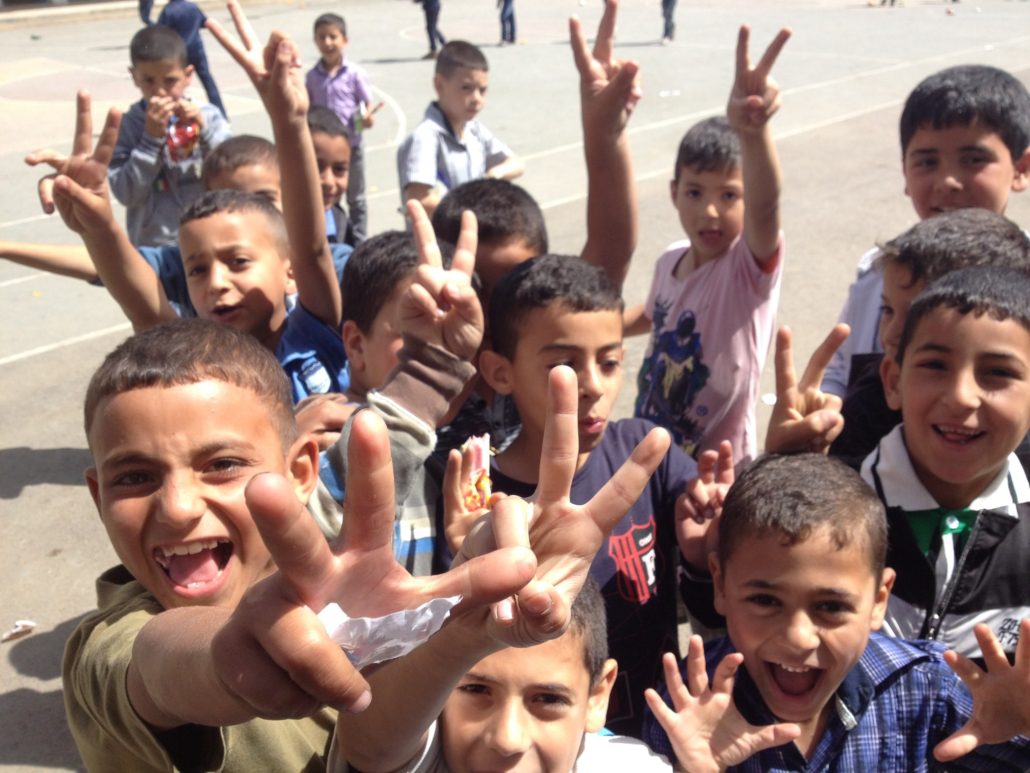

The Ghana Accountability for Learning Outcomes Project

The Ghana Accountability for Learning Outcomes Project, or GALOP, was established in 2019 with the goal of improving the quality of low-performing schools in Ghana and ultimately improving education equity. GALOP operates in 10,000 schools in disadvantaged areas, implementing measures to improve the quality of education and the presence of accountability. The project benefits more than two million students and tens of thousands of teachers.

Since COVID-19 struck and majorly disrupted education systems and school attendance, the project has been adjusted to remain as effective as possible. Notably, it has expanded its benefits for children with disabilities, for whom education is less accessible than ever. The World Bank is responding to the consequences of COVID-19 on the school system to provide more appropriate aid where necessary.

The Sahel Women’s Empowerment and Demographic Dividend Project

The Sahel Women’s Empowerment and Demographic Dividend Project, which has been active since 2014, is also being adapted to compensate for the impacts of the pandemic. The goal of this project is to empower African women and increase their accessibility to health services. A substantial part of its mission involves education and raising awareness about female empowerment.

The World Bank has been presented with a significantly heightened issue compared to when it took this project on more than five years ago. Domestic violence rates have increased, girls’ enrollment in schools is lower than ever and much progress in the way of female empowerment seems to have been undone by the pandemic. In response to this, the World Bank project has shifted its focus primarily to young girls and women at risk of violence. These are two groups whose hardships are most exacerbated by COVID-19. The World Bank recognizes that and has adjusted its actions to prioritize those most at-risk.

New Projects

In addition to revising and expanding existing projects, the World Bank has taken on many new projects specifically to help relieve the consequences of COVID-19. The organization has played a large role in providing vaccine accessibility to developing countries and has provided significant funding for its member nations to assist in mitigation and COVID-19 relief efforts.

Some projects, like Building Back Better, were created to provide support for impoverished communities so that they cannot only recover from the global health crisis but to maintain the progress made prior to it. Building Back Better focuses on implementing solutions that are sustainable and will be functional long-term within developing nations.

Other projects, like the Kinshasa Multisector Development and Urban Resilience Project, known as Kin Elenda, focus on problems that existed prior to COVID-19 but have been exacerbated by the crisis. In particular, Kin Elenda targets accessibility issues present in urban neighborhoods in the Democratic Republic of the Congo. It is providing solutions that are rooted in resilience and introducing equity to these urban areas.

In an April 2021 conference, India’s Minister of Finance Nirmala Sitharaman urged the World Bank to continue funding at this level, which is considered a “crisis response.” It is clear that the organization’s targeted efforts are providing genuine relief during this crisis, and the countries impacted would benefit from the continuation of these efforts.

The World Bank is dedicated to ending extreme poverty and promoting shared prosperity. While the global crises presented by COVID-19 have exacerbated many of the issues that contribute to poverty, the international organization has proved that it will continue to fight for its mission. The World Bank’s success in fighting the pandemic has presented evidence of poverty solutions that are both sustainable and adaptable.

– Samantha Silveira
Photo: Flickr

May 26, 2021
https://borgenproject.org/wp-content/uploads/borgen-project-logo.svg 0 0 Kim Thelwell https://borgenproject.org/wp-content/uploads/borgen-project-logo.svg Kim Thelwell2021-05-26 01:30:252021-05-25 12:15:14The World Bank’s Projects Adapt to COVID-19
COVID-19, Education, Global Poverty

G7 Alliance to End Educational Poverty in Developing Countries

Alliance to End Educational Poverty
The G7 Alliance, otherwise known as Group of Seven, is a global intergovernmental organization made up of Canada, France, Germany, Italy, Japan, the United Kingdom and the United States. The key principles of this organization are freedom and human rights, democracy and the rule of law and prosperity. The organization promotes sustainable development through “a community of values” by convening at yearly G7 summits. Most recently, the G7 has entered an alliance to end educational poverty in developing countries. 

The G7 Alliance and Goal 5

The G7 Alliance derives from Goal 5 of the G7 Alliance’s Global Goals. The goal is to achieve gender equality. The G7 hopes to do this by ensuring equal access to quality primary and secondary education for both boys and girls. Together, the priorities aid in the path to end poverty in developing countries by 2030.

The G7’s 2021 effort toward Goal 5 includes sending 40 million more girls to school within the next five years. To achieve this, G7 countries will allocate $15 billion to support women and girls’ education in low- and middle-income countries. This movement also includes action to aid in an additional 20 million girls across the world learning how to read by 10 years of age.

Many developing countries already neglected education, especially for women and girls, before the COVID-19 pandemic. The pandemic inflicted a new set of conditions that worsened education reform in countries that need it most. Prior to the COVID-19 pandemic, 132 million girls around the world lacked access to an adequate education. Additionally, only one in four countries has equal likelihoods of upper-secondary school attendance for boys and girls.

According to Save the Children, the effects of the pandemic have threatened to reverse the gains that many areas have made regarding girls’ education in recent years. About 11 million girls are currently at risk of completely losing their access to education. In Ethiopia alone, the COVID-19 pandemic forced over 26 million children to leave school due to school closures. 

Moving Forward in the Alliance to End Educational Poverty

The G7 Alliance’s commitment toward Goal 5 is one of the largest in terms of scope and projected impacts. However, the Alliance has yet to decide the details of where the funding must come from and where the funding must go.

The G7’s alliance to end educational poverty is placing education at the forefront of policy reform and international aid as countries adjust to the constant new norms that come with each day of the COVID-19 pandemic. This priority could positively affect global economics and accelerate overall global recovery and wellbeing.

– Kylie Lally
Photo: Flickr

May 20, 2021
https://borgenproject.org/wp-content/uploads/borgen-project-logo.svg 0 0 Kim Thelwell https://borgenproject.org/wp-content/uploads/borgen-project-logo.svg Kim Thelwell2021-05-20 07:27:042021-06-07 07:27:17G7 Alliance to End Educational Poverty in Developing Countries
COVID-19, Global Poverty, Refugees

3 Ways the US Can Help Palestinian Refugees

Palestinian Refugees
Prior to 2018, the United States was the largest contributor to the United Nations Relief and Works Agency (UNRWA). UNRWA provides educational, medical and other resources to Palestinian refugees. While poverty rates of Palestinian refugees differ from country to country, about 25% live in overcrowded, unstable, underfunded and often unsafe refugee camps.

The services that UNRWA provides are vital to Palestinian refugees suffering from poverty. As a result, when diplomatic ties between the U.S. and Palestine severed, the organization lost 30% of its annual funding and basic resources became limited. Now, with the COVID-19 pandemic and subsequent financial crisis occurring, UNRWA’s resources have experienced severe strain.

In a United Nations press briefing in November 2020, UNRWA Spokesman Tamara Alrifai said, “Despite the immense efforts to raise sufficient funds in 2020 to maintain UNRWA’s critical services to 5.7 million Palestinian refugees across the Middle East, as of yesterday November 9, UNRWA has run out of money.” As a result, the organization had to cut pay for its 28,000 employees, most of whom were refugees themselves, during a global pandemic and international financial crisis.

Twenty-seven days into his presidency, President Joe Biden promised to restore diplomatic relations, including aid, with Palestine. These are three ways that impoverished Palestinian refugees may benefit when diplomatic relations between the U.S. and Palestine resume.

Medical Care

Over 3 million refugees rely on UNRWA’s medical services for basic medical care. Because UNRWA’s financial crisis is also happening during a global health crisis, the biggest strain has been on the organization’s medical services. Medical facilities have been running low on supplies, staff and medicine. The strain on medical services disproportionately affects Palestinian refugees.

Seham al-Lahem, a young expectant mother, and other Palestinian refugees have requested that UNRWA cover their medical fees at a non-UNRWA facility. “We have been hearing of the financial problems facing UNRWA, and it has left me worried about my delivery and the medical services provided to me and my newborn,” said Seham al-Lahem. With the financial struggles facing UNRWA, it is possible that she may not receive the cash she needs to pay for her delivery.

Palestinian refugees are three times more likely to die from the virus than the general population and must rely on local governments to receive vaccines. In Lebanon, for example, 6,200 Palestinians have already registered to get the vaccine. However, in the Gaza Strip and West Bank, Palestinian refugees rely on Israel to provide vaccines. Israel has not, as of yet, provided the Palestinian territories with any doses.

UNRWA Commissioner-General has cried out for global help to provide vaccines for Palestinian refugees in the territories and in the diaspora. “I am counting on the international community to ensure the availability of vaccines to refugees worldwide, including Palestine refugees in the occupied Palestinian territory and throughout the region,” he said. It is possible that, with U.S. funding, it would be more feasible for UNRWA to connect Palestinian refugees living in the territories with vaccinations.

Food Assistance

UNRWA’s food assistance program is also under strain due to the pandemic. The organization is now asking for its donors to provide additional funds so that they can feed 1.2 million Palestinian refugees experiencing hunger. UNRWA’s food assistance programs are absolutely essential for those facing rapidly declining financial conditions. In Gaza, 75% of refugees lack the ability to put food on the table. To remedy this, UNRWA currently provides food packages to 620,310 refugees and cash-credit to another 389,680 to ensure that all Palestinian refugees meet their daily caloric goals.

Education

There are over 526,000 students in 711 UNRWA elementary and preparatory schools. These UNRWA-run schools provide books, school supplies and mental health counseling. Although UNRWA schools have stayed open despite funding cuts, the organization struggles every year to meet educational funding needs. Every year, the organization, parents and students worry that schools might not be able to open up again.

This uncertainty threatened the future of Palestinian refugee children. Education is important for children to gain the confidence, knowledge and connections required to transcend their socio-economic situation.

Schooling also meets a social need for child protective services for refugee children. According to the UNHCR, teachers and counselors at refugee schools often connect children experiencing abuse and violence with the appropriate resources. With restored funding from the U.S., UNRWA children, parents and teachers could thrive without worrying that educational opportunities may cease at a moment’s notice.

The US’s Opportunity to Embrace Humanitarianism

UNRWA’s services are essential to the health, food security and education of Palestinian refugees. The organization provides basic resources to an economically and politically vulnerable population. No political situation should ever get in the way of basic human needs such as access to food and healthcare. Therefore, it is vital that the U.S. include the restoration of funding to UNRWA in its plan to re-extend diplomatic relations to Palestine.

– Monica McCown
Photo: Flickr

May 15, 2021
https://borgenproject.org/wp-content/uploads/borgen-project-logo.svg 0 0 Kim Thelwell https://borgenproject.org/wp-content/uploads/borgen-project-logo.svg Kim Thelwell2021-05-15 07:30:452021-05-12 08:50:233 Ways the US Can Help Palestinian Refugees
Page 12 of 25«‹1011121314›»

Get Smarter

  • Global Poverty 101
  • Global Poverty… The Good News
  • Global Poverty & U.S. Jobs
  • Global Poverty and National Security
  • Innovative Solutions to Poverty
  • Global Poverty & Aid FAQ’s
Search Search

Take Action

  • Call Congress
  • Email Congress
  • Donate
  • 30 Ways to Help
  • Volunteer Ops
  • Internships
  • Courses & Certificates
  • The Podcast
Borgen Project

“The Borgen Project is an incredible nonprofit organization that is addressing poverty and hunger and working towards ending them.”

-The Huffington Post

Inside The Borgen Project

  • Contact
  • About
  • Financials
  • President
  • Board of Directors
  • Board of Advisors

International Links

  • UK Email Parliament
  • UK Donate
  • Canada Email Parliament

Get Smarter

  • Global Poverty 101
  • Global Poverty… The Good News
  • Global Poverty & U.S. Jobs
  • Global Poverty and National Security
  • Innovative Solutions to Poverty
  • Global Poverty & Aid FAQ’s

Ways to Help

  • Call Congress
  • Email Congress
  • Donate
  • 30 Ways to Help
  • Volunteer Ops
  • Internships
  • Courses & Certificates
  • The Podcast
Scroll to top Scroll to top Scroll to top