Early Education in Kosovo
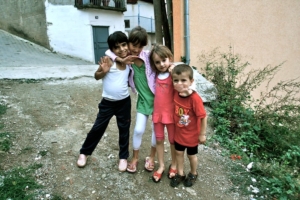 With Kosovo being a relatively new nation, having declared independence in 2008, it must now navigate complex issues such as poverty, health care and education for its citizens. For its younger population, education remains a key factor in the country’s development. Several issues impact the population’s ability to receive proper instruction, and many organizations are attempting to remedy these and provide instruction to the children in Kosovo.
Impact on Children
The country has a population of about 1.8 million people, with the average age being approximately 30 years. In 2021, only 15% of children aged 3–4 years old gained an education. Among rural and minority communities, that number decreased to 10%. The United Nations Children’s Fund (UNICEF) plans on improving food availability in schools to incentivize parents to enroll their younger children.
Rural communities are disproportionately affected by infrastructure issues and receive fewer options for health care and education. Minorities such as the Roma, Ashkali and Egyptians also require more assistance. As of 2021, 23% of Kosovar children live in poverty. Poverty plays an important role in whether or not young children attend primary school education. Children in richer households are twice as likely to attend lower secondary education and four times as likely to attend upper secondary school than their poorer counterparts.
Access to health care also impacts access to education. Minority groups have more difficulty accessing health care and are unable to enroll their children in schools. In minority communities, the infant mortality rate is twice the national average and malnutrition plagues children throughout Kosovo. Even so, 84% of children attend pre-primary school programs, a 9% increase from 2014. As of 2021, 80% of 7–14-year-olds are literate and 88% can correctly identify numbers, however, under 50% retain skills past a Grade 2 level.
Teacher Pay
Teachers in Kosovo went on strike twice in the past four years, seeking an increase in pay. In 2019, teachers demanded a pay increase of over 30%. This was prompted by a proposed law that would raise pay for government employees. In Kosovo, the average private sector salary is €370, with public sector salaries averaging €520. These strikes proved successful. In September 2022, teachers once again went on strike, demanding an additional €100 per month to support themselves and their families.
Improvements
Kosovo’s National Development Strategy Plan aims to increase the number of children enrolled in early education. This plan seeks to provide young kids with basic skills to further their schooling and widen their future employment opportunities. Having children in class during the day allows their parents to join the workforce, generating money for their family and strengthening the economy.
For the entire Kosovo population, a total of 130 institutions serve as early education centers. As of 2017, Kosovo has 42 public kindergartens. Four professors at the University of Prishtina in Kosovo emphasize the importance of integrating technology into early education. Majlinda Gjelaj, Kastriot Buza, Kyvete Shatri and Naser Zabeli conducted a 2020 study about incorporating new technology into the curriculum. This study suggests that the addition of new tech improves communication and development among preschoolers. Through the Kosovo Education Strategic Plan and the Kosovo Curriculum Framework, the government aims to create a functional digital economy. It believes that students acquiring technical knowledge alongside literacy may be the best way to achieve this outcome.
To ensure that early education opportunities in Kosovo are equitable for the entire population, the World Bank has highlighted laws and other information that can be utilized. The Department of Social Welfare puts children into foster families that share their ethnicity and religion, as outlined in the Law for Social and Family Services. Families can receive funding under the Social Assistance Scheme. This welfare initiative stands out as the single government program that directly targets poverty in Kosovo. Over 28,000 families benefit from this, including over 55,000 children. With more reform, such as making school compulsory for ages 3-5, this program can provide for over 80,000 children in the country.
Early Education in Kosovo continues to improve with the aid it receives from both the Kosovar government and international organizations.
– Abigail Dudley
Photo: Flickr
