• Link to X
  • Link to Facebook
  • Link to Instagram
  • Link to TikTok
  • Link to Youtube
  • About
    • About Us
      • President
      • Board of Directors
      • Board of Advisors
      • Financials
      • Our Methodology
      • Success Tracker
      • Contact
  • Act Now
    • 30 Ways to Help
      • Email Congress
      • Call Congress
      • Volunteer
      • Courses & Certificates
      • Be a Donor
    • Internships
      • In-Office Internships
      • Remote Internships
    • Legislation
      • Politics 101
  • The Blog
  • The Podcast
  • Magazine
  • Donate
  • Click to open the search input field Click to open the search input field Search
  • Menu Menu

Archive for category: Children

Information and stories addressing children.

Child Poverty

Reducing Child Poverty in Mozambique

Child Poverty in MozambiquePoverty and health issues share a link. Where one exists, the other is not far away. However, since 2002, organizations like the Global Alliance for Vaccines and Immunizations (GAVI) have addressed this link through national immunization campaigns. The following is an overview of how health organizations are working to reduce child poverty in Mozambique. 

About Poverty in Mozambique

Mozambique is one of the poorest countries in the world, ranking 180 out of 189 countries in the UNDP’s 2019 Human Development Index ranking. Recurring natural disasters and conflict exacerbate the issue of poverty in Mozambique. Cyclones from the Indian Ocean cause regular destruction, drought is becoming more pronounced in the southern provinces due to climate change and insecurity in Cabo Delgado Province has displaced nearly a million people, including women and children.

Providing basic health services and humanitarian assistance to those in need is therefore challenging and many are lacking access to clean water, food and sanitation. As a result, many face the prospect of becoming ill from malnutrition and disease. Cholera infections are rising, as are occurrences of polio and measles, disproportionately endangering vulnerable groups like women and children.

Why Disease and Poverty Share a Link 

Poverty does not only cause poor health, but it is also a consequence of it. By increasing the chances of poor health, disease traps communities in poverty and makes breaking free of its constraints difficult. For example, in countries like Mozambique, tropical diseases kill and weaken many because they are unable to generate an income. Alternatively, others have to care for sick relatives. As a result, instead of going to school, many children enter the labor market at a young age to support their families and their lack of education means they face a future of low-paid/low-skilled jobs. 

Health Programs Reducing Child Poverty in Mozambique

Immunization and vaccine programs have been a cornerstone of global public health policy since 1974. These programs have sought to give children the best possible start in life by making them less susceptible to the risks of disease. The most famous of these is the Expanded Program on Immunization (EPI).

Because of many African countries’ high rates of child mortality due to diseases like measles, tuberculosis and neonatal tetanus, the EPI is a crucial part of the health care strategy for Africa. With countries like Mozambique having little money to fund public health programs, the EPI is a cost-effective intervention. 

Currently, the program has evolved into what is commonly known as the Essential Programme on Immunization. With nearly every country today having a national immunization program, it highlights the belief that vaccines are one of the safest and most cost-effective public health strategies for preventing death and improving the lives of Mozambique’s children. 

Organizations Helping Deliver Immunization Programs in Mozambique 

Immunization programs like the EPI are a truly international effort. While guidelines and policy are written by the World Health Organization (WHO), its implementation is undertaken by several actors, including national governments, WHO, UNICEF, the World Bank, the Bill and Melinda Gates Foundation, the vaccine industry, public health institutions and non-governmental organizations. 

Collectively, these actors form the Global Alliance for Vaccines and Immunizations (GAVI), which aims to provide children worldwide with access to vaccines, helping fight infectious diseases and reduce poverty. 

GAVI works by providing a forum for partners to identify key issues and coordinate responses to outbreaks. It uses funds to strengthen immunization services and vaccination programs in countries that require assistance through a special financial mechanism called the Vaccine Fund. This fund receives commitments from wealthy nations like Norway, the U.K., the U.S., the Netherlands, Denmark, Sweden and the private sector. 

Since 2002, health organizations have been working to reduce child poverty in Mozambique with assistance from GAVI. GAVI importantly has supported the country’s Ministry of Health in providing effective immunization services against several preventable diseases.

Currently, Mozambique is considered an example of the EPI’s success, having achieved several significant milestones. With many rural provinces now having immunization coverage rates of more than 95%, children are given a significant weapon to protect their future health and also escape disease-associated poverty traps. 

The government, with GAVI’s help, has implemented a vaccination catch-up plan for children who missed shots due to COVID-19. They have also successfully coordinated responses to recent cholera outbreaks and rolled out the first phases of a measles-rubella vaccination campaign.

On December 10, 2023, the member organizations of GAVI returned to Mozambique to renew their commitment to the country’s immunization program following its success. In a statement, David Marlow, CEO of Gavi, said: “Gavi and Alliance partners reaffirm commitment to support Mozambique’s immunization efforts. The upcoming official visit presents an opportunity for sustained engagement, detailed conversations and the strengthening of our partnership towards our shared vision: a well-resourced and effective immunization program that improves health outcomes for the people of Mozambique.” 

Looking Ahead

In the efforts against poverty, one effective approach is safeguarding children from the long-term social and economic impacts of diseases. Organizations like GAVI provide successful immunization strategies, which serve as valuable tools for governments in their fight against illnesses. These efforts not only save lives but also create opportunities to break free from the cycle of poverty associated with diseases. This exemplifies the work of health organizations striving to reduce child poverty in Mozambique.

-Cameron Mason

Photo: Flickr

January 25, 2024
https://borgenproject.org/wp-content/uploads/borgen-project-logo.svg 0 0 Lynsey Alexander https://borgenproject.org/wp-content/uploads/borgen-project-logo.svg Lynsey Alexander2024-01-25 01:30:542024-06-07 05:08:19Reducing Child Poverty in Mozambique
Charity, Child Poverty, Global Poverty

Spreading Joy With Shoe Boxes

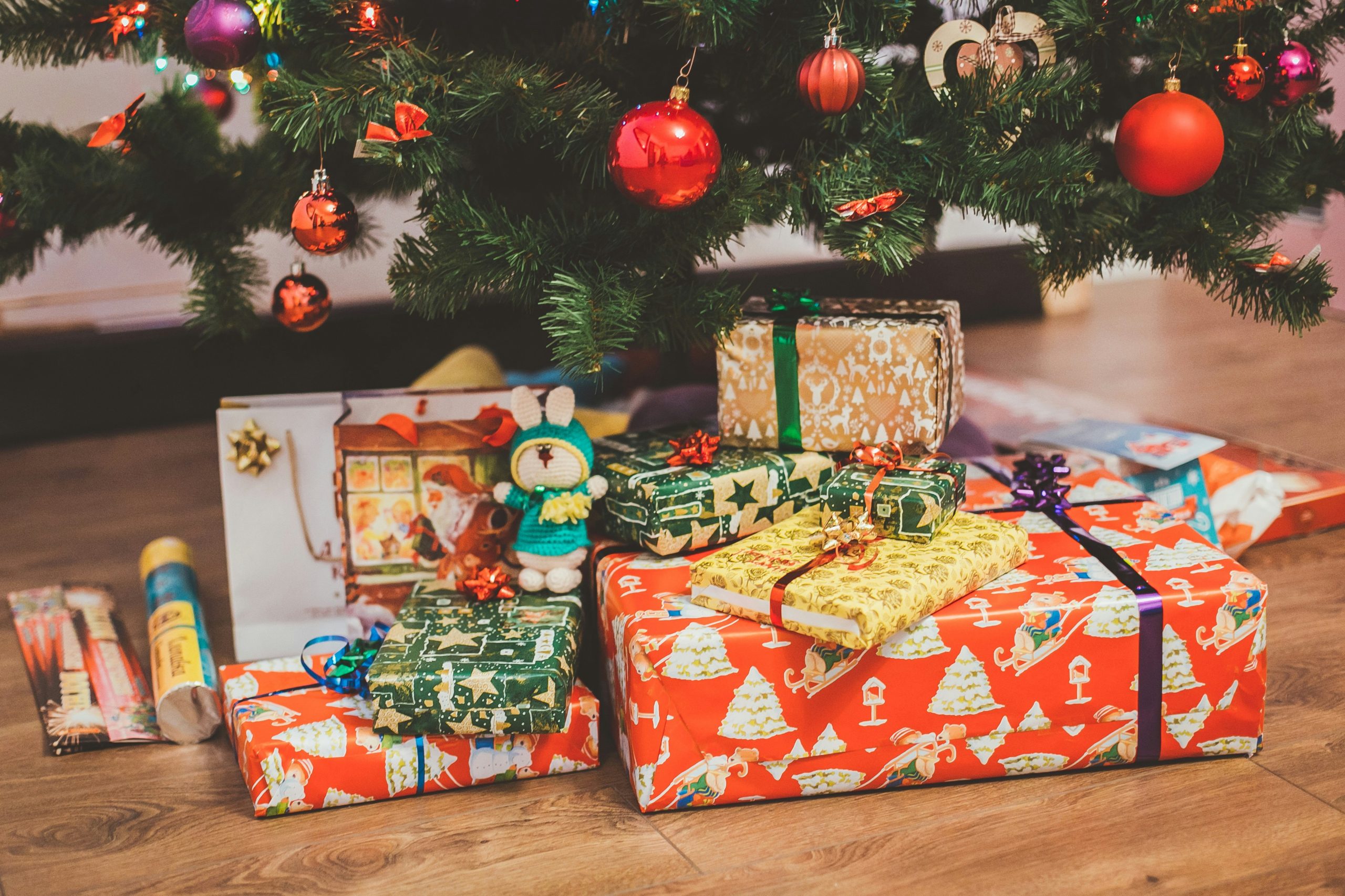
Shoe BoxDuring times of crisis, children often find themselves in especially vulnerable situations. Worldwide, more than 330 million children are grappling with the harsh realities of poverty. These are not just economic struggles; these children lack essentials like clean water, food, shelter and health care – the very basics needed for their well-being.
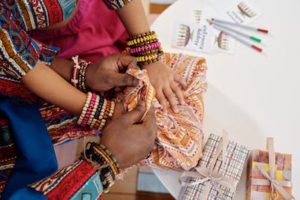
This is where Team Hope steps in to make a difference. Collaborating with schools throughout Ireland, this initiative calls upon volunteers to bring joy by assembling and sending gift-filled shoeboxes to underprivileged children in Africa and Eastern Europe. These shoeboxes are a lifeline, delivering Christmas gifts that these children might otherwise never receive.

Each donated shoebox has the power to brighten the life of a single child, transforming not only their holiday season but also making a lasting impact on their families. It’s an effort that proves that even small acts of kindness can bring about meaningful change in the lives of vulnerable children.

Team Hope: The Shoe Boxes Appeal

Team Hope has a reputation for collaborating with primary and secondary schools across Ireland to spread joy each Christmas. Since 2010, Team Hope has sent at least 2.5 million shoe boxes to vulnerable children worldwide. In 2022, Ireland sent 173,563 shoe boxes to happy children in Romania, Ukraine, Malawi and Kenya. By sending clothes, hairbrushes, toothbrushes, soap and fun toys, the initiative makes a positive difference to every child’s life. These boxes undergo careful checks before they make their journey across the world. The boxes offer children important essentials and a delightful gift to bring happiness to every child’s life.

School Volunteers

A lot of the volunteers come from primary and secondary schools, as children work together to create the perfect gifts. Team Hope collaborates with teachers, students and parents from preschool through to third level in order to spread joy across the world. 

Teachers Ms. Lauren Scanlan and Mrs. Grace Cart explained that the appeal also helps Irish students learn about and understand poverty. Ms. Scanlon shares that she has worked with Team Hope for many years with the Shoe Box Appeal in primary schools around Waterford, and Mrs. Carty, who teaches in a primary school in County Galway, states that “the shoe boxes are great! Once the children start putting their boxes together they truly start to understand about poverty and the importance of giving.” She notes that “it gives the children a proper realization that not everyone in the world has what they have, and the children are eager to help and are excited at the idea of their present reaching a friend across the world and giving them a happy Christmas.”

The initiative not only helps those living in poverty, but it teaches children in Ireland that a little bit of kindness can go a long way.

Looking Ahead

Many of the shoeboxes for this appeal come from schools, but anyone can participate. The process is straightforward. After decorating and wrapping the shoebox, the volunteer selects the age group and gender of the recipient. They then choose a mix of practical and fun gifts to fill the box, ensuring the recipient has a special Christmas. Once the gifts are dispatched, people can track their destination on Team Hope’s website. This initiative has made a positive impact worldwide and continues to bring holiday cheer each Christmas season.

– Éadaoin O’Leary
Photo: Unsplash

January 24, 2024
https://borgenproject.org/wp-content/uploads/borgen-project-logo.svg 0 0 Lynsey Alexander https://borgenproject.org/wp-content/uploads/borgen-project-logo.svg Lynsey Alexander2024-01-24 01:30:212024-01-23 02:26:55Spreading Joy With Shoe Boxes
Children, Development

Tumaini Children’s Charity: a brighter future for children in Kenya

Tumaini Children's Charity In the heart of Gitamaiyu, Kenya, David and Alice Hinga initiated a remarkable journey 25 years ago with the establishment of Tumaini Brooks School. Their commitment to the community began modestly, offering meals at local church services. This service soon evolved into a more significant endeavor when two children, Paul and Susan, living on the streets, sought refuge with them. Their plight deeply moved the Hingas, propelling them to establish what is now a sanctuary for many: Tumaini Brooks School. Located near Africa’s largest slum, the school is an oasis in a region where poverty is a stark reality for nearly 20% of the population (around 8.9 million people).

The Role and Impact of Tumaini Children’s Charity

Tumaini Brooks functions as a boarding school. It is a haven where food, pastoral care and quality education coalesce to uplift children from Gatamaiyu’s harshest environments. Cassie Watts, Tumaini Children’s Charity’s Social Media Manager, in her conversation with The Borgen Project, shed light on the school’s ethos. Cassie first got involved with Tumaini in 2016, when she heard about it from Hannah, the organization’s Chairperson. In 1998, Hannah had been looking for philanthropic work that would make a tangible difference but hadn’t found any that pulled her in. She met David and Alice and felt compelled to take part in their efforts, beginning the U.K.-based charity shortly afterward to raise funds for the school and bring awareness to its mission. Cassie immediately felt that she had to contribute to its efforts and, frustrated by the charity’s out-of-date website, became the Social Media Manager.

Tumaini Brooks’ unique adaptability to meet the community’s dynamic needs sets it apart, with a mission centered on breaking the poverty cycle through comprehensive education and care.

Navigating Challenges: Tumaini Brooks During the Pandemic

The advent of COVID-19 brought unprecedented challenges, with government directives leading to nationwide school closures. For the residents of the surrounding slums, this meant losing access to crucial services, including the school-provided meals for their children. Tumaini Brooks responded with agility, shifting its focus to food distribution. This endeavor grew exponentially, supporting hundreds of families weekly and highlighting the school’s pivotal role in the community during a global crisis.

Resilience in the Face of Adversity: Tumaini’s Journey

The path for Tumaini Brooks has not been without obstacles. External challenges, such as political corruption and shifting government policies, constantly test the school’s resilience. These challenges range from sudden curriculum changes to new student-per-classroom mandates, requiring Tumaini to allocate precious resources towards meeting these demands rather than focusing on its vision. Despite these hurdles, the school has made significant progress toward self-sufficiency. Investments in agricultural land, solar energy and a reliable water supply underscore its commitment to independence. In addition, the establishment of the school as an exam center marks a milestone, offering educational benefits to students and a sustainable income source.

Tumaini Brooks: A Beacon of Hope and Transformation

Despite the success in breaking the poverty cycle for many, some students return to their challenging circumstances. This reality underscores the complexity of the issues Tumaini Brooks tackles. The school’s unwavering commitment is to cater to the multifaceted needs of its more than 600 students, whether it’s providing a nurturing home, fitting clothes, quality education, or emotional and spiritual support. Cassie Watts’ reflections capture the essence of Tumaini’s impact. She speaks of the community’s resilience and gratitude, especially evident in the children who view the school as a “mothership of hope.” 

Tumaini Brooks, through its multifarious initiatives, has become a symbol of hope and opportunity for many. The school’s role in providing a stable environment for learning and growth is also notable. It stands as a testament to the power of education and care in transforming lives. As Cassie Watts put it, the school instills a sense of trust and positivity in the students, despite their challenging circumstances. The belief that “everything will turn out ok” resonates deeply within the Tumaini community, fueling their efforts to offer a chance at a better life.

Looking Forward: The Vision of Tumaini Children’s Charity

As Tumaini Brooks School continues its noble journey, the vision for the future is clear. Moreover, Tumaini Children’s Charity remains dedicated to supporting the school’s mission toward complete self-sufficiency. This goal involves creating multiple income streams to ensure the school’s sustainability and reduce its dependence on external factors, including the Kenyan government. By doing so, the charity aims to fortify the school’s ability to provide uninterrupted, high-quality education and care to its students.

The story of Tumaini Brooks School is one of compassion, resilience and unwavering commitment to making a difference in the lives of the less fortunate. Currently, the efforts of David and Alice Hinga, the charity’s supporters and the resilient spirit of the students serve as a beacon of hope, demonstrating the transformative power of education and dedicated care in one of the world’s most challenging environments.

– Lydia Greene
Photo: Flickr

January 22, 2024
https://borgenproject.org/wp-content/uploads/borgen-project-logo.svg 0 0 Yana Chukur https://borgenproject.org/wp-content/uploads/borgen-project-logo.svg Yana Chukur2024-01-22 07:30:552024-01-20 14:56:24Tumaini Children’s Charity: a brighter future for children in Kenya
Children, Development, Education, Global Poverty

RISING Uganda: Quality & Inclusive Learning For All

Rising UgandaIn the summer of 2023, the RISING Uganda project, a scheme established to provide Ugandan children with access to education, unveiled its plans to construct and/or refurbish more than 67 classrooms and 53 WASH facilities within nine districts across the country. The charity estimates that the value of this project will be in excess of 3 billion Ugandan shillings.
The Rising Uganda Project

The RISING Uganda project emerged in 2022 through the Stromme Foundation East Africa. The project intends to cover four years and its purpose is to collaborate with households, communities and political leaders to dismantle barriers preventing children from receiving quality education. These barriers include classroom shortages and learning gaps.

The East Africa initiative is a branch of the wider Stromme Foundation. This NGO traces its origins to 1976 through the efforts of Reverend Olav Kristian Strømme of Kristiansand Cathedral in Norway to raise money for the less fortunate. It has since grown into the largest NGO in Norway. Following the reverend’s death, his nephew Gunnar Strømme built upon his uncle’s work by establishing the Strømme Memorial Foundation in support of less fortunate individuals on a global scale. Today, the organization maintains regional offices in Mali, Uganda and Sri Lanka along with headquarters in Norway. The organization also maintains partnerships with 11 different countries, exclusively within Asia and Africa.

Within Uganda itself, the Stromme Foundation estimates that the percentage of Ugandans currently living in poverty stands at 42% and that 23.5% of the population above the age of 15 are illiterate. 

Programs

Intervention schemes to address these statistics include the Bonga Adolescent Empowerment Programme. Bonga is a life skills training program that utilizes “a dialogue process to build confidence among the out-of-school illiterate adolescent girls and boys (13- 19 years) to develop their analytical capacity through life skills and vocational skills,” the Stromme Foundation website says.

Similarly, the foundation’s Technical Vocational Education Training (TVET) program is an outreach project to provide young Ugandans with the transferable skills necessary to succeed in the employment market through apprenticeship models to provide them with a means of contributing to both their household income and the economy of their wider community.

With the RISING Uganda program, a collaborative effort will be maintained between the Stromme Foundation East Africa and district education officers, teachers and community leaders to incentivize such communities to enrol more children in schools erect new classrooms, refurbish existing ones and supply vulnerable school children with the necessary resources to learn. 

Upon the announcement of the construction of 67 new classrooms and 53 WASH facilities by the Stromme Foundation, Carron Beaumont, head of Program Implementation at Plan International Uganda, highlighted at the initiating event that “Investing in basic school infrastructure is crucial for better learning outcomes, especially at this time where enrolment into education is needed for millions of children who have been affected by ongoing and past conflicts as well as crises and gender inequalities.’’

First Lady Janet Kataaha Museveni also attended the initiating event and laid out a foundation stone to mark the occasion. 

The Power of Collaboration

The RISING Uganda scheme is currently being implemented as a consortium involving not only the Stromme Foundation but also Plan International Uganda, a charity similarly devoted to the empowerment of Uganda’s youth since 1992. This collaborative effort is operating in partnership with the Ministry of Education and Sports while receiving funding from Educate A Child in Uganda. Similarly, Educate A Child is a global charity devoted to providing school children across the world with a quality education for children afflicted with circumstances such as poverty, discrimination and conflict. Its reach encompasses 53 countries, including Uganda.

Through the efforts of humanitarian organizations, quality and inclusive learning for all may be a possibility.

– Thomas Perry
Photo: Flickr

January 22, 2024
https://borgenproject.org/wp-content/uploads/borgen-project-logo.svg 0 0 Borgen Project https://borgenproject.org/wp-content/uploads/borgen-project-logo.svg Borgen Project2024-01-22 02:04:022024-01-22 23:12:02RISING Uganda: Quality & Inclusive Learning For All
Children, Developing Countries, Development

How Leave No Girl Behind is Empowering Marginalized Girls

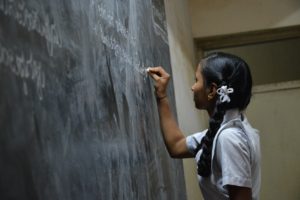
Marginalized GirlsThousands of marginalized girls in developing countries have been impacted by the Leave No Girl Behind (LNGB) initiative. On top of literacy, numeracy and vocational skills, many have developed a stronger sense of agency. Yet, a recent report shows that without wider collaboration and context-specific support, social and economic barriers may continue to stunt girls’ newfound confidence and skills. Shifting community and stakeholder perceptions emerges as a vital focal point, with successes in this area offering hope for progress beyond the program. 
The Evaluation

The independent evaluation analyzes a U.K.-funded program targeting out-of-school girls in low-income countries. The LNGB initiative provides education pathways for marginalized girls, with options to transition into formal schooling or work environments. Reaching 230,000 adolescents across 10 African and South Asian countries, it focuses on those who have never attended school or dropped out early, mostly from impoverished backgrounds. Many are early brides, teenage mothers or face additional challenges due to disabilities. 

The Research for Equitable Access and Learning (REAL) Centre at the University of Cambridge led the report. The Borgen Project interviewed the study’s lead researcher, Dr. Asma Zubairi, who shared insights about key findings and recommendations. 

Girls’ Perspectives

An estimated 122 million girls are out of school worldwide, and women account for two-thirds of all adults unable to read. In low-income countries, girls are more likely to be out of school than boys, according to the UNESCO Institute for Statistics. The recent evaluation focuses on LNGB case studies from Nepal, Kenya and Ghana, where the compounded effects of poverty and gender norms impact education outcomes. Female youth not in education, employment and training is estimated at 25.3% in Ghana, 25% in Kenya and 45.8% in Nepal. 

Foregrounding female adolescent perspectives was at the heart of the study, and Dr. Zubairi emphasized the significance of participatory research methods to mitigate power imbalances and center marginalized voices. “River of Life” exercises allowed participants to chart their personal experiences visually, encouraging nuanced perspectives to emerge. 

Some of the data collected was quantifiable; for instance, 91% of girls interviewed identified the basic literacy and numeracy lessons as the most positive aspects of the projects. Meanwhile, powerful stories of personal change were spotlighted through individual responses. In Ghana, for example, a 17-year-old girl who had become less shy after the LNGB program stated: “No matter the number of people available, I will be able to speak in their midst.” Meanwhile, a 19-year-old from Kenya, forced into marriage at 14, described how the project taught her to protect herself and start a business. 

Contexts and Marginalization

Marginalization, according to Dr. Zubairi, has “no set definition”. While many projects focused on girls coming from ultra-poor households, others, such as in Nepal, targeted early brides. Nepal presented additional issues of familial and cultural resistance to female youth traveling to the learning centers unaccompanied. 

Successes, therefore, varied according to context. One aim was to shift social norms, like perceptions of girls entering traditionally male fields. In Garissa, a county in Kenya bordering Somalia, there was “not the appetite to focus on male-dominated vocations,” Dr. Zubairi said. Instead, the program led to girls opening up tailoring businesses, a more traditionally female endeavor. In a different Kenyan town, Kilifi, girls had more success choosing non-traditional specializations, including mechanics and plumbing.

Furthermore, levels of marginalization vary within the female adolescent category according to age. “The cultural barriers that a 10-year-old will face are very different to those an 18-year-old comes across in accessing education,” Dr. Zubairi said, emphasizing older adolescents’ increased domestic responsibilities.  

Community Change

Community and household sensitization programs were a significant aspect of the program. In Nepal, the project worked closely with community agents termed ‘change champions’ to sustain commitment to girls’ education. These included religious leaders from temples and mosques as well as government stakeholders. 

For example, religious leaders received messages about the importance of delaying early marriage and pregnancy, with emphasis that girls should not be married until 21. With government stakeholders, a lack of “political will” to finance the projects was addressed. Dr. Zubairi said, “Funding for this type of schooling is really, really, low.” Less than 1% of the education budget is designated to education pathways outside of formal schooling across Kenya, Ghana and Nepal. 

Shifting community perceptions was successful in some cases. A vocational training provider in Garissa said: “We didn’t know the importance of educating a girl child before, but now we know. They taught our village girls different skills in their program. They also discouraged FGM in our community.”

Meanwhile, in Kilifi, female youth taking up careers like plumbing and mechanics resulted in changed community perceptions of the propriety of these paths for women. Previously, investing in girls was seen as a waste of money, whereas now the community sees girls opening up their businesses as elevating household incomes and proving their competence.

Dr. Zubairi said the projects “try to communicate why investment and political will for these programs are crucial. These projects are only six to nine months, but changing community norms — that takes a generation.”

Empowerment

Empowerment is a central theme in the new report, assessing changes in girls’ decision-making. In Nepal, a female aspiring doctor whose father had initially supported her in attending the Learning Centre faced hinderance due to his changed attitude once she left the center. Now 15, he forbade her from attending school. Empowered by the program, she vocalized her desires and attended school secretly while her father worked elsewhere, stopping whenever her father returned. 

The study also assessed household decision-making. Approximately one-third of the participants reported feeling confident in making informed life choices, including the ability to go to the market alone and decide what to purchase. An older girl from Kenya shared that the project had provided her with the skills to make independent decisions, allowing her to gain empowerment through her newfound income in her daily life.

Unfortunately, in some cases, empowerment increases the risk of reactionary violence. “These girls suddenly feel empowered. But often, they’re still contained within contexts where perceptions around girls’ agency have not moved. So there is a risk that if projects don’t continue to support them, girls are at extreme risk because the tools are incompatible within the community, to some degree,” the research lead said. 

In Kenya, women gained independence through sewing machines that helped them generate income. However, this new empowerment sometimes created tension within the community. Although the women became self-reliant, some men held onto traditional gender roles, leading to conflict and resentment. Consequently, a few men chose to damage their wives’ sewing machines.

Continued Investment

Ongoing investment and long-term commitment are crucial to sustain female empowerment. Most participants highlighted financial barriers as a hindrance to their aspirations after leaving the program. Girls transitioning to formal school often lacked the means to acquire equipment, and some starting businesses could not afford to buy tools. 

The study recommends developing multi-stakeholder relationships to ensure progress does not end with the LNGB program. The need to develop community contexts in which girls can thrive is clear. The report provides hope and actionable proposals for long-term change in this direction. “These girls are absolutely worth continuing to invest in,” Dr. Zubairi said. 

Centering on personal stories, the study illustrates both the program’s successes and its current limitations, illuminating the barriers marginalized girls face and the profound potential for their empowerment. 

– Anum Mahmood

Photo: unsplash

January 21, 2024
https://borgenproject.org/wp-content/uploads/borgen-project-logo.svg 0 0 Yana Chukur https://borgenproject.org/wp-content/uploads/borgen-project-logo.svg Yana Chukur2024-01-21 07:30:312024-01-19 02:06:51How Leave No Girl Behind is Empowering Marginalized Girls
Child Poverty, Global Poverty

Addressing Child Poverty in the Philippines

Child Poverty in the Philippines

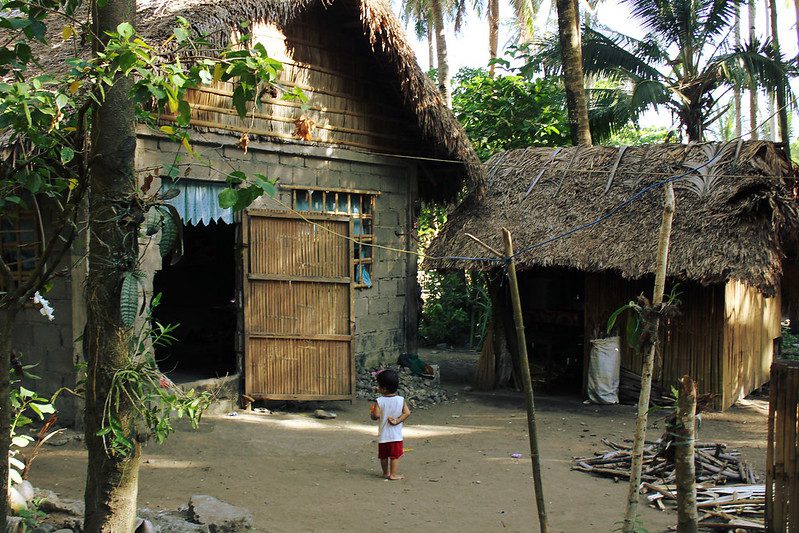
The Philippines is an archipelago just east of Vietnam, comprising more than 7,000 individual islands in the Pacific Ocean. It is the second most-populated country in Asia, which tourists know as being home to a rich culture and popular cuisine. However, many Filipinos struggle with the consequences of intense wealth disparity within the Southeast Asian country, which has resulted in significant child poverty in the Philippines as well.

Child Poverty in the Philippines

According to the United Nations International Children’s Emergency Fund (UNICEF), child poverty in the Philippines is a pressing issue. UNICEF stated in its report on the Southeast Asian country that children experiencing poverty in the Philippines face “deep-rooted deprivations and vulnerabilities that impede their survival, development, protection and participation.”

Intense wealth disparity, combined with the general instability of the country’s infrastructure, has created an environment where government programs “are not enough to reduce families’ vulnerability” and do not provide enough of a foundation for these vulnerable populations “to protect themselves against risks and losses to their income.” UNICEF explained that poverty exposes children to circumstances that “threaten their survival and growth.” In the Philippines, more than one-third of Filipino children live below the poverty line and face this harsh reality day-to-day. 

UNICEF described how those experiencing child poverty in the Philippines “easily end up suffering from poor health and malnutrition,” which harms their potential to thrive as adults. In turn, these factors negatively affect the overall future of the country’s workforce, and generational poverty continues. 

Arms of Love International

Because of the high incidence of childhood poverty in the Philippines, humanitarian organizations working to provide aid within the country are more relevant than ever. One of these organizations is Arms of Love International or Arms of Love.

According to the Arms of Love website, Robert Benson founded it in the Philippines in 2001. Benson faced abandonment and abuse as a child and felt moved to provide the essential foundation to succeed that he received from a family that took him in during a time when he needed it most. 

Benson described how he felt “the call from God to build homes for abandoned and abused children.” Arms of Love now provides “a home and a loving family for children who desperately need a safe place to live and grow” in the Philippines. The organization’s goal is to provide support now so that in the future, “communities are healthier and stronger.”

The Residential Care Program

Its website also highlighted the organization’s belief that “every child has the right to a home of safety and security.” The harsh reality is that children receiving aid from Arms of Love “share one thing in common- they have nowhere to live and no one to care for them.” Because of this, the organization’s key goal is to provide shelter, support and “a place they may always call home” when these children need it most.

Arms of Love operates two main programs to achieve its goal of alleviating childhood poverty in the Philippines. The first is the Residential Care Program. This program operates through establishing residential homes for “abandoned, abused, and orphaned” on the island of Bohol in the Philippines. Within these homes, children receiving aid from Arms of Love receive “comprehensive care, like education and health care, while living in a family environment with house-parent couples.” This care is in addition to ensuring their most basic needs are satisfied.

The Independent Living Program

Beyond its Residential Care program, Arms of Love also operates the Independent Living Program. The organization wants the children they help to “succeed in life and to ultimately be able to support themselves and have their own healthy family.” With this, the organization works to go beyond just satisfying these children’s most basic needs and seeks “to break the cycle of poverty itself” and “change the legacy” of the families it helps. 

With this, its Independent Living Program completes the work that the Residential Care Program started. In this program, Arms of Love “teaches students to be responsible young adults through part-time employment, budget training,” and more to ensure those receiving aid can succeed independently. These students are then set up in independent living situations and provided aid.

Looking Ahead

Child poverty is a deep-rooted issue in the Philippines. Disparity of wealth and socioeconomic pressures are some factors contributing to this issue. Because of this, the work that Arms of Love and similar humanitarian organizations are doing to create sustainable change is much needed within the country.

– Rosemary Wright
Photo: Flickr

January 14, 2024
https://borgenproject.org/wp-content/uploads/borgen-project-logo.svg 0 0 Lynsey 2 https://borgenproject.org/wp-content/uploads/borgen-project-logo.svg Lynsey 22024-01-14 01:30:502024-01-09 17:27:40Addressing Child Poverty in the Philippines
Children, Developing Countries, Global Poverty

Operation Christmas Child: Hope and Global Poverty

Operation-Christmas-
In a world fraught with challenges and uncertainties,
Operation Christmas Child is a ray of hope, spreading joy and tackling global poverty one shoebox at a time. This heartwarming initiative, spearheaded by Samaritan’s Purse, has gained international acclaim for its impact on children in need. With a mission to deliver gift-filled shoeboxes to children in more than 100 countries, Operation Christmas Child has become a powerful force in alleviating the burdens of poverty while brightening countless young recipients’ lives.

The Essence of Operation Christmas Child

At its core, Operation Christmas Child is a simple yet profound scheme that invites individuals, families and communities to pack shoe boxes with gifts and essentials for children in need. These festive parcels are shipped to some of the most impoverished regions globally, bringing holiday magic to those who may never experience such joy. The impact of this initiative is far-reaching, transcending borders and cultures. By providing children with a tangible expression of love and generosity, Operation Christmas Child delivers material goods and fosters a sense of hope and belonging. Since 1990, more than 209 million children in more than 170 countries have received shoeboxes from the charity. These small shoeboxes, filled with toys, school supplies and hygiene items, are potent symbols of compassion, reminding recipients that they are not forgotten.

Tackling Global Poverty Through Gift-Giving

Operation Christmas Child is a unique and impactful thread in the myriad efforts to tackle global poverty. The act of giving, especially during the holiday season, has the power to transcend socioeconomic barriers and create a sense of unity among diverse communities. The beauty of the operation lies in its simplicity and inclusivity. Anyone can participate, and every shoebox contribution becomes a building block in the collective effort to make the world a better place for children in need. This approach ensures that the initiative’s impact is widespread and deeply personal, as each donor contributes to the larger narrative of compassion and solidarity.

A Ripple Effect of Joy and Compassion

As these festive shoeboxes traverse the globe, they carry the spirit of giving and the promise of a brighter future. Operation Christmas Child’s ripple effect of joy and compassion is immeasurable. In tackling global poverty, addressing not only the material needs but also the emotional and psychological aspects of deprivation is crucial. Operation Christmas Child accomplishes this by fostering a sense of community and reminding children that they are part of a global family that cares for their well-being.

A Worldwide Movement of Generosity

Operation Christmas Child has evolved into a worldwide movement, engaging people from all walks of life to pursue a more compassionate and equitable world. In conclusion, is more than a seasonal charity; it is a testament to the boundless potential of human kindness.

– Genevieve Martin
Photo: Pexels

December 21, 2023
https://borgenproject.org/wp-content/uploads/borgen-project-logo.svg 0 0 Yuki https://borgenproject.org/wp-content/uploads/borgen-project-logo.svg Yuki2023-12-21 01:30:402024-12-13 18:03:05Operation Christmas Child: Hope and Global Poverty
Child Poverty, Global Poverty

Child Poverty in Turkmenistan

Child Poverty in TurkmenistanIn Turkmenistan, 41 in every 1,000 babies born in 2021 died before reaching their fifth birthday. About 21.8% of the population has been living in poverty, the UN Economic and Social Commission for Asia and the Pacific estimated in 2018. Child poverty in Turkmenistan is prevalent as well but efforts are in place to address it.

The Situation

The onset of the COVID-19 pandemic has further worsened its preexisting economic crisis. Vulnerable Turkmen in the densely populated region of Velayat Marijsk had even tried to enroll children in orphanages, being unable to feed their families. 

Among Turkmen children, malnutrition is prevalent. More than one in three kids, aged 6 to 59 months, are anemic. In 2022, UNICEF reported that 7% of the youngsters experienced stunting due to the lack of nutrition for an extended period of time in their early childhood.

Poverty thwarts children’s physical and cognitive growth. It violates their rights to education and health care. In Turkmenistan, child rights violation take place on multiple fronts ranging from child labor, early marriage, religious discrimination to human trafficking.

Child labor and human trafficking are two primary concerns due to the region’s financial catastrophe.

Child Labor

Economic disparity triggers forced labor in Turkmenistan’s rural regions. Despite official prohibition on child labor since 2005, hundreds of adolescents work during the cotton harvest at exploitative wages every year. 

The government’s ‘repressive’ social policies often lead to forced labor of public sector employees and opens the door to child labor, states Cotton Campaign in its June 2022 report.

Mandatory labor of public sector employees in cotton harvest, coupled with perennial poverty across the society, is a key contributor to child labor in Turkmenistan. Children of humble backgrounds often replace those employees in cotton fields to sustain their families.

In 2021, Turkmen.news has reported, schoolgoers went to harvest cotton in the fall of 2020 for 30 to 40 manats (roughly between 6.5 and 9.0 GBP) of daily wage. Between September and December, rural schools were shut down. 

According to Radio Liberty’s sources, that year, “Dozens of children, some of them coughing and sneezing, could be seen in the fields along the road in the Baharden farmers’ association (Ahal region). Though they were clearly unwell, they were still kept in the fields.”

Despite being an arid geography, Turkmenistan has become the 10th largest cotton producer in the world under intensive irrigation and state control. Last year, the country exported cotton valued at roughly $300 million to the global textile market. 

Child Trafficking 

Turkmenistan has become the fifth most affected country by human trafficking in the Global Organized Crime Index (OCI). The US Department of State in its 2023 Trafficking in Persons Report evaluated that Turkmenistan has not taken adequate steps to eliminate human trafficking from its soil in recent times.

The country’s students have an obligation to spend their summer in farming. Authorities also compel them to labor in organizing events hosted by the state without compensation.

Unemployment, poverty and lack of social support put Turkmen at a greater risk of trafficking. Poor families send their children to work as porters in marketplaces and cultivate potatoes and carrots. 

Though a specific figure could not be obtained, a growing number of adolescent girls has undertaken prostitution to sustain themselves. In a blog post, Humanium, an NGO contributing towards ending child rights violations, stated that schoolgirls sell their service on streets in the cotton belt of the country.

Making a Difference

Turkmenistan has lifted most of the country’s population out of extreme poverty over the last couple of decades. The number of families surviving daily on less than $1.90 per person has decreased from 31.5% to 0.6% between 2000 and 2022. 

The United Nations’ Sustainable Development Goals (SDGs) aim to end poverty in its all forms by 2030. The UN has supplemented with $2,882,510,000 to improve the well-being of Turkmenistan. 

To reduce malnutrition in neonates, 38.6% of mothers have received maternity benefits in 2021. Among the households with children, 15.3% have received another cash cover to sustain their families.

The 2019 analysis of United Nations Children’s Fund (UNICEF) has confirmed that the nation has advanced its accessibility of education and health care services across the civil society. 

The organization has emphasized the need for multisectoral economic growth that a transparent social support system fuels, accessible health care, education and the participation of people to curb child poverty in Turkmenistan and uphold child rights. 

– Soham Mitra
Photo: Flickr

December 20, 2023
https://borgenproject.org/wp-content/uploads/borgen-project-logo.svg 0 0 Kim Thelwell https://borgenproject.org/wp-content/uploads/borgen-project-logo.svg Kim Thelwell2023-12-20 01:30:132023-12-16 13:48:28Child Poverty in Turkmenistan
Children, Global Poverty, Hunger

School Meals Eating Away at Child Hunger in Madagascar

Child Hunger in MadagascarMadagascar is an island off the Southeast coast of Africa that is highly vulnerable to severe weather events such as cyclones and floods. Between 2018 and 2022, it suffered its worst prolonged drought in 40 years, devastating crops and leaving 48.5% of its population undernourished. A string of cyclones have exacerbated the situation, decimating food production, which in 2022 left 500,000 children under five acutely malnourished. With a poverty rate of more than 80%, reducing child hunger in Madagascar is an uphill challenge. 

The World Food Programme (WFP) has partnered with the Malagasy government for over 30 years to deliver a school feeding program that provides primary school children with lunch and snacks. In 2022, this program supported 325,300 children in 937 schools. 

Nutrition 

Food shortages have led to high levels of child hunger in Madagascar, causing 40% of children to be stunted and 7.7% of children under 5 to suffer from wasting, which leads to higher mortality and morbidity risks. 

The school feeding program addresses this by ensuring children get at least one nutritious meal daily. These consist of micronutrient-rich foods otherwise missing from their diets, such as fruits, vegetables, fish and fortified oil to provide much-needed vitamin A. It also gives children micronutrient supplements and biofortified rice for extra protein.

The WFP also promotes the Home Grown School Feeding Programme (HGSF) to diversify children’s diets, which links school meals with smallholder farmers. This program makes children’s diets more varied and nutritious while stimulating the local economy. Children also receive nutrition education to instill long-term dietary behavioral changes and promote better health. 

In addition, some schools participate in the School Gardens Project, which promotes school canteens to use fresh vegetables grown in urban micro-vegetable gardens. This program encourages the practice of urban agriculture among the general population while increasing nutrition and food security for children. 

The Economy

School feeding is a social safety net that relieves parents of part of their food costs and saves them around 10% of their income, allowing them to spend money on other necessities, further stimulating the economy. 

Furthermore, HGSF gives smallholder farmers a stable market for their products by connecting them with schools. Farmers can then invest this income in better agricultural practices, which, in turn, increases productivity. 

As well as being detrimental to peoples’ lives, child hunger in Madagascar is a significant burden on the economy, with the associated health costs totaling 14.5% of GDP. The government can spend its money on other well-needed projects by reducing child undernutrition. 

School feeding also has long-term impacts, allowing children to get an education, find work and contribute to the economy. The WFP School Feeding Programme costs only $26 per student per year, yet it creates $935 throughout the recipient’s life.

Education 

High rates of malnutrition not only affect children’s physical development but also impede their cognitive development. Chronically malnourished children have greater problems understanding and engaging with school material than their well-nourished classmates and have lower learning outcomes in reading and mathematics. They also drop out of school at a higher rate.

Schools where children receive meals have improved learning outcomes, reducing absenteeism and the dropout rate. They also have 14% higher attendance; on average, students stay in school for one year more. Incentivizing children to attend school regularly and for longer gives them access to a better education and a more promising future.

Many children in Madagascar cannot attend school because they must work to support their families. Such a lack of access to education promotes the cycle of poverty by robbing children of their future job prospects. School feeding incentivizes parents to send their children to school as they are guaranteed a nutritious meal and an education. 

Looking Ahead

The importance of school feeding in the fight against poverty cannot be understated. WFP has pulled out all the stops to reduce child hunger in Madagascar by providing them with the nutrition they need to develop physically and cognitively while incentivizing them to get an education and escape poverty. 

– Marcos Caro
Photo: Flickr

December 17, 2023
https://borgenproject.org/wp-content/uploads/borgen-project-logo.svg 0 0 Yuki https://borgenproject.org/wp-content/uploads/borgen-project-logo.svg Yuki2023-12-17 07:30:492024-06-11 00:18:03School Meals Eating Away at Child Hunger in Madagascar
Children, COVID-19, Global Poverty

UNICEF’s Plan to Address Poverty in Suriname

Poverty in SurinameThe South American nation of Suriname is an incredibly unique place with a special history. Suriname gained its independence almost a half decade ago. The most common language spoken in the country is Dutch but the nation is extremely diverse. People with roots in parts of Asia, Europe and Africa make up the population of Suriname today. Suriname has always been a place that is rich with natural resources. The mining industry has always been a critical aspect of the national economy and plays a large role in the overall success of Suriname as a whole. Unfortunately, over the last 8 years economic struggles have plagued the nation and poverty in Suriname has become an extremely serious issue. 

About Poverty in Suriname

The COVID-19 pandemic made an already difficult economic situation much worse and as a result about one of every four people is living in poverty in Suriname. There have been small signs of hope over the last few years, but inflation has made continued progress difficult to achieve. 

As is the case in many developing nations, children and teenagers feel poverty in Suriname extremely hard. According to Humanium.org, the youth throughout the nation are facing a wide variety of challenges as a result of poverty. Exploitation of child labor and poor education systems have contributed to a low quality of life for young people throughout Suriname. 

Another serious issue in the area is the poor health of children. Malnutrition has become a challenge that is very common in Suriname and as a result, a large number of young children are contracting anemia and other diseases. In some of the less densely populated areas of Suriname, access to health care services is very limited. A study occurred in these areas and more than six out of every 10 children in the study were anemic. 

UNICEF’s Efforts

Luckily, in 2022, UNICEF laid out an elaborate plan for the nations of Suriname and Guyana on how to improve the unfortunate circumstances facing these nations, specifically for children. The plan that UNICEF assembled is elaborate and will tackle several aspects of poverty in Suriname through numerous channels. UNICEF has several partnerships in place with various organizations such as the World Health Organization (WHO), the World Bank and many others to improve access to health care, quality education and other services to help young children move out of poverty. UNICEF has been able to allocate $18.3 million for its objectives in Suriname. 

Another very critical aspect of the plan that UNICEF put out in 2022 is the agreements it has with organizations that will be able to gather updated and accurate data in regards to poverty in Suriname. UNICEF has developed different data analysis tools to measure the progress in each issue area laid out in the plan. These tools will allow UNICEF to accurately measure the success of each part of the plan. The various surveys conducted and data collected will be shared with leaders and government agencies. 

The goal that UNICEF has outlined is for the government to use this information to develop policies that address the current state of the nation and not an outdated perspective which UNICEF will also analyze to make sure they are robust enough to make a significant impact. This plan has outlined a bright future for Suriname due to the fact that it outlines how to keep its citizens, especially children, healthy, educated and safe.

Looking Ahead

Suriname is clearly struggling, but the plan that UNICEF has implemented coupled with the partnerships they have developed is a massive step in the right direction. The measures that UNICEF is taking as described in the plan address so many issues and the hope is that each problem can be overcome. If the plan undergoes proper execution, Suriname will be on a path toward a better future and away from poverty. 

– Dylan Lyons
Photo: Flickr

December 17, 2023
https://borgenproject.org/wp-content/uploads/borgen-project-logo.svg 0 0 Yuki https://borgenproject.org/wp-content/uploads/borgen-project-logo.svg Yuki2023-12-17 07:30:232023-12-14 09:25:56UNICEF’s Plan to Address Poverty in Suriname
Page 15 of 137«‹1314151617›»

Get Smarter

  • Global Poverty 101
  • Global Poverty… The Good News
  • Global Poverty & U.S. Jobs
  • Global Poverty and National Security
  • Innovative Solutions to Poverty
  • Global Poverty & Aid FAQ’s
Search Search

Take Action

  • Call Congress
  • Email Congress
  • Donate
  • 30 Ways to Help
  • Volunteer Ops
  • Internships
  • Courses & Certificates
  • The Podcast
Borgen Project

“The Borgen Project is an incredible nonprofit organization that is addressing poverty and hunger and working towards ending them.”

-The Huffington Post

Inside The Borgen Project

  • Contact
  • About
  • Financials
  • President
  • Board of Directors
  • Board of Advisors

International Links

  • UK Email Parliament
  • UK Donate
  • Canada Email Parliament

Get Smarter

  • Global Poverty 101
  • Global Poverty… The Good News
  • Global Poverty & U.S. Jobs
  • Global Poverty and National Security
  • Innovative Solutions to Poverty
  • Global Poverty & Aid FAQ’s

Ways to Help

  • Call Congress
  • Email Congress
  • Donate
  • 30 Ways to Help
  • Volunteer Ops
  • Internships
  • Courses & Certificates
  • The Podcast
Scroll to top Scroll to top Scroll to top