• Link to X
  • Link to Facebook
  • Link to Instagram
  • Link to TikTok
  • Link to Youtube
  • About
    • About Us
      • President
      • Board of Directors
      • Board of Advisors
      • Financials
      • Our Methodology
      • Success Tracker
      • Contact
  • Act Now
    • 30 Ways to Help
      • Email Congress
      • Call Congress
      • Volunteer
      • Courses & Certificates
      • Be a Donor
    • Internships
      • In-Office Internships
      • Remote Internships
    • Legislation
      • Politics 101
  • The Blog
  • The Podcast
  • Magazine
  • Donate
  • Click to open the search input field Click to open the search input field Search
  • Menu Menu

Archive for category: Children

Information and stories addressing children.

Children, Global Poverty, Hunger

Heart for Africa: Fighting Hunger in Eswatini

Heart for AfricaIn Eswatini, hunger remains an urgent and pressing issue, with a significant portion of the population struggling to obtain reliable access to food. Recent reports indicate a persistent rise in hunger rates across the nation, with roughly 30% of the population affected by severe food insecurity.
Despite efforts to address this, the hunger challenge along with other health concerns continues to cast a shadow over the lives of many Eswatini citizens. However, amid these realities, nonprofits such as the Heart for Africa Organization have emerged as helpful allies committed to combating hunger and malnutrition through innovative and sustainable initiatives. Its unwavering dedication and support signal a potential turning point for the communities fighting hunger in Eswatini.

The Genesis of Heart for Africa

Janine and Ian Maxwell founded Heart for Africa in 2003, driven by a desire to find purpose following the September 11 attacks in the United States. Janine’s journey took her to Africa, where she confronted the harsh realities of hunger and illness.

Witnessing the daily battles of children, mothers and grandmothers for survival propelled Janine to use her corporate experience for a greater cause. Together, Janine and Ian established Heart for Africa, a nonprofit organization committed to tackling hunger, poverty and disease in Eswatini.

Addressing Eswatini’s Pressing Needs

Janine and her husband’s founding of Heart for Africa quickly positioned the organization as a critical player in addressing Eswatini’s severe challenges. Its focus on this particular nation stems from its acute hunger and health crises. Eswatini, home to just more than one million people, faces some of the world’s harshest conditions, with an average life expectancy of merely 29 years, a stark contrast to the United States (U.S.), where the life expectancy stands at 78 years for its 320 million inhabitants.

This dramatic difference underscores the health care disparities that contribute to nearly half of Eswatini’s population living below the poverty line. Given these dire statistics, Heart for Africa’s commitment to providing hunger and medical aid is both urgent and essential for improving the lives of Eswatini’s residents.

Addressing Child Hunger in Eswatini

In 2009, Heart for Africa launched a feeding program in partnership with rural churches in Eswatini, aiming to feed orphaned children within these communities. More than 350 churches sought support from this initiative, with selections favoring those in the country’s most remote areas. This marked a significant effort to combat child hunger and provide essential aid, laying the groundwork for sustainable development.

By its tenth anniversary in 2019, the organization had not only continued to feed hungry children but had also introduced “well-child check-ups” at its church partner sites to monitor health and wellness. Heart for Africa aims to eliminate malnutrition among the populations it serves through its network of 30 church partners. Additionally, there are plans to increase the feeding program from two to seven days per week at all partner churches, furthering its commitment to nurturing the well-being of Eswatini’s children.

Project Canaan: Combating Hunger

Heart for Africa has introduced initiatives like Project Canaan, focusing on long-term solutions to hunger in Eswatini. This comprehensive land development program introduces various approaches to teaching agriculture by utilizing outdoor and greenhouse crop production, dairy farming, livestock raising and fruit and crop production where feasible. The produce supports Eswatini’s populations, with participants working in sustainable communities.

In addition, Project Canaan aims to foster self-sufficiency and long-term resilience against food insecurity and poverty within local communities. It includes employment training and educational programs to equip community members with sustainable agricultural practices, empowering them with essential skills and knowledge for their future.

Agricultural Projects by Heart for Africa

At the core of this nonprofit is a deep-seated commitment to effect real change in the lives of people and communities throughout Eswatini. Heart for Africa is at the forefront of transformative change through its wide array of innovative programs and unwavering dedication, tackling crucial issues and driving sustainable development.

In addition, this commitment has led to significant infrastructure developments, including the construction of a greenhouse in 2015. This project is part of its ongoing efforts to enhance and diversify agricultural activities, signifying a move toward sustainable farming practices and the cultivation of high-value crops like vanilla. This venture not only promises future income but also creates numerous job opportunities, given its labor-intensive nature.

Food Security through Innovative Farming

Another development that benefits those struggling with hunger in Eswatini is the 30 acres of irrigated fields maintained by Heart for Africa where food is grown for local communities. This farming practice was recently incorporated into the organization’s strategic approach to addressing food insecurity and promoting sustainable agriculture. Since Eswatini currently imports 95% of its fruits and vegetables, the country’s population must shift toward growing food to reduce the reliance on and cost of importation.

In addition to the irrigation fields, Heart for Africa has developed 140 acres of dry fields for maize silage and hay production. This is also integral for fighting hunger in Eswatini since it ensures a sustainable resource for livestock, further contributing to food security and economic stability in the region.

– Caleb Ilayan
Photo: Unsplash

March 1, 2024
https://borgenproject.org/wp-content/uploads/borgen-project-logo.svg 0 0 Precious Sheidu https://borgenproject.org/wp-content/uploads/borgen-project-logo.svg Precious Sheidu2024-03-01 03:00:162024-02-29 03:35:02Heart for Africa: Fighting Hunger in Eswatini
Child Poverty, Children, Global Poverty

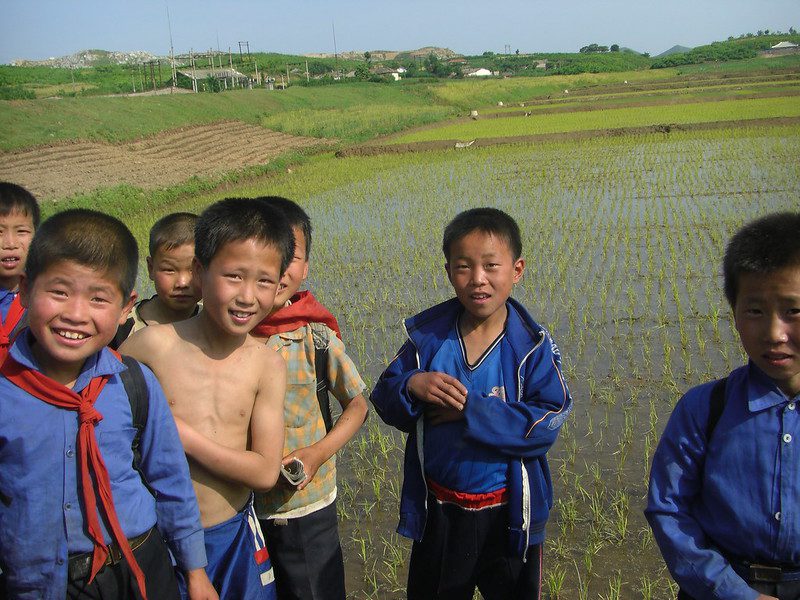
How the Regime Affects Children in North Korea

Children in North KoreaNorth Korea, once known as the Democratic People’s Republic of Korea, is a country in East Asia, bordered by Russia, China and South Korea. Formed in 1948 in the aftermath of World War II, North Korea has long been defined according to its authoritarian models of government. In the early ‘50s, North Korea’s first leader, Kim Il Sung, attempted to conquer South Korea, but an ensuing conflict with U.S. and U.N.-backed forces forced North Korea’s defeat. Since then, North Korea has typically eschewed Western influence, centralizing instead the concept of juche or self-reliance and structuring itself around a dynasty of autocratic leaders. North Korea’s current leader, Kim Jong-un, exercises supreme authority, bolstered by tight party control and the subjugation of the nation’s ranking elites.

However, economic mismanagement, inadequate food production and military overspending have hindered North Korea’s potential for growth. At the mercy of an authoritarian regime, its population of 26 million grapples with restrictions on travel, free expression and economic opportunity. According to some estimates, 60% of North Koreans live in poverty, ranking it among the poorest countries in Asia. Children in North Korea often suffer the worst, denied adequate resources and even subjected to forced labor.

Lack of Opportunity Hinders Children’s Potential

In the mid-’50s, Kim Il Sung, aiming to neutralize political opposition, implemented a country-wide class system, ranking citizens according to their perceived political loyalty. The Songbun system arrives at its determination by closely considering ancestral ties, patriotism during the Korean War and associations with South Korea or China. Those with better songbun–those more politically loyal–receive better education, health care and employment opportunities.

In the early ’90s, widespread famine and the fall of the Soviet Union necessitated that the Songbun system ease its ban on independently earned wealth. However, its emphasis on conformity still haunts North Korea’s children. Often judged according to their family history, North Korean children face a shortage of opportunities. The quality of their education and job potential suffers accordingly and many struggle to enjoy upward mobility.

Children in North Korea Are Subjected To Forced Labor

As a nominally communist country, the North Korean state tightly controls all facets of its economy, promoting state-run industries and funding military upgrades instead of resource production. To support this economic system, North Korean officials mobilize adults and school-age children to contribute to various sectors, including agriculture, mining and construction. Schools sometimes send children to complete short-term projects in fields or factories in exchange for a boost in funding. Similarly, children who are unable to join the military or whose families are too poor to bribe government officials are enrolled in military-like shock brigades, working long hours in hazardous conditions.

Vaccination Rates Have Plummeted

Hoping to counteract the spread of COVID-19, North Korean officials closed the country’s borders, stymying foreign trade. Without any influx of supplies, vaccines and other medical necessities have grown extremely limited. As the World Health Organization (WHO) and the United Nations Children’s Fund (UNICEF) reported, North Korea’s childhood immunization coverage dropped from 97% in 2020 to 0% by 2022, risking the reemergence of diseases like measles, polio and whooping cough. Any outbreaks could strain the country’s health system, weakening its communities’ herd immunity. Without access to routine vaccination, children’s health can only suffer.

Children in North Korea Struggle Against Food Insecurity

In the ’90s, North Korea experienced a severe famine, exacerbated by the fall of the Soviet Union. Though technically recovered, the country still faces widespread food shortages, especially after closing its borders in the wake of COVID-19. Committed to a model of self-sufficiency, North Korea has turned to its agricultural resources to nourish its population despite recent drought and typhoon rains severely undercutting crop production. As a result, in 2020, UNICEF estimated that 10 million people were food insecure, with 140,000 children under 5 suffering from acute malnutrition. In some cases, families have even dropped off their children at local orphanages, hoping to ensure better care and a chance at proper nourishment.

Looking Ahead

In striving to protect children across the globe, UNICEF has maintained a presence in North Korea. In 1990, the nation signaled its support for the Convention on the Rights of the Child, a UNICEF-sponsored international agreement that protects children’s rights and freedoms. However, in many ways, North Korea has failed to maintain its promise, compromising children’s well-being through mandated labor and oppressive class systems.

As a result, UNICEF has worked to restore children’s rights, developing a strategic program that would target food insecurity, social development, sustainability and data management. Also, as COVID-19 restrictions have eased across Asia, North Korea has gradually re-opened its borders, resuming conversations with neighboring Russia and China. Hopefully, renewed trade and foreign support can direct vital resources toward children in North Korea.

Finally, a committed humanitarian and international community remains focused on North Korea’s struggles, noting the oppression of its citizens and pushing for political reform. In advocating this, UNICEF and other organizations hope to restore children’s rights, freedoms and potential for self-determination.

– Sydney Verdi
Photo: Flickr

February 29, 2024
https://borgenproject.org/wp-content/uploads/borgen-project-logo.svg 0 0 Hemant Gupta https://borgenproject.org/wp-content/uploads/borgen-project-logo.svg Hemant Gupta2024-02-29 07:30:442024-02-28 03:12:55How the Regime Affects Children in North Korea
Children, Global Poverty, Health

On the Brink of Eradication: Polio in Pakistan

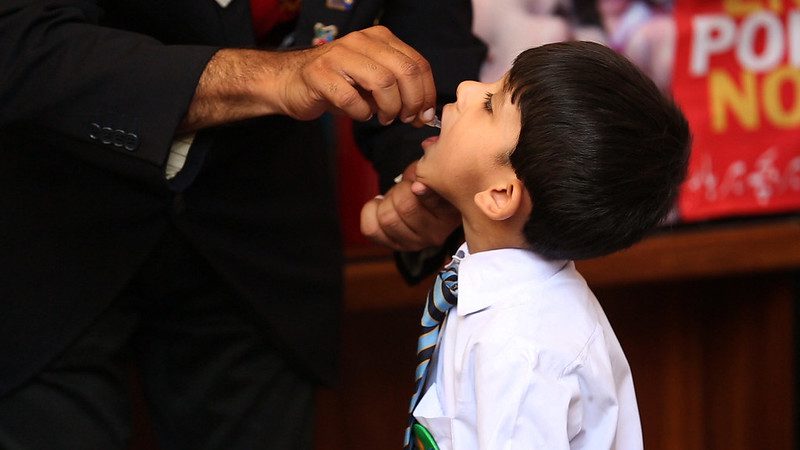
Pakistan and Polio: On the Brink of Eradication Polio was once a disease that threatened children across the world, its outbreak was a constant cause of worry among communities in every country. However, thanks to successful worldwide immunization, more than 2.5 billion children have received a polio vaccination since the late 1980s and polio is largely a disease of the past. However, children still face the threat of polio in Pakistan, Afghanistan and Nigeria, where the disease remains endemic.
Polio is an extremely infectious viral disease, largely affecting young children under five. Symptoms can range widely from flu-like illness to paralysis or even death, with paralysis victims often permanently losing use of their legs or arms. This life-altering virus spreads via fecal-oral transmission or occasionally through contaminated food or water and can spread rapidly through communities if not managed carefully.

Eradicating Polio in Pakistan

In an effort to tackle the persisting threat of the virus, Pakistan launched its Polio Eradication Programme in 1994 and has since seen a significant decline in polio cases, with cases dropping from 20,000 annually in the 1990s to only eight cases in 2018.

The country’s eradication strategy prioritizes:

  • Quick and early detection, containment and elimination of outbreaks
  • Efficient and widespread vaccination
  • Dedicated and properly trained frontline workers
  • Continued government attention and support
  • Coordinating their efforts with neighboring Afghanistan, where polio is also a pressing health issue.

Vaccine Home Delivery

In 2000, the year Pakistan launched home delivery of the oral polio vaccine (OPV), there were a reported 119 cases of polio in Pakistan. Although figures were initially on the decline, with only 32 cases reported less than a decade later, these figures have been steadily increasing since 2008. In 2019, there were 146 cases of polio in Pakistan reported.

Many parents and carers are beginning to refuse the vaccine for their children, proving to be a critical factor in polio’s resurgence. In polio-endemic countries such as Pakistan, children require multiple doses of the vaccine in order to build up sufficient immunity from the disease.

Tracking Reasons for OPV Rejection

In an attempt to address the rising rejection of OPV, the World Health Organisation (WHO) developed a tally sheet for frontline workers to make a record of the various reasons for vaccine refusal.

Here are some of the notable reasons for rejection:

  • Religious beliefs
  • Children unavailable to receive OPV (such as being unwell or sleeping)
  • Demand of compensation
  • “Campaign fatigue”, whereby parents had lost patience with repeated OPV campaigns

However, despite this regression in the 2010s, polio in Pakistan has been back on the decline in recent years. Cases dropped by 36% from 2019 to 2020, with numbers continuing to drop in 2021. This is reassuring progress for Pakistan and all the more impressive when considering the additional challenges the Coronavirus pandemic posed to the safety and efficiency of successful OPV rollout.

Polio in Pakistan: The Future

In 2023, there were six reported cases of polio in Pakistan. As the country continues to press on with its fight against this life-altering virus, there seems reason for optimism for the future. Consistent and thorough vaccination campaigns continue to be carried out across Pakistan, but it seems that successfully and thoroughly eradicating polio relies upon both the continued efforts from the government and health care workers in hand with consistent cooperation from parents.

– Rose Williams
Photo: Flickr

February 17, 2024
https://borgenproject.org/wp-content/uploads/borgen-project-logo.svg 0 0 Precious Sheidu https://borgenproject.org/wp-content/uploads/borgen-project-logo.svg Precious Sheidu2024-02-17 01:30:052024-02-15 04:41:01On the Brink of Eradication: Polio in Pakistan
Children, Global Poverty

Fotokids: Helping Children in Guatemala

Children in GuatemalaFotokids, originally known as “Out of the Dump,” is a nonprofit that has been working to help vulnerable and at-risk children for the last 30 years. Founded in 1991 by the award-winning, former Reuters news service photographer Nancy McGirr, the organization began by teaching basic photography skills to children from Guatemala. It has evolved into teaching other classes, such as “digital imaging, computer-generated graphic design, video, creative writing, theater, advertising, ecology and English.”

History of the Organization

While conflict-stricken areas undoubtedly give rise to vulnerable populations, children become the most highly affected by this vulnerability, demanding special attention to protect them from spiraling into poverty. In 1991, Fotokids began with only six children from the garbage dump in Guatemala City. Intending to break the cycle of poverty through training children in visual arts and technology, the organization expanded in 1996 to include communities outside of Guatemala, such as the areas covered under the “Children in Conflict” program. Over the years, Fotokids grew and evolved even further, providing services to children from poverty and violence-stricken areas around the world.

The Program

The organization has focused on developing monetizable and employable skills among the children. They teach them to use photography, writing and computers to better their lives and bring them to par with the rest of the globalized and digitalized world. The goal is to help “small groups of Central American young people from the poorest of barrios.”

Fotokids is an integrated program that mandates enrolled children to attend schools, offering full or partial scholarships to support their education while simultaneously learning essential skills provided by the program. Upon entering, each student is given a camera and taught the basic skills of black-and-white photography, which then evolves and develops into teaching them newer and more complicated skills. Throughout this process, the program relies highly on long-term teacher-student relationships as a means of learning and guidance.

Impact

Since its inception, the organization has helped more than a thousand children escape their state of poverty and desolation, impacting the lives of more than 500 families. Students from the program have gone on to give back to the organization, assuming roles in program management. About 14 of the program graduates have become a part of the Fotokids’ Guatemalan staff, playing a pivotal role in extending assistance to children in Guatemala.

Exhibitions and Galleries

The work done by the organization and its children has been exhibited in various museums and galleries over the years: Colombia, France, the Netherlands, the United Kingdom and the United States of America, among others. Additionally, due to its work and impact, Fotokids has also been featured in numerous lectures held at Harvard University, Bowdoin College and Boston University in the U.S. Further, it has been presented at international conferences in countries like Brazil, Guatemala, Japan, Spain and the U.S.

With its wide-ranging and highly positive impact, Fotokids continues its program today, still working to provide an alternate life to children from six different communities in Guatemala and the farms of the Central Valley of California.

– Manasvi Kadian
Photo: Flickr

February 16, 2024
https://borgenproject.org/wp-content/uploads/borgen-project-logo.svg 0 0 Hemant Gupta https://borgenproject.org/wp-content/uploads/borgen-project-logo.svg Hemant Gupta2024-02-16 01:30:282024-02-15 03:26:33Fotokids: Helping Children in Guatemala
Children, Global Poverty

Somalian Children: Malnutrition Amidst Poverty and Conflict

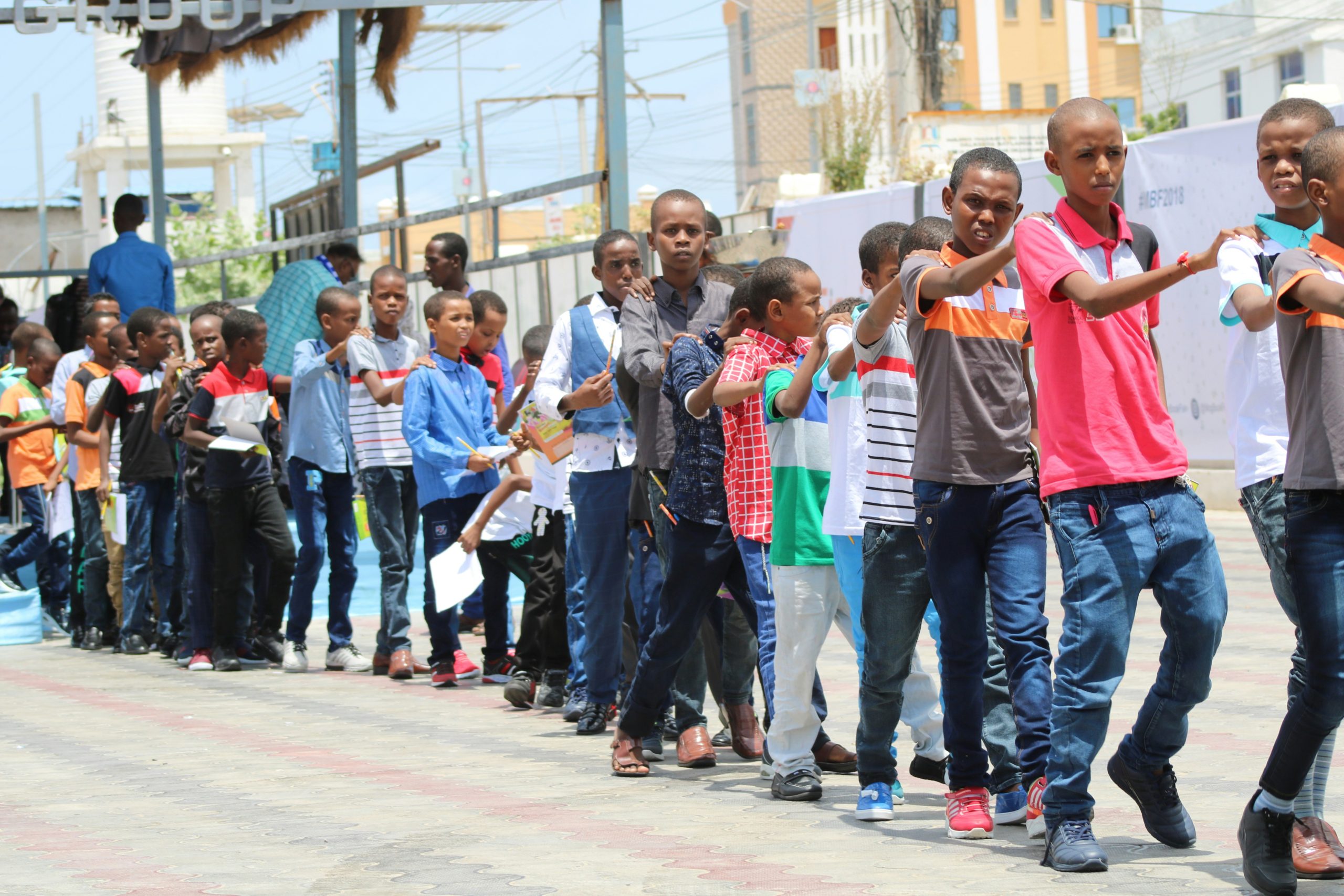
Somalian Children:Somali children face the threat of malnutrition and disease daily. With high poverty rates and violent conflict infiltrating the nation, the children are bearing the brunt of the struggles. The African nation has a large population of slightly more than 18 million. The number is growing rapidly despite high infant mortality rates and low life expectancy. The outcome of malnutrition and disease is a high infant mortality rate, with 1/10 Somalian children dying before the age of 5.

Malnutrition and Disease in Somalia

Alongside malnutrition, children in Somalia are severely affected by life-threatening diseases, often succumbing to them due to a lack of resources. A common disease among children in the nation is cholera, with the number of cases rising in recent years. The spike in cases has been a result of the lack of clean water resources, especially in rural areas.

Millions of children in Somalia do not consume enough food, leaving their bodies weakened and susceptible to disease. Additionally, the mothers of children are often undernourished themselves, having illnesses such as anemia and vitamin deficiencies. As a result of these diseases, almost half of all Somalian children do not attend school.

Natural Disasters Affecting Children

The geographical location of Somalia makes it prone to drought and flooding, depending on the time of the year. As Somalia borders the Indian Ocean, it is vulnerable to the natural elements, with several of its largest cities situated along the coastline.

Flooding is a recurring issue in the country, accounting for 45% of all natural occurrences since 1980. This has led to the outbreak of waterborne diseases, such as cholera and malaria, due to the ideal breeding grounds flooding produces. Furthermore, droughts have been a major point of concern as in 2019, affecting upwards of 2.3 million Somalians, furthering the issue of the nation’s malnourishment.

Displacement Due to Conflict

Conflict in the nation has been ongoing for many years, with civil disputes resulting in high levels of displacement across the country. Many Somalians have been forced to leave their homes to find refuge in other areas, often neighboring countries.

Due to this conflict, 2.6 million Somalians have been displaced internally, with 30% of those displaced being under the age of 11. With countless children orphaned, abandoned or separated from their families, it has left them vulnerable to disease.

Necessary Aid

It is estimated that 5.1 million children in Somalia need urgent humanitarian aid. There is a necessity for nationwide food banks and health centers for children in Somalia. They are not only faced with disease and malnutrition but also risks due to conflict and natural disasters, all contributing to the poverty rates.

How Help Is Reaching the Children of Somalia

Many organizations are working with the Government of Somalia to increase funding and support the population, especially children. In 2020, Somalia received $2 billion in official development assistance to help those in need. Through global financial assistance, Somalian children are receiving help in the form of access to food, water and health resources.

– Lily Thornhill
Photo: Unsplash

February 15, 2024
https://borgenproject.org/wp-content/uploads/borgen-project-logo.svg 0 0 Hemant Gupta https://borgenproject.org/wp-content/uploads/borgen-project-logo.svg Hemant Gupta2024-02-15 07:30:052024-02-14 03:32:23Somalian Children: Malnutrition Amidst Poverty and Conflict
Children, Global Poverty, Refugees

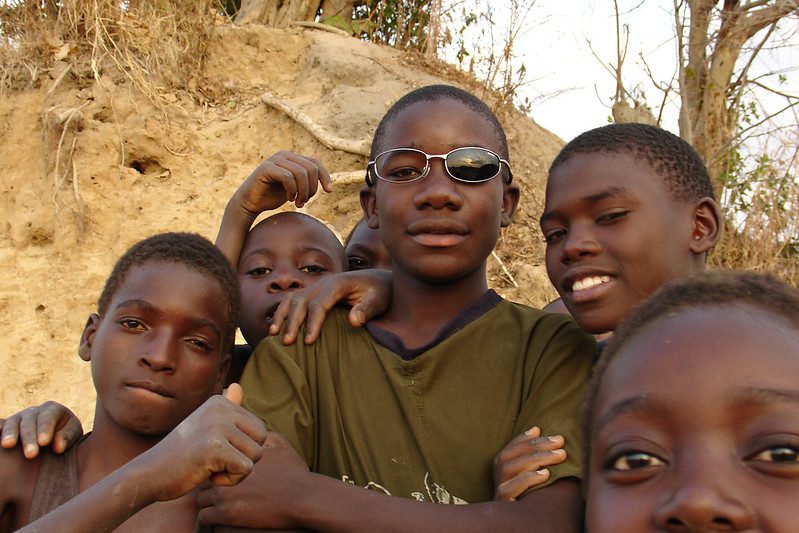
Changemaker: Fighting for Refugee Children in Zambia

Refugee Children in ZambiaZambia is a landlocked country located in southern Africa. Due to its unique geography, Zambia hosts approximately 105,000 refugees predominantly from bordering countries such as Burundi, the Democratic Republic of Congo (DRC) and former Rwandan and Angolan colonies. Many of these refugees and asylum seekers live in three main refugee settlements in Meheba, Mayukwayukwa and Mantapala, with some residing in Lusaka, the capital city.

The Experience of Refugee Children in Zambia

The nature of being a refugee or asylum seeker involves plenty of travel. As such, many organizations, including the United Nations Children’s Fund (UNICEF), have identified many violations of basic human rights during this process. In particular, refugee children seem to be dramatically affected by the process of claiming asylum. Challenging discrimination against refugee children in Zambia is one of the key case studies in UNICEF’s research on the issue. Others range from child marriage, child labor and gender-based violence.

A New Approach by UNICEF

To tackle these issues, UNICEF Zambia decided to organize what it calls a “Changemaker Workshop” in Lusaka. These workshops are designed to foster inclusion with refugee children in Zambia to directly address the unique problems they face daily, as well as canvassing for solutions.

The initiative involved 20 children aged 13 to 19 who shared their personal experiences as refugees living in Zambia. They were encouraged to highlight adversities faced while navigating the asylum process, detailing instances of discrimination and the challenges of living as orphans or being raised in child-headed households, typically led by an older sibling. As a UNICEF Changemaker, these refugee children can actively participate and consult on issues that directly affect them. Furthermore, they can provide better information to charitable organizations like UNICEF to develop a better outcome for them.

The Impact of the UNICEF Changemaker Program

As a direct result of this initiative, UNICEF has compiled valuable feedback from the participants. Many have proposed practical solutions to various challenges they face, including:

  1. Access to clean water and sanitation.
  2. Encouraging the refugee community to adopt reuse, reduce and recycle practices.
  3. The creation of more learning opportunities in the program.
  4. Establishing additional youth groups focused on teaching skills like writing, reading and organized sporting activities.
  5. Ensuring key information such as paper processing, environmental protection, reporting security issues and access to clean hygiene and sanitation services are presented in a way that can be understood by refugee children.

UNICEF Zambia says that these workshops enable a greater level of participation from refugee children in Zambia in a meaningful way. Consequently, the organization is expanding this initiative by collaborating with partners to establish additional safe spaces for children. This aims to amplify the voices of more adolescent refugees, fostering a platform where their perspectives are heard and solutions are envisaged.

– Domenico Palermo
Photo: Flickr

February 13, 2024
https://borgenproject.org/wp-content/uploads/borgen-project-logo.svg 0 0 Hemant Gupta https://borgenproject.org/wp-content/uploads/borgen-project-logo.svg Hemant Gupta2024-02-13 03:00:072024-02-11 12:59:27Changemaker: Fighting for Refugee Children in Zambia
Child Soldiers, Global Poverty

Child Soldiers in Guatemala

Child Soldiers in GuatemalaMilitary groups worldwide recruit children and although the U.N. has put measures in place to prevent this, the issue is still prevalent. Their roles are not restricted to only soldiers or gunmen, but spies, messengers, sex slaves and suicide bombers. The U.N. receives regular “reports of children as young as 8 or 9 years old associated with armed groups”. When discussing child soldiers in Guatemala in the present day, separating state and non-state armed groups is essential. Guatemala’s gangs and guerrilla groups rely on child recruitment and, as these are not state institutions, these groups are harder to study or control.
Child Soldiers in the Civil War

From 1960 to 1996 Guatemala stood as a site of internal conflict. The leftist guerrilla movement Unidad Revolucionaria Nacional Guatemalteca (URNG) fought against the Guatemalan Government in the Civil War. In this 36-year war, it was “common practice” for both the national army and the guerrilla groups to recruit children. There is a lack of information on the exact number of child soldiers involved in the war. However, the U.N. estimates that out of the 3,000 members of the URNG, 214 were under the age of 18. Unfortunately, this lack of data meant that, after the war, child soldiers in Guatemala did not receive compensation, or benefit from any reintegration programs.

Progress

In 1992, the U.N. wrote the Convention on the Rights of the Child (UNCRC) to tackle issues of child safety and exploitation. This states that parties cannot recruit anyone under the age of 15 into the armed forces and pushes the State to take preventative measures.

In 2000, the Optional Protocol to the CRC that focuses on the involvement of children in Armed Conflict (OPAC) raised the age from 15 to 18. Guatemala signed both of these documents, however, there is no evidence of progress.

Military Schools

Guatemala’s military schools are a key example of how the state is still subjecting children to violence and ignoring the concerns raised in the CRC and OPAC. Children in these military schools take part in combat training and weapons handling. Many of these military schools do not meet the government’s educational standards and there are numerous complaints of the use of corporal punishment. Child Rights International Network (CRIN) revealed that in 2016 at least three students reported rape by soldiers at the military school Adolfo V Hall.

Even if these children are not legally members of the armed forces until they are adults, they are still victims to and witnesses of violence at such a young age. In these cases, differentiating voluntary and coerced enlisting is extremely difficult.

Child Soldiers in Gangs

Maras are a type of gang in Guatemala and the 2023 CRIN report shows that recruitment is hard to regulate as maras control large residential areas.

The Maras specifically target children on their way to and from school. These children are coerced and threatened into becoming spies or gunmen and many children have been murdered on their way to school for refusing to take part. According to a 2023 CRIN report “Save the Children reports that children as young as 6 are recruited to transport guns…and have been coerced into homicides as young as 13.” This has had a detrimental impact on education. School is no longer a space of safety and learning but “a site of recruitment.” This creates a vicious cycle, as with lower access to education more children turn to gang activity.

Schools of Peace

Save the Children has worked with Guatemalan families suffering from poverty since 1999. In the last year,  Save the Children positively impacted 201,000 young people. Aside from alleviating poverty, Save the Children has created a Schools of Peace project. This project results from education and child protection services working together to prevent any disruption to the education of young people. The initiative interrupts the process of gang recruitment and ensures that schools in Guatemala have the right protection from any danger due to armed conflict.

Save the Children tells the story of 16-year-old Estrella, a daughter of a gang leader. Her life was wrapped in violence and her education was sacrificed until Schools of Peace intervened. She is doing very well at school and works as a youth leader near Las Canoas to help others who have suffered like her.

Toybox

Toybox is a charity that provides young people with safe spaces and communities outside of school. The organization works in the country’s capital, Guatemala City and provides counseling and therapy to young children. It has provided children across the world with psychosocial support. Toybox identified that 10% of annual births in Guatemala are undocumented. This reduces the amount of protection the state can provide in conflict situations.

In 2022, Toybox helped 2,794 children around the world obtain legal identity documents. The charity also holds weekly sports activities to develop and maintain trusting relationships between staff and children. It is setting up a support network for these young people, while also demonstrating that other, more constructive, paths are still viable to children who live under gang rule.

A 2023 CRIN report identifies that poverty exacerbates non-state violence and increases child recruitment. It suggests treating the root cause of poverty to see a drastic difference in the levels of child soldiers in Guatemala. Initiatives such as these are important to show that there is a path out of the violence that dominates their lives.

– Liz Johnson
Photo: Flickr

February 9, 2024
https://borgenproject.org/wp-content/uploads/borgen-project-logo.svg 0 0 Borgen Project https://borgenproject.org/wp-content/uploads/borgen-project-logo.svg Borgen Project2024-02-09 01:30:002024-02-08 22:41:41Child Soldiers in Guatemala
Child Poverty, Global Poverty

What About Child Poverty in Finland

Child Poverty in FinlandChildren are the world’s most valuable resource and its best hope for a future. John F. Kennedy is among the many who have famously quoted hopeful statements about children. Children are the future, and if they are taken care of properly, then chances are it will be a promising future. With the increased living costs, many single-parent families in Finland are struggling to provide their children with what they need to thrive.

Child Poverty in Finland Stats

According to UNICEF’s Report Card Study, which compares child poverty in the European Union and OECD countries, Finland is ranked 14th out of 39 countries, with 10.1% of children living in poverty between 2019 and 2021. Children in single-parent households face acute struggles. With the increased living costs, single parents face difficult decisions, such as buying food or new clothing for their children. 

The Biggest Threat

Finland’s government cut its social security and unemployment budget in 2024, hoping to encourage its immigrant population to enter programs designed to prepare them for the workforce. However, the Social Affairs and Health Committee of the Finnish Parliament, after emotional and “chaotic” meetings, expressed concern about how these policy choices impact their population, as similar actions taken by Denmark in 2002 and 2015 resulted in drastic increases in poverty and crime levels. Researchers are also concerned that implementing these policies will discourage immigrants from participating in government integration programs.

UNICEF studies have shown that social security is essential for keeping children out of poverty. Sanna Koskein, a senior expert on child-friendly governance with UNICEF, says, “The proposed social security cuts by the current government will have serious consequences for the children’s well-being.” 

Solving Child Poverty in Finland

Finland has announced an action plan to reduce the number of people at risk for poverty to 100,000 by 2030. This program focuses primarily on people with pensions and families with children and aims to encourage families to participate in government integration programs. The children of families who participate in these programs tend to stay in school longer, perform better academically and enjoy more success in the workforce. In the face of budget cuts to social services, programs aimed to reduce poverty levels are a path forward toward Finland reducing its child poverty rates, thus ensuring a better future for all its citizens. 

– Heather Gisi
Photo: Unsplash

February 7, 2024
https://borgenproject.org/wp-content/uploads/borgen-project-logo.svg 0 0 Yuki https://borgenproject.org/wp-content/uploads/borgen-project-logo.svg Yuki2024-02-07 07:30:522024-02-06 04:41:01What About Child Poverty in Finland
Child Poverty, Global Poverty

Music Organizations Empowering Disadvantaged Children in India

Disadvantaged Children in IndiaAnyone who listens to bands, plays an instrument or composes songs will know that music is more than a hobby. It can reduce stress and anxiety, increase auditory perception and even increase chances of good sleep. The positive effects of music on development have gained traction in research circles over the past 50 years, with studies showing that its practice can instill feelings of leadership, responsibility and empathy in children. A program named El Sistema, which was rolled out in the ’70s, demonstrated that music could completely alter the paths of disadvantaged children, removing them from the path of risk and causing self-esteem to boom. It will come as no surprise, then, that music is a powerful tool in uplifting those in poverty. In India, where nearly 170 million people live below the poverty line, four Nongovernmental Organizations (NGOs) are demonstrating how music empowers disadvantaged children, working to bring creativity, confidence and opportunity into their lives.

Inspire India

Inspire India is a subsidiary of the larger Shankar Mahadevan Academy Initiative, an organization operating in 60 schools worldwide. The initiative’s hopeful mission is to inspire, uplift and even “design moments of extreme joy” for the children they reach. A more accurate description would be designing moments of joy for all who encounter them, supporters and beneficiaries alike.

The smaller branch of Inspire India is no different. Founded on the ambition to foster musical ability and passion among children from vulnerable families, the organization currently operates centers in Delhi and Mumbai, with plans to open thousands more nationwide. Their programs play a crucial role in revitalizing neglected creativity by nurturing the talents of the children they engage with, providing them with the space to flourish. Through these initiatives, Inspire India fosters confidence and resilience in the participating children, empowering them to confront life’s challenges with strength and determination.

Child’s Play

Founded by Dr. Luis Dias in 2009, Child’s Play India has a clear goal: to “install positive values and provide social empowerment to India’s disadvantaged children.” Its method of choice to get there is a little more unexpected. The organization aims to reach its goal “through the teaching of classical music to the highest possible standard.”

Dias’s inspiration came from one fateful night at the British Broadcasting Corporation (BBC) proms when two unusual orchestras from Venezuela and South Africa took the stage. Having spent his last year wondering why India, with such a big population, was falling behind smaller countries in its musical standard, the appearance of these groups was a lightbulb moment for one simple reason: they were entirely made up of disadvantaged children.

Consequently, Dias formed the concept of Child’s Play. He began to teach classical music to disadvantaged and street children in Goa, believing that the music would, in turn, allow them to develop discipline and self-esteem. By allowing them to lean into their creativity and believe in their excellence, the organization has provided more than 500 children with a newfound confidence and the promise of a future career.

Anahad

Registered as an NGO in 2013, Anahad is a studio and a community of musicians. Anahad, on a mission to uplift underprivileged communities, harnesses available production technology to preserve traditional folk music and empower the musicians who create it. An interesting example is the story of Dapu Khan, one of its musicians, whose collaboration with the organization has directly resulted in a substantial increase in income.

Khan, passionate about education but denied the chance himself, spent what little money he had on his children’s learning. When he met with the Anahad group, he explained his belief that Rajasthani folk music could touch the souls of its listeners, advocating for a broader platform to reach more souls. Anahad provided Khan with his first chance to work independently, without a third party or manager. The NGO equipped him with digital platform skills, assisted in setting up a website and facilitated the recording of two of his songs. The launch yielded a remarkable effect, leading to Khan securing wedding contracts, performances in Germany and the U.S. and a viral YouTube video that attracted collaboration offers from celebrities.

Manzil Mystics

Manzil Mystics was initiated by six musicians who themselves struggled with challenging upbringings. The organization operates through three primary branches: education, employing music for Social and Emotional Learning (SEL) in schools; gender, raising awareness about women’s health and rights; and livelihood, establishing a career pathway for aspiring musicians and structured support to help them achieve their goals.

Manzil Mystics runs various programs across India, each illustrating how music serves as an empowering force for underprivileged youth. One such initiative is the Performing Arts and Kids Happiness (PANKH) program, which involves visiting schools and teaching children how to write and sing songs. The sessions are fun and designed to build confidence and unleash children’s curiosity.

Learning music through programs like PANKH not only imparts musical skills but also aids children in developing cognitive and socio-emotional skills. It actively engages them in the learning process and enhances their empathy. PANKH goes beyond a singular focus, serving as more than just a music education initiative. In addition to teaching music, it provides safe spaces for children and young adults to discuss topics such as reproductive health, gender and other social issues. Furthermore, PANKH offers English language instruction and helps students acquire digital technology skills that will be valuable for their future careers.

– Peggy Hughes
Photo: Flickr

February 6, 2024
https://borgenproject.org/wp-content/uploads/borgen-project-logo.svg 0 0 Hemant Gupta https://borgenproject.org/wp-content/uploads/borgen-project-logo.svg Hemant Gupta2024-02-06 01:30:202024-02-04 08:38:20Music Organizations Empowering Disadvantaged Children in India
Child Poverty, Global Poverty

Child Poverty in Benin  

Child Poverty in BeninLocated in West Africa, the Republic of Benin is one of the most economically challenged nations worldwide. With up to 45% of its population consisting of children under the age of 15, child poverty in Benin is a major concern.

Economic Factors

According to the World Food Program USA, Benin’s economy is primarily agrarian. Up to 70% of the population relies on agriculture as a core source of income. Vulnerable to weather fluctuations and changing weather patterns, the sector of rain-fed agriculture has been challenged by the success of consistent food crop production. In addition, the country is often exposed to droughts and floods that threaten the economic conditions of Benin’s population. This frequently leaves families in uncertain economic situations. As poverty rates among families increase, child poverty in Benin worsens due to insufficient resources to fulfill their essential needs.

Threatened Food Security

In addition to contributing to a lack of financial stability, the unstable nature of agribusiness in the nation has also led to an increase in food prices. As reported by the United States Agency for International Development (USAID), children in Benin are severely affected by malnutrition. Up to 50% of children up to 5 years of age have developmental issues as a result of nutritional deficiency. The World Food Program USA shows that up to 32% of Beninese children suffer from recurrent malnutrition.

Health Concerns

While improper nutrition has emerged as a significant health concern for children in Benin, the absence of proper health care has also affected the nation’s children. According to the Centers for Disease Control and Prevention (CDC), malaria is the leading cause of death for children under 5 years old in Benin. USAID states that the COVID-19 pandemic posed a risk to ongoing efforts made to reduce the transmission of the disease. The U.S. President’s Malaria Initiative, created in 2005, has been working toward the reduction and treatment of the disease in African countries, including Benin.

Despite the pandemic’s impact on developmental progress, the initiative’s 2024 strategy outlines the introduction of the malaria vaccine in Benin within the initial quarter of the year.

Child Labor

A direct repercussion of child poverty in Benin is the educational deficit due to child labor. As Beninese families go through financial hardships, children quit their education and engage in varying work practices. Some of these include domestic work, working on cotton plantations and forced begging. Children exposed to child labor practices become vulnerable to abuse and exploitation. Work conditions can be hazardous, and children are at risk of becoming victims of human trafficking. Data published by UNICEF shows up to 25% of children in Benin are victims of child labor.

Aid Initiatives

Tackling child poverty in Benin requires a wide range approach, integrating economic development, health care, food security and education. Recent years have shown multiple attempts to improve Beninese children’s livelihoods. A report published by the U.S. Department of Labor states that social services inspections freed up to 400 children from child labor in 2021.

In 2022, the government maintained the Integrated National School Feeding Program, providing meals to up to 75% of Benin’s schools. That same year, UNICEF expanded its presence in the north of the nation. UNICEF also collaborated with the religious congregation known as the Salesians of Don Bosco to build a temporary residence for children living on the streets. The congregation runs the charity Foyer Don Bosco, with the mission to fulfill all basic human needs of children living in poverty in Benin. It heavily focuses on helping victims of child labor and human trafficking, striving to ensure that children receive quality education so they can have a better future.

Efforts by organizations like UNICEF and the Salesians of Don Bosco reflect a collective commitment to combat child poverty in Benin and serve as a source of optimism in the ongoing fight against it. 

– Paula Gibson
Photo: Flickr

January 28, 2024
https://borgenproject.org/wp-content/uploads/borgen-project-logo.svg 0 0 Jennifer Philipp https://borgenproject.org/wp-content/uploads/borgen-project-logo.svg Jennifer Philipp2024-01-28 01:30:542024-05-30 22:32:48Child Poverty in Benin  
Page 14 of 137«‹1213141516›»

Get Smarter

  • Global Poverty 101
  • Global Poverty… The Good News
  • Global Poverty & U.S. Jobs
  • Global Poverty and National Security
  • Innovative Solutions to Poverty
  • Global Poverty & Aid FAQ’s
Search Search

Take Action

  • Call Congress
  • Email Congress
  • Donate
  • 30 Ways to Help
  • Volunteer Ops
  • Internships
  • Courses & Certificates
  • The Podcast
Borgen Project

“The Borgen Project is an incredible nonprofit organization that is addressing poverty and hunger and working towards ending them.”

-The Huffington Post

Inside The Borgen Project

  • Contact
  • About
  • Financials
  • President
  • Board of Directors
  • Board of Advisors

International Links

  • UK Email Parliament
  • UK Donate
  • Canada Email Parliament

Get Smarter

  • Global Poverty 101
  • Global Poverty… The Good News
  • Global Poverty & U.S. Jobs
  • Global Poverty and National Security
  • Innovative Solutions to Poverty
  • Global Poverty & Aid FAQ’s

Ways to Help

  • Call Congress
  • Email Congress
  • Donate
  • 30 Ways to Help
  • Volunteer Ops
  • Internships
  • Courses & Certificates
  • The Podcast
Scroll to top Scroll to top Scroll to top