• Link to X
  • Link to Facebook
  • Link to Instagram
  • Link to TikTok
  • Link to Youtube
  • About
    • About Us
      • President
      • Board of Directors
      • Board of Advisors
      • Financials
      • Our Methodology
      • Success Tracker
      • Contact
  • Act Now
    • 30 Ways to Help
      • Email Congress
      • Call Congress
      • Volunteer
      • Courses & Certificates
      • Be a Donor
    • Internships
      • In-Office Internships
      • Remote Internships
    • Legislation
      • Politics 101
  • The Blog
  • The Podcast
  • Magazine
  • Donate
  • Click to open the search input field Click to open the search input field Search
  • Menu Menu

Archive for category: Children

Information and stories addressing children.

Agriculture, Children, Global Poverty

Creative Ways People Are Solving Big Problems

Solving Big ProblemsOn March 30, 2024, in a podcast episode called “Pulling Water Out of Thin Air, Raising Fish on Land and Other Creative Ways People Are Solving Big Problems,” “The Borgen Project Podcast’s” hosts Clint Borgen and Michelle Twarowska delved into an array of initiatives aimed at addressing some of the world’s most pressing issues, such as water scarcity, infant mortality rates, aquaculture and food production.

Harvesting Water Out of Thin Air

“Lima, Peru has ten million people but they get less than an inch of rain every year,” said Borgen. 

Fog nets have existed in areas like Lima for centuries, providing a lifeline for communities by capturing moisture from fog and it into a vital source of water. As access to water has become progressively more challenging, companies have devised more efficient methods to extract water from the atmosphere. 

Borgen and Twarowska delivered a fascinating insight into SOURCE, a revolutionary device that resembles solar panels and extracts moisture from the air, converting it into drinkable water. Designed to operate in arid regions and locations with minimal rainfall, SOURCE holds immense potential for solving big problems like water scarcity around the globe. 

Tackling Infant Mortality Rates

Another pivotal topic explored is the global effort to reduce infant mortality rates under five years old, which have reached an all-time low but remain a pressing concern. Borgen and Twarowka shed light on the significant process made since 2000, with rates halving, yet emphasized the persistent challenge posed by infectious diseases like diarrhea, malaria and pneumonia. 

“My grandfather had 11 siblings and seven of them died before they were 20. Most of it was from pneumonia,” said Twarowska. 

Access to essential treatments remains paramount in saving young lives and bridging health care disparities. 

Innovations in Sustainable Aquaculture

Transitioning to sustainable aquaculture, the conversation introduced HIMA Seafood, a pioneering fish farm employing water recycling techniques. Traditional fish farming methods often encounter environmental challenges such as waste buildup and invasive species, which can have detrimental effects on local ecosystems and biodiversity. 

HIMA Seafood’s approach, utilizing self-contained tanks and converting excess nutrients into fertilizer, offers a more eco-friendly and economically viable solution.

Ethical Considerations and Reflections on Food Production

Ethical considerations in food production took center stage as Borgen and Twarowska discussed the transition towards free-range poultry farming. Michelle shares insights from the Humane Society, including McDonald’s commitment to sourcing 100% of its eggs from free-range suppliers by 2025, which they have completed early.  

McDonald’s “uses two billion eggs a year. That’s a lot of chickens that would otherwise be stuck in cages all day long,” said Borgen. 

The dialogue concluded with introspective reflections on food consumption practices and their societal implications. 

“It’s so much easier to survive,” explained Twarowska regarding the profound shift in human instinct regarding food consumption.

“Humans feel bad to kill because that’s not naturally what we do every day.”

“We would eat so much differently if we had to kill everything we ate,” agreed Borgen. 

Clint Borgen

Clint Borgen is the Founder and President of The Borgen Project. His vision to address global poverty was inspired by his time spent volunteering during the Kosovo War and Genocide. Attracting volunteers from 854 cities around the world, Borgen has used his influence to support legislation that makes poverty a focus of U.S. foreign policy.  

Michelle Twarowska

Michelle Twarowska is an actress who is currently based in Los Angeles. Her Polish descent not only enriches her performances but also provides valuable insights into European traditions and initiatives. Her multicultural perspective is particularly valuable to “The Borgen Project Podcast,” where diverse viewpoints and global perspectives are highly valued.

– Lila Russell
Photo: Flickr

April 22, 2024
https://borgenproject.org/wp-content/uploads/borgen-project-logo.svg 0 0 Jennifer Philipp https://borgenproject.org/wp-content/uploads/borgen-project-logo.svg Jennifer Philipp2024-04-22 13:14:492024-04-23 07:26:03Creative Ways People Are Solving Big Problems
Africa, Child Poverty, Child Soldiers, Children, Developing Countries, Global Poverty

Child Soldiers in Sudan

Child Soldiers in SudanSudan has been rife with conflict since its first civil war in 1955 when the north and south clashed. In 2005, they agreed to stop fighting and in 2011, South Sudan became its own country. But in the meantime, there have been ongoing tensions, especially in the Darfur region since 2003. Even though they made another peace deal in 2020 to have a temporary government, there was a military coup soon after and the fighting started again in 2023.

Across Sudanese conflicts, child soldiers are a consistent humanitarian concern, with most nongovernmental organizations (NGOs) emphasizing their recruitment in the South. However, according to the United Nations Children’s Fund (UNICEF), approximately 6,500 children served in armed groups in northern Sudan during the civil war, with around 70% serving in Darfur alone. This trend continued with armed groups recruiting more than 400 children between 2011 and 2020 and an 11% increase in recruitment just in 2023.

The Multi-Faceted Reality of Child Soldiers in Sudan

Children become soldiers for a variety of reasons. While some are forced into service by armed groups, many, especially those separated from their parents, do so “voluntarily.” Sudan’s conflict has caused extreme poverty and widespread violence, leaving children with few alternatives than to turn to the armed forces simply out of a need for their resources and protection.

Though some children may become soldiers consensually, such activity is still a violation of international humanitarian law. It can have severe long-term consequences on child soldiers, ranging from physical to psychological illness. The experiences of child soldiers, which are often the drivers of such trauma, are characterized by violence during an age when development is most vulnerable.

Child soldiers are not only combatants but may, in fact, serve a variety of roles. Recruitment may mean a child is utilized in the armed forces as a cook, porter, messenger or spy; many sexually exploit children, too. Limiting the scope of what a child soldier is to exclude these distinct forms of abuse can leave certain victims out of the reintegration process.

Understanding this nuance is crucial not only for grasping how child soldiers in Sudan serve but also for pinpointing where they serve. Though initially conscripted in areas like Darfur, many armed groups train child soldiers in Sudan for the sole purpose of being sent to combat zones elsewhere. Several reports indicate that dangerous conflicts ranging from Yemen to Libya may employ child soldiers from Sudan.

Solutions

Several organizations have played key roles in aiding child soldiers in Sudan and Darfur. In 2007, the United Nations (U.N.) initiated the African Union-United Nations Hybrid Operation in Darfur (UNAMID) to mediate hostilities, aiding child soldiers’ transition back into society through a process known as Disarmament, Demobilization and Reintegration (DDR). UNAMID oversaw several releases of child soldiers for reintegration. In 2011, The Sudan Liberation Army / Historical Leadership (SLA/HL) released 70 child soldiers, of which 24 were girls. Similarly, the Sudanese government released 21 child soldiers in 2016. Following the 2020 peace agreement, UNAMID ended its operations.

Subsequently, the United Nations Integrated Transition Assistance Mission (UNITAMS) was created to uphold the peace agreement and oversee Sudan’s transition to democratic rule. Continuing much of UNAMID’s goals, UNITAMS had “a strong child protection mandate,” which allowed for the monitoring of any human rights violations against children and the further facilitation of DDR. However, a military coup stopped the democratic transition in 2021, preventing UNITAMS from fulfilling this mandate. UNITAMS ultimately ended its operations on Feb. 29, 2024.

NGOs have also been essential to ending the recruitment of child soldiers in Sudan, with one of them being War Child. War Child is known for many campaigns, but in 2019, it launched its Can’t Wait to Learn program in Sudan, intervening in children’s education as early as possible to dissuade them from becoming soldiers. This targets the issue of recruitment at its source, bringing quality education to an impoverished population. War Child reached 2,667 children in 2019 alone but ended its operations following the resumption of conflict.

Final Remark

Despite the challenges, supporting organizations working toward ending poverty and the recruitment of child soldiers remains one of the best strategies to ensure the future of reintegration and demobilization in Sudan.

– Jacob Rampino
Photo: Wikimedia Commons

April 9, 2024
https://borgenproject.org/wp-content/uploads/borgen-project-logo.svg 0 0 Jennifer Philipp https://borgenproject.org/wp-content/uploads/borgen-project-logo.svg Jennifer Philipp2024-04-09 01:30:402024-04-08 15:26:18Child Soldiers in Sudan
Children, Food Insecurity, Global Poverty, Nonprofit Organizations and NGOs

Child Hunger in Brazil – The Sesc Mesa Programme

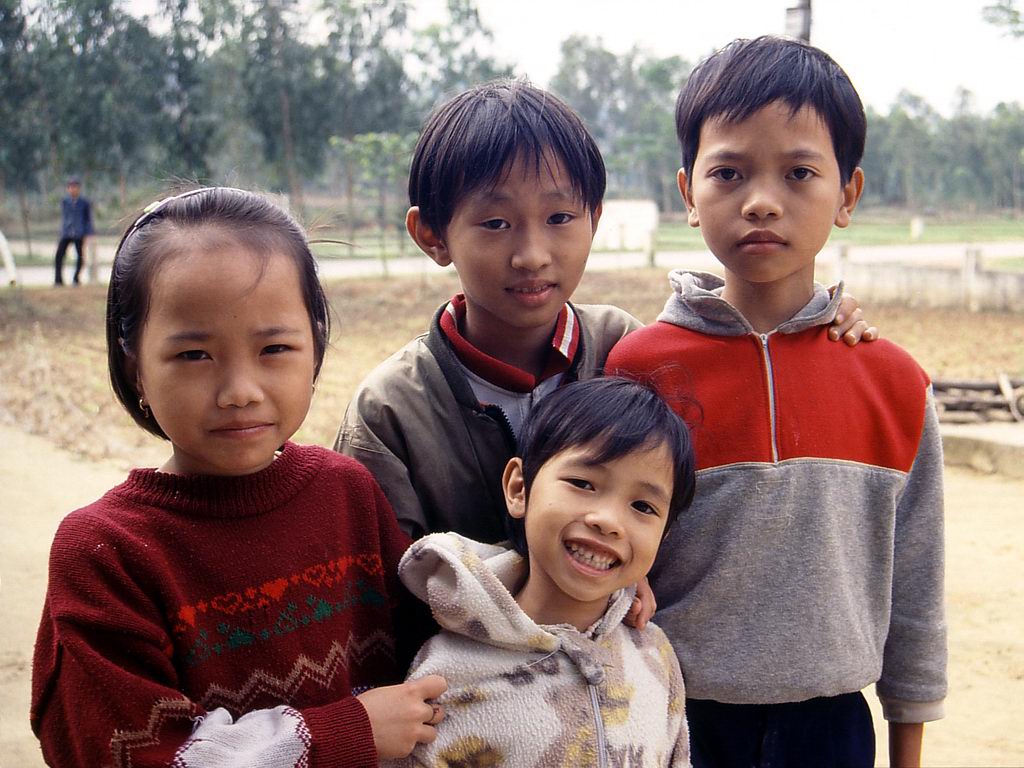
Child Hunger in Brazil - The Sesc Mesa ProgrammeThe Guardian reports that child hunger in Brazil is a critical issue. It also notes that the country loses about 26.3 million tonnes of food each year in production and transportation. In addition, Brazilian households discard around 60 kilograms of food per capita annually. This wastage contrasts starkly with the country’s undernourishment issues, as the Food and Agriculture Organization reports that about 7% of Brazilians are undernourished. Hence, redirecting the excess food waste could make it easier for the 10 million Brazilians struggling to feed their families. Brazil’s largest network of Food Banks, Sesc Mesa aims to capitalize on this opportunity.
Sesc Mesa and Its Mission

Sesc Mesa operates more than 95 units nationwide to ensure children in Brazil attend school, nursery or play groups well-nourished. A key depot in Rio de Janeiro serves as a prime example of how organizations like Sesc Mesa address Brazil’s food shortage on a national scale. Covering 400 square feet in Rio’s northern suburbs, the program’s depot recovers unsellable food from supermarkets and collects wonky or otherwise deemed unfit produce from farms, where most of Brazil’s food wastage happens, for supermarkets and restaurants.

Cida Pessoa, program manager for Sesc Mesa in Rio, says, “People want nature to be completely uniform, for carrots to grow in the same way, for papayas to come without spots, for apples to be identical,” leading to vast amounts of perfectly good produce being wasted. This could otherwise help solve Brazil’s undernourishment crisis. After gathering the undesirable produce, Sesc Mesa donates it to soup kitchens, schools, nurseries and other institutions that provide free meals, ensuring daily nourishment for those in need. Due to the program’s success, Sesc Mesa is relocating to a facility 12 times larger. Moreover, this expansion means the potential to feed 12 times more children. With Sesc Mesa feeding 2.1 million people monthly in 2023, the impact of this growth is unmistakable.

Educational Events

Sesc Mesa also organizes educational activities, including courses, classes, seminars and workshops for corporate donors, social institutions and communities. These programs aim to offer information, guidance and training on food hygiene and proper handling. The goal is to maximize the use of foods for preparing safe, healthy and balanced meals for Brazil’s hungry population.

Expanding the Program’s Success

Looking ahead, the efforts to combat child hunger in Brazil by organizations like Sesc Mesa illuminate a path toward a more nourished and prosperous nation. Through its innovative approach to redistributing food waste, it is not only addressing immediate nutritional needs but also fostering a culture of sustainability and care. The potential for international collaboration opens new avenues for expanding its impactful work, moving Brazil closer to eradicating hunger. As Sesc Mesa continues to grow, its model serves as a beacon for other countries grappling with similar issues, showcasing the transformative power of community-driven solutions. Ultimately, the fight against hunger in Brazil is a critical step toward enhancing education, employment and economic vitality in the post-pandemic world.

– Ethan Leyden

Ethan is based in Manchester, UK and focuses on Business and New Markets for The Borgen Project.

Photo: Unsplash

April 2, 2024
https://borgenproject.org/wp-content/uploads/borgen-project-logo.svg 0 0 Precious Sheidu https://borgenproject.org/wp-content/uploads/borgen-project-logo.svg Precious Sheidu2024-04-02 01:30:562024-03-31 09:45:06Child Hunger in Brazil – The Sesc Mesa Programme
Children, Developing Countries, Global Poverty

World Vision Is Alleviating Violence Against Children in Vietnam

Children in VietnamIn the heart of Vietnam, a shadow of violence that knows no boundaries looms over the innocence of countless young souls. However, a beacon of hope shines bright amid this darkness: World Vision Vietnam. This Christian organization stands unwavering, committed to lifting the burdens from the shoulders of vulnerable children. Led by Mr. Doseba Sinay, the National Director, World Vision Vietnam extends its arms to aid, develop and advocate for those most in need. In a recent conversation with The Borgen Project, Sinay sheds light on the harrowing implications of violence against children in Vietnam, reaffirming the organization’s tireless dedication to fostering change and restoring hope.

Violence Against Children in Vietnam

Violence against children in the nation stands as a critical and deeply entrenched societal challenge, demanding immediate action. Despite strides made in areas such as economic advancement and education, the specter of violence persists, casting a dark shadow over the nation’s youth. From physical mistreatment and neglect to emotional and sexual abuse, children across the country endure a spectrum of harmful experiences with far-reaching implications.

According to the Ministry of Labor, War Invalids and Social Affairs Children’s Bureau, between 2020 and 2022 alone, 120 children fell victim to fatal violence, with many subjected to multiple forms of abuse. Alarmingly, approximately 2,000 cases of child abuse occur annually, often perpetrated by individuals known and trusted by the victims, leaving countless more incidents unreported and unchecked.

Violent disciplining remains prevalent in the territory, as reported by the United Nations Children’s Fund (UNICEF) Vietnam, with more than 68% of children aged 1 to 14 enduring some form of violence at home from their parents or caregivers. The national hotline for Children’s Protection 111 receives approximately 30,000 calls monthly. However, during the COVID-19 pandemic, when lockdowns, social distancing and economic strain have contributed to a surge in domestic violence globally, the nation witnessed a corresponding increase in child abuse cases. The number of hotline calls has surged to 40,000-50,000 monthly, underscoring the heightened vulnerability of children in these challenging times.

Many advocates propose establishing a structured system. This system would involve professionally trained social workers collaborating with law enforcement officers and child-friendly judicial entities to identify, intervene, respond to and safeguard children effectively. UNICEF is actively engaged in partnering with pertinent government agencies and provincial authorities to develop a comprehensive child protection framework capable of addressing the diverse causes and manifestations of violence.

Effects of Prolonged Abuse on Children

Children subjected to violence face an elevated risk of various negative consequences, such as compromised physical and mental health, decreased academic achievement and a heightened likelihood of engaging in risky behaviors in the future. Furthermore, the trauma resulting from violence can contribute to a cycle of abuse, as victims are more prone to becoming perpetrators themselves. Research examining brain activity patterns in institutionalized children indicates that severe neglect may lead to delays or deficits in cortical development.

Moreover, children often exhibit internalizing symptoms like anxiety and depression, as well as externalizing symptoms such as conduct disorder and substance use. Behavioral and emotional difficulties observed in abused and neglected children are consistent with effects on the amygdala, including heightened emotional reactivity and deficits in emotional processing. While structural changes in the amygdala due to abuse or neglect are not consistently found in most studies, Functional magnetic resonance imaging (fMRI) studies suggest that early adversity sensitizes the amygdala.

Speaking With Mr. Sinay

In an exclusive interview with Sinay, he underscored the critical importance of combating violence against children. “Violence against children not only causes immediate harm but also leaves lasting scars that can affect them for a lifetime,” Sinay asserts. He stressed the urgency of prioritizing the protection and well-being of vulnerable children, emphasizing that every child deserves a safe and nurturing environment to flourish. “At World Vision Vietnam, we are steadfast in our commitment to eradicating all forms of violence against children,” Sinay explains.

Sinay elaborated on the comprehensive approach adopted by World Vision Vietnam to address parental abuse, stress and children’s mental health issues. “Prevention is paramount,” he emphasized, outlining the organization’s proactive efforts to raise awareness and educate communities about positive parenting practices and non-violent disciplinary methods. Additionally, Sinay emphasized providing support and resources to families facing stressors that may contribute to harmful behaviors. “By tackling the root causes of violence and offering holistic support to families, we aim to break the cycle of abuse and foster a nurturing environment conducive to children’s well-being,” he affirmed.

Regarding mental health challenges among children affected by violence, Sinay stressed the importance of comprehensive support systems. “Children exposed to violence often endure significant emotional and psychological trauma,” he acknowledged. To address these issues, World Vision Vietnam implements specialized programs and services to provide trauma-informed care, counseling and psychosocial support to affected children and their families. “Through our collaborations and network, we strive to heal the wounds of violence and empower children to overcome adversity and fulfill their potential,” Sinay concluded, underscoring the organization’s unwavering commitment to safeguarding the rights and dignity of every child in the nation.

Conclusion

Addressing the issue of violence against children in developing countries requires urgent and coordinated efforts. With a considerable number of children enduring different forms of abuse, the repercussions echo across generations, impeding the progress and well-being of societies. Nonetheless, by placing the protection and welfare of its youth at the forefront, these nations have the opportunity to disrupt the cycle of violence. Through collective actions and a steadfast dedication to upholding children’s rights, we can forge safer and more supportive environments conducive to the flourishing of every child.

– Mahima Bhat
Photo: Wikimedia Commons

April 1, 2024
https://borgenproject.org/wp-content/uploads/borgen-project-logo.svg 0 0 Hemant Gupta https://borgenproject.org/wp-content/uploads/borgen-project-logo.svg Hemant Gupta2024-04-01 03:00:372024-03-31 09:19:41World Vision Is Alleviating Violence Against Children in Vietnam
Children, Global Poverty

Education in Uganda: The Hurdles and Progress

Education in Uganda: The Hurdles and ProgressUganda is transforming its education system to improve access and quality for its younger generation. As a landlocked nation bordered by Kenya, Tanzania and the Democratic Republic of the Congo, Uganda’s economic growth across agriculture, industry and services sectors could lower its poverty rate from 41.7% as of 2023 to 40.7% by 2025. However, these projections are still uncertain. As things stand, education in Uganda could play a crucial role in the country’s transformation.
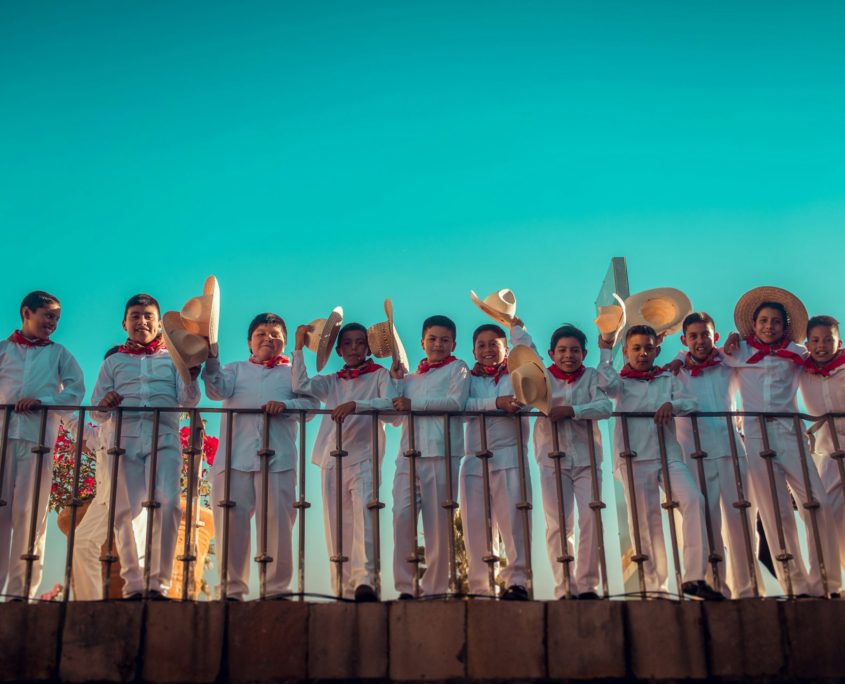
According to the United Nations (U.N.), education significantly impacts poverty reduction within communities or countries. An educated community often enjoys more economic opportunities, leading to enhanced resources for everyone. The same is not true in communities struggling with poverty for many reasons. In recent times, Uganda has seen rapid advancements in improving education and its accessibility.

Education Barriers in Uganda’s Poor Communities

In Uganda’s impoverished communities, the cost of schooling and supplies often forces families to choose between education and basic needs, sidelining education. Children who attend primary school may struggle to advance to secondary levels due to poor literacy and numeracy skills. Additionally, teacher absenteeism further undermines the educational opportunities for those who overcome these barriers to reach the classroom.

Enhancing Education Quality in Uganda

Uganda’s efforts to provide universal primary education signal a crucial advancement in educational access. Working with the Global Partnership for Education, the focus extends beyond free education to enhancing its quality, especially in the pre-primary stages. This approach aims to boost literacy and numeracy skills among children, aiming for higher school completion rates and reduced dropouts in primary education.

The United Nations International Children’s Emergency Fund (UNICEF) is making efforts to address teacher absenteeism and lack of skills in Uganda by enhancing education governance. Its ongoing initiatives include mentorship and promoting accountability within schools, involving parents and officials to demand better teaching standards. Efforts to boost teacher competence involve supervision and support from higher-ups, aiming to reduce absenteeism and improve education quality.

Advancing Education to Combat Poverty in Uganda

Through the initiatives of the Global Partnership for Education and UNICEF, strategic efforts are underway to elevate education standards in Uganda. These improvements are essential in the broader fight against poverty. Moreover if successful, UNICEF’s initiatives could enable an additional 800,000 boys and girls to complete primary education. In addition, the Global Partnership for Education aims to remove financial barriers to schooling, making education more accessible to children in poverty-stricken areas.

Looking Forward

Uganda’s efforts to enhance educational quality and accessibility signify a beacon of hope in the ongoing battle against poverty. Partnerships with organizations like the Global Partnership for Education and UNICEF are taking significant strides toward a future where education is a right, not a privilege, for all children. Furthermore, the initiatives to improve literacy, numeracy and reduce teacher absenteeism lay the groundwork for creating a well-educated workforce capable of driving economic growth and lifting communities out of poverty.

– Isaac Songster

Isaac is based in Wheaton, IL, USA and focuses on Education pieces for The Borgen Project.

Photo: Flickr

March 26, 2024
https://borgenproject.org/wp-content/uploads/borgen-project-logo.svg 0 0 Precious Sheidu https://borgenproject.org/wp-content/uploads/borgen-project-logo.svg Precious Sheidu2024-03-26 07:30:202024-03-25 05:39:51Education in Uganda: The Hurdles and Progress
Children, Global Poverty

Prospera: Mexico’s Successful Conditional Cash Transfer Program

Prospera: Mexico's Successful Conditional Cash Transfer Program Prospera, which was formerly known as Oportunidades and Progresa, was the world’s first national conditional cash transfer program, originally launched in Mexico in 1997. The program, which ran between 1997 and 2019 and involved multiple rebrands, focused on incentivizing and improving access to education, nutrition and health for poor families.
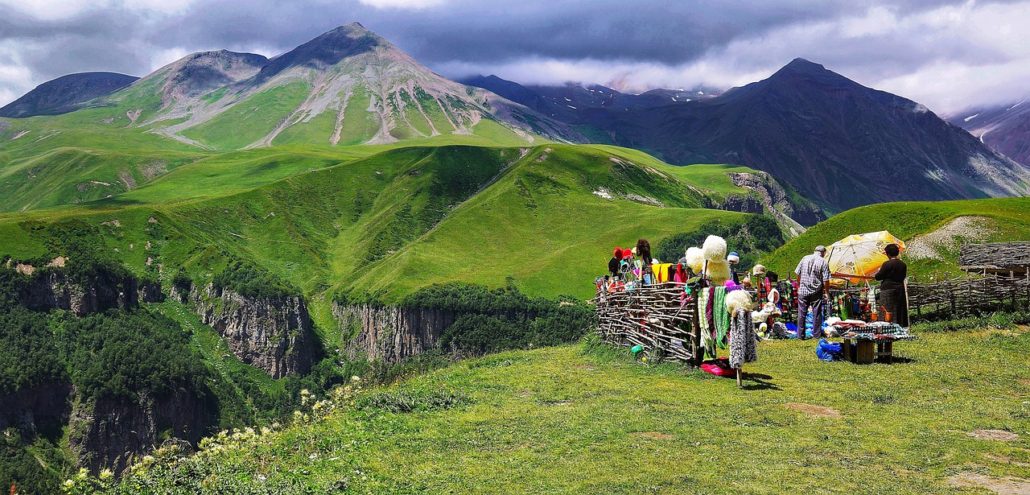

Conditional cash transfer programs are government welfare programs that provide residents in poor communities with funds as long as they meet the conditions of the program. Common requirements for programs like Prospera typically include mandating school enrollment for children and ensuring regular health check-ups.

After the 1995 Mexican peso crisis drastically devalued the peso, Mexico launched the Prospera program to combat poverty and inequality. Targeting particularly impoverished areas, Prospera proved notably effective in Mexico’s poorest regions, such as Chiapas, where a poverty rate of 74.7% prevails. In La Gloria, Chiapas, about 93% of families benefited from the program’s stipends. Hence, Prospera aimed to alleviate poverty in both urban and rural areas across the country.

Poverty and Education

Prospera targeted poverty reduction by emphasizing school enrollment. In Mexico, where families often depend on extra income, children are pushed to work, undermining their education. This issue is more acute in the South, where children frequently leave school to work in agriculture, exacerbating educational neglect and perpetuating the cycle of poverty.

Under Prospera, families would receive grants every month for each child attending school. As children progressed in school, the grant amount would increase. For girls, the grant amount would range from 105 pesos or $9.50 in third grade to 660 pesos or $60 by high school. The stipend for girls was higher than the stipend for boys because on average, girls were more likely to leave school at a younger age.

Additionally, children participating in Prospera from their earliest days show a higher likelihood of pursuing higher education. A study found children enrolled within their first 1,000 days were 67% more likely to attend college compared to those enrolled after 6th grade. Prospera’s emphasis on continuous school attendance played a crucial role in its success. Education plays a pivotal role in poverty reduction according to Childfund, who claim education is the “catalyst needed to pull families and communities out of the cycle of poverty.”

Health and Nutrition

Prospera provided families with health-related monetary transfers to ensure regular health checks for both parents and children. These funds, aimed at improving food consumption and nutritional health, came with no spending restrictions. The program tailored its conditions to meet specific demographic needs, such as organizing health and nutrition sessions for mothers and high school students. Notably, Prospera contributed to a 17% decrease in infant mortality rates in Mexico, highlighting its critical role in addressing health-related poverty and malnutrition issues.

Effects of Prospera

Mexico’s conditional cash transfer program, though scaled back in 2019 to focus on education, continues to significantly influence global poverty reduction strategies. Its model has inspired dozens of countries worldwide to implement similar programs, benefiting impoverished communities. While debates exist over Prospera’s long-term poverty impact, its achievements in reaching millions in Mexico’s needy urban and rural areas, enhancing educational outcomes and reducing child health issues stand out.

– Marley Wilson
Photo: Unsplash

March 21, 2024
https://borgenproject.org/wp-content/uploads/borgen-project-logo.svg 0 0 Precious Sheidu https://borgenproject.org/wp-content/uploads/borgen-project-logo.svg Precious Sheidu2024-03-21 03:00:402024-03-20 04:46:34Prospera: Mexico’s Successful Conditional Cash Transfer Program
Charity, Children, Global Poverty

Project ERTAD: 4 Year Plan To Revitalize Georgia

Project ERTADProject ERTAD (Empowerment, Resilience, Transformation and Development) represents a four year scheme to ameliorate the socio-economic conditions of the most vulnerable families in Georgia experiencing poverty. The project is a joint effort by the organizations World Vision Georgia, World Vision Germany, LEPL Social Service Agency and Danish Refugee Council in Georgia. Receiving financial support of up to 5 million Euros from the Swedish International Development Cooperation Agency (SIDA) and reaching out towards 750 families across five regions of the country, Project ERTAD will strive to provide support in areas relating to social protection, livelihoods promotion, financial inclusion and social empowerment.

Over a three-year period, the poverty rate in Georgia has steadily declined from 21.3% to 15.6% in 2022. Moreover, the rate of unemployment has also witnessed a decrease from 20.6% in 2021 to 18.1% in 2022.

Project ERTAD’s Aims

Project ERTAD seeks to build upon this progress through the employment of 160 front-line civil servants tasked with executing the ultra-poor graduation model to assist the families exposed to the worst impacts of poverty in Georgia. By providing the most vulnerable families with support through an approach referred to as the Ultra-Poor Graduation (UPG) approach, the poorest households will receive increased socio-economic inclusion, transferable technical skills, and access to social and financial markets to enhance their communities. The five regions where this project will be launched include Kakheti, Imereti, Samtskhe-Javakheti, Adjara and Samegrelo. 

‘‘Our organization’s main priority is strengthening families and in this way helping children. We believe that through our international experience and methodology practiced globally, we will succeed and help families to overcome poverty,” confirmed Ekaterine Gurgenadze, Director of World Vision Georgia.

World Vision’s History

World Vision has a history stretching back more than 70 years. Founded in 1950 in Oregon, the organization originates from the generosity of its founder Bob Pearce who, after giving the last $5 in his pocket to an abandoned Chinese girl in 1947, sought to prioritize the needs of the helpless both nationwide and globally. Initially providing emergency services to the people of East Asia, the charity has since expanded to become the largest Christian non-government organization with operations in nearly 100 countries worldwide. 

With a strong emphasis upon the Christian faith, World Vision extends its support globally by providing emergency responses to victims of war and natural disasters. For example, the charity lent its support to the victims of the 2023 earthquake in Turkey and Syria and continues to provide support for those enduring the respective conflicts in Syria and Ukraine. 

World Vision Georgia

World Vision’s operations in Georgia primarily address issues pertaining to street poverty and internally displaced individuals including migrants, refugees, stateless individuals and asylum seekers within its borders. The organization estimates that there are 250,000 internally displaced people. This includes 30,000 international migrants. Despite the progress in addressing poverty nationwide, the charity estimates that there are 2,000 children in Georgia living on the streets in major cities such as Tbilisi.

By implementing schemes such as the Child Rights Code, 21,447 children have thus far received support from World Vision. Such commitment extends towards creating Child Protection Units to improve the Child Welfare and Protection System. This includes establishing day care centers and 24/7 shelters to provide these children with food, along with medical and emotional support on a daily basis. Moreover, 19,260 displaced individuals have benefitted from World Vision’s education, empowerment, integration and protection services. 

Looking Ahead

Project ERTAD will ultimately build upon the work achieved thus far by World Vision in Georgia. Launched this year and extending towards 2026, the project reflects the Georgian government’s poverty alleviation plan by incorporating the best approaches towards elevating the social service system in Georgia.

– Thomas Perry
Photo: Pixabay

March 13, 2024
https://borgenproject.org/wp-content/uploads/borgen-project-logo.svg 0 0 Jennifer Philipp https://borgenproject.org/wp-content/uploads/borgen-project-logo.svg Jennifer Philipp2024-03-13 01:30:142024-03-12 01:15:47Project ERTAD: 4 Year Plan To Revitalize Georgia
Children, Education, Global Poverty

Revolutionizing Education in Rural India with Mobile Schools

Revolutionizing Education in Rural India with Mobile SchoolsIndia, with its vast and diverse rural expanse, faces significant challenges in providing quality education to every child. Geographic isolation, socio-economic barriers and a shortage of infrastructure often leave rural children with limited or no access to schooling. In response to these challenges, innovative mobile schools emerge as a beacon of hope, transforming education in rural India.

Moreover, operating from buses outfitted with educational materials, technology and dedicated teaching staff, these schools bridge the gap, make education accessible and contribute to the fight against poverty through education. This article explores the inception, impact and future of mobile schools in India, underlining their significance in societal betterment and the innovative approach of mobile classrooms.

The Significance of Education in Societal Betterment

Education is universally acknowledged as a fundamental pillar for societal development and poverty alleviation. In India, where a significant portion of the population resides in rural areas, the disparity in educational access exacerbates the cycle of poverty.

The United Nations Educational, Scientific and Cultural Organization (UNESCO) emphasizes that education is crucial for sustainable development, as it empowers individuals with the knowledge, skills and values needed to live and work sustainably. Mobile schools in India embody this principle by extending educational opportunities to marginalized communities, thus playing a vital role in societal upliftment.

The Innovative Approach of Mobile Classrooms

Mobile schools in India utilize buses converted into classrooms to reach remote villages. These buses are equipped with learning materials, digital technology and a team of educators, offering a comprehensive curriculum ranging from basic literacy and numeracy to environmental education and digital literacy. The Ekal Vidyalaya Foundation, for instance, operates with the vision of holistic education and development in rural and tribal India, running numerous mobile schools that serve as a model for nonformal education.

One innovative example is the “School Bus Project” by the NGO Round Table India, which has successfully converted buses into mobile classrooms to provide education to children in slums and remote villages. These mobile schools are not only about academic learning but also focus on extracurricular activities and health education, ensuring a well-rounded development for the children.

New Developments in Mobile School Initiatives

The mobile school initiative in India is continually evolving, integrating new technologies and pedagogical approaches to enhance the learning experience. Some mobile schools incorporate solar power and satellite internet connectivity, exemplifying this evolution and enabling the use of digital learning tools and resources in areas without electricity or internet infrastructure.

Furthermore, partnerships with tech companies lead to the development of customized educational apps and platforms tailored to the needs of rural students, enabling personalized learning experiences.

Challenges and Limitations

Despite their success, mobile schools in India face several challenges. These include the maintenance of vehicles, scalability to more remote areas, and the adaptation of curriculum and teaching methods to the diverse linguistic and cultural backgrounds of rural students. Additionally, it is crucial to sustain funding and support from governmental and nongovernmental organizations for the long-term impact of these initiatives.

Looking Forward

Mobile schools in India represent a remarkable innovation in education, offering a lifeline to children in rural areas who are otherwise deprived of learning opportunities. By overcoming geographical and socio-economic barriers, these mobile classrooms play a pivotal role in the fight against poverty through education.

Above all, as this initiative continues to grow and evolve, it holds the promise of shaping a brighter future for rural India, where every child has access to quality education. Moreover, the success of mobile schools underscores the importance of innovative solutions in addressing educational disparities and highlights the transformative power of education in societal betterment.

– Hosna Hossain
Photo: Unsplash

March 12, 2024
https://borgenproject.org/wp-content/uploads/borgen-project-logo.svg 0 0 Precious Sheidu https://borgenproject.org/wp-content/uploads/borgen-project-logo.svg Precious Sheidu2024-03-12 07:30:312024-03-12 01:07:25Revolutionizing Education in Rural India with Mobile Schools
Africa, Child Poverty, Children, Water

LWML: Mission Grants for the Children of Kenya

Mission Grants for the Children of Kenya Children in Kenya are struggling. In places like Kisumu, many are living on the streets, “begging and stealing to survive.” They sleep in unsafe and unsanitary places such as parks or the sewer. There is a lack of clean drinking water for those who attend school, especially in rural areas where children must walk long distances to retrieve water that may not even be safe for them to drink. Water-borne illness is a common cause of low school attendance and children falling behind in schoolwork. Fortunately, these problems have caught the attention of an organization that now provides mission grants for the children of Kenya. These organizations take action to improve the conditions for Kenyan children with the financial help of missionaries and auxiliaries.

Lutheran Women’s Missionary League (LWML)

Founded in 1942, the Lutheran Women’s Missionary League (LWML) is an official auxiliary of the Lutheran Church. Its purpose is to encourage and equip Christian women to live in active ministry and support global missions. Each year, the members of LWML vote on a list of missions to support and establish a financial goal to reach for them. A few missions working on improving the lives of Kenyan children have made the list. Here are two of LWML’s mission grants for the children of Kenya.

Water and the Word for Rural Schools in Kenya

This is one of the mission grants for the children of Kenya that started in 2008 when a man from Nebraska was traveling around East Africa and saw the need for clean drinking water in rural areas and took action. Through help from social workers and educators in Nakuru, he developed a system of water harvesting equipment. The team installed water storage, filters, hand-washing systems, rain gutters and tanks in schools across Kenya.

In 2016, the Lutheran Church Missouri Synod took over the project. It became an organization that continues to bring clean water resources and religious teachings to schools in Kenya. In 2019, LWLM members approved the mission grant to continue supporting this project.

Capstone Ministries

Capstone Ministries is another project on the list of mission grants for the children of Kenya that LWML supports. Founded in 2005, the organization focuses on bringing street children in Kenya, especially the areas in and around Kisumu, back to their families. There are many challenges that this process includes such as children who feel shame, hopelessness or poverty burden and do not want to go back home. By 2016, Capstone Ministries reconciled 678 children with their families, according to its website. The project’s members frequently visit these children and their families to ensure all is going well.

In Kenya, high school education is not free. The average yearly price is $650 and many cannot afford it. Capstone Ministries started a scholarship fund to provide affordable opportunities for kids to continue school. In 2016, the organization sponsored 42 boys in secondary school, according to its website.

LWML Involvement

In addition to providing mission grants for the children of Kenya, members of LWML become personally involved with the missions themselves. Shurie Scheel was one of these hands-on people in 2022 when she visited Kenya to see the progress of the Water and the Word project. Scheel is the grant administrator for Water and the Word and is an active member of LWML at her local Lutheran church in Wyoming.

While visiting the schools, Scheel and her group brought the children soccer balls, books, school supplies, as well as sanitary supplies for the schoolgirls to keep them going to school. Representing the LWML, she established groundwork and connections with the people working on the mission. She was able to bring back information and visual evidence that the money LWML was giving to the project was having a positive impact on the lives of the schoolchildren therefore encouraging more donations.

Missionary groups like the LWML are helping to provide financial support for projects like Water and the Word and Capstone Ministries. This process relieves the time-consuming fundraising efforts so the missions can work on important things like improving the lives of impoverished children.

– Heather Gisi
Photo: Unsplash

March 6, 2024
https://borgenproject.org/wp-content/uploads/borgen-project-logo.svg 0 0 Naida Jahic https://borgenproject.org/wp-content/uploads/borgen-project-logo.svg Naida Jahic2024-03-06 01:30:152024-03-05 03:53:26LWML: Mission Grants for the Children of Kenya
Africa, Child Soldiers, Children

Child Soldiers in Sierra Leone

Child Soldiers in Sierra LeoneIt is upsetting when children witness violence outside their homes. There is a sense of fear about what will happen to their family and homes. As a result, it is easy to kidnap or coerce children into becoming soldiers for the sake of their country. Children experience many different forms of violence. According to UNICEF, “they may be required to participate in harrowing training or initiation ceremonies, to undergo hazardous labor or engage in combat–with a great risk of death, chronic injury and disability.”

Between 1991 and 2002 civil war took place in Sierra Leone in which the country “recruited” children as young as 7 years old as soldiers. These child soldiers were “actual” children with families and lived at home but were abducted under the promise of protection and a sense of community as the war was raging, according to UNICEF.

Stigmatization, Poverty and Vengeance

According to Human Rights Watch (HRW), children are more likely to become soldiers when they do not have access to education and live in poverty. Armed groups often make children kill their own families or neighbors to ensure stigmatization, making a child “unable to return to his or her community.”

Sierra Leone has a long history of struggling with poverty and unemployment. According to HRW, “many children join armed groups because of economic and social pressure, or because children believe that the group will offer food or security.”

Ishmael Beah was only 13 years old when the government’s army unit recruited him to fight against Rebel forces, after losing his parents and two brothers. Becoming a soldier out of vengeance for the loss of his family led him to take part in numerous battles. “When you have lost your family and everything, you quickly learn to belong in this group—but to belong to this new group requires violence. Violence becomes the way of showing loyalty,” Beah told UNICEF. Around two years later, when he was 15, UNICEF rescued him and placed him in a rehabilitation home in Freetown.

Ishmael Beah is now a UNICEF Goodwill Ambassador and pledges to help children who suffer from trauma due to violence. There have now been many rehabilitation centers for child soldiers and UNICEF reports the release and reintegration of more than 100,000 children in more than 15 countries struggling with armed conflict since 1998.

Helping Child Soldiers in Sierra Leone

Save the Children began its work in Sierra Leone in 1999 in response to the civil war. After the war, Save the Children’s initial focus was on child reunification in which the organization helped children find their parents or family members and helped those children who had participated in the war as child soldiers. The organization has now implemented its 2022-24 Global Strategy to fulfill the rights of all children, including child protection, education, health and child rights governance.

On February 12, 2002, the U.N. established the Red Hand Day, the International Day Against the Use of Child Soldiers. Red Hand Day became an actual campaign that strives to end the use of child soldiers and to care for and protect former child soldiers, including those who were child soldiers in Sierra Leone.

Save the Children and Red Hand Day offer a glimmer of hope toward peace education, ensuring that no child under the age of 18 will end up in the army, potentially losing their own lives. Ishmael Beah’s experience is among many stories of child soldiers in Sierra Leone that bring to life how wars affect children. Hopefully, others will continue to voice their experience too, helping to end the use of child soldiers and helping provide children with the love and care that they deserve.

– Nevin Guler
Photo: Flickr

March 3, 2024
https://borgenproject.org/wp-content/uploads/borgen-project-logo.svg 0 0 Naida Jahic https://borgenproject.org/wp-content/uploads/borgen-project-logo.svg Naida Jahic2024-03-03 07:30:452024-06-11 00:12:43Child Soldiers in Sierra Leone
Page 13 of 137«‹1112131415›»

Get Smarter

  • Global Poverty 101
  • Global Poverty… The Good News
  • Global Poverty & U.S. Jobs
  • Global Poverty and National Security
  • Innovative Solutions to Poverty
  • Global Poverty & Aid FAQ’s
Search Search

Take Action

  • Call Congress
  • Email Congress
  • Donate
  • 30 Ways to Help
  • Volunteer Ops
  • Internships
  • Courses & Certificates
  • The Podcast
Borgen Project

“The Borgen Project is an incredible nonprofit organization that is addressing poverty and hunger and working towards ending them.”

-The Huffington Post

Inside The Borgen Project

  • Contact
  • About
  • Financials
  • President
  • Board of Directors
  • Board of Advisors

International Links

  • UK Email Parliament
  • UK Donate
  • Canada Email Parliament

Get Smarter

  • Global Poverty 101
  • Global Poverty… The Good News
  • Global Poverty & U.S. Jobs
  • Global Poverty and National Security
  • Innovative Solutions to Poverty
  • Global Poverty & Aid FAQ’s

Ways to Help

  • Call Congress
  • Email Congress
  • Donate
  • 30 Ways to Help
  • Volunteer Ops
  • Internships
  • Courses & Certificates
  • The Podcast
Scroll to top Scroll to top Scroll to top