• Link to X
  • Link to Facebook
  • Link to Instagram
  • Link to TikTok
  • Link to Youtube
  • About
    • About Us
      • President
      • Board of Directors
      • Board of Advisors
      • Financials
      • Our Methodology
      • Success Tracker
      • Contact
  • Act Now
    • 30 Ways to Help
      • Email Congress
      • Call Congress
      • Volunteer
      • Courses & Certificates
      • Be a Donor
    • Internships
      • In-Office Internships
      • Remote Internships
    • Legislation
      • Politics 101
  • The Blog
  • The Podcast
  • Magazine
  • Donate
  • Click to open the search input field Click to open the search input field Search
  • Menu Menu

Archive for category: Children

Information and stories addressing children.

Aid, Children, Global Poverty

The Child Nutrition Fund

Child Nutrition FundAccording to UNICEF’s 2024 Child Nutrition Report, “Child Food Poverty: Nutrition Deprivation in Early Childhood,” one in four children, approximately 181 million children under 5 years of age globally, are living in severe early child food poverty. Malnutrition and child wasting, which are highly prevalent, are life-threatening. The Child Nutrition Fund (CNF) is actively involved in addressing these ongoing issues.
Launch of the Child Nutrition Fund

UNICEF launched the CNF as one of its initiatives. The CNF, led by UNICEF, serves as a financing mechanism to address malnutrition in children and women sustainably through policies, programs, practices and supplies. It has brought together countries, donors, partners and civil society organizations to collaborate on this critical issue.

CNF Governance Structure

The governance structure of the CNF was formally established in Nov. 2023 with three distinct members: financial partners, government partners and operational partners. Financial partners contribute to the cause by donating financial resources and participating in a funding agreement with the CNF(via UNICEF). Government partners are national governments collaborating with the CNF to access its funds for child nutrition issues through partnership agreements. Operational partners are nonstate entities that implement child nutrition programs using funds from the CNF and operational partners’ agreements with UNICEF.

Strategic Actions and Goals

The CNF is actively supporting 23 countries that are implementing operational plans under the United Nations Secretary-General’s Global Action Plan on Child Wasting. These countries are taking steps that include promoting breastfeeding during the first two years of life, enhancing nutritious complementary food with micronutrient powders, monitoring weight gain and providing nutrition counseling, using mid-upper arm circumference (MUAC) measurements and ready-to-use therapeutic foods (RUTF) for early detection of child wasting and distributing food supplements. The Global Action Plan on Child Wasting sets a goal to reduce wasting, which is low weight-for-height, to less than 5% by 2025 and less than 3% by 2030.

Impact and Future Goals of the CNF

Despite the fact that the history of the CNF is short, with this structure and vision, the CNF has been making a meaningful contribution to child nutrition. The CNF has funded $25 million in country programs in Kenya, Malawi, Pakistan and the Philippines. These funds work towards the prevention, detection and treatment of child wasting. In addition, partnerships are formed for many projects including a $30 million project with Gavi in Ethiopia. Additionally, the CNF has matched $15 million in domestic resources in 14 countries. The CNF also increased access to RUTF by providing funding to RUTF suppliers. Between its launch in Dec. 2022 and 30 Sept. 2023, the RUTF Advance Payment Facility has financed $89 million to RUTF suppliers, which resulted in more than 4.8 million cartons of RUTF available to children in need. RUTF is useful in treating waste because of its high nutrition and digestibility. 

The history of the CNF demonstrates its lasting impact on improving children’s lives and their health. By 2025, the CNF expects to expand its reach to 33 countries. The CNF will continue to work to end child wasting and malnourishment with a current goal of impacting 368,116,890 children and women.

– Sein Kim

Sein is based in Bellevue, WA, USA and focuses on Good News and Global Health for The Borgen Project.

Photo: Flickr

July 13, 2024
https://borgenproject.org/wp-content/uploads/borgen-project-logo.svg 0 0 Precious Sheidu https://borgenproject.org/wp-content/uploads/borgen-project-logo.svg Precious Sheidu2024-07-13 01:30:262024-07-13 02:43:04The Child Nutrition Fund
Children, Global Health, Global Poverty

GPEI Eliminating Polio: Ongoing Efforts and Future Challenges

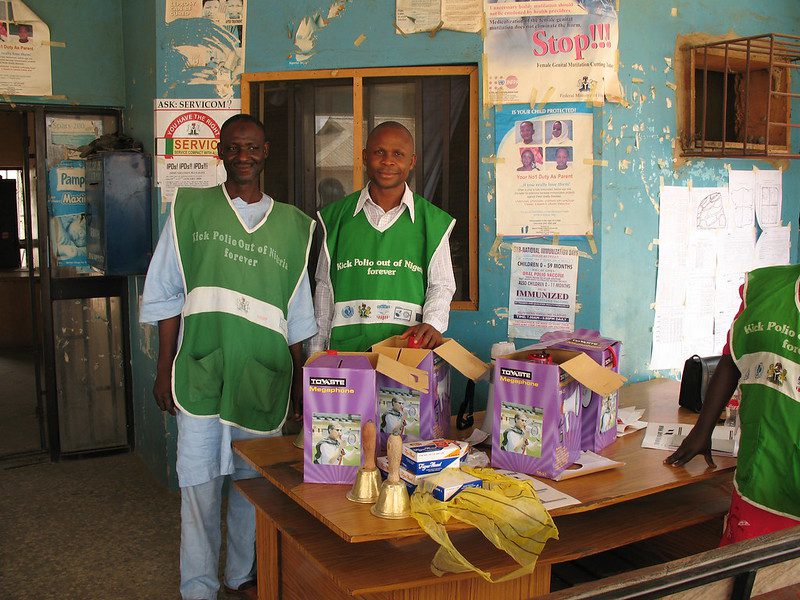
GPEI Eliminating Polio: Ongoing Efforts and Future ChallengesSince launching the Global Polio Eradication Initiative (GPEI) in 1988, the World Health Organization (WHO), United Nations International Children’s Emergency Fund (UNICEF) and several other international organizations have worked tirelessly to eliminate poliovirus. As of Oct. 2023, cases due to wild poliovirus have decreased by more than 99% since 1988, from an estimated 350,000 cases in more than 125 endemic countries, to just two endemic countries.

Polio Aftermath

There is no consensus on the number of polio survivors experiencing the effects of paralytic polio; however, estimates from 2014 suggest about 20 million people are affected. Most of these cases occur in countries where polio remains endemic or has only recently been eradicated, such as Pakistan, Afghanistan and Nigeria.

Research indicates that most individuals living with paralytic polio reside in rural, low-income and isolated communities. A 2019 study found that nearly 80% of polio survivors develop post-polio symptoms, which can lead to chronic medical issues if not addressed. Apart from local community support groups, these survivors have limited resources to aid their rehabilitation and recovery. Consequently, due to this lack of resources, polio survivors often must manage their chronic post-polio or paralytic polio symptoms on their own. This combination of isolation and limited access to medical care creates a poverty spiral that is incredibly difficult to break.

GPEI and Polio Eradication

UNICEF received funding to support vaccinations for 370 million children worldwide. Recently, the Global Polio Eradication Initiative (GPEI) enhanced its relationship with Pakistan, boosting funding and resources to eliminate polio in the nation’s endemic regions.

In 2024, Luxembourg and Japan pledged significant funds toward the global eradication of polio. In May, authorities officially ended two wild poliovirus outbreaks in Malawi and Mozambique. Amid these successes, there is a growing need to focus more on polio survivors and the needs of individuals beyond vaccination. The effort to eliminate polio is incomplete until all those affected by polio, especially survivors who will never fully recover, receive the proper medical and social care necessary to ensure their quality of life and safety.

Current Support Systems

While many polio support and survival groups exist, most primarily function as support networks and often lack the resources to provide extensive post-polio disability care, although some can finance care in certain instances. When these groups do offer medical assistance, it typically comes from volunteer medical professionals who face challenges due to insufficient funding and equipment, much like the Turkish Polio Society.

Most major relief organizations focusing on global polio eradication develop infrastructure to distribute vaccines to as many people as possible. Historically, polio disability care centers have primarily been established for high-income populations in wealthy nations like France and the United States (U.S.) However, there is minimal effort to establish similar care centers in regions with higher rates of polio-related disabilities, where medical and social support could have the greatest impact.

Looking Ahead

Efforts to eradicate polio have made significant strides, with UNICEF securing funding to vaccinate 370 million children in 2024 and additional pledges from Luxembourg and Japan. However, addressing the long-term needs of polio survivors, especially in regions with limited medical access, remains crucial. Comprehensive support systems could ensure the well-being and quality of life for those affected by the aftermath of polio.

– Jamie Sackett

Jamie is based in Hutto, TX, USA and focuses on Global Health and Politics for The Borgen Project.

Photo: Flickr

July 11, 2024
https://borgenproject.org/wp-content/uploads/borgen-project-logo.svg 0 0 Precious Sheidu https://borgenproject.org/wp-content/uploads/borgen-project-logo.svg Precious Sheidu2024-07-11 07:30:042024-07-11 01:47:47GPEI Eliminating Polio: Ongoing Efforts and Future Challenges
Children, Global Poverty, Hunger

The Home-Grown School Feeding Program in Eswatini

The Home-Grown School Feeding Program in EswatiniThe World Food Programme (WFP) and the Eswatini government launched the Home-Grown School Feeding program, which has enabled schools to start growing their food. This initiative reduces the burden on local farmers and involves organizations like the Center of Financial Inclusion, which supports women and child farmers. The program has enhanced food security, empowered women in Eswatini and boosted the local economy by sourcing directly from area farmers, thus increasing their financial stability.

Impact on Children and Food Security

The Home-Grown School Feeding Program, a joint initiative between the World Bank and the Eswatini government, enhances meal availability for schoolchildren, many of whom experience hunger. This program enables local farmers to provide food directly to schools and compensates them for their produce. Additionally, several schools have initiated their gardens to supplement the students’ food supply. The program ensures that children receive nutritious meals at school, offering stable and reliable food sources for those who might otherwise go hungry. This initiative not only bolsters food security for children but also alleviates the burden on families, who can be confident that their children are well-fed during the school day.

Supporting Local Farmers and the Economy

The Home-Grown School Feeding Program collaborates with local farmers to supply food and crops to schools, ensuring children receive nutritious meals. The program purchases these crops, offering farmers a reliable market and financial security. This arrangement significantly reduces the farmers’ transportation costs and emotional stress. According to the farmers participating in the program, they not only experience financial stability but also enjoy higher profits. They receive more favorable payments from the program compared to other buyers, such as the National Maize Corporation.

Empowering Women and Youth

The Home-Grown School Feeding Program also concentrates on creating jobs for youths and women, thereby enhancing the economy by introducing more skilled workers and increasing income through wages. Researchers have long studied the link between job creation and economic growth and Eswatini exemplifies this connection. In addition, the program has significantly benefited women farmers by collaborating with the Eswatini government to enhance support for female agricultural producers involved in the school feeding initiative. Facilitated by the Center for Financial Inclusion, this partnership has fostered a positive relationship between local women farmers and the government. Through this interaction, women farmers have received training in business and finance and have been equipped with various technologies. These tools help them navigate the challenging climate, boosting their farming productivity and efficiency.

Looking Ahead

The Home-Grown School Feeding Program in Eswatini represents a sustainable approach to enhancing food security and boosting local economies. By sourcing food from local farmers and involving women and youth in agricultural activities, the program fosters community resilience and economic growth. This collaboration between the World Food Programme and the Eswatini government continues to provide essential support for schoolchildren, farmers and the broader community.

– Paige Tamasi

Paige is based in Los Gatos, CA, USA and focuses on Global Health and Politics for The Borgen Project.

Photo: Unsplash

July 11, 2024
https://borgenproject.org/wp-content/uploads/borgen-project-logo.svg 0 0 Precious Sheidu https://borgenproject.org/wp-content/uploads/borgen-project-logo.svg Precious Sheidu2024-07-11 01:30:412024-07-10 05:49:47The Home-Grown School Feeding Program in Eswatini
Child Marriage, Children, Global Poverty

Addressing Child Marriage in Wales

Child marriage in WalesMore than 41,000 young girls worldwide are subject to child marriage each day. However, on February 27, 2022, the legal age of marriage in England and Wales had risen to 18 years old. Under the Marriage and Civil Partnership (Minimum Age) Act 2022, this is the case for forced, unforced and “traditional” ceremonies that are legally non-binding, but which the parties and their families still view as marriages.

Karma Nirvana campaigned for a long 10 years to fight for the legal age to increase from 16 to 18 to help prevent child marriage in Wales. The “huge leap forward” in tackling “this usually hidden abuse,” said Natasha Rattu, director of the Karma Nirvana charity, which is a member of the Girls Not Brides Coalition exemplifies the progression that is occurring in tackling this truly disgusting arrangement, according to the U.K. Government’s official website.

Legislation and Challenges

Before February 2022, 16 and 17-year-olds could get married or be in civil partnership with parental/guardian consent. Following the passing of the legislation, getting married or a civil partnership under the age of 18 is now illegal and a criminal offence. Causing a child to get married under the age of 18 could result in a prison sentence of up to seven years. Deputy Prime Minister, Lord Chancellor and Secretary of State for Justice, Dominic Raab MP, said “This law will better protect vulnerable people, by cracking down on forced marriage in our society,” according to the U.K. Government’s official website.

Despite the law being effective in England and Wales, the same cannot be said abroad. Many children are being taken abroad to marry underage. In its 2023 case study, Karma Nirvana reports on a 13-year-old girl whose mother took her to Pakistan to marry her cousin aged 19. Despite social services working on raising awareness, some people did not take the situation seriously.

Child Marriage and Poverty

Around 30% of children in Wales are living in poverty and child marriage could only worsen this figure. Underage marriage and civil partnerships are often people from deprived backgrounds so if the child is part of that 30% then the vicious cycle of poverty could only continue into the next generation. For example, in Africa, girls from socioeconomically disadvantaged families are two times more likely to marry before 18 than girls from wealthier families.

Child marriage deprives girls of “opportunities, education and access to paid employment.” When girls are married young they are much less likely to attend the legal requirement of education and stay in the educational system until they are 18 years old.

Cases

In the U.K., the Home Office’s Forced Marriage Unit supported more than 1,400 suspected cases of forced child marriage in 2016. Also, according to official government data, there were 1,009 marriages involving at least one individual under 18 in England and Wales in 2018. About 165 children in England and Wales were at risk of child marriage between 2018-2019. In 2021, the government’s forced marriage unit provided advice or support in 118 cases involving victims aged under 18.

Despite the law being passed, officially there are “no applicable” records to show the progression made since the law was made. In the hope that the figures have decreased behind closed doors and since child marriage has become illegal, the effects have only been positive for victims who are subjected to unlawful underage marriage.

– Sadie Virgin

Sadie is based in Newport, UK and focuses on World News for The Borgen Project.

Photo: Pixabay

July 2, 2024
https://borgenproject.org/wp-content/uploads/borgen-project-logo.svg 0 0 Jennifer Philipp https://borgenproject.org/wp-content/uploads/borgen-project-logo.svg Jennifer Philipp2024-07-02 01:30:492024-07-19 04:57:35Addressing Child Marriage in Wales
Advocacy, Children, Global Poverty

Protecting the Children of Uruguay

Children of Uruguay Uruguay boasts one of the lowest poverty rates and the third-highest GDP in Latin America, yet despite its relative success, the government continues to fail its most vulnerable citizens. Children from low-income households face danger at every turn — sexual exploitation, food insecurity, homelessness, violence and child labor. While Uruguayan policy has begun to address these preventable and amenable injustices, it has yet to achieve the necessary depth of impact to create lasting, sustainable change for the children of Uruguay.

Poverty and Displacement

An underprivileged child in Uruguay faces immense distress in their critical developmental years, which can potentially cause irreparable, lifelong damage. In 2020, children ages 0 to 5 were nine times more likely to live in poverty than a person more than 65. Some fall asleep in the streets to the sound of their gurgling, empty stomachs, a situation that the COVID-19 Pandemic exacerbated. Amid the outbreak, hundreds of Uruguayan families lost their homes; some took refuge in emergency shelters, while others had no choice but to camp along hazardous roadsides.

Adolescent Vulnerability and Government Efforts

Displaced and houseless families could no longer afford nutritious food. Their children, left to fend for themselves, fell subject to acutely precarious situations. In 2018, an estimated 45% of prisoners in Uruguay were adolescents, primarily young men caught in the crosshairs of drug trafficking and sexual exploitation. Juvenile detention centers, where many of these adolescents end up, offer no respite from tumultuous lives at home; in fact, conditions may be far worse, exposing kids to torture and extreme isolation. While the government has attempted to instate more scrupulous child abuse detection tools, their effort has not gone far enough. In 2016, Uruguay attempted to crack down on child abuse at its borders, which was largely fruitless. 

Humanitarian Organizations and Child Protection

Fortunately, humanitarian groups like UNICEF have been instrumental in Uruguay’s fight against childhood poverty and abuse. With the support of UNICEF and the Ministry of Social Development, the government has strengthened its protection and support for migrant children, adolescents and families through the 24-hour Casa Trampolín care center. Furthermore, in collaboration with the World Health Organization (WHO), UNICEF provides reliable access to clean water in Uruguay and other countries through its Water, Sanitation and Hygiene (WASH) program.

Moving Forward

As Uruguay enhances its child protection services, UNICEF plays a critical role as a key partner. The organization has collaborated with the government to develop and implement a policy aimed at adolescent mental health. Additionally, UNICEF is working with the Protection of Children and Adolescents against Violence to relaunch training strategies based on the national model for addressing violence against children and adolescents. These ongoing efforts aim to protect numerous children in Uruguay from abuse and suffering.

– Natalie Kaufman

Natalie is based in Orlando, FL, USA and focuses on Good News and Global Health for The Borgen Project.

Photo: Flickr

July 2, 2024
https://borgenproject.org/wp-content/uploads/borgen-project-logo.svg 0 0 Precious Sheidu https://borgenproject.org/wp-content/uploads/borgen-project-logo.svg Precious Sheidu2024-07-02 01:30:082024-07-01 06:28:02Protecting the Children of Uruguay
Child Poverty, Developing Countries, Global Poverty

5 Things Being Done to Solve Child Poverty in Togo

Child Poverty in TogoTogo is located in West Africa along the coast of the Gulf of Guinea. With a population of 8.8 million, this small, mostly French-speaking country whose lush climate supports agriculture still struggles with poverty; 45.5% of the country’s population falls below the International poverty line. With so many people living below the poverty line, children are significantly affected. Many succumb to preventable diseases due to a lack of medical facilities. Additionally, 30% of children in Togo leave school to work, often facing exploitation in these environments. Despite these challenges, numerous organizations are working to end child poverty in Togo. Here are five organizations/legislative initiatives currently working on improving child welfare in Togo:

SOS Children’s Villages

SOS Children’s Villages has helped youth and families in 138 countries and territories, including Togo. Its approach is to prevent child and family separation, protect those children who are separated from their families and advocate for children’s rights policies.

In Togo, 380 children are under the care of SOS, with 6,800 children attending SOS Kindergartens and schools. SOS has provided 33,730 medical services, such as creating medical facilities that help aid kids with diseases such as diarrhea, tuberculosis and cardiovascular disease.

Social Safety Net and Basic Services Project

The World Bank supports the Social Safety Net and Basic Services (FSB) project, which the National Grassroots Agency implements. FSB provides financial assistance to families in need in Togo. For example, it helped one man double the size of his gardening business, enabling him to support his four children. Following initial successes in smaller villages, the World Bank increased its budget to $100 million in 2023 to support a larger number of villages in Togo.

International Conventions

Togo has already ratified the International Labor Organization (ILO) Convention 138 on the minimum age for admission to work and the Hague Convention on Protection of Children and Co-operation in Respect of Intercountry Adoption. These conventions and the Children’s Code of 2007 ensured nondiscrimination, the right to life and the principle of children’s best interests. The adoption of these initiatives shows great steps into the future of protecting children through legislation.

CARE

CARE has been working in Togo since 1986. Its work focuses on supporting women and girls through training, health services and knowledge sharing. CARE helps girls who experience exploitative and hazardous child labor receive education. CARE provides training, specifically in agriculture, to give women and girls knowledge in areas that will help them support themselves. The organization has reached 7,031 girls and is continuing to help more.

Humanity and Inclusion

Humanity and Inclusion (HI) is an organization working in Togo to create a more inclusive society by improving the living conditions of people with disabilities and individuals experiencing extreme hardship. One of its major initiatives is to make primary and secondary schools accessible to children with disabilities. HI’s teams train teachers, support schools and provide educational resource centers to make these schools a more welcoming place for children with disabilities.

Conclusion

There are many organizations and legislation initiatives at work to help end child poverty in Togo. Each of these provides aid for families, creating a foundation of their own. They have made education more accessible, which keeps children out of work. They have even specialized in certain groups, such as children with disabilities and women. This ensures that they are helping to cultivate an equitable life for these children. The work of these organizations gives hope for the future and a light at the end of the tunnel for the children of Togo.

– Ellie Buss

Ellie is based in Vancouver, WA, USA. and focuses on Good News, Global Health for The Borgen Project.

Photo: Flickr

June 30, 2024
https://borgenproject.org/wp-content/uploads/borgen-project-logo.svg 0 0 Hemant Gupta https://borgenproject.org/wp-content/uploads/borgen-project-logo.svg Hemant Gupta2024-06-30 01:30:592024-06-30 01:14:055 Things Being Done to Solve Child Poverty in Togo
Africa, Child Poverty, Global Poverty

Child Poverty in Djibouti

Child Poverty in DjiboutiThe Republic of Djibouti is home to 1.1 million people. With a GDP growth of 6.7% in 2023, Djibouti has experienced a graceful economic incline due to port commerce and trade. Despite attaining low-middle income status, the poverty rate in Djibouti currently sits at 79%. Socio-economic pressure on Djiboutian families living on lower-income status or below the poverty line has caused widespread exposure to child labour and malnutrition. Children living in rural areas are more likely to be struggling with insufficient prenatal care and social services such as education and health care facilities. With the consideration of children representing a third of the country’s population, the alleviation of child poverty in Djibouti continues to be an essential step in governmental & international humanitarian relief.

A Debrief of Djibouti’s Malnutrition Crisis

Djibouti’s record of food insecurity traces back to its heavy dependence on foreign aid and struggles with “persistent droughts and food shortages.” The weather in Djibouti instigates consistent agricultural production with conditions of 130 mm of rainfall per year, according to the World Bank, and recurring droughts. As one of Africa’s smallest countries, Djibouti’s limitation in arable land impedes the ability to produce food, the World Bank reports. The insufficient production of food resources is disproportionate to the necessary nutritional needs of a human being, significantly impacting 42% of the population of Djibouti that is living in extreme poverty, according to the World Food Programme (WFP). As a result, the country imports 90% of food production through global markets instead.

The increment in pricing for commodities such as housing, electricity and water fuels financial pressure on lower to middle-income families. Household expenses in addition to the inflated international food import prices render it difficult for parents to protect children and adolescents from nutritional deficiency. Due to limited economic opportunity for lower-income Djiboutian families, the financial prioritization of basic household requirements leaves little room for imperative dietary coverage.

Djibouti holds one of the highest cases of child malnutrition compared to other countries within the Middle East and North Africa regions. Due to the exacerbated food shortages, weather conditions and economic setbacks, one in three Djiboutian children are severely malnourished, according to the SOS Children’s Villages. More than 10% of Djiboutian children aged between 6 and 59 months are living in households with food insecurity and are suffering from acute malnutrition, according to a 2011 report. The high occurrence of malnutrition due to limited feeding practices for Djibouti’s children comes with deterioration in physical development such as stunted growth and critically underweight.

Susceptibility to Child Labor

Due to the financial strain on families, children have to be a part of the workforce from an early age. Djiboutian children are more likely to work at the age of 5 than to be attending school or other childhood services, according to the World Bank report. Often, these children struggle with aggressive workplace conditions to attend school or contribute to their family income. From caring for livestock to street work such as polishing shoes or washing cars, Djiboutian children in the workforce partake in diverse roles. However, Djibouti’s children are also vulnerable to illicit activities such as human trafficking. Commercialized sexual exploitation occurs due to the absence of labor inspectors.

While Djibouti’s Ministry of Labor has enacted laws that provide standardized guidelines on child labor; there yet exists legal gaps in protection from sexual exploitation. The country proposed the national labor inspection Strategy in 2020, however, it has been ineffective in applying adequate protection against child labor. Children’s exploitation occurs due to the absence of labor inspectors, according to Humanium. The financial strain on Djibouti’s government prohibits further law enforcement protocol to protect vulnerable children from unethical forms of labor. Child labor tends to compromise a child’s engagement with education due to physically and psychologically demanding circumstances that they are subjected to.

Going Forward With International Effort

International organizations alongside the Djiboutian government are in motion to develop policies and services to secure food, proper housing and educational opportunities for children living in harsh conditions. For example, the SOS Children’s Villages has been providing support in Djibouti for children without parental care since 2011. SOS Children’s Villages have immensely supported 190 Djiboutian children and families living in poverty within the city of Tadjourah.

Additionally, UNICEF and the WFP are simultaneously strategizing to reduce acute malnutrition through policy advocacy. UNICEF has appealed for $2.5 million from the U.S. government where 36% would go to water, sanitation and hygiene, around 8% would be allocated for education, and around 17% for food security. UNICEF has also partnered with Djibouti’s government to provide accessible water and nutritional goods for more than 6,000 children.

In 2022, the World Bank approved a $30 million International Development Association (IDA) grant for Djibouti to provide financial means to protect families that are exposed to sudden economic disparities. Due to the recurrence of severe droughts, pricing in Djibouti has had a significant impact on lower-income households. The Social Protection Emergency Crisis Response Project is on a mission to generate social safety nets for households in Djibouti struggling with multiple crises.

A Secure Childhood

This form of financial protection could shield vulnerable families from national crises, and those that cannot be substantially supported by the government. By ameliorating the scarcity of resources for families living in poverty, children in Djibouti are pushed even further to attain a secure childhood as every child should. A safe environment for children in Djibouti begins with quality education, access to nutrition, and relief from labor exploitation. International focus has been a remarkable contributor to protecting the rights and freedom of the young generations of Djibouti and preventing further child poverty in Djibouti.

– Abigail Lobo

Abigail is based in Ontario, Canada and focuses on Good News and Technology for The Borgen Project.

Photo: Flickr

June 1, 2024
https://borgenproject.org/wp-content/uploads/borgen-project-logo.svg 0 0 Jennifer Philipp https://borgenproject.org/wp-content/uploads/borgen-project-logo.svg Jennifer Philipp2024-06-01 07:30:122024-05-30 05:58:38Child Poverty in Djibouti
Child Marriage, Child Poverty, Children, Developing Countries, Global Poverty, Nonprofit Organizations and NGOs

Solutions in the Fight Against Child Marriage in Somalia

Child Marriage in SomaliaAbout 36% of girls in Somalia are married before the age of 18 and 17% are married before the age of 15. Child marriage is expected in a lot of underdeveloped countries and is often a direct product of poverty. Somalia’s government does not have a national strategy or action plan to help combat this issue.

Causes of Child Marriage

Girls Not Brides is a nongovernmental organization committed to action against child marriage by mobilizing communities and drafting solutions. According to the organization, high rates of child marriage can be attributed to many factors, including gender inequality. Somalian girls are often married young to protect family honor. The social norms in the country emphasize the protection of young girls before marriage.

These young women are married for increased protection measures, mitigating instances of sexual violence or abuse. However, gender inequality is only one small portion of a larger problem: poverty. Often, in times of crisis and disaster, families use child marriage as a solution to cope with severe economic hardship.

The European Civil Protection and Humanitarian Aid Operations, a commission that supports countries based on international humanitarian law, reports that at least 6.9 million individuals in Somalia need humanitarian aid this year alone. Nearly half of the population is in severe need. Child brides are one solution to cope with such hardship. Higher rates of child marriage are further exacerbated by food insecurity and droughts, among other significant issues that the county faces.

Government Action and Legislation

The Somali Ministry of Women and Family Affairs created legislation to protect children from marriage. One of these initiatives included the Child Rights Bill. The bill prohibits the marriage of young children and the abuse of children in any form.

Furthermore, the Ministry of Women and Human Rights Development has developed other laws currently in the drafting stage that aim to protect children and implement elements of the Convention on the Rights of the Child into Somalia’s national laws. Adopted in 1989, the Convention on the Rights of the Child is an expansive treaty on the social, political and cultural rights of children worldwide.

The Humanitarian Relief and Development Council

The Humanitarian Relief and Development Council is a nonprofit, woman-led organization in Somalia supporting women, children and other minority groups facing conflict, poverty, violence and injustice. The organization works directly on the ground to provide community-based mobilization campaigns to spread knowledge and awareness on the harmful effects of sexual gender-based violence and child marriage.

In addition, families also receive health insurance. The nonprofit prioritizes women and children, a vulnerable population, by mobilizing community members to raise their concerns to government officials.

Looking Ahead

According to the Sustainable Development Goals (SDGs), Somalia has committed to eradicating child marriage by 2030. According to Girls Not Brides, global progress varies by country. However, the practice continues to decline globally. The organization reports that around 68 million cases have been prevented in the last few years. Progress has been linked to socioeconomic status, meaning economic growth plays a key role in reducing rates of child marriage.

In conjunction with humanitarian aid organizations, government initiatives are one of the few solutions to stop this slowly but surely decreasing problem. Child marriage prevention in Somalia starts with ensuring the rights of children and supporting families in economic hardship.

– Dominic Samaniego

Dominic is based in Fullerton, CA, USA and focuses on Good News and Technology for The Borgen Project.

Photo: Flickr

May 27, 2024
https://borgenproject.org/wp-content/uploads/borgen-project-logo.svg 0 0 Hemant Gupta https://borgenproject.org/wp-content/uploads/borgen-project-logo.svg Hemant Gupta2024-05-27 01:30:512024-05-26 09:06:54Solutions in the Fight Against Child Marriage in Somalia
Children, Education, Global Poverty, Nonprofit Organizations and NGOs

Working to Educate Impoverished Children in Moldova

3 Initiatives Aim to Educate Impoverished Children in MoldovaMoldova, nestled between Romania and Ukraine in Eastern Europe, faces significant challenges with more than 30% of its population living below the poverty line. Impoverished children in Moldova are particularly vulnerable, suffering from limited access to essential services and viable economic opportunities. To combat these issues, several international efforts focus on enhancing educational opportunities for these children. Initiatives by the Global Partnership for Education, Education Out Loud and the Education Quality Improvement Project aim to transform the educational landscape, providing the resources and support needed to lift Moldova’s children out of poverty through improved access to quality education.

Child Poverty in Moldova

More than 25% of Moldova’s population lives below the poverty line, with nearly one-third of this group being children. These children face numerous challenges including vulnerability to health risks from poor sanitation and inconsistent medical treatment. Additionally, despite measures to protect children, child labor remains prevalent, exposing working children to unsafe conditions and exploitation. This issue is particularly acute among minorities, such as Romani children and refugees. Furthermore, young girls face significant risks of child marriage and trafficking, with nearly one in five marrying before the age of eighteen.

Poverty significantly impacts a child’s access to education in Moldova, as unmet basic needs make education a lower priority. Humanium reports that almost one in 10 Moldovan children do not attend school, a rate that has risen recently due to the dependency of school attendance on family economic stability. The organization also notes that schools often lack necessary supplies. Additionally, the infrastructure for education is deprioritized and teachers frequently lack adequate training and credentials to provide quality education. This cycle not only stems from poverty but also perpetuates it by denying impoverished children access to education.

3 Initiatives Promoting Education

  1. Global Partnership for Education (GPE). Several initiatives, including the Global Partnership for Education (GPE), are actively working to improve Moldova’s basic education deficit. GPE’s goals are to expand access to education, ensure its relevance and develop, support and motivate teachers to provide quality education. It recognizes that proper education is crucial for enhancing children’s quality of life and preparing them for a successful future. The primary challenge in Moldova is a lack of funds. GPE has allocated a $23.5 million grant to be used through innovative financing strategies, which involve smart resource distribution. This funding encourages greater teacher involvement, enhances access to electronics and modern educational tools, establishes a more effective evaluation and monitoring system and includes educational programs for parents as well as their children.
  2. Education Out Loud. Education Out Loud, employing a budget of nearly $3,000, is similarly enhancing Moldova’s education system. This initiative, led by the Alliance of Active NGOs in the field of Child and Family Social Protection (APSCF), aims to fortify a capable and ready civil society that contributes effectively to the creation of inclusive and gender-responsive policies. A significant portion of this fund emphasizes strengthening inclusivity. It also ensures equitable access to education for impoverished children in Moldova and embraces diversity. The project supports policy development, raises awareness, fosters mentorship programs and amplifies the voices of stakeholders. Specifically, it targets advocacy efforts for children with disabilities and other minority groups.
  3. The Education Quality Improvement Project (EQIP). The EQIP project, with a budget of approximately $60 million from multiple grants, collaborates with the World Bank Group to enhance education through digitalization, increasing its resilience. It focuses on marginalized youths, including refugees and displaced Ukrainian children, aiming to provide them with equal opportunities. This goal could be realized by enhancing teacher practices, implementing a learning recovery program for disadvantaged students, improving the learning environment in targeted schools and preschools and developing institutional capacity to design, implement and evaluate education reforms and refugee response interventions.

Looking Ahead

Moldova’s commitment to enhancing educational opportunities through these initiatives sets a hopeful trajectory for its future. By prioritizing inclusive and quality education, Moldova is building a foundation that promises to lift children out of poverty and equip them with the tools necessary for long-term success. These ongoing efforts, aimed at breaking the cycle of poverty, hold the potential to transform the lives of thousands of children, ensuring a brighter and more prosperous future for the nation.

– Anna Williams

Anna is based in Burlington, VT, USA and focuses on Good News and Global Health for The Borgen Project.

Photo: Flickr

May 15, 2024
https://borgenproject.org/wp-content/uploads/borgen-project-logo.svg 0 0 Precious Sheidu https://borgenproject.org/wp-content/uploads/borgen-project-logo.svg Precious Sheidu2024-05-15 01:30:512024-05-15 01:28:51Working to Educate Impoverished Children in Moldova
Aid, Child Poverty, Global Poverty, Nonprofit Organizations and NGOs

How ChildFund Supports Impoverished Korean Children

How ChildFund Supports Impoverished Korean ChildrenChildFund’s support for impoverished Korean children aims to address the broader socio-economic challenges faced by a country that has undergone dramatic transformations. South Korea, officially known as the Republic of Korea, is situated in East Asia with its capital in Seoul and a population of approximately 51.53 million. In the early 1960s, following the Japanese occupation and the Korean War, South Korea was one of the world’s poorest countries with a GDP per capita below $100. Since then, South Korea’s economy, once primarily dependent on agriculture, has experienced significant growth.

By 2022, South Korea’s GDP per capita soared to $32,423, substantially higher than the international average of $12,703. Although South Korea ranks as the 13th largest economy globally and is a member of the Organization for Economic Cooperation and Development (OECD), challenges such as child poverty persist. This highlights the importance of ChildFund’s efforts to support and uplift the lives of impoverished children, ensuring that economic advancements reach all segments of society, particularly the vulnerable youth.

Children’s Well-being and Poverty in South Korea

In its studies on child well-being, the OECD discovered that 7.1% of South Korean children are at risk of relative income poverty, which is below the OECD average of 13.4%. However, a national survey using the Child Deprivation Index revealed that about 10% of South Korean children lived in poverty in 2018. This statistic suggests that official poverty rates for Korean children, typically based solely on household income, may lack broader context and thus report a lower figure of about 5%.

ChildFund Korea’s Domestic Efforts

ChildFund, established in 1938, works globally to improve the living conditions of impoverished children. Its Korean branch has been active since 1948, focusing on preserving children’s rights through various projects centered on survival, protection, development and participation. In South Korea, ChildFund aids impoverished children by providing essential childcare, covering living expenses and offering medical support. The organization supports low-income families by providing daycare services for immigrant parents and covering essentials such as diapers and groceries. For protection rights, the organization operates Green Umbrella Shelters, which offer a safe space for children facing physical and emotional abuse, providing access to counseling and medical care.

ChildFund provides social welfare centers across South Korea that help communities’ adults and elders protect children. Addressing the right to development, the organization funds educational needs for impoverished Korean children, including textbooks, school uniforms, music lessons and sports coaching. ChildFund Korea also promotes children’s right to participate by involving them in research groups and roundtable discussions, amplifying their perspectives on children’s rights.

ChildFund’s International Outreach

The organization extends its efforts beyond South Korea, assisting children in developing countries, low-and-middle-income nations and impoverished Korean children residing in North Korea, or the Democratic People’s Republic of Korea, providing childcare, emergency relief and medical support. Besides direct aid, ChildFund Korea also advocates for children’s rights legislation, aiming to improve the lives of impoverished Korean children both within South Korea and globally.

Looking Ahead

ChildFund Korea’s commitment to nurturing the well-being of impoverished children is poised to generate substantial improvements in their lives and communities. By continuing to expand its educational and health care initiatives, the organization aims to empower the next generation of South Koreans. These ongoing efforts, coupled with the ongoing advocacy for children’s rights, are crucial for building a more equitable and prosperous society.

– Estelle Lee

Estelle is based in Seattle, WA, USA and focuses on Good News for The Borgen Project.

Photo: Flickr

May 13, 2024
https://borgenproject.org/wp-content/uploads/borgen-project-logo.svg 0 0 Precious Sheidu https://borgenproject.org/wp-content/uploads/borgen-project-logo.svg Precious Sheidu2024-05-13 01:30:302024-05-13 00:48:27How ChildFund Supports Impoverished Korean Children
Page 12 of 137«‹1011121314›»

Get Smarter

  • Global Poverty 101
  • Global Poverty… The Good News
  • Global Poverty & U.S. Jobs
  • Global Poverty and National Security
  • Innovative Solutions to Poverty
  • Global Poverty & Aid FAQ’s
Search Search

Take Action

  • Call Congress
  • Email Congress
  • Donate
  • 30 Ways to Help
  • Volunteer Ops
  • Internships
  • Courses & Certificates
  • The Podcast
Borgen Project

“The Borgen Project is an incredible nonprofit organization that is addressing poverty and hunger and working towards ending them.”

-The Huffington Post

Inside The Borgen Project

  • Contact
  • About
  • Financials
  • President
  • Board of Directors
  • Board of Advisors

International Links

  • UK Email Parliament
  • UK Donate
  • Canada Email Parliament

Get Smarter

  • Global Poverty 101
  • Global Poverty… The Good News
  • Global Poverty & U.S. Jobs
  • Global Poverty and National Security
  • Innovative Solutions to Poverty
  • Global Poverty & Aid FAQ’s

Ways to Help

  • Call Congress
  • Email Congress
  • Donate
  • 30 Ways to Help
  • Volunteer Ops
  • Internships
  • Courses & Certificates
  • The Podcast
Scroll to top Scroll to top Scroll to top