• Link to X
  • Link to Facebook
  • Link to Instagram
  • Link to TikTok
  • Link to Youtube
  • About
    • About Us
      • President
      • Board of Directors
      • Board of Advisors
      • Financials
      • Our Methodology
      • Success Tracker
      • Contact
  • Act Now
    • 30 Ways to Help
      • Email Congress
      • Call Congress
      • Volunteer
      • Courses & Certificates
      • Be a Donor
    • Internships
      • In-Office Internships
      • Remote Internships
    • Legislation
      • Politics 101
  • The Blog
  • The Podcast
  • Magazine
  • Donate
  • Click to open the search input field Click to open the search input field Search
  • Menu Menu

Archive for category: Child Poverty

Child Poverty, Global Poverty

Curbing Child Poverty in Kazakhstan

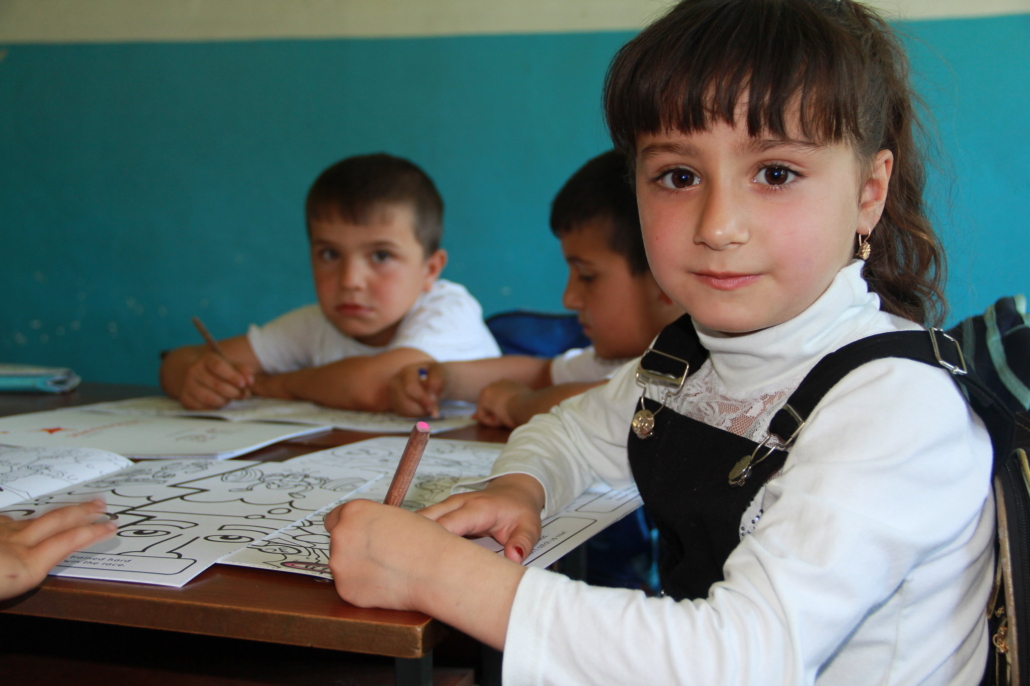
Child Poverty in KazakhstanChildren growing up in poverty face a range of challenges that affect their lives in significant ways. These challenges include problems like not having enough food, access to clean water, legal citizenship, chronic illnesses and exposure to violence. Although Kazakhstan, a relatively affluent country in Central Asia due to post-Soviet economic growth and social development, has made remarkable progress in reducing poverty from 47% in 2001 to just 2.7% in 2017, many underprivileged and displaced children still experience severe poverty.

Despite making great efforts to tackle the issue of child poverty in Kazakhstan, as of 2021, 47.2% of those living in poverty were children. One of the reasons poverty persists, despite social and economic reform, is a consequence of the Russian-Ukrainian conflict, which brought Russian families and children escaping the draft announcements to Kazakhstan in 2022. Also, as Kazakhstan is still a developing country, many children live in rural areas. They are in low-income households without proper access to education, water or health care. A small percentage of children between 5 and 14 experience child labor. Many of them work 13 hours daily, harvesting tobacco for international export.

Child Poverty and Disability

Child poverty in Kazakhstan has significantly impacted children with disabilities. Many families have had to make the difficult decision to place their disabled children in institutions due to the lack of community resources and social support. Under Kazakh law, parents are required to relinquish their guardianship rights when a child is institutionalized. Former residents of these institutions have reported incidents of abuse, punitive measures and the denial of their rights.

In 2011, UNICEF and the Commissioner for Human Rights in the Republic of Kazakhstan revealed that 14,052 children were raised in 210 residential state institutions, including 1,586 infants. These organizations also found that children and staff reported cases of neglect, physical violence, hospitalization and sedation as punishment, as well as forcing older children to take care of younger children.

Efforts for Reform

To tackle the issue and decrease the number of children in state institutions, the government allocated funds monthly to support guardians and relatives in fostering children. National programs and charity events such as “Dobrota vo blago detyam” (“Goodness for the sake of children”) and “Kuan sabi” (“Cheer up baby”) were introduced to support children in orphanages and state institutions and to identify families who are willing to adopt children. These initiatives have enabled around 900 children from state institutions to enjoy summer and winter breaks with contributing families in Kazakhstan.

In 2011, the Ministry of Labor and Social Protection of Population wrote a letter on the report’s findings, promising to take legal action to protect the rights of children with disabilities who reside in state institutions. It also advised institutions to specifically train staff in the conduct and communication with children with disabilities.

The good news is that active reform is taking place in Kazakhstan, with the Human and Child Rights Commissioners and the Parliament taking massive strides together in UNICEF’s advocacy for reforms. These efforts specifically address children and focus on social protection, prevention of violence and childcare reform. Partnerships with other organizations to increase youth and volunteering programs helped achieve progress for children in gender equality, nutrition, health, safeguarding and protection and education.

Fighting for Safety

The #BeSafe volunteering program, in collaboration with UNICEF, helps tackle social safety in Kazakhstan, supporting girls’ leadership. Another collaboration is the drafting of a National Plan on Child Protection Against Violence, Suicide Prevention, Children’s Rights and Well-Being for 2023–2025, which encourages the promotion of gender equality, prevention of violence against children and women, family support services and positive parenting.

Child poverty in Kazakhstan has been decreasing. Despite being a developing nation, Kazakhstan’s collaboration with UNICEF and other organizations has resulted in significant improvements in child poverty statistics. This demonstrates that positive change is achievable, and the goal of eliminating poverty, particularly child poverty, is attainable.

– Hannah BZ
Photo: Flickr

November 5, 2023
https://borgenproject.org/wp-content/uploads/borgen-project-logo.svg 0 0 Kim Thelwell https://borgenproject.org/wp-content/uploads/borgen-project-logo.svg Kim Thelwell2023-11-05 01:30:402023-11-01 03:25:51Curbing Child Poverty in Kazakhstan
Child Poverty

Addressing Child Poverty in Bhutan

Child Poverty in BhutanIt is quite common when thinking about the countries in Asia to immediately think about the ones that are often in the news, such as China, India and Japan. Thus, some other countries and the challenges that they face are often overlooked, especially by people living on the other side of the world. The nation of Bhutan is an excellent example of this phenomenon. Bhutan is an incredibly small nation with a population of only 770,400 people. 
Part of the reason it is not a very well-known nation is because for much of its history, until the 1970s, outsiders were not allowed into the nation. The next few decades were a struggle for the nation due to unrest and corruption within the government. The nation is behind the curve in many areas, and as a result, citizens have faced severe challenges with unemployment and poverty. 

Child Poverty Statistics in Bhutan 

As is the case in many nations that face economic struggles, child poverty in Bhutan is a serious area of concern. The Multidimensional Poverty Peer Network released a report in 2022 that included some alarming statistics about the current situation in regard to poverty throughout the nation. The data in the report outlined that one of every five children lives in poverty in Bhutan and that number increases to one of every four if the child is between the ages 10 and 17. A large part of this issue is that the poverty rate in rural areas is much higher than in cities in Bhutan. More than half of the population of the nation lives in rural areas and have a difficult time accessing basic health and education services. 

How NGOs Are Tackling Child Poverty 

While these numbers are concerning, there is good news coming out of Bhutan. Nonprofit organizations are working to address child poverty in Bhutan. One of these organizations is called Save the Children. This group has been working in Bhutan for several decades and has made a massive impact in the region. As a result of their work, 141,000 people have been lifted from child poverty in Bhutan. They are working extremely hard to increase access to basic services and address the issues of health and education. 

Save the Children has realized that one of the largest obstacles keeping young people from getting out of poverty in Bhutan is a lack of access to education. It is common for people in Bhutan, especially women and girls, not to know how to read or write. The team at Save the Children has done an incredible service to the nation by establishing preschools and other programs that allow young children to learn to read and write at a young age. This is crucial to their development and has been shown to increase their likelihood of moving out of poverty later in life. As the nation continues to develop and organizations such as Save the Children continue to do incredible work, child poverty in Bhutan will continue to be less and less of an issue. 

– Dylan Lyons
Photo: Flickr

October 26, 2023
https://borgenproject.org/wp-content/uploads/borgen-project-logo.svg 0 0 Yuki https://borgenproject.org/wp-content/uploads/borgen-project-logo.svg Yuki2023-10-26 09:18:422023-10-27 06:37:28Addressing Child Poverty in Bhutan
Child Poverty

The Top 4 Facts About Child Poverty in Bhutan

Child Poverty in BhutanIn Bhutan, 25% of children from the ages of 10 to 17, and 20.7% of children of all ages live in poverty. Though Bhutan has made great strides to help end poverty, 39.50% of the total population still lives on less than $5.50 a day. Children living in poverty often have large families, lack access to education and participate in child labor. 
Top 4 Facts About Child Poverty in Bhutan

  1. Lack of Education – Bhutan had no formal schools until the 1960s. Despite the country’s education budget now accounting for one-fifth of its total expenditures, working towards creating adequate, free learning instruction, many Bhutanese children do not go to school. The greatest issue that keeps children from school in Bhutan is the financial burden that education creates on families. Many families cannot afford the cost of school supplies, and since school is not required for children in the country, many families send their children to work and provide for the family, instead of earning a thorough education, because it is their only option. Therefore, 17.9% of children do not complete their primary education.
  2. Child Labor – In rural areas in Bhutan, children ages 7–17 are twice as likely to work underage as their urban peers. As children enter their young adult life, many are expected to earn profits to support their families, and around 20% of all 17-year-olds work in Bhutan. The fields in which Bhutanese children work are agriculture, industry, services and forced labor, often facing sexual exploitation and compulsory domestic work. The primary issue regarding child labor in Bhutan is that their labor laws are not in compliance with global standards and permit children under the age of 14 to work.
  3. Inadequate Child Disability Protections – Disabilities in Bhutan are stigmatized, and children with them are effectively put at a disadvantage compared to their counterparts. Of disabled populations, 53% of children with a disability do not have access to schools, with girls being at a greater disparity than their male peers. Additionally, children within this population lack access to social services regarding their health and well-being.
  4. Discrimination – Socially, migrant children in Bhutan face the most scrutiny. In order to be considered of the Bhutanese nationality, a child’s parents must both be from Bhutan, which keeps many children from belonging to the Bhutanese state. Due to this, it is harder for non-nationals to gain rights to public services, including education and health care. These same social stigmas also apply to minority children in minority populations. With provisions against discrimination, but no laws regarding civil rights, it is hard for many migrants and mixed-ethnicity children to obtain their full legal rights in Bhutan.

How UNICEF Helps Children in Bhutan Living in Poverty

UNICEF has created Early Childhood Care and Development (ECCD) centers to help aid populations of children living in poverty. By implementing schools to focus on the development of children ages 3 to 5 in rural areas, UNICEF has raised the ECCD attendance rate by 22%. Furthermore, they have recognized the struggles of children living with disabilities, and have created programs to keep young girls with disabilities in school. Through creating 200 ECCD centers, and 16 centers to help children with disabilities, UNICEF has provided children living in the mountainous regions of the Himalayas access to education.

Final Thoughts

In conclusion, child poverty in Bhutan remains a significant challenge that requires urgent attention. Despite the country’s progress in reducing overall poverty rates, children continue to suffer from lack of access to basic necessities such as education, health care and proper nutrition. Addressing child poverty in Bhutan requires a multi-faceted approach that includes targeted government policies, increased investment in social programs and collaboration with international organizations. It is crucial to prioritize the well-being and future of Bhutan’s children, as they are the foundation of a prosperous and sustainable society. By addressing child poverty, Bhutan can ensure a brighter future for its youngest generation and contribute to the overall development and well-being of the nation.

– Nadia Soifer
Photo: Flickr

October 19, 2023
https://borgenproject.org/wp-content/uploads/borgen-project-logo.svg 0 0 Yuki https://borgenproject.org/wp-content/uploads/borgen-project-logo.svg Yuki2023-10-19 07:03:252024-05-30 22:32:29The Top 4 Facts About Child Poverty in Bhutan
Child Poverty, Child Poverty, Education, Global Poverty

Policy Reform Needed for Bidoon Children in Kuwait

Bidoon ChildrenKuwait is known for its wealth, hovering around the top five wealthiest countries. Kuwait’s geographic location and access to oil reserves have boasted Kuwait to be one of the highest per capita GDPs globally, at roughly $43,000. However, not all residents within Kuwait enjoy the same privileges as its citizens. As a developing country with a fast-paced, growing market, many people residing in Kuwait have been less fortunate.
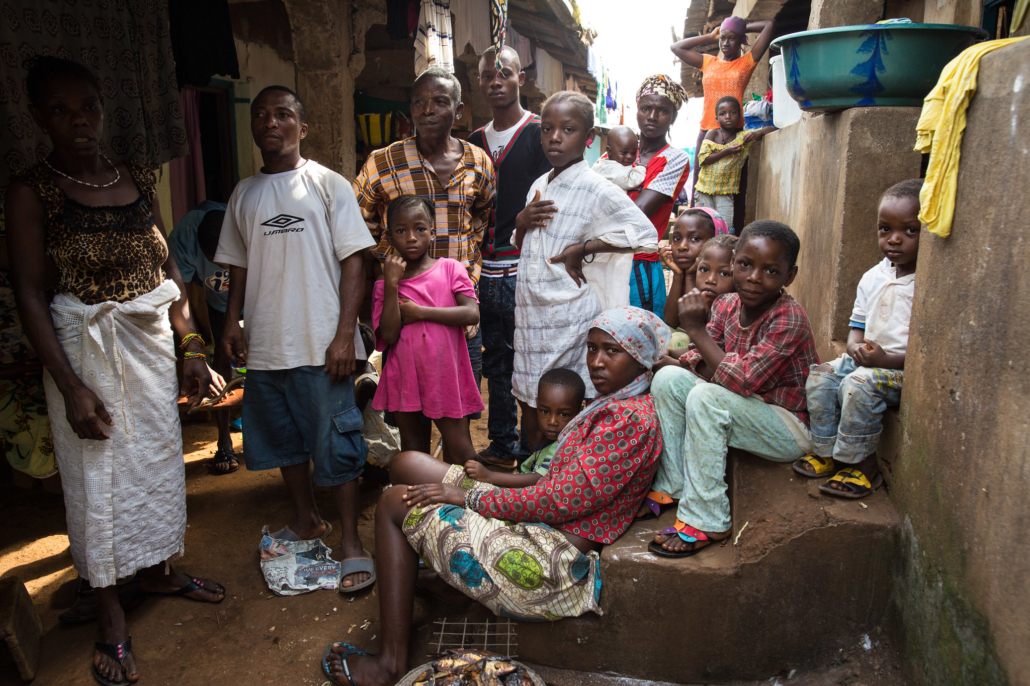
Citizens in Kuwait are allowed many freedoms, but not all those who live in Kuwait are citizens. A group of people known as “Bidoon,” short for Bidoon Jinsiya, meaning in Arabic “without nationality.” In Kuwait, this means those of Bidoon descent are stateless and illegal residents of the government. About 110,000 stateless people are living in Kuwait. Many of those who are Bidoon come from generations of Nomad families who were there before Kuwait declared independence in 1961. Some Bidoon didn’t understand the concept of registering for citizenship in 1961.

In the 1980s, a change happened in legislative terms where Bidoon were considered ‘illegal residents’ and lost further rights such as free public health care, education and housing. Others labeled Bidoon are those of families who served in the Gulf War and are from neighboring countries such as Iraq, Saudi Arabia and Syria. The government rejects Bidoon who have tried to gain citizenship.

The Hardship of Being Bidoon

Bidoon individuals face significant hardships due to their stateless status. They lack political rights, access to land, business registration, employment, public health care and public education. Bidoon people experience many hardships as they are technically illegal and have temporary identification cards. These cards are vital as they are necessary for employment. Many Bidoon face the challenge of acquiring a job, resulting in many Bidoon individuals living in poverty compared to Kuwait citizens. From being illegal persons in Kuwait, they have been discriminated against, harassed and exploited. Bidoon people face job discrimination because they are not deemed legal residents; job security and salary are significantly lower.

Education Policy Currently in Kuwait for Bidoons

Those of Bidoon descent face many obstacles, such as access to education being a significant prevailing problem. Education is a pillar of Kuwait and its citizens, but in the 1980s, Bidoon children could not attend public schools. Now, Bidoon children struggle to find a private school that most families cannot afford, and these private schools provide a lower quality of education.

Parents must pay up to 30% of the Private school tuition; the state financial assistance covers the rest for Bidoons. Those privileged Bidoons can afford this, but many children end up not going to school and skipping years to save money. Boy children will go more to school than girls as boys’ education is a higher priority and because Bidoon families cannot afford to send all of their children to school.

Journey of Policy Reform

The lack of education is enormous as it impacts their lives daily. Access to quality education would uplift many Bidoon and their children from impoverished lifestyles. The private schools are known to be inferior places of learning — much of the policy reform movement is from the human rights efforts. Having the denial of citizenship creates a loop where they cannot gain proper education because of no citizenship, which inhibits their life further. Policy reform for the Bidoon people would include desegregation of education and allowing Bidoon children to gain an equal public education.

In 2019, the speaker of the Kuwait National Assembly announced a proposed law amendment for Bidoons to gain proper education, medical care and ID papers. Yet, three months after the proposal, the jurisdiction committee denied the new amendment, which would have made non-Kuwaiti citizens eligible for more rights.

Advocating for a new amendment is to help the people and Bidoon children gain a quality education and better their lives from the risk of impoverishment. Prosecution is a reality for protesters who advocate for Bidoon’s rights, as many have been fined or jailed. To end the fight for the Bidoon people, the National Assembly must enforce and uphold the amendment for naturalization rights.

Looking Ahead

Many still need citizenship due to the history of the independence of Kuwait and the movement of other peoples from other countries to Kuwait. Even if generations of these people lived in Kuwait, they must be considered legal citizens with proper documentation. This status of statehood has disproportionately affected their lives and has restricted their access to resources. Bidoon children do not have naturalization rights in practice. The education disparity for Bidoon people is vast as they have no access to public schools, looking towards private schools that require tuition and have worse quality. Advocating will help end this disparity as policy reform for an amendment or the naturalization amendment will help save the Bidoon people from impoverishment.

– Ariana Wauer
Photo: Flickr

October 16, 2023
https://borgenproject.org/wp-content/uploads/borgen-project-logo.svg 0 0 Yuki https://borgenproject.org/wp-content/uploads/borgen-project-logo.svg Yuki2023-10-16 01:30:432024-05-30 22:32:27Policy Reform Needed for Bidoon Children in Kuwait
Child Poverty, Global Poverty

Fighting Child Poverty In Sierra Leone

Child Poverty in Sierra Leone
Sierra Leone is one of the World’s poorest countries, and as much as 77% of children live in poverty without having all of their basic needs met. UNICEF defines child poverty in Sierra Leone as a child being deprived of at least one of seven basic needs: nutrition, water, sanitation, health, housing, education and information. UNICEF uses the term multidimensional poverty to describe this. The way that UNICEF defines child poverty is important because children experience poverty very differently from adults. Adults are expected to work in order to make an income, whereas children are not expected to work or have any income.

About Child Poverty in Sierra Leone

In 2016, UNICEF conducted a report on child poverty in Sierra Leone. It found that roughly 80% of children in Sierra Leone are considered to be poor. The most common basic need that these children are being deprived of is housing, where more than half of them are living in overcrowded or mud dwellings. On average, most children in Sierra Leone are deprived of at least two of their basic needs. About 28% of children are deprived of at least three basic needs and 11% are deprived of at least four. Ultimately, 77% of children who are impoverished are deprived of more than one of their basic needs. 

Child poverty is worse in rural areas where children lack access to a lot of things that can be found in more urban areas. In these rural areas, the amount of impoverished children can rise to as much as 90%. The area of Pujehun is estimated to have a child poverty rate of 93% and the area of Bonthe is estimated to have a child poverty level of 91%. Both Pujehun and Bonthe are in Southern Sierra Leone. Child poverty is generally highest in the North and the South where many children are living in more rural areas. The East and the West have lower levels of child poverty due to the larger more populated cities which bring more opportunities for families. In the South, a significantly higher number of children are deprived of at least three, four or five basic needs compared to the East and the West. 

Challenges With Education in Sierra Leone

Children are also entitled to an education. In Sierra Leone, more than half of children aged 15 and up are illiterate. Lack of education and information has greatly contributed to the amount of children living in poverty. UNICEF reports that among the children in rural areas who took exams in 2019, 24% failed the NPSE and 43% of them failed the BECE5. Girls are reportedly dropping out of school at rates much higher than boys, this is most likely caused by gender norms. Many girls have become involved in issues such as transactional sex and early marriages. 

A Solution 

UNICEF’s report on child poverty in Sierra Leone shows that reducing or eliminating the number of impoverished children in one area of their basic needs has little impact, therefore different measures must be taken that provide relief to multiple areas of the basic needs of children. The government of Sierra Leone has committed to reaching a sustainable development goal by 2030. Sustainable Development Goals (SDGs) are a collection of 17 interlinked goals working towards the betterment of planet Earth as a whole. The SDGs include goals like clean water, sanitation and quality education for all. This goal would cut the number of men, women and children living in poverty by at least half. UNICEF is working closely with the government and has committed to reducing the number of children living in multidimensional poverty in Sierra Leone. 

The government of Sierra Leone approved a National Social Protection Policy (NSPP) for the first time ever in 2011. Social protection is a framework that is concerned with preventing and managing situations that may negatively affect a population’s well-being. An NSPP may help families in extreme poverty find jobs and invest in the education and health of their children. Since the approval of an NSPP in Sierra Leone, UNICEF has been supporting the government in establishing a social protection system that provides aid to poor and vulnerable populations. The first phase of this system was officially launched in 2014, and by 2018 it had already reached 9 of the 16 districts in Sierra Leone helping more than 70,000 children. 

Looking Ahead

In the future, UNICEF will be working to establish child-sensitive policies that will aid children suffering from multidimensional poverty. These child-sensitive policies will support the government of Sierra Leone in monitoring the child poverty reduction rates and provide financial support to national surveys which will in turn help the government collect data so it can gauge program effectiveness and change it if necessary. 

– Jack Wells
Photo: Flickr

October 7, 2023
https://borgenproject.org/wp-content/uploads/borgen-project-logo.svg 0 0 Yuki https://borgenproject.org/wp-content/uploads/borgen-project-logo.svg Yuki2023-10-07 07:30:252023-10-03 07:27:34Fighting Child Poverty In Sierra Leone
Child Poverty, COVID-19, Global Poverty

Solutions to Child Poverty in Saint Lucia After COVID-19

Child Poverty in Saint Lucia
When the COVID-19 virus spread out into the world in 2020, it caused hardships for all countries. People feared contracting the virus but were also impacted by entire countries shutting down, putting citizens indefinitely out of work.
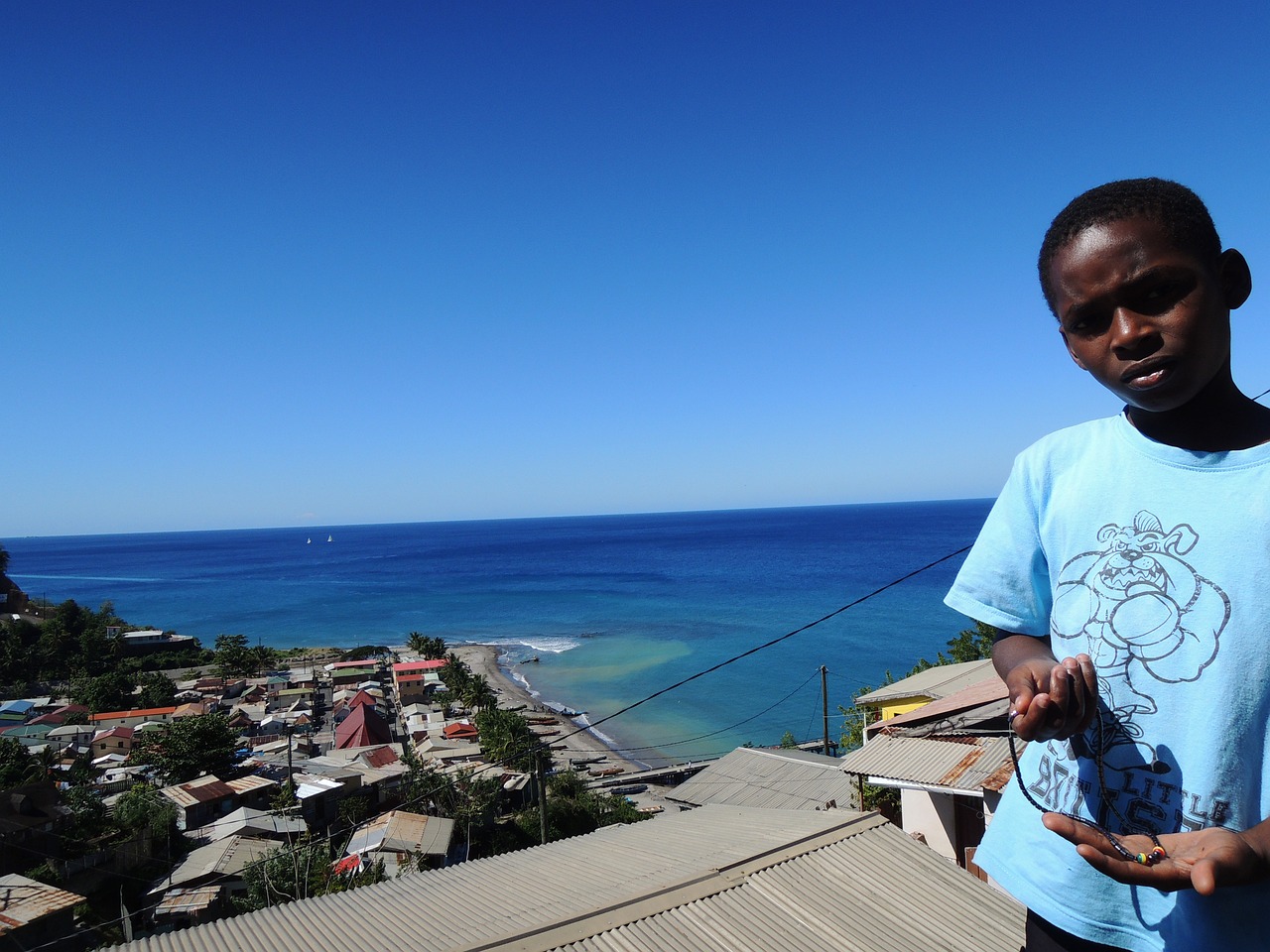
Saint Lucia was one small Caribbean island whose children felt the burden of their parents’ lack of income. Child poverty in Saint Lucia, a country with a population of 180,000, rose to 34.5% in 2021.

In 2020, the economic and social impact on households was directly related to the closing of schools, businesses and the border itself. This led to a reduction in income due to job loss and restriction of hours. In addition, many citizens were unable to work due to their health. The biggest impact lies in the hotel and tourism sectors, with 33,000 people impacted by the shutting down of hotels, restaurants and retail stores, according to a United Nations presentation of the Saint Lucia Economic Stimulus, Recovery and Resilience Strategy. In a survey of citizens, “30% of households ran out of food once or more during the 30 days prior to the survey.” For poor households, “nearly 50% experience[ed] a time when they ran out of food.”

Effects of the COVID-19 Virus on Child Labor

The accumulation of this loss of income has increased child poverty in Saint Lucia. Many children had to take jobs such as street vending to provide for their families. However, it also led to more dangerous options, such as drug and sex trafficking. In 2020, the government began a revision of the Labor Act to address issues that did not meet the Labor Department’s mandates. It also approved the Counter-Trafficking Amendment Act, which protects victims of trafficking regardless of citizenship.

Saint Lucia took several other steps to eliminate child poverty and child labor. Its efforts included increased labor inspectors, updated standard operating procedures and a minimum age for work of 15. This allowed children to stay in school until legally able to work. It also passed a prohibition on forced labor and child trafficking. Labor enforcement funding has also risen from $392,313 in 2020 to $496,296 in 2021, according to the U.S. Department of Labor. St. Lucia also employed twice the number of inspectors in 2021 who were being trained before going out into the field and offered refresher courses for them. 

Organizations Assisting Relief Efforts in Saint Lucia

On December 16, 2021, the Saint Lucia Ministry of Equity, UNICEF and the UN met for a development session on the impact and effects of the COVID-19 virus. They conferred together about the different measures that can be taken to learn from this pandemic. They also explored the extent of aid from social assistance responses. The World Food Programme (WFP) also stepped up in favor of the Income Support Program, which provided $1,500 each to more than 4,800 people unemployed due to the COVID-19 pandemic.

Additionally, UNICEF donated up to $400 from July to September 2020 to children in foster care and $300 to the Child Disability Grant. The Public Assistance Program was able to accommodate an additional 1,000 households from November 2020 to April 2021, thanks to funding from the World Food Programme ($229,610) and the India UN ($500,000). 

However, citizens did not sit around waiting for assistance to find them. Despite the decrease in crucial tourist revenue, 16 hotels prepared and distributed meals to those impacted by the economic shutdown. In two months, they served 19,131 meals to those affected. 

The COVID-19 pandemic affected all families, but work is occurring to pull children off this path and into a promising future. “The highest poverty reduction effect overall would be achieved by supporting a large number of households (bottom 40%), followed by a universal child grant,” said the United Nations. “Support to all children would also achieve the highest reduction in the child poverty rate.” A better future for children means a better future for their country. 

– Jennifer Arias
Photo: Pixabay

October 7, 2023
https://borgenproject.org/wp-content/uploads/borgen-project-logo.svg 0 0 Jennifer Philipp https://borgenproject.org/wp-content/uploads/borgen-project-logo.svg Jennifer Philipp2023-10-07 01:30:252023-10-03 07:03:32Solutions to Child Poverty in Saint Lucia After COVID-19
Child Poverty, Global Poverty

Why Child Poverty In Azerbaijan Is Still An Issue 

Child Poverty in Azerbaijan
In the last two decades, child poverty in Azerbaijan has shown improvement amid economic expansion. However, this economic growth has also led to increased inequality. The benefits of this growth are primarily in urban areas, while rural regions face diminishing opportunities, resulting in a notable rise in child poverty among affected communities.

The Causes

Despite its increasing wealth and growing influence in wider regions, poverty and corruption still overshadow much of the development occurring in Azerbaijan. 

More than 90% of Azerbaijan’s exports come from the concentrated area of Greater Baku, located near the offshore oil and gas reserves of the Caspian Sea. This means that the money earned from exports often only reaches a relatively small area. According to the 2021 World Bank report, Azerbaijan exhibits more than two times the inequality of any other country in Europe and Asia. While More than 40% of the population works in agriculture, it only accounts for 5.7% of exports. More than 60% of Azerbaijan’s poor live in rural areas that depend on agriculture as their primary source of income, highlighting the large divide between the different regions of the country. 

The Effects 

There are currently around 20,000 children without parental care in Azerbaijan. Though many of their parents are still alive, extenuating circumstances like poor treatment and abuse can lead to children in poverty becoming ‘social orphans.’ Faced with unbearable living conditions out on the streets or in underfunded orphanages, these children often find themselves victimized emotionally and physically with little to no avenues out of this situation many children find themselves victimized emotionally and physically. These unaccompanied minors also have limited access to education, making the poverty trap even harder to escape.

Around 11% of girls marry before the age of 18. Different factors such as religion, education or social status can exacerbate child marriage, but often poverty is the driving force behind it. Child marriage rates are highest in the more rural areas of Azerbaijan, where many families marry off their daughters in the hope of securing a more prosperous life for them. 

Azerbaijan currently considers child marriage a significant issue, but the prevalence of children born out of wedlock suggests that the practice might be more common than officially reported. Each year, thousands of unmarried mothers give birth to children. One contributing factor is the occurrence of illegal marriages involving girls under the age of 15. These underage brides are unable to legally marry until they are older, so their children are classified as born out of wedlock until they can marry within the legal framework.

The Issue of Child Labor

There has been minimal advancement in eliminating child labor in recent years. A 2001 study revealed that at least 70,000 children aged 5 to 14 were performing some form of child labor. Many struggling families use child labor to augment their income, and many children without families use it simply to survive. The agricultural sector employs the majority of child laborers, while street children and those from marginalized communities often find themselves in more perilous situations. These “worst forms of child labor” encompass activities like forced labor, involvement in the drug trade, begging under coercion and engagement in prostitution.

Ongoing Efforts and Solutions

One way to tackle child poverty in Azerbaijan is through education, and the country has made remarkable progress in this field in recent years, with its public spending on education increasing by more than 5% since 2018.

The 2022 update of the human capital index even recognized Azerbaijan as one of the top 10 global improvers with respect to progress in health and education between 2010 and 2020. Still, there are vast differences between the quality of schooling for children in and out of poverty. Standardized testing shows that students from wealthier families scored 96 points – the equivalent of three school years – above students from poorer families. There was also a divide seen between urban and rural areas, where rural students scored 48 points lower on average. To target these inequalities, there is a need for Azerbaijan to continue to invest in educational access, particularly in poorer regions.

One NGO making strides in tackling child poverty with education is United Aid for Azerbaijan (UAFA). Founded in 1988 with a goal to ‘aid long-term development of life in Azerbaijan, with particular focus on children, health and education’, the organization now operates from 21 different regions of the country and has helped more than 13,000 children by developing social services for those in need of special protection and reducing the number of young people in state care. The country has also seen support from other organizations such as the International Committee for the Red Cross (ICRC), which rehabilitated and furnished 33 schools across Azerbaijan between 2021 and 2022.

Looking Ahead

While there are still significant issues with child poverty in Azerbaijan, the country has also seen significant improvements. UNICEF reports that in the last two decades, child mortality rates have fallen (going from 54.172 to 18.746), poverty rates have drastically decreased as a whole and primary school enrolment has improved. As Azerbaijan’s economy expands, the country could also benefit from increasing its investment in the nation’s most promising asset – its youth. This commitment is crucial to continually improving the quality of life for all young individuals who require support.

– Jodie Donovan
Photo: Flickr

October 3, 2023
https://borgenproject.org/wp-content/uploads/borgen-project-logo.svg 0 0 Jennifer Philipp https://borgenproject.org/wp-content/uploads/borgen-project-logo.svg Jennifer Philipp2023-10-03 07:30:252023-09-29 03:49:40Why Child Poverty In Azerbaijan Is Still An Issue 
Child Poverty, Global Poverty

Child Poverty in Bulgaria

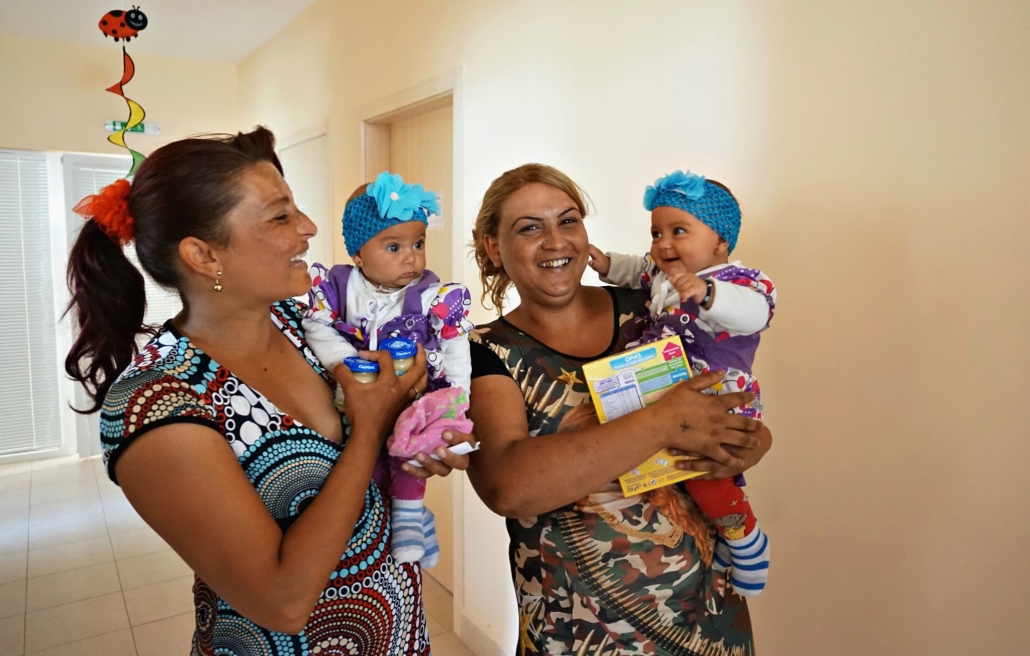
Child Poverty in BulgariaBulgaria is a beautiful country located on the Balkan Peninsula in Southeast Europe, known for its rich history and wonderful beaches bordering the Black Sea. Also known about Bulgaria is that it is one of the poorest countries in Europe. In 2022, food price inflation hit 22%, affecting low-income Bulgarian households disproportionately. Young people are also heavily impacted as the child poverty rate in Bulgaria stands at 22.9%.

While securing equality for Bulgarian children is an ongoing journey, there have been some positive steps in the right direction.

Ongoing Efforts

In 2021, Bulgaria enacted the Bulgaria Child Guarantee National Action Plan (NAP). Specifically, this plan places a strong emphasis on early education. Children whose parents obtain a low level of education are 10 times more likely to be living in poverty — emphasizing the importance of ending a generational lack of access to education.

This plan also touches on the idea of health care aid as a way to help children living in poverty, placing a specific emphasis on children who suffer from disabilities and chronic illnesses. Nutrition is also an issue for underprivileged families, and with the NAP, children are able to receive free lunches and parents are able to receive access to mental health care. The housing strategy supports access to housing for migrant children and emphasizes the importance of providing support for immigrant children’s easy adaptation. Lastly, the NAP placed a focus on the development of foster care systems and aid to young parents. 

Mission Without Borders

Yamur faced financial hardship growing up, as her father had to leave school at a young age to support their family. However, with the assistance of Mission Without Borders’ sponsorship program, Yamur and her family received the financial support they needed to access education.

As a result of this support, Yamur was able to continue her education and pursue her dream of becoming a teacher. Despite the economic challenges her family faced, she did not have to marry at a young age and could focus on working toward her life goals.

By helping children in Bulgaria access education, organizations like Mission Without Borders create opportunities for more success stories like Yamur’s to emerge.

Unbound

Unbound is a program that has invited people from around the world to support each other through sponsorship. By sponsoring a child living in Bulgaria, they have more to provide for their family and moreover are less obligated to spend school time working to provide and more time learning for their future. The beauty of the program is that it does not only sponsor the lives of underprivileged children but also helps to foster friendships between people across the world. When donating, 91.4% of proceeds go directly to the sponsorship program, 3.8% goes to administration and 4.8% goes to fundraising. In 2021, Unbound raised nearly $2 million in support of sponsorship for low-income children and families across the globe.

Looking Ahead

While Bulgaria boasts natural beauty, its children endure hardships. One key avenue for reform is improving access to early education, as breaking the cycle of low-education families is crucial for reducing the risk of poverty. Organizations like Unbound and Mission Without Borders offer vital financial support and opportunities to Bulgarian children, helping bridge the gap and offer brighter prospects.

– Aubrey Acord
Photo: Flickr

September 27, 2023
https://borgenproject.org/wp-content/uploads/borgen-project-logo.svg 0 0 Kim Thelwell https://borgenproject.org/wp-content/uploads/borgen-project-logo.svg Kim Thelwell2023-09-27 01:30:222023-09-30 13:30:34Child Poverty in Bulgaria
Child Poverty, Global Poverty

The Support Program Reducing Child Poverty in Mongolia

Child poverty in Mongolia
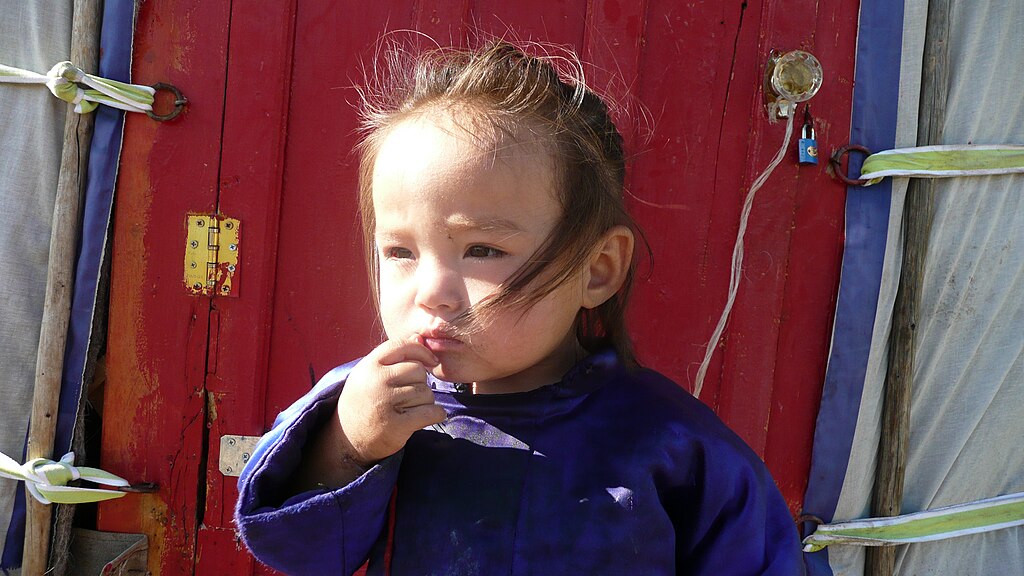
Mongolia is an Asian country known for its vast landscapes and dry climate and is one of the world’s highest countries in terms of elevation. However, the country also suffers from a high rate of child poverty. Poverty is concentrated heavily in rural regions, often hours away from the nearest city. However, child poverty does still exist in cities like the capital, Ulaanbaatar, too. Recent investments by the government of Mongolia, however, have increased support for children. Here is some information about child poverty in Mongolia and what some are doing to resolve it.

Child Poverty Statistics

In Mongolia, the percentage of children living in poverty is higher than the percentage of the total population living in poverty (38.5% compared to 29.6%, respectively). Although poverty levels in rural regions have slightly declined in recent years, it has increased in urban centers.

Much of the economic growth in Mongolia has centered around the mining sector, whereas many of those living at or below the poverty line are low-skilled wage workers with lower levels of education. 

Most poor children in Mongolia do not complete school through the secondary level and only 10% attend university, despite Mongolia having an overall high education attainment level in the region. This is because most of the children and young adults who receive high levels of education fall in the top 20% of income earners in the country. About half of individuals in this income level have obtained a university-level education.

Many poor people in Mongolia, specifically children, often lack basic services or needs such as clean water, heat and sanitation. In 2018, 70% of those living in poverty struggled to receive at least one of these basic services. 

Efforts to Reduce Child Poverty in Mongolia

Those working in the herding industry have seen huge reductions in poverty levels in recent years. What was once one of the most impoverished professions in the country, only about a third of herders live below the poverty line today. Market connectivity, government support and more employment opportunities have contributed to this improvement.

In 2020, in response to the COVID-19 pandemic, UNICEF recommended to the Mongolian government that the most effective way to reduce poverty levels, which the pandemic exacerbated, was to increase funding for the country’s Child Money Program. This program provides monetary support to children across the nation. In response, the government provided an additional $300 million via the program, which helped more than two-thirds of all households.

Overall, despite the grim statistics, the country’s government has shown that it is willing and able to take steps towards reducing child poverty in Mongolia. With this continued support, as well as that from organizations like UNICEF, more children can have a better opportunity to receive a full education.

– Tristan Weisenbach
Photo: Wikipedia Commons

September 16, 2023
https://borgenproject.org/wp-content/uploads/borgen-project-logo.svg 0 0 Lynsey Alexander https://borgenproject.org/wp-content/uploads/borgen-project-logo.svg Lynsey Alexander2023-09-16 07:30:562023-09-13 04:21:58The Support Program Reducing Child Poverty in Mongolia
Child Poverty, Global Poverty, Homelessness

The New Generation of Street Children Turned Surfers

Street ChildrenThe imagery of the breezy, laid-back Californian surfer has dominated the popular view of surfing over the years. Easygoing and happy-go-lucky, the figure of the surfer has come to symbolize the very notion of what it means to be young and free in a capitalist society. Yet, far beyond the shores of California to South Africa’s “Surf City,” the sport symbolizes much more than this. It plays an important role in helping vulnerable children who are growing up in post-apartheid South Africa to leave the street once and for all. 

Homelessness in Durban 

Located on the eastern coast of South Africa, Durban has a high population of youths — 38% of its population is under the age of 19.

However, the youth employment rate (the measurement of job seekers who are 15 to 24 years old) in South Africa is markedly low, at about 60%. Job losses are particularly high in industries such as food, textiles and clothing, making it difficult for young people to secure a living. 

But one of the most pressing problems facing South Africa is its street child phenomenon. According to the Consortium for Street Children, there are currently hundreds of thousands of street children in South Africa. 

Child homelessness is on the rise in Durban because of political violence, rapid urbanization and outbreaks of AIDS and HIV, resulting in many children losing members of their family. 

Difficulties at home and at school have also contributed to an increase in the number of children actively choosing to live on the streets. In many cases, children feel that street life offers an escape from the harsh conditions of everyday life, and the charity Street Children found that 29.1% of street children surveyed in 2011 did not wish to leave the streets at all. 

Even so, street life exposes children to a number of dangers, including sexual abuse and trafficking. These risks are further compounded by the lack of health and social services available to children in Durban. 

The local authorities, who view street children as a public nuisance, are eager to keep the street child phenomenon hidden so that tourists are not deterred from visiting Durban. However, this only stigmatizes and alienates street children further, rather than getting to the crux of the problem. 

Beach Apartheid 

Many of the social and economic problems present in Durban today are a consequence of the apartheid period, which lasted from 1948 to 1994. 

Apartheid was an institutionalized system that subjected Black people to racial segregation in every sphere of South African society. It was a system that even sought to marginalize Black people in the water.  

The Natal and South African Surf Riding Championships welcomed pro-surfers from all around the world, placing South Africa firmly on the map. Yet Black people were excluded from competing, contradicting the so-called “freedom” that the sport promised young people. 

That was until world-renowned surfers Tom Carroll, Tom Curren and Martin Potter boycotted the surfing competitions in 1985, forcing the industry to acknowledge the growing anti-apartheid movement. 

Surfers Not Street Children (SNSC)

Fast-forward to 1998, surfer and activist Tom Hewitt MBE set up the Durban Street Team to help homeless children. The organization was renamed Surfers Not Street Children (SNSC) in 2012 and has since helped 1,800 vulnerable children. 

While helping children to leave the streets was the organization’s main goal, many street children have also gone on to advocate further for their rights as a marginalized group. The organization operates in line with the U.N. Convention on the Rights of the Child to ensure that children are provided with the space to empower themselves without the fear of discrimination and shame. 

In 2000, SNSC prevented local authorities from forcibly removing children from the streets, which is recognized as one of its most important achievements to date.

According to the organization, “Many children empowered by Surfers Not Street Children have transformed their lives. Some have gone from ‘street children’ to becoming coffee baristas, lifesavers, surf shop staff, restaurateurs, surf coaches and even pro surfers.”

South Africa’s Changing Tides 

The organization is now expanding its influence to the shores of Mozambique, providing children with the life skills needed to tackle the social problems they face. SNSC has also gone on to set up an independent living program that is designed to provide financial and social aid to young people transitioning into adulthood once they have left the surfing program. Through invaluable mentoring sessions, SNSC is making sure that children are able to thrive as self-sustaining adults. 

In honor of his outstanding work helping children in South Africa, Tom Hewitt received the Nelson Mandela Change Changemaker Award in May this year at an exclusive event in California. Hewitt told Carve magazine, “I am so thrilled to receive this award, which recognizes 25 years of pioneering work developing surfing as a tool for bringing about positive change. Not only are we working in the toughest environments and saving lives, but our surfers are at the heart of an exciting transformation in African surfing underway across the continent.”

Surfers Not Street Children is actively carving out the space for street children to challenge the status quo, break the poverty cycle and debunk the myth that surfing is a white man’s sport. In the 21st century, it is clear that this new generation of surfing youth is changing the tides by shifting the boundaries of who can and cannot ride the wave.  

– Tatum Richards
Photo: Flickr

September 16, 2023
https://borgenproject.org/wp-content/uploads/borgen-project-logo.svg 0 0 Lynsey Alexander https://borgenproject.org/wp-content/uploads/borgen-project-logo.svg Lynsey Alexander2023-09-16 03:31:192024-05-30 22:32:21The New Generation of Street Children Turned Surfers
Page 4 of 15«‹23456›»

Get Smarter

  • Global Poverty 101
  • Global Poverty… The Good News
  • Global Poverty & U.S. Jobs
  • Global Poverty and National Security
  • Innovative Solutions to Poverty
  • Global Poverty & Aid FAQ’s
Search Search

Take Action

  • Call Congress
  • Email Congress
  • Donate
  • 30 Ways to Help
  • Volunteer Ops
  • Internships
  • Courses & Certificates
  • The Podcast
Borgen Project

“The Borgen Project is an incredible nonprofit organization that is addressing poverty and hunger and working towards ending them.”

-The Huffington Post

Inside The Borgen Project

  • Contact
  • About
  • Financials
  • President
  • Board of Directors
  • Board of Advisors

International Links

  • UK Email Parliament
  • UK Donate
  • Canada Email Parliament

Get Smarter

  • Global Poverty 101
  • Global Poverty… The Good News
  • Global Poverty & U.S. Jobs
  • Global Poverty and National Security
  • Innovative Solutions to Poverty
  • Global Poverty & Aid FAQ’s

Ways to Help

  • Call Congress
  • Email Congress
  • Donate
  • 30 Ways to Help
  • Volunteer Ops
  • Internships
  • Courses & Certificates
  • The Podcast
Scroll to top Scroll to top Scroll to top