• Link to X
  • Link to Facebook
  • Link to Instagram
  • Link to TikTok
  • Link to Youtube
  • About
    • About Us
      • President
      • Board of Directors
      • Board of Advisors
      • Financials
      • Our Methodology
      • Success Tracker
      • Contact
  • Act Now
    • 30 Ways to Help
      • Email Congress
      • Call Congress
      • Volunteer
      • Courses & Certificates
      • Be a Donor
    • Internships
      • In-Office Internships
      • Remote Internships
    • Legislation
      • Politics 101
  • The Blog
  • The Podcast
  • Magazine
  • Donate
  • Click to open the search input field Click to open the search input field Search
  • Menu Menu

Archive for category: Child Poverty

Child Poverty, Global Poverty

Music Organizations Empowering Disadvantaged Children in India

Disadvantaged Children in IndiaAnyone who listens to bands, plays an instrument or composes songs will know that music is more than a hobby. It can reduce stress and anxiety, increase auditory perception and even increase chances of good sleep. The positive effects of music on development have gained traction in research circles over the past 50 years, with studies showing that its practice can instill feelings of leadership, responsibility and empathy in children. A program named El Sistema, which was rolled out in the ’70s, demonstrated that music could completely alter the paths of disadvantaged children, removing them from the path of risk and causing self-esteem to boom. It will come as no surprise, then, that music is a powerful tool in uplifting those in poverty. In India, where nearly 170 million people live below the poverty line, four Nongovernmental Organizations (NGOs) are demonstrating how music empowers disadvantaged children, working to bring creativity, confidence and opportunity into their lives.

Inspire India

Inspire India is a subsidiary of the larger Shankar Mahadevan Academy Initiative, an organization operating in 60 schools worldwide. The initiative’s hopeful mission is to inspire, uplift and even “design moments of extreme joy” for the children they reach. A more accurate description would be designing moments of joy for all who encounter them, supporters and beneficiaries alike.

The smaller branch of Inspire India is no different. Founded on the ambition to foster musical ability and passion among children from vulnerable families, the organization currently operates centers in Delhi and Mumbai, with plans to open thousands more nationwide. Their programs play a crucial role in revitalizing neglected creativity by nurturing the talents of the children they engage with, providing them with the space to flourish. Through these initiatives, Inspire India fosters confidence and resilience in the participating children, empowering them to confront life’s challenges with strength and determination.

Child’s Play

Founded by Dr. Luis Dias in 2009, Child’s Play India has a clear goal: to “install positive values and provide social empowerment to India’s disadvantaged children.” Its method of choice to get there is a little more unexpected. The organization aims to reach its goal “through the teaching of classical music to the highest possible standard.”

Dias’s inspiration came from one fateful night at the British Broadcasting Corporation (BBC) proms when two unusual orchestras from Venezuela and South Africa took the stage. Having spent his last year wondering why India, with such a big population, was falling behind smaller countries in its musical standard, the appearance of these groups was a lightbulb moment for one simple reason: they were entirely made up of disadvantaged children.

Consequently, Dias formed the concept of Child’s Play. He began to teach classical music to disadvantaged and street children in Goa, believing that the music would, in turn, allow them to develop discipline and self-esteem. By allowing them to lean into their creativity and believe in their excellence, the organization has provided more than 500 children with a newfound confidence and the promise of a future career.

Anahad

Registered as an NGO in 2013, Anahad is a studio and a community of musicians. Anahad, on a mission to uplift underprivileged communities, harnesses available production technology to preserve traditional folk music and empower the musicians who create it. An interesting example is the story of Dapu Khan, one of its musicians, whose collaboration with the organization has directly resulted in a substantial increase in income.

Khan, passionate about education but denied the chance himself, spent what little money he had on his children’s learning. When he met with the Anahad group, he explained his belief that Rajasthani folk music could touch the souls of its listeners, advocating for a broader platform to reach more souls. Anahad provided Khan with his first chance to work independently, without a third party or manager. The NGO equipped him with digital platform skills, assisted in setting up a website and facilitated the recording of two of his songs. The launch yielded a remarkable effect, leading to Khan securing wedding contracts, performances in Germany and the U.S. and a viral YouTube video that attracted collaboration offers from celebrities.

Manzil Mystics

Manzil Mystics was initiated by six musicians who themselves struggled with challenging upbringings. The organization operates through three primary branches: education, employing music for Social and Emotional Learning (SEL) in schools; gender, raising awareness about women’s health and rights; and livelihood, establishing a career pathway for aspiring musicians and structured support to help them achieve their goals.

Manzil Mystics runs various programs across India, each illustrating how music serves as an empowering force for underprivileged youth. One such initiative is the Performing Arts and Kids Happiness (PANKH) program, which involves visiting schools and teaching children how to write and sing songs. The sessions are fun and designed to build confidence and unleash children’s curiosity.

Learning music through programs like PANKH not only imparts musical skills but also aids children in developing cognitive and socio-emotional skills. It actively engages them in the learning process and enhances their empathy. PANKH goes beyond a singular focus, serving as more than just a music education initiative. In addition to teaching music, it provides safe spaces for children and young adults to discuss topics such as reproductive health, gender and other social issues. Furthermore, PANKH offers English language instruction and helps students acquire digital technology skills that will be valuable for their future careers.

– Peggy Hughes
Photo: Flickr
February 6, 2024
https://borgenproject.org/wp-content/uploads/borgen-project-logo.svg 0 0 Lynsey 2 https://borgenproject.org/wp-content/uploads/borgen-project-logo.svg Lynsey 22024-02-06 01:30:202024-02-04 08:38:20Music Organizations Empowering Disadvantaged Children in India
Child Poverty, Global Poverty

Child Poverty in Benin  

Child Poverty in BeninLocated in West Africa, the Republic of Benin is one of the most economically challenged nations worldwide. With up to 45% of its population consisting of children under the age of 15, child poverty in Benin is a major concern.

Economic Factors

According to the World Food Program USA, Benin’s economy is primarily agrarian. Up to 70% of the population relies on agriculture as a core source of income. Vulnerable to weather fluctuations and changing weather patterns, the sector of rain-fed agriculture has been challenged by the success of consistent food crop production. In addition, the country is often exposed to droughts and floods that threaten the economic conditions of Benin’s population. This frequently leaves families in uncertain economic situations. As poverty rates among families increase, child poverty in Benin worsens due to insufficient resources to fulfill their essential needs.

Threatened Food Security

In addition to contributing to a lack of financial stability, the unstable nature of agribusiness in the nation has also led to an increase in food prices. As reported by the United States Agency for International Development (USAID), children in Benin are severely affected by malnutrition. Up to 50% of children up to 5 years of age have developmental issues as a result of nutritional deficiency. The World Food Program USA shows that up to 32% of Beninese children suffer from recurrent malnutrition.

Health Concerns

While improper nutrition has emerged as a significant health concern for children in Benin, the absence of proper health care has also affected the nation’s children. According to the Centers for Disease Control and Prevention (CDC), malaria is the leading cause of death for children under 5 years old in Benin. USAID states that the COVID-19 pandemic posed a risk to ongoing efforts made to reduce the transmission of the disease. The U.S. President’s Malaria Initiative, created in 2005, has been working toward the reduction and treatment of the disease in African countries, including Benin.

Despite the pandemic’s impact on developmental progress, the initiative’s 2024 strategy outlines the introduction of the malaria vaccine in Benin within the initial quarter of the year.

Child Labor

A direct repercussion of child poverty in Benin is the educational deficit due to child labor. As Beninese families go through financial hardships, children quit their education and engage in varying work practices. Some of these include domestic work, working on cotton plantations and forced begging. Children exposed to child labor practices become vulnerable to abuse and exploitation. Work conditions can be hazardous, and children are at risk of becoming victims of human trafficking. Data published by UNICEF shows up to 25% of children in Benin are victims of child labor.

Aid Initiatives

Tackling child poverty in Benin requires a wide range approach, integrating economic development, health care, food security and education. Recent years have shown multiple attempts to improve Beninese children’s livelihoods. A report published by the U.S. Department of Labor states that social services inspections freed up to 400 children from child labor in 2021.

In 2022, the government maintained the Integrated National School Feeding Program, providing meals to up to 75% of Benin’s schools. That same year, UNICEF expanded its presence in the north of the nation. UNICEF also collaborated with the religious congregation known as the Salesians of Don Bosco to build a temporary residence for children living on the streets. The congregation runs the charity Foyer Don Bosco, with the mission to fulfill all basic human needs of children living in poverty in Benin. It heavily focuses on helping victims of child labor and human trafficking, striving to ensure that children receive quality education so they can have a better future.

Efforts by organizations like UNICEF and the Salesians of Don Bosco reflect a collective commitment to combat child poverty in Benin and serve as a source of optimism in the ongoing fight against it. 

– Paula Gibson
Photo: Flickr

January 28, 2024
https://borgenproject.org/wp-content/uploads/borgen-project-logo.svg 0 0 Jennifer Philipp https://borgenproject.org/wp-content/uploads/borgen-project-logo.svg Jennifer Philipp2024-01-28 01:30:542024-05-30 22:32:48Child Poverty in Benin  
Child Poverty

Reducing Child Poverty in Mozambique

Child Poverty in MozambiquePoverty and health issues share a link. Where one exists, the other is not far away. However, since 2002, organizations like the Global Alliance for Vaccines and Immunizations (GAVI) have addressed this link through national immunization campaigns. The following is an overview of how health organizations are working to reduce child poverty in Mozambique. 

About Poverty in Mozambique

Mozambique is one of the poorest countries in the world, ranking 180 out of 189 countries in the UNDP’s 2019 Human Development Index ranking. Recurring natural disasters and conflict exacerbate the issue of poverty in Mozambique. Cyclones from the Indian Ocean cause regular destruction, drought is becoming more pronounced in the southern provinces due to climate change and insecurity in Cabo Delgado Province has displaced nearly a million people, including women and children.

Providing basic health services and humanitarian assistance to those in need is therefore challenging and many are lacking access to clean water, food and sanitation. As a result, many face the prospect of becoming ill from malnutrition and disease. Cholera infections are rising, as are occurrences of polio and measles, disproportionately endangering vulnerable groups like women and children.

Why Disease and Poverty Share a Link 

Poverty does not only cause poor health, but it is also a consequence of it. By increasing the chances of poor health, disease traps communities in poverty and makes breaking free of its constraints difficult. For example, in countries like Mozambique, tropical diseases kill and weaken many because they are unable to generate an income. Alternatively, others have to care for sick relatives. As a result, instead of going to school, many children enter the labor market at a young age to support their families and their lack of education means they face a future of low-paid/low-skilled jobs. 

Health Programs Reducing Child Poverty in Mozambique

Immunization and vaccine programs have been a cornerstone of global public health policy since 1974. These programs have sought to give children the best possible start in life by making them less susceptible to the risks of disease. The most famous of these is the Expanded Program on Immunization (EPI).

Because of many African countries’ high rates of child mortality due to diseases like measles, tuberculosis and neonatal tetanus, the EPI is a crucial part of the health care strategy for Africa. With countries like Mozambique having little money to fund public health programs, the EPI is a cost-effective intervention. 

Currently, the program has evolved into what is commonly known as the Essential Programme on Immunization. With nearly every country today having a national immunization program, it highlights the belief that vaccines are one of the safest and most cost-effective public health strategies for preventing death and improving the lives of Mozambique’s children. 

Organizations Helping Deliver Immunization Programs in Mozambique 

Immunization programs like the EPI are a truly international effort. While guidelines and policy are written by the World Health Organization (WHO), its implementation is undertaken by several actors, including national governments, WHO, UNICEF, the World Bank, the Bill and Melinda Gates Foundation, the vaccine industry, public health institutions and non-governmental organizations. 

Collectively, these actors form the Global Alliance for Vaccines and Immunizations (GAVI), which aims to provide children worldwide with access to vaccines, helping fight infectious diseases and reduce poverty. 

GAVI works by providing a forum for partners to identify key issues and coordinate responses to outbreaks. It uses funds to strengthen immunization services and vaccination programs in countries that require assistance through a special financial mechanism called the Vaccine Fund. This fund receives commitments from wealthy nations like Norway, the U.K., the U.S., the Netherlands, Denmark, Sweden and the private sector. 

Since 2002, health organizations have been working to reduce child poverty in Mozambique with assistance from GAVI. GAVI importantly has supported the country’s Ministry of Health in providing effective immunization services against several preventable diseases.

Currently, Mozambique is considered an example of the EPI’s success, having achieved several significant milestones. With many rural provinces now having immunization coverage rates of more than 95%, children are given a significant weapon to protect their future health and also escape disease-associated poverty traps. 

The government, with GAVI’s help, has implemented a vaccination catch-up plan for children who missed shots due to COVID-19. They have also successfully coordinated responses to recent cholera outbreaks and rolled out the first phases of a measles-rubella vaccination campaign.

On December 10, 2023, the member organizations of GAVI returned to Mozambique to renew their commitment to the country’s immunization program following its success. In a statement, David Marlow, CEO of Gavi, said: “Gavi and Alliance partners reaffirm commitment to support Mozambique’s immunization efforts. The upcoming official visit presents an opportunity for sustained engagement, detailed conversations and the strengthening of our partnership towards our shared vision: a well-resourced and effective immunization program that improves health outcomes for the people of Mozambique.” 

Looking Ahead

In the efforts against poverty, one effective approach is safeguarding children from the long-term social and economic impacts of diseases. Organizations like GAVI provide successful immunization strategies, which serve as valuable tools for governments in their fight against illnesses. These efforts not only save lives but also create opportunities to break free from the cycle of poverty associated with diseases. This exemplifies the work of health organizations striving to reduce child poverty in Mozambique.

-Cameron Mason

Photo: Flickr

January 25, 2024
https://borgenproject.org/wp-content/uploads/borgen-project-logo.svg 0 0 Lynsey Alexander https://borgenproject.org/wp-content/uploads/borgen-project-logo.svg Lynsey Alexander2024-01-25 01:30:542024-06-07 05:08:19Reducing Child Poverty in Mozambique
Charity, Child Poverty, Global Poverty

Spreading Joy With Shoe Boxes

Shoe BoxDuring times of crisis, children often find themselves in especially vulnerable situations. Worldwide, more than 330 million children are grappling with the harsh realities of poverty. These are not just economic struggles; these children lack essentials like clean water, food, shelter and health care – the very basics needed for their well-being.
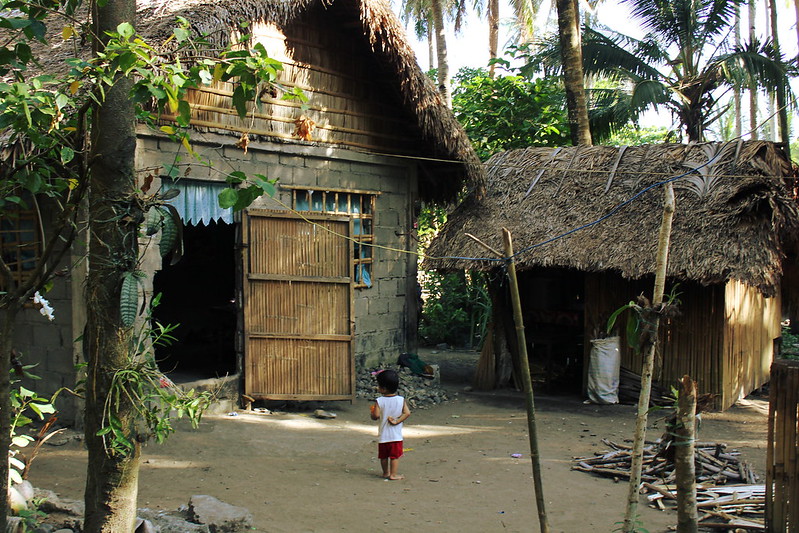
This is where Team Hope steps in to make a difference. Collaborating with schools throughout Ireland, this initiative calls upon volunteers to bring joy by assembling and sending gift-filled shoeboxes to underprivileged children in Africa and Eastern Europe. These shoeboxes are a lifeline, delivering Christmas gifts that these children might otherwise never receive.

Each donated shoebox has the power to brighten the life of a single child, transforming not only their holiday season but also making a lasting impact on their families. It’s an effort that proves that even small acts of kindness can bring about meaningful change in the lives of vulnerable children.

Team Hope: The Shoe Boxes Appeal

Team Hope has a reputation for collaborating with primary and secondary schools across Ireland to spread joy each Christmas. Since 2010, Team Hope has sent at least 2.5 million shoe boxes to vulnerable children worldwide. In 2022, Ireland sent 173,563 shoe boxes to happy children in Romania, Ukraine, Malawi and Kenya. By sending clothes, hairbrushes, toothbrushes, soap and fun toys, the initiative makes a positive difference to every child’s life. These boxes undergo careful checks before they make their journey across the world. The boxes offer children important essentials and a delightful gift to bring happiness to every child’s life.

School Volunteers

A lot of the volunteers come from primary and secondary schools, as children work together to create the perfect gifts. Team Hope collaborates with teachers, students and parents from preschool through to third level in order to spread joy across the world. 

Teachers Ms. Lauren Scanlan and Mrs. Grace Cart explained that the appeal also helps Irish students learn about and understand poverty. Ms. Scanlon shares that she has worked with Team Hope for many years with the Shoe Box Appeal in primary schools around Waterford, and Mrs. Carty, who teaches in a primary school in County Galway, states that “the shoe boxes are great! Once the children start putting their boxes together they truly start to understand about poverty and the importance of giving.” She notes that “it gives the children a proper realization that not everyone in the world has what they have, and the children are eager to help and are excited at the idea of their present reaching a friend across the world and giving them a happy Christmas.”

The initiative not only helps those living in poverty, but it teaches children in Ireland that a little bit of kindness can go a long way.

Looking Ahead

Many of the shoeboxes for this appeal come from schools, but anyone can participate. The process is straightforward. After decorating and wrapping the shoebox, the volunteer selects the age group and gender of the recipient. They then choose a mix of practical and fun gifts to fill the box, ensuring the recipient has a special Christmas. Once the gifts are dispatched, people can track their destination on Team Hope’s website. This initiative has made a positive impact worldwide and continues to bring holiday cheer each Christmas season.

– Éadaoin O’Leary
Photo: Unsplash

January 24, 2024
https://borgenproject.org/wp-content/uploads/borgen-project-logo.svg 0 0 Lynsey Alexander https://borgenproject.org/wp-content/uploads/borgen-project-logo.svg Lynsey Alexander2024-01-24 01:30:212024-01-23 02:26:55Spreading Joy With Shoe Boxes
Child Poverty, Global Poverty

Addressing Child Poverty in the Philippines

Child Poverty in the Philippines

The Philippines is an archipelago just east of Vietnam, comprising more than 7,000 individual islands in the Pacific Ocean. It is the second most-populated country in Asia, which tourists know as being home to a rich culture and popular cuisine. However, many Filipinos struggle with the consequences of intense wealth disparity within the Southeast Asian country, which has resulted in significant child poverty in the Philippines as well.

Child Poverty in the Philippines

According to the United Nations International Children’s Emergency Fund (UNICEF), child poverty in the Philippines is a pressing issue. UNICEF stated in its report on the Southeast Asian country that children experiencing poverty in the Philippines face “deep-rooted deprivations and vulnerabilities that impede their survival, development, protection and participation.”

Intense wealth disparity, combined with the general instability of the country’s infrastructure, has created an environment where government programs “are not enough to reduce families’ vulnerability” and do not provide enough of a foundation for these vulnerable populations “to protect themselves against risks and losses to their income.” UNICEF explained that poverty exposes children to circumstances that “threaten their survival and growth.” In the Philippines, more than one-third of Filipino children live below the poverty line and face this harsh reality day-to-day. 

UNICEF described how those experiencing child poverty in the Philippines “easily end up suffering from poor health and malnutrition,” which harms their potential to thrive as adults. In turn, these factors negatively affect the overall future of the country’s workforce, and generational poverty continues. 

Arms of Love International

Because of the high incidence of childhood poverty in the Philippines, humanitarian organizations working to provide aid within the country are more relevant than ever. One of these organizations is Arms of Love International or Arms of Love.

According to the Arms of Love website, Robert Benson founded it in the Philippines in 2001. Benson faced abandonment and abuse as a child and felt moved to provide the essential foundation to succeed that he received from a family that took him in during a time when he needed it most. 

Benson described how he felt “the call from God to build homes for abandoned and abused children.” Arms of Love now provides “a home and a loving family for children who desperately need a safe place to live and grow” in the Philippines. The organization’s goal is to provide support now so that in the future, “communities are healthier and stronger.”

The Residential Care Program

Its website also highlighted the organization’s belief that “every child has the right to a home of safety and security.” The harsh reality is that children receiving aid from Arms of Love “share one thing in common- they have nowhere to live and no one to care for them.” Because of this, the organization’s key goal is to provide shelter, support and “a place they may always call home” when these children need it most.

Arms of Love operates two main programs to achieve its goal of alleviating childhood poverty in the Philippines. The first is the Residential Care Program. This program operates through establishing residential homes for “abandoned, abused, and orphaned” on the island of Bohol in the Philippines. Within these homes, children receiving aid from Arms of Love receive “comprehensive care, like education and health care, while living in a family environment with house-parent couples.” This care is in addition to ensuring their most basic needs are satisfied.

The Independent Living Program

Beyond its Residential Care program, Arms of Love also operates the Independent Living Program. The organization wants the children they help to “succeed in life and to ultimately be able to support themselves and have their own healthy family.” With this, the organization works to go beyond just satisfying these children’s most basic needs and seeks “to break the cycle of poverty itself” and “change the legacy” of the families it helps. 

With this, its Independent Living Program completes the work that the Residential Care Program started. In this program, Arms of Love “teaches students to be responsible young adults through part-time employment, budget training,” and more to ensure those receiving aid can succeed independently. These students are then set up in independent living situations and provided aid.

Looking Ahead

Child poverty is a deep-rooted issue in the Philippines. Disparity of wealth and socioeconomic pressures are some factors contributing to this issue. Because of this, the work that Arms of Love and similar humanitarian organizations are doing to create sustainable change is much needed within the country.

– Rosemary Wright
Photo: Flickr

January 14, 2024
https://borgenproject.org/wp-content/uploads/borgen-project-logo.svg 0 0 Lynsey 2 https://borgenproject.org/wp-content/uploads/borgen-project-logo.svg Lynsey 22024-01-14 01:30:502024-01-09 17:27:40Addressing Child Poverty in the Philippines
Child Poverty, Global Poverty

Child Poverty in Turkmenistan

Child Poverty in TurkmenistanIn Turkmenistan, 41 in every 1,000 babies born in 2021 died before reaching their fifth birthday. About 21.8% of the population has been living in poverty, the UN Economic and Social Commission for Asia and the Pacific estimated in 2018. Child poverty in Turkmenistan is prevalent as well but efforts are in place to address it.

The Situation

The onset of the COVID-19 pandemic has further worsened its preexisting economic crisis. Vulnerable Turkmen in the densely populated region of Velayat Marijsk had even tried to enroll children in orphanages, being unable to feed their families. 

Among Turkmen children, malnutrition is prevalent. More than one in three kids, aged 6 to 59 months, are anemic. In 2022, UNICEF reported that 7% of the youngsters experienced stunting due to the lack of nutrition for an extended period of time in their early childhood.

Poverty thwarts children’s physical and cognitive growth. It violates their rights to education and health care. In Turkmenistan, child rights violation take place on multiple fronts ranging from child labor, early marriage, religious discrimination to human trafficking.

Child labor and human trafficking are two primary concerns due to the region’s financial catastrophe.

Child Labor

Economic disparity triggers forced labor in Turkmenistan’s rural regions. Despite official prohibition on child labor since 2005, hundreds of adolescents work during the cotton harvest at exploitative wages every year. 

The government’s ‘repressive’ social policies often lead to forced labor of public sector employees and opens the door to child labor, states Cotton Campaign in its June 2022 report.

Mandatory labor of public sector employees in cotton harvest, coupled with perennial poverty across the society, is a key contributor to child labor in Turkmenistan. Children of humble backgrounds often replace those employees in cotton fields to sustain their families.

In 2021, Turkmen.news has reported, schoolgoers went to harvest cotton in the fall of 2020 for 30 to 40 manats (roughly between 6.5 and 9.0 GBP) of daily wage. Between September and December, rural schools were shut down. 

According to Radio Liberty’s sources, that year, “Dozens of children, some of them coughing and sneezing, could be seen in the fields along the road in the Baharden farmers’ association (Ahal region). Though they were clearly unwell, they were still kept in the fields.”

Despite being an arid geography, Turkmenistan has become the 10th largest cotton producer in the world under intensive irrigation and state control. Last year, the country exported cotton valued at roughly $300 million to the global textile market. 

Child Trafficking 

Turkmenistan has become the fifth most affected country by human trafficking in the Global Organized Crime Index (OCI). The US Department of State in its 2023 Trafficking in Persons Report evaluated that Turkmenistan has not taken adequate steps to eliminate human trafficking from its soil in recent times.

The country’s students have an obligation to spend their summer in farming. Authorities also compel them to labor in organizing events hosted by the state without compensation.

Unemployment, poverty and lack of social support put Turkmen at a greater risk of trafficking. Poor families send their children to work as porters in marketplaces and cultivate potatoes and carrots. 

Though a specific figure could not be obtained, a growing number of adolescent girls has undertaken prostitution to sustain themselves. In a blog post, Humanium, an NGO contributing towards ending child rights violations, stated that schoolgirls sell their service on streets in the cotton belt of the country.

Making a Difference

Turkmenistan has lifted most of the country’s population out of extreme poverty over the last couple of decades. The number of families surviving daily on less than $1.90 per person has decreased from 31.5% to 0.6% between 2000 and 2022. 

The United Nations’ Sustainable Development Goals (SDGs) aim to end poverty in its all forms by 2030. The UN has supplemented with $2,882,510,000 to improve the well-being of Turkmenistan. 

To reduce malnutrition in neonates, 38.6% of mothers have received maternity benefits in 2021. Among the households with children, 15.3% have received another cash cover to sustain their families.

The 2019 analysis of United Nations Children’s Fund (UNICEF) has confirmed that the nation has advanced its accessibility of education and health care services across the civil society. 

The organization has emphasized the need for multisectoral economic growth that a transparent social support system fuels, accessible health care, education and the participation of people to curb child poverty in Turkmenistan and uphold child rights. 

– Soham Mitra
Photo: Flickr

December 20, 2023
https://borgenproject.org/wp-content/uploads/borgen-project-logo.svg 0 0 Kim Thelwell https://borgenproject.org/wp-content/uploads/borgen-project-logo.svg Kim Thelwell2023-12-20 01:30:132023-12-16 13:48:28Child Poverty in Turkmenistan
Child Poverty, Global Poverty

Addressing Child Poverty in Portugal

Child Poverty in PortugalPortugal has a total GDP of $251.95 billion, with a GDP per capita of $22,112. Therefore, it is surprising to discover that 19.1% of children in Portugal live in poverty. This article seeks to analyze the causes, effects and solutions to child poverty in Portugal.

The Causes

The main causes of child poverty in Portugal are unemployment and in-work poverty. Portugal’s unemployment rate of 5.8% means that Portugal has a higher rate of unemployment than New Zealand and Kazakhstan, both similar-sized economies. Naturally, unemployment causes child poverty.

The ubiquity of in-work poverty is particularly damaging, as an unemployment rate of 0% would not eliminate child poverty in Portugal, due to low wages combined with labor market segmentation. 

The impact of low wages on child poverty is rather self-explanatory; if one does not receive a reasonable salary, then they will likely live in poverty, whereas labor market segmentation contributes to child poverty by limiting people’s employment opportunities. This is because some sectors of the Portuguese economy do not have transferrable skill sets to other sectors. As a result, people in work effectively become ‘trapped’ in their current sector, unable to leave if wages fail to keep up with the cost of living.

The Effects

Child labor is one of the unfortunate effects of child poverty in Portugal. Fortunately, the country is making great strides toward eliminating this by-product. However, this has not always been the case.

For example, in 1999, the Authority for Working Conditions (ACT) found that 49 minors were working as child laborers per 1,000 visits. These children were employed illegally in the construction, hospitality and retail sectors. This has reduced to seven as of 2010.  These children had to find employment due to their economic conditions.

Government Efforts

The Portuguese government realized this, resulting in policies that provide financial aid to families with children at risk of labor exploitation. Consequently, children no longer had to work to provide income for their families, as government financial support filled the financial gap that their labor would fill.

Additionally, education is now compulsory until 18 years old, which has taken children from the constriction site and into the classroom. 

Child poverty in Portugal also ensures that its victims reside in dangerous housing, with more than 25% of Portuguese children living in a house where the roof, walls, floors or doors are either permeable to water or rotten. Damp housing is very dangerous, as it can cause asthma attacks, while also developing into toxic mold, which can cause further respiratory illness.

However, the housing charity Habitat for Humanity, founded in 1976 by Millard and Linda Fuller, has been working to address this issue. This organization simultaneously builds new houses and renovates existing, dangerous properties, to ensure that child poverty in Portugal does not force children to reside in unsafe housing.

In 2016 alone, 35 families in Braga and Amarante were rehoused in newly built houses, which were free from the dangers of toxic mold. While this is only a seemingly small contribution when analyzed on a large scale, this contribution is anything but small for the families who no longer have to worry about the dangers of damp housing.

Solutions

While Habitat for Humanity and the Portuguese government have provided solutions to the effects of child labor in Portugal, solutions to the root cause have yet to be discussed.

The Portuguese government published the Child Guarantee National Action Plan in February 2023, which pledged to spend 5.1 billion Euros. This funding is to be targeted at policies that will reduce child poverty in the long term. For instance, all children will receive one free meal per day at school, which will ensure children eat a nutritious meal. This will improve their health.

Additionally, free preschool will be provided for every child, which ensures that children suffering from child poverty in Portugal are not disadvantaged compared to children whose parents can afford to send their children to a privately funded preschool. This policy will reduce inequality in educational attainment, which will break the cycle of child poverty in Portugal in the long run, as better grades improve people’s job prospects. 

A Short Summary

There are a variety of causes, effects and solutions to child poverty in Portugal. The Portuguese government has made successful interventions to eliminate child labor. Furthermore, Habitat for Humanity has rehoused families at risk of respiratory illness as a result of damp housing. 

It has taken a while, but thankfully the Portuguese government has begun to take serious steps to tackle child poverty in Portugal, with the Child Guarantee National Action Plan.

– Tom Eccles
Photo: Flickr

November 26, 2023
https://borgenproject.org/wp-content/uploads/borgen-project-logo.svg 0 0 Yuki https://borgenproject.org/wp-content/uploads/borgen-project-logo.svg Yuki2023-11-26 01:30:042023-11-21 13:40:48Addressing Child Poverty in Portugal
Child Poverty, Global Poverty

Addressing Child Poverty in Kosovo

Child Poverty in KosovoSince its independence, the issue of child poverty has plagued Kosovo. Close to 23% of Kosovo’s youth experience poverty, and a mere 15% of children get early education, according to UNICEF. Despite this crisis, Kosovo spends only 8.5% of its GDP on social protection, 20% lower than the European Union (EU) average. This lack of social investment in the youth was compounded by the effects of the pandemic, as youth unemployment soared to 48%. Here is more information about child poverty in Kosovo.

How Kosovo Became Independent

Since the conclusion of the Yugoslavia civil war that split the nation in 2001, Kosovo represents the ethnic tension that remained unresolved from the 10-year conflict. During this war, Serbia brutally massacred the Albanians in Kosovo, leading to the United States Department of State investigating the “ethnic cleansing.” Even after investigating Serbia’s war crimes, Kosovo remained within Serbia after the war. The ethnic Albanians in Kosovo, who make up a staggering 92% of the population, were displeased with being part of Serbia. Their discontent was answered with the establishment of an independent entity in 2008, but Serbia to this day views Kosovo as a Province within Serbia, not an independent nation.

Challenges with Social Protection

Ambassador Tomáš Szunyog, the Head of the EU Office in Kosovo, said that lack of spending on social protection is not the sole issue, as “allocations to beneficiaries of different social protection schemes are not adequate and equitable, and create inequalities.” The World Bank reported that of the bottom 20% of earners in Kosovo, just around a fourth of them qualified for Social Assistance Scheme benefits, Kosovo’s social protection package. Szunyog added that it is the government’s responsibility to ensure their social programs are employed effectively.

Ways to Reduce Child Poverty in Kosovo

Despite this apparent peril for Kosovo’s youth, the World Bank outlined a list of alterations to lower child poverty in Kosovo. The two main components of Kosovo’s society that need to be adjusted are their health care and education. The aforementioned high mortality rate in the youth is due to increased health costs, thus by reforming their health care. 

Additionally, by investing in early education, Kosovo’s workforce will increase in skill, which, according to the World Bank, provides a 13% return on investment each year. Investing in the youth’s intellect and health will strengthen the workforce, boosting the economy and lowering child poverty in the nation.

To address the child poverty crisis, Kosovo’s president, Vjosa Osmani, introduced a national call to action in 2022, focusing on emphasizing the intellectual development of the nation’s youth. Osmani stated that Kosovo will ensure stable leadership and a strong vision for their early child development programs, and their funding in child development will increase. With child development at the forefront of the nation’s vision for improving the future, it has adjusted the social protection allocations to impact those in dire need and now look to cultivate a young generation of workers to stimulate the economy, putting an end to Kosovo’s child poverty crisis.

The Soskosovo Project

One organization that is supporting the children who this crisis is affecting is the Soskosovo project, which sends financial aid packages to families to support the health and educational needs in the poverty-stricken nation—additionally, the project aids in funding psychosocial aid for families, aiding the nation’s mental stability.

Putting an end to Kosovo’s child poverty will help children like Xhaka and Shaqiri will be able to prosper in the land they call home.

– Dimitri Lykidis
Photo: Flickr

November 19, 2023
https://borgenproject.org/wp-content/uploads/borgen-project-logo.svg 0 0 Yuki https://borgenproject.org/wp-content/uploads/borgen-project-logo.svg Yuki2023-11-19 07:30:172023-11-15 09:24:02Addressing Child Poverty in Kosovo
Child Poverty, Global Poverty

What You Need To Know About Child Poverty in Portugal

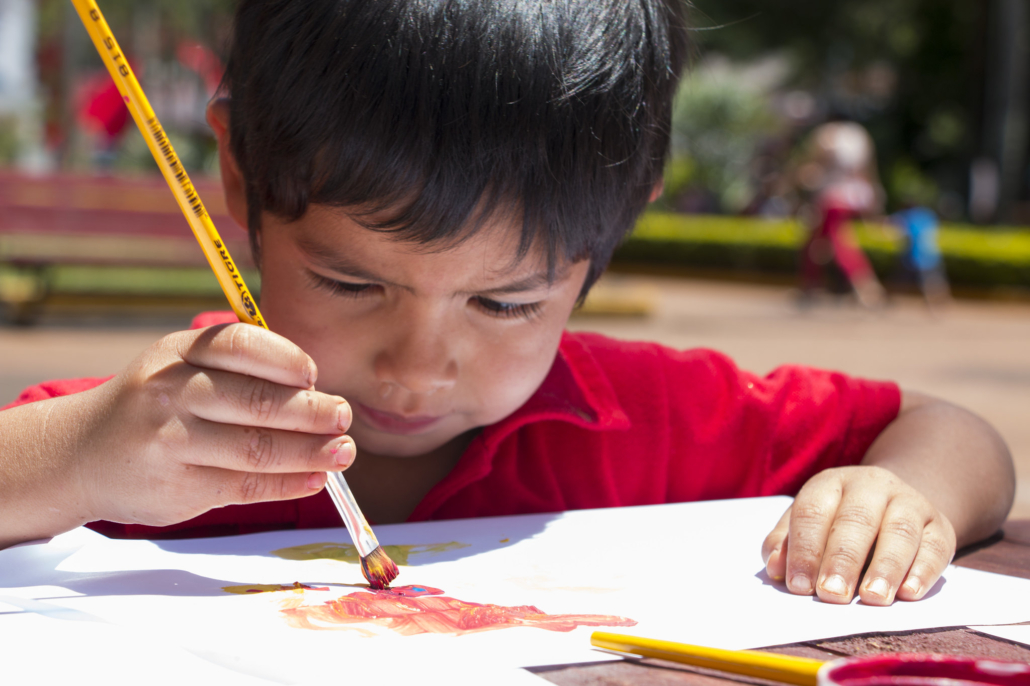
Child Poverty in PortugalNestled between stunning landscapes and steeped in history, Portugal’s charm is undeniable. As a popular tourist destination, visitors enjoy beautiful mountains in the north and lush terrain in the south. However, behind the charm of this attractive country lies a heartbreaking reality: over 20% of Portuguese children live in poverty. More specifically, almost a third of these children go to bed starving.
Why Is This an Issue?

Economically, Portugal is significantly weaker than its other European counterparts. A considerable number of Portuguese citizens earn notably less than other Europeans, attempting to make ends meet with the monthly minimum wage of €741. This amount is less than half of other countries like the U.K., where the monthly minimum wage is €1,600. The lack of sufficient income coupled with the expensive cost of living makes the lives of the citizenry very difficult. Families with children are in an even worse situation since more money is needed to feed every family member.

Child Labour

Despite laws against child labor, economic difficulties drive many children under 16 to beg. The financial crisis results in kids leaving school early to aid their families. This trend is especially seen in northern Portugal in industries like textiles, footwear and construction. These young workers earn less than one euro hourly, increasing the likelihood of school dropouts and skill deficiencies. 

Luckily, there is a brighter hope for these kids due to the work of entities such as the National Commission for the Promotion of the Rights and the Protection of Children and Young People–an organization founded in 2015 that aims to curb child poverty in Portugal by monitoring the actions taken by the public sector of Portugal regarding dealing with the human rights of children and other vulnerable populations. To date, the NCPRPC has safeguarded the rights of roughly 66,529 children in Portugal since 2021.

Education

In purely economic terms, due to the relatively low salaries of many families, private school fees ranging from €400 to €550 per month can pose a significant financial burden, making it difficult for them to afford these fees alongside their modest incomes. Furthermore, the prospect of a child leaving school to work and earn money is incredibly damaging and dangerous. Because proper education provides access to many opportunities to break the cycle of poverty, any threat to the quality of learning could only deepen and perpetuate the poor lifestyle of children into adulthood. Moreover, the lack of proper education also makes these children susceptible to falling into precarious situations and potential abuses, further exacerbated by their vulnerability due to economic circumstances.

Abuses Stemming From Child Poverty

Child exploitation and abuse is an unsettling reality that plagues Portugal. The numbers, which surpass 4,815 reported cases since 1950, paint a grim picture primarily affecting children between the ages of 10 and 14. This disheartening revelation sheds light on the stark contrast between perception and reality, calling into question prior notions. Legislative shortcomings have paved the way for the trafficking of particularly vulnerable girls, often hailing from impoverished backgrounds, magnifying the urgency of addressing these gaps. Moreover, the alarming practice of children trafficked from regions like Brazil, Eastern Europe and Africa into the heart of Portugal, where their lives are marred by unimaginable suffering, encompassing forced prostitution and a barrage of mistreatment, is unfortunately still rampant. 

Luckily, a resolution is underway. The Portuguese Victim Support Association (APAV), dedicated to aiding crime victims and combating sexual trafficking, partnered with The Body Shop’s impactful global campaign, receiving €44,300 for their anti-trafficking project and garnering seven million signatures for the petition ‘Stop Sex Trafficking of Children and Young People,’ thereby advancing awareness and support efforts.

Solutions

Fortunately, the Portuguese government has taken notice of the human rights violations that stem from child poverty in Portugal, and they took significant steps in 2021 to combat child poverty by participating in EU initiatives like the Child Guarantee National Action Plan. Their plan focuses on crucial aspects such as early education, accessible health care, mental health services, free school meals, housing support and strengthening care institutions. This concerted effort reflects Portugal’s commitment to improving the well-being of vulnerable children. So far, there has been a downward trend in children at risk of poverty since 2021, with childhood poverty decreasing by roughly 2%, reflecting a positive resolution to the issue of child poverty in Portugal.

While addressing child poverty in Portugal remains an urgent task, the government’s dedicated efforts and collective awareness are crucial, as aligning the nation’s inner compassion with its outward allure is imperative for a more harmonious future.

– Neha Yadavalli
Photo: Flickr

November 13, 2023
https://borgenproject.org/wp-content/uploads/borgen-project-logo.svg 0 0 Yuki https://borgenproject.org/wp-content/uploads/borgen-project-logo.svg Yuki2023-11-13 03:00:452024-05-30 22:32:37What You Need To Know About Child Poverty in Portugal
Child Poverty, Global Poverty

5 Safety Risks That Child Poverty in Paraguay Causes

Child Poverty in Paraguay
The child population in Paraguay is 2.5 million, making it 35% of the total population. Paraguay has a population of 7.3 million, with nearly 63% living in urban areas and 37% living in rural areas. Child poverty in Paraguay creates an entry point of multiple issues that risk the safety and well-being of Paraguayan children. Here are five safety risks that child poverty in Paraguay causes.

1. Child Labor

According to the Encuesta Permanente de Hogares Continua (EPHC), in 2020, 53% of children living in rural areas worked as child laborers in farmlands. Children in Paraguay experience the worst forms of labor. According to the United States Department of Labor, in rural areas, children work as child laborers on farms against their will to produce corn, beans, manioc, peanuts, peppers, sesame, sugarcane, tomatoes, lettuce, melons, sweet potato, onions, carrots, cabbages and many more crops. 

On top of producing and picking crops, children raise cattle, poultry, hogs, sheep and goats and are responsible for milk production. Children also fish using hooks and harpoons and prepare bait, exposing themselves to multiple diseases and harsh weather. 

In rural areas, children work on construction sites, exposing them to hazardous materials without any protection and dangerous conditions. Employers order children to handle heavy loads of materials and equipment, even in producing bricks.

2. Street Children

In more populated areas like the capital city, Asunción, there is a different type of child labor in street children. Impoverished children tend not to complete their education because they must provide for their families. In 2021, 75% of children enrolled in primary school and 60% enrolled in middle school, according to UNICEF and the Ministry of Education. With only 54% of students enrolled in upper secondary school. 

The children who do not attend school are working on the streets as street vendors or street performers. Parents or family members exploit their children to make money. Other street work includes sanitation, shoe shinning, newspaper vendor and begging. 

3. Child Marriages

Children of Paraguay are often subject to child marriages, which the high levels of child poverty cause. In 2020, 4% of girls 15 or younger experienced marriage or a union, according to GirlsNotBrides. 

Marriage at such a young age has severe physical and mental health issues because children are unprepared for such a commitment. Paraguay has no national plan or security in place to prevent child marriages. The main drive of child marriages is gender inequality and wealth. About 37% of women living in poor households marry at a young age. 

4. Child Exploitation

The main reason children enter marriage is the sexual exploitation of girls. In 2021, UNICEF recorded about 1,500 cases of sexual abuse. Both boys and girls are victims of sex tourism and they are often sold or given away and exploited for sexual, domestic and commercial services. 

According to UNICEF, data from Fono Ayuda 147 calculated almost 7,400 calls for cases of sexual and physical abuse from children. The organization does not know if the calls are from exploited children. Child exploitation occurs mainly through traffickers’ use of social media to recruit victims who end up on boats where others exploit them for prostitution and child pornography. 

5. Children Trafficking

Paraguay is a big contributor to child trafficking in the continent. Paraguay is a transit and destination country in the Tri-Border Area, comprising Argentina, Brazil and Paraguay. Children from rural-impoverished areas are often trafficked to cities and other countries. 

The U.S. Department of State recorded 166 trafficked victims, in the 2022 Trafficking in Persons Report. The report found  72 women, 46 girls, nine men and 33 boys in the victim group. Of that number, 74 victims reported being trafficked for sexual purposes and another 86 reported others forcing them into labor. 

Solutions

Ultimately, it would seem that the safety of children in Paraguay is severely lacking. However, programs and legislation are being enforced to slow down and protect the children of Paraguay. The program, Dispositivo de Respuesta Inmediata, responds to tips from a hotline and provides support for children on the streets. The program employs social workers and authorities to call for sexual abuse, sexual exploitation and routes of street employment in children. 

The government also passed the National Plan for Childhood and Adolescence 2022-2024, which will foresee the protection of children’s rights and highlight child labor as a violation of those rights. Paraguay is a member of the Organization of American States. As a member, Paraguay is working to strengthen its response to sexual and physical violence and the obliteration of early marriage in children. This means there is support and answers to the security of children in Paraguay.

– Sebastian Llerena
Photo: Flickr

November 8, 2023
https://borgenproject.org/wp-content/uploads/borgen-project-logo.svg 0 0 Jennifer Philipp https://borgenproject.org/wp-content/uploads/borgen-project-logo.svg Jennifer Philipp2023-11-08 01:30:192023-11-06 08:14:205 Safety Risks That Child Poverty in Paraguay Causes
Page 3 of 15‹12345›»

Get Smarter

  • Global Poverty 101
  • Global Poverty… The Good News
  • Global Poverty & U.S. Jobs
  • Global Poverty and National Security
  • Innovative Solutions to Poverty
  • Global Poverty & Aid FAQ’s
Search Search

Take Action

  • Call Congress
  • Email Congress
  • Donate
  • 30 Ways to Help
  • Volunteer Ops
  • Internships
  • Courses & Certificates
  • The Podcast
Borgen Project

“The Borgen Project is an incredible nonprofit organization that is addressing poverty and hunger and working towards ending them.”

-The Huffington Post

Inside The Borgen Project

  • Contact
  • About
  • Financials
  • President
  • Board of Directors
  • Board of Advisors

International Links

  • UK Email Parliament
  • UK Donate
  • Canada Email Parliament

Get Smarter

  • Global Poverty 101
  • Global Poverty… The Good News
  • Global Poverty & U.S. Jobs
  • Global Poverty and National Security
  • Innovative Solutions to Poverty
  • Global Poverty & Aid FAQ’s

Ways to Help

  • Call Congress
  • Email Congress
  • Donate
  • 30 Ways to Help
  • Volunteer Ops
  • Internships
  • Courses & Certificates
  • The Podcast
Scroll to top Scroll to top Scroll to top