• Link to X
  • Link to Facebook
  • Link to Instagram
  • Link to TikTok
  • Link to Youtube
  • About
    • About Us
      • President
      • Board of Directors
      • Board of Advisors
      • Financials
      • Our Methodology
      • Success Tracker
      • Contact
  • Act Now
    • 30 Ways to Help
      • Email Congress
      • Call Congress
      • Volunteer
      • Courses & Certificates
      • Be a Donor
    • Internships
      • In-Office Internships
      • Remote Internships
    • Legislation
      • Politics 101
  • The Blog
  • The Podcast
  • Magazine
  • Donate
  • Click to open the search input field Click to open the search input field Search
  • Menu Menu

Archive for category: Child Poverty

Child Poverty, Conflict, Global Poverty

Olive Kids Foundation Supports Displaced Palestinian Children

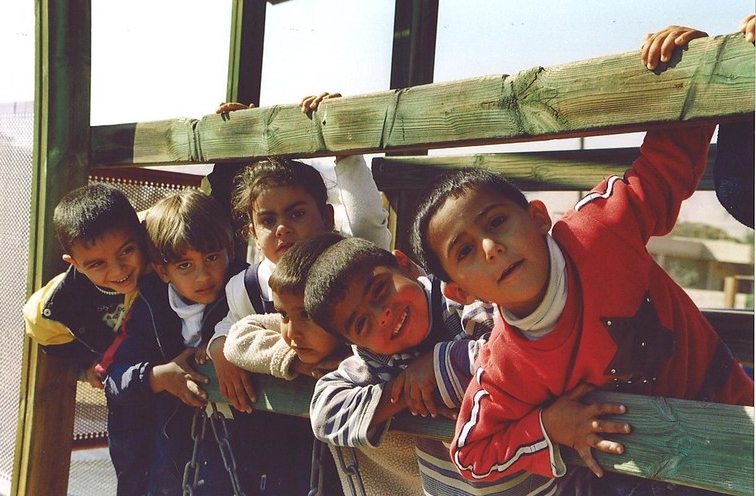
Displaced Palestinian ChildrenThe United Nations (U.N.) confirms a rise of more than 155% in violations against children in Israel and Palestine. The effects of the October 7 attack and the push for emancipation of the Gaza Strip since 1949 have sparked conflict. Despite multiple ceasefire attempts in Gaza, more than one million Palestinian children had been displaced by December 6 and more than 13,800

The situation in Gaza remains critical. Millions have fled, but those civilians who continue to live in the northern side of the Gaza Strip are surrounded by rubble, limited access to electricity and food and water shortages, which the U.N. reports are on the brink of famine. According to the United Nations Children’s Fund (UNICEF), about nine in 10 Palestinians are displaced, with children making up half of the estimated 1.9 million people affected. Furthermore, this displacement leads to separation, loss of property, abuse, exploitation and a lack of psychosocial support. Many displaced families struggle with the high costs of frequent relocations.

The Olive Kids Foundation

Amid this turmoil, the Olive Kids Foundation stands as a beacon of hope, providing essential support to the most vulnerable. Here’s how it is making a difference:

  • Child Sponsorship: A Lifeline for Orphaned Children: Orphaned children under the Olive Kids Association receive sponsorship from donors to cover their living expenses in Al-Amal. Additionally, 40% of the funds go toward their higher education, accessible once they turn 18. The foundation has successfully raised $90,000, ensuring these children have a stable future and access to quality education.
  • Medical Aid: Life-Saving Surgeries and Training: Olive Kids facilitates medical missions by sending Australian pediatric surgeons to local Palestinian hospitals and shelters. These missions include performing complex surgeries and training local medical professionals. In partnership with the Children First Foundation, severely injured Palestinian children are brought to Australia for life-changing surgeries. Additionally, the program provides immediate medical relief and builds local capacity through skill transfer.
  • Nutrition Initiative: Combating Malnutrition: Years of blockades have led to widespread malnutrition among Palestinian children. Furthermore, the recent conflict has worsened the situation, making nutritional support more critical. In response, Olive Kids has implemented a comprehensive nutrition initiative in its local orphanage, focusing on improving dietary habits. This program provides balanced meals and educates orphans, their families and staff about healthy eating practices.
  • Education: Building a Brighter Future: Olive Kids supports a range of educational initiatives to ensure that displaced children receive a well-rounded education. The Girls P/E Teacher program funds salaries for physical education teachers and provides sports kits, encouraging healthy social activities. Additionally, a supplementary program helps children with learning difficulties, offering specialized teaching methods to expand their skills.
  • Scholarships: Empowering the Next Generation: To encourage more Palestinian students to enter the medical field, Olive Kids offers scholarships. This initiative has seen a significant increase in graduates since its inception, with only three medical students graduating in 2019. The scholarship program has since expanded, providing crucial financial support and educational opportunities for aspiring medical professionals.

Making a Lasting Impact

The Olive Kids Foundation’s alumni often return to assist other children in similarly dire situations, creating a cycle of support and empowerment. Through their continuous efforts, the foundation aims to raise more donations to support displaced Palestinian children during this ongoing crisis.

– Lydie Udofia

Lydie  is based in London, UK and focuses on Global Health for The Borgen Project.

Photo: Flickr
August 10, 2024
https://borgenproject.org/wp-content/uploads/borgen-project-logo.svg 0 0 Lynsey 2 https://borgenproject.org/wp-content/uploads/borgen-project-logo.svg Lynsey 22024-08-10 07:30:542024-08-10 03:09:47Olive Kids Foundation Supports Displaced Palestinian Children
Child Poverty, Developing Countries, Global Poverty

Child Marriage in Lebanon

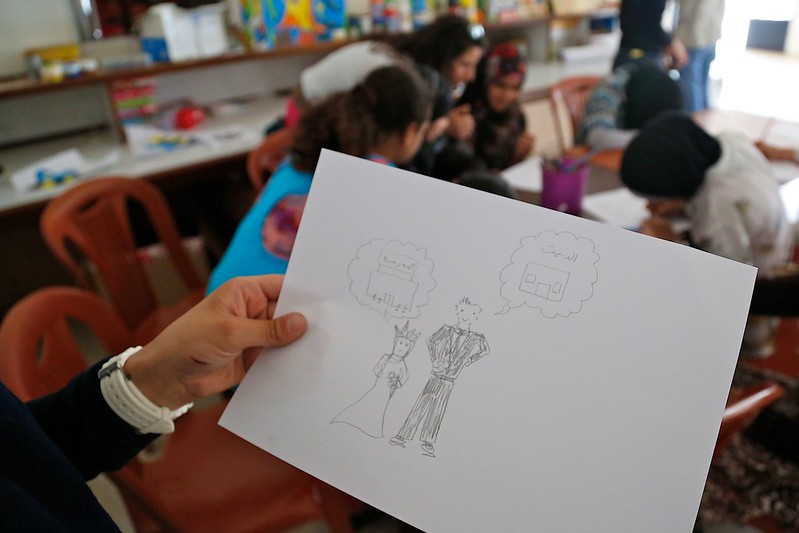
Child Marriage in LebanonIn Lebanon, 20% of girls are victims of child marriage. In 2017, UNICEF published a regional study on child marriage in Lebanon, reporting that the percentage of child marriage in the country varies with nationality. The study reported that 6% of the victims were Lebanese, 12% were Palestinian refugees from Lebanon, 25% were Palestinian refugees from Syria and 40.5% were Syrian refugees. The unstable political situation in the Middle East has made Lebanon a focal point for refugees who also become victims of child marriage.

Poverty and Child Marriage

Poverty affects 44% of the population in Lebanon. Between 2019 and 2021, the GDP per capita in Lebanon fell by 36.5%. In addition, The World Bank re-classified Lebanon from an upper-middle-income to a lower-middle-income country in July 2022. With unemployment hitting 300,000 individuals and a great increase in the intake of refugees, the rate of child marriage has seen growth, according to UNICEF.

Conflict causing a large refugee intake strained the Lebanese infrastructure and finances, resulting in refugees finding themselves undocumented and finding a solution in child marriage.

Those who live in Lebanon have also seen a rise in prices for their most basic needs, with inflation increasing by 200% since 2019, according to Anera. This results in many Lebanese, also non-refugees, having to marry off their daughters to survive.

The COVID-19 pandemic has also led to an increase in child marriage in Lebanon. Since the beginning of the pandemic, up to 10 more million girls worldwide are at risk of being victims of child marriage in the next decade. With school closures during the pandemic, the probability of child marriage could be 25% higher.

A Change Is Possible

UNICEF report shows that an approach to education can change the perception of child marriage. The report shows that 62.3% of girls who go to school are against child marriage, followed by 45% of girls who dropped out and 37.2% of girls with no education.

This demonstrates that there is a relationship between child marriage and education. Therefore, an increase in political pressure on educational policies in Lebanon and the Middle East could have a positive impact by reducing the cases of child marriage.

Lebanon does not have a personal status law that regulates issues like the legal marriage age. Instead, 18 different religious groups are regulating this issue, according to DW. In December 2020, The Sunni Supreme Islamic Council approved raising the minimum age for marriage to 18. Likewise, between November 2020 and December of the same year, Shiite Muslim religious authorities claimed to raise the minimum age of marriage to 15, DW reports.

A Structural Approach

ABAAD is an organization that fights for gender equality in the Middle East and North Africa (MENA) region. ABAAD collaborated with Queens University to study what factors affect child marriage, aiming to obtain through data collection an understanding of why child marriage happens and how its cause(s) can be intersectional.

The study targeted different groups, ranging from mothers of victims of child marriage to community leaders and as was known previously, showed that some of the root causes of child marriage are education, political situations, instability and poverty.

ABAAD’s study, however, also provided a conclusion that is central to future strategies to prevent child marriage in Lebanon. The results demonstrated that female and male participants responded differently to the causes of child marriage, showing that the approach is gendered. From this, ABAAD concluded that future strategies, therefore, can target groups who have a differentiated opinion and aim to shift this gendered narrative. Such as challenging the gendered male narrative of being responsible for a family’s income.

Different factors affect the situation of child marriage in Lebanon. This is seen in how child marriage ranges with nationality, with studies demonstrating that education can impact the approach to child marriage, proving how its perception ranges with different societal groups.

Child Marriage in Lebanon therefore has multiple intersectional causes. With progress from the religious communities and organizations such as ABAAD that target these root causes, one can see a slow but positive shift.

– Daniela Maldonado

Daniela is based in London, UK and focuses on Politics for The Borgen Project.

Photo: Flickr

July 31, 2024
https://borgenproject.org/wp-content/uploads/borgen-project-logo.svg 0 0 Jennifer Philipp https://borgenproject.org/wp-content/uploads/borgen-project-logo.svg Jennifer Philipp2024-07-31 01:30:512024-07-30 03:27:05Child Marriage in Lebanon
Child Labor, Child Poverty, Global Poverty

No Child Left Behind: Child Labor in Myanmar

Child Labor in MyanmarChild labor in Myanmar, formerly known as Burma, has been a problem in the country for many years. Some efforts have been made to reform this issue in the past, yet the numbers remain high. However, new initiatives and legislation provide a hopeful outlook for Myanmar’s children’s future.

Child Labor

Child Labor takes many shapes and children across the world are exploited in a variety of ways. In Myanmar, child labor is primarily used for agriculture, services and manufacturing. Regarding the statistics, the Ballard Brief verifies child labor as “58.3% in the agriculture division, 24.2% in the services division and 17.5% in the industrial division.”

Furthermore, the International Labor Organization (ILO), whose work in Myanmar is extensive, illustrates that “one in every 11 children in Myanmar is trapped in child labor – deprived of their childhood, health and education.” These numbers remain staggering but contextually are promising as they steadily decrease.

The Cause and Conditions

It is no secret that high poverty levels drive all family members to pursue a source of income. The higher the poverty in Myanmar, the more prevalent child labor will be in Myanmar. Addressing the issue of poverty is another way to protect the children of Myanmar, not only from dangers in the workforce but also from the dangers of lacking basic human necessities.

An article published by the United Nations (U.N.) in Myanmar has determined that “Poverty and crises are key to driving children into work.” The article stated specifically that “children in Myanmar between 5 and 17 years old are trapped in child labor, with more than half of them involved in hazardous work that directly endangers their health, safety and moral development.”

Understanding the causes of child labor assists governments, nongovernmental organizations (NGOs) and everyday people in developing quality solutions.

What’s Being Done

Many promising efforts are underway and currently in progress to tackle child labor. Myanmar has now ratified both International Conventions on child labor and the ILO’s on-the-ground projects have reduced child labor by 55% in three years in three pilot areas. In light of the significant reduction in these pilot areas, there is hope that once expanded, child labor will decrease.

Additionally, the United Nations Children’s Fund (UNICEF) is making significant strides to assist the children of Myanmar. UNICEF combats child labor in Myanmar by supporting government policy reforms and advocating for stronger child protection laws. It promotes access to quality education to keep children in school and away from labor.

Though child labor remains a significant challenge, the solutions are continually evolving and expanding. This growing momentum by Myanmar’s government and NGOs will help to eradicate child labor in the country.

– Abigail Johnson

Abigail is based in Oklahoma, USA and focuses on Good News and Global Health for The Borgen Project.

Photo: Flickr

July 27, 2024
https://borgenproject.org/wp-content/uploads/borgen-project-logo.svg 0 0 Lynsey 2 https://borgenproject.org/wp-content/uploads/borgen-project-logo.svg Lynsey 22024-07-27 01:30:352024-07-26 07:16:46No Child Left Behind: Child Labor in Myanmar
Charity, Child Poverty, Global Poverty

Hope for Haiti’s Children: The Organization Helping Haiti’s Orphans

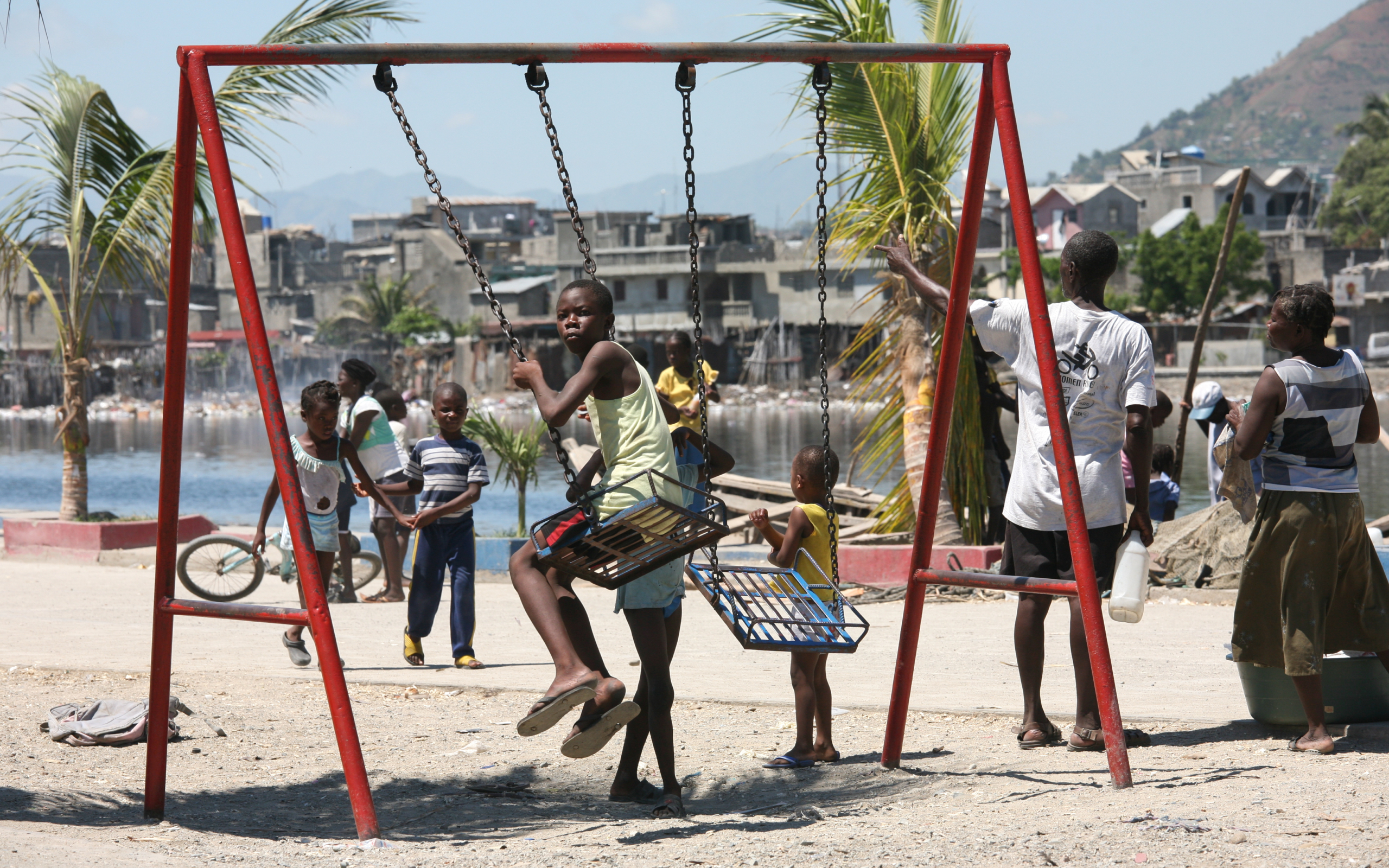
Hope for Haiti's ChildrenChild poverty is one of the most concerning global issues and one of the countries most affected by this problem is Haiti. More than three million children in Haiti require humanitarian assistance, with 1.2 million of them being orphans. The large population of orphans can be attributed to natural disasters, diseases and conflict in the country. Following the 2010 earthquake, the number of orphanages in Haiti increased by 150%, resulting in an “orphanage crisis” with around 760 orphanages in the country.

Hope for Haiti’s Children

Hope for Haiti’s Children (HFHC) is a nonprofit organization that works with orphans and other impoverished children in every phase of their lives, providing aid in nutrition, housing, health care, education, training and spirituality. Moreover, the organization offers sponsorship programs for underprivileged Haitian children, which benefit not only the children themselves but also their families, schools and communities. HFHC has also achieved sustainable nutrition goals by building a chicken coop and enriching the diet of the children by feeding them eggs. A protein-rich diet will help children battle malnutrition and prevent stunted growth. The chicken coop is also used to educate them about animal farming.

Sponsorship Programs

Last year, the Promising Adult Continued Education Sponsorship (PACES) program was introduced. It focuses on training the future labor force of the country with variable marketable skills and trades. The program is divided into two categories: residential and off-site training. The former is for younger students and includes the subjects of computer, language, baking, gardening and sewing. The latter includes the trades of solar technology, nursing, electrical work, plumbing, culinary arts, tile laying and cosmetology. As of 2022, 17 students enrolled in the program and were certified, becoming competitive in the local job market.

Fritz, a PACES program graduate, was able to enroll in university after completing the program. HFHC has sponsored him since he was 5 years old and he still maintains contact with his sponsor, whom he considers his mom. Now, he works as an outreach minister in the city of Thomazeau and trains local leaders through his leadership seminars, mentoring 200 teens of HFHC. His mom expresses her pride over Fritz’s journey. She has been an HFHC sponsor since 1995, supporting many of Haiti’s children during the years and contributing to educational, health care and lunch programs.

Vision 2030

In view of this, Project Hope was developed in 2019 as a long-term plan for improving the organization’s infrastructure by 2030. This includes doubling the capacity of the Thomazeau Christian Orphanage to accommodate 24 children, building a health and wellness clinic at the Hope Center in Thomazeau and extending the Hot Lunch Program to all its schools.

Additionally, HFHC aims to equip every school with a qualified nurse to follow up on medical needs and educate parents and children on health and wellness. It also aims to expand schools to have individual classrooms for each grade instead of shared space and ensure that each school has the physical build-up to provide schooling for the entire 13-grade curriculum. Finally, it plans to ensure the availability of vocational and job training programs throughout the year at the Hope Center.

Final Remark

By the end of 2023, Hope for Haiti’s Children had sponsored 2,401 children, 3,000 lunch programs, 3,800 Christmas Joy Boxes and more than 200 Christian Youth Camp Attendees. HFHC’s current success indicates a greater likelihood of fulfilling the Project Hope goals by 2030, which could reduce the child poverty rate in Haiti.

– Hafsa Dijoo

Hafsa is based in Sharjah, UAE and focuses on Good News for The Borgen Project.

Photo: Wikimedia Commons

July 16, 2024
https://borgenproject.org/wp-content/uploads/borgen-project-logo.svg 0 0 Lynsey 2 https://borgenproject.org/wp-content/uploads/borgen-project-logo.svg Lynsey 22024-07-16 03:00:462024-07-15 05:39:39Hope for Haiti’s Children: The Organization Helping Haiti’s Orphans
Child Poverty, Developing Countries, Global Poverty

3 Initiatives Tackling Child Poverty in Suriname

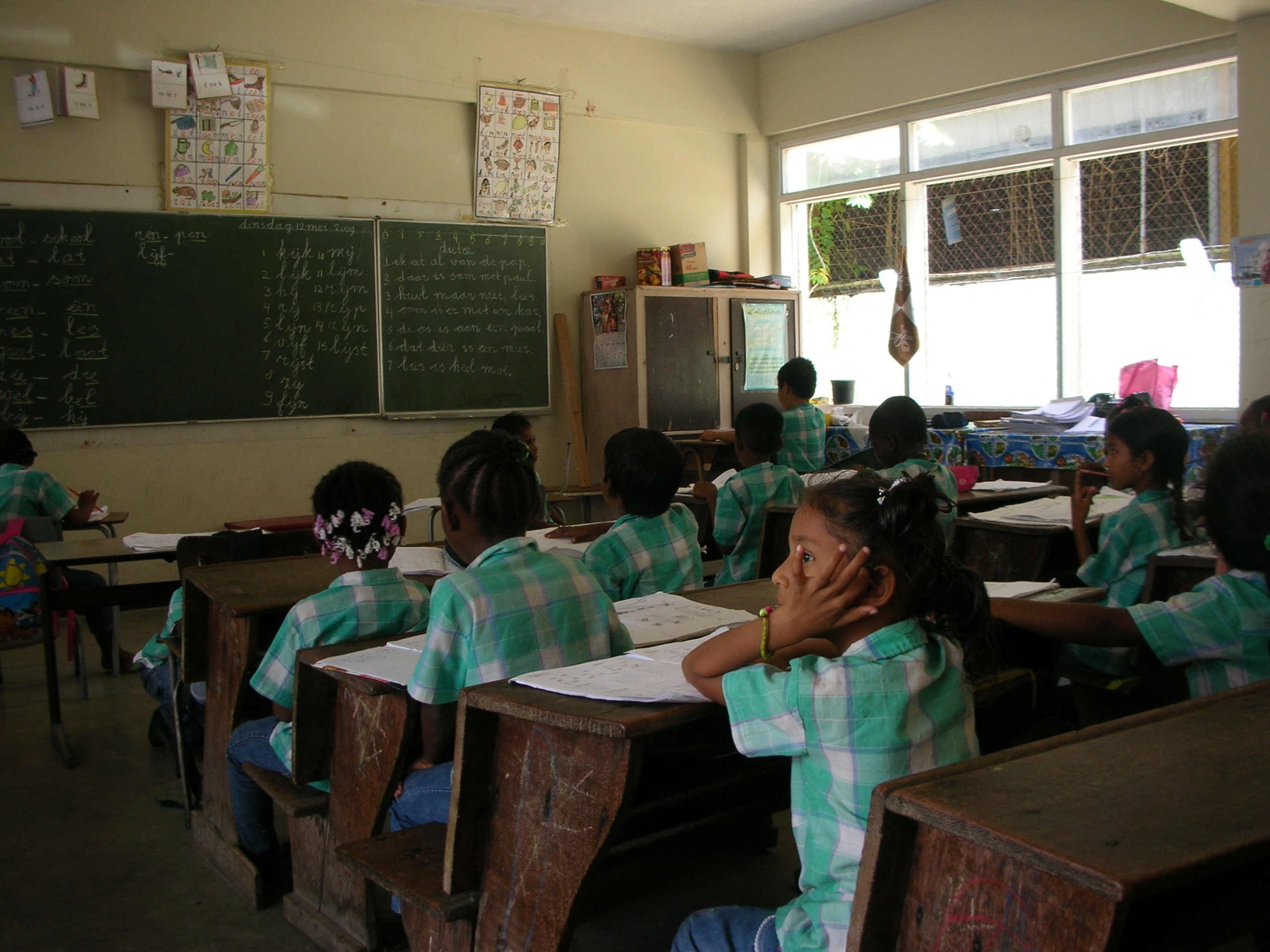
Child Poverty in SurinameSuriname is a Dutch-speaking nation located on the South American continent. According to the World Bank, 17.5% of the Surinamese population earn less than $6.85 per day. In other terms, more than 100,000 people in Suriname are impoverished according to the World Bank’s upper-middle income poverty line. Of note, 26% of children younger than 14 fell below this same poverty line in 2024, highlighting that a significant number of children belong to this more vulnerable portion of the population.

In 1993 and again in 2014, government-led solutions sought to combat child poverty in Suriname by reinforcing children’s right to education and decreasing the likelihood of child exploitation. Suriname’s Human Development Index figure of 0.690 in 2022, as opposed to the earliest recording of 0.667 in 2004, indicates a steady increase in child poverty alleviation, a positive achievement compared to neighboring countries. However, work remains to tackle the challenges faced by the young demographic. Therefore, here are some key initiatives working to tackle child poverty in Suriname:

Move Forward Suriname

The Move Forward Organization is a nonprofit organization based in the Netherlands, with efforts extending abroad to Suriname. In 2017, it kick-started a project in the neighborhood of Sunny Side, a suburb outside the capital Paramaribo. Move Forward Suriname offers an opportunity for greatly disadvantaged children to foster a sense of community through a program of lessons in music, dance and sport.

Between 2017-2018 and again in 2023, the initiative proved successful in providing these children with facilities, coaching and, crucially, a positive environment that prioritizes their well-being. The initiative is free and accessible, with bus transport provided for the weekly events.

The organization launched a new funding target of $3,000 with the ambition of returning to Sunny Side and providing the local children with these benefits once again. Currently, this round of funding aims to use its growing team of coaches to grant these children a robust skill set for employment opportunities as they move into adulthood. These skills include filming, photography and social media creation.

School Meals Coalition

According to the World Factbook, around 6.7% of children younger than the age of 5 in Suriname were underweight in 2018. This level of malnourishment often leads to multifaceted issues for young, growing children. These include diseases such as anemia, stunting during critical stages of growth and a general lack of concentration in day-to-day life. All of these issues pose a threat to these children’s well-being and future.

School Meals Coalition is an organization that focuses on policy change and works both in Suriname and internationally. Its initiative ensures that school children are entitled to meals that are equally nutritious and sustainable. Accordingly, it works closely with local producers and farmers to monitor and ensure the quality of the products fueling children as they learn and play.

In September 2023, the Surinamese government joined its scheme, supported by the Minister of Education, H.E. Henri Ori. Currently, 15,000 children are recipients of these life-altering meals and the Minister’s goal is to have all Surinamese children across the country benefit from this initiative by the end of the decade.

UNICEF and Telesur Partnership

For Suriname’s youth, mental health decline relating to living in deprived conditions presents an urgent issue. According to the United Nations Children’s Fund (UNICEF), around 36% of young Surinamese people have thought about committing suicide and 76% have recorded feeling anxiety and depression in their day-to-day lives.

In March 2024, UNICEF Suriname announced a cooperative effort with the Latin American news service Telesur to help improve the well-being and prosperity of all Surinamese children. The new partnership seeks to incorporate awareness programs to support children’s mental health. More specifically, it is concerned with developing assertiveness, self-confidence and self-sufficiency in the underprivileged Surinamese youth.

At the signing of this partnership, the UNICEF representative for Guyana and Suriname, Nicolas Pron, argued that private “partnerships are at the heart of how we deliver results for children” and that the devised programs will be stimulated by private equity. The partnership also targets private companies wielding influence in the region. It aims to rally their corporate responsibility to pursue aid for Surinamese children.

Final Thoughts

For Suriname, alarming figures surrounding malnourishment, mental health and lack of opportunity jeopardize hope for prosperity among the country’s youth. However, nongovernmental initiatives intend to turn those statistics on their head, tackling child poverty in Suriname by improving immediate conditions and fostering wider, long-term social development.

– Ramiro Ruiz Martinez

Ramiro is based in Edinburgh, Scotland and focuses on Good News and Technology for The Borgen Project.

Photo: Wikimedia Commons

July 13, 2024
https://borgenproject.org/wp-content/uploads/borgen-project-logo.svg 0 0 Lynsey 2 https://borgenproject.org/wp-content/uploads/borgen-project-logo.svg Lynsey 22024-07-13 01:30:412024-07-13 02:47:373 Initiatives Tackling Child Poverty in Suriname
Child Poverty, Developing Countries, Global Poverty

5 Things Being Done to Solve Child Poverty in Togo

Child Poverty in TogoTogo is located in West Africa along the coast of the Gulf of Guinea. With a population of 8.8 million, this small, mostly French-speaking country whose lush climate supports agriculture still struggles with poverty; 45.5% of the country’s population falls below the International poverty line. With so many people living below the poverty line, children are significantly affected. Many succumb to preventable diseases due to a lack of medical facilities. Additionally, 30% of children in Togo leave school to work, often facing exploitation in these environments. Despite these challenges, numerous organizations are working to end child poverty in Togo. Here are five organizations/legislative initiatives currently working on improving child welfare in Togo:

SOS Children’s Villages

SOS Children’s Villages has helped youth and families in 138 countries and territories, including Togo. Its approach is to prevent child and family separation, protect those children who are separated from their families and advocate for children’s rights policies.

In Togo, 380 children are under the care of SOS, with 6,800 children attending SOS Kindergartens and schools. SOS has provided 33,730 medical services, such as creating medical facilities that help aid kids with diseases such as diarrhea, tuberculosis and cardiovascular disease.

Social Safety Net and Basic Services Project

The World Bank supports the Social Safety Net and Basic Services (FSB) project, which the National Grassroots Agency implements. FSB provides financial assistance to families in need in Togo. For example, it helped one man double the size of his gardening business, enabling him to support his four children. Following initial successes in smaller villages, the World Bank increased its budget to $100 million in 2023 to support a larger number of villages in Togo.

International Conventions

Togo has already ratified the International Labor Organization (ILO) Convention 138 on the minimum age for admission to work and the Hague Convention on Protection of Children and Co-operation in Respect of Intercountry Adoption. These conventions and the Children’s Code of 2007 ensured nondiscrimination, the right to life and the principle of children’s best interests. The adoption of these initiatives shows great steps into the future of protecting children through legislation.

CARE

CARE has been working in Togo since 1986. Its work focuses on supporting women and girls through training, health services and knowledge sharing. CARE helps girls who experience exploitative and hazardous child labor receive education. CARE provides training, specifically in agriculture, to give women and girls knowledge in areas that will help them support themselves. The organization has reached 7,031 girls and is continuing to help more.

Humanity and Inclusion

Humanity and Inclusion (HI) is an organization working in Togo to create a more inclusive society by improving the living conditions of people with disabilities and individuals experiencing extreme hardship. One of its major initiatives is to make primary and secondary schools accessible to children with disabilities. HI’s teams train teachers, support schools and provide educational resource centers to make these schools a more welcoming place for children with disabilities.

Conclusion

There are many organizations and legislation initiatives at work to help end child poverty in Togo. Each of these provides aid for families, creating a foundation of their own. They have made education more accessible, which keeps children out of work. They have even specialized in certain groups, such as children with disabilities and women. This ensures that they are helping to cultivate an equitable life for these children. The work of these organizations gives hope for the future and a light at the end of the tunnel for the children of Togo.

– Ellie Buss

Ellie is based in Vancouver, WA, USA. and focuses on Good News, Global Health for The Borgen Project.

Photo: Flickr

June 30, 2024
https://borgenproject.org/wp-content/uploads/borgen-project-logo.svg 0 0 Lynsey 2 https://borgenproject.org/wp-content/uploads/borgen-project-logo.svg Lynsey 22024-06-30 01:30:592024-06-30 01:14:055 Things Being Done to Solve Child Poverty in Togo
Africa, Child Poverty, Global Poverty

Child Poverty in Djibouti

Child Poverty in DjiboutiThe Republic of Djibouti is home to 1.1 million people. With a GDP growth of 6.7% in 2023, Djibouti has experienced a graceful economic incline due to port commerce and trade. Despite attaining low-middle income status, the poverty rate in Djibouti currently sits at 79%. Socio-economic pressure on Djiboutian families living on lower-income status or below the poverty line has caused widespread exposure to child labour and malnutrition. Children living in rural areas are more likely to be struggling with insufficient prenatal care and social services such as education and health care facilities. With the consideration of children representing a third of the country’s population, the alleviation of child poverty in Djibouti continues to be an essential step in governmental & international humanitarian relief.

A Debrief of Djibouti’s Malnutrition Crisis

Djibouti’s record of food insecurity traces back to its heavy dependence on foreign aid and struggles with “persistent droughts and food shortages.” The weather in Djibouti instigates consistent agricultural production with conditions of 130 mm of rainfall per year, according to the World Bank, and recurring droughts. As one of Africa’s smallest countries, Djibouti’s limitation in arable land impedes the ability to produce food, the World Bank reports. The insufficient production of food resources is disproportionate to the necessary nutritional needs of a human being, significantly impacting 42% of the population of Djibouti that is living in extreme poverty, according to the World Food Programme (WFP). As a result, the country imports 90% of food production through global markets instead.

The increment in pricing for commodities such as housing, electricity and water fuels financial pressure on lower to middle-income families. Household expenses in addition to the inflated international food import prices render it difficult for parents to protect children and adolescents from nutritional deficiency. Due to limited economic opportunity for lower-income Djiboutian families, the financial prioritization of basic household requirements leaves little room for imperative dietary coverage.

Djibouti holds one of the highest cases of child malnutrition compared to other countries within the Middle East and North Africa regions. Due to the exacerbated food shortages, weather conditions and economic setbacks, one in three Djiboutian children are severely malnourished, according to the SOS Children’s Villages. More than 10% of Djiboutian children aged between 6 and 59 months are living in households with food insecurity and are suffering from acute malnutrition, according to a 2011 report. The high occurrence of malnutrition due to limited feeding practices for Djibouti’s children comes with deterioration in physical development such as stunted growth and critically underweight.

Susceptibility to Child Labor

Due to the financial strain on families, children have to be a part of the workforce from an early age. Djiboutian children are more likely to work at the age of 5 than to be attending school or other childhood services, according to the World Bank report. Often, these children struggle with aggressive workplace conditions to attend school or contribute to their family income. From caring for livestock to street work such as polishing shoes or washing cars, Djiboutian children in the workforce partake in diverse roles. However, Djibouti’s children are also vulnerable to illicit activities such as human trafficking. Commercialized sexual exploitation occurs due to the absence of labor inspectors.

While Djibouti’s Ministry of Labor has enacted laws that provide standardized guidelines on child labor; there yet exists legal gaps in protection from sexual exploitation. The country proposed the national labor inspection Strategy in 2020, however, it has been ineffective in applying adequate protection against child labor. Children’s exploitation occurs due to the absence of labor inspectors, according to Humanium. The financial strain on Djibouti’s government prohibits further law enforcement protocol to protect vulnerable children from unethical forms of labor. Child labor tends to compromise a child’s engagement with education due to physically and psychologically demanding circumstances that they are subjected to.

Going Forward With International Effort

International organizations alongside the Djiboutian government are in motion to develop policies and services to secure food, proper housing and educational opportunities for children living in harsh conditions. For example, the SOS Children’s Villages has been providing support in Djibouti for children without parental care since 2011. SOS Children’s Villages have immensely supported 190 Djiboutian children and families living in poverty within the city of Tadjourah.

Additionally, UNICEF and the WFP are simultaneously strategizing to reduce acute malnutrition through policy advocacy. UNICEF has appealed for $2.5 million from the U.S. government where 36% would go to water, sanitation and hygiene, around 8% would be allocated for education, and around 17% for food security. UNICEF has also partnered with Djibouti’s government to provide accessible water and nutritional goods for more than 6,000 children.

In 2022, the World Bank approved a $30 million International Development Association (IDA) grant for Djibouti to provide financial means to protect families that are exposed to sudden economic disparities. Due to the recurrence of severe droughts, pricing in Djibouti has had a significant impact on lower-income households. The Social Protection Emergency Crisis Response Project is on a mission to generate social safety nets for households in Djibouti struggling with multiple crises.

A Secure Childhood

This form of financial protection could shield vulnerable families from national crises, and those that cannot be substantially supported by the government. By ameliorating the scarcity of resources for families living in poverty, children in Djibouti are pushed even further to attain a secure childhood as every child should. A safe environment for children in Djibouti begins with quality education, access to nutrition, and relief from labor exploitation. International focus has been a remarkable contributor to protecting the rights and freedom of the young generations of Djibouti and preventing further child poverty in Djibouti.

– Abigail Lobo

Abigail is based in Ontario, Canada and focuses on Good News and Technology for The Borgen Project.

Photo: Flickr

June 1, 2024
https://borgenproject.org/wp-content/uploads/borgen-project-logo.svg 0 0 Jennifer Philipp https://borgenproject.org/wp-content/uploads/borgen-project-logo.svg Jennifer Philipp2024-06-01 07:30:122024-05-30 05:58:38Child Poverty in Djibouti
Aid, Child Poverty, Global Poverty, Nonprofit Organizations and NGOs

How ChildFund Supports Impoverished Korean Children

How ChildFund Supports Impoverished Korean ChildrenChildFund’s support for impoverished Korean children aims to address the broader socio-economic challenges faced by a country that has undergone dramatic transformations. South Korea, officially known as the Republic of Korea, is situated in East Asia with its capital in Seoul and a population of approximately 51.53 million. In the early 1960s, following the Japanese occupation and the Korean War, South Korea was one of the world’s poorest countries with a GDP per capita below $100. Since then, South Korea’s economy, once primarily dependent on agriculture, has experienced significant growth.

By 2022, South Korea’s GDP per capita soared to $32,423, substantially higher than the international average of $12,703. Although South Korea ranks as the 13th largest economy globally and is a member of the Organization for Economic Cooperation and Development (OECD), challenges such as child poverty persist. This highlights the importance of ChildFund’s efforts to support and uplift the lives of impoverished children, ensuring that economic advancements reach all segments of society, particularly the vulnerable youth.

Children’s Well-being and Poverty in South Korea

In its studies on child well-being, the OECD discovered that 7.1% of South Korean children are at risk of relative income poverty, which is below the OECD average of 13.4%. However, a national survey using the Child Deprivation Index revealed that about 10% of South Korean children lived in poverty in 2018. This statistic suggests that official poverty rates for Korean children, typically based solely on household income, may lack broader context and thus report a lower figure of about 5%.

ChildFund Korea’s Domestic Efforts

ChildFund, established in 1938, works globally to improve the living conditions of impoverished children. Its Korean branch has been active since 1948, focusing on preserving children’s rights through various projects centered on survival, protection, development and participation. In South Korea, ChildFund aids impoverished children by providing essential childcare, covering living expenses and offering medical support. The organization supports low-income families by providing daycare services for immigrant parents and covering essentials such as diapers and groceries. For protection rights, the organization operates Green Umbrella Shelters, which offer a safe space for children facing physical and emotional abuse, providing access to counseling and medical care.

ChildFund provides social welfare centers across South Korea that help communities’ adults and elders protect children. Addressing the right to development, the organization funds educational needs for impoverished Korean children, including textbooks, school uniforms, music lessons and sports coaching. ChildFund Korea also promotes children’s right to participate by involving them in research groups and roundtable discussions, amplifying their perspectives on children’s rights.

ChildFund’s International Outreach

The organization extends its efforts beyond South Korea, assisting children in developing countries, low-and-middle-income nations and impoverished Korean children residing in North Korea, or the Democratic People’s Republic of Korea, providing childcare, emergency relief and medical support. Besides direct aid, ChildFund Korea also advocates for children’s rights legislation, aiming to improve the lives of impoverished Korean children both within South Korea and globally.

Looking Ahead

ChildFund Korea’s commitment to nurturing the well-being of impoverished children is poised to generate substantial improvements in their lives and communities. By continuing to expand its educational and health care initiatives, the organization aims to empower the next generation of South Koreans. These ongoing efforts, coupled with the ongoing advocacy for children’s rights, are crucial for building a more equitable and prosperous society.

– Estelle Lee

Estelle is based in Seattle, WA, USA and focuses on Good News for The Borgen Project.

Photo: Flickr

May 13, 2024
https://borgenproject.org/wp-content/uploads/borgen-project-logo.svg 0 0 Precious Sheidu https://borgenproject.org/wp-content/uploads/borgen-project-logo.svg Precious Sheidu2024-05-13 01:30:302024-05-13 00:48:27How ChildFund Supports Impoverished Korean Children
Africa, Child Poverty, Children, Water

LWML: Mission Grants for the Children of Kenya

Mission Grants for the Children of Kenya Children in Kenya are struggling. In places like Kisumu, many are living on the streets, “begging and stealing to survive.” They sleep in unsafe and unsanitary places such as parks or the sewer. There is a lack of clean drinking water for those who attend school, especially in rural areas where children must walk long distances to retrieve water that may not even be safe for them to drink. Water-borne illness is a common cause of low school attendance and children falling behind in schoolwork. Fortunately, these problems have caught the attention of an organization that now provides mission grants for the children of Kenya. These organizations take action to improve the conditions for Kenyan children with the financial help of missionaries and auxiliaries.
Lutheran Women’s Missionary League (LWML)

Founded in 1942, the Lutheran Women’s Missionary League (LWML) is an official auxiliary of the Lutheran Church. Its purpose is to encourage and equip Christian women to live in active ministry and support global missions. Each year, the members of LWML vote on a list of missions to support and establish a financial goal to reach for them. A few missions working on improving the lives of Kenyan children have made the list. Here are two of LWML’s mission grants for the children of Kenya.

Water and the Word for Rural Schools in Kenya

This is one of the mission grants for the children of Kenya that started in 2008 when a man from Nebraska was traveling around East Africa and saw the need for clean drinking water in rural areas and took action. Through help from social workers and educators in Nakuru, he developed a system of water harvesting equipment. The team installed water storage, filters, hand-washing systems, rain gutters and tanks in schools across Kenya.

In 2016, the Lutheran Church Missouri Synod took over the project. It became an organization that continues to bring clean water resources and religious teachings to schools in Kenya. In 2019, LWLM members approved the mission grant to continue supporting this project.

Capstone Ministries

Capstone Ministries is another project on the list of mission grants for the children of Kenya that LWML supports. Founded in 2005, the organization focuses on bringing street children in Kenya, especially the areas in and around Kisumu, back to their families. There are many challenges that this process includes such as children who feel shame, hopelessness or poverty burden and do not want to go back home. By 2016, Capstone Ministries reconciled 678 children with their families, according to its website. The project’s members frequently visit these children and their families to ensure all is going well.

In Kenya, high school education is not free. The average yearly price is $650 and many cannot afford it. Capstone Ministries started a scholarship fund to provide affordable opportunities for kids to continue school. In 2016, the organization sponsored 42 boys in secondary school, according to its website.

LWML Involvement

In addition to providing mission grants for the children of Kenya, members of LWML become personally involved with the missions themselves. Shurie Scheel was one of these hands-on people in 2022 when she visited Kenya to see the progress of the Water and the Word project. Scheel is the grant administrator for Water and the Word and is an active member of LWML at her local Lutheran church in Wyoming.

While visiting the schools, Scheel and her group brought the children soccer balls, books, school supplies, as well as sanitary supplies for the schoolgirls to keep them going to school. Representing the LWML, she established groundwork and connections with the people working on the mission. She was able to bring back information and visual evidence that the money LWML was giving to the project was having a positive impact on the lives of the schoolchildren therefore encouraging more donations.

Missionary groups like the LWML are helping to provide financial support for projects like Water and the Word and Capstone Ministries. This process relieves the time-consuming fundraising efforts so the missions can work on important things like improving the lives of impoverished children.

– Heather Gisi
Photo: Unsplash

March 6, 2024
https://borgenproject.org/wp-content/uploads/borgen-project-logo.svg 0 0 Naida Jahic https://borgenproject.org/wp-content/uploads/borgen-project-logo.svg Naida Jahic2024-03-06 01:30:152024-03-05 03:53:26LWML: Mission Grants for the Children of Kenya
Child Poverty, Global Poverty

What About Child Poverty in Finland

Child Poverty in FinlandChildren are the world’s most valuable resource and its best hope for a future. John F. Kennedy is among the many who have famously quoted hopeful statements about children. Children are the future, and if they are taken care of properly, then chances are it will be a promising future. With the increased living costs, many single-parent families in Finland are struggling to provide their children with what they need to thrive.

Child Poverty in Finland Stats

According to UNICEF’s Report Card Study, which compares child poverty in the European Union and OECD countries, Finland is ranked 14th out of 39 countries, with 10.1% of children living in poverty between 2019 and 2021. Children in single-parent households face acute struggles. With the increased living costs, single parents face difficult decisions, such as buying food or new clothing for their children. 

The Biggest Threat

Finland’s government cut its social security and unemployment budget in 2024, hoping to encourage its immigrant population to enter programs designed to prepare them for the workforce. However, the Social Affairs and Health Committee of the Finnish Parliament, after emotional and “chaotic” meetings, expressed concern about how these policy choices impact their population, as similar actions taken by Denmark in 2002 and 2015 resulted in drastic increases in poverty and crime levels. Researchers are also concerned that implementing these policies will discourage immigrants from participating in government integration programs.

UNICEF studies have shown that social security is essential for keeping children out of poverty. Sanna Koskein, a senior expert on child-friendly governance with UNICEF, says, “The proposed social security cuts by the current government will have serious consequences for the children’s well-being.” 

Solving Child Poverty in Finland

Finland has announced an action plan to reduce the number of people at risk for poverty to 100,000 by 2030. This program focuses primarily on people with pensions and families with children and aims to encourage families to participate in government integration programs. The children of families who participate in these programs tend to stay in school longer, perform better academically and enjoy more success in the workforce. In the face of budget cuts to social services, programs aimed to reduce poverty levels are a path forward toward Finland reducing its child poverty rates, thus ensuring a better future for all its citizens. 

– Heather Gisi
Photo: Unsplash

February 7, 2024
https://borgenproject.org/wp-content/uploads/borgen-project-logo.svg 0 0 Yuki https://borgenproject.org/wp-content/uploads/borgen-project-logo.svg Yuki2024-02-07 07:30:522024-02-06 04:41:01What About Child Poverty in Finland
Page 2 of 15‹1234›»

Get Smarter

  • Global Poverty 101
  • Global Poverty… The Good News
  • Global Poverty & U.S. Jobs
  • Global Poverty and National Security
  • Innovative Solutions to Poverty
  • Global Poverty & Aid FAQ’s
Search Search

Take Action

  • Call Congress
  • Email Congress
  • Donate
  • 30 Ways to Help
  • Volunteer Ops
  • Internships
  • Courses & Certificates
  • The Podcast
Borgen Project

“The Borgen Project is an incredible nonprofit organization that is addressing poverty and hunger and working towards ending them.”

-The Huffington Post

Inside The Borgen Project

  • Contact
  • About
  • Financials
  • President
  • Board of Directors
  • Board of Advisors

International Links

  • UK Email Parliament
  • UK Donate
  • Canada Email Parliament

Get Smarter

  • Global Poverty 101
  • Global Poverty… The Good News
  • Global Poverty & U.S. Jobs
  • Global Poverty and National Security
  • Innovative Solutions to Poverty
  • Global Poverty & Aid FAQ’s

Ways to Help

  • Call Congress
  • Email Congress
  • Donate
  • 30 Ways to Help
  • Volunteer Ops
  • Internships
  • Courses & Certificates
  • The Podcast
Scroll to top Scroll to top Scroll to top