• Link to X
  • Link to Facebook
  • Link to Instagram
  • Link to TikTok
  • Link to Youtube
  • About
    • About Us
      • President
      • Board of Directors
      • Board of Advisors
      • Financials
      • Our Methodology
      • Success Tracker
      • Contact
  • Act Now
    • 30 Ways to Help
      • Email Congress
      • Call Congress
      • Volunteer
      • Courses & Certificates
      • Be a Donor
    • Internships
      • In-Office Internships
      • Remote Internships
    • Legislation
      • Politics 101
  • The Blog
  • The Podcast
  • Magazine
  • Donate
  • Click to open the search input field Click to open the search input field Search
  • Menu Menu

Archive for category: Child Poverty

Child Poverty

5 Organizations Helping Children in Singapore

Organizations Helping Children in SingaporeAlthough Singapore is ranked as one of the most livable cities, there remains a wide poverty gap due to rising food prices and low household income. As Singapore does not recognize an official poverty line, disparities are measured through household income thresholds. According to research in 2020 by Irene Ng, 12% of households in Singapore are unable to meet “basic consumption needs,” resulting in children being unable to obtain a comprehensive education. Due to this disparity, it is imperative that Singaporean children receive continued support from organizations that assist with educational and enrichment programs, scholarships and counseling. The following organizations helping children in Singapore provide vital resources for the country’s most vulnerable. 

5 Organizations Helping Children in Singapore

  1. Singapore Children’s Society – Established in 1952, this organization has been operating for more than 70 years. According to a press release, they aim to “protect and nurture children and youth of all races and religions.” To accomplish this, the Singapore Children’s Society has implemented more than 10 different services that provide support for abuse victims, mental health and education. With $22 million in funds, this organization has assisted more than 20,000 people in need in 2022 alone. Through its youth programs KidzSHinE and Storm Riders, this organization provides children with educational, financial and psychological assistance. These programs build resilience in children at an early age and provide a healthy outlet for processing their emotions. Because of its widespread impact, the Singapore Children’s Society has received more than 10 different awards, highlighting its dedication to underprivileged youth through its charity, social impact and community excellence.
  2. MILK (Mainly I Love Kids) Fund – Established in the 1990s, this organization began to aid children with “chronic but treatable illnesses,” according to its website and has expanded over two decades to more broadly address their needs. Through its educational programs and ITE, Polytechnic and University scholarships, diligent students are afforded the opportunity to expand their education without worrying about the financial burden. These scholarships have positively aided more than 700 recipients so they can “realize their fullest potential and break out of their poverty cycle.” Along with these scholarships, MILK also provides students with monetary awards through its “MILK Community/School Bursaries” program.
  3. Children’s Wishing Well – Since 2002, this Singapore-based organization has aimed to provide successful futures for children from all walks of life through its education and assistance programs. This organization provides holistic education through its tailored programs for individual children’s needs. Through its Children Enrichment Programme, Children’s Wishing Well prioritizes children’s educational needs by providing academic support, tutoring, electives, counseling, weekly reading sessions and skills to navigate life effectively. According to an analysis of this program, it was found that “the social Impact of Return (sROI) was 3 times (300%) of the monetary value spent on the children.” Along with this program, Children’s Wishing Well also offers FRESH (Fresh gRoceries for Every Student’s Home), which provides children with skills in budgeting, shopping and nutritional eating.
  4. Beyond Social Services – Beyond Social Services is a Voluntary Welfare Organization (VWO) that operates with a community-based approach by providing programs for children that aid education and development. These programs operate within communities to strengthen the bonds between members and offer support. Its Healthy Start Child Development Centre (HSCDC) offers full-time daycare to more than 50 children and infants under the age of 6, involving both community and family members. Another community-based program called Youth United promotes safe and beneficial environments that bond community members, children and teachers. With these intentional programs, Beyond Social Services says they prioritize “building futures through friendships,” creating opportunities for youth and adults to connect and “cooperate toward a common good.”
  5. Club Rainbow – This charity organization uses a holistic approach to provide children with chronic illnesses support and compassion. Since 1990, this organization has aided impoverished children in Singapore by providing services, programs and funds to connect children with their families. To do this, Club Rainbow provides children with a social worker, counseling services, educational support, arts programs and opportunities to strengthen their life skills. Along with these core services, Club Rainbow also provides a Youth Programme to build the confidence of young teens through workshops and discussions. Club Rainbow also provides grants to talented youth through its Talent Development Fund, which has aided more than 500 children to continue pursuing their dreams.

Looking Ahead

While Singapore has been ranked highly in human capital development, there still remains a need to aid those who lack funding and support. These organizations provide children with resources, ambition and courage to grow. Through the 2022 Children Enrichment Programme by Children’s Wishing Well, for example, roughly 80% of children involved became highly motivated to escape the poverty cycle and curate their futures. With the continued efforts of organizations that aid impoverished children in Singapore, these children will grow academically and mentally, given the care and support that allow them to succeed. 

– Kristina Gaffney
Photo: Flickr
August 30, 2023
https://borgenproject.org/wp-content/uploads/borgen-project-logo.svg 0 0 Lynsey Alexander https://borgenproject.org/wp-content/uploads/borgen-project-logo.svg Lynsey Alexander2023-08-30 23:39:372024-05-30 22:32:205 Organizations Helping Children in Singapore
Child Poverty, Global Poverty

Eliminating Child Poverty in Namibia

Child Poverty in Namibia
The Republic of Namibia, situated in southern Africa, was established in 1990. It shares borders with Angola and Zambia to the north, Botswana and South Africa to the south and the South Atlantic Ocean to the west. Namibia, a middle-income parliamentary democracy, is famous for its political stability and rich cultural diversity. Its economy revolves around industries such as mining, agriculture, tourism and fishing, with significant industrial hubs around the capital, Windhoek.

Namibia exhibits substantial ethnic diversity, encompassing more than 10 regional languages and cultures. After decades of being ruled by apartheid-era South Africa as South West Africa, the nation grapples with socioeconomic underdevelopment and widespread poverty, particularly among its rural population. Here is an overview of child poverty in Namibia.

Improved Conditions Coexist with Extreme Poverty

Though Namibia has made rapid progress in curbing poverty, falling from 37.7% in 2003 to 17.4% by 2015, disadvantaged demographics, such as children, often experience higher rates of poverty than the general population. 

Child poverty in Namibia generally remains at more than 30%, with substantial concentration among agricultural and rural families. Overall deprivation or multi-dimensional poverty, which includes the inability to afford certain goods and services, such as transportation, refrigerators and stoves, are the results of long-standing poverty and remain widespread in some of these rural regions, which accentuates the impact of limited income. 

Poverty varies among children and within their families widely, with children from families with only one income and families with more than four children especially prone to extreme poverty. 

Concentrated primarily in families facing structural challenges, this heightened level of poverty often involves limited access to necessities like water, crucial for farming. Approximately 80.7% of impoverished children lack improved water access, while more than 65.3% lack various utility services. Although extreme poverty is relatively low by African standards, it remains significant among these younger children, with 24% experiencing malnutrition under five years of age and 13% being underweight.

Improvements Point to Future Progress

Despite these adversities, Namibia has continued to outpace other African nations in reducing poverty, especially for those in positions of extreme deprivation despite ongoing challenges in addressing less severe poverty. Following independence, Namibia introduced a series of social grants oriented toward reducing the effects of extreme poverty, including those targeted explicitly at child poverty. Though such grants benefit households without children in impoverished conditions, government assistance is more prevalent among households facing child poverty. 

Grants offered to families based on social conditions include those for foster care and child maintenance, disability grants and pensions for those more than 60 years of age. Many such government aid schemes, such as pensions, though not directly oriented toward impoverished children, have collectively reduced child poverty measurably. According to an analysis conducted by the Namibian Statistics Agency in 2010, child poverty would increase from 38.9% to 61.1% without social grants. 

Specialized International Charities Facilitate Advancement 

International charity and development organizations have also contributed to efforts to improve opportunity and welfare among children in Namibia. One such organization, Project HOPE Namibia, also known as the People Health Foundation invests in improving health care access, quality and patient care in select nations. In Namibia, the charity focuses on providing medical care to vulnerable populations, including children. This care includes vaccination, financial literacy training and material required for continued education. These programs have, with assistance from the United Nations (U.N.) and aid programs operated by the United States (U.S.), vaccinated 24,000 orphans and vulnerable children against the coronavirus. 

The continued interest of the Namibian Government, in particular in expanding the child grant system and in resolving the very high level of income inequality, a product of the legacy of stifled opportunity for most of the population during the apartheid era, is a positive indication for continued efforts in countering child poverty. A stable political infrastructure bolsters cooperation with various U.N. organizations such World Food Programme (WFP), UNICEF and UNESCO. However, continued investments are forecast as required to maintain progress, with economic growth and the country’s high literacy and school attendance growing income likely insufficient to lower poverty among children, and other vulnerable demographics, to the low levels sought. 

In sum, though child poverty remains a concern for the international community which merits continued investment and analysis, Namibia offers potential in its capacity to meet goals in eradicating such deprivation among children and other vulnerable demographics. 

– Cormac Sullivan
Photo: Wikipedia Commons

August 24, 2023
https://borgenproject.org/wp-content/uploads/borgen-project-logo.svg 0 0 Lynsey 2 https://borgenproject.org/wp-content/uploads/borgen-project-logo.svg Lynsey 22023-08-24 01:30:342024-05-30 22:32:15Eliminating Child Poverty in Namibia
Child Poverty, Global Poverty

Singakwenza: Early Childhood Development in South Africa

Early Childhood Development in South AfricaSingakwenza, derived from the isiZulu for “We can do it,” is a truly inspiring organization that has been making a significant impact on early childhood development in South Africa since its establishment in 2010. By training parents, educators and caregivers, Singakwenza is empowering the lives of underserved children and fostering hope for a brighter future. 

In the first five years of life, the human brain develops over a million neural connections each second, more than at any other phase. These crucial early years lay the foundation for essential learning skills that shape a child’s success in school and beyond. This is why UNICEF calls early childhood development “one of the most powerful and cost-effective equalizers we have at our disposal.”

Background

Tragically, an estimated two-thirds of the 1.2 million South African children between zero and 5 years old live in poverty. Of these, less than a quarter are enrolled in a meaningful early learning program. Even among those enrolled, only 44.7% will meet the necessary emotional, physical and mental development markers by the age of 5. In the province of Kwa-Zulu Natal, where Singakwenza operates, this number is below 30%, the worst rate in South Africa.

Despite the urgent need for resources and curriculum development, early learning programs make up only 1-2% of the South African government’s education budget. Recognizing this gap, Singakwenza’s founders started the organization with a mission to change these disheartening statistics and improve early childhood development in South Africa.

Shaping the Future With Training and Mentorship 

Singakwenza’s Training and Mentorship Program teaches practitioners in underserved communities a play-based philosophy of early childhood development. As of 2023, Singakwenza is mentoring 22 preschools and 61 caregivers, impacting over 700 students annually. By training dozens of teachers, each responsible for several hundred students throughout their careers, Singakwenza significantly multiplies its positive influence. 

An offshoot of the Training and Mentorship Program, the Basic Bookkeeping Program equips preschool owners with the tools to develop sustainable businesses. By providing a coach to work closely with owners for several weeks, Singakwenza assists them in managing their expenses, income, invoicing and other essential tasks. This ensures that practitioners mentored by Singakwenza will remain a crucial part of Kwa-Zulu Natal’s education network.

Waste 2 Toys Making for Sustainable Play

The inability to access expensive toys creates obstacles to early childhood education in underserved areas. That’s why Singakwenza’s Waste 2 Toys program teaches practitioners and donors how to make developmentally appropriate toys from recycled materials. In their 511 workshops, Singakwenza has trained almost 12,000 people to make toys. It estimates that over 200,000 children have benefitted from this training.

Not only is making toys from recycled materials environmentally sustainable, but it is also economically viable for South Africa’s poor families. If a toy gets lost or broken in play, parents and teachers can replace it for free, making Singakwenza’s program far more impactful than a one-off toy donation. 

Singakwenza provides hope for early childhood development in South Africa. In doing so, it contributes to breaking the cycle of poverty and invests in the country’s future leaders.

– Faye Crawford
Photo: Unsplash

August 23, 2023
https://borgenproject.org/wp-content/uploads/borgen-project-logo.svg 0 0 Lynsey Alexander https://borgenproject.org/wp-content/uploads/borgen-project-logo.svg Lynsey Alexander2023-08-23 01:30:152023-08-21 02:48:29Singakwenza: Early Childhood Development in South Africa
Child Poverty, Global Poverty

Tackling Poverty in the Netherlands Is Urgent

Tackling Poverty in the NetherlandsOn June 9, 2023, Dutch opposition parties took urgent action to address poverty in the Netherlands, demanding significant changes before the summer. The leader of the Socialist Party, Lilian Marijnissen, emphasized that hundreds of thousands of people in the country are living in poverty, with an increasing number relying on food banks. The cabinet also expressed its commitment to reducing poverty. Finance Minister Sigrid Kaag clarified that they are carefully considering all aspects related to tackling poverty in the Netherlands. In March, the Bureau for Economic Policy Analysis warned that projections indicated a rise in poverty from 4.7% in 2023 to 5.8% of the population in 2024.
Statistics Show Poverty Remains an Issue

Poverty affects nearly a million citizens in the Netherlands (6% of the population), with children, migrants and the elderly being the most vulnerable groups. To combat this issue, the government plans to reduce poverty through measures like high-income taxes, which could potentially decrease poverty by 60%. Increasing the minimum income support is also likely to be a significant step toward alleviating poverty.

At the end of 2022, the at-risk-of-poverty rate in the Netherlands stood at 14.5%, as reported by EUROSTAT. A 2022 European Commission report highlighted the Netherlands as the only EU state with a social safety net that prevents people from falling into poverty; the country’s minimum income ensures citizens are not left in destitution.

According to CBS, the Netherlands has made progress in reducing the percentage of the poor. However, not all statistics indicate success, as wages have increased, but those at the bottom of the income ladder have become poorer.

Children Living in Poverty in the Netherlands

According to data from 2022, 6.6% of Dutch children live in low-income households. The Netherlands is one of the world’s richest countries; however, 10% of the population lives below the poverty line, which makes education and health care financially unreachable for children growing up in poorer families.

Another issue in the Netherlands is the punishment of children physically at home and school. Violence against children is still an existing problem in the culture. Many of the refugees are held in centers for a longer period, and children seeking asylum do have uninsured rights.

Advancements Toward Battling Poverty in the Netherlands

The National Plan concerning policy on child poverty has declared that every child has access to health care, and local authorities have the accountability to make sure children can get health services since 2022.

Child homelessness is almost nonexistent in the Netherlands, but exact information on children living on the streets is not available. The country does not have a program that focuses on supporting homeless children. They sometimes end up living in child-friendly women’s shelters for a maximum of three months.

The number of children at risk of poverty in the long term has shrunk every year since 2015. The National Plan shares the same view with the government to tackle child poverty. The cabinet is planning on establishing the improvement of the process.

Ongoing Efforts

The Dutch government is working to help those living in extreme poverty who were affected by the COVID-19 pandemic and the war in Ukraine by cooperating with organizations aiming to create food security. The Protestant Church in the Netherlands (PKN) initiated action against poverty this year. It plans to collect products for the food bank to stop poverty from expanding. This year the Dutch government decided to cut 3.4 billion euros from the budget for development cooperation and humanitarian assistance in the next few years as it intends to turn those funds inward and provide housing for asylum seekers within the country’s borders.

An association of more than 100 Dutch development organizations considers it ill-advised that the Dutch government cut back on tackling the root causes of conflict, climate change, poverty and humanitarian assistance. The Netherlands received €413 million from the European Social Fund in 2022 to resist growing poverty. The country became the first that used money from the EU to ensure people have enough to survive. This means that almost €16 million has been rearranged for essential support, food, books for children and hygienic products for girls. The funding for the European Social Fund runs up to 2027.

What is Next?

The Netherlands employs various methods to combat poverty, boasting one of the lowest at-risk-of-poverty rates at 5.4%, in contrast to the EU average of 21.7%. Marjolijn van Gerven, the National Sustainable Development Goals coordinator, highlighted the diverse approaches for addressing poverty in the country and emphasized the importance of scientific and methodological access in this endeavor. The efforts to tackle and prevent the spread of poverty are underway, as evident in Finance Minister Sigrid Kaag’s statement: “The government really wants to prevent more people from falling into poverty. But we weigh everything, and we do that in August.”

– Klaudia Laura Sebestyen
Photo: Flickr

July 21, 2023
https://borgenproject.org/wp-content/uploads/borgen-project-logo.svg 0 0 Lynsey Alexander https://borgenproject.org/wp-content/uploads/borgen-project-logo.svg Lynsey Alexander2023-07-21 07:30:172023-07-19 02:36:33Tackling Poverty in the Netherlands Is Urgent
Child Poverty, Children, Global Poverty, Women & Children

Why Providing Accessible Childcare Services Is the Smart Thing to Do

Accessible childcareAccessible childcare is a global challenge, with nearly 350 million children below primary school age lacking the necessary support. This represents over 40% of children in this age group worldwide, highlighting the urgent need for investment in childcare.
Research and Initiatives

The United States Agency for International Development (USAID), in cooperation with the World Bank, launched an initiative Invest in Childcare. USAID alone pledged $50 million to support the initiative. This childcare incentive fund works with governments to provide support in creating childcare programs and improving policies. Subsequently, the initiative seeks to gather more accurate data on childcare development and its effects on economic growth.

The World Bank has already supported many countries, including Senegal, Liberia, Burkina Faso and Mongolia, through the development of country-specific programs. These encompass the creation of mobile preschools for rural areas in Mongolia which have already benefited more than 8,500 of the country’s most remote children, the enrollment of thousands of children in preschools in Senegal and the financing of early childhood schools’ construction in Liberia.

Whether government-sponsored, NGO-supported or community-grown, initiatives developing and liberalizing early childcare are a necessity. Throughout the world, NGOs of diverse sizes and recognition seek to improve childcare. The most prominent include UNICEF and Save the Children, but many other organizations on the ground make efforts to provide help specifically tailored to their community. The Self-Employed Women’s Association (SEWA) in India, for example, has created childcare cooperatives in an attempt to support women working in agriculture or independently in local cooperatives.

These organizations are often informal and face challenges in obtaining funding and accessing training and professional development. This struggle highlights a need for formalization, which could enable the affected organizations to unlock more investments and growth.

Childcare Closely Affects Gender Equality

Though a lack of accessible childcare hinders an entire society, data shows that women are the first to be affected and quit the labor force. World Bank data for Indonesia in 2021 revealed that 40% of women quit employment after childbirth and marriage. Another 2022 report showed that 73% of low-income respondents partaking in a survey in Bangladesh stayed at home to care for their children instead of working, and in 2018, a study “found that having a child under five years of age reduced a Sri Lankan woman’s participation in the labor force by 7.4%.” In poorer countries, when mothers cannot provide care for these children, an older sibling usually assumes responsibility. And more often than not, this older sibling is a girl. She may consequently neglect or forgo her chance at an education, which builds up stark gender inequalities for the next generation.

Improving the Economy and Children’s Health

On the other hand, the Eurasia Group has found that providing accessible childcare for women could add $3 trillion to the $45.8 trillion currently generated by women in the global economy each year. According to the Gates Foundation, this would be achieved through the creation of 43 million jobs globally. This would broaden opportunities for women, boosting economic growth and giving countries an opportunity to reclaim a productive segment of their labor force.

World Bank data has also shown that accessible childcare improved women’s financial outcomes and positively affected their families. When compared to men, women usually spend more money on their children’s education, health and nutrition. Moreover, childcare keeps children safe, with reduced mortality due to lack of supervision. For example, Bangladesh saw the mitigation of drowning risk and malnutrition reduced in Guatemala, where childcare provides up to 70% of children’s recommended energy intake.

Fostering a Foundation and a Future

The Research and Information System for Developing Countries and UNICEF have created a panel on ‘Investing in children: Investing in future’, demonstrating that early childhood care is a wise long-term investment. World Bank data shows that by prioritizing early childhood development, it is possible to pave the way for a brighter future, where children entering the labor market 15 years to 20 years later receive the abilities necessary for higher-paying, stable and innovative jobs. This positively impacts their learning, health, behavior and life opportunities. Investing in high-quality childcare not only has profound implications for individual children but also yields significant social and economic benefits. Providing children with a strong foundation in their early years can foster a generation of productive, skilled individuals. This leads to improved learning outcomes, reduced social inequalities, enhanced workforce participation and overall economic growth.

– Hanna Bernard
Photo: Flickr

June 9, 2023
https://borgenproject.org/wp-content/uploads/borgen-project-logo.svg 0 0 Naida Jahic https://borgenproject.org/wp-content/uploads/borgen-project-logo.svg Naida Jahic2023-06-09 07:30:412023-06-05 15:06:18Why Providing Accessible Childcare Services Is the Smart Thing to Do
Child Poverty

Save the Children South Africa

Save the Children South AfricaSave the Children is a humanitarian organization working around the world to help children living in poverty. One of its outlets in Africa, Save the Children South Africa, specifically aims to accomplish three goals in the country by 2030: end any preventable deaths of children under 5 years old, ensure access to quality education and stop all violence against children. While the nonprofit organization’s tireless work is extensive, here are four main ways it is working toward achieving its goals.
  1. Bridging the Gap: Save the Children South Africa is pursuing Goal 4 of the United Nations’ Sustainable Development Goals, which aims to “ensure inclusive and equitable quality education and promote lifelong learning opportunities for all.” To achieve this, it is updating local curriculums with education on 21st-century skills. Recently, the organization partnered with Webhelp South Africa, Think Human Foundation and Share Think Human to create a three-year program at Zwelihle Secondary School in Umlazi. The program facilitates the acquisition of digital literacy skills and also provides networking opportunities along the way for successful employment upon graduation. Teachers also receive training to teach skills like digital literacy, CV writing and interviewing.
  2. Child Protection Program: Save the Children South Africa considers education on positive discipline techniques as a fundamental component of its mission. The organization’s Vikela Nwana program connected approximately 3,400 children and 13,500 parents and caregivers with anti-violence resources. The program offered workshops and webinars that focused on positive discipline, a model that encourages children to practice effective communication and patience rather than violence. More than 200 educators from 10 local schools received training from 12 partner organizations in 2021. These schools are now able to lead workshops in their communities, providing protection to children who need it.
  3. Health and Nutrition: In South Africa, acute malnutrition is responsible for a third of child in-hospital deaths. As part of its mission to end all preventable deaths of children younger than 5 years old, Save the Children South Africa frequently hosts events that focus on alleviating malnutrition and other health concerns. In 2020, the nonprofit organization hosted Child Health Awareness Day (CHAD) in the Free State village of Makwane. The organization has had a partnership with pharmaceutical company GSK in this region for years, providing service to the community. The event provided vaccinations, Vitamin A supplements and oral hygiene services to hundreds of children. Adults who attended had access to HIV testing and family planning consultations. Save the Children regularly hosts CHAD events, offering community members the opportunity to receive free life-saving services and education.
  4. Early Childhood Care and Development: In the KwaZulu-Natal province, Save the Children South Africa consistently collaborates with local Education, Health and Social Development departments. These partnerships direct funds and resources to over 100 Early Childhood Development (ECD) centers and schools. Aside from supporting the centers, educators, community leaders and parents also receive access to excellent childcare instruction. Children impacted by Save the Children’s work are guaranteed a safer environment from a young age.

Hope for South African Children

According to Statistics South Africa in 2020, an estimated 62.7% of South African children live in multidimensional poverty. Fortunately, Save the Children’s educational programs and resources in South Africa are providing children with the opportunity to regain their childhood by accessing education and experiencing safety.

– Rachel Smith
Photo: Pixabay

April 27, 2023
https://borgenproject.org/wp-content/uploads/borgen-project-logo.svg 0 0 Naida Jahic https://borgenproject.org/wp-content/uploads/borgen-project-logo.svg Naida Jahic2023-04-27 01:30:292023-04-26 15:44:07Save the Children South Africa
Child Poverty, Education, Global Poverty

Child Poverty in South Sudan

Child Poverty in South Sudan
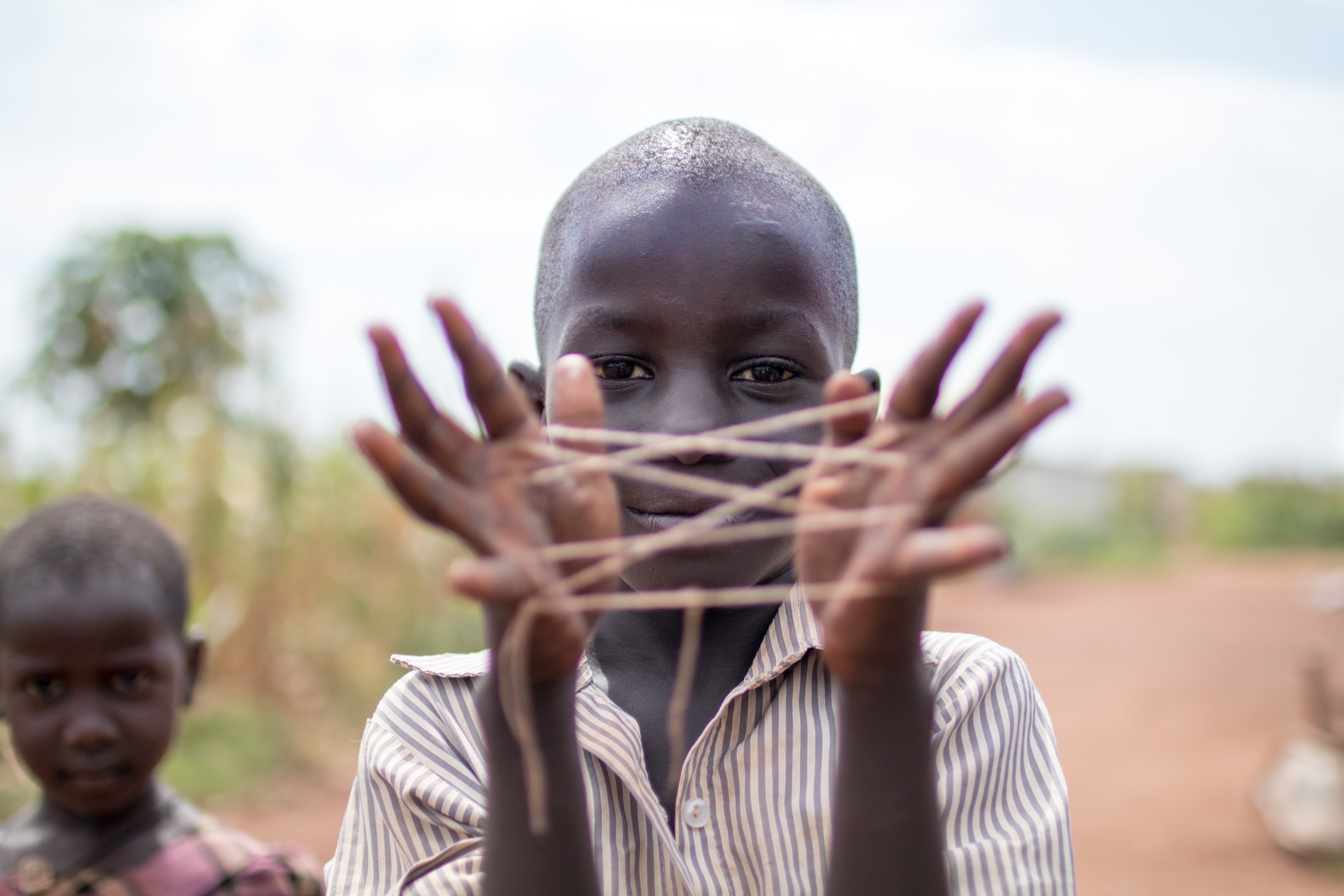
South Sudan, a North African nation that joined the U.N. in 2011, is one of the poorest and most conflict-ridden countries in the world with a GDP of 12 billion in 2015 and about 67% of the population living in extreme poverty in 2017. The younger population of South Sudan is particularly vulnerable, with around two-thirds of children requiring humanitarian assistance due to poverty, environmental risks and conflict. Child poverty in South Sudan remains an issue, but several initiatives are providing aid.

Leading Causes of Child Poverty in Sudan

  1. Conflict: Two civil wars in 2013 and 2016 have significantly contributed to the increase in child poverty in South Sudan. Displacement due to conflict has left several thousand children homeless and armed militias have recruited approximately 19,000 child soldiers since the conflict started. The violence caused by the civil wars has been a leading cause of internal displacement, with a total of 472,452 children affected.
  2. Education: In South Sudan, education rates contribute significantly to child poverty. Three out of five children have either never attended school or dropped out, which equates to one of the highest rates globally. The COVID-19 pandemic only worsened the situation by reducing school attendance rates.
  3. Climate: Extreme climatic conditions in the country also impact child poverty. Severe floods and droughts have affected the country in recent years, leaving 390,000 children without access to basic services and affecting 846 schools. Long droughts have led to child hunger, with more than 17,000 children suffering from severe acute malnutrition.
  4. COVID-19: The COVID-19 pandemic contributed to increasing child poverty issues in South Sudan. It also forced school closures and further aggravated the challenges in the education system. Reduction in global aid and humanitarian assistance due to the pandemic led to an economic crisis in the already struggling nation.

Taking Action

In recent years, South Sudan has taken action domestically. In 2018, the nation resorted to a peace agreement and implemented government reform to improve political stability. The leaders ackowledged establishing a stable government as the first step in securing a brighter future for the children of South Sudan.

Charities, volunteers and missionaries on the ground have played a crucial role in alleviating child poverty in South Sudan. For example, the United Nations International Children’s Emergency Fund (UNICEF) plans to vaccinate 2.7 million South Sudanese children against measles and provide 1.4 million children with access to clean water, hygiene and sanitation facilities in schools by the end of 2023. UNICEF also aims to treat almost 300,000 children in South Sudan for severe wasting on top of efforts to provide 75,000 children and guardians with “mental health and psychosocial support.”

The Global Partnership for Education (GPE) has partnered with South Sudan since 2012 and runs initiatives to enhance the education system in South Sudan by offering financial aid through UNICEF grants and providing on-the-ground support. UNICEF provided a COVID-19 response grant of $7 million for 2020 to 2022 to secure “self-learning materials” for learners, create custom radio broadcasted learning programs for students of certain grades and launch a “back-to-school campaign” to motivate students to resume school attendance, among other efforts.

With financial support from the international community, efforts are ongoing to gradually end child poverty in South Sudan.

Looking Ahead

South Sudan’s children have endured years of hardship since the country’s independence from all spheres of life. Whether that be conflict, climate disasters or a lack of education, these children have lived through harsh realities and poor conditions. With the government and international charity organizations working to solve the issues of child poverty, South Sudan continues to see positive change. The government reforms have led to notable reductions in conflict incidents.

While there is still room for progress, ongoing efforts have seen success and present the children of South Sudan with hopes of a brighter future.

– Max Steventon
Photo: Flickr

April 16, 2023
https://borgenproject.org/wp-content/uploads/borgen-project-logo.svg 0 0 Jennifer Philipp https://borgenproject.org/wp-content/uploads/borgen-project-logo.svg Jennifer Philipp2023-04-16 01:30:392023-04-13 04:22:43Child Poverty in South Sudan
Child Poverty, Global Poverty

A United Front to Fight Child Poverty in Czechia


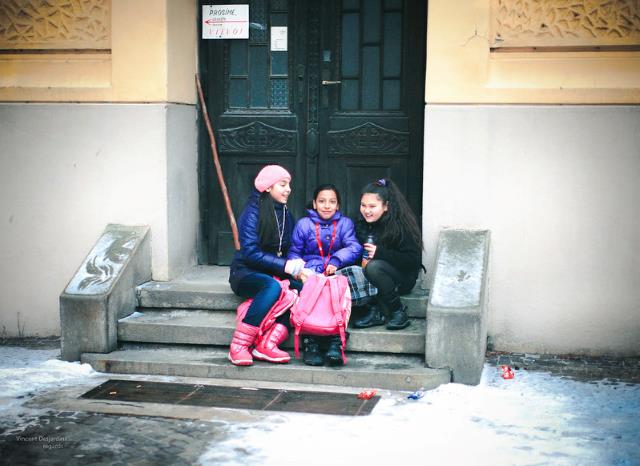
Child Poverty in CzechiaIn Czechia, children are the most vulnerable to the effects of extreme poverty. Czech deputy prime minister and minister of labor and social affairs, Marian Jurečka, acknowledged in 2022 that child poverty in Czechia is a “huge problem.” The rate of children under 18 at risk of poverty and social exclusion has increased from 12.9% in 2020 to 13.3% in 2021 due to the impacts of the COVID-19 pandemic. However, the Czech presidency and nonprofit organizations are taking action to reduce the risk of child poverty and protect those most in jeopardy.

Groups at High Risk of Poverty

The youth most affected by poverty in the Czech Republic are socially disadvantaged. For instance, Roma children, children with disabilities, Ukrainian refugees or those from single-mother families.

The European Roma Rights Center and Forum for Human Rights filed a complaint in January 2023 to the European Committee of Social Rights, noting the government’s failure to provide Roma children and those facing poverty with accessible preschool education. Without accessible and affordable education and care, poverty could lead to a loss of educational opportunities and a decline in children’s overall well-being.

Policies in Action

The Czech Republic, along with its fellow European Union member states, is ready to fulfill these needs. The European Pillar of Social Rights Action Plan promises to decrease the number of children at risk of poverty by approximately 5 million in seven years (2030). Additionally, the European Child Guarantee, proposed in 2021, aims to meet the five basic needs of every child: “free health care, education, preschool education and care, decent housing and adequate nutrition.”

Reformation on the Horizon

Combating child poverty requires addressing children’s specific needs. The government will likely appoint an ombudsman (representative) for children soon in order to tackle specific needs and systemic issues. According to Diana Šmídová, the secretary of the Committee on the Rights of the Child, school reforms are underway focusing on teaching children’s rights. Free language lessons for Ukrainian child refugees and educational integration are also a priority. Appointed in December 2022, Lucie Fuková, the first-ever Roma commissioner in Czechia, is taking on the task of helping the Roma community integrate.

Alternatives to Institutionalization

Every year, more than a thousand children are sent to orphanages or state care institutions in Czechia. A notable 25% of these children are younger than 4. Czechia is one of the few remaining countries in the EU that still institutionalize children so young.

Children born in poverty are more likely to be placed in institutions because their families are unable to provide for them. This subsequent neglect and separation from their biological family can have detrimental effects on children’s development.

Roma children are also commonly removed from their homes and institutionalized as their families are more susceptible to eviction, or simply because of discrimination.

For these reasons, the Czech government is prioritizing foster families and slowly restricting institutionalized care. Such institutionalized care for children younger than 4 will be banned from 2025, save for certain exemptions, according to a national 2022 report. Substitute family and preventative care will be expanded to meet as many needs as possible. With supportive networks in development, an increasing interest in foster care is anticipated.

Nonprofits Making an Impact

Nonprofits like Charita Hvězda z.s. step in to provide additional support for children of at-risk families. In 2022, the organization assisted 293 families in need, 395 Ukrainian refugee families and 212 substitute families. Ukrainian families received the organization’s largest contribution of aid (44%). Assistance ranged from covering individual client expenses to donations of food and drugstore items.

Charita Hvězda’s main project, the Foster Care Warehouse, is located in Horoměřice and offers material help for all children from substitute or socially disadvantaged families. This includes baby food, playpens, toiletries and sports equipment.

As of 2018, this site serves as a meeting place for foster families and those in crisis, providing emergency care, information and numerous resources. Though Charita Hvězda is a non-governmental organization, it is the byproduct of a government initiative to support surrogate families and limit institutional care.

Refugees in Need

The Russia-Ukraine war has taken a particularly heavy toll on the young. Notably high, more than a third of global refugees forced out of their countries are children. Approximately 130,000 Ukrainian children are living as refugees in Czechia now, some unaccompanied.

In response to the growing numbers of refugees fleeing the conflict, the Czech Republic’s Ministry of Labour and Social Affairs (MoLSA), UNICEF and civil society organizations created a disability cash benefit program in January 2023. This program targets vulnerable, refugee children: whether Ukrainian, Roma, unaccompanied or disabled. MoLSA and UNICEF began their collaboration in July 2022 and are expanding this plan to address specific needs.

According to Yulia Oleinik, head of the UNICEF Refugee Response Office in Czechia, the collective goal is to provide “4,000 refugee children with disabilities with financial benefits and support services.” Expanded psychosocial and mental health services for 25,000 at-risk refugee children, as well as their guardians, is another aim. Oleinik said that strengthening the social system will eventually “benefit all children in the Czech Republic.”

UNICEF is cooperating with MoLSA through March 2024. Together, the two partners have already provided grants for education centers, giving children up to age 6 access to community education. So far, 29 early education centers offering non-formal activities like integration groups and parenting support have reached more than 1,200 children and 1,500 parents across Ukraine and Czechia.

Dedication to the Cause

Money alone will not eradicate child poverty in Czechia. A strong commitment to seeing through key action plans and making them a reality is also necessary. With community support and nonprofit organizations providing further aid, Czechia can greatly reduce child poverty for at-risk groups and keep families together.

– Clare Calzada
Photo: Flickr

April 5, 2023
https://borgenproject.org/wp-content/uploads/borgen-project-logo.svg 0 0 Kim Thelwell https://borgenproject.org/wp-content/uploads/borgen-project-logo.svg Kim Thelwell2023-04-05 07:30:522023-04-04 07:28:38A United Front to Fight Child Poverty in Czechia
Child Poverty, Global Poverty

Addressing Rising Child Poverty in Eastern Europe

 Child Poverty in Eastern Europe
The uncertainty of the Russo-Ukrainian war looms over Europe, affecting trade routes, education and the overall state of the continent. For adults, the conflict is a mere reminder of the post-Soviet Union tensions and Russian aggression that frequent the region. For children, it is a catalyst that causes them to slip deeper into poverty. Child poverty in Eastern Europe is skyrocketing during the Ukrainian war. Fortunately, as rates of child poverty in eastern Europe grow, the efforts to subdue those rising rates are increasing as well.

Causes of Child Poverty

In October 2022, UNICEF reported that an additional 4 million children across Central Asia and Eastern Europe have ended up in poverty, a 19% jump since 2021. Russia accounts for 75% of the entire increase. Ukraine reports 500,000 newly impoverished children. With the third-highest increase, Romania reports about 110,000 new children in poverty.

A 2017 study that the European Parliament conducted found that “poverty often remains a legacy that is inherited.” That is, children born into poverty are more likely to stay in it. A parent’s working status and education help determine child poverty outcomes. At least 50% of children whose parents attained low levels of education were at risk of poverty in 2021. This risk doubles if a child lives in a single-parent household or a large family.

Effects of War on Child Poverty

Though the Russo-Ukrainian war has launched millions into poverty, it is the children who it has most affected. Child poverty in Eastern Europe stood at 40%. Constant warfare has increased the cost of goods all over Europe, and in some parts, the prices have inflated significantly. Eastern Europe’s inflation rose to a 17% average, with Hungary’s rates teetering at 25%, increasing the overall price of goods.

Ukraine is one of the EU’s largest trading partners, with nearly 40% contributing to the totality of EU’s trade in 2021. Many also regard it as Europe’s breadbasket. Russia is another trade capital that is the world’s second-largest oil producer. Almost 12% of the world’s oil exports come from Russia. The inflation that the war caused is one of the reasons for heightened rates of child poverty in Eastern Europe. Because most poor families spend their income on essential items, their children are at risk of not having certain necessities as consumer prices continue to increase. The war displaced many children. Learning institutions have been in the crossfire of the conflict, resulting in their closing and the interruption of childhood education. 

The Solutions to End Child Poverty in Eastern Europe

In March 2022, Pierre-Alain Fridez released a report on behalf of the Parliamentary Assembly. The report outlines solutions to ending child poverty and examines alternative approaches to the issue. These include increasing the amount of funding appropriated for the common goal of alleviating child poverty and reinforcing EU member states’ commitment to the updated version of the European Social Charter. It also means getting those who have yet to ratify the Charter to do so.

Parliamentary encourages the implementation of the European Child Guarantee, an initiative focused on granting children equal access to childcare, education and housing. The Guarantee began in an attempt to curate a more equal society and close the gaps between the drawing up of a plan and its execution. To meet this goal, the European Social Network enlisted the help of the EU which seeks to place an emphasis on the Guarantee’s five major components. Through the Guarantee, children will receive formal recognition as a deprived group whose needs will help tailor specific policies, recommendations and fund allocation. UNICEF aims to end child poverty. So far, it has introduced and incorporated the Social Protection Strategy, a scheme that provides children with social assistance benefits that help increase the standard of living while also lowering child poverty rates. In recent years, it has partnered with other governments and humanitarian organizations including the World Bank. It treats child poverty on a case-by-case basis. This means monitoring trends and analyzing data about child poverty to create an approach that best serves a particular country.

– Dorothy Quanteh
Photo: Flickr

February 20, 2023
https://borgenproject.org/wp-content/uploads/borgen-project-logo.svg 0 0 Naida Jahic https://borgenproject.org/wp-content/uploads/borgen-project-logo.svg Naida Jahic2023-02-20 01:30:412023-02-16 19:02:17Addressing Rising Child Poverty in Eastern Europe
Child Poverty, Children, Global Poverty

Free Childcare in Portugal

Free Childcare in Portugal
The Portuguese government recently began a new program to introduce free childcare for all children one year and younger. The government also plans to open up free access to childcare to more children in the future. In three years, all children up to the age of three, as well as some children in primary school will be eligible to receive free childcare.

History of Free Childcare in Portugal

Free childcare in Portugal was previously available only to low-income citizens but has now been extended to all children, regardless of income. Not many other European countries offer free childcare to all citizens, regardless of income, making it a revolutionary step forward. This measure was introduced to increase the birth rate in Portugal, which is currently one of the lowest in the world. In addition to free childcare, the Portuguese government will be providing free textbooks and free computers to support eligible families.

Childcare Costs and Poverty

People often disregard childcare when discussing the causes of poverty for families. The costs that childcare imposed are significant expenses for low-income families and parents. In the EU, childcare is very popular with an average of one-third of children under the age of three participating in childhood education or childcare per country. For three-to-five-year-olds, the number rises to almost 90%.

Despite its necessity, childcare is extremely costly. According to data collected in 2019, gross childcare expenses in Portugal were almost 40% of a woman’s median income. Although childcare allows parents to work a full-time job – especially single parents – it also makes it difficult for families to crawl out of poverty. Moreover, it also continues a cycle of generational poverty that puts children at a higher risk of food insecurity, lack of access to good schools, and more.

It is because of this that free childcare in Portugal is such a significant act in the country’s fight against poverty. As Ana Mendes Godinho, Portugal’s Minister of Labor, says, free nurseries can “be lifesavers for many children, allowing them from the beginning to be part of a collective system that integrates them, namely fighting child poverty and cutting intergenerational cycles.”

The Benefits

Research has suggested that early childhood education for low-income children carries future wage benefits and health benefits. It also boosts family income and promotes the well-being of the child. Childcare also has numerous benefits for parents, as it makes it easier for parents to find employment. Additional research has shown that families with access to affordable childcare have a higher rate of maternal employment, which could help lower the gender pay gap between husbands and wives.

The new measure to increase the accessibility of free childcare in Portugal will not only relieve a burden for many families but partake in the fight against intergenerational poverty.

– Padma Balaji
Photo: Flickr

November 12, 2022
https://borgenproject.org/wp-content/uploads/borgen-project-logo.svg 0 0 Naida Jahic https://borgenproject.org/wp-content/uploads/borgen-project-logo.svg Naida Jahic2022-11-12 07:30:352024-06-04 01:18:04Free Childcare in Portugal
Page 5 of 15«‹34567›»

Get Smarter

  • Global Poverty 101
  • Global Poverty… The Good News
  • Global Poverty & U.S. Jobs
  • Global Poverty and National Security
  • Innovative Solutions to Poverty
  • Global Poverty & Aid FAQ’s
Search Search

Take Action

  • Call Congress
  • Email Congress
  • Donate
  • 30 Ways to Help
  • Volunteer Ops
  • Internships
  • Courses & Certificates
  • The Podcast
Borgen Project

“The Borgen Project is an incredible nonprofit organization that is addressing poverty and hunger and working towards ending them.”

-The Huffington Post

Inside The Borgen Project

  • Contact
  • About
  • Financials
  • President
  • Board of Directors
  • Board of Advisors

International Links

  • UK Email Parliament
  • UK Donate
  • Canada Email Parliament

Get Smarter

  • Global Poverty 101
  • Global Poverty… The Good News
  • Global Poverty & U.S. Jobs
  • Global Poverty and National Security
  • Innovative Solutions to Poverty
  • Global Poverty & Aid FAQ’s

Ways to Help

  • Call Congress
  • Email Congress
  • Donate
  • 30 Ways to Help
  • Volunteer Ops
  • Internships
  • Courses & Certificates
  • The Podcast
Scroll to top Scroll to top Scroll to top