• Link to X
  • Link to Facebook
  • Link to Instagram
  • Link to TikTok
  • Link to Youtube
  • About
    • About Us
      • President
      • Board of Directors
      • Board of Advisors
      • Financials
      • Our Methodology
      • Success Tracker
      • Contact
  • Act Now
    • 30 Ways to Help
      • Email Congress
      • Call Congress
      • Volunteer
      • Courses & Certificates
      • Be a Donor
    • Internships
      • In-Office Internships
      • Remote Internships
    • Legislation
      • Politics 101
  • The Blog
  • The Podcast
  • Magazine
  • Donate
  • Click to open the search input field Click to open the search input field Search
  • Menu Menu

Archive for category: Charity

Charity, Global Poverty

The Life You Can Save: Charities in Bangladesh

The Life You Can Save: Charities in BangladeshBangladesh has made significant progress in welfare and poverty reduction since the 2000s. The country’s poverty rate decreased from 13.47% in 2016 to 10.44% in 2022. Additionally, a recent World Bank report from 2016-17 shows that 24.3% of people live below the upper poverty line and 12.9% below the extreme poverty line. However, the country faces natural disasters and limited access to health care and education, presenting significant challenges to its development and welfare improvement efforts. In the face of these hardships, charitable organizations play a crucial role in supporting vulnerable communities amidst these challenges. In an interview about charities in Bangladesh, The Borgen Project spoke with Katie Stanford, Research Director of The Life You Can Save, highlighting its efforts to alleviate poverty, improve health care and empower individuals to build a better future for themselves and their families. 
The Life You Can Save

The Life You Can Save, established in 2013, champions effective charitable giving to combat poverty. This organization rigorously evaluates and endorses high-impact charities, ensuring donors contribute to the most effective causes. To date, it has facilitated more than $100 million in donations. Furthermore, The Life You Can Save supports several charities in Bangladesh, each addressing poverty in diverse and impactful ways. The following are some of the charities:

Fistula Foundation

The Maternal Morbidity Validation Study (MMVS) revealed that in Bangladesh, the adjusted prevalence rate of obstetric fistulas among women aged 15 to 49 is 38 per 100,000. The study revealed that 4,081 women aged 50 to 64 suffer from this condition, totaling 17,457 affected women between ages 15 and 64. This data underscores the significant health challenge obstetric fistula poses to women in Bangladesh. The Fistula Foundation leads in treating obstetric fistula worldwide. A fistula is a severe birth injury that often leads to incontinence and social ostracization for women. Beyond covering surgery costs, the foundation supports surgeon training, provides facility equipment, engages in grassroots community initiatives and ensures comprehensive post-surgery recovery. Annually, it facilitates more than 10,000 surgeries to repair childbirth injuries, highlighting its significant impact in restoring dignity and health to affected women.

Malaria Consortium

In the late 1990s, Bangladesh reported up to 70,000 laboratory-confirmed malaria cases, 900,000 clinical cases and more than 500 deaths annually, with suspected unreported cases possibly exceeding 250,000 annually. A 2007 survey in the 13 endemic districts revealed a 4% crude prevalence, with Plasmodium falciparum responsible for more than 90% of the cases. The Chittagong Hill Tracts showed the highest infection rates. This highlights the significant public health challenge malaria poses, necessitating targeted interventions to reduce transmission and fatalities.

The Malaria Consortium provides initiatives that shield the most vulnerable and impoverished children in Asia and Africa from a variety of fatal illnesses, such as pneumonia and malaria. In addition, the Seasonal Malaria Chemoprevention (SMC) project is an incredibly economical and scientifically supported method of preventing malaria in children under the age of 5. Moreover, its annual demonstrated impact includes delivering seasonal malaria chemoprevention to 24 million children, significantly more than 20 million in the previous year.

Helen Keller Intl.

Vitamin A deficiency poses a serious health risk to Bangladesh’s children, leading to blindness and increased mortality among those under 6 years of age. Annually, around 30,000 children may become blind from this deficiency, with many dying shortly thereafter. Helen Keller Intl. addresses this through its annual global vitamin A supplementation programs, benefiting 32 million children under the age of 5 each year and supporting 388,000 families with resources to grow and sell vitamin A-rich foods. In addition, this approach significantly improves child health and nutrition, highlighting the need for ongoing nutritional interventions.

Life You Can Save: Charities Research and Evaluation

The Life You Can Save supports several charities in Bangladesh, including the Fred Hollows Foundation, Seva Foundation, Oxfam and Innovations for Poverty Action (IPA). The organization ensures aid reaches those most in need in the most effective ways. It rigorously analyzes data to identify the best interventions for various aspects of poverty, focusing on the highest-impact charities. The rigorous research and continuous assessments equips donors with detailed information to enhance their philanthropic impact. Moreover, the process involves evaluating donor interventions based on their evidence, reach, depth and lasting effects while assessing charities by their evidence quality, reporting, track record, cost-effectiveness, transparency, community understanding and commitment to upholding the dignity of its beneficiaries.

Looking Ahead

Bangladesh continues to forge a path toward a brighter future, bolstered by the crucial support of impactful charities and organizations like The Life You Can Save. Above all, the collaborative endeavors of local and international partners signify a beacon of hope for the millions striving for a life free from poverty and disease in Bangladesh.

– AuiCha Conley

AuiCha is based in Detroit, MI, USA and focuses on Health and Charity for The Borgen Project.

Photo: Unsplash

March 29, 2024
https://borgenproject.org/wp-content/uploads/borgen-project-logo.svg 0 0 Precious Sheidu https://borgenproject.org/wp-content/uploads/borgen-project-logo.svg Precious Sheidu2024-03-29 07:30:292024-06-04 01:03:21The Life You Can Save: Charities in Bangladesh
Charity, Global Poverty, NGOs

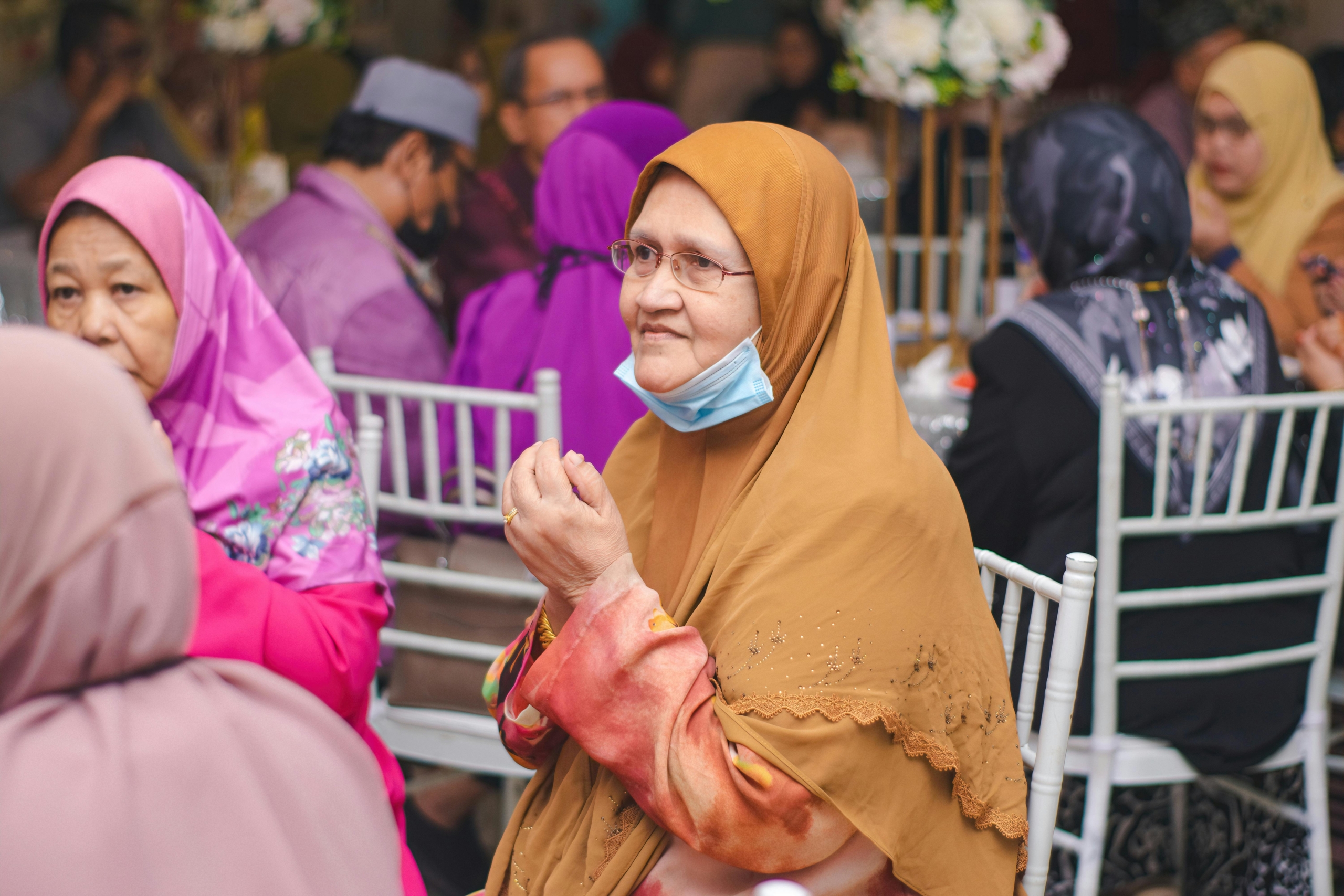
5 Charities in Malaysia

Charities in MalaysiaMalaysia, located in Southeast Asia, is known for its high levels of income inequality compared to other countries in the region. A significant percentage of the population, precisely 40%, falls under the low-income bracket, with more than 5% of Malaysians currently living in absolute poverty. Fortunately, five charities in Malaysia assist the economically vulnerable population. These organizations offer a variety of support, such as scholarships and educational aid and build free homes in rural areas.

SOLS Foundation

The SOLS Foundation, formed in 2000, is a Malaysian organization that aims to help the bottom 40% of the population with low socioeconomic statuses by providing free education and employment support. SOLS initially began providing free English teaching. However, this organization has now grown to offer further support through digital skills and social empowerment programs. SOLS has contributed immensely to many communities around Malaysia by providing more than 800 scholarships to disadvantaged children and setting up more than 1000 community programs for the youth.

Hope Malaysia

Hope Malaysia is an “emerging civil society organization (CSO),” founded in 2016, that focuses on “empowering poverty-stricken remote and rural villages” in Malaysia. The charity has started many supportive projects, such as installing gravity water systems in more than eight remote villages and implementing sustainable farming methods, which has helped more than 250 families spanning 10 rural villages. Such projects have allowed many Malaysians access to more water and food security.

Dignity for Children Foundation

The Dignity for Children Foundation, founded in 1988, is a nongovernment organization that now provides “holistic care and education for urban poor children in Kuala Lumpur, Malaysia.” The organization is dedicated to providing quality education and a safe learning environment for disadvantaged children between the ages of 2 and 19 in urban Malaysia. The organization “is now a learning center for more than 2,300 children.”

Epic Homes

Epic Homes is a program that aims to bridge the urban and rural divide by constructing homes for underprivileged communities such as the Orang Asli indigenous people in Malaysia. The program was initiated in 2010. It has successfully built more than 175 homes around more than 10 villages, ultimately developing and strengthening sustainable rural communities.

MyKasih

Created in 2009, MyKasih is a nongovernmental foundation that effectively distributes food aid to impoverished students and families in Malaysia. The charity has distributed more than RM200 million ($52 million) worth of food to disadvantaged families and students nationwide, including those in Sabah and Sarawak. This foundation has also managed to provide education bursaries to up to 10,000 Malaysian children in more than 104 schools across the nation, as MyKasih goes by the philosophy that education can be “the best ticket out of poverty.”

With a wide income divide and many living in poverty, these five charities successfully provide sustainable changes and aid to disadvantaged and vulnerable people in Malaysia.

– Zaynab Yusuf
Photo: Pexels

March 22, 2024
https://borgenproject.org/wp-content/uploads/borgen-project-logo.svg 0 0 Hemant Gupta https://borgenproject.org/wp-content/uploads/borgen-project-logo.svg Hemant Gupta2024-03-22 01:30:462024-03-21 04:31:485 Charities in Malaysia
Charity, Global Poverty, Health

Che Hoon Khor Moral Uplifting Society: Impact in Malaysia

Che Hoon Khor Moral Uplifting SocietyLocated in Southeast Asia, Malaysia is one of the founding partners of the ASEAN Trade Bloc. It was created to boost economic coherence and fluidity within the region. Following the challenges posed by the aftermath of COVID-19, the trade bloc has witnessed a consistent resurgence in Gross domestic product (GDP) growth. With a population exceeding 34 million, Malaysia has emerged as a developing economic powerhouse in the region, emphasizing its strengths in agriculture, industrial processes and the service sector.

As a Commonwealth country, Malaysia boasts one of the most diverse population demographics. This article will delve into a small charity initiative, the Che Hoon Khor Moral Uplifting Society, within the Penang community on Malaysia’s west coast. Penang, a vibrant island, has long been recognized as a focal point for generations of Chinese migrant families who now consider Malaysia their home.

Malaysia’s Public Health Care System

Malaysia’s public health care system ranks third internationally in reliability, funded by citizens through tax, providing affordable services. However, long waiting lists have become the norm due to understaffing issues. The issue is still prominent despite government efforts to raise funding as of 2023 with $7.9 billion compared to $7.1 billion as of 2022. As a result, families with urgent medical issues often have to opt for private health care despite difficulties affording it. This is where organizations such as the “Che Sui Khor Moral Uplifting Society” come in to help families.

Through religion, the Moral Uplifting Society helps instill a sense of calmness amid uncertainty and change for struggling families. These families are dealing with various issues, such as not being sure if they will receive their paycheck next month. They are coping with the stress and guilt of being unable to provide their children with necessities so that they can have a normal childhood.

The Che Hoon Khor Moral Uplifting Society

The Che Hoon Khor Moral Uplifting Society was founded in China in 1954 and later expanded to Malaysia and Singapore, becoming a significant force in charitable activities. Countless volunteers aged 30 to 90 are the driving force behind the society’s charitable work. Many of them have dedicated their lives to donating their money and time to travel across different parts of Southeast Asia and help those in need.

Interview With Madame Ooi

Madame Ooi has spent more than a decade with the group and acknowledges how hard it is to sympathize with what people go through. “The fact is that none of us will know what they go through unless we had the same upbringing as them,” she stated.

Working alongside the group, she has been able to help different families through various struggles. Her efforts span organizing impactful food drives and raising money through charity balls and auctions.

The charity of the society impacts the local community by financing essential needs like school equipment, rent and emergency operations. It provides free meals and medical services for those in need. Additionally, it donates to the retired elderly to support their necessities.

The Boy Who Never Walked

One of Ooi’s most memorable moments working for the society was when she got to know one of the families applying for free medical help. A young couple who grew up in Penang had brought their 3-year-old boy to her office to fill out paperwork. The boy, who was born with a congenital disability, was carried by his dad. The doctors said that the umbilical cord had caused complications with the growth of his leg. The boy had never walked or run; with school coming up, they wanted him to be able to play with the other children. The boy was eager to run around, much like he had seen others in his neighborhood do. His parents had requested help to afford a free prosthetic leg for him, which would have cost them around $1200.

The organization paid for the boy’s prosthetic legs. Ooi recalls how she and the other staff members crowded around him eagerly outside the same corridor where he first arrived on his father’s shoulder. The doctor helped him put it on, and with the help of his parents, he got up. She remembers seeing the massive smile across his face as his parents guided his first steps and how the staff around her shared happy tears with her as they saw the boy and his family in joy over an incredibly intimate moment.

Conclusion

Although policies, schemes and government investments are helpful against poverty, they often fail to address each family’s unique challenges. Poverty is often looked at as the lack of money, which carries an element of truth. But money isn’t the entire recipe for the cure for poverty.

It is often up to these organizations, such as the Che Sui Khor Moral Uplifting Society, to ensure that their basic needs are met, not just financially but also supporting their emotional distress amid the challenges.

The charity section of the Uplifting Society continues to impact the local community of Penang, Malaysia. It supports more than 300 amputees annually by covering their medical expenses. This support enables children like the boy Ooi met to take their first steps into their future. The organization also helps guide those in need out of poverty by offering support and assistance through their work.

– Matthew Fung
Photo: Wikimedia Commons

March 19, 2024
https://borgenproject.org/wp-content/uploads/borgen-project-logo.svg 0 0 Hemant Gupta https://borgenproject.org/wp-content/uploads/borgen-project-logo.svg Hemant Gupta2024-03-19 15:00:332024-03-20 02:54:29Che Hoon Khor Moral Uplifting Society: Impact in Malaysia
Charity, Global Poverty

Street Child: A Dive Into Helping Kuwait

Street ChildStreet Child, established in 2008, is one of the world’s fastest-growing international children’s charities. The mission of it is to safeguard children, prioritizing well-being and security. Street Child collaborates closely with local organizations to ensure every child has unfettered access to education. Its interventions integrate with existing challenges to prioritize safety while facilitating educational access. By amalgamating immediate benefits for children with sustained capacity-building initiatives for caregivers, communities and educational institutions, Street Child ensures a holistic approach to fostering safety, school attendance and academic advancement. Its initiatives span regions across Asia, Africa and the Middle East, including Kuwait. Kuwait’s resources would bolster educational efforts by providing essential support systems and tools to enhance the educational landscape.

COVID-19’s Impact on Education in Kuwait

Globally, the COVID-19 pandemic significantly disrupted the educational systems of numerous nations. In early February 2020, Kuwait began its battle with the virus as it reported its inaugural COVID-19 case. In response, the government swiftly enacted stringent measures to curb transmission. Lockdowns, travel bans, cessation of in-person classes and shuttering borders and public spaces comprised the initial arsenal deployed by Kuwaiti authorities to mitigate the pandemic’s rampant spread.

After confirming initial COVID-19 cases, educational institutions promptly shuttered their doors. The Minister of Education (MOE) initially anticipated these closures as a short-term measure, expecting a swift return to normalcy once the Ministry of Health devised appropriate safety protocols. However, within days, the government mandated a blanket suspension of all in-person instruction for two weeks.

The Main Problem

At this juncture, education in Kuwait became increasingly complex. Many educators realized that the reopening of traditional learning institutions was not imminent. Amid the outbreak, online learning emerged as a temporary solution for Kuwait’s educational system, yet it encountered two significant hindrances. Firstly, the absence of digital infrastructure in public schools hindered the MOE from swiftly implementing e-learning. Secondly, most of Kuwait’s public schools needed more functional digital infrastructure, including official websites, email accounts and internet connectivity.

This deficiency underscored the detrimental impact of inadequate digital infrastructure on the rapid adoption of e-learning in public schools. Additionally, educators needed to gain the requisite skills to deliver instruction through digital platforms. Collectively, these factors prolonged the Minister of Education’s adoption of online learning models for several months following the government’s official closure of educational institutions.

Street Child’s Middle East Crisis Fund

Street Child operates a Middle East Crisis Fund to aid families enduring intense regional conflict. Due to its complexity and severe constraints, many charities need help engaging in such crises. Once assistance channels open, local organizations significantly influence children and families affected by the crisis.

They maintain regular communication with various local and regional stakeholders to ensure preparedness to assist those most in need. This fund stands poised to support education in Kuwait amid the global COVID-19 crisis, which has profoundly impacted public health, economies, societies and daily life worldwide. The crisis exacerbated existing disparities, with many students needing more reliable internet connections or suitable online learning devices impeding their educational progress. Donations to the fund would address these challenges related to technology access and more.

Conclusion

Street Child plays a significant role in improving Kuwait’s schools. They ensure every child receives an opportunity to learn, provide thorough training for teachers, utilize technology and encourage family involvement. Street Child’s approach to school improvement instills hope for a brighter future where every Kuwaiti child excels academically.

By collaborating with local groups and schools, Street Child shares innovative ideas and strategies to enhance learning. Additionally, they facilitate securing financial resources, materials and support from donors and businesses to fortify schools. Furthermore, they engage with families and communities to ensure active participation in fostering excellence in education throughout Kuwait. With Street Child’s assistance, Kuwait can embrace new ideas and technologies to make learning more enjoyable and accessible for children.

– AuiCha Conley
Photo: Flickr

March 18, 2024
https://borgenproject.org/wp-content/uploads/borgen-project-logo.svg 0 0 Hemant Gupta https://borgenproject.org/wp-content/uploads/borgen-project-logo.svg Hemant Gupta2024-03-18 07:30:232024-03-20 16:41:19Street Child: A Dive Into Helping Kuwait
Charity, Children, Global Poverty

Project ERTAD: 4 Year Plan To Revitalize Georgia

Project ERTADProject ERTAD (Empowerment, Resilience, Transformation and Development) represents a four year scheme to ameliorate the socio-economic conditions of the most vulnerable families in Georgia experiencing poverty. The project is a joint effort by the organizations World Vision Georgia, World Vision Germany, LEPL Social Service Agency and Danish Refugee Council in Georgia. Receiving financial support of up to 5 million Euros from the Swedish International Development Cooperation Agency (SIDA) and reaching out towards 750 families across five regions of the country, Project ERTAD will strive to provide support in areas relating to social protection, livelihoods promotion, financial inclusion and social empowerment.

Over a three-year period, the poverty rate in Georgia has steadily declined from 21.3% to 15.6% in 2022. Moreover, the rate of unemployment has also witnessed a decrease from 20.6% in 2021 to 18.1% in 2022.

Project ERTAD’s Aims

Project ERTAD seeks to build upon this progress through the employment of 160 front-line civil servants tasked with executing the ultra-poor graduation model to assist the families exposed to the worst impacts of poverty in Georgia. By providing the most vulnerable families with support through an approach referred to as the Ultra-Poor Graduation (UPG) approach, the poorest households will receive increased socio-economic inclusion, transferable technical skills, and access to social and financial markets to enhance their communities. The five regions where this project will be launched include Kakheti, Imereti, Samtskhe-Javakheti, Adjara and Samegrelo. 

‘‘Our organization’s main priority is strengthening families and in this way helping children. We believe that through our international experience and methodology practiced globally, we will succeed and help families to overcome poverty,” confirmed Ekaterine Gurgenadze, Director of World Vision Georgia.

World Vision’s History

World Vision has a history stretching back more than 70 years. Founded in 1950 in Oregon, the organization originates from the generosity of its founder Bob Pearce who, after giving the last $5 in his pocket to an abandoned Chinese girl in 1947, sought to prioritize the needs of the helpless both nationwide and globally. Initially providing emergency services to the people of East Asia, the charity has since expanded to become the largest Christian non-government organization with operations in nearly 100 countries worldwide. 

With a strong emphasis upon the Christian faith, World Vision extends its support globally by providing emergency responses to victims of war and natural disasters. For example, the charity lent its support to the victims of the 2023 earthquake in Turkey and Syria and continues to provide support for those enduring the respective conflicts in Syria and Ukraine. 

World Vision Georgia

World Vision’s operations in Georgia primarily address issues pertaining to street poverty and internally displaced individuals including migrants, refugees, stateless individuals and asylum seekers within its borders. The organization estimates that there are 250,000 internally displaced people. This includes 30,000 international migrants. Despite the progress in addressing poverty nationwide, the charity estimates that there are 2,000 children in Georgia living on the streets in major cities such as Tbilisi.

By implementing schemes such as the Child Rights Code, 21,447 children have thus far received support from World Vision. Such commitment extends towards creating Child Protection Units to improve the Child Welfare and Protection System. This includes establishing day care centers and 24/7 shelters to provide these children with food, along with medical and emotional support on a daily basis. Moreover, 19,260 displaced individuals have benefitted from World Vision’s education, empowerment, integration and protection services. 

Looking Ahead

Project ERTAD will ultimately build upon the work achieved thus far by World Vision in Georgia. Launched this year and extending towards 2026, the project reflects the Georgian government’s poverty alleviation plan by incorporating the best approaches towards elevating the social service system in Georgia.

– Thomas Perry
Photo: Pixabay

March 13, 2024
https://borgenproject.org/wp-content/uploads/borgen-project-logo.svg 0 0 Jennifer Philipp https://borgenproject.org/wp-content/uploads/borgen-project-logo.svg Jennifer Philipp2024-03-13 01:30:142024-03-12 01:15:47Project ERTAD: 4 Year Plan To Revitalize Georgia
Charity, Global Poverty, Nonprofit Organizations and NGOs

The Robin Hood Foundation: A Beacon of Hope in South Africa

The Robin Hood Foundation: A Beacon of Hope in South Africa In the heart of South Africa, where socio-economic disparities loom large and the gap between privilege and poverty seems impossible, there shines a beacon of hope – the Robin Hood Foundation. This charitable organization, rooted in the belief that even the smallest actions can create profound change, has helped transform lives and communities nationwide.

Small Acts Big Change

The Robin Hood Foundation’s journey began with the founder, Cindy Norcott, realizing that the average person can make a meaningful difference in the world. Norcott witnessed the impact of donating her children’s outgrown baby clothes and was motivated to start the Love the Babies project. Within a few months, Norcott and her team of volunteers saw more need and started the Gogo bags project, which lightened the need of grandmothers, or Gogos, who had taken on their orphaned grandchildren.

Whether through donating time, resources, or expertise, the foundation exemplifies how seemingly small gestures can culminate in profound transformations. In addition, by channeling the goodwill and generosity of ordinary citizens, the foundation sparks a ripple effect of positivity that resonates far beyond its initial inception.

Nurturing Tomorrow’s Leaders

Central to the foundation’s efforts is its unwavering commitment to empowering youth. Recognizing that young people hold the key to the country’s future, the Robin Hood Foundation invests in programs designed to nurture people’s potential and provide them with opportunities for growth and development. Moreover, from educational scholarships to skills training initiatives, these efforts aim to break the cycle of poverty and unlock the untapped talents of South Africa’s youth.

Uplifting the Community

The foundation also supports grassroots organizations deeply embedded within their communities. By partnering with local initiatives, the Robin Hood Foundation ensures that its interventions are both helping the less privileged in the community and using the resources, knowledge and expertise of the community to best meet its needs. In an interview, Norcott explained that the goal of the foundation is to mobilize resources from businesses and individuals in the community and put them directly into the hands of the less fortunate in the community.

Addressing the Realistic Issues

One thing that stands out about this organization is the fact that it addresses very specific needs that it has identified in the communities in which it works. Child-headed households are one of the most underserved. On its website, the foundation creates a space where donors can sponsor a child-headed household for $54 per month. Furthermore, the Robin Hood Foundation has created a space where people can donate nonperishable food items, sponsor a truck and driver to transport goods to projects, donate clothes and shoes, donate dog and cat food and even knit or crochet beanies and blankets for those in need.

Food Security

One of the foundation’s flagship initiatives is its food security program, which aims to combat hunger and malnutrition in impoverished communities. Through its food donations and projects, the Robin Hood Foundation works to ensure that no one goes to bed hungry. During the 2022 floods in the Kwa-Zulu Natal region, the foundation could donate and distribute 14 tons of food and 1,3 tons of water to the individuals displaced and otherwise affected by the natural disaster.

Moreover, as an everyday solution, the Robin Hood Foundation has a project called the Sarmie Army. This project takes place weekly and includes multiple volunteers gathering weekly to make sandwiches and distribute them to impoverished schools in the area.

The Robin Hood Foundation embodies the impact of collective action, illustrating how small acts of kindness can lead to significant changes. It shines by providing critical support through educational programs, collaborations with local organizations, initiatives tailored to specific needs and strategies aimed at enhancing food security. Above all, this foundation not only offers essential aid to those in dire situations but also motivates the broader community to engage in efforts to combat poverty and inequality.

– Danielle Schaafsma
Photo: Unsplash

March 13, 2024
https://borgenproject.org/wp-content/uploads/borgen-project-logo.svg 0 0 Precious Sheidu https://borgenproject.org/wp-content/uploads/borgen-project-logo.svg Precious Sheidu2024-03-13 01:30:002024-03-12 01:19:17The Robin Hood Foundation: A Beacon of Hope in South Africa
Charity, Global Poverty, Refugees

Charities Operating in Iraqi Kurdistan for Refugees 

Iraqi KurdistanIraqi Kurdistan has been greatly affected by civil conflicts, terrorist attacks and government instability. More than 90% of Iraq’s 300,000 refugees reside in the Iraqi Kurdistan region and more than 1 million Iraqis remain internally displaced. Charities in Iraqi Kurdistan in support of refugees are especially important to help asylum seekers gain essential support to rebuild their lives. The charities offer psychological monetary, and educational support for refugees in the region.

Sirkhane

Sirkhane is a charity operating in Iraq, Turkey and Syria, to provide child refugees access to creative activities such as photography, music and painting. Instead of violence and retaliation, Sirkhane teaches children to express their emotions through music and constructive social interaction.

It aims to give children who have witnessed poverty and displacement an outlet to express their imagination and develop critical social skills. By offering artistic opportunities the families would have otherwise been unable to access, they begin the process of recovering from their trauma and the stressful circumstances of their childhood.

Sirkhane projects include Darkroom where children get analog cameras and learn the principles of photography, the basics of visual composition and how to develop, print and achieve results using film photography. The organization encourages children to capture photos of their daily lives and allows them to be playful in difficult circumstances. Sirkhane later publishes photos in photobooks in collaboration with various artists.

Another project Sirkhane hosts is Müzikhane (House of Music) where volunteer musicians host workshops for children to learn instruments and music education, helping them develop story-telling skills.

The Lotus Flower

Focusing on the development of women and children, The Lotus Flower is a charity that provides opportunities for women to achieve financial independence and education. As women in Iraqi Kurdistan often have far lower literacy rates compared to men The Lotus Flower focuses on providing education programs in adult literacy, computing, and foreign languages. The charity has reached more than 60,000 women, children and community members.

As ISIS attacks on Iraqi Kurdistan displaced families from their homes, many women became the sole providers of their families. Concurrent conflicts and a lack of resources meant many refugees were unable to attain an education in their youth. The Lotus Flower provides textbooks, stationery supplies and classes for refugee women to learn essential life and employability skills.

The organization also has various activities for men’s mental health. A Domiz refugee camp in Iraq saw the need for mental health support for men, many of whom survived ISIS attacks. The Men and Boys’ Trauma project sought to connect refugees, improve their English language skills and provide them with trauma therapy.

Aid Gate Organization

Aid Gate Organization (AGO) focuses on providing vulnerable groups in Iraq and Syria with skills to assist their employability and support their families. Along with implementing vocational skills training, AGO also offers apprenticeships to individuals living in economically deprived areas. Its temporary work programs, while helping individuals they employ to earn cash, offer public services to the local community; through clearing debris from roads and rebuilding infrastructure.

As extreme weather disproportionately affects the most vulnerable in society, farmers in rural Iraqi Kurdistan struggle to keep up with changing weather cycles. AGO aids farmers through education on modern agricultural techniques and provides them with advanced tools.

AGO often collaborates with governmental departments, such as the Ministry of Labor and Social Affairs, to represent vulnerable minorities in the decision-making process.

Jesuit Refugee Service

Jesuit Refugee Service (JRS) is an international charity with community centers in Duhok. Its work in Duhok focuses on supporting victims of the 2014 Yazidi genocide. As a result of harsh living conditions, suicide attempts from displaced Yazidis have increased. JRS offers mental and psychological support to survivors, especially those tortured and separated from their families.

JRS also hosts a Primary Education Program in Iraq, providing for children who have had their education disrupted by warfare. Along with providing psychological help, children can begin the process of recovery from their traumatic experiences through connecting with other classmates and teachers.

Charities operating in the Iraqi Kurdistan region remain underfunded, requiring further donations and cooperation to make sure that every refugee has opportunity, dignity, and comfort in the face of displacement.

– Alara Pasinli
Photo: Unsplash

March 10, 2024
https://borgenproject.org/wp-content/uploads/borgen-project-logo.svg 0 0 Jennifer Philipp https://borgenproject.org/wp-content/uploads/borgen-project-logo.svg Jennifer Philipp2024-03-10 01:30:442024-03-10 01:09:50Charities Operating in Iraqi Kurdistan for Refugees 
Charity, Global Poverty, Health

How LFAM is Helping in Liberia

How Life for African Mothers (LFAM) is Helping in LiberiaMaternal mortality rates in Liberia exceed regional averages, significantly impacting infant survival. Yet, recent years have seen a decline in these rates, from an average of 777 maternal deaths per 100,000 live births in 2000 to 652 births in 2020. An initiative like Life for African Mothers (LFAM) is helping Liberia contribute to this positive trend by providing crucial support for mothers in the country.

Challenges for Midwives

Midwives in Sub-Saharan Africa face severe challenges due to outdated equipment, lack of training and insufficient drugs. They struggle without the necessary tools and knowledge to save mothers’ lives during pregnancy and childbirth complications. This is where the vital support of nongovernmental organizations like LFAM becomes crucial in reducing maternal mortality rates and impacting the lives of both midwives and mothers positively.

Life for African Mothers

Since 2005, LFAM, a United Kingdom (U.K.)-based nongovernmental health organization, has been saving the lives of mothers and babies in Sub-Saharan Africa. Angela Gorman, a neonatal nurse, founded LFAM to address the region’s high maternal mortality rates. LFAM achieves its mission through various means, including distributing medication to prevent post-partum hemorrhage and conducting skill-sharing workshops to provide essential training to hundreds of midwives.

In 2007, the United Nations Population Fund (UNFPA) partnered with LFAM to support Liberia in reducing its high maternal mortality rate. Since then, LFAM has actively collaborated with four hospitals in Liberia, conducting clinical skills-sharing workshops and distributing medication to address the critical situation.

LFAM’s Impact on Liberian Communities

LFAM is helping in Liberia by training midwives and distributing maternal medication across multiple counties in Liberia. Furthermore, it has enhanced maternal health in Liberia by distributing more than $250,000 worth of medication at no cost. LFAM stands as the exclusive provider in Liberia of Misoprostol, a drug to prevent hemorrhaging. Pharmaceutical companies in the U.K. donate much of the medication with the stipulation that it be distributed free of charge.

Furthermore, LFAM collaborates with charities like IHP and Muntada Aid to secure medicine donations and finance midwifery trips. By supplying medications for childbirth complications, LFAM supports hospitals and health centers across Liberia, significantly reducing maternal mortality rates. Additionally, LFAM distributes infant clothing to underprivileged mothers. As of January 2023, it was noted that since 2016, LFAM has trained more than 500 traditional and medical midwives throughout Liberia.

LFAM facilitates visits to Liberia by clinical staff to share clinical experiences and provide additional resources to hospitals and communities. Overall LFAM is helping in Liberia, making significant contributions to maternal health care and helping lower the maternal mortality rate.

Looking Forward

The remarkable efforts of LFAM in Liberia are paving the way for a future where maternal mortality is not a foregone conclusion but a challenge to overcome. Through training midwives, distributing essential medications and fostering international partnerships, LFAM is crafting a legacy of improved health care for mothers and their infants. Moreover, this trajectory of progress promises not only healthier futures for families in Liberia but also serves as a beacon of hope for similar communities across Sub-Saharan Africa.

– Arabella Wood-Collins
Photo: Unsplash

March 7, 2024
https://borgenproject.org/wp-content/uploads/borgen-project-logo.svg 0 0 Precious Sheidu https://borgenproject.org/wp-content/uploads/borgen-project-logo.svg Precious Sheidu2024-03-07 01:30:002024-03-06 04:08:25How LFAM is Helping in Liberia
Charity, Global Poverty, NGOs, Philanthropy

Save the Children and Princess Anne’s Charity Efforts

Save the Children and Princess Anne's Charity EffortsHer Royal Highness (HRH) the Princess Royal, accompanied by her husband, Vice Admiral Sir Timothy Laurence, visited Colombo, Sri Lanka, marking the 75th Anniversary of bilateral relations between Sri Lanka and the United Kingdom (U.K.). As Patron of the Save the Children Foundation, HRH Princess Anne’s charity efforts included a visit to the organization’s main office, where she unveiled a plaque commemorating the 50th Anniversary of Save the Children working in Sri Lanka. In addition, HRH took part in the tradition of lighting a ceremonial oil lamp symbolizing hope and prosperity.

Long-standing Commitment to Child Welfare

During the last 50 years, The Princess Royal’s work with Save the Children has gained a great deal of insight concerning the needs of children throughout the world. Having served as President since 1970, HRH became the Patron of Save the Children in 2017. The Princess Royal devotes time to visiting Save the Children’s projects, overseas and in the U.K. Princess Anne also serves as patron or president to more than 300 organizations including WISE, Riders for Health and Carers Trust. Countries included in her trips include Uganda, Bangladesh, Sierra Leone, Mozambique, Bosnia and Herzegovina. HRH’s work centers on health, sports, people with disabilities and science in developing countries.

Initiatives and Innovations in Pediatric Care in Sri Lanka

HRH visited Lady Ridgeway Hospital (LRH) for Children in Colombo, the largest pediatric hospital in Sri Lanka that serves more than 340,000 patients annually without charge. Princess Anne witnessed innovative health care approaches from Kangaroo Care to Little Hearts during her visit. She engaged in discussions with pediatric consultants and Save the Children’s child protection experts about the organization’s support for children affected by the dual challenges of the COVID-19 pandemic and Sri Lanka’s severe economic crisis. Save the Children has focused on identifying vulnerable children in need of support for their physical, social and emotional well-being.

Kangaroo Care (KC) is a successful practice of using skin-to-skin contact between infant and parent. In developing countries, KC for low-birthweight infants reduces mortality, severe illness, infection and length of hospital stay. KC is also beneficial for preterm infants in high-income countries.

Little Hearts, a government-approved national fundraising project exceeding 2 billion, to build a 12-story cardiac and critical care wing expanding Lady Ridgway Hospital’s capacity to serve. In Sri Lanka, congenital heart disease is the leading cause of infant mortality, with 10 out of 1,000 infants dying before their first birthday.

Future Goals and Achievements of Save the Children

In 1989, the United Nations General Assembly adopted the U.N. Convention on the Rights of the Child. Rooted in Eglantyne Jebb’s initial declaration, this convention now stands as the most universally accepted human rights treaty in history.

In 2024, with the support of donations, volunteers and ambassadors such as Jennifer Garner, Enrique Iglesias and Ms. Rachel, along with Patron Princess Anne, Save the Children aims to increase vaccination coverage in 15 countries, enhance the quality of programming and health equity actions in at least 10 countries and support 15 million children, adolescents and mothers across 15 countries in preventing and treating malnutrition.

Looking Ahead

Sri Lanka Country Director of Save the Children, Julian Chellappah stated “As Save the Children marks its 50th anniversary of operating in Sri Lanka, we couldn’t be more thrilled that Her Royal Highness The Princess Royal has chosen to return here to witness first-hand our life-changing work – and see something of the impact we’ve had over the past 50 years. Her presence is vital to raising awareness of the challenges faced by vulnerable children and their families here.”

Looking forward, Save the Children is poised to continue its vital work, inspired by the support and recognition that such high-profile visits bring, including Princess Anne’s charity efforts, driving further progress in the years to come.

– Pamela Fenton
Photo: Unsplash

March 6, 2024
https://borgenproject.org/wp-content/uploads/borgen-project-logo.svg 0 0 Precious Sheidu https://borgenproject.org/wp-content/uploads/borgen-project-logo.svg Precious Sheidu2024-03-06 07:30:262024-03-05 04:06:38Save the Children and Princess Anne’s Charity Efforts
Advocacy, Charity, Global Poverty

Supporting North Korean Defectors: 5 South Korean Charities

Supporting North Korean Defectors: 5 South Korean CharitiesIn North Korea, under the rule of Kim Jong-Un, the country stands as one of the world’s most repressive nations, where the government prioritizes collective interests over individual freedoms. Basic rights and freedoms are severely restricted, with citizens lacking access to what many consider everyday freedoms, including the choice of hairstyles, access to Western television, computers, phones and the enjoyment of foreign music. However, South Korean charities play a crucial role in addressing these challenges, offering support to those who manage to escape this oppressive environment.

Unfortunately, North Koreans caught engaging in activities deemed illegal, face imprisonment or even execution in public. Since the death of Kim Il-Sung from 1994 to 1998, a period referred to as “The Arduous March,” many citizens have suffered from malnutrition and health issues.

The Journey of North Korean Defectors

Many North Koreans face a daunting choice to defect in pursuit of a better life, risking immediate death if caught using secret escape routes. Hence, some resort to bribing brokers for assistance in crossing the Yalu River, yet even with such help, evading capture along the border remains uncertain.

Furthermore, those who escape to South Korea and seek asylum consider themselves fortunate, yet they encounter challenges adjusting to an unfamiliar environment. Defectors gain the freedom to listen to music, watch movies and make life choices not dictated by their previous government. However, navigating these changes proves difficult and stressful, particularly for individuals who flee alone, without the support of family or friends.

Following are five South Korean charities that focus on aiding North Korean defectors in starting anew.

Hanawon

A prominent resettlement center for North Korean defectors, often compared to a mix between a halfway house and a trade school, opened its doors in 1999 with funding from Korea’s Ministry of Unification. At Hanawon, defectors undergo a 12-week program where they learn essential skills like using ATMs and navigating banks, grocery stores and public transport. Raised in an atheistic environment where religious materials were banned to ensure allegiance to their leader, North Korean defectors at Hanawon receive visits from volunteers across various faiths—Buddhist, Catholic, Christian—who introduce them to religious beliefs and practices, offering services for those interested in exploring newfound religious freedom.

Teach North Korean Refugees (TNKR)

Moreover, a Seoul-based nongovernmental organization specializes in teaching English to North Koreans. Teach North Korean Refugees commits to aiding refugees through one-on-one tutoring, speech competitions and mentoring for employment and educational opportunities. Consequently, it equips North Korean refugees with the skills to thrive in any setting where English is the primary language.

People for Successful Corean Reunification (PSCORE)

A nonprofit, nongovernmental organization located in Seoul actively promotes human rights in North Korea. It offers English classes and tutoring programs for North Korean defectors, emphasizing its global mission to advocate for North Korean human rights. The organization states, “Our global mission revolves around advocacy for North Korean human rights, with a core focus on empowerment through education and tutoring programs.”

Liberty in North Korea

An international nongovernmental organization focuses on aiding North Korean refugees in adjusting to their new lives. Liberty in North Korea achieves success in its resettlement program by fostering self-efficacy. The organization pairs newly arrived North Korean refugees with resettled North Koreans as role models. These mentors offer advice and encouragement on managing stress and trauma, providing relatable support from someone who has faced similar challenges, thus facilitating growth and adaptation.

Saejowi

A nonreligious, nonprofit organization in South Korea specializes in refugee counseling licensing and documenting the medical needs of North Korean refugees. Reports indicate that “90% of North Korean refugees arrive with untreated physical illnesses and Post-Traumatic Stress Disorder (PTSD).” However, Saejowi supports North Korean refugees who wish to become counselors for their peers by offering classes to develop and practice counseling skills. Consequently, more than 220 counselors have received licenses, enabling them to provide counseling to fellow refugees.

Looking Ahead

These five South Korean charities are diligently working to help North Korean defectors adjust to their new lives, emphasizing self-care and the importance of recognizing their worth. These organizations assist defectors in discovering their passions and deciding on future pursuits. In addition, by offering safety and protection, South Korean charities support defectors through the process of change, acknowledging that while change can be exhilarating, it can also be daunting.

– Nevin Guler
Photo: Unsplash

March 5, 2024
https://borgenproject.org/wp-content/uploads/borgen-project-logo.svg 0 0 Precious Sheidu https://borgenproject.org/wp-content/uploads/borgen-project-logo.svg Precious Sheidu2024-03-05 07:30:152024-03-04 02:31:14Supporting North Korean Defectors: 5 South Korean Charities
Page 9 of 42«‹7891011›»

Get Smarter

  • Global Poverty 101
  • Global Poverty… The Good News
  • Global Poverty & U.S. Jobs
  • Global Poverty and National Security
  • Innovative Solutions to Poverty
  • Global Poverty & Aid FAQ’s
Search Search

Take Action

  • Call Congress
  • Email Congress
  • Donate
  • 30 Ways to Help
  • Volunteer Ops
  • Internships
  • Courses & Certificates
  • The Podcast
Borgen Project

“The Borgen Project is an incredible nonprofit organization that is addressing poverty and hunger and working towards ending them.”

-The Huffington Post

Inside The Borgen Project

  • Contact
  • About
  • Financials
  • President
  • Board of Directors
  • Board of Advisors

International Links

  • UK Email Parliament
  • UK Donate
  • Canada Email Parliament

Get Smarter

  • Global Poverty 101
  • Global Poverty… The Good News
  • Global Poverty & U.S. Jobs
  • Global Poverty and National Security
  • Innovative Solutions to Poverty
  • Global Poverty & Aid FAQ’s

Ways to Help

  • Call Congress
  • Email Congress
  • Donate
  • 30 Ways to Help
  • Volunteer Ops
  • Internships
  • Courses & Certificates
  • The Podcast
Scroll to top Scroll to top Scroll to top