• Link to X
  • Link to Facebook
  • Link to Instagram
  • Link to TikTok
  • Link to Youtube
  • About
    • About Us
      • President
      • Board of Directors
      • Board of Advisors
      • Financials
      • Our Methodology
      • Success Tracker
      • Contact
  • Act Now
    • 30 Ways to Help
      • Email Congress
      • Call Congress
      • Volunteer
      • Courses & Certificates
      • Be a Donor
    • Internships
      • In-Office Internships
      • Remote Internships
    • Legislation
      • Politics 101
  • The Blog
  • The Podcast
  • Magazine
  • Donate
  • Click to open the search input field Click to open the search input field Search
  • Menu Menu

Archive for category: Charity

Africa, Charity, Global Poverty, Health

Charities Aiding the Public Health Crisis in Uganda

Public Health Crisis in UgandaThe escalating population in Uganda, now surpassing 49 million, underscores a pressing public health crisis. Various factors, including mental health, food insecurity, education and agricultural practices, collectively contribute to the deterioration of public health, highlighting the critical need for global charitable support

Uganda faces severe food insecurity, with a Global Hunger Index score of 25.3. Additionally, the prevalence of infectious diseases, inadequate health care infrastructure and food scarcity exacerbated by unpredictable weather patterns, floods and the repercussions of COVID-19 further exacerbate the decline of public health.

Nevertheless, charitable organizations worldwide have made significant strides in addressing the public health crisis in Uganda, providing essential health care and resources for a more robust and secure future. According to the World Health Organization (WHO), the average life expectancy at birth in Uganda saw a notable improvement, rising from 45.7 years to 62.2 years for males and from 50.5 years to 64.2 years for females between 1991 and 2014.

Medical Teams International

Effectively addressing the public health crisis in Uganda requires concerted efforts. It is imperative to prioritize enhancing both physical and mental well-being. A Lancet Psychiatry correspondence in 2022 revealed that approximately 32% of Uganda’s population grapples with mental illness, a challenge compounded by insufficient resources and a shortage of psychiatric nurses. Additionally, in 2020, more than 69% of Ugandans experienced food insecurity, with more than 21% facing severe food shortages. Furthermore, the prevalence of life-threatening diseases like malaria, HIV/AIDS and tuberculosis contributes to more than 50% of morbidity and mortality rates in the country.

Since 2004, Medical Teams International has actively collaborated with Uganda, prioritizing accessibility to health care for refugees and locals. Through comprehensive programs, the charity offers prenatal care for mothers, administers vaccines to children and operates clinics providing life-saving treatments for various diseases and malnutrition. Over the years, Medical Teams International has conducted more than 834,000 malnutrition screenings and facilitated the safe delivery of more than 32,000 babies in Uganda.

Furthermore, Uganda faces a prevalence of mental health disorders, surpassing that of other low-income countries. Compounding this issue is the inadequacy of mental health services and the lack of the necessary resources for effective intervention. The influx of refugees into Uganda has exacerbated the demand for mental health support, evidenced by approximately 277 reported suicide cases in refugee settlements in 2023 alone. Unfortunately, Uganda has only about 53 psychiatrists, equating to roughly one psychiatrist per million people, posing a significant public health concern. However, Medical Teams International has trained more than 1,600 volunteers in psychological first aid to address this challenge. By providing counseling and promoting mental health awareness, the organization aims to improve access to care and mitigate the impact of mental health disorders in Uganda.

Hope Health Action

Hope Health Action (HHA) is another organization actively addressing the public health crisis in Uganda. The charity dedicates itself to serving the people of Uganda specializing in health care, disability care and emergency response. The country has experienced a significant influx of refugees fleeing conflict and violence in the Democratic Republic of Congo, with more than 1.6 million refugees and asylum seekers arriving in Uganda as of 2024, according to the WHO. Consequently, the demand for health care has surged, underscoring the essential role of organizations like HHA in providing emergency medical services to Uganda’s growing population.

Among its initiatives, HHA prioritizes health programs for vulnerable women and children, offering health education, immunizations and treatment for malnutrition. The organization also identifies high-risk cases requiring urgent hospital or clinic care. The CRADLE project, specifically designed for high-risk pregnancies, supports thousands of women and children. Additionally, HHA provides critical support to disabled individuals in Uganda through community-based rehabilitation efforts. The organization aims to uplift and empower Uganda’s most vulnerable citizens by offering local partners training, materials and financial assistance.

Seeds for Development

Seeds for Development is actively addressing the public health crisis in Uganda, mainly focusing on impoverished farming communities in Northern Uganda. The organization’s initiatives are to provide these communities with essential support, including regular meals, access to education for children, safer housing and the establishment of sustainable businesses to foster community rebuilding.

Agriculture is pivotal in Uganda’s economy, with approximately 68% of the population engaged in agricultural activities. The country benefits from favorable soil and climate conditions, contributing to its agricultural success, which accounts for about 85% of export earnings and 21.9% of GDP. However, disruptions caused by unpredictable weather patterns, floods and the impact of COVID-19 have severely affected Uganda’s agricultural sector and supply chains, leading to widespread food insecurity and economic strain.

Seeds for Development has responded by implementing forest gardens and regenerative agroforestry practices, empowering farmers to support their families sustainably. Since 2020, the organization has been working to establish forest gardens to support across Uganda, utilizing innovative technologies such as Geographic Information System mapping to optimize crop planning and growth. Moreover, Seeds for Development prioritizes education, providing monthly contributions to schools and offering nutritious porridge to students, alleviating the burden on parents and enabling them to focus on agricultural activities while ensuring their children receive a quality education.

Mental health, food insecurity, education, health care and farming persist as significant challenges in Uganda, exacerbated by the ongoing influx of refugees fleeing conflict. Charitable organizations sustain their efforts in Uganda to address these pressing issues and uplift communities. Fortunately, the concerted efforts of numerous charities dedicated to alleviating the public health crisis have made significant strides in assisting Uganda.

– Emily Whatley
Photo: Unsplash

April 30, 2024
https://borgenproject.org/wp-content/uploads/borgen-project-logo.svg 0 0 Lynsey 2 https://borgenproject.org/wp-content/uploads/borgen-project-logo.svg Lynsey 22024-04-30 07:30:412024-04-30 01:26:28Charities Aiding the Public Health Crisis in Uganda
Charity, Global Health, Global Poverty

Hank Green and Hodgkin Lymphoma

Hank Green and Hodgkin LymphomaHank Green, a science communicator, internet sensation, and advocate for authentic self-expression, recently underwent treatment for Hodgkin lymphoma. He not only faced his diagnosis publicly but also used the opportunity to educate others about inequitable cancer care. Additionally, he designed some whimsical cancer-themed socks.

Hodgkin Lymphoma

Hodgkin lymphoma, a type of blood cancer that develops in the lymphatic system, often leads to swollen lymph nodes. According to the National Health Service (NHS), this disease mainly affects people older than 75 and those between 20 and 40 years old. It is relatively uncommon in the United Kingdom (U.K.), with more than 2,000 new cases each year. However, it is relatively easy to treat; 80% of those diagnosed survive for more than five years after diagnosis.

Early diagnosis is important for all types of cancer, as it means that the cancers are less developed, are more likely to respond to treatments and require patients to have fewer treatments overall.

Inequitable Cancer Care

Treatment for Hodgkin’s Lymphoma is relatively inexpensive and accessible. However, these treatments are less available in countries with less robust health care systems. According to the American Cancer Society, “no screening rest has been shown to lower the risk of dying from [it].” This makes diagnosis challenging, as the most accurate method for detecting Hodgkin lymphoma is through a biopsy, which involves taking a tissue sample from a swollen lymph node and requires specialized care.

Cancer Socks

In response to his treatment and the global state of cancer care, Hank Green collaborated with Partners in Health (PIH) to design a set of interchangeable cancer socks. He directs 100% of the profits from this project toward making cancer care more equitable.

Mondeh Mansaray

Hank Green’s brother, John Green, visited Sierra Leone in 2019 as part of their joint work with PIH. During his visit, he encountered Mondeh, who had been incorrectly diagnosed with tuberculosis. The lack of diagnostic equipment in Sierra Leone — no MRI machines, CT scanners or even X-ray machines — prevented an accurate diagnosis. Four years later, a PIH doctor suspected Hodgkin lymphoma, enabling Mondeh to travel to the capital city for a biopsy. Despite the new diagnosis, Mondeh lacked access to the necessary IV chemotherapy in Sierra Leone and had to travel to Butaro Cancer Hospital in Rwanda for effective treatment.

Partners in Health

PIH financially supports families like Mondeh’s, making otherwise inaccessible treatments available. By strengthening health care systems and training community health workers—individuals passionate about improving their communities—PIH saves lives. Due to this organization, more than 3,000 people per year receive cancer care they would otherwise not access. This support is crucial because funding for cancer care globally does not align evenly with the cancer burden.

The organization does more than provide care; it integrates communities into the health care system’s development. For instance, at the Butaro Cancer Centre of Excellence, women held 30% of the construction jobs created in the local economy. Additionally, local stakeholders participated actively, assembling much of the furnishings on-site using locally sourced materials.

PIH operates in 11 countries, but its influence extends far beyond, as evidenced by Mondeh’s cancer treatment. The organization engages in on-the-ground treatment, advocacy and research, aiming to disseminate knowledge to practitioners worldwide.

Looking Forward

The collaborative efforts of influencers like Hank Green and organizations such as Partners in Health are pivotal in transforming the global landscape of cancer care. Their dedication to equity in health care continues to illuminate paths to improved access and treatment for all, regardless of geographic or economic barriers.

– Rachael Denton-Snape

Rachael is based in High Wycombe, UK and focuses on Global Health and Celebs for The Borgen Project.

Photo: Unsplash

April 29, 2024
https://borgenproject.org/wp-content/uploads/borgen-project-logo.svg 0 0 Precious Sheidu https://borgenproject.org/wp-content/uploads/borgen-project-logo.svg Precious Sheidu2024-04-29 07:30:142024-12-13 18:03:10Hank Green and Hodgkin Lymphoma
Charity, Developing Countries, Global Poverty

5 Charities Operating in El Salvador

Charities in El SalvadorAs the smallest country in Central America, El Salvador is home to 6.3 million people. Among the Salvadoran population, 27% live below the national poverty line. Despite ranking as the 17th highest country in global crime, factors, such as poor access to education, and a recent increase in immigration also contribute to El Salvador’s high poverty rate. As the country’s economy grows, economic disparity continues to challenge El Salvador. According to the World Bank, the rate of extreme poverty rate increased by 4% in 2022. The most vulnerable populations, including women, children, Indigenous people, the LGBTQI+ community and those with disabilities, still face economic challenges that sustain the cycle of poverty. The work done by nonprofits, such as the following five charities operating in El Salvador, address poverty and strive to improve the lives of impoverished Salvadoran.

Salvadoran American Humanitarian Foundation

The Salvadoran American Humanitarian Foundation (SAHF) is a Miami-based non-profit that provides humanitarian aid to Salvadorans in need. The foundation collects donations from the United States and distributes them to hospitals, clinics, orphanages, nursing homes, libraries and schools in El Salvador. In partnership with its sister organization, the Salvadoran Foundation for Health and Human Development (FUSAL), SAHF shipped more than $19 million in aid to El Salvador in 2022, directly helping 62,535 Salvadorans and 157 organizations.

FUSAL

Established in 1986, the Salvadoran Foundation for Health and Human Development (FUSAL) is the Salvadoran-based sister organization of SAHF. FUSAL is responsible for receiving the goods shipped by SAHF. They distribute items, such as medicine, medical supplies, hygienic products, clothing, food and educational goods to vulnerable Salvadorans across the nation’s 14 states. Since its conception, FUSAL has distributed about $850 million of donations to 630 beneficiaries, including hospitals, schools, care and community centers, and other Salvadoran NGOs.

The Poma Foundation

The Poma Foundation is a Salvadoran organization that aims to promote the social, economic and personal development of the impoverished. Through various educational, cultural and wellness programs, such as FUSAL and the Higher School of Economic and Business (ESEN), the Poma Foundation creates opportunities for vulnerable Salvadorans to break the cycle of poverty. Since 1984, the organization has granted more than 1,300 scholarships, donated $1 million dedicated to the distribution of COVID tests and produced over 329 national theater shows.

Americares

Americares is a global nonprofit that provides relief and health care to developing countries. Their presence in El Salvador began in 1984 and increased following the 1986 earthquake. Americares works alongside FUSAL to provide medicine and medical supplies to Salvadorans in need. In 2003, the organization built the Americares Family Clinic. The clinic, located in Usultan, sees about 30,000 patients yearly and offers low-cost, high-quality medical care to local families in El Salvador.

Nuestros Pequeños Hermanos

Since 1999, the Salvadoran chapter of Nuestros Pequeños Hermanos (NPH) continues to provide support to vulnerable Salvadoran youth. NPH’s main house, Casa Sagrada Familia, offers shelter, education and food for 373 children emancipating from difficult environments. In addition to its internal programs, NPH’s external programs provide educational tools, such as primary education and scholarships, to low-income Salvadoran students. 

Despite a third of the country’s population living in poverty, these charities operating in El Salvador are dedicated to improving the lives of poverty-ridden Salvadorans. According to a study conducted by the World Bank Group, the national poverty rate decreased from about 40% in 2009 to 26.6% in 2022. Through various educational programs, cultural opportunities and humanitarian aid provided by non-profits, El Salvador is advancing in the fight against poverty.

– Naima Rasheed
Photo: Flickr

April 27, 2024
https://borgenproject.org/wp-content/uploads/borgen-project-logo.svg 0 0 Jennifer Philipp https://borgenproject.org/wp-content/uploads/borgen-project-logo.svg Jennifer Philipp2024-04-27 01:30:482024-04-27 02:26:315 Charities Operating in El Salvador
Charity, Global Poverty, Nonprofit Organizations and NGOs

Meg and Rose: A Small Business in South Africa Alleviating Poverty

Meg and Rose: A Small Business in South Africa Alleviating PovertyAccording to ASPEN Network of Development Entrepreneurs (ANDE), small businesses are essential for the growth of the national economy in South Africa. The country’s high unemployment rates stand at 32.1% in 2024. However, ANDE suggests that a small business in South Africa can create jobs, bolster the economy and empower local communities. 

According to Trade and Industry Policy Strategies (TIPS), about 30% of employed people in South Africa work for a small business. These enterprises have become a significant source of income for many people from marginalized backgrounds. In post-Apartheid South Africa, small businesses face disadvantages compared to larger companies due to the lingering effects of Apartheid policies. Despite these challenges, many Black female South African entrepreneurs, a key demographic in small businesses, have spurred economic growth in South Africa.

Meg and Rose: A Family Enterprise

Meg and Rose, a family-run, female and Black-owned small business in South Africa, is creating positive change in its Cape Town community. Founded by three generations of women—grandmother Rosemary Solomons, mother and company president Meagan Van der Merwe and daughter Zoe Van der Merwe—the business began after a significant life change. When Meagan lost her job following Uber Eats’ acquisition of OrderTalk, a Cape Town-based tech company where she worked, she turned to crocheting, drawing and painting for joy and fulfillment.

Using her artistic skills along with her mother’s sewing expertise and her daughter’s social media management abilities, the trio started selling handmade crochet dolls, home decor and accessories on their Instagram page. Some of their unique products include a customizable hand-painted tote bag priced at 200 South African rands—approximately $10.65 or £8.51—and a crocheted “Melody the Mellow Bunny” doll for R700.

Community Engagement and Customer Relations

Each product from Meg and Rose requires hours of meticulous work, and the company creates every item with love. The Entrepreneurship and Empowerment in South Africa Program, through Boitshoko ke Phenyo Consulting, found that about 95% of the business’s orders come from women in the Cape Town area. As Cape Town residents themselves, Rosemary, Meagan and Zoe have developed and maintained strong relationships with their customers, who are often fellow community members. For instance, they stay in touch with customers, offering congratulations on new babies and checking to ensure that their products are both loved and well-used.

Nonprofit Work

Rosemary, Meagan and Zoe directly alleviate poverty in Cape Town through their nonprofit. They established Mike’s Helping Hands in honor of Rosemary’s late husband, Mike, who was known for his generosity and service to the community. This organization, funded entirely by donations and profits from Meg and Rose, initially aimed to distribute meal kits to those unable to afford food. Mike’s Helping Hands has since broadened its efforts, driven by its mission: “In kindness lies strength, leave no one behind.”

The business’s nonprofit initiative, Dream Day, also supports young impoverished South African women during significant events like prom and graduation by providing dresses at no cost and offering makeup and hair services for only R20. Recently, the organization collected used toys and clothing to distribute to children who lack these essentials. Rosemary, Meagan and Zoe have strengthened their community ties in the collective fight against poverty by encouraging their friends and neighbors to participate.

Inspiring Future Generations

Meg and Rose supports its Cape Town neighbors with hard work, respect and love through its business and ongoing initiatives. Moreover, with its influence as a small business in South Africa, Meg and Rose aim to continue promoting Black female entrepreneurship in the country.

– Estelle Lee

Estelle is based in Seattle, WA, USA and focuses on Business and New Markets for The Borgen Project.

Photo: Unsplash

April 23, 2024
https://borgenproject.org/wp-content/uploads/borgen-project-logo.svg 0 0 Precious Sheidu https://borgenproject.org/wp-content/uploads/borgen-project-logo.svg Precious Sheidu2024-04-23 07:30:442024-04-22 10:33:35Meg and Rose: A Small Business in South Africa Alleviating Poverty
Charity, Developing Countries, Global Poverty

Charities Operating in Guyana

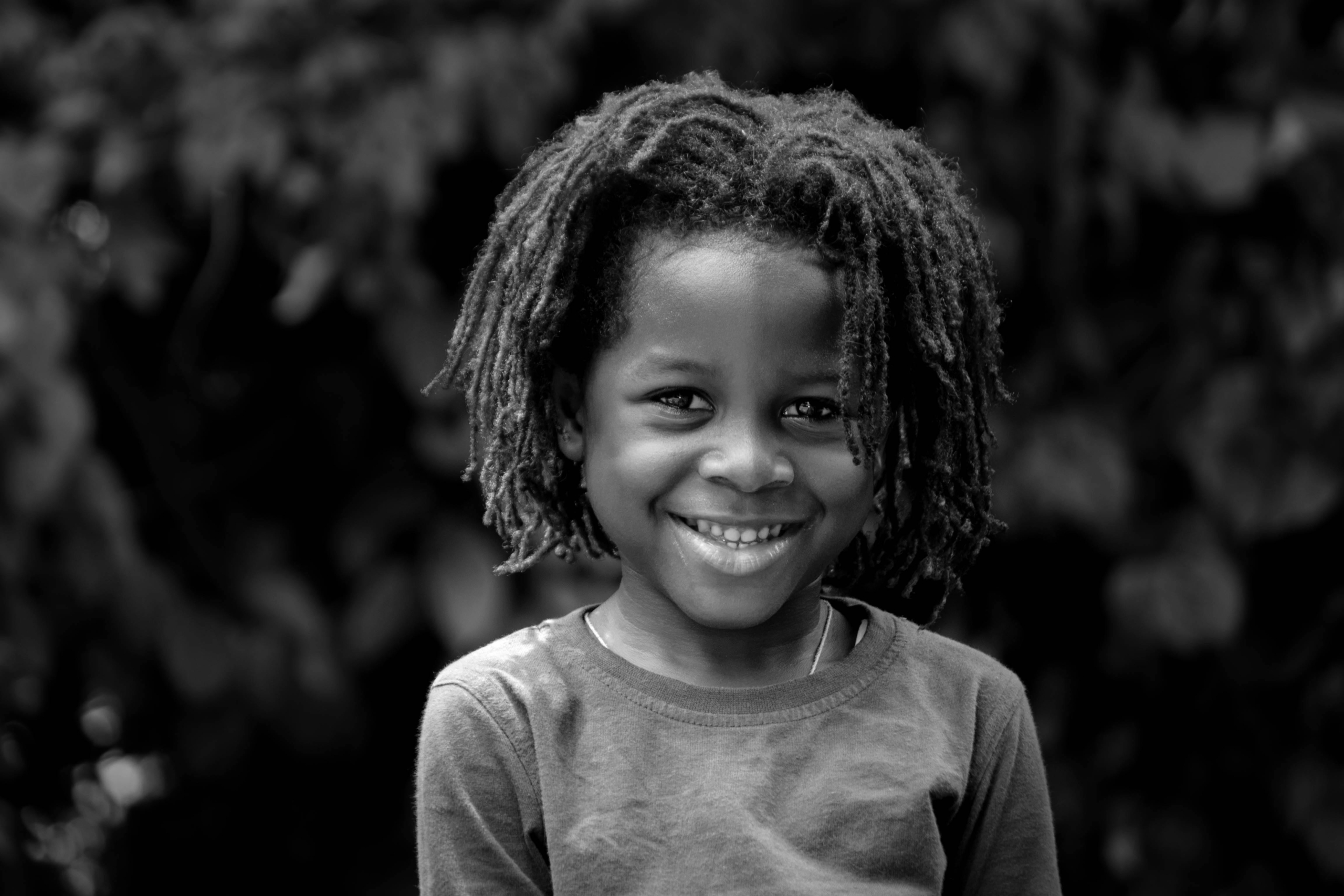
Charities in GuyanaGuyana has made positive impacts in reducing poverty within the country; however, it was once one of the poorest in South America. Due to the discovery of oil production in 2019, Guyana’s GDP per capita is quickly increasing and the country could continue as one of the countries with the fastest economic growth as new oil production begins. The country is rich in natural resources and in addition to abundant rainforests and agricultural land, the country’s natural reserves also include gold and diamonds. Guyana’s proud decline in poverty shows a change from 60.9% of the country’s population living in poverty in 2006 to 48.4% in 2019, according to the World Bank. Accessibility to education and health care still needs improvements since COVID-19 additionally worsened conditions in these sectors. These five charities are operating in Guyana to make positive changes for the people living in Guyana.
Friends of Guyana (FROG)

In an interview with The Borgen Project, founder Scott Stadum shared more about Friends of Guyana. Returned Peace Corps Volunteers, Kati Ringer and Scott Stadum founded FROG in 2007. Their original idea was to give microgrants to Peace Corps Volunteers. They wanted to fund smaller projects in Guyana, which was not available when they started. Eventually, the organization extended microgrants to anyone who wanted to start a project in or about Guyana, Stadum explained. The charity also funds projects focusing on education and health. A notable project that FROG funded was a short film called ‘The Seawall’ which was filmed and directed by Guyanese-born Mason Richards. The movie went on to show at the Cannes Film Festival a decade later, Richard Mason is now the president and chairman of FROG.

The Guyana Foundation

Supriya Singh-Bodden founded The Guyana Foundation in 2013. The charity’s focus is to provide skills training and counseling to those in need in Guyana. The charity has worked on many projects and has remarkably collaborated with the Canada Fund for Local Initiatives to build an innovative bakery in Capoey costing $15 million. The charity teaches catering, business, sewing and IT skills which people can use to start micro-businesses. The Guyana Foundation also works to teach these skills to refugees from Venezuela who have migrated to Guyana. Additionally, it provided water and solar-panelled lights to towns and villages and essentials such as blankets and curtains to schools. The charity also provides support for farmers by providing wellness classes, private counseling and informative workshops.

Food for the Poor

Food for the Poor began its work in Guyana in 1991. The charity’s goal is to transform the lives of underprivileged citizens of Guyana. The charity has a religious background and works closely with churches. Food for the Poor has carried out multiple projects within Guyana, these projects have helped fund medical care for adults and children who do not have the funds to pay for non-life-threatening medical procedures. In 2022, the charity constructed 92 houses for families and provided shelter for 552 people. The homes were partially furnished and had access to clean water and facilities. Families who did not have access to electricity were also given solar panel systems. The charity has also provided hot meals, breakfast hampers, clothing, school supplies and assistance to schools.

Save Abee Foundation

Save Abee Foundation’s goal is to build centers around the whole of Guyana that provide education to children in poverty. Save Abee provides free education in math, computer technology and English. It also provides grants for scholarships so that children can continue further education. The charity not only provides vital education for Guyanese children but also provides remote medical care. In Guyana, it can take hours for people to travel to get medical, dental and vision care. Save Abee travels to people in need to provide them with the health care that they need.

On top of this, the charity provides food, clothing and toys to those in more unfortunate communities. The Borgen Project corresponded with the Save Abee Foundation’s founder, Sham Tilak, who was born in Berbice Guyana. Impressively, the Save Abee Foundation has helped an estimated 25,000 people, the founder explained. Sham Tilak founded the foundation in 2011 and the charity is still going strong. Save Abee Foundation’s tremendous efforts have not gone unnoticed, and it has many supporters backing its cause. Starbucks, which runs The Starbucks Foundation, opened its first store in Guyana, in 2023 and donated a grant of $10,000 to Save Abee Foundation. The grant will help the foundation reach its target of educating 200 Guyanese youths on computer technology skills.

Mothers’ Union

Mothers’ Union works with people globally, and it started its charity work in Guyana in 1926. The charity has 2,300 members supporting the organization’s generous operations in Guyana. Mothers’ Union provides child day centers and parenting programs, to support families and better their relationships. The organization provides food for families in need and nutrition programs, they also opened a community shop in Annai village.

Mothers’ Union works in some of the most indigenous parts of Guyana and has supplied reusable sanitary towels for girls and provided support to women and teenagers, both male and female. The charity also runs sewing centers, where it provides school uniforms and mosquito nets, which has improved the rates of diseases spread by mosquitoes. Mothers’ Union has a religious background, and it provides prison ministry and church communities. The charity also works to educate people on gender-based violence.

Wrap Up

These five charities operating in Guyana are only a few of many helping to end poverty for Guyanese people. Guyana has made extraordinary efforts to build itself up and make positive impacts for its nationals. Access to education has risen and Guyana attained 91% and 103% enrolment at nursery and primary school levels, according to the World Bank. The World Bank also reports that an estimated 76% of Guyanese people can access health care services. The organizations listed today are a few of many charities operating in Guyana to secure a better future for its citizens.

– Raquel Smith

Raquel is based in London, UK and focuses on Business and New Markets and Good News for The Borgen Project.

Photo: Flickr

April 21, 2024
https://borgenproject.org/wp-content/uploads/borgen-project-logo.svg 0 0 Jennifer Philipp https://borgenproject.org/wp-content/uploads/borgen-project-logo.svg Jennifer Philipp2024-04-21 01:30:592024-06-11 00:12:46Charities Operating in Guyana
Charity, Developing Countries, Global Poverty, Poverty Reduction

Spotlight on Danceaid

DanceaidDanceaid is a charity based in the United Kingdom (U.K.) that uses the energy of dance to transform the lives of children. Using dance-based activities, the charity raises funds to alleviate certain hardships that are often experienced by orphaned, poor and disabled children, both in the U.K. and abroad. The programs it runs focus on things such as food insecurity and education, with the aim of helping children in need reach their full potential.

Founded in 2009, Danceaid uses slogans such as “dance a little, live a little, save a life” and wants to get everyone involved, from “tiny tots to groovy grannies shaking a leg to make a difference.” DanceAid runs a whole range of dance-based events and activities to raise funds. For example, it runs dance competitions and shows, a “design your own medal hanger” scheme, triathlons and danceathons and has celebrity endorsement from JLS star Aston Merrygold.

The Main Aim of the Charity

The main aims of the charity are education and training, the prevention and relief of poverty, overseas aid and famine relief. It does this by providing finance, human resources, buildings, facilities, open space and aid services. The charity primarily operates throughout England and Wales, the Philippines, South Africa, Syria, Turkey and Ukraine.

Impacts

A key example of Danceaid’s work is in the city of Manila, the capital of the Philippines. In Manila, children are forced to live and work in the streets from as young as 3 years old and face serious problems such as food insecurity. In August 2013, Danceaid launched a “feeding program,” just after the city had been hit by monsoon floods, leaving the community without food. The charity currently feeds 100 children every day in Manila. A year later, in 2014, it launched a feeding and support program for Manila entitled Mama and Me. This program is for mothers who are so malnourished that they cannot produce breast milk and for babies who are malnourished, underweight and unwell.

Danceaid also runs projects in rural South Africa, with a focus on young people affected by HIV and AIDS. Its preschool for children aged 3 to 6 provides children with food, toys, books, education on topics such as colors, numbers and patterns and language education in both local languages and English. The charity also runs a drop-in center for affected families, which not only provides cooking utensils and food but also basic fuel to cook.

Also in South Africa, Danceaid currently runs a football program for 100 young boys, with under 13, under 15 and senior teams. The funds Danceaid raises get to put toward footballs, football boots, registration fees for players, transport to games and a healthy meal before engaging in the sport. Since Danceaid initiated this program, one of its players has subsequently been elevated to the South African Premiership, indicating its significant success.

– Eva McMonigle
Photo: Pexels

April 14, 2024
https://borgenproject.org/wp-content/uploads/borgen-project-logo.svg 0 0 Lynsey 2 https://borgenproject.org/wp-content/uploads/borgen-project-logo.svg Lynsey 22024-04-14 01:30:292024-04-14 00:35:55Spotlight on Danceaid
Aid, Charity, Development

5 Charities Operating in Laos

Charities Operating in LaosLaos, a country located in Southeast Asia with a GDP of $2,054 and 18.3% of the population living in poverty, ranks 115th out of 167th in the overall Prosperity Index. According to an article from Amnesty International, multiple areas pose a problem for the country’s human rights, including “economic, social and cultural rights.” However, here are five charities operating in Laos that are helping Laotian people have access to things that are easy to take for granted such as education, access to water and appropriate health care.

GreenHeart Foundation

GreenHeart Foundation is a humanitarian nonprofit organization that has made a “continuous pursuit to address issues of poverty, gender inequality, sex trafficking and unexploded bombs and promote creative expressions through the Preservation and Perpetuation, and Promotion of culture and arts in Asia.” Alongside USAID, the foundation has helped “establish and promote cottage weaving industries along with Consortium and the Lao Women’s Union.” The project provided various benefits to more than 533 weavers. GreenHeart Foundation has helped women express themselves through their artwork which is a part of their life through their traditional cultures. Expressing themselves through creativity can help these women get recognition in a country that’s struggling with social and economic rights.

The Asia Foundation

The Asia Foundation is a nonprofit international development organization that focuses on improving lives and expanding opportunities across Asia and the Pacific. It plays an active role in working “with the Lao government to improve human rights and help communities manage the development and safeguard their natural environment.”

Natural resources account for more than a third of Laos’ total economic growth, which puts increased pressure on the environment. The Asia Foundation provided support to three villages in the Xe Bang Fai district and Khammouane province, helping the people “develop sustainable and economically viable wetland management plans.” Allowing people to use wetland resources can help them financially while also supporting “smallscale riverbank erosion protection measures,” according to The Asia Foundation.

Laos Educational Opportunities Trust (LEOT)

Established in 2006, Laos Education Opportunities Trust (LEOT) aims to “supplement local efforts and ensure students can access quality education and the skills they need to be successful in the future.” This includes community projects, scholarships and sponsorship programs that support children as students and work with isolated or rural villages to “improve the health and sanitation of families and communities.”  This has posed an equal opportunity for all children regardless of their social or economic status within their family households.

Laos Rehabilitation Foundation (LRF)

Laos Rehabilitation Foundation (LRF) is a nonprofit, nonreligious, and nonpolitical organization that aims to “provide medical services to Laotian people and surrounding communities with a greater focus on children and the poor.” LRF has had many accomplishments, including “providing items of personal hygiene and clothing to the children of Home of Light, a school for blind children” in Vientiane. LRF has also completed various construction projects for the country including building various health centers and schools to help provide children the best care that they deserve.

The World Health Organization (WHO)

The World Health Organization (WHO) has been “involved in supporting the development of health services and health systems in Laos since the country became a member of the organization in 1950.” WHO’s mission towards Laos is to “achieve the highest level of health for all health sector reforms and universal health coverage for the country by 2025.” Providing health care to all people living in both rural and urban areas could help the country improve its human rights and fight poverty.

It is through these five charities operating in Laos that Laos continues to receive help to better improve their country environmentally, economically and socially. Laos could potentially improve its human rights record through charities that have helped make a difference in providing better human rights.

– Nevin Guler
Photo: Unsplash

April 11, 2024
https://borgenproject.org/wp-content/uploads/borgen-project-logo.svg 0 0 Naida Jahic https://borgenproject.org/wp-content/uploads/borgen-project-logo.svg Naida Jahic2024-04-11 01:30:522024-04-10 16:36:475 Charities Operating in Laos
Charity, Developing Countries, Global Poverty

5 Charities Operating in Bangladesh

Charities Operating in BangladeshBangladesh has made significant strides from poverty to becoming one of the world’s fastest-growing economies. The poverty rate has gone from 41.6% to 18.7% in the past decade. While improvements in health care and education are notable, many areas still lack essential resources. Bangladeshis living in poverty-stricken areas have inadequate access to healthcare, education and food, with about 25% of the country being food insecure.

In addition, Bangladesh has the fourth highest child marriage rate in the world, primarily affecting rural populations living in poverty. These populations often turn to child marriage as they are unable to provide for their daughters. Despite progress, disparities persist, leaving some regions underserved.

To address these challenges, several charities are actively working on the ground in Bangladesh. They aim to ensure equitable access to vital resources for all citizens. These organizations play a crucial role in bridging the gap and empowering communities through supporting health care, education and poverty alleviation. Here are five charities operating in Bangladesh:

Save the Children

Save the Children is a global nongovernmental organization (NGO) that stands as a vigilant guardian for children worldwide, committed to shielding them from potential harm. Operating in Bangladesh since 1970, its initiatives encompass essential programs such as health, education and protective measures.

Noteworthy achievements include spearheading the United States Agency for International Development (USAID) MaMoni Maternal Care Strengthening Project, a five-year program that began in 2018. It aimed to increase access to quality maternal and newborn health care and to reduce the maternal and neonatal mortality rate for marginalized communities.

Additionally, there’s the Reading Enhancement for Advancing Development (READ) project, a five-year program that took place from 2013 to 2018. This initiative provided training for teachers and reading materials for students, impacting more than one million learners. Moreover, Save the Children’s efforts extend to aiding Rohingya refugees residing in southeastern Bangladesh by building facilities such as toilets, health care centers and learning centers, exemplifying its unwavering commitment to the well-being and production of vulnerable children in the region.

Jaago Foundation

Jaago Foundation is a nonprofit organization founded in 2007 that is dedicated to empowering underprivileged individuals across Bangladesh, with a focus on education, youth development and women’s empowerment. Currently, its endeavors include blistering technological skills among students and expanding access to education through digital platforms.

In addition, it provides scholarships to women, ensuring they can pursue and continue their education, thus fostering a more inclusive and equitable society. Through its efforts, it has helped provide access to education to more than 3,500 students and engaged 16,000 children in reading initiatives. Through these initiatives, the Jaago Foundation is catalyzing transformative change and paving the way for a brighter future for all.

Thrive Global

Thrive Global has been on a mission to combat child hunger in Bangladesh by providing nutritious meals to schools. It has collaborated with local NGOs since 2012. USAID approximates that 25% of Bangladesh remains food insecure, including 36% of kids under 5 years of age. Children remain one of the most vulnerable populations to malnutrition.

Thrive Global’s targeted efforts are concentrated in underprivileged areas, particularly urban slums, where access to adequate nutrition is often scarce. Each day, it provides meals to about 2,100 students at 11 different schools across Bangladesh; 20 more schools are currently on the waiting list to receive daily meals.

Recently, Thrive Global has extended its reach to the Philippines, expanding its impactful initiatives beyond borders to address the pressing issue of childhood malnutrition in more communities. Through dedicated work, the nonprofit is sowing seeds of hope and nourishment for a brighter future for children in need.

Girls Not Brides

Another of the charities operating in Bangladesh is Girls Not Brides, an international organization that is at the forefront of the global movement to eradicate child marriages. Launched in Bangladesh in 2013, it focuses on nurturing youth leadership and empowering young activists, as well as advocating for increased investment in programs aimed at ending child marriage.

In 2017, the organization was involved in the technical revision of the Child Marriage Restrain Act, a law intended to make sure that girls under the age of 18 and boys under the age of 21 are protected from unlawful marriage. It continues to lobby the government for the enforcement of the act while simultaneously striving to raise public awareness throughout the country.

Girls Not Brides has reached nearly 50,000 girls across Bangladesh through its efforts to end child marriage. This nonprofit is driving meaningful change toward a future free from child marriage in Bangladesh and beyond.

Brackett Refugee Foundation

Brackett Refugee Education Fund is a nonprofit foundation established in 1997 and dedicated to providing education for refugees, particularly internally displaced children. It supports children in poverty-stricken regions by providing financial contributions so they can go to school. With a focus on Burma, Bangladesh, India and Thailand, it supports students at various levels, including to hundreds of university students, offering them a chance at a brighter future amid adversity.

In Bangladesh, the organization supports educational assistance to Rohingya refugees in Cox’s Bazar through the Children on the Edge program, which sets up learning centers and digital initiatives. By focusing on providing access to education, it empowers these vulnerable populations to foster resilience and opportunities for a brighter future.

Looking Forward

Bangladesh’s progress in tackling poverty is evident, but challenges persist, particularly regarding regional disparities in access to essential resources. Charities operating in Bangladesh play a vital role in bridging these gaps and fostering a more equitable society. As Bangladesh continues to develop, ongoing efforts to address inequality are essential for ensuring that all citizens have the opportunity to thrive in the country’s evolving landscape.

– Adrita Quabili
Photo: Wikimedia Commons

April 10, 2024
https://borgenproject.org/wp-content/uploads/borgen-project-logo.svg 0 0 Jennifer Philipp https://borgenproject.org/wp-content/uploads/borgen-project-logo.svg Jennifer Philipp2024-04-10 01:30:012024-04-09 13:59:195 Charities Operating in Bangladesh
Charity, Developing Countries, Education

5 Charities Operating in Costa Rica

charities operating in Costa RicaCosta Rica is the most popular Central American country for tourists. People come from around the world to see its beautiful rainforests and beaches. However, like much of Central America, Costa Rica struggles with poverty and inequality. The level of poverty in Costa Rica has been increasing over the past few years. The studies estimate that over the past five years, poverty levels have increased by 2.3 percentage points. Some studies even state that a quarter of all Costa Ricans could have been living in impoverished households, as of 2022. This increased level of poverty is making society more dangerous for everyone. The number of homicides went up 40% between 2022 and 2023. As the situation worsens, these five charities operating in Costa Rica are more vital than ever.

SOS Children’s Villages

Children are an at-risk group in Costa Rica. In 2020, UNICEF found that “nearly 32% of all children and adolescents live in monetary poverty, of which 12% live in extreme poverty.”

SOS Children’s Village is helping some of the most vulnerable kids in society right now who struggle with poverty, child labor and violence and has been doing it since 1972. Currently, 190 kids attend the organization’s schools and kindergartens and 300 live in its care. The organization also created the YouthLinks program. This digital platform “connects young people with mentors in the country.” The mentors teach employable skills and job market advice to young people.

Cruz Roja

Cruz Roja operates in Costa Rica and is a part of the international Red Cross community. The organization has more than 5,000 volunteers throughout the country and has responded to an incident every minute in 2023.

The organization provides key medical services to Costa Ricans and has a fleet of around 600 ambulances operating in 122 communities around the country. Cruz Roja is also ready to provide humanitarian assistance in cases of natural disasters and has specialized units prepared to provide support in different environments and situations.

Hope Partners International

Hope Partners is a Christian organization that operates in Costa Rica. Its goal is to break the cycle of poverty and improve the lives of young people there.

Recently, the organization opened its first purpose-built facility in the Pavas neighborhoods in the capital San Jose. Pavas is one of the most deprived areas in San Jose where only 20% of residents have a high school diploma. The new facility will impact the lives of over 600 kids and it will provide a hub for Hope Partners to deliver their food and education programs.

Rahab Foundation

The U.S. Department of State recognizes Costa Rica as a Tier 2 country regarding its efforts to eliminate human trafficking, stating that the country “does not fully meet the minimum standards for the elimination of trafficking but is making significant efforts to do so.”

Founded in 1997, the Rahab Foundation helps victims of human trafficking and the sex trade. It provides many different forms of help for the victims including job training, legal advice and psychological care. The foundation provides care and various classes to victims and their children. Women are also offered “offered vocational training in micro-enterprise administration, baking, sewing, jewelry making, quilting and cosmetology.”

Sex trade victims and their families often find themselves in the cycle of poverty. The Rahab Foundation helps these victims recover and create a healthy lifestyle for themselves and their children.

Hogar Siembra

As of 2023, Costa Rica registered more than “30,000 domestic violence complaints over the past four years, with an alarming 10,000 cases reported in 2023 alone.” Founded in 1983, Hogar Siembra is an organization providing shelter to girls aged 12 to 18 who have suffered from abuse or domestic violence.

The organization provides various kinds of training to these girls, teaching them simple habits such as hygiene and providing English language courses. It also provides regular therapy and mental health check-ups, alongside work opportunities and academic education, ensuring to prepare young girls for their adulthood.

Hogar Siembra allows young women to not be defined by their abuse. It is helping these victims restart their lives and create a prosperous future for themselves.

Costa Rica is struggling with poverty and its effects. The work of these five charities operating in Costa Rica is helping at-risk groups create a poverty-free future for themselves.

– Richard Sartor
Photo: Flickr

April 6, 2024
https://borgenproject.org/wp-content/uploads/borgen-project-logo.svg 0 0 Naida Jahic https://borgenproject.org/wp-content/uploads/borgen-project-logo.svg Naida Jahic2024-04-06 07:30:062024-04-05 02:39:525 Charities Operating in Costa Rica
Charity, Global Poverty, Nonprofit Organizations and NGOs

5 Charities Operating in Romania

5 Charities Operating in RomaniaRomania, an Eastern European nation, has seen rapid economic growth since the 2000s, with a 3.8% annual GDP growth in 2024. However, before this surge, many Romanians faced poverty under Nicolae Ceaușescu’s Soviet regime from 1967 to 1989, following World War II. Ceaușescu banned abortion and contraceptives, claiming it would fuel economic growth. As a result, economic instability significantly affected childcare in the country. Consequently, many Romanian children ended up in state care or orphanages because their biological parents were unable to support them due to this policy. Currently, five charities are operating in Romania to ensure the well-being of every child, both in care and those living in impoverished families. Here are the five charities making significant impacts in Romania:

5 Charities Operating in Romania

  1. The Delia Foundation.  Founded in 2017, the Delia Foundation is a nonprofit organization named after Delia, an orphaned baby girl with significant limb limitations born in rural Romania. Laura Larkin, the foundation’s founder, encountered Delia while volunteering at a local orphanage. This experience motivated her to create the foundation to support children and orphans with intellectual and developmental disabilities. Inspired by Delia’s story, the foundation dedicates itself to offering orphaned children the care and love they need, focusing on finding them the most suitable families.
  2. Care2Travel. Care2Travel, a volunteer organization, aims to inspire positive change by providing volunteers with memorable adventures in Romania, where they can help those in need. The organization’s vision is to create “a world where citizens are socially aware and motivated toward working for positive change.” In addition, Care2Travel strives to connect volunteers from different countries to promote the growth of an active civil society. It encourages collaboration across nationalities to make a tangible impact.
  3. Fundaƫia Inocenţi (Romanian Children’s Relief). Romanian Children’s Relief, a nonprofit organization, delivers tailored and professional support to children and their families. It believes “all children deserve a healthy and happy childhood” and works toward a future where no child’s potential is constrained by their background or disability. The organization aims for a society where parents, communities and authorities collaborate to support this ideal. Fundația Inocenți operates six programs in Romania, including socio-recreational activities, educational support, medical art therapy and psychoeducational resources.
  4. Te Aud Romania (TAR). Founded in 2014, Te Aud Romania (TAR) is a nongovernmental organization dedicated to supporting Romanian orphans and disadvantaged children. It provides educational tools and activities to keep them engaged and entertained. It has a particular focus on enhancing their communication skills. In addition, TAR uses sports to foster discipline, integrity, teamwork and honesty. This proves particularly beneficial for children who tend to isolate themselves. Moreover, by encouraging participation in sports, TAR helps these children open up, make new friends and promote their social and emotional development.
  5. Hope and Homes for Children. Since 1998, Hope and Homes for Children has dedicated itself to eliminating orphanages in Romania. The organization commits to building initiatives that reinforce family structures. This includes day centers, emergency reception centers, mother and baby units and community centers. It also develops alternative care options for children without parental support, such as foster care and small group homes. Through these efforts, Hope and Homes for Children have played a pivotal role in reforming the child protection system across Romania.

Looking Ahead

The efforts of these five charities operating in Romania signal a hopeful future for the country’s most vulnerable children. Through compassionate care, innovative programs and unwavering dedication, these organizations are not just addressing immediate needs but are also laying the groundwork for systemic change. Moreover, they continue to transform lives and challenge the status quo. Their collective impact promises to reshape Romania’s approach to childcare and family support, ensuring a brighter, more inclusive future for all children.

– Nevin Guler

Nevin is based in River Vale, NJ, USA and focuses on The Good News for The Borgen Project.

Photo: Flickr

April 2, 2024
https://borgenproject.org/wp-content/uploads/borgen-project-logo.svg 0 0 Precious Sheidu https://borgenproject.org/wp-content/uploads/borgen-project-logo.svg Precious Sheidu2024-04-02 01:30:362024-06-11 00:12:455 Charities Operating in Romania
Page 8 of 42«‹678910›»

Get Smarter

  • Global Poverty 101
  • Global Poverty… The Good News
  • Global Poverty & U.S. Jobs
  • Global Poverty and National Security
  • Innovative Solutions to Poverty
  • Global Poverty & Aid FAQ’s
Search Search

Take Action

  • Call Congress
  • Email Congress
  • Donate
  • 30 Ways to Help
  • Volunteer Ops
  • Internships
  • Courses & Certificates
  • The Podcast
Borgen Project

“The Borgen Project is an incredible nonprofit organization that is addressing poverty and hunger and working towards ending them.”

-The Huffington Post

Inside The Borgen Project

  • Contact
  • About
  • Financials
  • President
  • Board of Directors
  • Board of Advisors

International Links

  • UK Email Parliament
  • UK Donate
  • Canada Email Parliament

Get Smarter

  • Global Poverty 101
  • Global Poverty… The Good News
  • Global Poverty & U.S. Jobs
  • Global Poverty and National Security
  • Innovative Solutions to Poverty
  • Global Poverty & Aid FAQ’s

Ways to Help

  • Call Congress
  • Email Congress
  • Donate
  • 30 Ways to Help
  • Volunteer Ops
  • Internships
  • Courses & Certificates
  • The Podcast
Scroll to top Scroll to top Scroll to top