• Link to X
  • Link to Facebook
  • Link to Instagram
  • Link to TikTok
  • Link to Youtube
  • About
    • About Us
      • President
      • Board of Directors
      • Board of Advisors
      • Financials
      • Our Methodology
      • Success Tracker
      • Contact
  • Act Now
    • 30 Ways to Help
      • Email Congress
      • Call Congress
      • Volunteer
      • Courses & Certificates
      • Be a Donor
    • Internships
      • In-Office Internships
      • Remote Internships
    • Legislation
      • Politics 101
  • The Blog
  • The Podcast
  • Magazine
  • Donate
  • Click to open the search input field Click to open the search input field Search
  • Menu Menu

Archive for category: Charity

Charity, Global Poverty, Refugees

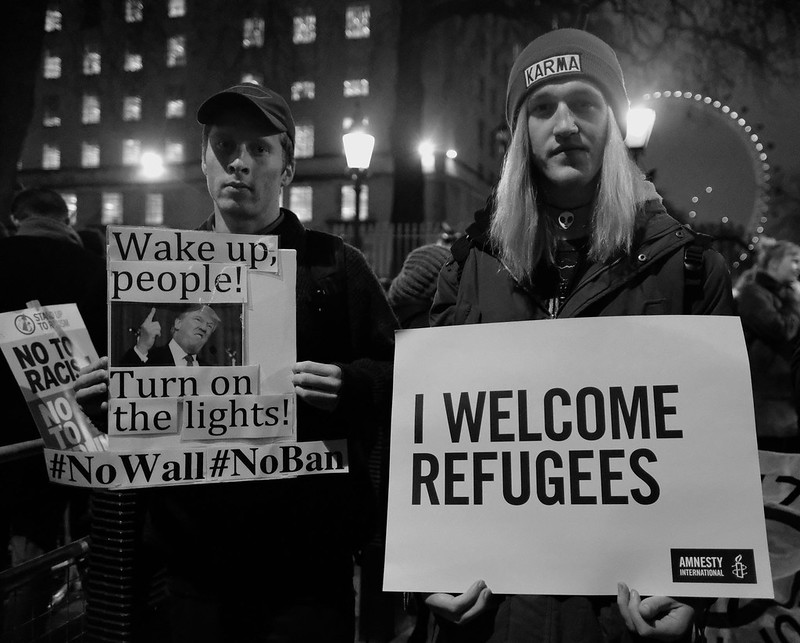
Impacts of Poverty on Refugees in the UK

Refugees in the UKThe United Nations High Commissioner for Refugees (UNHCR), was established by the United Nations (U.N.) following WWII. It defines a refugee as someone who “owing to well-found fear of being persecuted for reasons of race, religion [etc.] is outside the country of their nationality and is unable…or unwilling to return to it.”

Though this definition was only globally adopted in 1951, when applied to the history of migration to the U.K., it is apparent that there have always been refugees. Some of these include Irish refugees and European political exiles in the 19th century, Jewish refugees during WWII and refugees fleeing the conflicts in Afghanistan and Iraq in 2003. Currently, the U.K. is home to approximately 1% of the 27.1 million refugees across the world.

Why Do Refugees Come to the UK? 

The U.N. states that “war and ethnic, tribal and religious violence are leading causes” for people to flee their home country. The consequences of war, including civil war, result in many falling into poverty and destitution as infrastructure and personal property are destroyed. For example, the ongoing war in Syria has resulted in extreme poverty for many. A report notes that in 2017, 27% of Syrian housing, 63% of educational facilities and 50% of medical facilities had been destroyed or damaged.

In an interview with The Borgen Project, Jon Beech, Director of Leeds Asylum Seekers’ Support Network (LASSN), points to poverty as a common reason for refugees to flee their home country. He reasons, “War and disruption often lead to people feeling economically like they haven’t got anything to lose and if you’re going to die of poverty in a dangerous place, you might as well die of poverty in a place that’s slightly less dangerous to yourself.”

There are additionally various reasons as to why refugees arrive in the U.K. The British Red Cross writes that the U.K. may seem the easiest place to rebuild life to some. As of 2023, English is the most spoken language globally, with 1.5 billion speakers. For people who have had to leave everything behind, knowledge of the native language seems like a better start to a new life for many. However, often, refugees don’t have a choice over where they are going. If they are facing persecution in their home country, they may be traveling illegally and place their lives in the hands of smugglers who dictate where they will be taken. In 2022, nearly 46,000 people arrived in the U.K. in small boats, suggesting that many had little choice.

What Difficulties Do They Face?

Many refugees in the UK struggle to obtain work. Some of the issues they face are employment gaps on CVs, lack of U.K. work experience, language barriers and cultural differences. Therefore, many refugees cannot attain regulated work, their only chance at escaping poverty. Beech notes that being granted refugee status is only step one in rebuilding a life. Beech stated, “What’s dispiriting is the level of poverty that people experience even when they get to the U.K… the predations of the unregulated labor market and financial services also further entrench people in poverty when they first get here.”

Additionally, Beech points to the current social climate, commenting, “There’s fear and uncertainty now.” Many refugees face racial discrimination and misinformation spreads rapidly online. For example, the popular notion that refugees are taking jobs from British people is misinformed, as the unemployment rate for refugees is three times greater than for the U.K.-born.

The Government’s Role in Supporting Refugees in the UK

In 2023, Human Rights Watch stated that the U.K.’s asylum and immigration system is “marred with serious systematic failures.” One significant issue is the government’s failure to provide housing after 28 days after the refugee status was granted. However, the government has supported Ukrainian refugees arriving in the U.K. as a result of Russia’s invasion.

They introduced various schemes to support refugees, such as the Ukraine Family Scheme. The scheme allows applicants to join families already living in the country. The Ukraine Sponsorship Scheme, allows applicants to move to the U.K. if they have a named sponsor in the scheme.

Approximately 174,000 people moved to the U.K. under these schemes as of May 2023. The government later introduced the Ukraine Visa and Extension Scheme, for which 24,500 applications have been granted. The government’s handling of Ukrainian refugees demonstrates that they can support refugees and make the process more accessible.

What Role Do Local People Play in Supporting Refugees?

Charities play a significant role in supporting refugees in the UK. Some, such as the British Red Cross, Refugee Action and Refugee Council, work nationwide and anyone can volunteer to help. Others are more local organizations, such as LASSN.

LASSN was formed in 1999 and initially supported refugees by teaching them English through its English at Home project. The charity runs New to Leeds, a website helping refugees get to know and understand the city. Additionally, it supports Migration Partnership and still focuses on creating a friendly and welcoming community for all refugees.

Volunteering with charities, whether nationwide or local, is how most local people can help. However, Beech points out that there are many other ways in which local people can and do help. He says, “Vote for people who agree with you on matters of migration and if the people who you want to vote for don’t have a clear view of what they’d like to do, tell them what you think because there are lots of politicians who listen to their constituents and what they say.”

– Alice Brayford
Photo: Flickr

March 4, 2024
https://borgenproject.org/wp-content/uploads/borgen-project-logo.svg 0 0 Hemant Gupta https://borgenproject.org/wp-content/uploads/borgen-project-logo.svg Hemant Gupta2024-03-04 01:30:102024-03-03 04:59:31Impacts of Poverty on Refugees in the UK
Charity, Global Poverty, Nonprofit Organizations and NGOs

5 Charities Operating in Guatemala

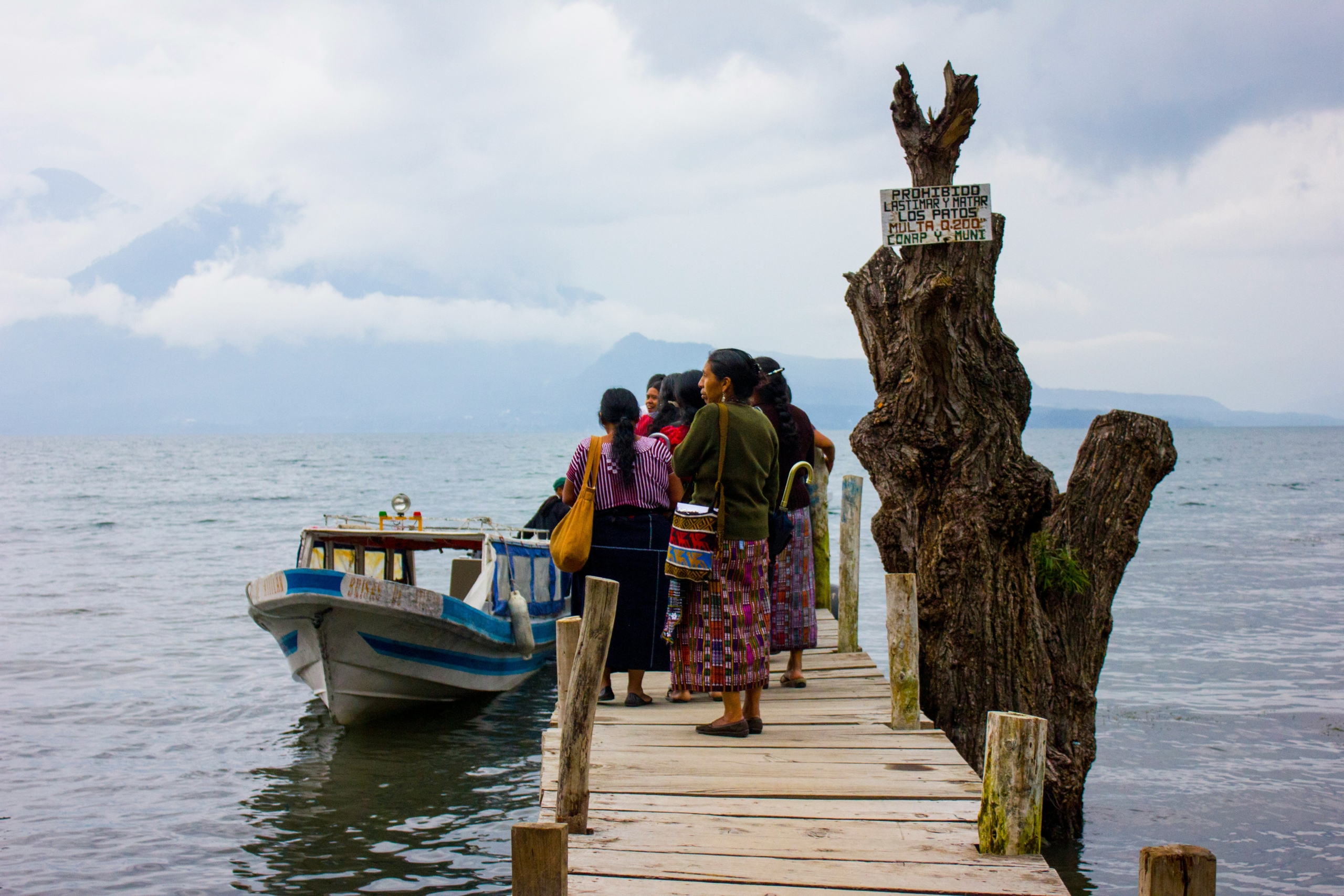
Charities Operating in GuatemalaAlthough Guatemala has experienced continued economic stability, this has not yet translated to robust poverty reduction. The country’s poverty and inequality rates are among the highest in the Latin America and Caribbean region. In addition, Guatemala has a large and underserved population that is primarily rural, Indigenous and unemployed. 

In 2023, the World Bank estimated that in Guatemala’s population of about 17 million people, 55.2% could be considered poor. Many efforts and programs to improve the living conditions of the country’s poor have arisen from its abhorrent circumstances. Poverty in Guatemala is estimated to increase by three or four times without the intervention of charities and organizations. These are 5 charities operating in Guatemala that work tirelessly to fill this need. 

Charities Operating in Guatemala

  1. Many Hopes: Many Hopes is a global community of volunteers and fundraisers committed to rescuing and raising children away from the influence of injustice. Thomas Keown established the organization in Boston and started it as a rescue home for girls in Kenya. The charity has grown significantly and has partnered with local leaders in six countries in Africa and Latin America, one of which is Guatemala. Its mission is to equip children to become adults who break cycles of injustice and poverty. The organization runs an onsite elementary school that educates 160 students; it also provides vocational training opportunities and college scholarships. They also provide medical care, food and holistic mental and emotional support to children under its care. 
  2. Creamos: This innovative organization is centered around women’s empowerment and has been active since 2008. Creamos focuses specifically on supporting the thousands of women who live in communities surrounding the Guatemala City Landfill (RSCG). According to the organization’s website, women living on the periphery of the RSCG experience the effects of poverty at a more extreme level. Many compete for scarce resources, have a low education level and experience historical employment discrimination because of where they live. The organization’s goal is to empower the community in three main ways. Firstly, it provides these women with a safe work environment where they can make a livable wage by sewing or making jewelry sold on the website. Creamos also provides the community with psychological support and offers adult education programs. This gives women the flexibility to complete their studies so they can spend more time with their work and families. Creamos has created 151 jobs and has more than 600 active participants supported by the organization’s programs. 
  3. SOS Children’s Villages: Since 1976, SOS Children’s Villages has supported youth without parental care or who are at risk of losing it in Guatemala. Its goal is to assist children impacted by poverty and violence and to support them on their way to independence. The organization currently provides housing for 260 children and young people. In addition, it provides thousands of children and families with nutritious food. Further, SOS Children’s Villages gives many Guatemalan children a space to learn in kindergarten and offers opportunities for further education. 
  4. Water For People: Since 1997, Water For People has helped Guatemalan communities access water, sanitation and hygiene. However, due to the high poverty level in El Quiché, it has mainly focused its efforts there since 2007. The organization works with the district government to build piped water supply systems and to train communities to maintain the systems. It also encourages a system that provides families with the products and services they need to build better bathrooms, as well as loans to finance the improvements. In addition, Water For People treats schools in Guatemala as part of the wider community. So, not only are children taught good hygiene practices in school, but the lessons are combined with education. This reinforces the practices at home and promotes sanitation in the community.
  5. Organization for the Development of the Indigenous Maya (ODIM): ODIM is a charity that started providing humanitarian assistance in the aftermath of Hurricane Stan, in 2005. The organization works on the belief that “compassionate, competent and comprehensive medical care and education” are needed in even the poorest of places. ODIM provides access to affordable primary and preventative healthcare for impoverished communities and Indigenous people. There are two clinics from which the organization runs, and combined, they provide a total of 3,000 treatments each year. ODIM also promotes education and integrative and preventative care that the communities would not have access to otherwise. 

A Vision for the Future

With 66% of the population living on less than $2 per day, poverty is a constant reality for most Guatemalan citizens. These 5 charities operating in Guatemala have sparked meaningful change. From empowering women in impoverished communities to breaking cycles of injustice and poverty, these organizations provide critical and indispensable support by addressing various issues that many Guatemalans face daily.

– Danielle Schaafsma
Photo: Unsplash

March 1, 2024
https://borgenproject.org/wp-content/uploads/borgen-project-logo.svg 0 0 Jennifer Philipp https://borgenproject.org/wp-content/uploads/borgen-project-logo.svg Jennifer Philipp2024-03-01 01:30:032024-02-29 03:12:355 Charities Operating in Guatemala
Charity, Global Poverty

Energy Firms Tackling Poverty

Energy FirmsAs one of the fastest-growing sectors in the world, the oil and gas industry holds huge significance in our day-to-day activities. Without it, our consumption of media content and ability to communicate across borders would crumble. In addition, energy firms have made diverse investments towards sustainable economic growth, and their contributions to tackling poverty are commendable.  

Oil and Gas has made a few firms incredibly profitable, with the likes of ExxonMobil and Shell emerging as the long-run leaders of the industry, which has turned more than $4.4 trillion as of 2023. Their diverse investments in the green energy sector move towards sustainable economic growth in the 21st century. It indicates that these companies have a clear understanding of future advancement. However, their contributions to reducing poverty still need to be acknowledged. These are examples of how the cornerstones of the energy sector tackle poverty.

ExxonMobil

As part of ExxonMobil’s commitment to philanthropy, they have set up the ExxonMobil Foundation, a branch of the firm that focuses on social issues around the world and contributes to poverty reduction on a global scale. Since 2000, Exxon has donated more than $1.6 billion to education and training programs globally.

A teacher training program that spans more than 60 countries hopes to accelerate education progress in countries such as Senegal, Sierra Leone and South Africa, which will boost economic development in the future. Another example of the energy sector tackling poverty is donating its revenue to charities.

Shell

Since 2000, Shell Foundation has become the vessel of Shell’s philanthropic work. Operating independently, away from Shell, the foundation has developed a keen focus on economic development within Asia and Africa. Their methodology consists of providing small-scale businesses with affordable and clean energy, allowing them to afford lower costs and helping to achieve more commercial funding.

They have promoted sustainable economic growth by reducing more than 58.18 million tonnes of carbon emission, helping them leverage more than $8 billion and securing supporting more than jobs worldwide as of 2021.

The foundation’s work exemplifies how the energy sector tackles poverty by partnering with their business. They have been able to promote sustainable economic development within various impoverished countries. To escape the poverty cycle, this foundation allows for financial stability and further progression in living so that the future generation can afford higher education and training opportunities.

Conclusion

While it is hard to distinguish their philanthropic motive away from their branding of corporate social responsibility, it is encouraging to see that the cornerstones of the energy sector take on poverty. Whether through charitable donations or by incorporating other considerations into their business to improve economic conditions in impoverished countries, the efforts of energy firms have made a significant difference in livelihoods on a global scale.

– Matthew Fung
Photo: Flickr

February 28, 2024
https://borgenproject.org/wp-content/uploads/borgen-project-logo.svg 0 0 Hemant Gupta https://borgenproject.org/wp-content/uploads/borgen-project-logo.svg Hemant Gupta2024-02-28 03:00:512024-02-27 04:58:58Energy Firms Tackling Poverty
Charity, Global Poverty

A Seattle Band’s Mission To Help Alleviate Poverty in India

Poverty in IndiaIn a blend of compassion and music, there exists a band whose goal is to give back to their motherland. AllGoRhythms, a Bollywood music performing band, has found a way to combine talent with this goal. Originally from India, the band wants to help alleviate poverty in India and eradicate this growing problem in their homeland. By collaborating with a local charity, they have done exactly that. Here’s how.

Who Are They?

AllGoRhythms consists of about 13 talented musicians, all from India. They have seven lead singers, two guitarists, one pianist and three percussionists. Most came to the U.S. for employment opportunities and settled down in Seattle. Band manager and singer Sangeeta Nair spoke with The Borgen Project, saying, “It [AllGoRhythms] is our home away from home. Leaving behind our culture, way of life and traditions was so unimaginably hard for all of us. But this band gave us a space to celebrate our roots even being across the world from home.” The band was founded in 1999 by Amol Kelkar and Sumedh Barde. The founders met at their place of employment and started discussing their shared love for music. This sparked their idea to start a band. The band has been growing its audience and performing for over 20 years.

What Cause Are They Helping?

AllGoRhythms aims to help alleviate poverty in India. India grapples with the persistent issue of poverty, which impacts a significant portion of its population. Rural areas need help with agricultural issues such as land availability and climate problems. On the other hand, urban areas struggle with issues accompanying many migrants, such as job availability and low wages. India uses 10 indicators to measure multidimensional poverty, including nutrition, youth mortality, drinking water, electricity, housing, sanitation, access to cooking fuels, school attendance, years of schooling and ownership of assets. According to the National Multidimensional Poverty Index, 14.96% of India’s population is multidimensionally poor. Considering India accounts for almost a fifth of the global population, this is a significant number.

Several factors contribute to this issue. However, the major factor is overpopulation. The country’s rapidly growing population puts pressure on resources and the job market. With its current population estimated to be around 1.4 billion, unemployment and low job security have deeply contributed to the nation’s poverty level. Another contributing factor is the inadequate education system. As of 2022, there were more than 281 million illiterate people in India. This lack of sufficient education leaves many without the skills to find jobs and be able to provide for themselves. A third factor is income inequality. Primarily due to caste-based discrimination, a majority of India’s wealth is held by a tiny percentage of the population. Oxfam, an international organization dedicated to alleviating poverty, published a report in 2017 with findings showing that the top 10% of India’s population controls nearly 80% of its wealth.

What Are They Doing?

To help alleviate poverty in India, AllGoRhythms performs at various venues across Washington several times a year. During these shows, the band covers popular Bollywood songs. In addition to this, they have a separate team of writers and actors who perform a skit. While the skit is being performed, the band plays music, making themselves the center of focus. The fusion of theatre and music captivates large audiences.

Profit is made from tickets to these shows, food bought at the shows and extra donations. During each show, the band plays an educational video about poverty in India and how they plan to help, encouraging the audience to pledge additional contributions. In addition to their shows, AllGoRhythms also plays at private events such as birthday parties, weddings, etc., to increase their revenue. The initiative collaborates with two charities, Asha and CRY (Child Rights and You) and donates their proceeds to both charities.

Final Remark

AllGoRhythms is an admirable example of seemingly ordinary individuals utilizing their talent to make a positive difference. Individuals play a pivotal role in addressing the multifaceted challenges faced by impoverished communities. By actively making efforts that promote the improvement of education, health care and economic opportunities, AllGoRhythms is contributing to breaking the cycle of poverty.

– Trisha Borde
Photo: Flickr

February 27, 2024
https://borgenproject.org/wp-content/uploads/borgen-project-logo.svg 0 0 Hemant Gupta https://borgenproject.org/wp-content/uploads/borgen-project-logo.svg Hemant Gupta2024-02-27 01:30:252024-02-26 23:10:41A Seattle Band’s Mission To Help Alleviate Poverty in India
Charity, Global Poverty

3 Charities Fighting Poverty in Sri Lanka’s Northern Province

Sri Lanka's Northern ProvinceSri Lanka’s Northern Province is still reeling from more than 25 years of conflict. The country’s civil war left towns and villages decimated and families torn apart. Nearly 15 years since the end of the war, local charities and Non-governmental Organizations (NGOs) are still working to rebuild the futures of the primarily Tamil populations. Here are three examples:

The Halo Trust

It is estimated that 1.6 million landmines were left in the ground throughout the civil war in Sri Lanka, causing a threat to life and mass displacement of people. Since 2002, The Halo Trust has been working to safely destroy these landmines and educate affected communities on how to avoid harm.

Halo claims to have cleared more than 270,000 landmines in their time in Sri Lanka. These numbers suggest that for every mine cleared, a displaced person has been able to return to their home. The broader impact of such work has been its contribution to rebuilding livelihoods in some areas worst affected by the civil war. More than 1,300 local Sri Lankans have worked for the trust, gaining employment, learning vital skills and ultimately reclaiming their birthland.

Save a Life

The Jaffna-based charity Save a Life has a simple approach to alleviating poverty; “we believe in actions over words.” This is evident in their vast work for communities since 2014. Starting as a charity to raise awareness about the importance of blood donation, they have since branched out into educating young people about plastic pollution, conducting data collections on differently-abled people and leading a mangrove restoration campaign.

While their core mission is centered around youth development, health and the environment, what distinguishes their organization is an ambition to have a positive social impact in any way possible. For example, their team is made mainly of young and passionate female university graduates, reflecting their promotion of gender equality. Save a Life has run 150 campaigns over the last 10 years involving hundreds of volunteers.

Vallavan Sports Academy

Vallavan Sports Academy aims to provide sporting facilities and coaching to disadvantaged young people in Sri Lanka’s Northern Province Jaffna district. Run by a local Sri Lanka philanthropist, the charity currently provides a swimming pool and a center for indoor games such as Pool and Carrom, a popular Asian board game. On visiting the academy, you will find many budding young athletes enjoying their evenings after school at the pool. The sports center has a collection of trophies won by the youngsters trained by Mr Vallavan himself.

In a town where many young people are tempted out of school before 16 to earn for their families, sports and leisure are hardly commonplace and certainly not accessible to all. Vallavan not only provides facilities and training accessible to young people not otherwise able to afford them but also provides a safe place to experience fulfillment and belonging.

– Alex Finch
Photo: Unsplash

February 27, 2024
https://borgenproject.org/wp-content/uploads/borgen-project-logo.svg 0 0 Hemant Gupta https://borgenproject.org/wp-content/uploads/borgen-project-logo.svg Hemant Gupta2024-02-27 01:30:212024-02-26 23:33:383 Charities Fighting Poverty in Sri Lanka’s Northern Province
Charity, Global Poverty

5 Charities Operating in Italy

Charities Operating In ItalyPoverty in Italy reached historical highs after the COVID-19 pandemic, according to a 2021 Istat report. The report found that more than 1.9 million households were living in absolute poverty and were unable to afford basic needs. The incidence of relative poverty, which accounts for those living below the average poverty line while being able to afford some necessities, also increased. About 2.9 million households, or 11% of the population, were living in relative poverty in 2021. To help combat the rise in poverty rates, these five charities operating in Italy are working to bring assistance to marginalized people in need.

Mission Bambini

In Italy, more than 1.4 million children live in poverty and 14.2% of them live in absolute poverty. Mission Bambini is an NGO that seeks “to give help to poor, sick, outcast, uneducated children.” Goffredo Modena, an engineer, founded the organization in Milan on January 18, 2000. During its first five years, Mission Bambini worked to set up its Children’s Heart program, which focuses on saving the lives of babies abroad born with heart conditions. From 2000 to 2005, the organization helped more than 20,000 receive medical treatments.

At the national level, Mission Bambini launched early childhood educational programs in 2006, providing services like study support, dropout prevention and school renovations. Thanks to the efforts of volunteers, more than 12,000 children obtained access to learning services at an early age.

Soleterre

Soleterre is also among the health care-oriented, non-profit charities operating in Italy. It seeks to support those not fortunate enough to be afforded a healthy life, regardless of age or provenance. Though Soleterre’s base is in Italy, it reached 23 developing countries to bring food relief programs to 30,000 people and other health care relief programs to 260,000 people.

Since 2002, Soleterre has been providing aid, in the Italian cities of Pavia and Taranto, to children and adolescent cancer patients. The organization focuses on providing economic, psychological and medical support to give children a chance to improve their diagnosis and possibly heal. Soleterre reached more than 21,000 children and 16 hospitals with cancer assistance programs.

Save the Children

Another charity operating in Italy that focuses on aiding young people is Save The Children. The foundation collects donations from Italians and supports developing programs for children in 62 countries. Save the Children’s campaigns focus on fighting malnutrition, ending wars and providing safe environments where children can thrive.

According to the World Health Organization (WHO), 5.2 million children died in 2019 from “mostly preventable and treatable causes.” Currently, Save the Children estimates that malnutrition threatens 13.6 million kids under the age of 5. To tackle this issue, the organization launched its “Emergenza Fame” (Famine Emergency) campaign to mobilize Italians by urging them to petition their government and donate to fund food programs in Somalia and India.

Intersos

Intersos was originally founded in 1992, to aid people who extreme poverty, war and other unfortunate circumstances affect. Since its inception, the organization has operated on an international level and brought emergency humanitarian intervention to 23 countries, providing medical care, shelter and basic necessary goods.

In 2011 Intersos launched the A28 Center in Rome, to provide nightly accommodations to young and unaccompanied minors traveling to Europe. In 2017, another center was established in Rome to supply medical aid to migrant women and children, as well as for Italian nationals. Most recently, Intersos worked in Ukraine to aid refugees by establishing psychological, medical assistance and protection resources.

Assistenza Nazionale Tumori (ANT)

The Assistenza Nazionale Tumori (ANT) or National Tumor Assitance originated in 1978 seeking to provide free medical home care to those who are suffering from tumors and unable to afford medical assistance. Over the years, the organization helped more than 155,000 ill people by engaging teams of doctors, nurses, nutritionists and more, to provide health care directly within households through dedicated therapies. Some of the additional services ANT provides include hygiene care, laundry services and transportation of patients to medical centers.

While ANT mainly provides support and infusion therapies, it runs a free mobile prevention center, dubbed the “Bus of Prevention,” equipped with oncological diagnostic tools. ANT’s programs in 11 out of 20 Italian regions can reach those facing tumor-related concerns, spanning the length of Italy’s famous booth-shaped territory.

Looking Ahead

As of 2023, 22% of the Italian population is living at risk of food poverty following the height of the COVID-19 pandemic. These five charities operating in Italy, and beyond, continue to tackle the problems affecting marginalized, young and non-national individuals to make sure they do not become a statistic.

– Francesco Luisi
Photo: Flickr

February 25, 2024
https://borgenproject.org/wp-content/uploads/borgen-project-logo.svg 0 0 Naida Jahic https://borgenproject.org/wp-content/uploads/borgen-project-logo.svg Naida Jahic2024-02-25 01:30:462024-02-24 23:45:105 Charities Operating in Italy
Charity, Global Poverty

Mercy Ships’ Campaign To Grow Africa’s Health Care System

Mercy ShipsThe campaign against poverty remains a battle of conviction for specific organizations. Such organizations are governed by faith and a subsequent determination to help those in need, irrespective of the cost. One such organization is Mercy Ships.

Mercy Ships’ Overview

Mercy Ships is a faith-based international development charity that sends hospital ships to some of the poorest countries in the world, delivering essential, accessible health care to people in desperate need. Following the principles of Jesus Christ, Mercy Ships serves as a movement to provide hope and healing to individuals suffering from disability, disfigurement and disease.

Maintaining its Christian values wherever its volunteers go, the initiative’s volunteers are driven by a desire to provide surgical treatment and improved health care to nations susceptible to conditions including HIV/Aids, TB and Malaria with limited means of combating such ailments. This is particularly prevalent in Sub-Saharan Africa, where most countries the nonprofit partnered with reside.

Partnering With Host Countries

Mercy Ships estimates that in low-income and lower-middle-income countries, nine out of 10 people have no access to basic surgical care. For example, more than 69% of people in Sub-Saharan Africa live on less than £2 ($2.5) daily. Health care in these countries either doesn’t exist or is unaffordable to most of the population. To overcome this, the organization has established partnerships with each country it has lent its support to, addressing the needs of each nation.

Impact on Host Nations

During a 10-month stay in Guinea from 2018 to 2019, the faith-based program delivered 2,442 life-changing surgeries onboard its hospital ship, treated more than 7,937 patients at a land-based dental clinic and trained and mentored 1,254 local health care professionals. In Madagascar, the charity’s efforts from 2015 to 2016 contributed to 1,682 surgeries and 29,043 dental procedures. It also trained and mentored 1,546 health professionals.

Their flagship vessel, the Africa Mercy, the largest hospital ship in the world, was docked in Senegal in 2019. More than 400 volunteers were located on board to provide necessary treatment for conditions encompassing dental and eye problems, cleft lips and palates, tumors, club feet, childbirth injuries, burns and more. During the ship’s stay in the port of Dakar, the organization provided 1,407 surgeries aboard and treated more than 5,000 dental patients in its land-based facilities.

Katie’s Story

‘‘All the members on the ship are completely volunteers, from the ship captain to the deck hands, to the surgeons and catering staff. I worked as a scrub nurse, handing the surgical instruments to the surgeon and ensuring the procedures were sterile and safe. I worked 50 hours a week on average,’’ stated Katie Fletcher, a nurse employed by the National Health Service in England.

Fletcher discovered Mercy Ships and its cause when she was 18 years old and before she started training to become a nurse at a music festival. Sharing the organization’s Christian values, she soon felt compelled to apply her training and knowledge towards Mercy Ships and its life-changing work in 2023 during a two-week volunteer placement.

Her campaign began with a fundraiser, where she successfully raised £3,000 (nearly $4,000). She achieved this through a combination of quiz nights, raffles, a sponsored walk around the Gower Peninsular in South Wales and campaigning on behalf of the charity through avenues such as BBC Radio and newspapers. More than half of the funds went towards the charity. More than half of these funds were invested in medication and other logistics to perform the surgeries, contributing to the campaign’s overall success.

Katie envisages Mercy Ships and its local apprenticeships onboard the ship will make health tourism more sustainable by teaching the locals safe surgery techniques despite frequently traveling to new destinations after a certain period.

– Thomas Perry
Photo: Flickr

February 21, 2024
https://borgenproject.org/wp-content/uploads/borgen-project-logo.svg 0 0 Hemant Gupta https://borgenproject.org/wp-content/uploads/borgen-project-logo.svg Hemant Gupta2024-02-21 07:30:452024-02-20 04:05:07Mercy Ships’ Campaign To Grow Africa’s Health Care System
Charity, Global Poverty

How Video Game Streamers Are Making a Global Difference

Video Game Streamers

Over the last decade, the gaming industry has witnessed numerous charitable acts, whether initiated by game streamers, in-game purchases or gaming studios. Here are some of the most notable donations and acts, showing how charitable video game streamers are.

Carryminati (Ajay Nagar)

Carryminati is among the most popular gaming YouTubers, boasting a subscriber count of more than 40 million. He is mostly famous for his ability to make compelling gaming and roast videos with fresh humor. However, one of his recent acts of charity gave his long-term fans and new viewers a different reason to respect him.

On June 2, 2023, a tragic incident unfolded in Odisha, India, as three trains collided, resulting in the loss of 275 lives and leaving more than 1,100 individuals injured. In response to the situation, Carryminati conducted a live stream, raising more than £11,000 (almost $14,000), to which he contributed an additional £1,500 (approximately $2,000). Expressing deep sorrow over the tragic situation, he conveyed his thoughts and prayers for all those impacted. The goal of the fundraiser was to assist the families impacted by the incident.

PewDiePie (Felix Kjellberg)

PewDiePie, also known as Felix, has long been a prominent figure on YouTube. Rising swiftly through the ranks as a YouTuber specializing in horror gaming, he surpassed all competitors to claim the title of the most subscribed creator on the platform, a title he proudly held for more than six years. Although eventually dethroned by a music label company, PewDiePie showcased not only the magnitude of his subscriber base but also the generosity of his heart through frequent charitable acts and fundraising streams. His commitment illustrates the philanthropic spirit inherent in charitable video game streamers.

In 2016, Felix started a fundraising campaign for Charity: Water, a “nonprofit organization bringing clean and safe water to people around the world.” With the combined effort of his subscribers, he raised more than $445,000, surpassing his initial target of $250,000. Similarly, teaming up with Humble Bundle and his extensive subscriber base, he played a key role in generating a substantial sum of $630,000 for the Save the Children campaign. Over the years, Felix has actively participated in numerous charity initiatives, including those for the World Wildlife Fund (WWF), (RED) and Child Rights for You (CRY), among others, contributing to a cumulative total of more than $3 million raised for various causes.

Ninja

In 2016, the French gaming charity stream, Z Event, took place from September 20 to 23. During this event, Ninja made a remarkable contribution by donating an astonishing €26,000 (about $29,000). This generous act aimed to propel the fundraising efforts beyond the already impressive sum of €3 million (approximately $3.24 million) for medical research and treatments. Ninja’s donations sparked a trend among his followers and supporters, motivating them to contribute, ultimately surpassing the initially set target for the event. Additionally, during the COVID-19 outbreak, Ninja drew inspiration from the charitable efforts of Ryan Reynolds and Jimmy Fallon. In response, he contributed $150,000 to support relief initiatives and encouraged others to stay positive and practice social distancing.

– Siddharth Thampi
Photo: Unsplash

February 18, 2024
https://borgenproject.org/wp-content/uploads/borgen-project-logo.svg 0 0 Hemant Gupta https://borgenproject.org/wp-content/uploads/borgen-project-logo.svg Hemant Gupta2024-02-18 03:00:122024-02-17 08:32:24How Video Game Streamers Are Making a Global Difference
Charity, Global Poverty, Technology

Tech Firms Take On Poverty

Tech FirmsOver the last three decades, technology has profoundly influenced our lives, with a handful of tech firms, notably Alphabet and Meta, attaining substantial profitability. These companies play a pivotal role in shaping the future through technological advancements. However, their philanthropic endeavors, aimed at contributing to a better future for all, often go underappreciated. These are examples of how the cornerstones of modern-age technology firms are alleviating poverty.

Alphabet (Google)

As the leading powerhouse in the search engine industry, according to Forbes, Google has established itself as the second-largest brand in the world while turning in $279 billion in revenue as of 2023. Google has been actively involved in philanthropic initiatives through Google.org, its charitable arm established in 2005. The organization has engaged in various poverty alleviation projects across the globe. Google.org has invested more than $250 million into closing educational gaps worldwide, especially in impoverished areas. This includes supplying technological resources to facilitate learning, a collaboration that extends to partnerships with entities like Khan Academy.

Furthermore, the organization has contributed to economic empowerment across countries in the Middle East, Asia and Africa by supporting those who suffer from systematic barriers as small to medium-sized business owners. One of Google’s more recent contributions is a $5 million grant provided to underserved businesses worldwide during the peak of the COVID-19 pandemic. Google.org is an example of how technology firms are alleviating poverty by supporting various communities. This support includes ensuring access to education and fostering financial stability, which helps to lift households out of poverty.

Meta

Recently rebranded from Facebook, Meta holds significant control over media consumption through platforms like Instagram, Facebook and WhatsApp. The multinational technology company has expanded its philanthropic efforts through the founders, Mark Zuckerberg and his wife, Priscilla Chan. Having pledged to donate more than 99% of their fortune throughout their lifetime, estimated to be around $45 billion, the couple established the Chan Zuckerberg Initiative (CZI) in 2015.

The initiative has become an important player in lobbying U.S. legislators, leveraging its substantial funding to address social issues on a global scale. Furthermore, it has given away more than $4.9 billion in grants to various nonprofit organizations globally, with a keen focus on medical research, which can positively contribute to impoverished communities across the globe by improving living standards.

CZI contributes significantly to the fight against poverty by making global venture investments in emerging companies. These investments aim to alleviate poverty through research and innovation, particularly in the discovery of new techniques to establish food security and ensure equal access to education on a global scale, leveraging the power of technology.

While it may be challenging to entirely separate the philanthropic motives of tech firms from their corporate social responsibility branding, potential tax breaks and other benefits, it is nonetheless encouraging to see these companies actively alleviating poverty through generous donations and efforts aimed at creating positive change.

– Matthew Fung
Photo: Wikimedia Commons

February 16, 2024
https://borgenproject.org/wp-content/uploads/borgen-project-logo.svg 0 0 Hemant Gupta https://borgenproject.org/wp-content/uploads/borgen-project-logo.svg Hemant Gupta2024-02-16 07:30:522024-02-15 03:55:18Tech Firms Take On Poverty
Charity, Global Poverty

The Charity Fighting Poverty in Burundi

BurundiBurundi is currently one of the most impoverished countries in the world, with more than 87% of the population living off less than $2 per day. Additionally, more than half the population experiences chronic food insecurity. Labeled as “the hungriest country in the world,” many citizens actively seek to emigrate from this densely populated state. Economic challenges persist due to the nation’s reliance on agricultural exports in a land-poor state and the scarcity of employment opportunities for the rapidly growing population.

Poverty in Burundi

As one of the countries with the lowest Gross National Income Per Capita (GNI) globally, Burundi is grappling with a dire economic situation and a scarcity of essential provisions for survival. The pervasive poverty in Burundi poses a significant risk, potentially leading to a national catastrophe. Notwithstanding, the Great Lakes Outreach (GLO) considers this dire situation in Burundi as an opportunity and has embarked on initiatives to address poverty and reconstruct the nation from its foundation.

The Great Lakes Outreach functions as a collaborative partner with smaller organizations, aiming to bring about social and economic reform in Burundi. Its strategy involves investing in schools, skills development, knowledge enhancement and providing food provisions. The ultimate goal of the organization is to eliminate poverty in Burundi, providing the people of Burundi with a fair chance to flourish.

Stories of Reform

Claudine and Sofia, who were facing extreme poverty in Burundi, found support through the Greenland Alliance, a partner organization backed by the Great Lakes Outreach. With financial assistance, they were able to secure loans to initiate their respective businesses. Claudine now earns income through livestock, enabling her to care for her four younger siblings. Meanwhile, Sofia plans to establish a small shop using products and profits generated from her plants and livestock. Remarkably, both young women were loaned less than $25, yet the impact on their lives and their families has been substantial.

Through the support of the Great Lakes Outreach, the Greenland Alliance is transforming the lives of impoverished citizens. The organization is teaching them valuable business skills and how to manage money. This act goes beyond empowering women and promoting financial independence to helping Burundians escape extreme poverty, one small loan at a time.

Another Great Lakes Outreach partner, United Citizens for Change and Development, is actively contributing to the improvement of education in Burundi. In 2022 alone, the organization established nearly 60 university-accredited Bible schools, resulting in more than 4000 graduates in the last year. Many of the Great Lakes Outreach Partners have long-term goals of sustainability and self-sufficiency through education and employability development. However, while these are crucial for lifting the nation out of poverty, many Burundians are in immediate need of aid, simply just to survive.

One Cup a Day Program

Food security is a top priority for the Great Lakes Outreach and one of its partners, Youth with a Mission, has initiated the “One Cup a Day Program.” This program aims to give malnourished children a hearty meal of porridge each day. Beyond addressing their nutritional needs, the program also creates a space for these children to play, have fun and develop friendships.

Extreme poverty in Burundi contributes to food scarcity and insecurity, exacerbated by the limited nutritional value of the country’s primary agricultural exports, such as tea, coffee and bananas. Initiatives like the “One Cup a Day” program serve as a lifeline to families facing extreme poverty. With the support of the Great Lakes Outreach, more starving people in Burundi are receiving vital food assistance each day.

– Abigail Tidball
Photo: Flickr

February 8, 2024
https://borgenproject.org/wp-content/uploads/borgen-project-logo.svg 0 0 Hemant Gupta https://borgenproject.org/wp-content/uploads/borgen-project-logo.svg Hemant Gupta2024-02-08 01:30:382024-02-07 04:41:49The Charity Fighting Poverty in Burundi
Page 10 of 42«‹89101112›»

Get Smarter

  • Global Poverty 101
  • Global Poverty… The Good News
  • Global Poverty & U.S. Jobs
  • Global Poverty and National Security
  • Innovative Solutions to Poverty
  • Global Poverty & Aid FAQ’s
Search Search

Take Action

  • Call Congress
  • Email Congress
  • Donate
  • 30 Ways to Help
  • Volunteer Ops
  • Internships
  • Courses & Certificates
  • The Podcast
Borgen Project

“The Borgen Project is an incredible nonprofit organization that is addressing poverty and hunger and working towards ending them.”

-The Huffington Post

Inside The Borgen Project

  • Contact
  • About
  • Financials
  • President
  • Board of Directors
  • Board of Advisors

International Links

  • UK Email Parliament
  • UK Donate
  • Canada Email Parliament

Get Smarter

  • Global Poverty 101
  • Global Poverty… The Good News
  • Global Poverty & U.S. Jobs
  • Global Poverty and National Security
  • Innovative Solutions to Poverty
  • Global Poverty & Aid FAQ’s

Ways to Help

  • Call Congress
  • Email Congress
  • Donate
  • 30 Ways to Help
  • Volunteer Ops
  • Internships
  • Courses & Certificates
  • The Podcast
Scroll to top Scroll to top Scroll to top