• Link to X
  • Link to Facebook
  • Link to Instagram
  • Link to TikTok
  • Link to Youtube
  • About
    • About Us
      • President
      • Board of Directors
      • Board of Advisors
      • Financials
      • Our Methodology
      • Success Tracker
      • Contact
  • Act Now
    • 30 Ways to Help
      • Email Congress
      • Call Congress
      • Volunteer
      • Courses & Certificates
      • Be a Donor
    • Internships
      • In-Office Internships
      • Remote Internships
    • Legislation
      • Politics 101
  • The Blog
  • The Podcast
  • Magazine
  • Donate
  • Click to open the search input field Click to open the search input field Search
  • Menu Menu

Archive for category: Charity

Aid, Charity, Global Poverty

5 Charities Operating in Fiji

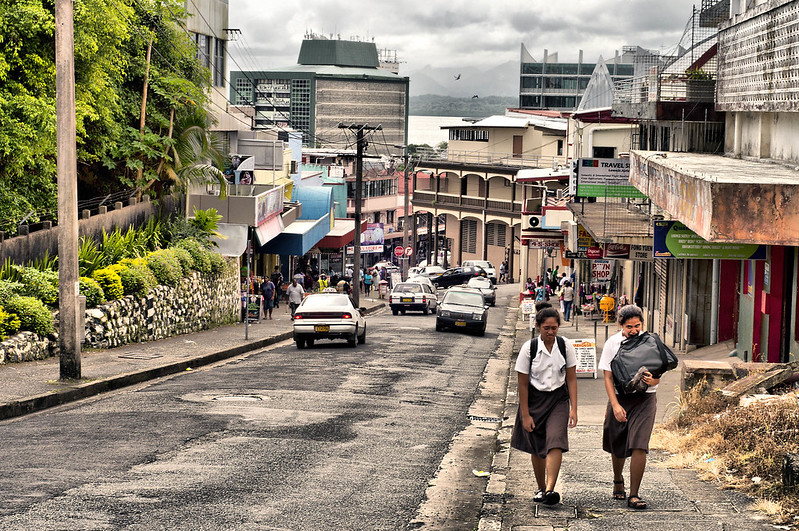
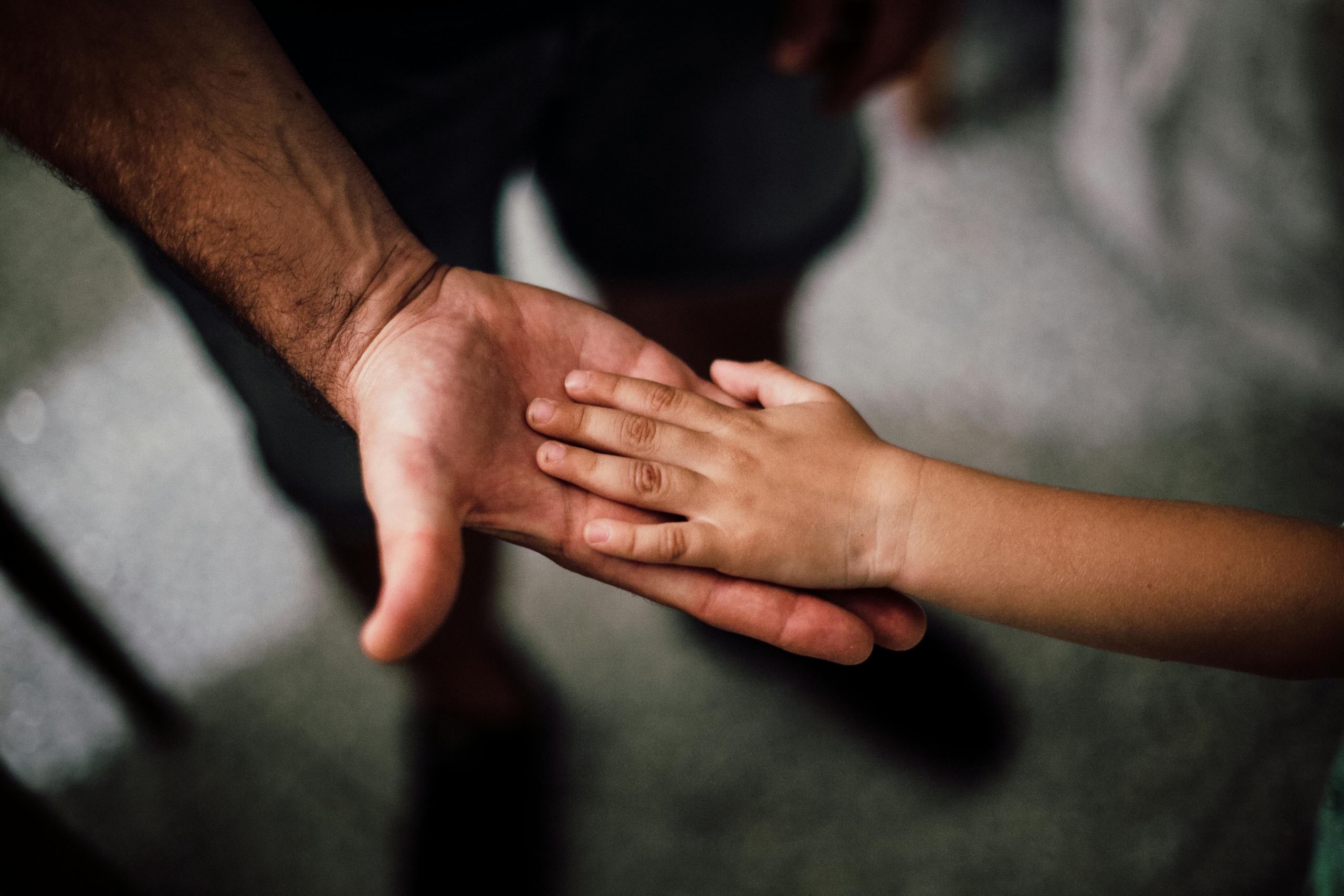
Charities in FijiFiji, a collection of volcanic islands in the South Pacific, is renowned as a popular vacation destination. According to the World Bank, Fiji has a population of more than 900,000. Despite its picturesque charm, 29.9% of Fijians lived below the national poverty line in 2019. Almost a third of the population in Fiji lacks access to necessities, in part due to the islands’ remote location. However, several charities are trying to combat the severity of poverty in Fiji. Here are five charities operating in Fiji.

Fiji Red Cross Society

The Fiji Red Cross Society has been actively committed to providing humanitarian assistance for more than 70 years. One of the organization’s core National Society programs is the youth program, which collaborates with youth representatives to advocate for the rights of Fiji youths.

The charity also started the Junior Red Cross Clubs program, an educational initiative offering an extra curriculum that can teach students about disaster preparation, health and wellness and, above all else, safety. This charity shows the importance of inclusion, as more than 70% of the volunteers for the Fiji Red Cross Society are youths, which means they are at the forefront of change.

Field Ready Fiji

Educating Fijians on how to look after their community will mean they are more prepared for future natural disasters. Fiji can experience up to 15 cyclones per decade. The intense rainfall can cause horrific floods, which frequently cause loss of life and economic damage. This is why it is essential for Fiji to have disaster preparations in place to save the Fijian communities and improve the economy.

Field Ready is an organization that aims to save lives and reduce suffering. It recruits and trains local engineers and informs people on humanitarian responses to encourage local work and support in Fiji. In 2019, Field Ready received a grant from the United United Agency for International Development (USAID), enabling it to save more lives and increase “resilience to recurrent natural hazards of at least 15,000 Pacific Islanders.”

Partners in Community Development Fiji

Founded in 1979, the Partners in Community Development Fiji (PCDF) is one of the longest-running nongovernmental organizations (NGOs) in Fiji. Sustainability is an important principle to PDCF and one of its programs is the Natural Resource Management Program, which aims to promote better management of sustainable natural resources to maximize essential resources.

Additionally,  the Pacific Islands Rural and Agriculture Stimulus Facility Project (PIRAS), implemented in 2022, aims to help farmers in Fiji recover from the effects of the COVID-19 pandemic. A survey conducted in 2023 shows that around one-fifth of people in Fiji reported running out of food, skipping meals or having additional stress due to the lack of food available to them because of the effect of COVID-19.

The PIRAS aims to maximize food and nutrition, security, preservation of local food and stabilization of the rural economy after COVID-19. So far, the initiative has provided water tanks and farming materials and started constructing nurseries for the 41 targeted communities.

Toomer Family Foundation

Vulnerable individuals with mental illness can feel ostracized within the community and the Toomer Family Foundation aims to support them through creative education. Some of the key programs that the charity runs are a national youth mentoring program, a family support service for mental health and community programs surrounding the arts.

Although this is a relatively recent charity founded in 2000, it has ambitious plans to grow and focus on supporting vulnerable people by creating a new structure of education surrounding the arts.

FRIEND Fiji

Improving the quality and quantity of medicine in Fiji is extremely important to help prevent diseases and improve the quality of life. Fiji’s constitution believes in the right to provide free health care to all communities. However, one of the biggest challenges is that due to its remote location, it is extremely difficult to access large supplies of medication. Fiji also has a shortage of emergency medical staff.

The Foundation for Rural Integrated Enterprises and Development (FRIEND) was founded in 2001 and aims to improve the health status of communities across Fiji. The charity is determined to support those living with genetic illnesses such as diabetes and cardiovascular issues.

Noncommunicable diseases (NCDs) account for 80% of deaths in Fiji, prompting FRIEND to also focus on sustainable medicine to combat these conditions. Additionally, the organization has established a screening system for diabetes across all communities to ensure timely treatment for everyone.

All of these charities focus on improving Fiji’s poverty issues, whether that be aiding them in better utilizing local produce or preparing for natural disasters. These charities operating in Fiji are making a real impact on the Fijian citizens. Even though it is seen as a beautiful and remote tourist location, there must still be support and funding for these charities to continue to make Fiji a better place.

– Charlotte Johnston

Charlotte is based in London, UK and focuses on Technology and Good News for The Borgen Project.

Photo: Flickr
June 28, 2024
https://borgenproject.org/wp-content/uploads/borgen-project-logo.svg 0 0 Hemant Gupta https://borgenproject.org/wp-content/uploads/borgen-project-logo.svg Hemant Gupta2024-06-28 03:00:492024-06-27 15:25:305 Charities Operating in Fiji
Charity, Global Poverty, Humanitarian Aid

5 Charities Operating in Armenia

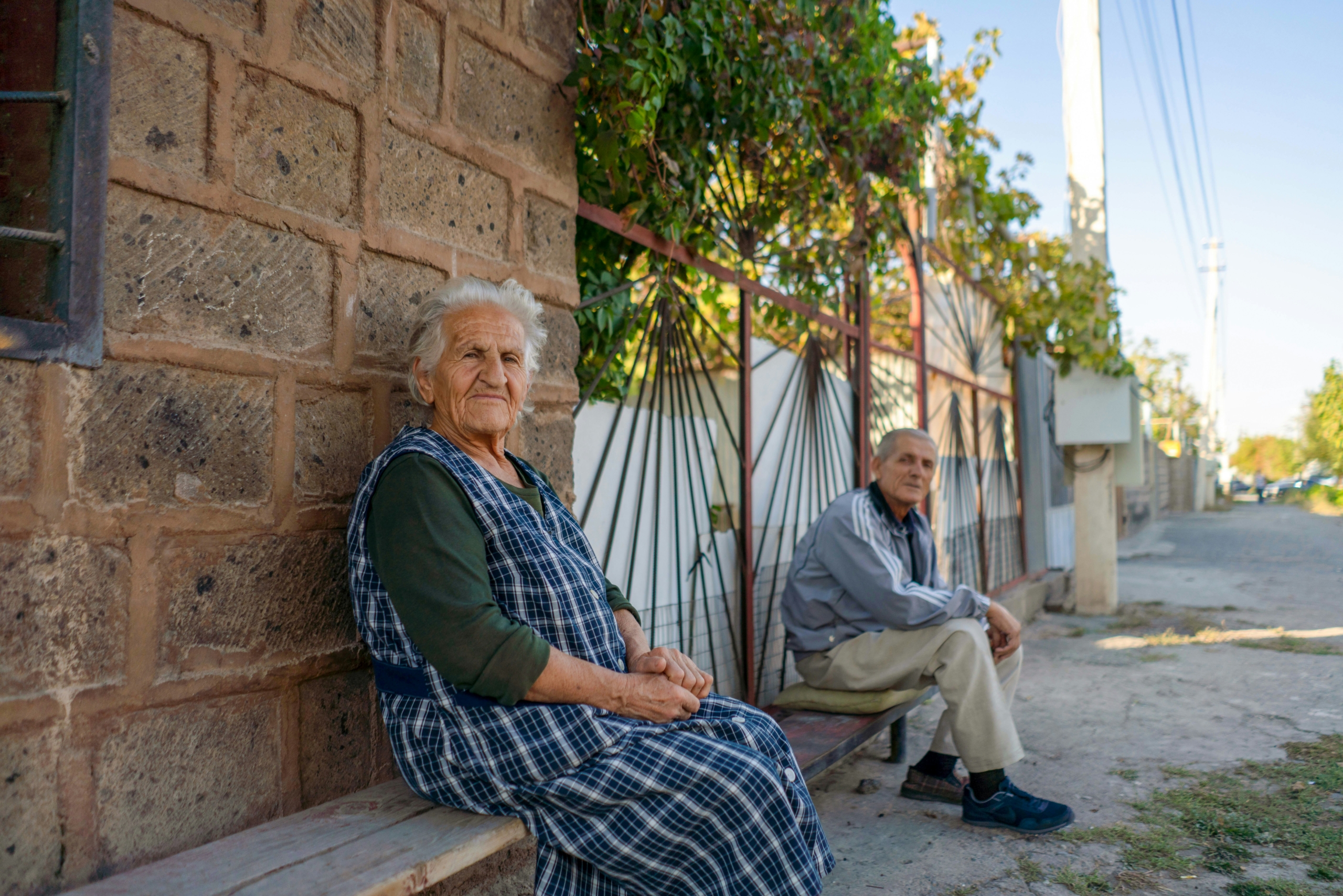
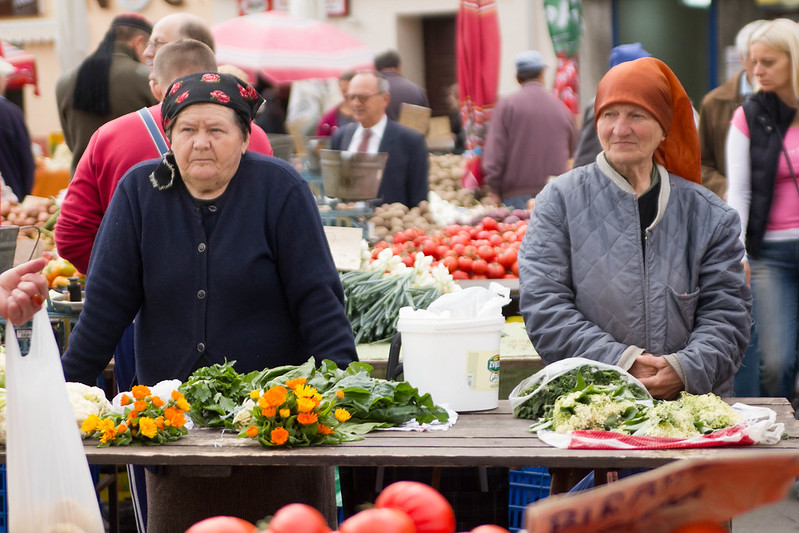
Charities Operating in ArmeniaArmenia, located in the Caucasus region between Eastern Europe and Western Asia, possesses a rich cultural heritage and spirit. Despite many historical and contemporary challenges, numerous charities are actively working to bring relief to communities, solve pressing social issues and create sustainable development within the country. Here are five charities currently operating in Armenia, each playing a pivotal role in fostering a brighter future for the nation.

Armenian Relief Society (ARS)

Founded in 1910, ARS provides comprehensive humanitarian assistance to vulnerable populations. It works to preserve Armenia’s rich culture and history. With a network of hundreds of thousands of dedicated volunteers and members, 220 chapters that operate in more than 27 regions, ARS is able to lead the charge on the front line in the battle against poverty.

Through a wide array of programs, including health care, education and social services, ARS empowers Armenian citizens to overcome adversity and build resilient communities. From orphanages and medical clinics to vocational training centers, ARS’s initiatives impact the lives of thousands, offering them pathways to a better future.

Children of Armenia Fund (COAF)

Dedicated to supporting the future of tomorrow, COAF focuses on promoting education, health care and socioeconomic empowerment. Through the construction of schools, renovation of health care facilities and implementation of educational programs, COAF empowers Armenian youth with the tools and resources necessary to thrive in today’s uncertain world. Through initiatives like the SMART Center, a hub for technology, arts and sports, COAF champions creativity, critical thinking and leadership skills, preparing the next generation of leaders in Armenia.

Fuller Center for Housing Armenia (FCHA)

A covenant partner of the umbrella organization, FCHA works to provide Armenians access to safe and affordable housing. Amid a major housing crisis, housing and shelter remain a pressing issue throughout Armenia today, particularly in rural areas. FCHA takes on this challenge by partnering with communities to build and renovate homes for families in need.

Through mobilizing volunteers, engaging local stakeholders and using sustainable building practices, FCHA not only provides shelter but also promotes community development and solidarity. Through its various housing initiatives, FCHA works to pave a path to stability and self-reliance while laying the foundation for brighter futures.

Tufenkian Foundation

Established in 1999, the Tufenkian Foundation remains committed to promoting social justice and cultural preservation in Armenia. The organization promotes initiatives that celebrate Armenia’s rich history while simultaneously empowering its people. From supporting local businesses and entrepreneurs to preserving historical landmarks and promoting environmental sustainability, the Tufenkian Foundation’s efforts encompass a wide variety of programs aimed at promoting inclusive growth and community.

Through investment in education, entrepreneurship and cultural preservation, the Tufenkian Foundation fosters a sense of pride and belonging amongst Armenians, further strengthening its people and communities.

Birthright Armenia

Founded in 2003, Birthright Armenia offers a unique opportunity for young Armenians from around the world to connect with their roots, contribute to community development and celebrate their cultural heritage. Through a variety of volunteer opportunities, internships, cultural immersion experiences and educational events, Birthright Armenia empowers Armenian youth across the world to make valuable contributions to Armenian society while furthering their understanding of the country’s culture and history. By creating connections and promoting a sense of belonging, the organization empowers a new generation of global citizens committed to the support and advancement of Armenia and its people.

Looking Ahead

Throughout Armenia and beyond, these five charities stand as pillars of development and progress. Through their devout dedication and support, these organizations exemplify the immense power of charity and collective action in creating positive change. As the country continues its journey toward a brighter future, these five charities operating in Armenia continue to empower individuals and communities to overcome challenges, create opportunities and shape a more inclusive and prosperous future.

– Benjamin DeMarais

Benjamin is based in Rogers, MN, USA and focuses on Business and Celebs for The Borgen Project.

Photo: Unsplash

June 23, 2024
https://borgenproject.org/wp-content/uploads/borgen-project-logo.svg 0 0 Hemant Gupta https://borgenproject.org/wp-content/uploads/borgen-project-logo.svg Hemant Gupta2024-06-23 01:30:232024-06-21 08:57:245 Charities Operating in Armenia
Charity, Global Poverty, NGOs

Charities in England You May Not Know About

Charities in EnglandNongovernmental organizations (NGOs) or charities play important roles in the fight against poverty worldwide. NGOs work directly with local communities, providing targeted support to the most vulnerable populations.

In the United Kingdom (U.K.), where 22% of the population experienced poverty in 2021/2022, charities are essential partners in the fight against poverty, complementing government efforts and driving sustainable changes. Here are five charities in England and the wider U.K. that you may not know about:

Greggs Foundation

The Greggs Foundation focuses on setting up breakfast clubs across England, Wales, Scotland and Northern Ireland. Supported by local businesses, these clubs provide fun and food to children before their school day. The foundation has set up 900, helping to feed more than 62,000 children daily. The work it does enables children to face a day of learning with a nutritious breakfast, allowing them to focus on expanding their knowledge.

British Gas Energy Trust

Best known for fueling the nation, quite literally, British Gas also has an energy trust that aims to alleviate fuel poverty. With the cost-of-living crisis, energy bills have soared for many families, meaning people increasingly have to choose between heating their homes and putting food on the table. The energy trust, however, aims to offer support and provide grants for those who are facing this issue. So far, the trust has helped 700,000 people through its grants and schemes.

Refugee Action

Focusing on refugees and migrants, Refugee Action is a U.K.-based organization that aims to fight for better living conditions for those seeking asylum. Centered around a collaborative and inclusive approach, the charity aims to support and advise those entering the U.K. With an ambitious approach, the organization seeks to improve the prospects for all refugees. In 2023, the charity helped 3,000 people and resettled 1,700 refugees, making the work it does vital.

Together Women

Together Women is another of the charities in England but is mainly concentrated in the northern part of the country. Its key target is women who may be vulnerable to entering the criminal justice system. Additionally, the charity aims to support those who are at risk of homelessness. The goals that its centers achieve through support groups and courses are crucial. By supporting at-risk women, the life prospects for those most in need are heightened.

Turn2us

Turn2us has been operating for more than 125 years and provides support for those facing financial insecurity. Its key aim is to support older adults who may be facing poverty through its nine care homes situated across the U.K. The charity also provides key grants to those who are at risk of greater financial insecurity.

– Sarah Littleton

Sarah is based in London, UK and focuses on Good News and Politics for The Borgen Project.

Photo: Pexels

June 17, 2024
https://borgenproject.org/wp-content/uploads/borgen-project-logo.svg 0 0 Hemant Gupta https://borgenproject.org/wp-content/uploads/borgen-project-logo.svg Hemant Gupta2024-06-17 01:30:062024-06-15 13:18:08Charities in England You May Not Know About
Aid, Charity, Global Poverty

Charities Operating in Somalia

. Charities Operating in SomaliaThe changing climate and conflict are the driving factors behind poverty in Somalia, where ongoing droughts and political insecurity have led to internal displacements, with much of the population living in camps. As a result, almost 70% of Somalis live below the poverty line and only 53% of children are enrolled in school. In response, many organizations are providing valuable resources to alleviate poverty in Somalia. Here are just five charities operating in Somalia that have made a difference in poverty reduction.

Islamic Relief

This charity provides valuable resources for local communities affected by water scarcity due to the ongoing drought. Islamic Relief has helped displaced communities by drilling a borehole and creating a water supply system in Baidoa, a large city in the southern region of Somalia.

Islamic Relief also trained local community members to establish a water management committee. This has enabled them to oversee the water facility independently. The facility was officially handed over to the local community in August 2023. It now supplies clean drinking water to 3000 homes in Baidoa.

Concern Worldwide

With a mission to end extreme poverty, this charity operates several projects in Somalia that focus on emergency responses to natural disasters and population displacement. It also invests in long-term programs to improve the resilience of local communities. Its latest achievements include the establishment of 13 fixed and 15 mobile health centers. These centers provide patient consultations, antenatal and postnatal services, treatment for malnutrition and immunization for 503,000 patients in 2022. Concern Worldwide also focuses on livelihood support and has created 65 self-help groups for women in Somaliland. The support has improved their social and economic positions in society.

Ifrah Foundation

This charity has been operating in Somalia since 2014 and aims to eradicate Female Genital Mutilation (FGM). This practice is a violation of human rights. It has a prevalence rate of 99% in Somalia – the highest in the world. FGM is carried out on young girls and can cause severe bleeding, extreme pain, cysts and infections, problems urinating and complications in childbirth. It can also negatively impact the mental health of young girls, causing shock, depression and anxiety.

Empowering women and improving gender equality is a key accelerator for sustainable development. Ifrah Foundation’s “Dear Daughter” campaign works across three pillars of action to improve the quality of life for Somali women: Advocacy, Awareness raising and Community Empowerment. The charity has trained 665 community activists on the dangers of FGM and the power disparity between genders, which allows girls and women to be violently targeted. These activists then return to their local communities in Somalia and advocate for the end of FGM by sharing their knowledge with members of their community.

Salam Charity

This organization is dedicated to empowering Somalia’s youth. About 70% of Somalia’s population is aged less than 30 and 67% are currently unemployed. As a result, most young people in Somalia cannot afford vital health care. In response, Salam Charity has created a mobile medical clinic by recruiting teams of medical professionals in Somalia.

This traveling clinic can dispatch essential medical treatments to hard-to-reach communities affected by the civil conflict. In addition to providing free check-ups and treatments, the nonprofit also offers funding to pay for life-altering cataract surgery, which can increase opportunities for the visually impaired.

Muslim Aid

This charity has been operating in Somalia since 1993, when it was first established there in response to the civil war. Since then, it has introduced various projects to aid the country’s recovery and development.

One of its priorities has been education. In 2006, Muslim Aid formed Basaso College, which has now expanded into a university with 532 students. It also addresses gender inequality by providing training and equipment to 500 women to build their skillsets and teach them how to run their businesses. Additionally, it has provided counseling for victims of rape and gender-based violence.

These charities operating in Somalia are improving the lives of vulnerable Somalians by providing them with access to water, education and health care.

– Sabrina Batouche

Sabrina is based in London, UK and focuses on Good News and Global Health for The Borgen Project.

Photo: Flickr

June 9, 2024
https://borgenproject.org/wp-content/uploads/borgen-project-logo.svg 0 0 Hemant Gupta https://borgenproject.org/wp-content/uploads/borgen-project-logo.svg Hemant Gupta2024-06-09 01:30:022024-06-08 13:03:53Charities Operating in Somalia
Charity, Global Poverty

5 Charities Operating in Hawaii

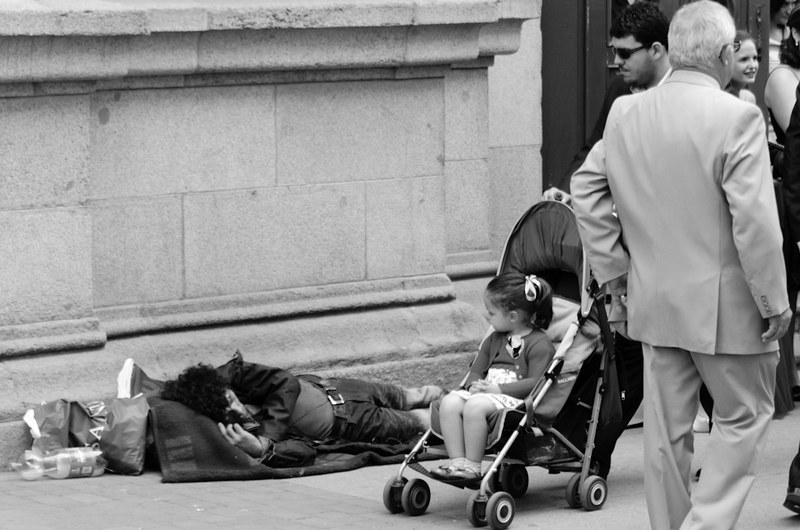
Charities in HawaiiIn the collective imagination, the 50th state is an island paradise full of beaches, palm trees and tiny drink umbrellas. The popular perception can be deceiving, however. Hawaii, despite its veneer of luxury, still hides a sect living in poverty. About 10% of the state’s population lives below the poverty line. When accounting for the cost of living and government benefits, using the Supplemental Poverty measure, the poverty rate in Hawaii jumps to almost 15%, according to a 2018 report. Certain counties are especially vulnerable. In Hawaii County, the poverty rate for 18-34-year-old females is 25%, which is higher than the rate in Mississippi, “the worst in the nation,” according to the same report. Sandy beaches and clear water do not mean the poor disappear. As with all ills, there is hope on the horizon. Hawaii is also a state with a unique slate of charities mobilized across its islands, doing good in a myriad of ways. Here are a select few, just five, charities operating in Hawaii

Aloha Harvest

No one likes waste, least of all wasted food. Aloha Harvest is fighting to fix that. Many Hawaiian charities work to end hunger, but Aloha Harvest takes a unique approach. This Hawaiian charity redistributes food from large corporations like caterers, farms and hotels to the people who need it most. The Environmental Protection Agency (EPA) estimated that people generated 66 million tons of food waste in 2019 in various places. Meanwhile, Aloha Harvest has distributed almost 1 million ponds of food in 2023.

Hope Services Hawaii

Homelessness is present everywhere in the United States, including Hawaii. Hope Services Hawaii (HSH) offers traditional shelter programs in addition to services like TANF rental housing and case management programs to help people escape homelessness. The charity operates shelters across the state, for demographics like single men, single women and seniors. The slate of shelters is numerous and effective. In the 2020 fiscal year, HSH sheltered more than 700 people, put more than 500 children into housing and helped more than 1,700 people avoid or escape homelessness through all of their programs.

Hale Kipa

Youth are a critical demographic when it comes to escaping a cycle of poverty. Hale Kipa offers multiple services for underserved youth in Hawaii to thrive. Runaway havens, therapeutic foster care and emergency shelters are a few highlights, in addition to community outreach programs. The organization prioritizes youth in crisis (e.g. financial instability) or those in dire need (i.e. the most improvised,) rippling outwards into their families and communities. Even better, all these services are free to those who need them most. Since its founding, the organization has assisted more than 74,000 young people in need.

Waikiki Health

Waikiki Health aims to provide affordable health care for everyone in their island community, by offering health care regardless of ability to pay. Even if a patient cannot pay in full for their treatment, Waikiki Health still provides excellent care, supplementing through community donations, both from individuals and private corporations. It is also conscious of the medical needs and traditions of native tribes and offers native Hawaiian healing rituals at no cost to patients who request them. The organization also offers other health services such as behavioral health and pediatric care.

Hawai’i Food Bank

Food banks across the world are critical to preventing vulnerable people from going hungry. Last on this list of charities operating in Hawai’i is Hawai’i Food Bank. This Feeding America member is best known for its signature Farm to Foodbank program. Beginning during the pandemic, this program donates local produce and traditional food staples to those in need by cooperating with local farms. To date the program has donated more than 7.8 million pounds of local produce, investing more than $10 million in partnership with more than 40 farms and food hubs.

It also offers other programs directed towards children, seniors (a monthly food box and farmer’s market) and a disaster response program. Previous disaster relief efforts involving the organization include the 1992 ‘Iniki eruption, the COVID-19 pandemic and the recent 2023 Maui wildfires. In 2023, Hawai’i Food Bank distributed more than 1.4 million meals worth of food.

Many of the organizations discussed here deal with the most vulnerable, those in need of help to be the best they can be. This slate of charities operating in Hawaii demonstrates people are doing good in every place and time. Even in an area known for its tourism, Hawaii is a hotspot for nonprofits helping people in dire need. Good is a force which is omnipresent and reaches beyond geographic barriers. Always search for people willing to help, in every area and sphere.

– Meredith Wyrick

Meredith is based in Magnolia, TX, USA and focuses on Good News and Global Health for The Borgen Project.

Photo: Flickr
May 29, 2024
https://borgenproject.org/wp-content/uploads/borgen-project-logo.svg 0 0 Jennifer Philipp https://borgenproject.org/wp-content/uploads/borgen-project-logo.svg Jennifer Philipp2024-05-29 01:30:162024-05-28 05:48:385 Charities Operating in Hawaii
Aid, Charity, Global Poverty

5 Charities in Georgia

Charities in GeorgiaGeorgia borders Russia, the Black Sea, Turkey, Armenia and Azerbaijan. Its estimated population is 3.6 million. In 1991, Georgia emerged from the Soviet Union as an independent state, the Republic of Georgia. However, It was changed to Georgia after adopting its Constitution in 1995. While having a tumultuous history due to the political affairs of its neighboring countries, it has always been known for its remarkable cultural heritage. Georgia’s poverty level has fluctuated since becoming independent, notably from 70.6% in 2010 to 47.7% in 2022. Multiple charities in Georgia have made substantial efforts to support Georgians in developing successful lives as citizens. Some of these charities in Georgia include:

Caritas Georgia

Caritas Georgia was founded in 1994 and is still active today. This organization was first established to support and care for those left destitute after the collapse of the Soviet Union. The current mission of this nongovernmental organization (NGO) is to promote human development and social justice. It brings relief and support to disadvantaged citizens.

Caritas Georgia introduced several projects to improve conditions for those in social care and children and young adult protection programs. These projects work on policies to prevent families from being forced into the migration process due to economic reasons.

St Gregory’s Foundation

In Tbilisi, although a third of Georgia’s population resides here, there are very few social care services that focus on young people who are homeless. This makes it a main priority for St. Gregory’s Foundation to bridge this gap and reduce the risk of teenagers becoming incarcerated and lost in the prison system.

This organization provides skills and knowledge to local communities to enhance social welfare projects. It creates opportunities for vulnerable individuals to improve their circumstances. Workers support disabled children and teenagers who struggle with traditional methods of communication to become confident members of society and embrace independence.

The foundation also offers education and life-skills training to those leaving care from orphanages to support them in setting up a sustainable lifestyle. Since its beginning, more than 400 children and teenagers in Georgia have benefitted from the organization’s rehabilitation services.

SOS Children’s Villages

This organization focuses its resources on those without parental care or those at risk of losing it so they may grow up with suitable socialization. It does not matter the culture, heritage, religion, sexual orientation, gender or disability of the child or young adult; the initiative will support the person in establishing trust and nurturing a sense of belonging in their community.

Its mission is adapted to fit the socioeconomic circumstances of Tbilisi. SOS Children’s Villages have worked in Tbilisi since 1996, offering support to families and advocating for the improvement of human rights. It collaborates with displaced people who have experienced poverty and social exclusion. The organization has supported almost 500 people and offered educational workshops regarding parenting classes and children’s rights.

Human Rights House Foundation

Established in 2010, this foundation united five separate organizations to form a social support pillar. These organizations focus on promoting Georgians’ human rights by developing a strategy to protect and strengthen awareness of human rights issues and violations.

Its organizations include the Human Rights Centre and the Media Institute. The former was initially founded in 1996 to protect freedom in Georgia. The Media Institute was established in 2011. It’s goal was to promote and guarantee freedom of speech and expression to prosper the development of impartial media reporting in Georgia.

Action Against Hunger

Action Against Hunger’s projects throughout Georgia offer locals resources to support their businesses and startups. The organization aims to improve access to food supplies. They provide citizens with training in agriculture and the equipment needed to farm their own crops. As part of this organization, field schools and agricultural centers are set up in the countryside to teach citizens efficient ways of farming. In 2019, the organization offered services to 8,667 individuals through its programs.

Final Remark

Although the World Bank has shown that poverty has declined in Georgia, more than 10% of the population continues to live below the national poverty line, with most of these citizens living in the more rural areas of the country. Nonetheless, Georgia’s economy expanded in February of this year due to the progression of sectors such as construction and manufacturing.

However, despite the general progression of the job market, issues remain. There is an outstandingly low percentage of Georgian citizens (16.4%) unemployed, compared to the 20.6% recorded in 2021. However, there is concern about the quality of jobs offered to Georgian citizens.

It is clear that these charities are working hard to better the lives of the citizens of Georgia. However, for Georgia’s economy to thrive as a small country, social care on a larger scale than local authorities can provide is necessary to improve the quality of life for its citizens.

– Brogan Dickson

Brogan is based in Scotland and focuses on Good News for The Borgen Project.

Photo: Pexels

May 20, 2024
https://borgenproject.org/wp-content/uploads/borgen-project-logo.svg 0 0 Hemant Gupta https://borgenproject.org/wp-content/uploads/borgen-project-logo.svg Hemant Gupta2024-05-20 01:30:062024-05-20 00:30:495 Charities in Georgia
Charity, Global Poverty, Humanitarian Aid

Charities Fighting Global Poverty That You Need To Know About

Charities Fighting Global PovertyAccording to World Vision, a staggering 9.2% of the global population lives in extreme poverty, facing daily struggles for necessities. Yet amid this stark reality, there emerges a beacon of hope: passionate individuals who refuse to accept the status quo. Driven by a deep sense of empathy and urgency, these individuals have taken it upon themselves to initiate ripple effects of change, sparking movements that resonate across continents by establishing impactful charities fighting global poverty.

In this exploration of grassroots activism and compassion, we highlight three remarkable small charities fighting global poverty. These organizations not only exemplify the power of one person’s determination but also serve as tangible manifestations of the collective desire to alleviate poverty and injustice on a global scale.

Concern Worldwide

Founded by John and Kay O’Loughlin Kennedy in 1968, Concern Worldwide emerged from the heart of Ireland during a tumultuous period known as the Troubles. Despite the challenges in their own homeland, the couple was deeply moved by the crisis unfolding in Biafra and felt compelled to take action. Over the years, Concern has grown into a formidable force for good, reaching an astounding 36 million people globally with its humanitarian efforts in 2022.

Operating in 26 countries, primarily in Africa and the Middle East, Concern’s impact resonates across continents. Its dedication to alleviating suffering and addressing the root causes of poverty is evident in its latest endeavor in Sierra Leone, where it established a pioneering program aimed at strengthening food systems to combat nutritional insecurity. Through its tireless work and unwavering commitment, Concern Worldwide continues to be a beacon of hope for millions around the world.

Green Shoots Foundation

Jean-Marc Debricon established the Green Shoots Foundation in October 2010. The charity began its journey with a focus on microfinance, a tool described by Habitat for Humanity as vital in providing financial services to socially excluded populations. Over the years, the organization has expanded its vision, evolving into a beacon of hope for impoverished communities across Asia. With a multifaceted approach encompassing education, medical aid and economic empowerment, Green Shoots is dedicated to alleviating poverty at its roots.

The Green Shoots Foundation is present in seven countries across the region. From providing nearly 7,000 hours of training for health care professionals in Myanmar to empowering 5,500 students through its Food and Agriculture program in the Philippines and Cambodia, Green Shoots Foundation is sowing seeds of change and fostering sustainable development in some of Asia’s most vulnerable communities.

World Cow

Nestled in the picturesque landscape of Vermont, USA, World Cow stands as a testament to the power of art and altruism. Founded by D.J. Barry, this organization is on a mission to spread a message of unity encapsulated in its poignant slogan, “We’re all spots on the same cow.” In an interview with The Borgen Project, Barry noted that his inspiration stemmed from his deep love for street art and the serene beauty of Vermont, culminating in the creation of the iconic image of a Holstein cow adorned with the world map as its spots.

What began in 2015 as “Cow For A Cause,” a humble initiative by Barry and his family to raise funds for local charities addressing poverty in Vermont, has blossomed into a global movement. World Cow’s reach now extends far beyond Vermont’s borders, with impactful projects in diverse regions such as the Democratic Republic of Congo, where it nurtures the art movement and in India, where it provides essential resources like food, stationery and clothing to those in need.

Barry’s impact is global and everlasting. He described World Cow as “not something that can just go away because you see tattoos of it or these murals that are lasting for decades. It’s being printed everywhere and I think that the herd story, even long after I’m gone, will continue to inspire and grow, so I’m leaving that mark everywhere.” By fostering the arts in vulnerable communities, World Cow provides inspiration, enrichment and motivation for people suffering from the multifaceted dimensions of poverty. Through this innovative blend of art and activism, World Cow continues to sow seeds of hope and solidarity across continents.

Final Remark

The collective efforts of small charities fighting global poverty serve as a testament to the power of grassroots initiatives and individual determination. Despite limited resources, these organizations have managed to create significant impacts, reaching vulnerable populations and addressing systemic issues at the local and global levels. Through innovative approaches, unwavering dedication and a deep commitment to social justice, they have brought hope and tangible change to countless lives.

These efforts are working. Since 1990 the percentage of people living in poverty has declined from more than 50% to around 35%. Finally, as we celebrate their achievements, it becomes clear that the fight against poverty is not insurmountable and that every contribution, no matter how small, plays a vital role in building a more equitable world.

– Lauren Mckenna

Lauren is based in Manchester, UK and focuses on Good News for The Borgen Project.

Photo: Unsplash

May 4, 2024
https://borgenproject.org/wp-content/uploads/borgen-project-logo.svg 0 0 Hemant Gupta https://borgenproject.org/wp-content/uploads/borgen-project-logo.svg Hemant Gupta2024-05-04 01:30:572024-05-04 01:59:57Charities Fighting Global Poverty That You Need To Know About
Africa, Charity, Global Poverty, Health

Charities Aiding the Public Health Crisis in Uganda

Public Health Crisis in UgandaThe escalating population in Uganda, now surpassing 49 million, underscores a pressing public health crisis. Various factors, including mental health, food insecurity, education and agricultural practices, collectively contribute to the deterioration of public health, highlighting the critical need for global charitable support

Uganda faces severe food insecurity, with a Global Hunger Index score of 25.3. Additionally, the prevalence of infectious diseases, inadequate health care infrastructure and food scarcity exacerbated by unpredictable weather patterns, floods and the repercussions of COVID-19 further exacerbate the decline of public health.

Nevertheless, charitable organizations worldwide have made significant strides in addressing the public health crisis in Uganda, providing essential health care and resources for a more robust and secure future. According to the World Health Organization (WHO), the average life expectancy at birth in Uganda saw a notable improvement, rising from 45.7 years to 62.2 years for males and from 50.5 years to 64.2 years for females between 1991 and 2014.

Medical Teams International

Effectively addressing the public health crisis in Uganda requires concerted efforts. It is imperative to prioritize enhancing both physical and mental well-being. A Lancet Psychiatry correspondence in 2022 revealed that approximately 32% of Uganda’s population grapples with mental illness, a challenge compounded by insufficient resources and a shortage of psychiatric nurses. Additionally, in 2020, more than 69% of Ugandans experienced food insecurity, with more than 21% facing severe food shortages. Furthermore, the prevalence of life-threatening diseases like malaria, HIV/AIDS and tuberculosis contributes to more than 50% of morbidity and mortality rates in the country.

Since 2004, Medical Teams International has actively collaborated with Uganda, prioritizing accessibility to health care for refugees and locals. Through comprehensive programs, the charity offers prenatal care for mothers, administers vaccines to children and operates clinics providing life-saving treatments for various diseases and malnutrition. Over the years, Medical Teams International has conducted more than 834,000 malnutrition screenings and facilitated the safe delivery of more than 32,000 babies in Uganda.

Furthermore, Uganda faces a prevalence of mental health disorders, surpassing that of other low-income countries. Compounding this issue is the inadequacy of mental health services and the lack of the necessary resources for effective intervention. The influx of refugees into Uganda has exacerbated the demand for mental health support, evidenced by approximately 277 reported suicide cases in refugee settlements in 2023 alone. Unfortunately, Uganda has only about 53 psychiatrists, equating to roughly one psychiatrist per million people, posing a significant public health concern. However, Medical Teams International has trained more than 1,600 volunteers in psychological first aid to address this challenge. By providing counseling and promoting mental health awareness, the organization aims to improve access to care and mitigate the impact of mental health disorders in Uganda.

Hope Health Action

Hope Health Action (HHA) is another organization actively addressing the public health crisis in Uganda. The charity dedicates itself to serving the people of Uganda specializing in health care, disability care and emergency response. The country has experienced a significant influx of refugees fleeing conflict and violence in the Democratic Republic of Congo, with more than 1.6 million refugees and asylum seekers arriving in Uganda as of 2024, according to the WHO. Consequently, the demand for health care has surged, underscoring the essential role of organizations like HHA in providing emergency medical services to Uganda’s growing population.

Among its initiatives, HHA prioritizes health programs for vulnerable women and children, offering health education, immunizations and treatment for malnutrition. The organization also identifies high-risk cases requiring urgent hospital or clinic care. The CRADLE project, specifically designed for high-risk pregnancies, supports thousands of women and children. Additionally, HHA provides critical support to disabled individuals in Uganda through community-based rehabilitation efforts. The organization aims to uplift and empower Uganda’s most vulnerable citizens by offering local partners training, materials and financial assistance.

Seeds for Development

Seeds for Development is actively addressing the public health crisis in Uganda, mainly focusing on impoverished farming communities in Northern Uganda. The organization’s initiatives are to provide these communities with essential support, including regular meals, access to education for children, safer housing and the establishment of sustainable businesses to foster community rebuilding.

Agriculture is pivotal in Uganda’s economy, with approximately 68% of the population engaged in agricultural activities. The country benefits from favorable soil and climate conditions, contributing to its agricultural success, which accounts for about 85% of export earnings and 21.9% of GDP. However, disruptions caused by unpredictable weather patterns, floods and the impact of COVID-19 have severely affected Uganda’s agricultural sector and supply chains, leading to widespread food insecurity and economic strain.

Seeds for Development has responded by implementing forest gardens and regenerative agroforestry practices, empowering farmers to support their families sustainably. Since 2020, the organization has been working to establish forest gardens to support across Uganda, utilizing innovative technologies such as Geographic Information System mapping to optimize crop planning and growth. Moreover, Seeds for Development prioritizes education, providing monthly contributions to schools and offering nutritious porridge to students, alleviating the burden on parents and enabling them to focus on agricultural activities while ensuring their children receive a quality education.

Mental health, food insecurity, education, health care and farming persist as significant challenges in Uganda, exacerbated by the ongoing influx of refugees fleeing conflict. Charitable organizations sustain their efforts in Uganda to address these pressing issues and uplift communities. Fortunately, the concerted efforts of numerous charities dedicated to alleviating the public health crisis have made significant strides in assisting Uganda.

– Emily Whatley
Photo: Unsplash

April 30, 2024
https://borgenproject.org/wp-content/uploads/borgen-project-logo.svg 0 0 Hemant Gupta https://borgenproject.org/wp-content/uploads/borgen-project-logo.svg Hemant Gupta2024-04-30 07:30:412024-04-30 01:26:28Charities Aiding the Public Health Crisis in Uganda
Charity, Global Health, Global Poverty

Hank Green and Hodgkin Lymphoma

Hank Green and Hodgkin LymphomaHank Green, a science communicator, internet sensation, and advocate for authentic self-expression, recently underwent treatment for Hodgkin lymphoma. He not only faced his diagnosis publicly but also used the opportunity to educate others about inequitable cancer care. Additionally, he designed some whimsical cancer-themed socks.

Hodgkin Lymphoma

Hodgkin lymphoma, a type of blood cancer that develops in the lymphatic system, often leads to swollen lymph nodes. According to the National Health Service (NHS), this disease mainly affects people older than 75 and those between 20 and 40 years old. It is relatively uncommon in the United Kingdom (U.K.), with more than 2,000 new cases each year. However, it is relatively easy to treat; 80% of those diagnosed survive for more than five years after diagnosis.

Early diagnosis is important for all types of cancer, as it means that the cancers are less developed, are more likely to respond to treatments and require patients to have fewer treatments overall.

Inequitable Cancer Care

Treatment for Hodgkin’s Lymphoma is relatively inexpensive and accessible. However, these treatments are less available in countries with less robust health care systems. According to the American Cancer Society, “no screening rest has been shown to lower the risk of dying from [it].” This makes diagnosis challenging, as the most accurate method for detecting Hodgkin lymphoma is through a biopsy, which involves taking a tissue sample from a swollen lymph node and requires specialized care.

Cancer Socks

In response to his treatment and the global state of cancer care, Hank Green collaborated with Partners in Health (PIH) to design a set of interchangeable cancer socks. He directs 100% of the profits from this project toward making cancer care more equitable.

Mondeh Mansaray

Hank Green’s brother, John Green, visited Sierra Leone in 2019 as part of their joint work with PIH. During his visit, he encountered Mondeh, who had been incorrectly diagnosed with tuberculosis. The lack of diagnostic equipment in Sierra Leone — no MRI machines, CT scanners or even X-ray machines — prevented an accurate diagnosis. Four years later, a PIH doctor suspected Hodgkin lymphoma, enabling Mondeh to travel to the capital city for a biopsy. Despite the new diagnosis, Mondeh lacked access to the necessary IV chemotherapy in Sierra Leone and had to travel to Butaro Cancer Hospital in Rwanda for effective treatment.

Partners in Health

PIH financially supports families like Mondeh’s, making otherwise inaccessible treatments available. By strengthening health care systems and training community health workers—individuals passionate about improving their communities—PIH saves lives. Due to this organization, more than 3,000 people per year receive cancer care they would otherwise not access. This support is crucial because funding for cancer care globally does not align evenly with the cancer burden.

The organization does more than provide care; it integrates communities into the health care system’s development. For instance, at the Butaro Cancer Centre of Excellence, women held 30% of the construction jobs created in the local economy. Additionally, local stakeholders participated actively, assembling much of the furnishings on-site using locally sourced materials.

PIH operates in 11 countries, but its influence extends far beyond, as evidenced by Mondeh’s cancer treatment. The organization engages in on-the-ground treatment, advocacy and research, aiming to disseminate knowledge to practitioners worldwide.

Looking Forward

The collaborative efforts of influencers like Hank Green and organizations such as Partners in Health are pivotal in transforming the global landscape of cancer care. Their dedication to equity in health care continues to illuminate paths to improved access and treatment for all, regardless of geographic or economic barriers.

– Rachael Denton-Snape

Rachael is based in High Wycombe, UK and focuses on Global Health and Celebs for The Borgen Project.

Photo: Unsplash

April 29, 2024
https://borgenproject.org/wp-content/uploads/borgen-project-logo.svg 0 0 Precious Sheidu https://borgenproject.org/wp-content/uploads/borgen-project-logo.svg Precious Sheidu2024-04-29 07:30:142024-12-13 18:03:10Hank Green and Hodgkin Lymphoma
Charity, Developing Countries, Global Poverty

5 Charities Operating in El Salvador

Charities in El SalvadorAs the smallest country in Central America, El Salvador is home to 6.3 million people. Among the Salvadoran population, 27% live below the national poverty line. Despite ranking as the 17th highest country in global crime, factors, such as poor access to education, and a recent increase in immigration also contribute to El Salvador’s high poverty rate. As the country’s economy grows, economic disparity continues to challenge El Salvador. According to the World Bank, the rate of extreme poverty rate increased by 4% in 2022. The most vulnerable populations, including women, children, Indigenous people, the LGBTQI+ community and those with disabilities, still face economic challenges that sustain the cycle of poverty. The work done by nonprofits, such as the following five charities operating in El Salvador, address poverty and strive to improve the lives of impoverished Salvadoran.

Salvadoran American Humanitarian Foundation

The Salvadoran American Humanitarian Foundation (SAHF) is a Miami-based non-profit that provides humanitarian aid to Salvadorans in need. The foundation collects donations from the United States and distributes them to hospitals, clinics, orphanages, nursing homes, libraries and schools in El Salvador. In partnership with its sister organization, the Salvadoran Foundation for Health and Human Development (FUSAL), SAHF shipped more than $19 million in aid to El Salvador in 2022, directly helping 62,535 Salvadorans and 157 organizations.

FUSAL

Established in 1986, the Salvadoran Foundation for Health and Human Development (FUSAL) is the Salvadoran-based sister organization of SAHF. FUSAL is responsible for receiving the goods shipped by SAHF. They distribute items, such as medicine, medical supplies, hygienic products, clothing, food and educational goods to vulnerable Salvadorans across the nation’s 14 states. Since its conception, FUSAL has distributed about $850 million of donations to 630 beneficiaries, including hospitals, schools, care and community centers, and other Salvadoran NGOs.

The Poma Foundation

The Poma Foundation is a Salvadoran organization that aims to promote the social, economic and personal development of the impoverished. Through various educational, cultural and wellness programs, such as FUSAL and the Higher School of Economic and Business (ESEN), the Poma Foundation creates opportunities for vulnerable Salvadorans to break the cycle of poverty. Since 1984, the organization has granted more than 1,300 scholarships, donated $1 million dedicated to the distribution of COVID tests and produced over 329 national theater shows.

Americares

Americares is a global nonprofit that provides relief and health care to developing countries. Their presence in El Salvador began in 1984 and increased following the 1986 earthquake. Americares works alongside FUSAL to provide medicine and medical supplies to Salvadorans in need. In 2003, the organization built the Americares Family Clinic. The clinic, located in Usultan, sees about 30,000 patients yearly and offers low-cost, high-quality medical care to local families in El Salvador.

Nuestros Pequeños Hermanos

Since 1999, the Salvadoran chapter of Nuestros Pequeños Hermanos (NPH) continues to provide support to vulnerable Salvadoran youth. NPH’s main house, Casa Sagrada Familia, offers shelter, education and food for 373 children emancipating from difficult environments. In addition to its internal programs, NPH’s external programs provide educational tools, such as primary education and scholarships, to low-income Salvadoran students. 

Despite a third of the country’s population living in poverty, these charities operating in El Salvador are dedicated to improving the lives of poverty-ridden Salvadorans. According to a study conducted by the World Bank Group, the national poverty rate decreased from about 40% in 2009 to 26.6% in 2022. Through various educational programs, cultural opportunities and humanitarian aid provided by non-profits, El Salvador is advancing in the fight against poverty.

– Naima Rasheed
Photo: Flickr

April 27, 2024
https://borgenproject.org/wp-content/uploads/borgen-project-logo.svg 0 0 Jennifer Philipp https://borgenproject.org/wp-content/uploads/borgen-project-logo.svg Jennifer Philipp2024-04-27 01:30:482024-04-27 02:26:315 Charities Operating in El Salvador
Page 7 of 42«‹56789›»

Get Smarter

  • Global Poverty 101
  • Global Poverty… The Good News
  • Global Poverty & U.S. Jobs
  • Global Poverty and National Security
  • Innovative Solutions to Poverty
  • Global Poverty & Aid FAQ’s
Search Search

Take Action

  • Call Congress
  • Email Congress
  • Donate
  • 30 Ways to Help
  • Volunteer Ops
  • Internships
  • Courses & Certificates
  • The Podcast
Borgen Project

“The Borgen Project is an incredible nonprofit organization that is addressing poverty and hunger and working towards ending them.”

-The Huffington Post

Inside The Borgen Project

  • Contact
  • About
  • Financials
  • President
  • Board of Directors
  • Board of Advisors

International Links

  • UK Email Parliament
  • UK Donate
  • Canada Email Parliament

Get Smarter

  • Global Poverty 101
  • Global Poverty… The Good News
  • Global Poverty & U.S. Jobs
  • Global Poverty and National Security
  • Innovative Solutions to Poverty
  • Global Poverty & Aid FAQ’s

Ways to Help

  • Call Congress
  • Email Congress
  • Donate
  • 30 Ways to Help
  • Volunteer Ops
  • Internships
  • Courses & Certificates
  • The Podcast
Scroll to top Scroll to top Scroll to top