• Link to X
  • Link to Facebook
  • Link to Instagram
  • Link to TikTok
  • Link to Youtube
  • About
    • About Us
      • President
      • Board of Directors
      • Board of Advisors
      • Financials
      • Our Methodology
      • Success Tracker
      • Contact
  • Act Now
    • 30 Ways to Help
      • Email Congress
      • Call Congress
      • Volunteer
      • Courses & Certificates
      • Be a Donor
    • Internships
      • In-Office Internships
      • Remote Internships
    • Legislation
      • Politics 101
  • The Blog
  • The Podcast
  • Magazine
  • Donate
  • Click to open the search input field Click to open the search input field Search
  • Menu Menu

Archive for category: Charity

Charity, Global Poverty, Nonprofit Organizations and NGOs

5 Charities Tackling Extreme Poverty in the DRC

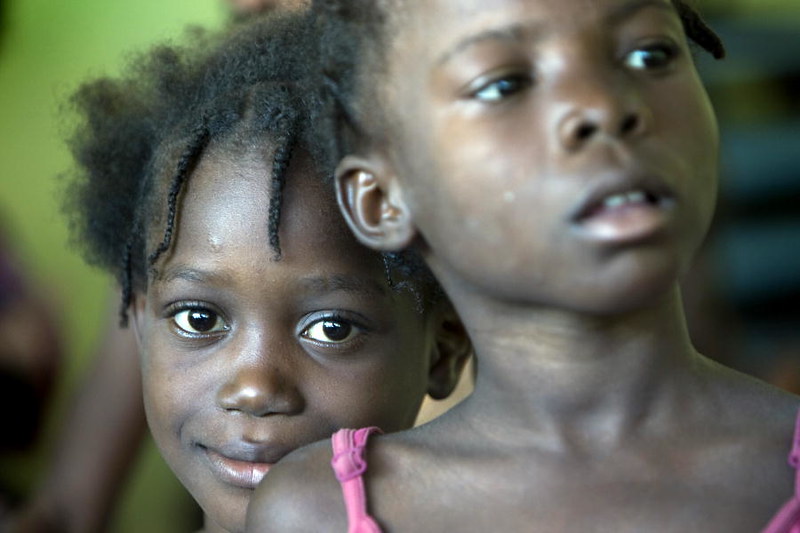
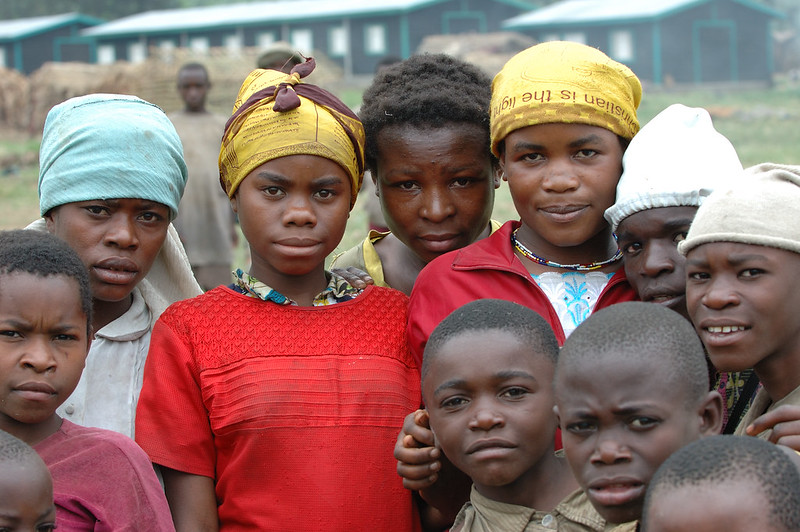
Extreme Poverty in the DRCThe Democratic Republic of Congo (DRC) faces one of the highest extreme poverty rates globally. In 2023, the World Bank estimated that 74.6% of its population lives on less than $2.15 per day, ranking it second only to India in terms of the number of people living in extreme poverty. Much of this dire situation stems from ongoing regional violence between government forces and rebel militias, which has displaced more than five million people in recent years. Despite immense challenges, numerous charities actively combat extreme poverty in the DRC, focusing on malnutrition and disease. Key organizations are making significant differences in the lives of millions of Congolese, revealing the profound impact of international aid in one of the world’s most impoverished regions. Here are five charities tackling extreme poverty in the DRC.

Oxfam

Oxfam has been active in the DRC since 1961, a year after the country’s independence, with current operations spanning six provinces. The organization’s efforts are primarily directed toward providing emergency relief to those affected by crises. This includes supplying clean drinking water, sanitation and food to approximately 700,000 internally displaced people. Oxfam is also dedicated to ensuring longer-term access to clean water for communities and schools throughout the country. Additionally, Oxfam has been instrumental in fighting the country’s recent Ebola outbreak, the second most severe in history. Its public health initiatives aimed at curbing the virus’s spread have reached more than 750,000 people since the outbreak began, representing about 1% of the national population.

Concern Worldwide

Concern Worldwide’s efforts in the DRC closely align with tackling issues similar to those addressed by Oxfam, having provided immediate life-saving support to more than 400,000 individuals in 2023, including nutrition assistance. Additionally, the charity places a significant focus on the gender-based aspects of extreme poverty in a country where more than half of all women experience violence from a partner at some point. Concern’s Graduation program not only aids families in escaping extreme poverty through training and financial assistance but also incorporates gender equality sessions for male community members. This initiative has led to more than 63% of families reporting increased female consultation on household decisions, effectively mitigating the severe impacts of extreme poverty on women.

War Child

War Child has focused on addressing the vulnerability of children to sexual violence in the DRC amid ongoing intrastate violence. Since beginning its work in the country in 2004, the charity has noted that more than 74,000 cases of sexual violence were reported between Jan. and Sept. 2021, with many more likely unreported. Currently, War Child concentrates on child protection and psychosocial support for victims of sexual violence, supporting 67,532 children and their families in 2023.

The International Rescue Committee

The International Rescue Committee (IRC) tackles extreme poverty in Congo by focusing on four key provinces. The charity provides emergency care to vulnerable populations, offering access to health care, water, shelter and sanitation. It also empowers local communities to engage in peace-building initiatives, promoting economic recovery in areas affected by conflict. Additionally, the IRC emphasizes support for women and girls by providing reproductive health services and offering counseling and legal assistance to victims of sexual assault.

Tearfund

Tearfund’s work in the Republic of Congo focuses on water, sanitation and hygiene (WASH) projects, addressing the needs of eight million people without proper sanitation or clean water. The charity provides access to safe water and educates communities on effective hygiene practices. Additionally, Tearfund promotes sustainable farming to combat hunger-related poverty. Like many other charities, Tearfund supports victims of physical or sexual violence. Its “Transforming Masculinities” approach aims to reduce stigma for survivors and decrease the incidence of intimate partner violence.

Looking Ahead

Addressing the housing crisis in rapidly urbanizing regions requires multifaceted solutions that balance affordability and sustainability. As regional conflict continues in the country, leaving more than 7.2 million internally displaced people, the need for emergency aid in the country continues. Programs like Thailand’s National Housing Authority demonstrate potential for success by combining community development with secure housing initiatives. Ensuring access to affordable housing benefits individual families and stimulates broader economic growth. This approach highlights its importance as a key strategy for poverty reduction and sustainable development.

– Ben Evans

Ben is based in Abbots Langley, Hertfordshire, UK and focuses on Good News for The Borgen Project.

Photo: Flickr

August 4, 2024
https://borgenproject.org/wp-content/uploads/borgen-project-logo.svg 0 0 Precious Sheidu https://borgenproject.org/wp-content/uploads/borgen-project-logo.svg Precious Sheidu2024-08-04 01:30:352024-08-03 05:02:015 Charities Tackling Extreme Poverty in the DRC
Charity, Developing Countries, Global Poverty

3 Organizations Helping the People of Vanuatu

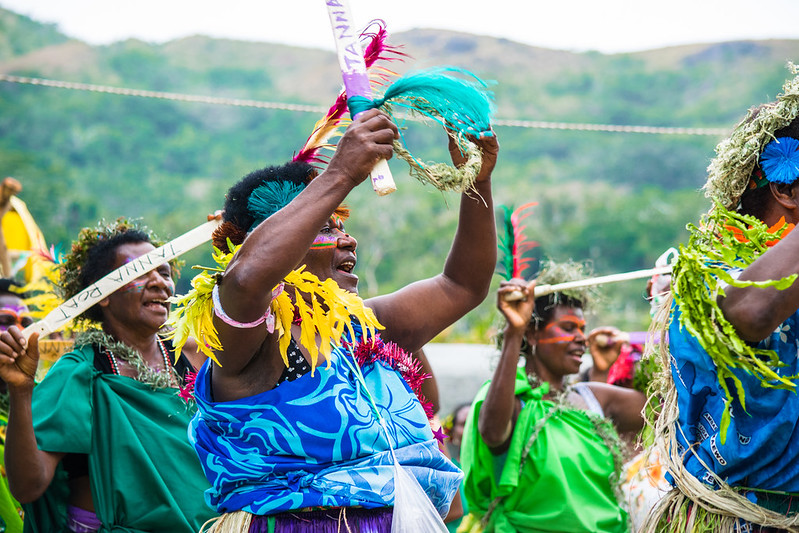
People of VanuatuVanuatu, an Oceanic country of more than 80 volcanic islands, has a population of 334,506 people as of 2023. However, around 15.9% of the population lived below the poverty line in 2020 as a result of the high risk of natural disasters and rapid population growth, which has put a strain on health and education services. Many organizations are helping the people of Vanuatu by empowering them to break out of poverty, which will positively affect future generations. Below are three organizations helping the people of Vanuatu.

Progress Pikinini

Progress Pikinini is a charity dedicated to giving the children of Vanuatu a brighter future. Founded in 2015 after Cyclone Pam’s devastation, it provided schools and children with essential education tools and everyday items such as clothes, shoes, bed linen and toys. The organization also donates school supplies, arts and crafts materials and funds for special projects. Since the COVID-19 pandemic, it has focused on country-wide initiatives, including building play equipment and libraries, educational resource projects for schools and providing clean drinking water.

CARE Australia

CARE Australia is an international nonprofit organization that assists people experiencing poverty, empowers women and girls in their local communities and helps them achieve social justice and break the cycle of poverty. It works with local communities to provide equal opportunities for women, such as earning an income, gaining access to a fair share of resources, leading and participating in decisions affecting their lives and aiding climate disasters and other crises.

In Vanuatu, CARE’s Leftemap Sista project aims to help girls live without constant fear of violence, earn an income and make decisions about their lives. Operating in Tafea and Shefa, the project focuses on young single mothers, girls who have not finished school, survivors of violence and women living with disabilities.

CARE also helps communities in Vanuatu prepare for future disasters and the impacts of varying climatic conditions by establishing and training local disaster committees, conducting disaster simulations, providing First Aid training and trialing new disease-resistant crop varieties. Due to the drought and water shortages caused by El Niño in 2016, CARE has been working with local communities to rehabilitate water systems. It has also constructed toilets and run hygiene and sanitation classes in schools, focusing on menstrual hygiene for girls.

Save the Children

Save the Children is an international organization founded in 1919 that focuses on children’s rights. It supports health, education, child protection, emergency response to natural disasters, adverse weather adaptation and disaster risk reduction. Operating in Vanuatu for 40 years, Save the Children has worked with the government to strengthen the education system.

Save the Children has partnered with the Global Partnership for Education to ensure schools are well-resourced and effective learning environments for all children, including those with disabilities. The organization provides life-saving food, shelter kits and learning resources in natural disasters. It collaborates with the government to strengthen disaster response and preparedness. Additionally, Save the Children has introduced health care initiatives that include training local health care providers, strengthening health care systems and promoting preventive care, such as providing vaccinations for curable diseases.

In March 2023, Vanuatu was hit by category four cyclones that destroyed food gardens and homes, prompting the government to declare a six-month state of emergency. In response, Save the Children launched a food preservation project involving the growing, harvesting and exporting of local foods to Vanuatu’s capital, Port Vila. There, the food is transformed into shelf-ready ration-pack meals that can be stored for up to two years, ensuring preparedness for future natural disasters.

Looking Ahead

Vanuatu is working toward ending poverty with the help of international organizations and innovative approaches to disaster response and preparedness. Nonprofits such as Progress Pikinini, CARE Australia and Save the Children Australia have significantly contributed by offering support and providing vital resources for the people of Vanuatu to thrive. As a result of international aid and help from the government of Vanuatu, the country is on a path toward a more prosperous future for its citizens.

– Kimran Gill

Kimran is based in Leicester, UK and focuses on Celebs and World News for The Borgen Project.

Photo: Flickr

August 1, 2024
https://borgenproject.org/wp-content/uploads/borgen-project-logo.svg 0 0 Hemant Gupta https://borgenproject.org/wp-content/uploads/borgen-project-logo.svg Hemant Gupta2024-08-01 07:30:542024-07-31 02:39:333 Organizations Helping the People of Vanuatu
Charity, Global Poverty, Nonprofit Organizations and NGOs

Charities Operating in North Korea

Charities Operating in North KoreaThe Democratic People’s Republic of Korea (DPRK), more commonly known as North Korea, is one of the most isolated and poorest countries in the world. Under the rule of Supreme Leader Kim Jong Un, the country has largely closed itself off from the rest of the world, relying heavily on China and Russia for its economic stability.

Many North Koreans suffer from many natural disasters and the lack of basic infrastructure and food systems to live stable, healthy lives. Nearly 40% of its population lives below the poverty line. Almost a quarter of the people lack access to enough food, which is a huge problem for children especially, many of whom are malnourished. Poor health among children because of a lack of food and water is perhaps one of the reasons for the 33% infant mortality rate.

However, because of the government’s strict control over people’s lives and strong sentiment against Western influence, it is difficult for many charities and non-profit organizations to work within the country. Yet, that does not mean North Korea is left alone. Here are five charities operating in North Korea and making a difference in communities.

Liberty in North Korea

Liberty in North Korea is a nonprofit organization that focuses on helping North Korean refugees escape and resettle either in South Korea or the United States. It is illegal for North Koreans to leave the country without their government’s permission, yet some are still risking their lives to escape North Korea’s authoritarian regime. However, if caught, Chinese authorities send them back to North Korea, where they face torture, imprisonment and even death. So Liberty in North Korea has become a “modern-day underground railroad” of 3,000 miles, helping refugees get safely to Southeast Asia and eventually South Korea or the United States.

World Vision International

World Vision International is another charity working in North Korea. It is a Christian relief charity that operates in 100 countries, and it started working in North Korea in 1994. Focusing on fighting poverty around the world, World Vision International has been focusing its relief efforts on North Korea.

Through its Food for Life project, which started in response to North Korea’s food shortage, World Vision International has focused on improving children’s nutrition in the country. It has steadily provided wheat flour, soy products and machines for that purpose. However, its long-term goal regarding nutrition is to equip the country to fulfil its food needs through agricultural development programs and technologies.

World Vision International has also built around 30 clean water systems and hygienic latrines in rural areas of North Korea, to help ensure clean drinking water for communities. And lastly, it focuses on providing emergency relief that includes food, supplies and medicine for the many impacted by the monsoons, landslides and flooding that occur regularly.

Christian Friends of Korea

Christian Friends of Korea is a Christian charity organization that ministers to the North Korean people. While it does strive to help North Korea’s infrastructure and energy systems, it has a very specific focus on treating tuberculosis (TB) and hepatitis patients. The lack of access to clean water has many consequences, including gastrointestinal diseases, malnutrition, weakened immune systems, and tuberculosis. Thus, Christian Friends of Korea has focused its mission on treating the numerous TB and hepatitis patients.

So far, the organization has supported more than 35 care centers, seven TB and hepatitis hospitals and almost 18 TB and hepatitis rest homes. Many of these medical centers are located in remote areas, where clean water is harder to get. Christian Friends of Korea has also given water filter buckets to communities to ensure clean drinking water.

Choson Exchange

Choson Exchange is a nonprofit organization that focuses on raising entrepreneurs in North Korea to enrich lives, drive innovation and financial stability in the country and help North Korea be a responsible global citizen. North Korean college students see business economics as essential for an improved future, but they lack the means and resources for practical experience and high level.

Many foreign professionals lead workshops and mentor young North Korean students to train them into capable, successful business leaders in their country. Many students have gone on to start their businesses or improve the marketing and production of existing products, which is a step in the right direction towards a higher living standard that these college students dream of.

Premiere Urgence Internationale

Premiere Urgence Internationale focuses on humanitarian and developmental programs in North Korea. Food insecurity has become a more pressing issue for North Koreans because of the COVID-19 pandemic and economic sanctions after the country’s nuclear activity. Authorities have been preparing for another famine like the 1990s “Arduous March,” which killed an estimated 1 million people. Nearly 70% of the population relies on food distributions from the government.

To help with this food problem, the charity organization has specifically focused on improving the nutrition of communities. By developing the goat industry on collective farms as well as at agricultural universities, Premiere Urgence Internationale works to diversify communities’ diets and improve their nutrition through goat milk production. It has also done the same through vegetables and soybean products.

For example, one project supplied a glass of milk or yogurt to children in North Korea’s southern Hwanghae Province. After Premiere Urgence Internationale helped build the infrastructure, supply the equipment, train the workers and set up the manufacturing units, since 2015 workers have been keeping up the soy milk and yogurt production without the organization’s help to give to the communities. However, COVID-19 has impacted Premiere Urgence Internationale’s work in North Korea, leaving its work in the country uncertain as of now.

These five charities and others operating in North Korea are helping people to steadily improve their lives. It may take time, but these charities operating in North Korea are proof that there is progress.

– Hannah Chang

Hannah is based in Philadelphia, PA, USA and focuses on Good News for The Borgen Project.

Photo: Flickr

July 31, 2024
https://borgenproject.org/wp-content/uploads/borgen-project-logo.svg 0 0 Jennifer Philipp https://borgenproject.org/wp-content/uploads/borgen-project-logo.svg Jennifer Philipp2024-07-31 01:30:552024-07-30 03:23:21Charities Operating in North Korea
Charity, Global Poverty, Women's Empowerment

5 Charities Operating in Tibet

Charities Operating in Tibet
A region well known for Mount Everest and the Dalai Lama, the autonomous region of Tibet once had a poverty rate as high as 80%. Through various campaigns, it has significantly improved in recent years, but there is still a large amount of work that needs to be done. This journey is made possible by the following five charities operating in Tibet.

The Tibet Fund

Founded in 1981 under the patronage of the Dalai Lama, The Tibet Fund aims to preserve Tibet’s cultural identity, supporting communities’ education, health and livelihood. Its programs promote self-reliance among the Tibetan community and allow even the most vulnerable to have the chance to lead healthy, dignified lives.

Gender-based Violence

The organization also has specific initiatives for Tibetan women and girls. For example, it established an initiative that offers protection against gender-based violence, collaborating with partners such as the Central Tibetan Administration Women’s Empowerment Desk, Tibetan Women’s Association, and Drokmo. Workshops occurred on menstrual and reproductive health for youth as well as awareness sessions for other Tibetan organizations.

This also involved the establishment of gender focal persons, barefoot counselors and complaint committees in order to raise awareness on gender-based sexual violence (GBSV) and harassment; it also included the operation of a 24-hour helpline that acted as a safe space for survivors.

Another gender-based initiative is Every Mother and Child, which provides resources to breastfeeding mothers to support the nutrition, hygiene and healthy cognitive development of their child.

Education

The Tibet Fund has done a large amount of work regarding higher education. Through its various scholarship programs, it has allowed countless economically vulnerable Tibetans to be able to access post-secondary education, both domestically and in the U.S.

The Fund supported more than 50 Tibetan girls who were unable to afford the high costs of higher education, both at technical schools in the country and at universities in China. Additionally, it provided scholarships to two pursuing careers in medicine in Xining.

Furthermore, with funding from the U.S. Department of State and partnerships between Qinghai Tibetan Medical College and three American universities, the Fund was able to provide English language training courses for 20 students, with four top-performing students going on to continue their studies at various American academic institutes.

Its dedication to education and the future of Tibet was further exemplified through its Tibetan Women Microentrepreneurship Program, which assisted vulnerable women in growing their businesses and expanding their markets.

Earthquakes

It has also donated generously toward victims of earthquakes, including the 6.9 magnitude earthquake that struck in early 2010 that claimed the lives of nearly 2,700 people and injured more than 12,000. The Fund provided a total of $122,875 in grants for short-and long-term emergency and recovery efforts, assisting Tibetans in the reconstruction of a flour mill and school.

Machik

The second of these charities operating in Tibet is Machik, which translates to “one mother” in Tibetan. This organization works with Tibetans both in and outside the region, addressing social and environmental changes with a focus on social innovation, civic engagement and gender equity.

Its recent achievements include the provision of clean energy and safe drinking water; the establishment of an award winning school, a library and an organic greenhouse; the repair of roads and houses and much more.

In 2001, Machik established the Pende Clinic Project, which provides health care to a rural community and its surrounding villages; in total, the clinic supports 31 villages with approximately 2,000 households, a population of about 16,000.

Moreover, it has established education programs for women charting new pathways. Mother’s Wish, a program it initiated, now supports education for girls and women in Amdo, ranging from middle school-level education to PhDs.

One of these is its Women’s Writing Program. Machik has sponsored both the development and distribution of The Land of Snow Tibetan Women’s Journal, a quarterly magazine edited and produced by Tibetan women that offers a platform for Tibetan women writers to discuss countless compelling social issues. Since its conception in December 2004, it has produced 12 issues.

Karuna-Shechen

A nonprofit organization that reflects and emphasizes the ideals of altruism, Karuna-Shechen has promoted well-being in the Himalayan region, with their work spanning Tibet, India and Nepal.

The organization has provided shelter, safety, education, health care and opportunities to vulnerable communities, encompassing fields such as health and hygiene, education, food security, economic development and the environment. In 2023, it supported more than 494,130 people, including 555,000 indirect beneficiaries and 22,000 animals.

Karuna-Shechen has also been significantly involved in promoting food security. For instance, it has provided equipment to improve water management in agriculture, which has been vastly beneficial for farmers such as Indra Kumari Rai.

This improved not only crop production rate but also its quality, allowing for sustainable agriculture and creating a lasting positive impact for both nutrition and economy.

Finally, its unique Altruism in Action model allows for a more explicit and active partnership between Karuna-Shechen and the communities it serves. It can be boiled down to the creation and use of Better Future Councils (BFCs), elected representatives from each “cluster” of villages that work directly with Karuna-Shechen. The BFCs then play a central role in the:

  • Co-identification of needs, issues, and available resources
  • Co-design of projects
  • Co-implementation of activities
  • Co-monitoring and evaluation of the intervention and its impact

The American Himalayan Foundation (AHF)

Like Karuna-Shechen, another of these charities operating in Tibet, the American Himalayan Foundation (AHF) assists those living throughout the Himalayas, including Tibetans, Sherpas and Nepalis. Its projects have included trafficking prevention for women and girls, education, health care, cultural revival and environmental conservation.

The Foundation’s work spans multiple countries–in Nepal, it has been involved in disaster relief during events such as the Nepal earthquake, and have initiatives in the kingdom of Mustang and other areas that contribute to the preservation of culture. Additionally, it has an initiative titled STOP Girl Trafficking that aims to prevent girls from Nepal from being trafficked, or entering indentured servitude or child marriage. The program has grown significantly, supporting education that not only keeps girls safe but empowers them with the skills and confidence required for them to shape their own futures.

The Terma Foundation

The last of these charities operating in Tibet is The Terma Foundation, an international humanitarian medical organization that aims to provide innovative and sustainable health solutions, mainly for indigenous, marginalized and other excluded populations. Its work in Tibet, Mexico, Myanmar and Brazil has positively impacted and reached more than 1.5 million beneficiaries to date.

Malnutrition

Through the implementation of its various culturally-sensitive programs that work with local partners, The Terma Foundation has provided medical education, participated in research combining both traditional Tibetan and western knowledge and practices and provided diagnosis, treatment and rehabilitation to Tibetans.

Its child feeding and indigenous food development program supports the supply and consumption of highly nutritious indigenous natural foods, which began after reports of malnutrition in children and their mothers due to insufficient protein and micronutrient intake.

Although the variety of processed food has grown exponentially, elders have stated that children have been shown to be stronger and healthier when eating locally cultivated food, which was previously a regular part of daily diets.

One such food is droma, a locally abundant, traditional root that is high in iron and vegetable protein, and combines to form a complete protein when mixed with barley.

The organization distributes droma in combination with multivitamin supplements, a well-received, low-cost practice that has led to visible, rapid improvement in children’s clinical status and growth. The harvesting process of these food sources is also being studied for its potential as a source of revenue for farmers, traditional doctors and herbalists.

Tibetan Medicine

On the topic of malnutrition, Terma has also emphasized the importance of traditional Tibetan medicine (TTM) principles and practices as a form of advancement for cultural health care. Its health promotion team and TTM physicians work hand-in-hand, increasing credibility, trust and efficiency. The practices are adapted into schools and villages, offering a sense of comfort through the provision of clinical care that is culturally familiar to patients.

Terma’s other programs include health education and primary care delivery, tuberculosis prevention and control, pre- and postnatal care and rickets education and prevention.

Looking Ahead

Through these charities operating in Tibet, transformative work is being done in Tibet every day. Each act that these organizations implement have an impact. 

– Rune Pang

Rune is based in Markham, ON, Canada and focuses on World News for The Borgen Project.

Photo: Flickr

July 27, 2024
https://borgenproject.org/wp-content/uploads/borgen-project-logo.svg 0 0 Jennifer Philipp https://borgenproject.org/wp-content/uploads/borgen-project-logo.svg Jennifer Philipp2024-07-27 01:30:342024-08-06 09:36:065 Charities Operating in Tibet
Charity, Global Poverty, Nonprofit Organizations and NGOs

5 Charities Operating in Croatia

Charities in CroatiaCroatia, located in southeast Europe, has a population of roughly 3.8 million. As of 2024, every fifth person is at risk of poverty. In 2023, “the poverty risk rate stood at 19.3%,” with seniors and single parents most at risk. The poverty risk rate for women is 38.8% and 29.3% for men. For households with children, the poverty risk rate is 24.4% for single parents and 20.5% for a two-adult household. Those who experience poverty in Croatia struggle to meet their financial obligations.

In 2021, the poverty risk rate for a single-person household was 3,000 Kuna per month ($435) and 6,300 Kuna per month ($913) for a two-adult, two-child household. This is why the charities operating in Croatia are important to the Croatians experiencing or at risk of poverty. Charities operating in Croatia provide safety for those experiencing domestic violence, shelter for those who are homeless and humanitarian aid after war or disaster are essential to those who otherwise cannot afford to seek the services they need.

DOMINE

Established in 2002, the nonprofit organization DOMINE focuses on promoting women’s rights and the development of society. DOMINE focuses on economic and political empowerment of women, prevention of gender-based violence, health care for women and more. In Split-Dalmatia, a county of Croatia in which DOMINE was established, it developed and published the first feminist library. Two of the ongoing projects by DOMINE are “COVID-19: helping women victims of violence” and “Safe housing for women victims of violence.”

Caritas Croatia

In response to the Croatian Homeland War of the early 1990s, Caritas Croatia was founded in 1992, providing victims clothing, shelter, food and medicine. Caritas Croatia continues its work today to end poverty and provide humanitarian aid. Caritas does advocacy work in poverty reduction as well as providing disaster response both domestically and internationally. It works globally and collaborates with Caritas Europa and Caritas Internationalis.

In 2002, Caritas Croatia sent money and volunteers to help with disaster response to a flood in the Czech Republic and assisted the U.S. in 2005 after Hurricane Katrina. Domestically, Caritas Croatia works with the diocesan offices to strengthen family counselling centres and advocates for those who have disrupted education due to social stigma, from having diseases such as HIV.

Krug Ijubavi (Circle of Love)

Established in Croatia in 2017, Circle of Love provides children with education, shelter, health care and more, in Croatia and globally. It advocates for children’s rights and safety in family homes and organizations. Circle of Love in Croatia started with the goal of providing 40 children with education, surpassing the goal by more than 600 children. It also provides support and training to families who have children with disabilities to help them, the children, live the most fulfilling life they can. It also has taken the endeavors of building schools and constructing a safe house for abused children.

SOS Children’s Villages

SOS Children’s Villages has been operating in Croatia since 1992. The organization supports children who are without parental care or at risk of losing parental care. In Croatia, a fifth of all children (those under 18 years), are at risk of poverty. There are 3,500 children in SOS care, with some as young as three entering the institution’s care. SOS helps with giving early childhood education and by providing the care they need to help them transition into adulthood successfully.

Depaul Croatia

Depaul Croatia focuses on taking care of those experiencing homelessness, where in Croatia there are roughly 2,000 people who are currently homeless. The organization provides food, hygiene provisions and health care services alongside implementing programs such as rehabilitation for alcohol users. They have also implemented a program that helps increase the employability of those who are homeless. Depaul participates in outreach work, reaching the homeless through the streets, hospitals and prisons.

One of the services Depaul provides is the Haven House: a day center for the homeless as well as other marginalized groups, offering holistic help. More than 70 people use the Haven House’s daily services.

These charities operating in Croatia, along with many others, improve the quality of life for those who need the services they can provide.

– Rachel Padden

Rachel is based in Baltimore, MD, USA and focuses on Good News for The Borgen Project.

Photo: Flickr

July 24, 2024
https://borgenproject.org/wp-content/uploads/borgen-project-logo.svg 0 0 Jennifer Philipp https://borgenproject.org/wp-content/uploads/borgen-project-logo.svg Jennifer Philipp2024-07-24 03:00:002024-07-24 02:09:365 Charities Operating in Croatia
Aid, Charity, Global Poverty, Humanitarian Aid

3 Sisters Raise More than $700K to Help Tackle Global Poverty

Tackle Global PovertyKhadeejah, 8; Haziqah, 13; and Leya, 20, have raised more than $700,000 to help tackle global poverty and are eager to continue their work. Known as Team H&K, these young girls have been raising money for poverty-stricken families in Pakistan for nearly five years.

What Do They Do?

The kind-hearted family raised more than $90,000 (£75,000) during this past Ramadan for those experiencing the hardship of the 2022 Pakistan floods. From collecting mosque buckets to university sales, these sisters have done everything they can to ensure people have access to a good and safe life. They set up regular food drives and also ran health awareness campaigns focusing on hygiene and nutrition. The money that team H&K has raised will support the Jigsaw charity, whose mission is to change the world for the better.

They have regular fundraisers that are partnered with Jigsaw charity, which range from food appeals to cake auctions to educational and health programs. However, the sisters aren’t the only generous ones in the family. Their Father, Yuser, not only balances his home life and his job but also visits countries where he helps others distribute aid. Specifically, Yuser “has recently visited the Sindh, Khyber Pakhtunkhwa and Neelum Valley districts of Pakistan to supervise humanitarian efforts.” He also helps set up and support projects and programs that ensure people can start small businesses and support their families.

Moving Forward

Currently, they have many fundraising projects aimed at combating food insecurity and providing essential nutritional support to families. One such initiative is the “Just Feed” project, which aims to provide regular, fresh, hot meals to families of 5-7. This project is dedicated to ensuring that no family goes hungry by delivering nutritious hot meals daily. The initiative seeks to make a substantial impact on the well-being of families, reducing the stress and health issues associated with food insecurity.

In addition to their food support programs, they also have an initiative focused on education, social welfare and livelihood support. This appeal aims to alleviate the burdens of those experiencing poverty in Hajira, a small town in the Poonch District of Azad Kashmir, Pakistan, by providing them with essential educational infrastructure, health care and livelihood assistance.

Final Remark

Overall, their story is a testament to the power of community action. Their innovative approach and endless dedication inspire many, proving that whether you are young or old, you can help tackle global poverty, even with the smallest of actions. Through their various initiatives, they have shown that collective effort and compassion can lead to meaningful improvements in people’s lives. Their work not only addresses immediate needs but also lays the foundation for long-term positive change.

– Alice Davies

Alice is based in Bristol, UK and focuses on Good News and Global Health for The Borgen Project.

Photo: Unsplash

July 20, 2024
https://borgenproject.org/wp-content/uploads/borgen-project-logo.svg 0 0 Hemant Gupta https://borgenproject.org/wp-content/uploads/borgen-project-logo.svg Hemant Gupta2024-07-20 01:30:252024-07-19 03:23:243 Sisters Raise More than $700K to Help Tackle Global Poverty
Aid, Charity, Global Poverty

5 Charities Operating in Spain

Charities in SpainSpain has experienced a wave of poverty ranging from 2019-2022. The highest recorded rate was during 2020 (21.7%), when the pandemic hit, leaving the economy to shrink severely. Improvement significantly hit around 2021 (20.4%), decreasing by 1.3%. Though poverty in Spain has grown to shift throughout the years, it remains a significant issue.

In May 2020, the government modified the Minimum Vital Income (IMV) program, though support levels were high, the cause of inflation ultimately surpassed them. The plan affected particular individuals, those who had not been residents for an entire year and young adults ages 18 through 22. Eventually, it made it more difficult for the IMV to offer sufficient social support. In August 2021 and August 2022, price inflation had increased by 10.5%, reaching the highest level since the official measurement began in 1994. As a result, staple foods increased in price by 25 to 40% by September.

As inflation fluctuates and prices continue to rise and fall, the fight against poverty continues. Charities operating in Spain like the ones listed below advocate to help those in need.

Lanzaderas de Empleo y Emprendimiento Solidario

In the first quarter of the year, the unemployment rate in Spain increased to 12.29% from 11.80% in 2023, demonstrating that the issue remains consistent. Lanzaderas de Empleo y Emprendimiento Solidaria (Employment and Solidarity Entrepreneurship Shuttles) is an educational workshop established in 2013 by the Santa Maria la Real Foundation. The program focuses on supportive proactive training to help individuals overcome the challenges that come with unemployment. More than 800 Employment Shuttles have worked at this free-of-charge program across the country. About 20,000 people have participated and around 60% have improved their employment situation.

Fundación Balia

Founded in 2001, another of the charities operating in Spain is the Fundación Balia, which aims to promote social inclusion by helping disadvantaged children. Its goal is to break the pattern of poverty through education, allowing minors the opportunity to develop their fullest potential. The organization has delivered numerous programs through 27 public primary and 31 public secondary schools. In June 2020, The Scheinberg Relief Fund worked with the foundation to provide “a year’s supply of masks and hygiene items” when its doors reopened after the mass pandemic. Children began to attend the restarting of face-to-face events to prevent the inequality gap from increasing. Its various initiatives have helped more than 1,444 families and 914 children in 2020.

The Human Safety Net España

Developed by Generali in 2017, The Human Safety Net focuses on vulnerable families with children under 6 helping more than 150,000 families. Its For Families program aims to support parents who live in difficult circumstances by providing the best possible foundation for their children’s future. The program allows parents to invest in courses on positive parenting and learn how to educate their children at each stage of their growth. It joins forces with NGOs and private sectors that share the same objectives to accomplish its goals.

Acción Contra el Hambre

Since 2014, Acción contra el Hambre (Action Against Hunger) has been approaching the food safety problem. It helps the unemployed by offering training and programs to detect food insecurity. In 2023, its programs opened employment opportunities for more than 5,000 people. By offering employment and training itineraries, they achieved a labor insertion rate of 43% in less than six months. The organization has helped around 24.5 million people working in 55 countries.

Cáritas Española

The Spanish Episcopal Conference established Caritas, associated with the Catholic Church, in 1947. Its objective is to improve conditions and promote social justice by helping in areas of health and housing. One of its many projects includes Nueva Esperanza (New Hope), a temporary house for women seeking sanctuary. Cáritas has provided support to around 500,000 people in Spain in 2023 and continues to make a difference.

Poverty remains an issue in Spain as the cost of living fluctuates, resulting in higher prices. However, with the work of charities operating in Spain, a difference is being made.

– Savannah Garza

Savannah is based in New York, NY, USA and focuses on Good News and Global Health for The Borgen Project.

Photo: Flickr

July 19, 2024
https://borgenproject.org/wp-content/uploads/borgen-project-logo.svg 0 0 Jennifer Philipp https://borgenproject.org/wp-content/uploads/borgen-project-logo.svg Jennifer Philipp2024-07-19 07:30:062024-07-19 03:08:025 Charities Operating in Spain
Charity, Child Poverty, Global Poverty

Hope for Haiti’s Children: The Organization Helping Haiti’s Orphans

Hope for Haiti's ChildrenChild poverty is one of the most concerning global issues and one of the countries most affected by this problem is Haiti. More than three million children in Haiti require humanitarian assistance, with 1.2 million of them being orphans. The large population of orphans can be attributed to natural disasters, diseases and conflict in the country. Following the 2010 earthquake, the number of orphanages in Haiti increased by 150%, resulting in an “orphanage crisis” with around 760 orphanages in the country.

Hope for Haiti’s Children

Hope for Haiti’s Children (HFHC) is a nonprofit organization that works with orphans and other impoverished children in every phase of their lives, providing aid in nutrition, housing, health care, education, training and spirituality. Moreover, the organization offers sponsorship programs for underprivileged Haitian children, which benefit not only the children themselves but also their families, schools and communities. HFHC has also achieved sustainable nutrition goals by building a chicken coop and enriching the diet of the children by feeding them eggs. A protein-rich diet will help children battle malnutrition and prevent stunted growth. The chicken coop is also used to educate them about animal farming.

Sponsorship Programs

Last year, the Promising Adult Continued Education Sponsorship (PACES) program was introduced. It focuses on training the future labor force of the country with variable marketable skills and trades. The program is divided into two categories: residential and off-site training. The former is for younger students and includes the subjects of computer, language, baking, gardening and sewing. The latter includes the trades of solar technology, nursing, electrical work, plumbing, culinary arts, tile laying and cosmetology. As of 2022, 17 students enrolled in the program and were certified, becoming competitive in the local job market.

Fritz, a PACES program graduate, was able to enroll in university after completing the program. HFHC has sponsored him since he was 5 years old and he still maintains contact with his sponsor, whom he considers his mom. Now, he works as an outreach minister in the city of Thomazeau and trains local leaders through his leadership seminars, mentoring 200 teens of HFHC. His mom expresses her pride over Fritz’s journey. She has been an HFHC sponsor since 1995, supporting many of Haiti’s children during the years and contributing to educational, health care and lunch programs.

Vision 2030

In view of this, Project Hope was developed in 2019 as a long-term plan for improving the organization’s infrastructure by 2030. This includes doubling the capacity of the Thomazeau Christian Orphanage to accommodate 24 children, building a health and wellness clinic at the Hope Center in Thomazeau and extending the Hot Lunch Program to all its schools.

Additionally, HFHC aims to equip every school with a qualified nurse to follow up on medical needs and educate parents and children on health and wellness. It also aims to expand schools to have individual classrooms for each grade instead of shared space and ensure that each school has the physical build-up to provide schooling for the entire 13-grade curriculum. Finally, it plans to ensure the availability of vocational and job training programs throughout the year at the Hope Center.

Final Remark

By the end of 2023, Hope for Haiti’s Children had sponsored 2,401 children, 3,000 lunch programs, 3,800 Christmas Joy Boxes and more than 200 Christian Youth Camp Attendees. HFHC’s current success indicates a greater likelihood of fulfilling the Project Hope goals by 2030, which could reduce the child poverty rate in Haiti.

– Hafsa Dijoo

Hafsa is based in Sharjah, UAE and focuses on Good News for The Borgen Project.

Photo: Wikimedia Commons
July 16, 2024
https://borgenproject.org/wp-content/uploads/borgen-project-logo.svg 0 0 Hemant Gupta https://borgenproject.org/wp-content/uploads/borgen-project-logo.svg Hemant Gupta2024-07-16 03:00:462024-07-15 05:39:39Hope for Haiti’s Children: The Organization Helping Haiti’s Orphans
Charity, Global Poverty, NGOs

The Rwanga Foundation in Kurdistan: Support and Development

The Rwanga Foundation in KurdistanThe Rwanga Foundation is a nongovernmental organization (NGO) founded in 2013 by philanthropist Idris Nechirvan in the Kurdistan region of Iraq. Nechirvan began the charity with the aim of providing every child access to quality education. Since then, the foundation has expanded its reach and helped more than three million people.

History of the Kurdistan Region in Iraq

The Kurdistan region is no stranger to instability and the 2010s were a particularly challenging decade, marked by political turmoil, economic crisis and threats to security. In February 2014, the then-Prime Minister of Iraq blocked 17% of the federal budget constitutionally allocated to Kurdistan. This triggered a crippling financial crisis in the region as many Kurds rely on employment from the Kurdistan Regional Government for their livelihoods.

In June of that year, the Islamic State (ISIS) captured Mosul, Iraq. This led to an influx of Iraqi refugees into the Kurdistan region. In August, ISIS attacked Kurstian and implemented a genocidal campaign against the Yazidi people, prompting the United States (U.S.) to intervene. Liberation from ISIS was eventually achieved in October 2016.

In 2017, the independence referendum, where an overwhelming 93% of Kurds voted in favor, was met with severe repercussions from Iraq. The Iraqi army retook Kirkuk and closed Kurdistan’s airspace and borders, leading to the displacement of more than 100,000 Kurds. Despite these challenges, the decade ended with improved relations with Iraq and although the region has yet to recover fully, Kurdistan has remained resilient in the face of significant adversity.

The Rwanga Foundation’s Mission and Vision

The Rwanga Foundation is dedicated to improving Kurdish youth’s quality of life and providing avenues for educational growth in all sectors. The foundation emphasizes creating a culture and passion for learning by enhancing education standards in Kurdistan through services, capacity-building and policy design. The foundation’s vision is a world where quality education is accessible to everyone.

How It Operates

The Rwanga Foundation operates through four main sectors:

  1. Education: Rwanga aims to transform the culture of education into a continuous journey of learning. It works to develop platforms such as e-learning systems using the latest technology, allowing young people to discover their talents, fulfill their potential and improve their quality of life.
  2. Youth: Rwanga recognizes the power of youth and actively engages them within society to empower them to become the aspiring leaders of the future.
  3. Vulnerable groups: Rwanga believes in the transformative nature of education and hopes to extend the avenues of education and skill discovery to those living in poverty. The foundation believes education is a sustainable and lasting solution to the cycle of poverty.
  4. Environment: The foundation is committed to designing new strategies and solutions to safeguard the environment.

The Rwanga Foundation’s Latest Projects

  1. Message From Children Project: The project is an annual competition coordinated with the Kurdistan Parliament and the Ministry of Education. It encourages primary school students to express themselves through art. The best paintings are displayed in the Kurdistan Region Parliament building. This year’s subject is “How do you see yourself in 2045?”
  2. Empowering Sustainable Livelihoods 2023-2026: This project is a collaborative initiative funded by the Department of Migration, Stabilization and Fragility at the Ministry of Foreign Affairs of Denmark. It hopes to facilitate the sustainable long-term reintegration of Iraqi returnees into their communities by enabling a supportive environment. The project aims to strengthen the capabilities of governmental bodies and NGOs, thereby improving access to economic opportunities. Additional aims include assisting returning business owners and informing returnees about their rights and opportunities.
  3. Parcel of Smile: During the holy month of Ramadan, the Rwanga Foundation distributed 7,000 baskets containing essential food items. The baskets included rice, food oil, tomato paste, sugar, tea, lentils and white beans, and were distributed across the Kurdistan region.
  4. Planting 1000 Trees in Erbil: Sponsored by the Oval Company, the Rwanga Foundation planted 1,000 trees in May 2024 to increase the natural and urban forests in the region.
  5. You Are Not Alone Project: Since 2022, in cooperation with the General Directorate of Welfare and Social Development in Erbil, the project, which ran from February to August 2022, established a rehabilitation system for the Erbil orphanage. Using technology and human resources, Rwanga developed a strong management system for all orphanages across Iraq. This has empowered the children with psychological, educational and intellectual skills to achieve a bright and stable future.

Final Remark

More than a decade after its formation, the Rwanga Foundation has significantly improved the quality of life in the Kurdish region of Iraq. The continuous efforts of the Rwanga Foundation paint a hopeful future for Kurdistan, strengthening the region’s already resilient people.

– Fatima Naqavi

Fatima is based in London, UK and focuses on Good News for The Borgen Project.

Photo: Pxhere

July 15, 2024
https://borgenproject.org/wp-content/uploads/borgen-project-logo.svg 0 0 Hemant Gupta https://borgenproject.org/wp-content/uploads/borgen-project-logo.svg Hemant Gupta2024-07-15 03:00:292024-07-15 01:17:12The Rwanga Foundation in Kurdistan: Support and Development
Charity, Global Poverty, Government

Raising the Hong Kong Minimum Wage

Hong Kong Minimum WageHong Kong is consistently ranked one of the world’s most expensive cities, with some of the least affordable housing and, so too, the most luxurious lifestyles. However, according to the Hong Kong Poverty Situation Report for 2020, 23.6% of Hong Kong’s population – around 1.65 million people – live in poverty and are unable to afford necessities.

The charity Oxfam has been active in Hong Kong since the ’70s and set up a domestic program team in 1996. In 2018, Oxfam Hong Kong commissioned the Chinese University of Hong Kong to conduct research on the national living wage. This was the first of its kind in Hong Kong, but it was just the beginning of the organization’s work to tackle poverty in the city.

Those Below Hong Kong’s Poverty Line

Although the overall median household income was HK$29,000 (about $3,480) in 2023 (a 1.7% increase since before the COVID-19 pandemic), Oxfam argues that the growing disparity between the poorest and the wealthiest in Hong Kong society, largely due to the slow financial recovery of the poorest households after the pandemic, should act as “alarm bells for the whole of society.”‘

Hong Kong’s poorest residents made almost 60 times less than its wealthiest in the first quarter of 2023. Oxfam, citing the Census and Statistics Department, states that in the first few months of 2023, the median monthly income of the poorest 10% of households stood at HK$2,300 ($276), 57.7 times less than the wealthiest 10% of households, which earned HK$132,600 (approximately $16,000) in the same period.

Hong Kong’s “poverty line” operates on the principle of relative poverty. This means any household earning less than 50% of the median monthly household income before tax and welfare transfers is considered to be living in poverty. However, the 2024 Legislative Council Panel on Welfare Services Latest Work Progress on the Commission of Poverty states that the official ” poverty line” only takes household income as the sole indicator of their economic situation.

Wong Shek-hung, the Director of the Hong Kong, Macau and Taiwan Oxfam program, argued that a Hong Kong minimum wage that only considers household income is not enough. Shek-hung states that food costs increased by more than 7% from December 2019 to December 2022. She also pointed out that energy costs increased by more than 11% within the same period, which reflected similar cost increases around the world.

Oxfam’s Work

Oxfam believes that the growing disparity between the wealthiest and poorest in Hong Kong society clearly displays how “inequality breeds poverty.” Therefore, Oxfam supports various initiatives to help make a difference for those who need it most. Oxfam lobbies the Hong Kong government to consider the cost of living, such as the cost, as mentioned earlier, of necessities like food and energy when determining the poverty threshold.

Oxfam is aware that society’s poorest bear the brunt of adverse climatic conditions’ negative effects. So, the organization urges the Hong Kong government to develop official policies to support those living in poor conditions in adapting to different climatic conditions and increasingly frequent dramatic weather events. This includes a heat index that would stop outdoor work in high temperatures to reduce the risk of heat stroke. Oxfam also encourages the government to review the Hong Kong minimum wage in a post-COVID-19 society, as the path to financial recovery is much more difficult for lower-income households.

Results and Final Comments

The Hong Kong minimum wage was frozen at HK$37.50 ($4.78) from 2019 up until 2023 when, thanks to lobbying from organizations like Oxfam, the government raised it by HK$2.50 ($0.3) to HK$40 per hour ($5.1). This was a huge step for labor organizations in Hong Kong, but Oxfam argues that it is still not enough.

Oxfam found that nearly 210,000 people in Hong Kong were living in poverty in 2023 despite being employed. It stated that a minimum wage of $5.1 per hour was still lower than what a family of two would receive through social security programs. Oxfam Hong Kong continued to urge the government to raise the minimum wage to “at least 45.5 Hong Kong dollars.”

The government announced in May of 2024 that it planned to raise the Hong Kong minimum wage by 4.5% to HK$41.85 ($5.36). These small changes are thanks to the work of those at Oxfam Hong Kong, who are defending the lowest earners in society. Their advocacy is a testament to the change that can be made by lobbying governments about the most vulnerable in society.

– Kristina Grant

Kristina is based in Scotland and focuses on Business and Technology for The Borgen Project.

Photo: Pexels

July 8, 2024
https://borgenproject.org/wp-content/uploads/borgen-project-logo.svg 0 0 Hemant Gupta https://borgenproject.org/wp-content/uploads/borgen-project-logo.svg Hemant Gupta2024-07-08 01:30:022024-07-07 14:16:51Raising the Hong Kong Minimum Wage
Page 6 of 42«‹45678›»

Get Smarter

  • Global Poverty 101
  • Global Poverty… The Good News
  • Global Poverty & U.S. Jobs
  • Global Poverty and National Security
  • Innovative Solutions to Poverty
  • Global Poverty & Aid FAQ’s
Search Search

Take Action

  • Call Congress
  • Email Congress
  • Donate
  • 30 Ways to Help
  • Volunteer Ops
  • Internships
  • Courses & Certificates
  • The Podcast
Borgen Project

“The Borgen Project is an incredible nonprofit organization that is addressing poverty and hunger and working towards ending them.”

-The Huffington Post

Inside The Borgen Project

  • Contact
  • About
  • Financials
  • President
  • Board of Directors
  • Board of Advisors

International Links

  • UK Email Parliament
  • UK Donate
  • Canada Email Parliament

Get Smarter

  • Global Poverty 101
  • Global Poverty… The Good News
  • Global Poverty & U.S. Jobs
  • Global Poverty and National Security
  • Innovative Solutions to Poverty
  • Global Poverty & Aid FAQ’s

Ways to Help

  • Call Congress
  • Email Congress
  • Donate
  • 30 Ways to Help
  • Volunteer Ops
  • Internships
  • Courses & Certificates
  • The Podcast
Scroll to top Scroll to top Scroll to top