• Link to X
  • Link to Facebook
  • Link to Instagram
  • Link to TikTok
  • Link to Youtube
  • About
    • About Us
      • President
      • Board of Directors
      • Board of Advisors
      • Financials
      • Our Methodology
      • Success Tracker
      • Contact
  • Act Now
    • 30 Ways to Help
      • Email Congress
      • Call Congress
      • Volunteer
      • Courses & Certificates
      • Be a Donor
    • Internships
      • In-Office Internships
      • Remote Internships
    • Legislation
      • Politics 101
  • The Blog
  • The Podcast
  • Magazine
  • Donate
  • Click to open the search input field Click to open the search input field Search
  • Menu Menu

Archive for category: Charity

Advocacy, Charity, Global Poverty

5 Celebrities Helping HIV/AIDS Crisis

Celebrities HelpingCelebrities are regularly known for their top hits, exquisite gala ensembles and daily routines. However, there are many celebrities supporting charities and organizations through advocacy, fundraising and donations. Below are five celebrities helping the current HIV/AIDS crisis.

Elton John

British singer, songwriter, pianist and composer Elton John established the nonprofit organization Elton John AIDS Foundation (EJAF) in 1992. The Foundation was created to support various HIV/AIDS prevention programs, increase public awareness about the HIV/AIDS epidemic, and ultimately end the disease. EJAF prioritizes grant-making and donations and has raised more than $350 million across the world over the past 25 years.

The Elton John AIDS Foundation held their first-ever Midsummer Party on July 24, 2019 to support HIV/AIDS prevention and treatment services and raised six million dollars with the help of celebrity donors from all over the world.

Bill Gates

The Bill & Melinda Gates Foundation was launched in 2000 and is reported to be the largest private foundation in the world. Along with many other causes, the foundation has promised to donate $100 million towards HIV/AIDS awareness and support in India.

At the announcement in New Delhi, Gates said the foundation is dedicated to supporting India’s efforts to contain its HIV/AIDS population at a low level. India currently has only a small population living with HIV/AIDS, and therefore the foundation wants to help terminate the epidemic at the earliest stage possible. Gates has faith that India could be a global leader in developing new and improved HIV prevention technologies.

Victoria Beckham

The fashion designer and former Spice Girl was appointed UNAIDS International Goodwill Ambassador in 2014 and continues to support HIV/AIDS prevention and treatment through spreading awareness about the virus. The designer has designed t-shirts for World AIDS Day over the past years and 100 percent of t-shirt sales are donated to the charity Born Free Africa, which works on Prevention of Mother to Child Transmission (PMTCT).

Beckham has also joined the mothers2mothers (m2m) organization in hopes to eliminate pediatric AIDS in sub-Saharan Africa. She has sold more than 600 pieces of her wardrobe and all proceeds have been donated to m2m and its efforts to help HIV-positive mothers and their babies. Beckham has visited m2m sites in Cape Town, Africa and is determined that a cure to HIV can be found with continuous support.

Rihanna

Singer/songwriter Rihanna was named Harvard’s Humanitarian of the Year in 2017 and has helped MAC Cosmetics’ MAC AIDS fundraise over $500 million to help fight the current HIV/AIDS epidemic. Rihanna is a brand ambassador for Mac Cosmetics’ Viva Glam lipstick, in which 100 percent of proceeds are donated towards HIV/AIDS awareness.

Rihanna also took a series of HIV tests with Prince Harry of Wales on World Aids Day in efforts to raise awareness about the virus and to encourage more people to get tested.

John Legend

The singer has taken part in Belvedere Vodka’s #MAKEADIFFERENCE campaign to end the HIV/AIDS epidemic in Africa. The campaign has created a unique Belvedere Vodka bottle that donates 50 percent of each purchase towards the HIV/AIDS fight.

John Legend has joined 80-year-old South African artist Esther Malanghu in the campaign to help Africa fight HIV/AIDS. Legend has written the song “Love Me Now” that will be used for the campaign and hopes that HIV/AIDS will be completely terminated during his daughter Luna’s lifetime, who was born in 2016.

Celebrities helping, like those mentioned above, know the power of their influence, and they’re using it to positively impact the world by fighting HIV and AIDS.

– Paige Regan
Photo: Flickr

September 22, 2019
https://borgenproject.org/wp-content/uploads/borgen-project-logo.svg 0 0 Kim Thelwell https://borgenproject.org/wp-content/uploads/borgen-project-logo.svg Kim Thelwell2019-09-22 08:21:382024-05-29 23:10:545 Celebrities Helping HIV/AIDS Crisis
Charity, Developing Countries, Development, Education, Global Poverty, Poverty, Poverty Reduction

5 Ethical Fashion Brands Focused on Poverty Reduction 

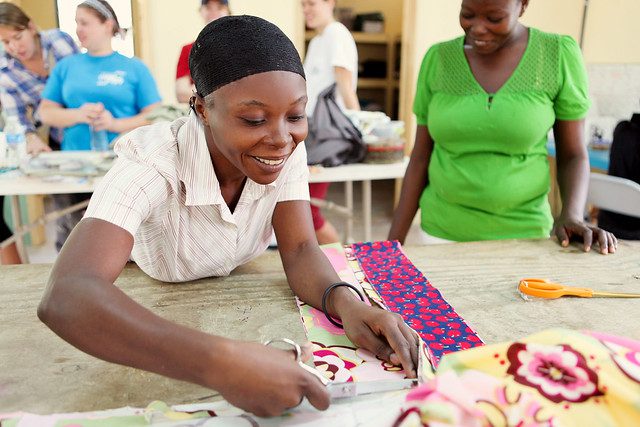
Ethical FashionOperating under a set of core ethics, sustainable fashion brands eliminate harsh impacts on the environment while also providing safe workplaces and fair wages for the individuals making the products, the majority of whom are women. U.N. Women says increasing female employment “boosts productivity, increases economic diversification and income equality.” This is a major step forward to the alleviation of global poverty in developing nations. Keep reading to learn more about these five top ethical fashion brands.
5 Ethical Fashion Brands Focused on Poverty Reduction

  1. ABLE
    This brand focuses on providing ethical fashion by supporting economic opportunities for women in an effort to eradicate poverty. After seeing firsthand the effects of generational poverty in Ethiopia, Barrett Ward, ABLES’s founder, created the company to give “women an opportunity to earn a living, empowering them to end the cycle of poverty.” With 45 million women employed in the fashion industry, ABLE sees the investment in women as a necessary business strategy to bolster communities and economies worldwide. The company is proud that 98 percent of its employees are women and challenges the culture of the fashion industry by publishing wages, an act of transparency directly attributed to the protection and empowerment of the women it invests in.
  2. Parker Clay
    Parker Clay is a company that values timeless craftsmanship in order to provide quality leather goods to its consumers and economic opportunities for its artisans. But at its core, the founders saw an “opportunity to empower vulnerable women through enterprise” after learning that many women and girls are targets for prostitution and human trafficking in Ethiopia. In fact, in the country’s capital, around 150,000 work in the commercial sex industry.

    Parker Clay partners with Ellilta – Women At Risk, a nonprofit based in Ethiopia that helps women from being lured into prostitution or trafficking. Many of the women supported by this organization work at Ellilta Products where Parker Clay sources its blankets. Providing women with an opportunity to work is more than just a job, Parker Clay believes it is the start to social and economic stability.

  3. KNOWN SUPPLY
    By reimagining the process of apparel production, KNOWN SUPPLY works “with underserved populations … to show the powerful impact clothing purchases can have” by supporting the women who make the clothes in more than one way. KNOWN SUPPLY chooses to celebrate each maker by “humanizing” each product with signatures.

    The company also provides consumers with clear information about the country where each ethical fashion good is made, accompanied by a gallery of the women who make them. This feature gives consumers a look into the lives and communities being directly impacted by their purchases.

  4. Carry117
    At Carry117, providing economic empowerment to at-risk women is a necessary foundation for sustainable development. This brand, based in Korah, Ethiopia — a place where disease and poverty run rampant — believes that when women are empowered, families are strengthened. Their goal is to give these individuals “a hand up out of poverty, with a unified desire to bring change to the community.”
  5. Anchal Project
    In 2010, Colleen Clines, Co-Founder and CEO of Anchal, was inspired to start the company after a trip to India where she learned about “the extreme oppression women faced as commercial sex workers.” Today, the nonprofit not only sells fair-trade goods made of artwork and textiles significant to the artisans’ journey to empowerment but also provides holistic opportunities for the artisans to stay empowered in their communities.

– Danyella Wilder
Photo: Flickr

September 13, 2019
https://borgenproject.org/wp-content/uploads/borgen-project-logo.svg 0 0 Kim Thelwell https://borgenproject.org/wp-content/uploads/borgen-project-logo.svg Kim Thelwell2019-09-13 01:30:132024-05-29 22:57:435 Ethical Fashion Brands Focused on Poverty Reduction 
Charity, Global Poverty

5 Things to Know about the Brooke Charity

Brooke CharityAround the world, over 100 million working horses, donkeys and mules, provide invaluable support to nearly eight percent of the world’s population. Through transportation, haulage and production, healthy working horses, donkeys and mules help put food on the table, send children to school and build better futures for their families. The Brooke charity has made it their mission to look out for these unsung heroes of poverty-ridden communities. Here are five things to know about the Brooke charity:

What is Brooke?

According to their website, “Brooke is an international animal welfare charity dedicated to improving the lives of working horses, donkeys and mules.” With operations in Africa, Asia, Latin America and the Middle East, they reach over two million working horses, donkeys and mules across the globe. Their staff of over 900 people consists of vets, animal welfare experts and development specialists.

What do they do?

Brooke protects and improves the lives of equines that bolster the livelihoods of some of the world’s poorest communities. Animals cannot better their own welfare but people can. Brooke works with communities to provide the skills and support necessary to unlock their compassion for animals and reap the benefit it brings to their livelihoods. The charity partners with local health services and farriers to strengthen the skills of owners so they can get their animals the help they need timely and effectively. Brooke provides support for long-lasting change by working with international bodies such as the U.N. and governments at all levels.

How has Brooke evolved?

In 1930, when Dorothy Brooke arrived in Egypt, she was appalled at the state of the ex-warhorses being sold into a life of hard labor at the conclusion of World War I. Within three years, Dorothy Brooke had purchased 5,000 ex-warhorses. Most were old, exhausted and had to be humanely put down though, thanks to her, they ended their lives peacefully.

Brooke knew many hard-working horses, donkeys and mules still suffered. In 1934, she founded the Old War Horse Memorial Hospital in Cairo to provide free veterinary care for all the city’s working equines. Thus, the Brooke Hospital for Animals was born.

Fast forward 85 years to the present time, when Brooke leads the way in providing help to working equines and their owners in the developing world. They met their goal to reach two million working horses, donkeys and mules in 2016 in 11 countries, and continue to strive for greater impact around the world.

Why does their work matter?

Working equines transport people, move goods and deliver food and water. In some countries, up to six people rely on a single animal for survival. This means that in many of the world’s poorest regions, human welfare is inextricably linked to the welfare of working horses, donkeys, and mules. A healthier animal enables its owner to increase their income and improve living conditions. Given that approximately 80 percent of animal suffering is preventable, Brooke is doing all they can to ensure well-fed and looked after working animals can continue to keep millions of people out of extreme poverty.

What are the potential weaknesses of this organization?

While traditional working equine welfare programs have had some success in improving welfare and alleviating poverty, they have significant drawbacks. Providing vet or farrier care is expensive, can lead to a culture of dependency and often fails to reach all members of a community. Outreach education work can increase awareness but does not always create the behavioral changes needed for stable incomes and sustainable animal welfare.

Developing communities that depend on equines can largely benefit from the improved standards of living delivered by simple, effective programs that promote animal welfare at the community level. With a new or better understanding of the needs of their horses, donkeys or mules, people are empowered to change their behaviors and sustainably increase their income. This contributes to any developing community’s ultimate goal: a movement out of poverty.

– GiGi Hogan
Photo: Flickr

September 7, 2019
https://borgenproject.org/wp-content/uploads/borgen-project-logo.svg 0 0 Kim Thelwell https://borgenproject.org/wp-content/uploads/borgen-project-logo.svg Kim Thelwell2019-09-07 15:39:232024-06-06 00:26:225 Things to Know about the Brooke Charity
Charity, Child Labor, Developing Countries, Global Poverty, Nonprofit Organizations and NGOs

7 Ways WE Charity is Making an Impact

WE CharityAn organization originally founded to stop child labor, WE Charity has since shifted its focus to addressing the leading causes of child labor and poverty, such as health care, education and job opportunities. Since 1995, WE Charity has helped millions of people both domestically and internationally by providing opportunities to make an impact on social issues around the world. WE Schools, WE Day, WE Villages and ME to WE are all sub-organizations that help to promote WE Charity’s mission to empower all people to help change the world. These are seven ways that WE Charity is making an impact.
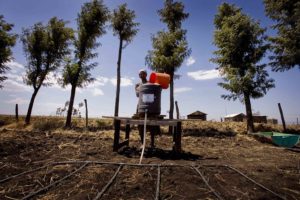
7 Ways WE Charity is Making an Impact

  1. WE Charity aims to end child labor and poverty by focusing on the underlying causes, such as lack of access to clean water and health care, food insecurity and lack of education and job opportunities. WE Schools works domestically to help students understand social issues by providing curricular resources and professional development opportunities for educators as well as mentorship programs for students. WE Villages works internationally in developing countries to provide opportunities for improved independence in local communities.
  2. WE Charity provides various programs to ensure that communities have access to a wide range of educational backgrounds and career opportunities. These programs are offered to everyone—although they do focus more on women and girls—and include areas like animal husbandry, vocational training, leadership skills training, business and financial literacy and artisan projects. Over 30,000 women have been given the tools to maintain financial independence and provide for their families.
  3. WE Charity provides access to preventative health care and works to enhance health care programs that are already in place. It has helped to provide medical supplies, health awareness workshops and clinical resources. Over 130,000 patients have been helped in Kenya alone.
  4. WE Villages is a modern, sustainable development model that focuses on five pillars they claim are imperative for community development. These pillars are education, water, health, food and opportunity. WE Villages partners with communities in over nine countries in Africa, Asia and Latin America to provide sustainable community development.
  5. WE Villages has provided over 1,500 schools in partnered communities, allowing more than 200,000 children the opportunity to receive an education. One million people have better access to safe water and sanitation. Farmers located within WE Villages have helped to deliver over 15 million meals to local families.
  6. ME to WE is an offshoot organization that has created employment and economic opportunities for over 2,000 people in WE Village communities. Not only does it help provide financial opportunities in the communities, but it also provides a sustainable source of funding for WE Charity. Over the past five years, ME to WE has donated an average of 90 percent of profits to WE Charity, which is then reinvested into the charity and its programs.
  7. WE Charity hopes to double its impact over the next five years. Currently, it has impacted 12,300 schools and 2.3 million youth participants through the WE Schools program, but it hopes to reach 24,000 schools and 4.8 million students over the next few years. WE also hopes to double the amount of WE Villages from 50 to over 100 within the same timeline.

Together with its partner charities, WE Charity is working to raise awareness for a variety of social issues as well as focusing on putting an end to poverty and child labor. WE Charity has already helped millions of people by providing sustainable communities, access to healthcare, better education and safe water. Over the next several years they hope to double the number of people they have reached and make an even bigger impact around the world.

– Jessica Winarski
Photo: Unsplash

September 6, 2019
https://borgenproject.org/wp-content/uploads/borgen-project-logo.svg 0 0 Kim Thelwell https://borgenproject.org/wp-content/uploads/borgen-project-logo.svg Kim Thelwell2019-09-06 14:00:152024-05-29 23:10:477 Ways WE Charity is Making an Impact
Charity, Global Poverty

How the John Deere Foundation Helps Farmers in Developing Countries

John Deere Foundation Helps FarmersJohn Deere is recognized worldwide for its agricultural and construction equipment and machinery. From tractors in the countryside to lawnmowers in the suburbs, most people are familiar with the brand and recognize their logo. What many might not realize, however, is the global presence and philanthropy of the brand through their efforts with their charitable division, The John Deere Foundation (JDF). In 2017 alone, the John Deere Foundation made $33.4 million in charitable contributions and recorded 160,688 employee volunteer hours. The John Deere Foundation has made tremendous strides in combating world hunger, developing communities and increasing access to education in developing countries through their grants, sponsorships and volunteerism.
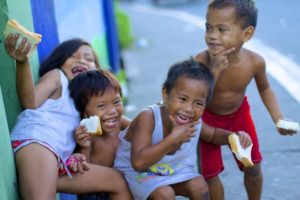
What They Do

A primary focus of the John Deere Foundation is addressing world hunger by helping smallholder farmers in developing countries build profitable businesses. They offer agricultural training, teach entrepreneurial and financial skills and introduce mechanized farming. Their grants invest in partnerships with rent-to-own contractors who provide the machines needed to take smallholder farmers beyond a hand-to-mouth business.

The John Deere Foundation also focuses on helping at-risk youth and adults receive an education, particularly in agriculture, and offers scholarship opportunities, improvement of school infrastructure and teacher training. They also help develop communities by contributing to the development of their business environments and providing such things as sanitation facilities, health awareness and access to more jobs.

The John Deere Foundation Helps Farmers in Africa

The John Deere Foundation has had a powerful global impact, especially in Africa and Asia. They have contributed millions in grant money to NGOs that fight global hunger in Africa. Since 2013, the John Deere Foundation has partnered with the nonprofit TechnoServe to assist farmers in Kenya and Ghana. The partnership with TechnoServe greatly increased the impact of the John Deere Foundation in these countries. In sub-Saharan Africa, farmers traditionally own only a few acres of land and produce barely enough to make a living. TechnoServe’s Mobile Training Unit offers videos on the sides of box trucks that travel across rural communities in Kenya and Ghana to help dairy and grain farmers. They visit these communities several times throughout the year in accordance with their growing cycles. TechnoServe creates videos to help farmers learn new skills and encourage good agricultural and conservation practices. They have exceeded their expectations and helped more than 47,000 farmers develop their businesses through their mobile training unit and demonstration plots.

The John Deere Foundation Helps Farmers in Asia

In 2014, the John Deere Foundation partnered with Mercy Corps to create the POWER (Promoting Organizations that Work to Empower Rice Farmers) program in Indonesia to help rice farmers connect with resources to grow their businesses and earn more profit. The John Deere Foundation believes Indonesia’s rice farmers are vital players in addressing world hunger. Residents in the country consume an estimated 300 pounds of rice per person annually, and the population is projected to increase by 360 million by 2050. As the smallholder farmers struggled to meet the increasing demands of the population, the POWER program was implemented to help them increase their productivity without increasing their workload. POWER assessed the specific needs of Indonesian rice farmers, such as a lack of access to high-quality seeds and fertilizer and market opportunities. They developed a three-year program to train local farmers to become entrepreneurs. It has helped more than 8,310 smallholder rice farmers and increased the average household income by 13 percent.

The impact of the John Deere Foundation was recognized in 2017 when it received the Best Community Improvement Award for its work with the JIVA (Joint Initiative for Global Advancement) program in India. Developed in partnership with PYXERA Global, the John Deere Foundation volunteers worked side-by-side with local farmers and helped introduce new farming techniques, such as line sowing and vermicomposting, a practice of using various species of worms to create more healthy soil for crops.

JIVA also played a major role in improving education. Their community-first approach recognized a need to address the integral relationship between education and prosperity at large in these communities. Their work resulted in a 90 percent pass rate for 10th grade students and an increase in overall household income by nearly 1.5 million dollars across the communities they served. In addition, JIVA developed infrastructure projects that gave farmers such things as drip irrigation and supplied toilets in local schools. As farmers began to profit from their labor, they invested more in education as well.

These are only a few examples that highlight the significant impact of the John Deere Foundation. Their grants and partnership with organizations across the globe have made an immeasurable difference in the lives of farmers and at-risk communities in developing countries. By 2020, the John Deere Foundation hopes to have one million recorded volunteer hours. The combination of expert knowledge and altruism has resulted in a foundation that has made great strides to combat world hunger and will continue to do so more and more each year.

– Christina Laucello
Photo: Flickr

September 5, 2019
https://borgenproject.org/wp-content/uploads/borgen-project-logo.svg 0 0 Kim Thelwell https://borgenproject.org/wp-content/uploads/borgen-project-logo.svg Kim Thelwell2019-09-05 13:35:212024-05-29 23:10:46How the John Deere Foundation Helps Farmers in Developing Countries
Activism, Charity, Global Poverty, Nonprofit Organizations and NGOs

5 NGOs Aiming to End Poverty and Hunger

NGOs aiming to end poverty
Hunger and poverty are problems millions of people face around the globe. According to The U.N. Food and Agriculture Organization, 815 million people were chronically undernourished in 2016. However, in the past few decades, the world has made major progress in terms of alleviating hunger and poverty overall. Between 1990-92 and 2012-14, the global undernourished population reduced by 42 percent. There are several non-governmental and nonprofit organizations continuing on that trend to eradicate world hunger and poverty through several different methods. Below are five NGOs aiming to end poverty and hunger.

Akshaya Patra

Akshaya Patra is a nonprofit organization that began in Bengaluru, India. Since the year 2000, the organization has been providing poor children with fresh and nutritious meals at schools. The aim of the organization is to eliminate malnutrition in children, as well as support the right to education for children whose families cannot afford it. When the organization started out, it was a very small-scale project that focused on local schools in rural regions. Initially, the organization began with feeding 1,500 children locally. Today, Akshaya Patra partners with the Indian government and multiple state governments. Additionally, it feeds 1.7 million children across the country. This makes it the largest mid-day meal program in the world and one of the most successful nationwide NGOs aiming to end poverty.

Green Shoots Foundation

Green Shoots is an organization that emerged in 2010. The organization approaches poverty through microfinance, sustainable development and holistic programs. The main aim of the organization is to improve access to education and access to medical aid in developing Asian and African countries. There are multiple programs that the foundation has implemented based on the specific needs of each region. Some of these programs include Education Loans and Social Entrepreneurship (ELSE), Food Agriculture and Social Entrepreneurship (FASE) and Medical Assistance and Medical Education (MAME). Countries that the Green Shoots Foundation has worked in include Cambodia, the Philippines, Myanmar, Vietnam and Kyrgyzstan.

Action Against Hunger

Action Against Hunger is an organization that focuses on ending hunger around the globe. The organization focuses on families with young children. So far, Action Against Hunger has contributed to providing aid in over 45 countries to over 21 million people. Its main aim is to double the number of children it is aiding by 2020, due to the fact that millions of children around the globe still remain undernourished. The organization deals with problems that stem from or worsen hunger as well, including nutrition and health, water and sanitation, food security and livelihoods and emergency response.

BRAC

BRAC is a non-governmental organization from Bangladesh. The organization mainly aims to end poverty but also focuses on several other issues that people living in rural or poor communities face. Its main social development goals include eliminating extreme poverty, increasing financial opportunities and choices, developing skills for employment and investing in education. BRAC emerged in 1972, and has since positively impacted the lives of over 100 million people globally. The program focuses on developing and improving conditions in 11 major countries including Afghanistan, Bangladesh, Liberia, Myanmar, Nepal, the Philippines, Rwanda, Sierra Leone, South Sudan, Tanzania and Uganda. Today, BRAC is the largest development organization in the world.

Water School

Water School is an organization with the aim to provide clean water and make it easily accessible to rural and poor communities in Uganda. It also educates such communities on sanitary practices involving water, health and education. Water school believes that health and education go hand in hand, and therefore focusses on improving conditions for both issues in poor communities.

Hunger and poverty are extremely large scale global issues that will take time, global effort and multiple solutions to solve. The examples of the non-governmental and nonprofit organizations above show that though progress is slow, it is steadily progressing.

These five NGOs aiming to end poverty have made significant progress on their own. Several similar organizations across the globe are working towards meeting multiple hunger and poverty goals as well.

– Nupur Vachharajani
Photo: Flickr

August 14, 2019
https://borgenproject.org/wp-content/uploads/borgen-project-logo.svg 0 0 Kim Thelwell https://borgenproject.org/wp-content/uploads/borgen-project-logo.svg Kim Thelwell2019-08-14 15:24:302024-05-29 23:11:085 NGOs Aiming to End Poverty and Hunger
Charity, Global Poverty, Philanthropy, Technology

Three Ways the Relationship Between Technology and Philanthropy Is Evolving

Technology and PhilanthropyThe ongoing technological revolution is redefining how global political, social and economic development happens. Currently, around 50 percent of the world is online. According to “Digital Spillover” research conducted by Huawei and Oxford Economics, the digital economy was worth $11.5 trillion in 2016, or 15.5 percent of global gross domestic product. This could grow to nearly 25 percent of global GDP by 2025. This not only transforms today’s business landscape but also the business of doing good deeds. Here are three ways that the relationship between technology and philanthropy is already evolving.
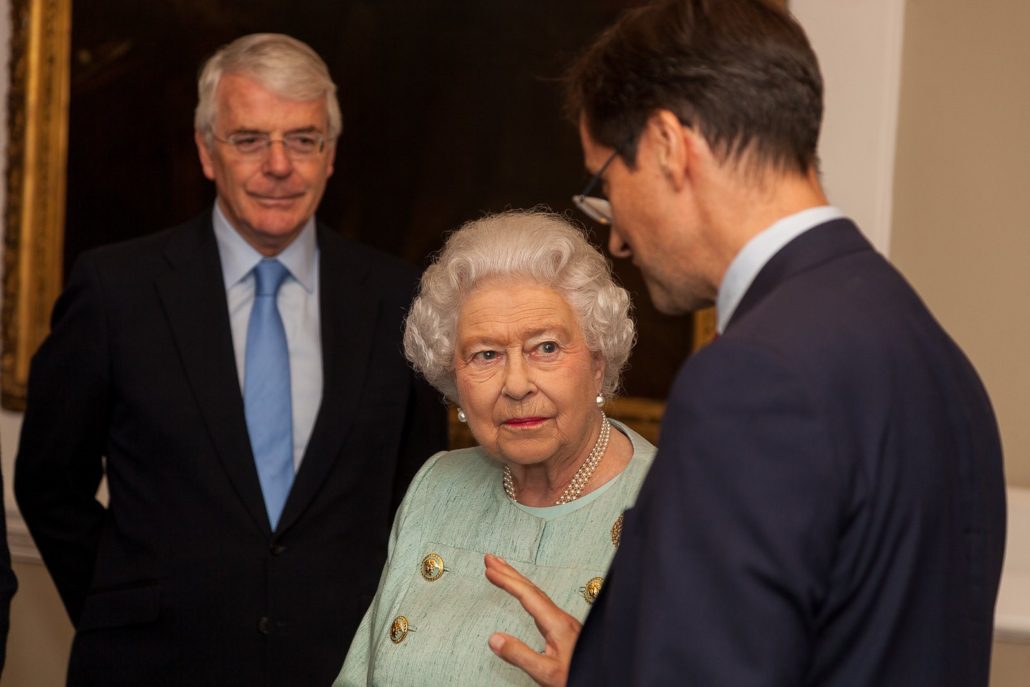
  1. Direct Access to Donors Through Social Media
    Technology can be used to nurture closer links between donors and nonprofits. According to Giving USA, individuals, corporations, foundations and estates donated $410 billion to charities in 2017. This represents less than 3 percent of the United States’ GDP. Working to change this number through fundraising technology is social media platform Facebook. In November 2018, three years of launching its fundraising technology, Facebook reported that donations have broken $1 billion. No Kid Hungry, a U.S.-based child-hunger charity, reported raising $5 million from over 200,000 donors through Facebook fundraisers. Other social media platforms, like GoFundMe, have also made it easier for individuals to connect with causes they feel passionate about. Houses for Refugees is a notable beneficiary of such advancements, receiving over $2 million in donations through crowdfunding and online campaigning.
  2. Unmediated Engagement With People in Need
    Although many people in the world are not yet able to access the necessary technology, the internet is helping connect NGOs and their clientele more efficiently. This will change how NGOs are able to operate in cases of natural or financial disasters, as well as create new and innovative ways in which organizations can make a difference. Mobile cash transfers are becoming a popular way of transferring money to those in remote areas of the world. For example, in 2017, because of difficulties in establishing cash liquidity in Zimbabwe, the U.K. government partnered with CARE International, a major humanitarian organization that is fighting poverty in 92 countries worldwide. This partnership provided small monthly cash payments by mobile phone or SIM cards to over 72,000 families, enabling them to continue buying basic foodstuffs and utilities. Technology can also be used to develop help build communities from the inside, by reducing long-standing tensions between communities. One example of a technology company hoping to change lives by connecting people is Tech2Peace, a joint Palestinian-Israeli startup designed to train youth in technical skills such as website building, while also encouraging intercultural dialogue and conflict resolution sessions.
  3. Better Analytics to Improve Efficiency
    Technology companies are helping nonprofits streamline their systems of data collection and analytics. New technological developments are changing how companies can exercise “Corporate Social Responsibility,” or CSR, an ethical business strategy designed to maximize a company’s positive social influence. For example, Microsoft is currently partnered with the Virginia-based charity Operation Smile, which provides children with the free surgical repair for cleft lip, cleft palate and other facial deformities. Operation Smile has a number of programs including operating international medical missions, running care facilities, conducting research on the causes of cleft lip and providing education to improve community treatment worldwide. One area where Microsoft assists Operation Smile is by developing customized solutions that allow the organization to analyze real-time patient outcomes and feedback, sharing simultaneously this data with volunteers around the globe. This cuts downtime spent by individual surgeons for patient evaluations and allows Operation Smile to perform more operations.

Technology and philanthropy are intricately connected. Advancement in technology has improved the relationship between donors and charities, charities and beneficiaries, and streamlined all the processes that define these relationships. As the technological revolution finds new ways to change the world, it will also find new ways to help those in need.

– Holly Barsham
Photo: Google Images

July 30, 2019
https://borgenproject.org/wp-content/uploads/borgen-project-logo.svg 0 0 Kim Thelwell https://borgenproject.org/wp-content/uploads/borgen-project-logo.svg Kim Thelwell2019-07-30 16:01:522024-12-13 18:01:47Three Ways the Relationship Between Technology and Philanthropy Is Evolving
Charity, Global Poverty, Hunger

Top 10 Facts About Queen Elizabeth II

Top 10 Facts About Queen Elizabeth II
Princess Elizabeth of York never had the intention to become Queen, but she is now Queen Elizabeth II, the reigning monarch of the United Kingdom of Great Britain and Northern Ireland, and its neighboring kingdoms and territories. In addition, she is the head of the Commonwealth of Nations. Her reign has lasted more 60 years, giving her the title of the longest-ruling monarch in British history. Just this past April 2019, the Queen celebrated her 93rd birthday and continues to make history till this day. Written below are the top 10 facts about Queen Elizabeth II that show a glimpse into her life.

Top 10 Facts About Queen Elizabeth II

  1. Born Princess Elizabeth of York and third in line to ascend the throne, Queen Elizabeth II never imagined assuming the responsibilities and obligations of sovereignty, up until February 6, 1952, when Elizabeth’s father, King George VI, died of lung cancer. The unexpected turn of events started in December 1936 when the Queen’s father became King after his brother King Edward VIII abdicated his title for love. Consequently, the Queen became heir presumptive. Her father did not declare her heir apparent due to the possibility of a male heir. On June 2, 1953, Queen Elizabeth II had her coronation in Westminster Abbey.
  2. Queen Elizabeth II along with other members of the Royal Family have an extensive background in philanthropy. Presently, more than 3,000 organizations around the globe state a member of the Royal Family as their patron or president, with Queen Elizabeth II serving as patron for 510 of those British charities alone. The charities range from large organizations like the British Red Cross to smaller organizations like Reedham Children’s Trust and the regiments of the Armed Forces. Royal patronages, visits and involvement with charities help bring much-needed awareness and publicity for important social causes. The Queen’s benefaction holds the most significance and is the most sought after.
  3. In 2012, the Queen assisted charities she patrons raise a total of £1,4 billion, according to Charities Aid Foundation’s research Charities Aid Foundations. This fact solidifies her as one of the world’s leading charity supporters. In 2015, after news broke out regarding the devasting earthquake that struck Nepal, Her Majesty donated her personal money to the Disasters Emergency Committee’s request to help and support the victims of this catastrophe. The country of Nepal holds a special place in the Queen’s heart because it houses The Royal Gurkha Rifles, an organization of troops run by Prince Charles, its Colonial in Chief. The Royal Gurkha Rifles fight for the United Kingdom but were not born in the country.
  4. The Queen’s Commonwealth Trust is an organization that Queen Elizabeth II is a patron of and Prince Harry is the president. It is an organization that works with 53 Commonwealth countries to enact positive social change initiated by impactful youth. The organization’s mission statement reflects on its efforts in discovering and funding individuals who attain bright ideas that solve local problems in education, health, the environment and sport. The Queen’s Commonwealth Trust supports those who have started their own nonprofit organizations, along with those who oversee projects that help others. Currently, The Queen’s Commonwealth Trust and CAMA have partnered to help reduce poverty and inequality among young girls in Africa by helping them receive education and giving them leadership positions within their communities.
  5. Another point on the list of top 10 facts about Queen Elizabeth II is that the Queen’s Commonwealth Trust has partnered with Ankit Kawatra’s Feeding India, which is one of the world’s leading youth-run volunteer organizations set to eradicate world hunger. The partnership aims to combat hunger in India with 8,5000 people working together to gather excess food from events, restaurants and hotels in more than 50 cities and deliver it to undernourished people, reaching more than 15,000 individuals every day.
  6. The Association of Commonwealth Universities (ACU) is one of the world’s most prestigious and oldest international university networks to date and has for the last 33 years been honored with Her Royal Majesty’s patronage. In fact, she was the first patron of the organization. The Queen has helped the ACU offer Commonwealth scholarships to over 35,000 students throughout the years, which help them make the trip to the United Kingdom or other Commonwealth countries. That is, however, until now; when the Queen has graciously passed down her title to her granddaughter-in-law, The Duchess of Sussex, Meghan Markle, along with a few other duties. As the new patron, the Duchess of Sussex has already announced two ACU gender grants that will help fund new learning projects meant to empower female university employees and promote gender equality.
  7. The Queen embraces strides towards modernizing her personal image along with that of the monarchy. For a period of time every summer, Her Majesty welcomes the public to stay in the State Rooms at Buckingham Palace, the official London residence of the sovereigns since 1837 and also today’s administrative headquarters of the monarch, while she is away and is the first monarch to do so. Queen Elizabeth’s II garden parties, hosted multiple times per summer at Buckingham Palace and once at the Palace of Holyroodhouse in Edinburgh, also help in the Queen’s plan to meet a cross-section of British society and thank them for their good deeds. This charitable event, with approximately 8,000 people, allows the Queen to become familiar with Britain’s everyday citizens instead of the usual diplomats at the Palace.
  8. Throughout her Majesty’s reign, digital communication platforms have made many advancements. In 1953, the Queen’s coronation was the first to broadcast live from Westminster Abbey. In 1997, the Royal Family started their own website and later created their own Twitter account (@BritishMonarchy) in 2014. The Queen’s very first tweet was during her visit to the London Science Museum in 2014, and in keeping with tradition, the page shared the Queen’s very first Instagram post (@theroyalfamily) at her most recent visit to the Science Museum in 2019. She posted an archive picture addressed to her great-great-grandfather, Prince Albert, and written by Charles Babbage, the world’s first accredited computer pioneer.
  9. Over the course of her reign, Queen Elizabeth II witnessed 13 prime ministers enter into power. The first prime minister she worked with was Winston Churchill. The Queen has worked with about a quarter of the United States’ presidents throughout history as well.
  10. On February 6, 2017, Queen Elizabeth II celebrated her Sapphire Jubilee or 65th year on the throne. She is the only monarch to ever celebrate a Sapphire Jubilee, surpassing her great-great-grandmother, Queen Victoria, in September of 2015. Queen Victoria was the previous longest-reigning monarch at 63 years. There were royal gun salutes administered at Green Park and the Tower of London, along with eight new commemorative coins issued by The Royal Mint in honor of the Queen’s reign.

These top 10 facts about Queen Elizabeth II only reinforce the fact that Her Majesty is one of the world’s most commemorated public figures in history. There are three generations of heirs lined up for the monarch after her reign including her son, Charles, Prince of Wales; her grandson, William, Duke of Cambridge; and her great-grandson, George, Prince of Cambridge. The legacy of the Royals will continue to create history for years to come due to Queen Elizabeth’s II influential reign over Britain.

– Jillian Rose
Photo: Flickr

July 16, 2019
https://borgenproject.org/wp-content/uploads/borgen-project-logo.svg 0 0 Kim Thelwell https://borgenproject.org/wp-content/uploads/borgen-project-logo.svg Kim Thelwell2019-07-16 08:15:172024-05-29 23:00:39Top 10 Facts About Queen Elizabeth II
Charity, Global Poverty

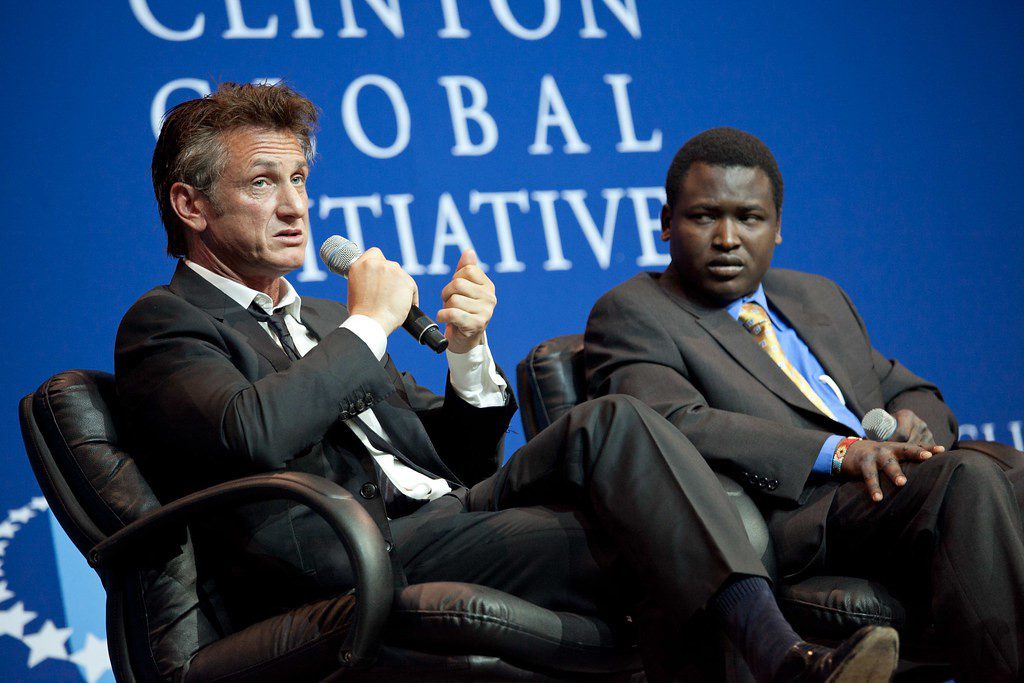
Sean Penn’s Charitable Organization and Expansion

Sean Penn's Charitable Organization
Shortly after a 7.0 magnitude earthquake struck Haiti in January 2010, Sean Penn established the J/P Haitian Relief Organization (J/P HRO). Initially, an emergency relief association, Sean Penn’s charitable organization expanded to help vulnerable communities rebuild their lives in healthier and safer neighborhoods. The organization provided access to quality education, health services, improved housing and infrastructure and livelihoods.

Haiti + Beyond Fundraising Gala

As Penn’s annual J/P HRO fundraising gala approached its eighth year, the Oscar-winning actor and humanitarian renamed the event on January 5, 2019. Formerly known as Haiti Rising, the gala name changed to Haiti + Beyond to demonstrate the organization’s expansion into disaster relief around the world and not just Haiti. While honoring CNN’s Anderson Cooper, Puerto Rico’s Mayor, Carmen Yulin Cruz, and Ambassador Kenneth Merten, Haiti’s special coordinator during the evening’s social event, Haiti + Beyond, raised $3.5 million.

Besides entertainment, an auction also figured into part of the soiree along with additional contributions and tickets for the more than 400 guests, which ranged from $5,000 to $10,000. Proceeds will go towards saving lives by strengthening helpless communities in Haiti and the Caribbean and enabling faster reactions and effective assistance in emergencies in the U.S.

Legacy of J/P HRO and Expansion

The earthquake in Haiti impacted an estimated three million people with 250,000 lives lost. In the nine years since its start, the humanitarian relief organization has provided preventative health care, education and community resources. With its success in the region, Penn and J/P HRO have set their sights on expanding efforts around the globe.

Starting in 2019, Penn will focus on investing J/P HRO’s resources in particularly disaster-prone areas around the world. J/P HRO, its partners and other like-minded organizations will join forces to work together with communities, municipal governments and the private sector to guarantee a swift response when disaster strikes.

As a result of this new expansion, Sean Penn’s charitable organization, J/P HRO, will now go by the name CORE (Community Organized Relief Effort), dedicated to saving lives while empowering communities affected by or susceptible to catastrophe. The vision of CORE is a world where at-risk communities are prepared for disasters, resilient and able to respond quickly and quick to recover.

This move follows J/P HRO’s efforts in response to recent hurricanes in Puerto Rico, Antigua, Barbuda, Florida and North Carolina. Although Haiti has been the center of this organization and has a majority of Haitian employees and volunteers, these experiences have given Penn insight into how to react and support communities facing similar disasters in the Caribbean and U.S.

As part of the expansion, the organization will announce an expanded board while longtime board members, such as Penn, will continue to serve and engage new staffers. Consequently, strategic partnerships with other nonprofits to provide emergency services in low-income neighborhoods and at-risk areas will round out this development. While J/P HRO is branching out, Haiti will, nevertheless, be a significant part of Sean Penn’s charitable organization as the country remains a primary passion for Penn. The devastation that occurred in Haiti led to Sean Penn’s desire to assist in every aspect of rebuilding which lead to the launch of J/P HRO and has remained in place for a decade.

– Colette Sherrington
Photo: Flickr

July 12, 2019
https://borgenproject.org/wp-content/uploads/borgen-project-logo.svg 0 0 Kim Thelwell https://borgenproject.org/wp-content/uploads/borgen-project-logo.svg Kim Thelwell2019-07-12 18:02:372019-07-12 18:02:37Sean Penn’s Charitable Organization and Expansion
Charity, Global Poverty, Women and Female Empowerment

10 Charitable Subscription Boxes

10 Charitable Subscription BoxesFrom comics to coffee, there is a myriad of subscription boxes on the market today. Whether it is the theme or the surprise inside, it is all part of the fun. But, what if purchasing a subscription box could benefit people in need. This article will focus on 10 charitable subscription boxes and how they are giving back to people in needs around the world.

10 Charitable Subscription Boxes

  1. The Bookworm Box: Founded by young adult author Colleen Hoover, the Bookworm Box boasts “good deeds, great reads.” Depending on the subscription, the box includes one or two autographed books, bookmarks, pens, journals, keychains, coffee cups and more. The best part is that the proceeds from each box are donated to charities that focus on supplying clean water, disaster relief and more to nations in need. It costs between $29.99-39.99 per month.

  2. Anchor of Hope: Refugees, survivors of human trafficking and others in unsafe situations are crafting items for Anchor of Hope. Each month, the curators meet with women, teach them a new skill and pay them for their work. The artisans are from around the globe, including India, Asia and Haiti. Anchor of Hope includes two to four handmade items, such as jewelry and ceramics. The proceeds go directly towards the artisans and their families. It costs $33 per month.

  3. Happy Rebel Box: Happy Rebel Box is a seasonal subscription box directed toward women with an edgy sense of style. Besides fashion, Happy Rebel Box also includes beauty and lifestyle pieces. With each purchase, 10 percent of the proceeds will go toward non-profit organizations that specialize in helping women across the globe. These organizations provide women with access to healthcare and education as well as relief for those affected by abuse, poverty and trafficking. It has a quarterly subscription of $100 or an annual cost at $380.

  4. BuddhiBox: Founded by yoga teacher Maxine Chapman, BuddhiBox is designed to complement the “yogi lifestyle.” Containing cruelty-free and ethically sourced products, BuddhiBox is intended to enhance the practice of yoga and the spiritual lifestyle. Each month, BuddhiBox selects as a different global charity and donates a portion of their sales. The cost $16.95 per month to $49.95 every three months.

  5. KirillsTea: Love tea? KirillsTea offers a variety of loose-leaf teas in three different monthly subscriptions. Using only fresh ingredients and whole herbs, KirillsTea supports enjoying a cup up tea while giving back. With each purchase, KirillsTea donates to global humanitarian aid organizations, such as The United Nations Children’s Fund (UNICEF). It costs $21.66 to $47.08 per month.

  6. My Be Better Box: My Be Better Box is exactly as it sounds. This subscription box is targeted for ambitious individuals looking for self-guided improvement in their daily lives. Through wellness products and the Be Better Movement campaign, My Be Better Box encourages buyers to complete challenges. With each completed challenge, My Be Better Box will donate to Every Mother Counts. Every Mother Counts is a non-profit organization that focuses on making pregnancy and childbirth safe around the world. It costs $39.95 every two months.

  7. The Wordy Traveler: Love to travel? The Wordy Traveler is a quarterly subscription box dedicated to adventurous explorers. The box contains carefully selected travel books, limited edition artwork and even tea. With each subscription, a portion of the proceeds will go to supplying women and children with healthcare and education. This box costs $38-$89.99 for three months depending on the package level.

  8. GlobeIn: GlobeIn is discovering “the soul of craft” by traveling around the world in search of craftwork that is disappearing. Working directly with artists around the world, GlobeIn offers a variety of different items in their boxes, such as woven baskets and coasters. Each month, an artisan, or a group of artisans, is featured within the box. By supporting these artisans, not only are they receiving aid to fight poverty but also a better future through the use of their skills. In 2018, GlobeIn invested $3.5 million into artisan communities and provided nearly 2 million hours of work. This box costs $43-48 a month.

  9. Pura Vida: Pura Vida or “pure life”, was founded by two friends, Griffin Thall and Paul Goodman. After falling in love with Costa Rica and its struggling local artisans, the two were determined to make a change. Today, Thall and Goodman have teamed up with many Costa Rican artisans to create unique handcrafted bracelets. Pura Vida has expanded and now considers more than 650 artisans their family. Pura Vida has donated nearly $2 million to charity. The Pura Vida Bracelet Club contains three unique and colorful bracelets. Each month costs $14.95 or $132 per year.

  10. CauseBox: CauseBox is a seasonal subscription box created for women. Each item is carefully selected with the intent of creating jobs or empowering artisans. CauseBox has partnered with numerous organizations, such as Freedom Firm, Speak Your Silence and Trees for the Future. For example, in the Summer 2018 box, the Symbology Kimono was crafted by artisans in Jaipur, India. Through this partnership, more than 150 women were given jobs. It is not just the box that is giving back, but the products inside of the box. It costs $49.95 quarterly or $199.80 per year.

There’s a variety of subscription boxes on the market today, but only a select few give back to those in need. By supporting charitable subscription boxes, more than just one person benefits from the purchase, and the effects can last a lifetime.

– Emily Beaver
Photo: Flickr

July 2, 2019
https://borgenproject.org/wp-content/uploads/borgen-project-logo.svg 0 0 Kim Thelwell https://borgenproject.org/wp-content/uploads/borgen-project-logo.svg Kim Thelwell2019-07-02 01:30:082024-05-29 23:00:5410 Charitable Subscription Boxes
Page 25 of 42«‹2324252627›»

Get Smarter

  • Global Poverty 101
  • Global Poverty… The Good News
  • Global Poverty & U.S. Jobs
  • Global Poverty and National Security
  • Innovative Solutions to Poverty
  • Global Poverty & Aid FAQ’s
Search Search

Take Action

  • Call Congress
  • Email Congress
  • Donate
  • 30 Ways to Help
  • Volunteer Ops
  • Internships
  • Courses & Certificates
  • The Podcast
Borgen Project

“The Borgen Project is an incredible nonprofit organization that is addressing poverty and hunger and working towards ending them.”

-The Huffington Post

Inside The Borgen Project

  • Contact
  • About
  • Financials
  • President
  • Board of Directors
  • Board of Advisors

International Links

  • UK Email Parliament
  • UK Donate
  • Canada Email Parliament

Get Smarter

  • Global Poverty 101
  • Global Poverty… The Good News
  • Global Poverty & U.S. Jobs
  • Global Poverty and National Security
  • Innovative Solutions to Poverty
  • Global Poverty & Aid FAQ’s

Ways to Help

  • Call Congress
  • Email Congress
  • Donate
  • 30 Ways to Help
  • Volunteer Ops
  • Internships
  • Courses & Certificates
  • The Podcast
Scroll to top Scroll to top Scroll to top