 In the heart of Accra, the bustling Kantamanto Market once symbolised the ingenuity and resilience of Ghana’s second-hand clothing trade. Today, it has become the epicentre of an environmental and public health crisis due to fast fashion. Every week, the market receives 15 million discarded garments from the Global North – clothes too cheap, too poor in quality or too plentiful to sell at home. Ghana is now one of Africa’s largest importers of used clothing, yet nearly 40% of these imports end up as waste, placing the burden of the global fashion industry’s overproduction squarely on the shoulders of Ghana’s working poor. To reclaim their livelihoods, participants of Ghana’s sustainable fashion movement are working to revitalise and rebuild the second-hand clothing market.
Background
Detrimental environmental and economic consequences arise from fast-fashion waste in Ghana; piles of unsellable materials overwhelm landfills, clog waterways and spill into neighboring communities, while toxic chemicals from synthetic fibres threaten to obliterate biodiversity and animal habitats. Furthermore, the 30,000 traders, tailors and entrepreneurs of Kantamanto market – long celebrated for breathing new life into the fashion industry’s cast-offs – now contend with mountains of unmarketable textile waste. This intensifies the strain on local businesses and could make people abandon their craft entirely and become second-hand sellers. This instability highlights the need for Ghana’s sustainable fashion movement.
The Or Foundation
Founded in 2022 as a community business incubator, the Or Foundation is at the forefront of Ghana’s sustainable fashion movement, striving to implement cooperative business models for these numerous upcycling businesses born from the textile crisis in Accra. Working closely within the insular divisions of Kantamanto market, the foundation transforms a seemingly hopeless situation into one of innovation and prosperity.
Liz Ricketts of the Or Foundation speaks of its aim to restore a circular economy – where products, materials and resources are kept in use for as long as possible to minimise waste and environmental harm – to liberate Accra from the severe effects of Western overproduction. Ricketts describes the foundation’s goals as including: “the development of new materials made from textile waste, debt relief for Kantamanto retailers, alternative livelihoods for young women who labour in modern-day slavery carrying bales of clothing on their heads, and scientific research to determine how we can safely clean up the waste at the bottom of the sea.”
In reclaiming their second-hand trade, the foundation’s role in Ghana’s sustainable fashion movement confronts a long history of colonial oppression and works to restore justice to those most affected. Through rallying communities together, initiating waste control services and showcasing upcycled fashion items, they do just this
Waste Management
Ghana does not “have the infrastructure to keep clothing […] out of landfill,” Lisa explained. To address this, the Or Foundation has partnered with Accra’s waste management department to organize and fund a team of volunteers who separate textile waste into sellable garments and those that require sustainable disposal.
Since 2024, these “Kanta Keepers” have successfully hauled more than 18 tons of textile waste from not just the overflowing market site, but also beaches, waterways and streets, transporting them to a sanctioned dumpsite far from the coastline, according to the Or Foundation.
Their work not only protects the health of individuals in Kantamanto, but also preserves ecosystems that are threatened by synthetic, slow-decomposing textiles. This marks an important step towards the circular economy envisioned by Ricketts and the Or Foundation.
Repurposing Garments
Of the garments diverted from landfill, many are upcycled into creative, sustainable and forward-thinking fashion projects. Ricketts underscores the economic burden of fast-fashion waste on the Kantamanto workers, noting that declining clothing quality forces “Kantamanto retailers [become] dependent on a system where they have to sell higher quantities of a cheaper product to stay out of debt,” Lisa explained. By generating alternative streams of income, the Or Foundation provides much-needed relief and strengthens Ghana’s sustainable fashion movement from within.
One example is the annual “Obroni Wau” (or “dead white man’s clothing”) festival, which spotlights upcycling and creative reuse through runway shows, pop-up stalls and musical performances, according to VOA. This celebration amplifies the work of local designers, tailors and traders who transform discarded garments into “one of a kind creations,” as Lisa describes. Tailors have even fashioned protective uniforms for Ghanaian pineapple pickers from discarded denim, shielding workers from burns and rashes in the field. These artisans become highly sought-after for their unique, custom-made pieces, ensuring that the cultural identity of Ghana’s second-hand clothing trade remains vibrant. Hence, this Or Foundation’s work in manifesting a circular economy sector is creating new jobs in repair, design, resale and small-scale manufacturing, transforming the livelihoods of those in and around Kantamanto.
In Conclusion
When talking about how to confront a problem that feels too vast to solve, Lisa explains to Good on You that “sustainability is a language… communities like Kantamanto are still fluent.” By reframing textile waste as both a valuable resource and an integral part of Ghana’s social fabric, Kantamanto promotes fairer trade systems and greater producer responsibility. Through their initiatives, Ghana’s sustainable fashion movement is guiding key legislation, policy-makers and industry advocates – illustrated by the creation of the Ghana Used Clothing Dealers Association and its commitment to achieving 100% textile-waste diversion by 2050 – towards regenerative systems that maximise the lifespan of materials.
In many ways, Ghana’s circular economy has become a pioneer of fast-fashion waste innovation. Lisa further argues that resolving the fast-fashion crisis begins with a simple directive: “all we have to do is listen”. Recognizing the perspectives and lived experiences of the workers and broader Kantamanto community is essential, as such engagement can drive real-world solutions to the fast-fashion waste crisis.
– Emily Wooster
Emily is based in Birmingham, UK and focuses on Good News and Global Health for The Borgen Project.
Photo: Flickr


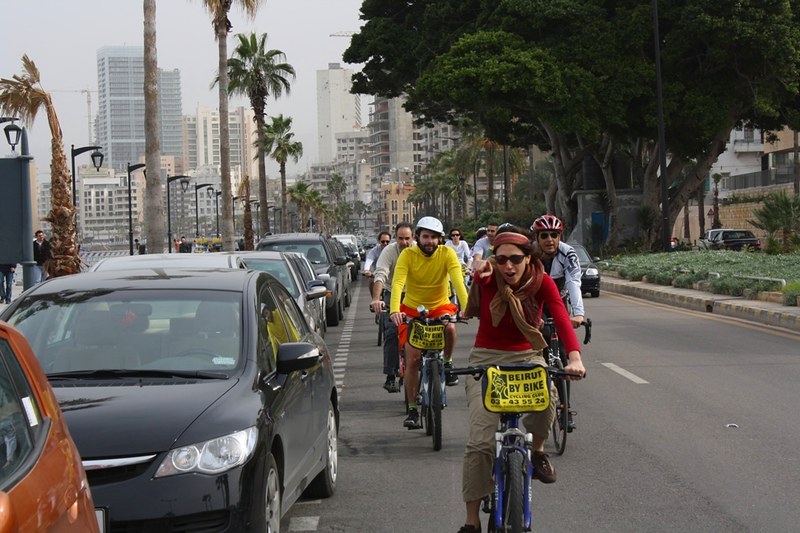 Levant startups are reimagining how innovation can emerge in crisis-prone economies. Despite widespread poverty and instability, entrepreneurs in Jordan, Lebanon, Syria, and Palestine are launching ventures that tackle problems in education, finance and basic services. These efforts are fostering grassroots economic resilience and drawing attention to a region long underestimated by global observers.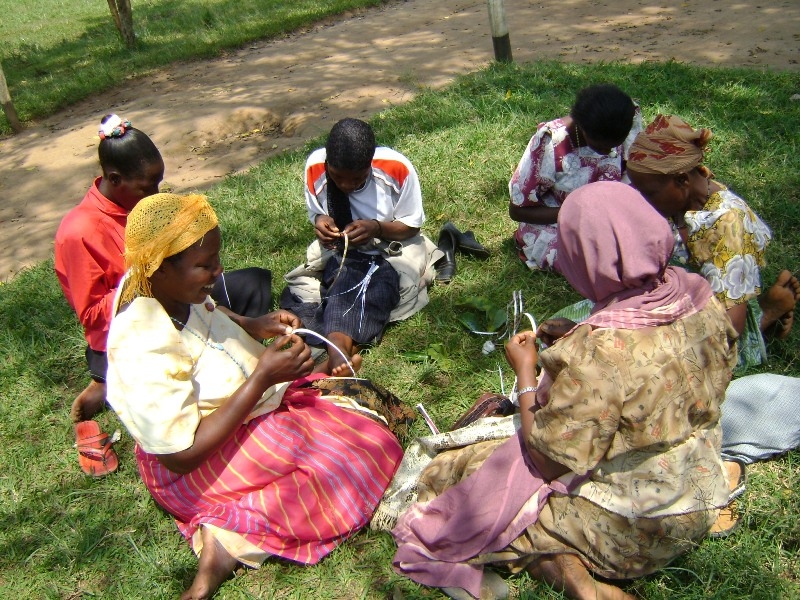
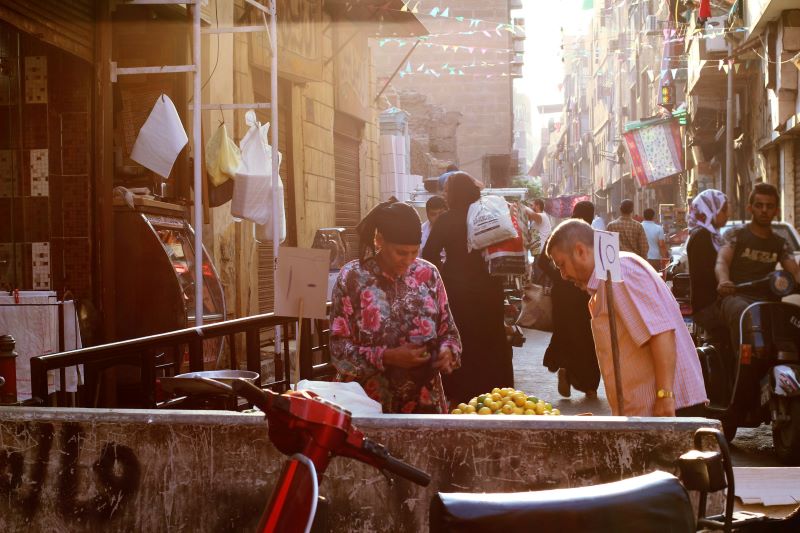 Microfinance in Egypt has been used to promote financial inclusion and empower low-income individuals, particularly women. It does so by providing them with access to small loans and financial services, allowing them to satisfy their household’s needs independently. This has been supported by both government initiatives and NGOs, helping to stimulate entrepreneurship and improve livelihoods in impoverished communities
