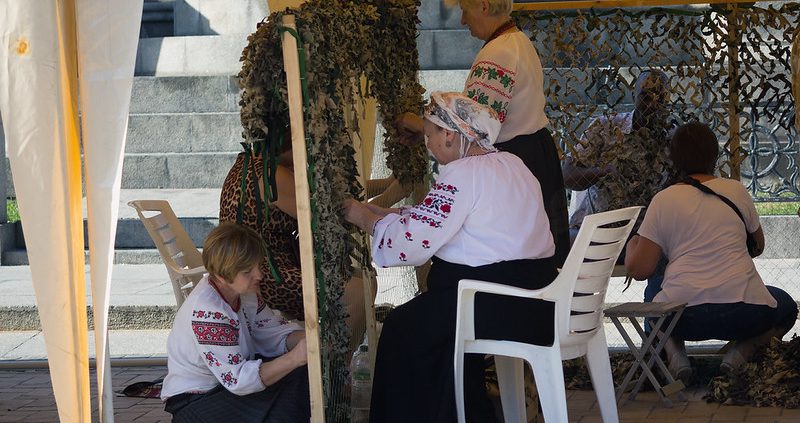
How Supporting Poverty Eradication Benefits Global BusinessWith more than 700 million people worldwide living in extreme poverty—defined as surviving on less than $1.90 per day—poverty remains a pressing issue that impacts both individuals and economies on a global scale. Businesses have a unique opportunity to contribute to poverty eradication while simultaneously achieving significant benefits, including brand loyalty, sustainable growth and stronger, more resilient supply chains. Supporting poverty eradication is not only a moral imperative but also a sound business strategy that aligns with long-term corporate sustainability goals.

The Business Case for Supporting Poverty Eradication

Poverty reduction creates economic opportunities that benefit businesses in various ways. As incomes rise, more people can potentially afford goods and services, directly expanding the consumer base for companies. For instance, when businesses invest in fair wages and decent working conditions, they build a more reliable, engaged and productive workforce. Supporting poverty eradication also cultivates a positive brand reputation.

Companies actively working to reduce poverty attract consumers who value corporate responsibility, as studies reveal, consumers increasingly favor businesses aligned with social impact initiatives. Moreover, poverty eradication promotes social stability, which is essential for a thriving global economy. Poverty often correlates with social unrest, political instability and migration issues, all of which can disrupt business operations and supply chains. 

Strategies for Businesses to Support Poverty Eradication

Businesses could support poverty eradication through strategic actions focused on fair labor practices, community development and sustainable supply chains. Here are three effective strategies:

  1. Ensure Decent Work Conditions. An effective way for companies to support poverty eradication is to ensure decent work conditions within their organizations and supply chains. Decent work, as defined by the International Labour Organization (ILO), includes fair wages, safe work environments and equal opportunities for all. A business that provides fair wages and adequate social protections enables its employees to achieve a higher standard of living, which lifts entire communities out of poverty.
  2. Adopt Sustainable Procurement Practices. Businesses have considerable influence as buyers, particularly in sectors that rely on extensive supply chains. By adopting sustainable procurement practices, companies can prevent poverty-related issues within their supply chains. For instance, businesses can conduct human rights due diligence to identify potential poverty risks, such as child labor or exploitative wages and address them directly. Sustainable procurement also includes sourcing materials from ethical suppliers and prioritizing fair trade partners, which strengthens global supply chains and reduces poverty.
  3. Invest in Community Development and Education. Investing in community development programs and education can create lasting social and economic benefits. Companies that contribute to local infrastructure, health or educational initiatives improve the overall well-being of the communities where they operate. Programs that provide skills training and resources for entrepreneurship empower individuals to generate income and establish local businesses, creating a multiplier effect that stimulates the economy and alleviates poverty.

The Global Impact

The global impact of business support for poverty eradication extends far beyond individual companies or communities. When businesses commit to poverty eradication, they contribute to several Sustainable Development Goals (SDGs), including SDG 1: No Poverty. Such commitments promote economic inclusivity, gender equality and environmental sustainability, which are essential for a balanced global economy. As businesses align with the SDGs, they drive sustainable development and support the vision of a world where no one is left behind.

Supporting poverty eradication is also critical in addressing urgent global challenges such as climate change and migration. Poverty often forces people to rely on environmentally harmful practices like deforestation and overfishing, which exacerbate climate change. Additionally, poverty-driven migration can strain resources in neighboring regions, creating humanitarian crises. By helping eradicate poverty, businesses play a role in mitigating these interconnected issues, making a significant contribution to global stability and resilience.

A Sustainable Future Built on Poverty Eradication

Supporting poverty eradication is good for business and it fosters a sustainable future where companies, communities and economies can potentially thrive. Businesses that prioritize fair labor practices, ethical sourcing and community development enhance their reputation and build a loyal consumer base while contributing to global stability. By embracing these strategies, companies play a crucial role in creating an equitable world, ensuring a positive legacy that supports economic and social progress for generations to come.

– Olivia Barker

Olivia is based in Guildford, Surrey, UK and focuses on Business and New Markets for The Borgen Project.

Photo: Flickr
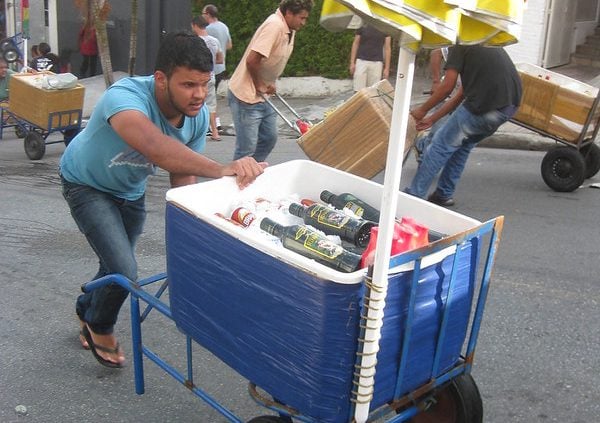
Women’s Business Centres: Supporting Rural African Women EntrepreneursIn rural Africa, the poverty rate stands at 17.2%, more than triple the urban rate of 5.3%, according to the United Nations (U.N.). More than half of Africa’s women reside in rural areas and “significantly contribute to Africa’s agriculture and rural enterprises, fueling local and global economies,” as reported by the U.N. Rural African women encounter more challenges than men in agriculture, including issues related to resource control, access to financing and ownership of livestock and land. Self Help Africa’s (SHA) Rural Women Empowerment (RWE) project is actively working to address these challenges by establishing Women’s Business Centres, thereby investing in efforts to alleviate poverty in rural Africa.

The Return on Investing in African Women

According to the U.N., research indicates that when women work globally, they typically reinvest up to 90% of their earnings into their families’ and communities’ health, nutrition and education, compared to men who reinvest up to 40% of theirs. More than half of Africa’s women reside in rural areas, where they play a “key role” in enhancing the livelihoods of their households and communities, the U.N. notes. Thus, investing in gender equality and expanding opportunities for rural African women directly contributes to the development and alleviation of poverty in rural Africa.

Launch of SHA’s Rural Women Empowerment Project

SHA, an international development organization based in Dublin, Ireland, launched its RWE project in early 2023. This five-year strategy aims to alleviate poverty, social inequality and hunger through community-led, market-based and enterprise-focused approaches, according to its website. The RWE project represents the second phase of an initial effort titled “Scaling Rural Women Entrepreneurs for Community-Led Digital Adaptation and Resilience in Africa,” which concluded in December 2023. The German Agency for International Cooperation (GIZ) funds the project.

Expansion and Impact of Women’s Business Centers

The project now focuses on empowering rural African women entrepreneurs by providing support in financial literacy, digital learning, product market development and more. It works closely with women entrepreneurs to connect them with new opportunities in fields like agriculture and nutrition while integrating their existing business practices. By establishing Women’s Business Centres (WBC), the RWE initiative helps women enhance their innovation skills and build economic independence and digital capabilities.

The WBCs provide startup support and train rural African women on digital business strategies and social media marketing. They also provide networking communities for women entrepreneurs and those planning to launch new businesses. The centers serve as both business incubators and vibrant communities where women business owners can connect and learn about nutrition, health care, finances, savings and more. The WBCs are “transforming lives, not just for the women involved, but for their families and communities at large,” states SHA’s website.

Successful Outcomes Across Kenya, Nigeria and Malawi

Since June 2023, the RWE project has supported almost 2,000 rural African women entrepreneurs in Kenya, Nigeria and Malawi and has established 90 WBCs in the three countries. In Kenya and Malawi, the RWE and WBCs share the same goals. Through the project, 13,600 women in Malawi and 4,000 women in Kenya have accessed information, services and resources related to nutrition and digital literacy.

At WBCs in Nigeria, women are trained to produce and market “Tom Brown” — a traditional Nigerian food supplement made from locally sourced produce such as soya beans, corn, groundnuts and millet. The supplement has a high nutritional content — it supports weight gain, prevents malnutrition and is particularly beneficial for babies, children and breastfeeding women. It is commonly eaten as porridge for breakfast. More than 400 Nigerian women have been trained to prepare Tom Brown with locally produced ingredients across 20 WBCs in Nigeria.

“Due to the training I received here, I know how to talk to the customers and draw their attention to the goods that I have. It can boost your energy and appetite for food, especially for people in hospital, it’s very good for them,” Bridget Beekombo, a producer, seller and consumer of Tom Brown, told SHA. By establishing WBCs in rural Africa, SHA’s RWE project is empowering women to shine as innovative leaders and entrepreneurs. The project is, in turn, investing in the poverty alleviation and economic and social development of Africa’s rural areas, placing rural African women at the helm.

Looking Ahead

Self Help Africa’s Rural Women Empowerment project actively supports rural African women by providing essential resources and training through Women’s Business Centres. These centers equip women with financial literacy, digital skills and market development strategies, fostering economic independence and innovation.

– Ahna Fleming

Ahna is based in Minneapolis, MN, USA and focuses on Good News and Politics for The Borgen Project.

Photo: Flickr

Microfinance: Firms Providing Small Loans to Fight PovertyMicrofinance provides small loans, savings, insurance and other financial services to underbanked individuals, families, entrepreneurs and small businesses that lack access to conventional financial sources. The 2023 Microfinance Social Performance Report by BNP Paribas reports that 156.1 million borrowers globally benefited from these services in 2022. Here are three companies that offer small loans to fight poverty, along with success stories of people who have used these loans to expand their businesses.

KIVA and Rachel’s Story

Kiva offers banking services to the international community, functioning similarly to a crowdfunding platform. As a lender, individuals can browse various projects globally and choose whom to lend to. In 2023, Kiva facilitated loans for more than 190,000 people, distributing more than $176 million with an impressive 96.2% repayment rate. Additionally, Kiva has partnered with Novica, an e-commerce platform that allows people in developing communities to sell their products internationally. This partnership has generated more than $130 million for individuals, enabling them to share their skills and products worldwide and drive tangible change.

Rachel, who grew up attending the Odwira Festival in Abiriw, Ghana, was captivated by the colorful garments and accessories celebrated during the harvest. Inspired, she learned to create similar items from a friend and began selling her wares. Although she experienced modest growth, Rachel sought to accelerate her business. Partnering with Kiva, she received $100 from four donors, which she used to buy raw materials, effectively doubling her production and profit. Rachel now employs others, imparts valuable skills and runs outreach programs that teach underprivileged youths how to make tie-dye and batik at no cost.

Micro-loan Foundation and Lydia’s Story

The Micro-loan Foundation has been empowering women in Malawi, Zambia and Zimbabwe since 2002 by providing business training and small loans. To date, it has assisted more than 450,000 women, enhancing food security, health care access and educational opportunities and boosting women’s roles in their communities. Lydia, a single mother of four and caregiver to her mother-in-law, turned her passion for baking into a sustainable business. With a micro-loan of 500 Kwacha (about $30), she invested in her bakery, quadrupling her daily bread production and significantly boosting her income. This increase allowed Lydia to reinvest in her business, repay her loan and improve her family’s living standards while contributing more to her community.

BRAC and Sharmin Akter

BRAC, originally an NGO in Bangladesh, has evolved to provide small loans aimed at alleviating poverty and promoting financial inclusion. Since 2023, BRAC has disbursed more than $6 billion in loans, mainly focusing on women, who constitute 90% of its beneficiaries. These ongoing efforts empower women and address the root causes of poverty, particularly in urban areas of Bangladesh.

Sharmin, who worked for a decade in a toy factory, acquired valuable skills that she leveraged to start her own business. Her high-quality toys quickly garnered demand, but she struggled to keep up with growth. Realizing the need for investment, Sharmin secured a $3,750 loan from BRAC to purchase 12 new sewing machines. This capital infusion allowed her to expand production by hiring staff and increasing output. At the moment, Sharmin’s business is one of the largest soft toy manufacturers in South-West Dhaka.

Looking Ahead

Small loans continue to play a crucial role in the fight against poverty and economic empowerment worldwide. Success stories like those of Rachel, Lydia and Sharmin highlight the transformative potential of these financial services. As microfinance institutions like Kiva, the Micro-loan Foundation and BRAC expand their reach, they can potentially create sustainable livelihoods and foster economic growth in underbanked regions.

– Philip Mundy

Philip is based in Bristol, UK and focuses on Good News for The Borgen Project.

Photo: Unsplash

The Transformative Impact of Trade on Economic Growth in IndiaIndia has transformed from a minor player to a formidable economic force in the global market over seven decades. The country’s trade journey reflects resilience, strategic foresight and transformative policy shifts. Starting with a modest trade volume in 1950, foreign trade in India has surged to about $776 billion in recent years.

Evolution of India’s Trade Policy

After gaining independence in 1947, India implemented a protectionist trade policy to foster domestic production and self-reliance, heavily regulating industries and maintaining high import barriers. This strategy emerged from India’s colonial history and its pursuit of economic independence. By 1948, India’s merchandise exports exceeded $1 billion, dominated by jute, cotton, oil seeds and tea, while imports focused on food grains and basic consumption goods. From the 1950s to the late 1980s, India operated under the ‘licence raj’ system, which required businesses to secure permits and adhere to production quotas. By the 1980s, the drawbacks of this model became evident, as the economy grew at a mere annual average GDP rate of 3.6% and the trade deficit widened significantly.

Shift Toward Economic Liberalization

In 1991, facing a severe balance of payments crisis, India dismantled the licence raj, liberalized trade and shifted toward a market-oriented economy. This change opened India to global trade and investment, sparking rapid growth in the services sector, especially information technology. In 1999, a World Trade Organization ruling required India to remove remaining import restrictions on consumer goods, further enhancing trade and economic efficiency. These reforms contributed to accelerated economic growth and significantly reduced poverty.

Impact of Recent Policies

The Foreign Trade Policy (FTP) of 2004-09 launched initiatives to support economic sectors, introducing the Vishesh Krishi Upaj Yojana for agricultural exports and the SEZ Act of 2005 to boost exports. However, the 2008 financial crisis significantly impacted global trade, leading to a decline in India’s exports. In response, the 2009-2014 FTP aimed to diversify exports to stabilize and reverse the downturn. Despite becoming the world’s fifth-largest economy in 2019, India recently adopted a more protectionist stance with initiatives like Atmanirbhar Bharat (Self-Reliant India) to reduce the trade deficit and promote domestic industries, while still seeking to attract foreign direct investment and integrate into global value chains.

Looking Ahead

Trade has significantly boosted India’s GDP growth, job creation and poverty reduction, yet challenges persist. The trade deficit, intense global market competition and the need for infrastructure improvements continue to be prominent issues. Moreover, bureaucratic red tape hampers economic progress and the COVID-19 pandemic has intensified these ongoing challenges. Despite these obstacles, India remains committed to trade reform and economic liberalization, promising sustainable development and inclusive growth across all societal segments.

– Sandeep Kaur

Sandeep is based in Manchester, UK and focuses on Business and New Markets for The Borgen Project.

Photo: Flickr

Social Enterprises in ColumbiaColombia is witnessing a transformative wave of social enterprises addressing pressing social issues while generating employment and reducing poverty. These innovative businesses are tackling critical challenges such as waste management, economic inclusion and sustainable agriculture, all while creating jobs and improving the quality of life for many Colombians. 

Tackling Waste with Innovation

Conceptos Plásticos is a leading example of innovation in waste management and housing solutions. This enterprise transforms plastic waste into building materials for affordable housing. In 2018, Colombia produced approximately 14 million tons of municipal waste daily and only 17% is recycled. Conceptos Plásticos reduces plastic pollution, creates jobs and provides sustainable housing solutions for low-income families. The company has already built more than 1,500 homes using recycled plastic. By converting plastic waste into a valuable resource, Conceptos Plásticos significantly impacts both environmental sustainability and social welfare.

Promoting Economic Inclusion

Fundación Capital is another notable enterprise making strides in Colombia. This organization focuses on economic inclusion by offering financial education and digital tools to low-income individuals. In Colombia, approximately 30% of the population lives below the poverty line. Fundación Capital’s initiatives help individuals manage their finances and improve their livelihoods. The organization has reached more than six million people across Latin America with its programs. By empowering people with the knowledge and tools to achieve financial stability, Fundación Capital plays a crucial role in reducing poverty and promoting economic growth. The initiative highlights the importance of financial literacy in achieving long-term economic sustainability.

Advancing Sustainable Agriculture

SiembraViva, a Colombian social enterprise, addresses environmental sustainability and agricultural innovation. Agriculture accounts for about 6.3% of Colombia’s GDP, with many small farmers struggling to maintain sustainable practices. SiembraViva supports small farmers by providing technology and promoting sustainable farming practices. These ongoing efforts improve crop yields and reduce the environmental impact of agriculture. The enterprise has supported more than 1,000 farmers, reducing waste from 30% to 5% and guaranteeing farmers an income. By focusing on sustainable methods, SiembraViva helps ensure that farming practices contribute to long-term ecological health.

The Broader Impact

These social enterprises in Colombia illustrate the powerful role of entrepreneurship in driving social good. By tackling critical issues such as waste management, economic inclusion and sustainable agriculture, these social enterprises are creating jobs and improving the quality of life for many Colombians. Colombia’s unemployment rate, which stood at 11.3% in 2024, underscores the need for job creation initiatives. The innovative solutions provided by Conceptos Plásticos, Fundación Capital and SiembraViva demonstrate the potential of social enterprises to transform economies and uplift communities. As Colombia continues to support and nurture these initiatives, the positive impact on society is expected to grow, contributing to a more sustainable and inclusive future.

– Chelsea Rasool

Chelsea is based in Stirling, Scotland and focuses on Technology and Solutions for The Borgen Project.

Photo: Flickr

The Mattei Plan: Italy's Billion-Dollar Investment Plan in AfricaItalian Prime Minister Georgia Meloni announced the Mattei Plan during the Italy-Africa summit in 2024—a billion-dollar investment initiative aimed at transforming Italy’s foreign aid policy, generating significant profits for Italy and effecting real change in Africa. The Mattei Plan aims to reduce immigration by improving living conditions in the countries from which many immigrants originate and by curbing the spread of radical Islamism in sub-Saharan Africa. The pilot project will launch in nine countries: Algeria, Côte d’Ivoire, Egypt, Ethiopia, Kenya, Morocco, Mozambique, the Republic of Congo and Tunisia, with an initial investment of €5.5 billion.

The pillars of the program

The Mattei Plan has six focus areas to guide its efforts:

  1. Education and Training. This pillar emphasizes improving educational systems by providing teacher training, refreshing curricula and launching new vocational courses that meet labor market demands. It encourages collaboration with businesses, particularly Italian ones and draws inspiration from Italy’s successful small and medium-sized enterprise model.
  2. Agriculture. The focus here is on reducing malnutrition, fostering agricultural value chains and supporting the development of sustainable biofuels. Key initiatives include promoting family farming, preserving forests and addressing climate change through comprehensive agricultural strategies.
  3. Health. This focus area aims to enhance health services by improving access to quality care for mothers and children. It seeks to build local capacities in health care management, training and research and to implement measures to prevent and manage health crises such as pandemics and natural disasters.
  4. Energy. The goal of this strategic pillar is to transform Italy into an energy gateway between Europe and Africa. Efforts will concentrate on the climate-energy connection, promoting energy efficiency and renewable energy. The plan includes accelerating the shift to renewable electricity, improving energy infrastructure and fostering local energy technology innovation through the establishment of innovation centers.
  5. Water. Initiatives under this pillar include drilling solar-powered wells, maintaining existing water sources, investing in water distribution networks and educating communities about the importance of clean drinking water.
  6. Infrastructure. This pillar supports all other areas by developing both physical and digital infrastructure, ensuring the effective implementation of the plan’s various initiatives.

Collaboration is key

This project will be implemented through a collaboration involving various stakeholders from the Italian government—including multiple Ministries and the Italian Export Credit Agency—as well as from the private and civil society sectors. A notable aspect of the Mattei Plan, which has garnered praise, is its inclusive approach; unlike previous initiatives, it will not be enacted unilaterally from the top down. Instead, African leaders will play an active role in executing the programs, with partners jointly designing key goals and targets.

Evidence of this collaborative approach was visible when 21 African Heads of State and Governments attended the summit where the plan was announced. Additionally, the presence of European Union President Ursula von der Leyen highlighted significant European interest in this innovative, collaborative investment approach in Africa. This integrated approach can deliver short-term goals but also identify areas in which other already existing programs can come in and improve. This comprehensive, cooperative format of the Mattei Plan is original and can change the structure of Italy’s international partnerships. 

Benefits for Europe

Italy stands to gain significantly from the Mattei Plan, especially through its “Energy” pillar. Italy aims to become a key energy supplier to Africa, with the state-owned oil and gas company ENI, already a major player in Africa, expecting high returns from the plan. The plan is named in honor of ENI’s founder, Enrico Mattei. Additionally, water services management company ACEA and oil company ENEL are exploring opportunities in Africa related to the environment and energy sectors.

During another meeting involving stakeholders of the Mattei Plan, African Development Bank director Dr. Akinwumi Adesina highlighted the benefits of Italy’s investment in Africa. The continent is home to six of the 10 fastest-growing economies and has the fastest-growing middle class. It also has the highest concentration of the global population under 35 years old, with 75% of the continent’s population below that age.

Looking Ahead

The Mattei Plan, with its €5.5 billion initial investment, aims to transform Italy’s foreign aid policy and foster significant economic and social development in nine African countries. By focusing on key areas such as education, agriculture, health, energy, water and infrastructure, the plan seeks to improve living conditions and reduce migration pressures. Collaborative efforts involving African leaders, European stakeholders and Italian businesses underscore a new model for international partnerships, poised to benefit both Africa and Italy.

– Clara Tripodi

Clara is based in Salvador, Brazil and focuses on Business and New Markets for The Borgen Project.

Photo: Flickr

Mali's Sugu Yiriwa Market In 2022, Mali experienced an increase in its poverty rate from 44.6% to 45.4%, with an additional 1.3 million people requiring humanitarian aid, 20% of schools closed and 2.5 million individuals without health coverage. To combat these ongoing challenges, the Feed the Future initiative launched the Sugu Yiriwa Market in Mali, designed to stimulate economic growth and support disadvantaged communities.

Sugu Yiriwa Market

The Sugu Yiriwa Market, launched in 2021 with CARE Mali and other organizations, serves 12 districts across 80 communities. This initiative focuses on three primary objectives: enhancing the quality of products, boosting income and expanding access to nutrient-rich goods. The market aims to foster a network of interconnected markets and businesses to ensure a more reliable supply of quality, necessary products and to enhance overall market access for the community.

The Sugu Yiriwa Market introduces quality products that provide essential nutrition to communities traditionally lacking access to such resources. This availability is crucial for addressing malnutrition and ensuring safer consumption options. The market also supports local farmers by offering efficient production methods and introducing new technologies that assist with pricing and weather forecasting. Additionally, these technology advancements aim to reduce post-harvest labor and enhance overall agricultural productivity.

Its Impacts

In 2023, the Sugu Yiriwa Market achieved $20 million in total annual sales, with women comprising about half of its participants, aligning with the market’s focus on empowering this demographic. The market also targeted children’s nutritional needs, successfully delivering interventions to more than 2,000 children that year. Additionally, more than 100 traders and suppliers received training in sustainable agricultural practices, enhancing food security and boosting sales.

Mali businessman, Sidiki Badian, who profits from cereal and grains, navigated a crisis when the Mali government banned cereal exports, leaving him with surplus stock. Through the Sugu Yiriwa Market, Badian engaged with ministers to facilitate a government purchase of his remaining millet. This support mechanism has bolstered local farmers and businessmen like Badian, enhancing their revenue and providing essential economic support.

Looking Ahead

The Sugu Yiriwa Market has become a vital part of Mali’s efforts to combat poverty and malnutrition. The initiative plans to expand its reach, incorporating more advanced agricultural techniques and supporting additional communities. Efforts could focus on creating more training programs for farmers and traders, to ensure sustainable growth and stability. Through ongoing initiatives, Mali can potentially make strides in improving food security and supporting local economies amid ongoing challenges.

– Dorothy Howard

Dorothy is based in Greensboro, NC, USA and focuses on Business and New Markets for The Borgen Project.

Photo: Flickr

BPO Industry Lifts Philippine Population from PovertyIn recent years, the Philippines has experienced an economic resurgence, a significant shift from its prolonged economic struggles post-World War II. Historically, since the 1960s, a series of political regimes contributed to bleak economic prospects. Economic disparity widened significantly, with the rich getting richer and the poor facing increasing desperation. This disparity stemmed largely from an agrarian economy in which farmers, who did not own their lands, had to pay exorbitant rents to landowners. The introduction of the Business Process Outsourcing (BPO) industry has played a crucial role in altering this economic landscape.

The Feudal Legacy

The Philippines, often labeled a democracy, functioned more like a feudalistic society where the landed gentry controlled the economy and its tenants. This structure left the majority of the population either farming or working menial jobs, with minimal economic prospects and limited to earning only minimum wage. However, the early 2000s marked a significant shift when the Philippines opened its borders to international companies seeking a more affordable workforce.

The BPO Industry’s Impact

A significant challenge in the Philippines has been the scarcity of stable jobs, with many Filipinos reporting unstable job statuses or complete unemployment. However, the advent of the BPO industry has markedly reduced the unemployment rate. This industry has not only provided jobless individuals with new employment opportunities but also enhanced the purchasing power of the overall population.

International Career Opportunities

Before the proliferation of BPO companies in the Philippines, opportunities for Filipinos to work for international firms were limited, often requiring them to become overseas foreign workers to earn higher wages. BPO companies have changed this dynamic by providing Filipinos the opportunity to earn international wages without leaving the country. Additionally, these companies offer career paths with global firms, allowing employees to advance professionally within their home country.

Economic Revitalization

According to the World Bank, traditionally, only the upper and middle classes could afford a college education, limiting access to more lucrative jobs to a small segment of society. However, the emergence of BPO companies has transformed employment opportunities. The Philippines, known for its high percentage of English speakers, has become an ideal location for BPO operations. These companies typically do not require college degrees, instead prioritizing proficiency in English and basic computer skills. This shift has allowed a broader segment of the population, already literate and motivated, to secure employment, support their families and contribute effectively to their employers, thus expanding economic opportunities beyond the traditionally educated elite.

Before the BPO boom, a substantial portion of the population possessed minimal buying power, with many families reliant on a single source of low income. The introduction of BPO jobs provided higher wages, enhancing the economic strength of individual households. This increase in income allowed families to spend, invest and save more, stimulating demand for products and services and invigorating the national economy.

Looking Ahead

The rise of the BPO industry looks set to alter the economic landscape in the Philippines, providing stable employment opportunities and lifting many out of poverty. This shift could not only improve wages but also facilitate broader access to international careers without requiring emigration. The continued growth of the BPO sector offers a path toward sustained economic development, enhancing the quality of life for countless Filipinos and strengthening the nation’s overall economic resilience.

– Neil Misola

Neil is based in Kitchener, Ontario, Canada and focuses on Global Health and Politics for The Borgen Project.

Photo: Pexels