• Link to X
  • Link to Facebook
  • Link to Instagram
  • Link to TikTok
  • Link to Youtube
  • About
    • About Us
      • President
      • Board of Directors
      • Board of Advisors
      • Financials
      • Our Methodology
      • Success Tracker
      • Contact
  • Act Now
    • 30 Ways to Help
      • Email Congress
      • Call Congress
      • Volunteer
      • Courses & Certificates
      • Be a Donor
    • Internships
      • In-Office Internships
      • Remote Internships
    • Legislation
      • Politics 101
  • The Blog
  • The Podcast
  • Magazine
  • Donate
  • Click to open the search input field Click to open the search input field Search
  • Menu Menu

Archive for category: Agriculture

Agriculture, environment, Global Poverty

South-East Ladies Agro Collective: Making a Difference

South-East Ladies Agro CollectiveMauritius is still recovering from a 2020 oil spill in the Indian Ocean, an accident that has been disastrous for its environment and economy. However, some of its citizens are finding creative ways to help with recovery. A group of women has banded together to create a community of farmers to help feed their families.

This is how South-East Ladies Agro Collective was formed and how it exemplifies the importance of community action in politics.

The MV Wakashio Oil Spill

In 2020, the MV Wakashi, a ship owned by Nagashiki Shipping in Japan, ran aground near the village of Mahebourg in Mauritius. The BBC estimates that 1,000 metric tonnes of oil leaked from the ship and contaminated the nearby waters. Five years later, cleanup is still ongoing.

The oil spill has had various negative effects on Mauritius, most notably on its environment. Mauritius has an extremely diverse and unique ecosystem. According to the BBC, the ocean around Mauritius is one of the most biodiverse places on the planet. This spill has placed this fragile ecosystem in permanent jeopardy.

As the fate of Mauritius’ environment hangs in the balance, the government is left to determine what other issues have arisen from this disaster.

Farming to the Rescue

While environmental concerns are the highest priority, there are several other effects that Mauritius needs to address in the wake of the spill. The spill has also caused significant damage to the local economy, which relies heavily on fishing. With the ocean near Mauritius still heavily tainted by oil, local fishermen cannot fulfill their livelihood. With so many people out of work, the economy was stagnant and many families could not afford basic needs.

The South-East Ladies Agro Collective was founded in Mahébourg, Mauritius, by resident Sandy Monrose to combat this issue. After initially helping with clean-up efforts in the immediate aftermath of the oil spill, she began considering other ways to help her community recover. She requested a land grant from a local farming company, Ferney Ltd. Then she began speaking with other local women to see if they were interested in farming.

As the name implies, the South-East Ladies Agro Collective is primarily composed of women. Its goal is to help feed their village while income remains limited. Beyond farming, the collective also teaches residents the basics of agriculture. Active for about a year and thanks to the hard work of Monrose and her team, it has been a massive success. The group currently has 10 members who can feed their families and grow enough to sell their products on the side.

What Can We Learn?

Mauritius’ example shows us how essential community organizing is to making a better world and how much of a difference one person can make. Monrose saw a problem and instead of despairing, came up with a unique and innovative solution to her community’s issues and even got her fellow citizens involved.

The rise of South-East Ladies Agro also demonstrates how interconnected political issues can be. Farming and oil spill cleanup may seem unrelated, but Monrose’s example shows how one can directly affect the other. This is why out-of-the-box thinking is essential for political action. Activists can easily miss less obvious issues like this if they cannot conceive of unique angles of political issues.

Mauritius is still struggling with the aftermath of the MV Wakashio oil spill. However, every little bit helps and organizations like South-East Ladies Agro are a positive step toward community political engagement. With more efforts like this and more collaboration between citizens and their government, lasting changes can be made not just in Mauritius, but worldwide.

– Thaddeus Konieczny

Thaddeus is based in Williamston, MI, USA and focuses on Good News and Politics for The Borgen Project.

Photo: Flickr

October 1, 2025
https://borgenproject.org/wp-content/uploads/borgen-project-logo.svg 0 0 Lynsey 2 https://borgenproject.org/wp-content/uploads/borgen-project-logo.svg Lynsey 22025-10-01 01:30:092025-10-01 01:01:32South-East Ladies Agro Collective: Making a Difference
Agriculture, Global Poverty

Safeguarding Livelihoods: Kashmir’s Farmers

Kashmir's FarmersRolling hills, glittering lakes and powerful gusts of wind come to mind when one thinks of Kashmir, a region in India. Its natural beauty is the region’s crowning feature and greatest strength. Yet this beauty comes at a price. The same mountains that captivate the mind also dictate the region’s economy. Each year, when heavy snow sets in, the weather turns unpredictable or rainfall and temperature swing wildly, Kashmir’s charm remains undiminished; sometimes even enhanced.

However, the impact on livelihoods is severe. Crop yields, especially prized produce like apples, walnuts and saffron, along with tourism and traditional industries such as pashmina wool, kani shawls, wood carving and copperware, all suffer under the weight of nature’s whims.

The frigid winter affects Kashmir both through increased mortality and direct exposure to harsh climatic conditions, as well as through the toll on the region’s predominant trades. In response, the Indian government has introduced several schemes and measures to ease the hardships for Kashmir’s farmers, these wuthering winters bring. Highlighted below are some initiatives that have shown considerable results.

Pradhan Mantri Fasal Bima Yojana (PMFBY)

The Indian government introduced this scheme to address fears of declining paddy cultivation and provide holistic crop risk coverage. It offers protection to farmers through an automated system that activates when they apply for Kisan Credit Card loans. In the event of natural calamities, the scheme functions as an insurance mechanism, compensating farmers who lose crops to hailstorms, floods and other disasters.

Holistic Agriculture Development Program (HADP)

The Government of Jammu and Kashmir launched the HADP as a flagship initiative. It supports farmers’ shift from traditional apple orchards to high-density horticulture, which promises greater security and higher yields in harsh climatic conditions.

Mission for Integrated Development of Horticulture (MIDH)

Under this scheme, the Agriculture Department of Kashmir provides greenhouses with a 50% subsidy. This has proven to be a considerable boon, giving farmers the opportunity to sow and harvest crops in a controlled environment. It also ensures a steady supply of produce and a safety net for the people of Kashmir.

Mission on Agricultural Mechanization (SMAM)

Similar to the MIDH, this scheme provides artisans and farmers with subsidies galore on machinery and equipment. This empowers the agriculturalists by reducing the labouriousness of traditional farming, thus making any possible losses less futile compared to the yield of crops like apples, saffron and more.

Weather-Based Crop Insurance Scheme (WBCIS)

This insurance scheme is tailored to safeguard agricultural yields affected by adverse weather. It serves as a layer of security for the financial interests of farmers and other workers, such as artisans, tradespeople, artisans, boatmen and animal herders.

Final Remarks

Though the forces of weather remain beyond human control, the schemes outlined above make it easier for communities to withstand and adapt to their impact. They stand as a testament to the resilience of Kashmir’s farmers and ability to innovate in the face of adversity.

– Ruhani Rahul

Ruhani is based in Leander, TX, USA and focuses on Technology and Solutions for The Borgen Project.

Photo: Flickr

September 26, 2025
https://borgenproject.org/wp-content/uploads/borgen-project-logo.svg 0 0 Lynsey 2 https://borgenproject.org/wp-content/uploads/borgen-project-logo.svg Lynsey 22025-09-26 03:00:592025-09-26 05:01:03Safeguarding Livelihoods: Kashmir’s Farmers
Agriculture, Global Poverty

China’s Investment in Rwanda and its Agricultural Future

China’s Investment in RwandaRwanda is a small, landlocked country in Eastern Africa that faces significant socioeconomic challenges. According to the World Bank, 63.8% of its 14 million citizens live in poverty. One of the most pressing issues is food insecurity, which affects communities across the country. Government data shows that 20.6% of the population does not have reliable access to adequate nutrition. China’s recent investment in Rwanda could change the dire situation of food insecurity in the country.

Malnutrition

Malnutrition occurs when a person does not receive the nutrients their body needs, either due to insufficient food intake or a lack of essential vitamins and minerals. It can lead to stunted growth in children, weakened immune systems, increased risk of disease and, in severe cases, death. Malnutrition is especially dangerous for pregnant women and young children, as it can cause irreversible developmental problems.

According to the World Health Organization (WHO), Rwanda’s average life expectancy is 67.5 years. This is nearly 10 years shorter than in the United States, which is at 76.4 years and 17 years less than in Japan, where life expectancy reaches 84.5 years, one of the highest in the world. Studies show a strong link between improved nutrition and increased life expectancy, suggesting that access to adequate nutrition could significantly improve health outcomes in Rwanda.

Rwanda has naturally fertile land due to its nutrient-rich volcanic soil, and more than half of its territory is classified as arable. Despite this agricultural potential, the country still depends heavily on food imports, with food products making up more than 20% of total imports. This dependency contributes to high food costs and limited access to nutritious food, especially in rural areas. To reduce food insecurity and malnutrition, Rwanda must better utilize its land by expanding agricultural infrastructure and supporting local farmers.

China’s Involvement

In January 2025, Rwanda and China signed a $40 million agreement to finance the Giseke Dam and Irrigation Project in the Gisagara District. This project is a recent example of China’s investment in Rwanda and its growing role in supporting development across key sectors. Designed to irrigate 2,640 hectares of farmland, the project could provide consistent water access for agriculture, enabling farmers to produce food year-round and improve crop variety.

More than 900 farming households could benefit directly from the project, while local markets could see increased food supply and affordability. The resulting growth in agricultural productivity is expected to help stabilize food availability, improve nutrition, and lift communities out of poverty. China’s investment in Rwanda not only supports food security but also strengthens local economies by enhancing self-sufficiency.

This initiative aligns with Rwanda’s Second National Strategy for Transformation (NST2), which prioritizes sustainable agriculture and climate resilience. Funded through a concessional loan, the Giseke project reflects China’s investment in Rwanda as part of a broader partnership aimed at long-term, mutually beneficial development.

Rwanda’s struggle with malnutrition is tied to poverty and underused agricultural potential. Projects like the Giseke Dam, supported by China, show how investment in local farming can improve food security, boost nutrition, and support long-term development.

– William Brentani

William is based in San Francisco, CA, USA and focuses on Politics for The Borgen Project.

Photo: Flickr

September 23, 2025
https://borgenproject.org/wp-content/uploads/borgen-project-logo.svg 0 0 Naida Jahic https://borgenproject.org/wp-content/uploads/borgen-project-logo.svg Naida Jahic2025-09-23 01:30:312025-09-24 05:48:18China’s Investment in Rwanda and its Agricultural Future
Agriculture, Global Poverty, Women

Eco-Friendly Agricultural Innovations Led by Women in Kenya

Women in KenyaIn 2018, a group of women in Kenya formed the Habsa Women’s Group to combat the effects of climate instability and food insecurity in their community. In the small town of Malkadaka, the effects of unstable climatic conditions have been disastrous. Droughts and floods kill livestock and crops, making multiple families have limited access to food and suffer from malnutrition and hunger. Innovations led by women in Kenya aimed to make food more accessible by improving their farming tactics with new agricultural innovations. 

Assistance From Action Against Hunger

The group partnered with Action Against Hunger to achieve its goal of creating a more sustainable agricultural system. The women began by learning the basics of crop cultivation, starting with corn and later expanded to onions and kale. Their progress faced numerous obstacles, including limited access to farming equipment and funds, as well as recurring droughts and infestations, all of which made achieving success significantly more challenging.

With the assistance of Action Against Hunger, the organization provided training on maintaining crops, pest management, rotational farming and drought-resistant seeds. It focused on eco-friendly strategies like intercropping, sunken garden beds and innovations in building a solar-powered water pump to help increase water retention during severe weather conditions. A fence was constructed to keep unwanted pests out of the crops.

Growing Success

Thanks to the hard work of these women in Kenya and with support from Action Against Hunger, the harvest successfully produced tomatoes, onions, sweet potatoes, hot peppers, kale and more. The Habsa Women’s Group earned a profit of approximately $463. This profit allowed the group to invest in improved farming tools and enhance its members’ livelihoods.

Women in Kenya often face restrictive gender roles that limit their income opportunities. Through this project, they helped reduce food insecurity and challenged these norms. Action Against Hunger further supported the Habsa Women’s Group, empowering the women to teach others about farming and nutrition.

The Village Savings and Loan Association

Action Against Hunger established the Village Savings and Loan Association (VSLA), providing women with financial literacy training and encouraging independence. With new confidence and knowledge, they learned to manage earnings, plan for the future and strengthen their community’s economic foundation.

Participating in financial decision-making enables women to earn more. It ensures most of their income supports their families, improving overall health and well-being. Building on the success of the innovations led by women in Kenya and the Habsa Women’s Group, Action Against Hunger is expanding support to nearby communities, connecting them to additional markets in Isiolo County to increase income and business reach.

The organization also aims to boost crop yields, raise profits and enable more sustainable livelihoods for women and their families.

Looking Ahead

The success of the Habsa Women’s Group shows the great potential of eco-friendly alternatives in agriculture. It seems promising that the group will continue to grow. The use of climate-smart technology will continue to spread throughout Kenya, hopefully eventually ending the ongoing food insecurity crisis with nutritious food grown by local people in the community.

– Bowie Aldrich

Bowie is based in Syracuse, NY, USA and focuses on Good News and Global Health for The Borgen Project.

Photo: Unsplash

September 21, 2025
https://borgenproject.org/wp-content/uploads/borgen-project-logo.svg 0 0 Lynsey 2 https://borgenproject.org/wp-content/uploads/borgen-project-logo.svg Lynsey 22025-09-21 03:00:112025-09-21 02:44:37Eco-Friendly Agricultural Innovations Led by Women in Kenya
Agriculture, Global Poverty

Nano Ganesh: Remote Irrigation Empowering Farmers

nano ganeshThe agriculture sector forms the backbone of India’s economy. It employs 45.8% of the population, and the number continues to rise. Agriculture contributes 15% to India’s GDP. However, the grim reality lies in the rising number of farmer suicides. Farmers take their lives due to reasons ranging from debt crises to political and social pressures. People often call Indian agriculture the “gamble of monsoon” because it depends heavily on seasonal rains for a good harvest. With increasing dependence on monsoon rains and the lack of efficient irrigation technology, the National Crime Records Bureau reports that farmer suicides account for 11.2% of suicides in India. Sadly, the number continues to grow even today. It is extremely depressing that the number today continues to rise.

The Introduction of Nano Ganesh

Farmers in India rely on motor systems to irrigate their fields. However, these motors create serious challenges. Farmers face electricity interruptions, frequent trips to the fields at night or in scorching heat and even dangers such as snake and scorpion bites. To solve these problems, Ossian Agro Automation developed the revolutionary device Nano Ganesh.

Farmers attach the Nano Ganesh device to their existing starter, which allows them to control pump sets remotely. By dialling the number of their Nano Ganesh unit and entering a simple on/off code, farmers can switch the pump on or off. The system works with any existing electrical starter and motor pump, so farmers do not need to replace their current setup. For pumps with higher horsepower, the device integrates easily with protective systems.

A few key features of Nano Ganesh are mentioned below:

  1. The pump can be operated from any distance using a mobile phone or landline.
  2. A mobile network connection is required near the pump location.
  3. Users can check the availability of electricity at the pump site.
  4. The on/off status of the pump can be confirmed through an audio tone.
  5. Both automatic and remote operation modes are supported.
  6. The system includes memory to store on/off commands.

Changing the Lives of Indian Farmers

Santosh Ostwal’s innovation transformed the lives of 400,000 farmers through more than 50,000 installations. The device created a remarkable impact, especially in Maharashtra. Farmers started using their mobile phones to control water pumps, marking a major ICT breakthrough in the telecom sector during 2003–04. The device also created self-employment opportunities for more than 5,000 technicians. The initiative expanded into advanced GSM-based products designed to address challenges in village and urban drinking water supply, enhanced further with analytics and cloud-enabled features.

Earning Recognition

Over the years, Nano Ganesh and its creator, Santosh Ostwal, earned several prestigious international honours. Nokia named him the Grand Winner for emerging markets in its Innovation Competition (2009). GSMA, MWC, recognised Nano Ganesh among the top seven mobile applications worldwide for socio-economic impact. In California, USA (2011), he received the Tech Award Laureate. He also won the MBillionth South Asian Award (2012) and the FICCI-DST Lockheed Martin Award under the India Innovation Growth Program. The Katerva Award, USA, nominated him in the materials resources category.

Major national and international television networks such as DD1, ET NOW, Times Now, BBC, Japan TV, FRANCE 24, STAR PLUS and NDTV featured his work. Respected publications also chronicled Santosh’s entrepreneurial journey, including The Chicken Soup for the Soul series, The Economist (London), UNFAO, World Bank reports, Agriculture Robot (a high-value reference book), GIZ Germany, and USAID.

The Future

India now enters the early stages of Agriculture 4.0, a new era of farming powered by advanced technology in the fields. By 2025, farming will run on an integrated data-driven ecosystem. Tools like smart sensors, drones, satellite monitoring and AI-powered analytics will support farmers of every scale, from smallholders in villages to large agribusinesses. These tools will help farmers make better decisions, improve food security and build farming systems strong enough to withstand climate change.

As digital solutions spread across rural India, crop yields and productivity will rise. At the same time, sustainability will take centre stage, with digital carbon tracking, efficient resource use and transparent supply chains shaping the sector. Farmers will also gain empowerment through digital platforms, blockchain-based traceability and easier access to financial resources, helping bridge long-standing inequalities.

With continuous advances in IoT, AI and satellite technologies, Indian agriculture will face global challenges such as the changing climate, population growth and resource scarcity with greater confidence. The road ahead promises a farming sector that is smarter, greener and more inclusive, a truly data-driven transformation whose moment has already arrived.

– Chhahat Kaur Gandhi

Chhahat is based in New Delhi, India and focuses on Business and New Markets for The Borgen Project.

Photo: Flickr

September 21, 2025
https://borgenproject.org/wp-content/uploads/borgen-project-logo.svg 0 0 Naida Jahic https://borgenproject.org/wp-content/uploads/borgen-project-logo.svg Naida Jahic2025-09-21 01:30:562025-09-21 02:29:01Nano Ganesh: Remote Irrigation Empowering Farmers
Agriculture, environment, Global Poverty

Female Farmers in Bangladesh

Farmers in BangladeshBangladesh is on the frontline of the climate crisis, with rising seas, stronger cyclones and frequent floods threatening lives and livelihoods, especially along its low-lying coast. Rapid urbanization and economic growth add further pressure to vulnerable communities.

Yet, amid these challenges, stories of resilience shine through. Women like Koruna and Asma lead climate-smart farming and sustainable honey production. They prove innovative, eco-friendly livelihoods can protect the environment, support families and strengthen communities against adverse climate.

Bangladesh’s Climate Crisis

The coast of Bangladesh is particularly vulnerable to the impacts of extreme weather events, such as rising sea levels, which pose a significant threat to the nation’s development. These risks are intensified by natural disasters like the recent widespread floods, which continue to disrupt livelihoods and infrastructure. As Bangladesh rapidly urbanizes rural areas and develops hundreds of economic zones, water, energy and transportation demand surge.

The country also aims to capitalize on the “blue economy” by harnessing ocean resources for growth. However, these ambitions place additional environmental and social pressure on coastal communities already facing loss and damage from rising temperatures. Managing these climate risks has become central to Bangladesh’s development strategy, especially as tropical cyclones alone cost the country an estimated $1 billion annually.

By 2050, climate variability could cause the loss of one-third of agricultural gross domestic product (GDP), a serious concern, given that agriculture employs nearly half of the workforce. Additionally, around 13.3 million people may be forced to migrate internally over the next 30 years due to climate-driven impacts, disproportionately affecting women. The country’s GDP could fall by up to 9% in extreme scenarios, such as severe flooding. As environmental degradation and disaster costs continue to rise, Bangladesh faces mounting challenges that require urgent, sustainable solutions.

Honey Farming

Koruna, Bangladesh’s only female honey farmer, has turned her passion into a profitable and honourable livelihood, earning recognition nationwide. After attending a three-day boot camp in Bagerhat, she gained valuable knowledge on green, environmentally friendly business practices. She learned to avoid harmful materials like plastic and to understand sustainable production’s environmental and economic benefits.

The training also equipped her with marketing and pricing skills and strategies for selling products at stalls. Today, honey farming has transformed Koruna’s life: she has built her own home and another for her husband entirely from her business earnings. Her daughter and son-in-law now work alongside her. For Koruna, this venture provides financial stability and meets her family’s needs and brings immense pride in her role as a pioneering, environmentally responsible entrepreneur.

Female Farmers in Bangladesh

In the climate-vulnerable district of Bagerhat in southern Bangladesh, 37-year-old Asma’s life transformed after joining Concern’s Collective Responsibility, Action and Accountability for Improved Nutrition (CRAIIN) project in 2020. Over two days of hands-on training, she gained the skills and resources to start climate-smart farming, along with half a kilogram of earthworms, two compost rings, a compost slab, saplings and four types of seeds.

Using vermicompost she now produces, Asma has grown a thriving garden, improving her family’s diet and income. “My life changed totally after starting with the farming compost. Now I can afford education for my children,” she says. The benefits extend beyond her household.

CRAIIN has boosted community agriculture, strengthened water, sanitation and hygiene practices and enhanced nutrition knowledge. Local households now trade vegetables and other products, fostering resilience and economic opportunity. As a lead farmer connected to 400 households, Asma trains others in vermicompost production and climate-resilient cultivation. She ensures the project’s impact ripples across the community and sees female farmers prosper in Bangladesh.

Final Remarks

Bangladesh’s fight against adverse weather is also a story of resilience and innovation. Through ventures like Koruna’s honey farming and Asma’s climate-smart agriculture, communities adapt, protect the environment and boost local economies as farmers prosper in Bangladesh. Their leadership shows real change comes from policy and empowering people to drive sustainable solutions.

– Phoebe Guildford

Phoebe is based in Cardiff, Wales and focuses on Good News for The Borgen Project.

Photo: Pixabay

September 15, 2025
https://borgenproject.org/wp-content/uploads/borgen-project-logo.svg 0 0 Lynsey 2 https://borgenproject.org/wp-content/uploads/borgen-project-logo.svg Lynsey 22025-09-15 01:30:202025-09-14 23:36:26Female Farmers in Bangladesh
Agriculture, Developing Countries, Global Poverty

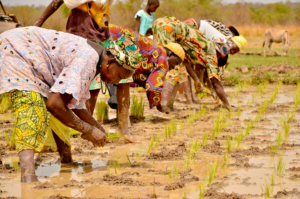
Threats and Solutions To Crop Farming in Uganda

Crop Farming in UgandaUganda is located in East-Central Africa. It is a landlocked country, with the Democratic Republic of Congo to its west, South Sudan to its north, Tanzania to its south and Kenya to its east. Uganda is resource-rich, but relatively underserved. Its GDP per capita was $1,072 in 2024, which places the country at 196 in the world for this measurement.

Farming in Uganda

Crop farming in Uganda is a major sector. About 80% of Uganda’s land is arable, but only 35% is cultivated. Agriculture remains vital, accounting for nearly 25% of the country’s GDP.” Environmental factors are intrinsic to crop farming and in recent years, these factors have become unpredictable and extreme.

Since smallholder farmers are some of the most impoverished members of Ugandan society and often rely on every harvest for their sustenance and livelihoods, the increasing environmental challenges can become a real problem.

Maize and beans are two essential crops in Uganda. While they do not rank in the top five for exports, they are significant domestic foods and cash crops. Both crops are facing new environmental challenges and the solutions demonstrate the resilience and dynamism of the Ugandan agricultural community.

Better Beans for Ugandans

Beans are vital to Uganda, providing nourishment for its people. However, rising droughts and unpredictable rainfall threaten harvests, putting the country’s most vulnerable smallholder farmers at risk.

Dr. Clare Mukankusi is a Ugandan plant researcher at the International Center for Tropical Agriculture (CIAT). She is a firm believer in the importance of beans as a foundation of Ugandan life, having grown up on them herself. Through selective crossbreeding, Mukankusi has been developing a new type of bean that matures in two months, rather than the three to four months taken by traditional beans.

This will make them much more likely to survive an unpredictable and shorter growing season. As this new breed of bean is further developed and eventually distributed across Uganda, it will help secure the future of crop farming in the country. It offers vulnerable smallholders a crucial advantage in facing an increasingly challenging environment.

Fighting the Armyworm Threat

Pests have always been an issue in Uganda, but pesticidal chemicals were a clear solution. The armyworm, in particular, threatens maize, an important food, cash crop and export crop on which many smallholder farmers depend. However, the armyworm is becoming increasingly pesticide-resistant, forcing farmers to adapt and find new ways to keep the pest at bay:

  • Parasites: Introducing certain parasites that feed on armyworm larvae can help control their population. If managed carefully, this could become an effective mitigation method.
  • Planting techniques: Deep ploughing and strict management of crop residue after harvest can reduce pest survival.
  • Crop rotation: Regularly rotating maize with other crops can disrupt pest life cycles and lower infestation risks.

These techniques have the potential to counter pest threat without increasing chemical potency, which many farmers have had to do in the interim. While effective, this is not sustainable. Scientists from multiple institutions warn that overuse damages soil health in the long term and accelerates pest resistance.

The Need for Government Action

Many Ugandan environmental scientists agree that their government must become more involved in crop farming in Uganda. As mentioned, increased potency of pesticides has risks to human and environmental health and risks of further pest-resistance.

Dr. Kalyebi, the lead author of armyworm research in Uganda, stated that the government needs to educate farmers on the dangers of chemical mitigation and fund different solutions, such as those aforementioned. It is widely agreed upon that the Ugandan government should recognize the importance of maize farming, particularly farming and invest in research and subsidies.

Conclusion

Crop farming in Uganda is vital to the country’s economy and people. The underserved depend on good harvests to survive and environmental factors such as droughts and pests directly threaten them. However, the determination of the Ugandan people to find ways around these problems is remarkable and one can hope that the government will match these efforts.

– Oliver Evans

Oliver is based in Winkleigh, Devon, UK and focuses on Good News and Technology for The Borgen Project.

Photo: Flickr
September 13, 2025
https://borgenproject.org/wp-content/uploads/borgen-project-logo.svg 0 0 Lynsey 2 https://borgenproject.org/wp-content/uploads/borgen-project-logo.svg Lynsey 22025-09-13 01:30:162025-09-12 10:41:53Threats and Solutions To Crop Farming in Uganda
Agriculture, Global Poverty

Reducing Poverty: Agricultural Cooperatives in Africa

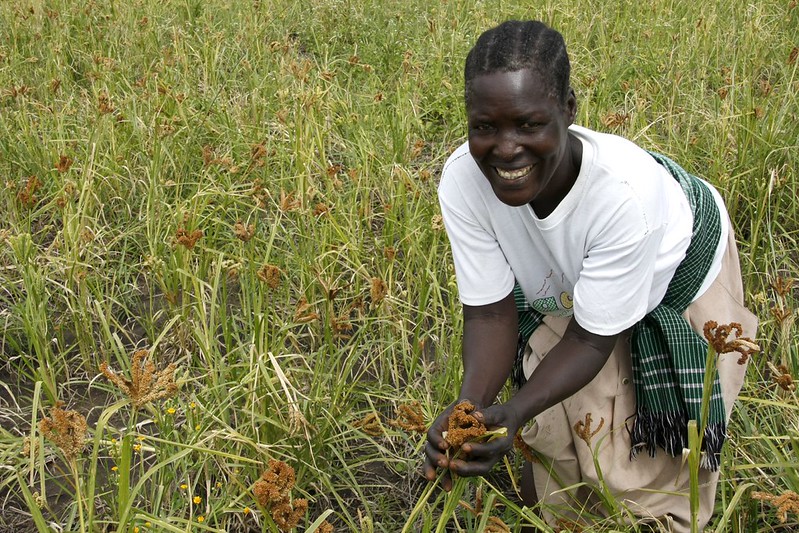
Agricultural Cooperatives in AfricaIn African countries experiencing poverty, numerous recent studies have noted how agricultural/farming cooperatives are key to reducing national poverty. Agricultural employment in Africa notably supplies 60% of the continent with jobs. In a region so reliant on occupational farming, agricultural cooperatives represent this agrarian importance by simultaneously reducing poverty. The following list details the five reasons agricultural cooperatives reduce poverty in Africa.

Increased Bargaining Power

In an article published by the Co-founder of a Nigerian processing firm, Kosona Chriv details the particular trend of agricultural cooperatives elevating the bargaining power of its participants. African cooperatives are often composed of individual farmers who lack the necessary power to negotiate with buyers. Within these African farming initiatives, pooled resources reduce exploitation and allow cooperative success.

The author gives the example of the Femme Vaillantes rice cooperative in the regions of Togo. For the women-run farming group, collective bargaining power reduced their total costs by allowing for successful buyer negotiations over bulk discounts.

Exposure to Necessary Information

Findings from a 2024 South African study and a 2025 publication by various Pan-African researchers reveal that exposure to necessary information is another key reason agricultural cooperatives reduce poverty in Africa. Within these cooperatives, innovative knowledge is more easily spread to help individual farmers adapt to the demands of shifting markets.

The cohesion additionally allows for the spread of domestic and internationally relevant economic information surrounding food, loans and transportation prices. By reducing knowledge barriers preventing farming innovation and adaptability, these agricultural cooperatives experience success and improve the livelihoods of those involved.

Cultivating Broader Business and Economic Skills

Along with increased exposure to necessary information, agricultural cooperatives also provide broader business and economic skills for smallholder farmers. According to the 2024 South African research findings, the increased bargaining power of resource pooling allows these groups to navigate the economic market more skillfully.

In making economic decisions cohesively, all farmers within the cooperative learn business skills that further inform their understanding of politics and monetary policy. With better policy comprehension, agricultural cooperatives can further reduce poverty rates by supporting business and economic legislation that benefits their communities.

Promoting and Strengthening Local Culture

Increased capacities in business and economic skillsets directly go hand in hand with strengthening local culture. In an example given by Chriv, the female Koperative Y’Abahinzi b’Icyayi (KOAB) cooperative in Rwanda trains its members in financial and leadership arenas. As a result, the women experience higher levels of community and cultural empowerment.

This evidence for cultural empowerment is also supported by the 2025 Pan-African study, which found that agricultural cooperatives are key to building cultural and social capital. As the 2024 study notes, because these groups share resources equally, their decisions are made considering what is best for the community and the culture.

Agricultural cooperatives are reducing Africa’s poverty by empowering communities through identity, confidence and skillset acquisition.

Shared Resources

The backbone of the poverty reduction brought by African agricultural cooperatives is their resource sharing. Smallholder farmers combining their limited assets, equipment and market power allow the co-op to coordinate practices that maximize production output, profit and overall welfare. Shared resources enable optimal production, while individual farmers’ risks are managed collectively.

With smallholder farms no longer facing market risks entirely on their own, Chriv notes how agricultural cooperatives are more equipped to withstand market shocks and setbacks. When all farmers rely on one another, shared assets promote the interests and welfare of the agricultural cooperative at large, reducing overall poverty.

Looking Forward

As technologies advance and the world increasingly requires access to sustainable food, the poverty-reducing impacts of agricultural cooperatives remain a promising source of nutrition for Africa. In their bargaining, informative, economic and cultural empowerment, farming co-ops illustrate how community cohesion is fundamental in the global fight against destitution. With potential solutions to global poverty being evermore pressing, it is important to recognize why agricultural cooperatives are reducing poverty in Africa.

– Piper Aweeka

Piper is based in Alicante, Spain and focuses on Business and Technology for The Borgen Project.

Photo: Flickr
September 12, 2025
https://borgenproject.org/wp-content/uploads/borgen-project-logo.svg 0 0 Lynsey 2 https://borgenproject.org/wp-content/uploads/borgen-project-logo.svg Lynsey 22025-09-12 01:30:532025-09-11 10:34:37Reducing Poverty: Agricultural Cooperatives in Africa
Agriculture, Global Poverty, World Bank

World Bank Support: Strengthening Agriculture in Sri Lanka

Agriculture in Sri LankaRecently, the World Bank has pledged to support Sri Lanka’s economic recovery, committing to a $1 billion initiative over three years. Of this, $185 million is allocated for solar and wind projects, $200 million toward supporting tourism through protecting cultural and natural assets and generating employment and another $200 million for regional infrastructure. However, one of the most important investments that the World Bank is making in Sri Lanka is the $100 million for agriculture to help farmers adopt new technologies and attract private capital.

Agriculture in Sri Lanka

To become a stronger player in the global food trade, Sri Lanka must improve efficiency in handling its top exports: mangoes, cinnamon, coconut and seafood. More robust systems are needed to ensure these products meet international standards and to reduce food loss. The World Bank is investing in Sri Lanka’s National Quality Infrastructure (NQI), a behind-the-scenes system that guarantees exported food is safe, traceable and up to code for global markets. To catch up with some of the higher-grossing nations worldwide, the NQI provides digital systems for tracking products, labs for testing and agencies for certification.

Sri Lanka is one of the most impoverished countries in the world, with less than $5,000 GDP per Capita. However, the World Bank’s investment will strengthen the country’s local industry, expanding economic opportunity and attracting private capital to support long-term growth. “This support from the World Bank Group is an investment in the people of Sri Lanka,” President of Sri Lanka, Anura Kumara Dissanayake, said. “It will help create jobs, support small businesses and open new opportunities across the country. We are committed to ensuring this partnership delivers real change for our communities.”

World Bank Backs Sri Lanka as a Trusted Global Exporter

The $100 million agricultural investment will help farmers and agribusinesses access markets, attract private capital and adopt new technologies. It will benefit more than 38,000 people, including 8,000 agri-food producers and is expected to gain $17 million in private financing. In 2017, agriculture provided a living for 2.1 million Sri Lankan households. It represented more than 26% of the GDP, which is only forecasted to increase with the World Bank’s assistance.

The World Bank’s support for Sri Lanka’s agribusiness aims to strengthen its position as a trustworthy exporter. Plans include reviewing laboratory systems and developing digital tools to improve efficiency. Indeed, these tools will streamline compliance processes for traders, speed up regulatory approvals and make product tracking easier. A strong NQI, a key World Bank focus, establishes clear standards and communicates them to producers and processing facilities, ensuring high-quality food delivery.

Conclusion

Ultimately, strengthening Sri Lanka’s NQI will raise the standard of agricultural exports and improve the quality of food imports, which is crucial for households struggling to afford nutritious meals. Though largely behind the scenes, lab testing, digital tracking and equipment upgrades reshape the country’s agricultural system. Backed by a sizable World Bank investment, these reforms promise to boost profitability in the sector while creating countless jobs, positioning Sri Lanka for a stronger, more resilient economy.

– Gregory Walker

Gregory is based in York, PA, USA and focuses on Global Health for The Borgen Project.

Photo: Flickr

September 10, 2025
https://borgenproject.org/wp-content/uploads/borgen-project-logo.svg 0 0 Lynsey 2 https://borgenproject.org/wp-content/uploads/borgen-project-logo.svg Lynsey 22025-09-10 03:00:182025-09-10 01:24:31World Bank Support: Strengthening Agriculture in Sri Lanka
Agriculture, Development, Global Poverty

Planting Prosperity: The Green Wall of China Combats Poverty

Green Wall of China Combats PovertyIn the Taklimakan Desert of Xinjiang, China, dunes shift as much as 20 meters each year due to powerful and relentless winds. The dunes creep across the land, consuming the environment and deepening the struggles of those living in poverty. But China is fighting back. The Green Wall of China combats poverty by pushing back the desert and restoring both land and livelihoods.

On November 28, 2024, the final stretch of the desert met its match. The last 100 meters of shifting sand along the southern edge of the Taklimakan Desert was planted with various seedlings like red willows, saxaul and desert poplar, sealing the gap in what is now a 3,046-kilometer-long green barrier. With that, the Green Wall stands as a living shield against desertification and poverty.

Drivers of Desertification in China

Desertification is “the transformation of fertile land into desert or arid waste” due to a combination of natural and human factors. Shifting climatic and weather patterns can intensify wind speeds and soil erosion, accelerating the spread of desertification. Human-driven climate change has intensified the problem. Specifically, China’s rapidly growing population has placed immense pressure on natural resources, with rising consumption leading to land degradation and creating conditions that allow desertification to swiftly creep up.

The Three North Shelterbelt System

Otherwise known as the Green Wall of China, the Three North Shelterbelt System is one of China’s most significant ecological and economic initiatives. The project carries calculated responsibilities such as improving the ecological environment, mitigating natural disasters and expanding habitable and arable land. These activities have led to its recognition as a key national project. 

Beyond environmental goals, it also plays a role in enhancing production conditions, reducing regional disparities and fostering shared prosperity among all ethnic groups. Additionally, the Green Wall of China combats poverty by supporting the restructuring of rural industries, accelerates poverty alleviation among farmers and contributes to long-term sustainable economic and social development.

After generations of sustained effort, the Three North Shelterbelt System has completed afforestation and conservation work across 31.7429 million hectares. As a result, forest coverage in the project area increased from 5.05% in 1977 to 13.84% by 2020. 

The initiative created the “Great Green Wall” along China’s northern frontier— serving as a barrier against wind and sand, conserving water and soil, protecting agriculture and supporting animal husbandry and has achieved ecological, economic and social benefits.

Protecting the People and Lands

According to the Xinjiang Uygur Autonomous Region Forestry and Grassland Bureau, the successful completion of the Green Wall along the Taklimakan Desert will enhance the region’s ecological barrier, stabilize agricultural production, improve urban living conditions and support both economic and social development.

Expanding tree cover helps stabilize water supplies, absorb carbon dioxide and offer communities sustainable access to resources like timber and other forest products. China has adopted scientific sand control technologies, including engineering sand fixation, biological sand control and photovoltaic sand control. While stabilizing and preventing the spread of sand, these efforts have also supported the development of local, sand-based industries– helping to improve lives and boost regional economies.

Looking ahead, Xinjiang plans to further build upon and strengthen the “edge-locking” efforts, contributing to the construction of a robust ecological security barrier in northern China.

How The Green Wall of China Combats Poverty

Along with the hardships of desertification, farmers were uneasy about losing their sole source of income and falling into poverty as the desert expanded. Their fears have been eased through local government subsidies and additional employment opportunities.

The Chinese government launched the “Returning Farmland to Forest Program,” also known as “Grain for Green.” This initiative provided financial incentives to farmers to cease cultivation on vulnerable land and instead plant trees. The program has a dual purpose: first, to reduce soil erosion and prevent further flooding; and second, to ensure that farmers’ quality of life continues to improve, even with the loss of arable farmland. In return for the protection of the newly planted trees, farmers received subsidies, as well as land rights to the fields and terraces that they managed.

The amount of compensation varies based on location and the type of land cultivated; however, according to the State Forestry Administration, the average household receives no less than 9,000 yuan, or $1,253. Households engaged in the program receive payments directly to their bank accounts after forestry officers conduct annual inspections of their forest plots.

Employment Diversification

In addition to providing subsidies, the Returning Farmland to Forest Program has helped diversify employment opportunities and broaden the industrial base in impoverished areas. A study conducted by four Chinese universities examining the program’s long-term impact on rural economic development found that there was a 10.9% increase in the value generated by local primary sectors, compared to similar counties that did not participate. Furthermore, rural employment in agriculture, forestry, animal husbandry and fishing rose by 8.2%.

The Three-North Shelterbelt System holds the title of the Green Wall of China and with it, the aid for poverty. The project has enhanced the region’s ecological environment, boosted grain production and achieved progress in developing forest product bases. Through the growth of forest and fruit-related industries, the project has helped lift tens of millions of local residents out of poverty.

The project has generated a wide range of job opportunities in areas such as tree planting and land maintenance, offering stable sources of income for local communities. This rise in employment has elevated living standards and stimulated economic growth in rural and impoverished regions.

The restoration of arable land has revitalized agriculture, allowing farmers to improve crop yields and diversify their production. The benefits of the Green Wall are evident in the rise of agricultural productivity, which has bolstered food security and aid for poverty. In 2023 alone, forest-related industries in China generated an annual output of 8.04 trillion yuan, exceeded $180 billion in forest product trade and directly employed 60 million people across the country.

Other Poverty Alleviation Initiatives

The Green Wall of China was among the first large-scale projects to link environmental restoration with poverty reduction, but it is not the only one. The following are other poverty alleviation initiatives: 

  • The Natural Forest Protection Project (1998). Aims to protect natural forests by stopping commercial logging to preserve ecological balance and biodiversity. To offset income loss, farmers and communities receive subsidies, while funds support forest conservation, habitat restoration and wildlife protection for long-term sustainability.
  • The South China Slopes Land Conversion Program (2002). Targets soil erosion on steep slopes in southern China by promoting the restoration of forests and grassland. Goals to reduce landslide risk, improve water retention, enhance ecosystem resilience and encourage sustainable land management for ecological stability.
  • The Ant-Forest Program (2011). Created by Ant Financial and the U.N. Environment Programme (UNEP), the app is connected to Alipay and rewards users with “green energy points” for eco-friendly actions. These points lead to the planting of virtual and real trees in degraded areas of China. The app encourages user engagement through tracking, competition and sharing, making environmental conservation interactive and rewarding.

Looking Ahead

The Green Wall of China shows how large-scale environmental projects can restore fragile ecosystems while improving livelihoods. By combining ecological restoration with poverty alleviation, China’s afforestation programs have created jobs, strengthened food security and offered long-term stability to millions. As these efforts expand, the Green Wall stands as a model of how investment in nature can build resilience against both environmental and economic challenges.

– Gabriella Luneau

Gabriella is based in Raleigh, NC, USA and focuses on Good News and Global Health for The Borgen Project.

Photo: Flickr

September 5, 2025
https://borgenproject.org/wp-content/uploads/borgen-project-logo.svg 0 0 Precious Sheidu https://borgenproject.org/wp-content/uploads/borgen-project-logo.svg Precious Sheidu2025-09-05 03:00:112025-09-04 11:06:31Planting Prosperity: The Green Wall of China Combats Poverty
Page 8 of 19«‹678910›»

Get Smarter

  • Global Poverty 101
  • Global Poverty… The Good News
  • Global Poverty & U.S. Jobs
  • Global Poverty and National Security
  • Innovative Solutions to Poverty
  • Global Poverty & Aid FAQ’s
Search Search

Take Action

  • Call Congress
  • Email Congress
  • Donate
  • 30 Ways to Help
  • Volunteer Ops
  • Internships
  • Courses & Certificates
  • The Podcast
Borgen Project

“The Borgen Project is an incredible nonprofit organization that is addressing poverty and hunger and working towards ending them.”

-The Huffington Post

Inside The Borgen Project

  • Contact
  • About
  • Financials
  • President
  • Board of Directors
  • Board of Advisors

International Links

  • UK Email Parliament
  • UK Donate
  • Canada Email Parliament

Get Smarter

  • Global Poverty 101
  • Global Poverty… The Good News
  • Global Poverty & U.S. Jobs
  • Global Poverty and National Security
  • Innovative Solutions to Poverty
  • Global Poverty & Aid FAQ’s

Ways to Help

  • Call Congress
  • Email Congress
  • Donate
  • 30 Ways to Help
  • Volunteer Ops
  • Internships
  • Courses & Certificates
  • The Podcast
Scroll to top Scroll to top Scroll to top