nano ganeshThe agriculture sector forms the backbone of India’s economy. It employs 45.8% of the population, and the number continues to rise. Agriculture contributes 15% to India’s GDP. However, the grim reality lies in the rising number of farmer suicides. Farmers take their lives due to reasons ranging from debt crises to political and social pressures. People often call Indian agriculture the “gamble of monsoon” because it depends heavily on seasonal rains for a good harvest. With increasing dependence on monsoon rains and the lack of efficient irrigation technology, the National Crime Records Bureau reports that farmer suicides account for 11.2% of suicides in India. Sadly, the number continues to grow even today. It is extremely depressing that the number today continues to rise.

The Introduction of Nano Ganesh

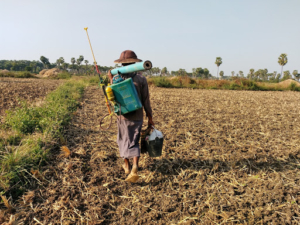
Farmers in India rely on motor systems to irrigate their fields. However, these motors create serious challenges. Farmers face electricity interruptions, frequent trips to the fields at night or in scorching heat and even dangers such as snake and scorpion bites. To solve these problems, Ossian Agro Automation developed the revolutionary device Nano Ganesh.

Farmers attach the Nano Ganesh device to their existing starter, which allows them to control pump sets remotely. By dialling the number of their Nano Ganesh unit and entering a simple on/off code, farmers can switch the pump on or off. The system works with any existing electrical starter and motor pump, so farmers do not need to replace their current setup. For pumps with higher horsepower, the device integrates easily with protective systems.

A few key features of Nano Ganesh are mentioned below:

  1. The pump can be operated from any distance using a mobile phone or landline.
  2. A mobile network connection is required near the pump location.
  3. Users can check the availability of electricity at the pump site.
  4. The on/off status of the pump can be confirmed through an audio tone.
  5. Both automatic and remote operation modes are supported.
  6. The system includes memory to store on/off commands.

Changing the Lives of Indian Farmers

Santosh Ostwal’s innovation transformed the lives of 400,000 farmers through more than 50,000 installations. The device created a remarkable impact, especially in Maharashtra. Farmers started using their mobile phones to control water pumps, marking a major ICT breakthrough in the telecom sector during 2003–04. The device also created self-employment opportunities for more than 5,000 technicians. The initiative expanded into advanced GSM-based products designed to address challenges in village and urban drinking water supply, enhanced further with analytics and cloud-enabled features.

Earning Recognition

Over the years, Nano Ganesh and its creator, Santosh Ostwal, earned several prestigious international honours. Nokia named him the Grand Winner for emerging markets in its Innovation Competition (2009). GSMA, MWC, recognised Nano Ganesh among the top seven mobile applications worldwide for socio-economic impact. In California, USA (2011), he received the Tech Award Laureate. He also won the MBillionth South Asian Award (2012) and the FICCI-DST Lockheed Martin Award under the India Innovation Growth Program. The Katerva Award, USA, nominated him in the materials resources category.

Major national and international television networks such as DD1, ET NOW, Times Now, BBC, Japan TV, FRANCE 24, STAR PLUS and NDTV featured his work. Respected publications also chronicled Santosh’s entrepreneurial journey, including The Chicken Soup for the Soul series, The Economist (London), UNFAO, World Bank reports, Agriculture Robot (a high-value reference book), GIZ Germany, and USAID.

The Future

India now enters the early stages of Agriculture 4.0, a new era of farming powered by advanced technology in the fields. By 2025, farming will run on an integrated data-driven ecosystem. Tools like smart sensors, drones, satellite monitoring and AI-powered analytics will support farmers of every scale, from smallholders in villages to large agribusinesses. These tools will help farmers make better decisions, improve food security and build farming systems strong enough to withstand climate change.

As digital solutions spread across rural India, crop yields and productivity will rise. At the same time, sustainability will take centre stage, with digital carbon tracking, efficient resource use and transparent supply chains shaping the sector. Farmers will also gain empowerment through digital platforms, blockchain-based traceability and easier access to financial resources, helping bridge long-standing inequalities.

With continuous advances in IoT, AI and satellite technologies, Indian agriculture will face global challenges such as the changing climate, population growth and resource scarcity with greater confidence. The road ahead promises a farming sector that is smarter, greener and more inclusive, a truly data-driven transformation whose moment has already arrived.

– Chhahat Kaur Gandhi

Chhahat is based in New Delhi, India and focuses on Business and New Markets for The Borgen Project.

Photo: Flickr

Farmers in BangladeshBangladesh is on the frontline of the climate crisis, with rising seas, stronger cyclones and frequent floods threatening lives and livelihoods, especially along its low-lying coast. Rapid urbanization and economic growth add further pressure to vulnerable communities.

Yet, amid these challenges, stories of resilience shine through. Women like Koruna and Asma lead climate-smart farming and sustainable honey production. They prove innovative, eco-friendly livelihoods can protect the environment, support families and strengthen communities against adverse climate.

Bangladesh’s Climate Crisis

The coast of Bangladesh is particularly vulnerable to the impacts of extreme weather events, such as rising sea levels, which pose a significant threat to the nation’s development. These risks are intensified by natural disasters like the recent widespread floods, which continue to disrupt livelihoods and infrastructure. As Bangladesh rapidly urbanizes rural areas and develops hundreds of economic zones, water, energy and transportation demand surge.

The country also aims to capitalize on the “blue economy” by harnessing ocean resources for growth. However, these ambitions place additional environmental and social pressure on coastal communities already facing loss and damage from rising temperatures. Managing these climate risks has become central to Bangladesh’s development strategy, especially as tropical cyclones alone cost the country an estimated $1 billion annually.

By 2050, climate variability could cause the loss of one-third of agricultural gross domestic product (GDP), a serious concern, given that agriculture employs nearly half of the workforce. Additionally, around 13.3 million people may be forced to migrate internally over the next 30 years due to climate-driven impacts, disproportionately affecting women. The country’s GDP could fall by up to 9% in extreme scenarios, such as severe flooding. As environmental degradation and disaster costs continue to rise, Bangladesh faces mounting challenges that require urgent, sustainable solutions.

Honey Farming

Koruna, Bangladesh’s only female honey farmer, has turned her passion into a profitable and honourable livelihood, earning recognition nationwide. After attending a three-day boot camp in Bagerhat, she gained valuable knowledge on green, environmentally friendly business practices. She learned to avoid harmful materials like plastic and to understand sustainable production’s environmental and economic benefits.

The training also equipped her with marketing and pricing skills and strategies for selling products at stalls. Today, honey farming has transformed Koruna’s life: she has built her own home and another for her husband entirely from her business earnings. Her daughter and son-in-law now work alongside her. For Koruna, this venture provides financial stability and meets her family’s needs and brings immense pride in her role as a pioneering, environmentally responsible entrepreneur.

Female Farmers in Bangladesh

In the climate-vulnerable district of Bagerhat in southern Bangladesh, 37-year-old Asma’s life transformed after joining Concern’s Collective Responsibility, Action and Accountability for Improved Nutrition (CRAIIN) project in 2020. Over two days of hands-on training, she gained the skills and resources to start climate-smart farming, along with half a kilogram of earthworms, two compost rings, a compost slab, saplings and four types of seeds.

Using vermicompost she now produces, Asma has grown a thriving garden, improving her family’s diet and income. “My life changed totally after starting with the farming compost. Now I can afford education for my children,” she says. The benefits extend beyond her household.

CRAIIN has boosted community agriculture, strengthened water, sanitation and hygiene practices and enhanced nutrition knowledge. Local households now trade vegetables and other products, fostering resilience and economic opportunity. As a lead farmer connected to 400 households, Asma trains others in vermicompost production and climate-resilient cultivation. She ensures the project’s impact ripples across the community and sees female farmers prosper in Bangladesh.

Final Remarks

Bangladesh’s fight against adverse weather is also a story of resilience and innovation. Through ventures like Koruna’s honey farming and Asma’s climate-smart agriculture, communities adapt, protect the environment and boost local economies as farmers prosper in Bangladesh. Their leadership shows real change comes from policy and empowering people to drive sustainable solutions.

– Phoebe Guildford

Phoebe is based in Cardiff, Wales and focuses on Good News for The Borgen Project.

Photo: Pixabay

Crop Farming in UgandaUganda is located in East-Central Africa. It is a landlocked country, with the Democratic Republic of Congo to its west, South Sudan to its north, Tanzania to its south and Kenya to its east. Uganda is resource-rich, but relatively underserved. Its GDP per capita was $1,072 in 2024, which places the country at 196 in the world for this measurement.

Farming in Uganda

Crop farming in Uganda is a major sector. About 80% of Uganda’s land is arable, but only 35% is cultivated. Agriculture remains vital, accounting for nearly 25% of the country’s GDP.” Environmental factors are intrinsic to crop farming and in recent years, these factors have become unpredictable and extreme.

Since smallholder farmers are some of the most impoverished members of Ugandan society and often rely on every harvest for their sustenance and livelihoods, the increasing environmental challenges can become a real problem.

Maize and beans are two essential crops in Uganda. While they do not rank in the top five for exports, they are significant domestic foods and cash crops. Both crops are facing new environmental challenges and the solutions demonstrate the resilience and dynamism of the Ugandan agricultural community.

Better Beans for Ugandans

Beans are vital to Uganda, providing nourishment for its people. However, rising droughts and unpredictable rainfall threaten harvests, putting the country’s most vulnerable smallholder farmers at risk.

Dr. Clare Mukankusi is a Ugandan plant researcher at the International Center for Tropical Agriculture (CIAT). She is a firm believer in the importance of beans as a foundation of Ugandan life, having grown up on them herself. Through selective crossbreeding, Mukankusi has been developing a new type of bean that matures in two months, rather than the three to four months taken by traditional beans.

This will make them much more likely to survive an unpredictable and shorter growing season. As this new breed of bean is further developed and eventually distributed across Uganda, it will help secure the future of crop farming in the country. It offers vulnerable smallholders a crucial advantage in facing an increasingly challenging environment.

Fighting the Armyworm Threat

Pests have always been an issue in Uganda, but pesticidal chemicals were a clear solution. The armyworm, in particular, threatens maize, an important food, cash crop and export crop on which many smallholder farmers depend. However, the armyworm is becoming increasingly pesticide-resistant, forcing farmers to adapt and find new ways to keep the pest at bay:

  • Parasites: Introducing certain parasites that feed on armyworm larvae can help control their population. If managed carefully, this could become an effective mitigation method.
  • Planting techniques: Deep ploughing and strict management of crop residue after harvest can reduce pest survival.
  • Crop rotation: Regularly rotating maize with other crops can disrupt pest life cycles and lower infestation risks.

These techniques have the potential to counter pest threat without increasing chemical potency, which many farmers have had to do in the interim. While effective, this is not sustainable. Scientists from multiple institutions warn that overuse damages soil health in the long term and accelerates pest resistance.

The Need for Government Action

Many Ugandan environmental scientists agree that their government must become more involved in crop farming in Uganda. As mentioned, increased potency of pesticides has risks to human and environmental health and risks of further pest-resistance.

Dr. Kalyebi, the lead author of armyworm research in Uganda, stated that the government needs to educate farmers on the dangers of chemical mitigation and fund different solutions, such as those aforementioned. It is widely agreed upon that the Ugandan government should recognize the importance of maize farming, particularly farming and invest in research and subsidies.

Conclusion

Crop farming in Uganda is vital to the country’s economy and people. The underserved depend on good harvests to survive and environmental factors such as droughts and pests directly threaten them. However, the determination of the Ugandan people to find ways around these problems is remarkable and one can hope that the government will match these efforts.

– Oliver Evans

Oliver is based in Winkleigh, Devon, UK and focuses on Good News and Technology for The Borgen Project.

Photo: Flickr
Agricultural Cooperatives in AfricaIn African countries experiencing poverty, numerous recent studies have noted how agricultural/farming cooperatives are key to reducing national poverty. Agricultural employment in Africa notably supplies 60% of the continent with jobs. In a region so reliant on occupational farming, agricultural cooperatives represent this agrarian importance by simultaneously reducing poverty. The following list details the five reasons agricultural cooperatives reduce poverty in Africa.

Increased Bargaining Power

In an article published by the Co-founder of a Nigerian processing firm, Kosona Chriv details the particular trend of agricultural cooperatives elevating the bargaining power of its participants. African cooperatives are often composed of individual farmers who lack the necessary power to negotiate with buyers. Within these African farming initiatives, pooled resources reduce exploitation and allow cooperative success.

The author gives the example of the Femme Vaillantes rice cooperative in the regions of Togo. For the women-run farming group, collective bargaining power reduced their total costs by allowing for successful buyer negotiations over bulk discounts.

Exposure to Necessary Information

Findings from a 2024 South African study and a 2025 publication by various Pan-African researchers reveal that exposure to necessary information is another key reason agricultural cooperatives reduce poverty in Africa. Within these cooperatives, innovative knowledge is more easily spread to help individual farmers adapt to the demands of shifting markets.

The cohesion additionally allows for the spread of domestic and internationally relevant economic information surrounding food, loans and transportation prices. By reducing knowledge barriers preventing farming innovation and adaptability, these agricultural cooperatives experience success and improve the livelihoods of those involved.

Cultivating Broader Business and Economic Skills

Along with increased exposure to necessary information, agricultural cooperatives also provide broader business and economic skills for smallholder farmers. According to the 2024 South African research findings, the increased bargaining power of resource pooling allows these groups to navigate the economic market more skillfully.

In making economic decisions cohesively, all farmers within the cooperative learn business skills that further inform their understanding of politics and monetary policy. With better policy comprehension, agricultural cooperatives can further reduce poverty rates by supporting business and economic legislation that benefits their communities.

Promoting and Strengthening Local Culture

Increased capacities in business and economic skillsets directly go hand in hand with strengthening local culture. In an example given by Chriv, the female Koperative Y’Abahinzi b’Icyayi (KOAB) cooperative in Rwanda trains its members in financial and leadership arenas. As a result, the women experience higher levels of community and cultural empowerment.

This evidence for cultural empowerment is also supported by the 2025 Pan-African study, which found that agricultural cooperatives are key to building cultural and social capital. As the 2024 study notes, because these groups share resources equally, their decisions are made considering what is best for the community and the culture.

Agricultural cooperatives are reducing Africa’s poverty by empowering communities through identity, confidence and skillset acquisition.

Shared Resources

The backbone of the poverty reduction brought by African agricultural cooperatives is their resource sharing. Smallholder farmers combining their limited assets, equipment and market power allow the co-op to coordinate practices that maximize production output, profit and overall welfare. Shared resources enable optimal production, while individual farmers’ risks are managed collectively.

With smallholder farms no longer facing market risks entirely on their own, Chriv notes how agricultural cooperatives are more equipped to withstand market shocks and setbacks. When all farmers rely on one another, shared assets promote the interests and welfare of the agricultural cooperative at large, reducing overall poverty.

Looking Forward

As technologies advance and the world increasingly requires access to sustainable food, the poverty-reducing impacts of agricultural cooperatives remain a promising source of nutrition for Africa. In their bargaining, informative, economic and cultural empowerment, farming co-ops illustrate how community cohesion is fundamental in the global fight against destitution. With potential solutions to global poverty being evermore pressing, it is important to recognize why agricultural cooperatives are reducing poverty in Africa.

– Piper Aweeka

Piper is based in Alicante, Spain and focuses on Business and Technology for The Borgen Project.

Photo: Flickr
Agriculture in Sri LankaRecently, the World Bank has pledged to support Sri Lanka’s economic recovery, committing to a $1 billion initiative over three years. Of this, $185 million is allocated for solar and wind projects, $200 million toward supporting tourism through protecting cultural and natural assets and generating employment and another $200 million for regional infrastructure. However, one of the most important investments that the World Bank is making in Sri Lanka is the $100 million for agriculture to help farmers adopt new technologies and attract private capital.

Agriculture in Sri Lanka

To become a stronger player in the global food trade, Sri Lanka must improve efficiency in handling its top exports: mangoes, cinnamon, coconut and seafood. More robust systems are needed to ensure these products meet international standards and to reduce food loss. The World Bank is investing in Sri Lanka’s National Quality Infrastructure (NQI), a behind-the-scenes system that guarantees exported food is safe, traceable and up to code for global markets. To catch up with some of the higher-grossing nations worldwide, the NQI provides digital systems for tracking products, labs for testing and agencies for certification.

Sri Lanka is one of the most impoverished countries in the world, with less than $5,000 GDP per Capita. However, the World Bank’s investment will strengthen the country’s local industry, expanding economic opportunity and attracting private capital to support long-term growth. “This support from the World Bank Group is an investment in the people of Sri Lanka,” President of Sri Lanka, Anura Kumara Dissanayake, said. “It will help create jobs, support small businesses and open new opportunities across the country. We are committed to ensuring this partnership delivers real change for our communities.”

World Bank Backs Sri Lanka as a Trusted Global Exporter

The $100 million agricultural investment will help farmers and agribusinesses access markets, attract private capital and adopt new technologies. It will benefit more than 38,000 people, including 8,000 agri-food producers and is expected to gain $17 million in private financing. In 2017, agriculture provided a living for 2.1 million Sri Lankan households. It represented more than 26% of the GDP, which is only forecasted to increase with the World Bank’s assistance.

The World Bank’s support for Sri Lanka’s agribusiness aims to strengthen its position as a trustworthy exporter. Plans include reviewing laboratory systems and developing digital tools to improve efficiency. Indeed, these tools will streamline compliance processes for traders, speed up regulatory approvals and make product tracking easier. A strong NQI, a key World Bank focus, establishes clear standards and communicates them to producers and processing facilities, ensuring high-quality food delivery.

Conclusion

Ultimately, strengthening Sri Lanka’s NQI will raise the standard of agricultural exports and improve the quality of food imports, which is crucial for households struggling to afford nutritious meals. Though largely behind the scenes, lab testing, digital tracking and equipment upgrades reshape the country’s agricultural system. Backed by a sizable World Bank investment, these reforms promise to boost profitability in the sector while creating countless jobs, positioning Sri Lanka for a stronger, more resilient economy.

– Gregory Walker

Gregory is based in York, PA, USA and focuses on Global Health for The Borgen Project.

Photo: Flickr
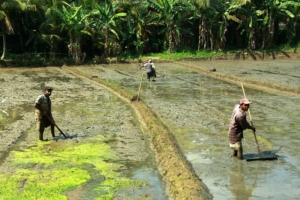
Green Wall of China Combats PovertyIn the Taklimakan Desert of Xinjiang, China, dunes shift as much as 20 meters each year due to powerful and relentless winds. The dunes creep across the land, consuming the environment and deepening the struggles of those living in poverty. But China is fighting back. The Green Wall of China combats poverty by pushing back the desert and restoring both land and livelihoods.

On November 28, 2024, the final stretch of the desert met its match. The last 100 meters of shifting sand along the southern edge of the Taklimakan Desert was planted with various seedlings like red willows, saxaul and desert poplar, sealing the gap in what is now a 3,046-kilometer-long green barrier. With that, the Green Wall stands as a living shield against desertification and poverty.

Drivers of Desertification in China

Desertification is “the transformation of fertile land into desert or arid waste” due to a combination of natural and human factors. Shifting climatic and weather patterns can intensify wind speeds and soil erosion, accelerating the spread of desertification. Human-driven climate change has intensified the problem. Specifically, China’s rapidly growing population has placed immense pressure on natural resources, with rising consumption leading to land degradation and creating conditions that allow desertification to swiftly creep up.

The Three North Shelterbelt System

Otherwise known as the Green Wall of China, the Three North Shelterbelt System is one of China’s most significant ecological and economic initiatives. The project carries calculated responsibilities such as improving the ecological environment, mitigating natural disasters and expanding habitable and arable land. These activities have led to its recognition as a key national project. 

Beyond environmental goals, it also plays a role in enhancing production conditions, reducing regional disparities and fostering shared prosperity among all ethnic groups. Additionally, the Green Wall of China combats poverty by supporting the restructuring of rural industries, accelerates poverty alleviation among farmers and contributes to long-term sustainable economic and social development.

After generations of sustained effort, the Three North Shelterbelt System has completed afforestation and conservation work across 31.7429 million hectares. As a result, forest coverage in the project area increased from 5.05% in 1977 to 13.84% by 2020. 

The initiative created the “Great Green Wall” along China’s northern frontier— serving as a barrier against wind and sand, conserving water and soil, protecting agriculture and supporting animal husbandry and has achieved ecological, economic and social benefits.

Protecting the People and Lands

According to the Xinjiang Uygur Autonomous Region Forestry and Grassland Bureau, the successful completion of the Green Wall along the Taklimakan Desert will enhance the region’s ecological barrier, stabilize agricultural production, improve urban living conditions and support both economic and social development.

Expanding tree cover helps stabilize water supplies, absorb carbon dioxide and offer communities sustainable access to resources like timber and other forest products. China has adopted scientific sand control technologies, including engineering sand fixation, biological sand control and photovoltaic sand control. While stabilizing and preventing the spread of sand, these efforts have also supported the development of local, sand-based industries– helping to improve lives and boost regional economies.

Looking ahead, Xinjiang plans to further build upon and strengthen the “edge-locking” efforts, contributing to the construction of a robust ecological security barrier in northern China.

How The Green Wall of China Combats Poverty

Along with the hardships of desertification, farmers were uneasy about losing their sole source of income and falling into poverty as the desert expanded. Their fears have been eased through local government subsidies and additional employment opportunities.

The Chinese government launched the “Returning Farmland to Forest Program,” also known as “Grain for Green.” This initiative provided financial incentives to farmers to cease cultivation on vulnerable land and instead plant trees. The program has a dual purpose: first, to reduce soil erosion and prevent further flooding; and second, to ensure that farmers’ quality of life continues to improve, even with the loss of arable farmland. In return for the protection of the newly planted trees, farmers received subsidies, as well as land rights to the fields and terraces that they managed.

The amount of compensation varies based on location and the type of land cultivated; however, according to the State Forestry Administration, the average household receives no less than 9,000 yuan, or $1,253. Households engaged in the program receive payments directly to their bank accounts after forestry officers conduct annual inspections of their forest plots.

Employment Diversification

In addition to providing subsidies, the Returning Farmland to Forest Program has helped diversify employment opportunities and broaden the industrial base in impoverished areas. A study conducted by four Chinese universities examining the program’s long-term impact on rural economic development found that there was a 10.9% increase in the value generated by local primary sectors, compared to similar counties that did not participate. Furthermore, rural employment in agriculture, forestry, animal husbandry and fishing rose by 8.2%.

The Three-North Shelterbelt System holds the title of the Green Wall of China and with it, the aid for poverty. The project has enhanced the region’s ecological environment, boosted grain production and achieved progress in developing forest product bases. Through the growth of forest and fruit-related industries, the project has helped lift tens of millions of local residents out of poverty.

The project has generated a wide range of job opportunities in areas such as tree planting and land maintenance, offering stable sources of income for local communities. This rise in employment has elevated living standards and stimulated economic growth in rural and impoverished regions.

The restoration of arable land has revitalized agriculture, allowing farmers to improve crop yields and diversify their production. The benefits of the Green Wall are evident in the rise of agricultural productivity, which has bolstered food security and aid for poverty. In 2023 alone, forest-related industries in China generated an annual output of 8.04 trillion yuan, exceeded $180 billion in forest product trade and directly employed 60 million people across the country.

Other Poverty Alleviation Initiatives

The Green Wall of China was among the first large-scale projects to link environmental restoration with poverty reduction, but it is not the only one. The following are other poverty alleviation initiatives: 

  • The Natural Forest Protection Project (1998). Aims to protect natural forests by stopping commercial logging to preserve ecological balance and biodiversity. To offset income loss, farmers and communities receive subsidies, while funds support forest conservation, habitat restoration and wildlife protection for long-term sustainability.
  • The South China Slopes Land Conversion Program (2002). Targets soil erosion on steep slopes in southern China by promoting the restoration of forests and grassland. Goals to reduce landslide risk, improve water retention, enhance ecosystem resilience and encourage sustainable land management for ecological stability.
  • The Ant-Forest Program (2011). Created by Ant Financial and the U.N. Environment Programme (UNEP), the app is connected to Alipay and rewards users with “green energy points” for eco-friendly actions. These points lead to the planting of virtual and real trees in degraded areas of China. The app encourages user engagement through tracking, competition and sharing, making environmental conservation interactive and rewarding.

Looking Ahead

The Green Wall of China shows how large-scale environmental projects can restore fragile ecosystems while improving livelihoods. By combining ecological restoration with poverty alleviation, China’s afforestation programs have created jobs, strengthened food security and offered long-term stability to millions. As these efforts expand, the Green Wall stands as a model of how investment in nature can build resilience against both environmental and economic challenges.

– Gabriella Luneau

Gabriella is based in Raleigh, NC, USA and focuses on Good News and Global Health for The Borgen Project.

Photo: Flickr
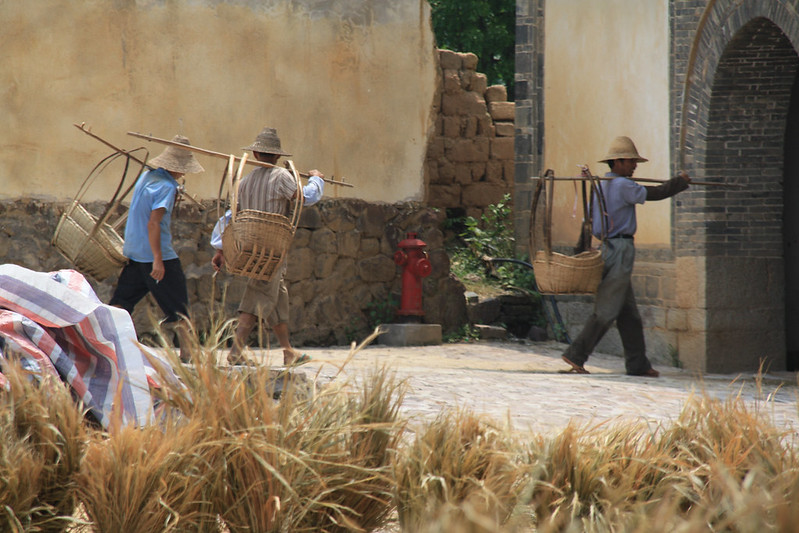
Solar-Powered Water Pumps in Nepal: A Lifeline for Farmers Solar-powered water pumps in Nepal are transforming rural farming communities by providing reliable irrigation and clean water access, boosting incomes and resilience against climate challenges. In a country where the population relies on agriculture, these innovative systems help smallholder farmers overcome water scarcity, increase crop yields and escape poverty traps.

Empowering Farmers with Sustainable Irrigation

Amongst remote Himalayan foothills and arid plains, solar-powered water pumps in Nepal are enabling farmers to irrigate fields efficiently without relying on costly diesel or unreliable electricity. For instance, in Shikharpur village, a solar pump installed by Renewable World delivers 40,000 liters of water daily to about 120 households and a school. This has allowed farmers like Daley Sarki to grow vegetables year-round, doubling her income through market sales and additional off-season crops like tomatoes and cauliflowers.

These pumps also promote efficient water use through training on techniques like growing produce under plastic sheets, fostering long-term sustainability. By reducing the time spent fetching water — previously up to three hours daily — women farmers can take on secondary jobs, enhancing household economic stability.

Boosting Incomes and Community Resilience

Solar-powered water pumps in Nepal are not only cutting costs but also creating new revenue streams for farmers. In Madhesh Province, Renu Devi Sah replaced her diesel pump with a 1.425-kilowatt solar system, slashing daily irrigation expenses from NPR 3,875 to just NPR 265. She now supplies water to eight neighboring farms at affordable rates, while expanding her own cultivation to include high-value vegetables like cauliflower and onions. Similarly, Jitendra Das in Janakpurdham uses his solar pump for a fish hatchery, saving 60% on water costs over five years and planning to supply fingerlings to local farmers.

These initiatives, supported by organizations like the Alternative Energy Promotion Centre (AEPC) and funded through the Sustainable Energy Challenge Fund (SECF), emphasize commercial viability and social impact. By integrating microfinance loans with technical assistance, they empower marginalized groups, particularly women, to achieve financial independence.

Addressing Climate Challenges with Eco-Friendly Solutions

Amid erratic rainfall and droughts exacerbated by climate change, solar-powered water pumps in Nepal are proving vital in regions like Bajhang and Bajura. Practical Action’s installations lift water from rivers to reservoirs, supplying multi-use systems for irrigation, drinking and livestock. Farmer Tek Bahadur Thapa reports sufficient water for year-round crops, enabling him to expand apple orchards and improve family nutrition.

These systems reduce drudgery, especially for women who once trekked hours for water and promote environmental sustainability by avoiding diesel emissions. Community-managed “Pay for Water” schemes ensure maintenance, while avoiding overextraction through efficient designs. The International Centre for Integrated Mountain Development (ICIMOD) highlights Nepal’s high solar potential — up to 2,100 MW for grid and off-grid use — making these pumps a scalable solution for poverty reduction.

Global Lessons and Expanding Impact

Drawing from successful models in countries like Yemen and Australia, solar-powered water pumps in Nepal demonstrate how renewable technology can replace burdensome diesel systems. In Yemen, farmers like Mufrih Saleh have adopted solar pumps to irrigate 405,000 acres, cutting fuel dependency amid shortages. Nepal’s efforts, backed by the World Bank, focus on groundwater governance to prevent overuse while promoting adoption in the Eastern Gangetic Plains.

The World Bank’s initiatives emphasize subsidies for small farmers and awareness of efficient water management, ensuring equitable access. With partnerships involving AEPC, Practical Action and international funders like the British government, these pumps are building drought resilience and fostering inclusive growth.

Looking Ahead

As solar-powered water pumps in Nepal continue to expand, they offer a beacon of hope for millions, turning climate vulnerabilities into opportunities for prosperity. By harnessing the sun’s energy, farmers are not only securing their livelihoods but also paving the way for a more resilient, poverty-free future.

– Robert Darke

Robert is based in London, UK and focuses on Technology and Solutions for The Borgen Project.

Photo: Pexels

Climate-Resilient Farming in VietnamIn Vietnam’s low-lying Mekong Delta, saltwater intrusion, soil erosion and desertification threaten rice yields, the main income source for millions of smallholder farmers. This reality affects more than 15 million smallholder farmers, 59% living on less than $3.10 per day.

This situation underscores the urgent need for this simple, native and accessible innovation: natural cultivation of coastal mangroves acting as natural barriers against storms and saltwater, protecting valuable clay-rich soils.

Battling Climate Threats in the Mekong Delta

In the low-lying Mekong Delta of Vietnam, climate-resilient farming initiatives use nature-based solutions (NbS) to stabilize and enrich farmland. These include restoring coastal mangroves and planting legume-rich forest strips. Coastal mangroves form a natural barrier against storms and saltwater, preventing the loss of the clay-rich soils that rice plants require.

Inland, reforestation with legumes replenishes nitrogen in the soil and slows desertification, ensuring farmland stays fertile over time. Together, these measures create a more stable agricultural environment without reliance on expensive chemical inputs.

Harnessing the Power of Mangroves and Agroforestry

Climate-resilient farming in Vietnam tackles two linked problems. On farmland, agroforestry and legume plantings improve soil structure and nitrogen availability, helping rehabilitate degraded plots and reverse early stages of desertification. These practices keep soils fertile without relying solely on expensive chemical fertilizers.

A meta-analysis found that flower strips increase natural pest control services by about 16% on average in adjacent cropped fields. Compared with other integrated measures, broader agroecological approaches reduce disease and pest incidence. These effects are typically more substantial where habitat patches are larger and better connected.

Rodents cause significant pre-harvest losses in Southeast Asian rice; conservative estimates put regional losses at around 5% or roughly 16 million tonnes. Studies show that complex landscapes with more non-crop habitats like hedgerows, wetlands and forests support natural predators, boosting pest control in rice fields.

Coastal mangroves and wetlands create habitats that support native predators, like waterbirds, snakes and carnivores, which help control rodent populations. Studies show that preserving or restoring these habitats reduces rodent outbreaks compared to simplified landscapes. In addition, the high-energy biomass of the mangrove forests is often seen as native animal feed. This is a perfect symbiosis, since more than 50% of the farmers, in addition to rice cultivation, also conduct livestock farming.

Real-Life Success Stories From Coastal Communities

In southern Vietnam, mangrove restoration has been used to alleviate poverty and diversify income sources. Approximately 8,000 households received land leases and improved access to infrastructure such as schools, roads and health care services. The restoration led to a 209–789% increase in yields of mussels and oysters per hectare. The direct economic benefit for selected communities ranged between approximately $344,000 and $6.7 million.

Furthermore, mangrove restoration reduced dike damage from similar typhoons by approximately $80,000 to $295,000, demonstrating mangroves’ important role in protecting rural areas. While exact studies on poverty reduction are still lacking, the proven effectiveness of this technology is clear. Mangrove restoration offers accessible, practical benefits that directly support vulnerable communities facing extreme poverty and climate risks. This freely available solution holds great promise to improve lives where needed most.

Scaling Up NbS for a Resilient Future

Between 1999 and 2013, nearly 9,000 hectares of mangroves were planted and protected across almost 100 Vietnam coastal communities. This effort directly benefited 350,000 people, with indirect benefits reaching another 2 million along Vietnam’s coast.

From 1978 to 1998, Vietnam restored about 1,500 km² (150,000 ha) of mangrove forests in the Mekong Delta. Also, between 2015 and 2020, approximately 27,322 hectares (around 34.1%) of mangroves were successfully restored through state- and NGO-funded projects. This restoration increased the total mangrove area from 79,593 hectares to 90,777 hectares.

Despite challenges like funding and climate pressures, mangrove restoration offers tremendous opportunities for ecological and community benefits. With growing awareness and collaborative efforts, more sustainable and resilient projects are emerging. These initiatives showcase the powerful potential of NbS to protect both people and the environment for the long term. This project is now serving as a model for similar programs across Southeast Asia.

– Alexander Broermann

Alexander is based in Frankfurt, Germany and focuses on Good News and Global Health for The Borgen Project.

Photo: Pixabay

Cocoa Blockchain in GhanaEvery cocoa bean leaving a farm in Ghana can now be tracked through a digital ledger that all authorized supply chain participants can view. This cocoa blockchain in Ghana allows farmers, cooperatives, exporters and retailers to verify cocoa products’ origin, ethical sourcing and fair compensation. This creates a level of transparency and trust that has never existed before.

Cocoa Blockchain in Ghana

The United Nations Industrial Development Organization (UNIDO), through the Global Quality and Standards Project (GQSP), is leading a project for cocoa blockchain in Ghana. They aim to explore how blockchain technology can improve transparency, traceability and sustainability in the cocoa supply chain.

Through funding from the Swiss State Secretariat for Economic Affairs (SECO) and implementation with Supply Chain Information Management B.V. (SIM), the project assesses the readiness of Ghana’s cocoa value chain to adopt blockchain. It maps key transactions and identifies potential challenges and benefits.

By securely recording and sharing data across the network, blockchain enables real-time monitoring of provenance, quality, environmental compliance and social standards from Ghanaian farmers to European chocolate producers.

In the long run, this digital infrastructure has the potential to attract investment, expand access to global markets and equip Ghana’s cocoa sector to compete more effectively in an increasingly sustainability-driven economy.

Ghana Coca Sector

Ghana’s cocoa and agriculture sectors are a big deal, employing some 800,000 farm families in Ghana and generating some $2 billion in foreign exchange annually. The sector makes up much of Ghana’s gross domestic product (GDP). Issues like fraud, unethical sourcing and a lack of supply chain transparency still plague this thriving industry, jeopardizing fair farmer compensation and hurting Ghana’s reputation abroad.

By establishing an unchangeable, transparent ledger that records every step of production, guarantees that farmers receive payments, confirms moral labor practices and lowers fraud through real-time traceability, blockchain technology solves these problems.

Blockchain for Fair Cocoa Trade

European retailers and chocolate manufacturers are investing in blockchain to verify sustainable sourcing. This ensures that premiums for certified, high-quality cocoa reach the right farmers. Indeed, the goal is to improve incomes and support living wages.

The pilot represents a first milestone in applying blockchain to Ghana’s cocoa sector. It builds on more than a decade of UNIDO-supported quality infrastructure and trade capacity projects. Additionally, it is laying the foundation for scaling digital traceability, empowering smallholder farmers and promoting ethical sourcing.

Conclusion

As a cocoa blockchain in Ghana becomes embraced, the benefits extend far beyond technology. Smallholder farmers can receive fairer compensation and increased sales by creating stronger transparency and reliability of ethically sourced cocoa from Ghana. Chocolate companies (especially European ones with stronger ties to Ghana’s cocoa products) can buy more reliably from Ghanaian farmers. Furthermore, consumers will be happy to have that stronger trust and transparency in sourcing the chocolate they enjoy.

– Isaac Nelson

Isaac is based in Florianópolis, Santa Catarina, Brazil and focuses on Technology and Solutions for The Borgen Project.

Photo: Flickr
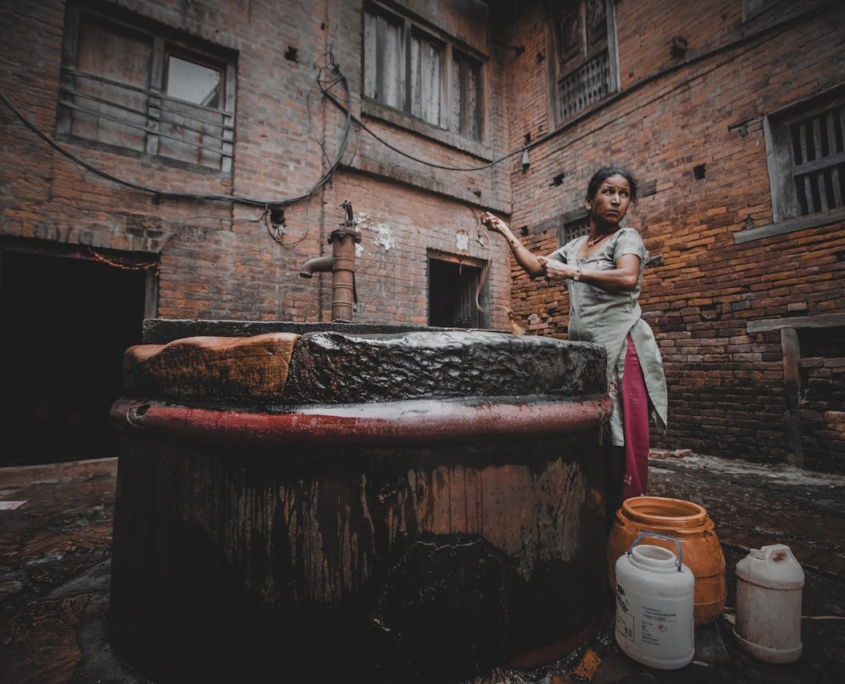
BiocharWith farmers across the globe facing growing prices and increasing inaccessibility to fertilizer, labor representatives like the National Corn Growers Association (NCGA) have warned their public officials of said resource and distribution complications. Many farmers’ economic climate uncertainty is mainly rooted in geopolitical tensions. The availability of components such as phosphorus, potassium and nitrogen has reduced, increasing the price of the internationally manufactured fertilizers that farmers rely on.

Many farmers in developed nations such as China and the United States have been disproportionately affected by the current global trade crisis. In June 2024, China implemented new restrictions on fertilizer exports, including a significant reduction in urea exports by 83% compared to the previous year, solidifying the existing imbalance in the world’s trade economy. Many farmers in developing nations without access to Urea-Ammonium Nitrate (UAN) or other nitrogen-based fertilizers grapple with tighter supplies. They are forced to reevaluate spending as uncertainty rises.

Human Waste and Biochar: How it’s Manufactured

Morocco, Russia, China, the U.S. and Saudi Arabia are the five countries that dominate the phosphate market, in turn, steadily taking control of fertilizer accessibility to global trade partners. Although this economic system has been reliable in the past, depletion of attainable resources and market tensions have made agricultural production less feasible. However, new studies on agricultural advancements have emerged, bringing attention to an innovative solution to reducing fertilizer shortages.

While not the most flattering topic, human waste may be an international golden ticket to making fertilizer more accessible for farmers. Studies have shown that human excrements can be applied annually to 15% of phosphorus, 25% of potassium and 17% of nitrogen in biochar fertilizer. If acted on, biochar could begin mitigating agricultural failures in developing nations by introducing a more accessible way to obtain fertilizer.

Biochar fertilizer is a soil amendment made from heating organic solids (or even fluids) at very high temperatures with negligible oxygen, creating a fertilizer that improves soil structure. Although the biochar process converts only solids, nutrients taken from urine could be added. Compared to treated sewage, researchers can separate waste at the source from harmful microplastics, heavy metals, PFAS, pathogens and pharmaceuticals in biochar fertilizer. On top of the many beneficiaries, biochar can have its nutritional proportions altered depending on the needs of the individual crop, increasing its versatility across all types of farmland.

What it Could Lead to

Among the leading benefits for farmers and product growth in farmland, biochar is one of the most innovative solutions against climate instability caused by agriculture. As agriculture and related land use account for 25% of the world’s greenhouse gas emissions, biochar is starting to be considered a promising alternative to reducing this percentage.

Studies estimate that the process of manufacturing biochar removes up to 90% of human waste, improving the efficiency of transportation. In addition, the production acts as a carbon sink, removing its man-made excess from the atmosphere. As humanity faces an uncertain future in its relationship with ecological sustainability, taking the first steps toward a green transition, such as the global adoption of biochar fertilizer from human waste within a circular economy, can benefit countless communities.

– Sam Barbagallo

Sam is based in Tewksbury, MA, USA and focuses on Business and Technology for The Borgen Project.

Photo: Wikimedia Commons