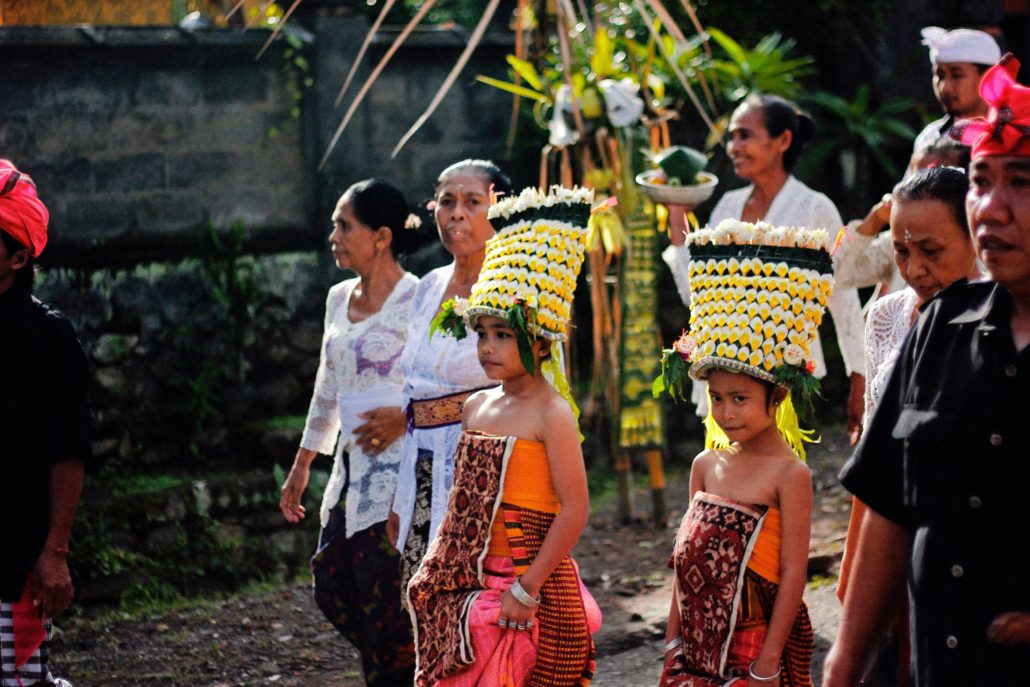
Indonesia is the largest country in Southeast Asia and the world’s third-largest democracy. It is a nation of economic and cultural crossroads, yet the country has made little progress in women’s health, rights and education. One can define period poverty as inadequate access to hygienic, proper menstrual products and proper menstrual education. The prevalence of period poverty in Indonesia continues to lead to discrimination against girls and adversely affects their health, education quality and empowerment. However, some are making progress toward ending the stigma and improving menstrual health management (MHM) for the 24 million adolescent girls who have or will soon reach menarche in Indonesia.
Overview of Period Poverty in Indonesia
Women and girls in Indonesia face numerous challenges during menstruation. They often have poor access to comprehensive information about menstruation, lack of appropriate materials to manage menstrual bleeding, inadequate water, sanitation and hygiene facilities (WASH) and harmful sociocultural taboos. These barriers engender reproductive health risks, low self-esteem among adolescent girls and school-drop out and absenteeism, cultivating vast gender disparities within Indonesia.
Access to Resources
In Indonesia, commercial products, such as tampons and pads, are much less available and are prohibitively expensive. In Indonesian culture, there are many misconceptions surrounding tampon use leading to loss of virginity and blocking the menstrual flow. As a result, women and girls rarely use them. After disposable pads, reusable cloths were the next most frequently used sanitary item, and women and girls more commonly used them in rural areas. It is common for young girls to make their own absorbent hygiene products at home, using materials such as cloths or towels, leaves, newspaper, tissue paper, sponges, sand, ashes and others. Greater access to menstrual products as well as information about menstrual hygiene and management is necessary for Indonesia, especially in rural communities.
The Stigma and Lack of Knowledge About Menstruation
Many Indonesian communities commonly view periods as dirty and not socially acceptable to discuss. UNICEF Indonesia found that 25% of adolescent girls had not discussed menstruation with anyone before first menses and 17% were not aware that menstruation was a physical sign of puberty. Furthermore, cultural taboos persist in disposing of menstrual products: 78% of girls and mothers washed their disposable pads before wrapping them in a plastic bag and then finally disposing of them. They explained that they washed disposable pads because they considered menstrual blood dirty and wanted to remove the smell and prevent others from discovering that they were menstruating.
Along with the lack of open communication about periods, data from Plan International has shown that many female students do not receive the correct information on how to manage their hygiene and health during menstruation. In the UNICEF study, only two-thirds of urban girls and less than half (41%) of rural girls changed absorbent materials at least every four to eight hours or whenever the material was soiled. Nearly all of the girls interviewed reported that they never or rarely changed materials at school, due to shame and embarrassment about having their period.
Impact on Education
About 80% of girls reported missing one to two days of school during their last menstruation. School absenteeism due to periods induces large gender disparities in the quality of education. Girls lack the ability to manage menstruation hygienically in most Indonesian schools. In 2015, UNICEF Indonesia conducted a study that found that nearly every girl never changed menstrual pads or cloths at school due to a lack of suitable latrines, inadequate water for washing pads, uncertainty about how to dispose of pads or lack of discrete means of disposal. Fear of others finding out they were menstruating also contributed to girls not bringing pads to school and reluctance to dispose of soiled pads in school bins where other students could see them. Improving MHM among adolescent girls in Indonesia and implementing effective MHM interventions in school is key to ending the stigma and disparities that periods elicit.
PERIOD Indonesia
Despite these barriers, people are taking many strides toward ending period poverty. One teen, A 16-year-old Indonesian youth activist, Alisha Syakira Triawan, founded the Jakarta chapter of PERIOD in October 2019, in an effort to end the stigma around periods and eliminate period poverty in her conservative community. In an interview with the Malala Fund, Alisha called on the government, schools and families to “provide menstrual education in communities and schools” to address the gender and health disparities that periods incite. She has also led her chapter in participating in Women’s March Jakarta 2020, where it distributed pads to those homeless people and young girls who could not access or afford menstrual products.
In addition to Alisha’s advocacy work with PERIOD Jakarta, Plan International Indonesia has been working to destigmatize periods and increase educational resources available in Indonesia since 2017. Collaborating with local school committees and government agencies, Plan International Indonesia is implementing a menstrual hygiene management program across five schools in Ende district, Indonesia. When the MHM program first emerged in schools, communities were uneasy and apprehensive to discuss such tabooed topics. However, students were thankful to learn about these topics. Keeping children informed about reproductive health issues leads to a more inclusive and safe environment for girls in schools.
UNICEF and the Indonesian Council of Islamic Scholars
Following UNICEF’s stance that “no adolescent girl or woman anywhere should be denied the right to manage their monthly menstrual cycle in a dignified, healthy way,” in 2018, it implemented a comprehensive initiative in Indonesia to address period poverty. UNICEF teamed up with the Indonesian Council of Islamic Scholars and is currently developing tools and guidance for girls on period health and hygiene based on religious teachings. It is empowering boys and girls with knowledge about MHM creatively through a storybook to provide education about menstrual hygiene and puberty through classrooms throughout the country.
Ending Gender Disparities and Empowering Girls
Promoting menstrual equity is fundamental to supporting women and young girls. The tenacity of girls in Indonesia fused with the work of organizations, such as UNICEF and Plan International Indonesia, are aiding in breaking down the stigma and cultural barriers oppressing young women. Yet, there is still much more that people can do to curtail period poverty in Indonesia. Indonesia and the world must eradicate period poverty to empower women and girls, and allow them to fully participate in all aspects of society.
– Samantha Johnson
Photo: Flickr

Hunger in Maldives: The FAO Assists
Problem in Numbers
With various scattered islands in the Maldives, it must be noted that most citizens live in urban areas. However, despite this setting, 17.3% of children in the Maldives are underweight, while 10.6% are wasted, a condition where a child’s muscle and fat tissues dissolve away to the bone.
It is estimated that only 47.8% of babies are exclusively breastfed during their first six months of life. As a result, many infants do not receive the essential nutrients needed for healthy development, which could lead to significant health problems in the future.
Alongside the impact of malnutrition on children, it is important to highlight that the adult population also experiences a significant burden, with 42.6% of women of reproductive age suffering from anemia.
Causes of Hunger and Poverty
Various factors cause food insecurity in the Maldives. One major factor is poverty, which has been exacerbated by a decline in tourism. Tourism is estimated to contribute to two-thirds of the nation’s GDP, so the recent border closures due to COVID-19 have had a severe impact on the livelihoods of the citizens. With one-third of adult males and a quarter of females engaged in tourism-related occupations, thousands have lost their jobs, making it harder for people to provide food and other necessities for their families.
Climate change, environmental degradation and declining ocean health threaten food security in the Maldives. Rapid temperature changes, flooding and drought impact agricultural yields, reducing the ability to produce food locally.
Another contributing factor to the hardships many families face is the decline in fish exports. Since fisheries after tourism represent a significant portion of the GDP, many families that rely on fishing as their primary source of income have experienced severe financial impacts.
Road to Change
Despite the rising hunger rates among the population of the Maldives, several organizations have mobilized to assist those in need. A prominent organization in this effort is the Food and Agriculture Organization of the United Nations (FAO), which is committed to advancing both fisheries and agriculture in the Maldives.
The FAO’s primary objective was to reassess the situation in the Maldives and create opportunities to grow the fishery and agriculture sectors. By establishing a stable framework, the organization enabled thousands to secure new jobs in the agriculture industry while increasing demand for specific goods.
Additionally, the FAO focused on teaching sustainable practices to hundreds of Maldivian farmers. By supporting small-scale farms, the FAO significantly boosted production in underprivileged communities. The organization also equipped farmers with the tools and knowledge to thrive amid climate change. This included providing methods to enhance the productivity of their crops, livestock and fisheries despite challenging climatic conditions.
Despite significant support from the FAO, the Maldives still struggles to adequately feed its entire population. While organizations like the FAO can provide short-term assistance, long-term solutions require active involvement from the government. To effectively reduce hunger, the Maldivian government must collaborate with nonprofit organizations to improve food security nationwide. By working together, NGOs and the Maldivian government can help decrease the overall hunger rate in the Maldives.
– Aditya Padmaraj
Photo: Flickr
Updated: November 1, 2024
CRISPR Gene Editing To Treat Sickle Cell Disease
What is Sickle Cell Disease?
Sickle cell disease is most prevalent in African countries, where having one copy of the sickle cell gene helps protect people against malaria. However, having two copies of this gene results in sickle cell disease. Sickle cell disease occurs because of a genetic mutation that causes red blood cells to develop a sickle-shape and this obstructs healthy blood flow. The condition can cause serious pain and negative health effects, usually resulting in early death. When considering children with the disease, 70% are born in sub-Saharan Africa. Unfortunately, these countries do not have adequate resources to properly alleviate the symptoms of this condition, let alone treat them.
A Potential Cure
In recent months, it has been discovered that CRISPR gene-editing technology may be the key to curing sickle cell disease. CRISPR–Cas9 is a naturally occurring defense system that edits DNA sequences to fight viruses in the human body. In the past decade, scientists have discovered how to harness this system’s ability to manipulate DNA in chosen ways. The result of this is CRISPR gene editing is a powerful technology that can correct genome defects and even alter entire genomes.
CRISPR technology works by editing genes, which modifies how the body functions. First, medical professionals remove patients’ bone marrow and treat it. Then, CRISPR allows scientists to “cut and paste” bits of the genome by either cutting or adding a sequence of DNA into the genome. This can correct genetic mutations, ultimately improving a patient’s health.
In the U.S., a trial of using CRISPR to cure sickle cell disease is yielding promising results. The treatment uses CRISPR technology to activate a gene that instructs the body to produce fetal hemoglobin instead of adult hemoglobin. The presence of fetal hemoglobin prevents the blood cells from sickling. In this way, the treatment alleviates the health complications typically resulting from sickle cell disease. The subject of this trial is much healthier and has made exceptional progress in her recovery. These spectacular results have left many people hopeful that CRISPR technology could successfully treat sickle cell disease, with more widespread results by 2022.
The Future of CRISPR Treatment
For CRISPR treatment to reach its full potential, it must become more accessible to those who need it most. Therefore, the underprivileged in sub-Saharan Africa would benefit greatly. One suggested way to overcome accessibility barriers is through a tiered-pricing system. This system would offer gene therapy treatment to patients in developing countries at a reduced price, while patients in high-income countries would be expected to pay for the treatment in full.
There are currently logistical barriers to this solution, as gene therapy can cost thousands of dollars. The cost of CRISPR treatment would have to be greatly reduced (beyond the normal price drops of tiered pricing) to be successfully made available to the underprivileged. Additionally, this treatment requires consistent doctor visits. Much of sub-Saharan Africa lacks access to health clinics and other essential resources, such as refrigeration.
Breaking Down Barriers
Organizations are helping to eliminate the barriers blocking CRISPR treatment for sickle cell disease in developing countries. The National Institutes of Health and the Bill and Melinda Gates Foundation donated $200 million to this cause in 2019. This money will help make gene therapy accessible throughout the world and improve the quality of life for thousands. With the promise of affordable CRISPR gene modification therapy, there is hope for individuals worldwide to treat sickle cell disease. Permanently improving the quality of life is the end goal. Those living in developing countries, the global poor and those vulnerable to falling into poverty will be the most to benefit from this exciting, technological development.
– Hannah Allbery
Photo: Flickr
China’s Left-Behind Children
There are about 70 million left-behind children in China, and they experience many effects of poverty. The average ages of LBC range from 6 to 17. While LBC are more prominent in rural China, the number of LBC has risen in urban areas as well. As a result, many children in China are mentally and physically ill, don’t receive a proper education and are essentially stuck in the cycle of poverty. Parental absence contributes to all of these factors.
Poor Quality of Education
While their parents seek more money in the city, left-behind children are left in inadequate school buildings with limited supplies and ill-prepared teachers. In an interview with The Borgen Project, Lijiah Zhang, an author and journalist who examines China’s left-behind children, stressed that education is the largest problem these children face. “Without their parents, the children are more likely to lose interest in their studies and sometimes drop out of school, the opposite of what their parents hope for,” she said. Indeed, over 13% of left-behind children drop out by the eighth grade. Another reason for dropouts is the household responsibilities some left-behind children must take on, such as agricultural work, which leaves them with no time for academics.
For those who do continue their education, the quality is waning. With teachers lacking incentives and resources, education is a large obstacle for LBC. Educators hired for rural teaching positions are often fresh out of training and possess little teaching experience to offer a proper education. But because they are cheaper to pay, schools that lack funding hire them constantly. The staff is overworked and tremendously underpaid, with some rural educators working over 12 hours a day. This poor teaching quality combined with cramped classrooms and a lack of technology sets rural children up for failure.
High Dropout Rates
Left-behind children dropping out of school perpetuates cyclical poverty. China’s economic expansion over the past 40 years has brought about 800 million people out of poverty, but it has also widened the gap between rural and urban communities. Families in poverty continue to struggle with money, and the number of parents deciding to leave children behind is rising. These children are stuck living with the effects of poverty, and with no parental guidance, they have little means of digging their way out.
Zhang stated that many LBC feel powerless in their situations, which leads to them losing interest in their schooling and dropping out, thus reducing their chances of climbing the employment ladder. Because of the difference in economic opportunities between rural and urban communities, poor children remain poor while the rich stay rich.
Lack of Safety and Health
Because left-behind children do not have parents to protect or guide them, they are more vulnerable to abuse. Forms of abuse include harassment from peers and guardians, sexual abuse and criminality. For example, in 2015 a teacher was sentenced to life in prison for raping 12 of his students, 11 of whom were left-behind children. Many children also experience extremely long walks to and from their schools, some of which take multiple hours. This leaves them alone and vulnerable to anyone passing by.
Living without parental guidance also takes a mental and physical toll on children. Left-behind children are much more likely than non-LBC to have depression, anxiety and behavioral issues due to parental absence. They are also more likely to suffer from chronic loneliness. In a survey of six Chinese provinces, 25% of LBC reported high levels of loneliness, which can worsen mental and physical health. While parental migration offers a chance at economic improvement, child development often deteriorates.
The diets of left-behind children are often also insufficient. According to a 2015 study, left-behind boys consumed more fat and less protein in their diets. This puts them at an increased risk for obesity and stunted growth. Zhang said: “I think the LBC’s diet is worse than non-LBC. Their guardians, usually their grandparents, are mostly very frugal. They also don’t have any idea about healthy diet or nutrition.” Limited nutrition can lead to poor school performance in addition to long-term health risks.
Helping Left-Behind Children
This crisis is well-known, and many organizations are working to aid these millions of children. Save the Children, OneSky and Humanium advocate for and offer direct assistance to left-behind children. So far, Save the Children has helped 310,000 vulnerable Chinese children. Specifically, it provides educational improvements and services to keep them from harm. UNICEF also offers services to LBC in multiple Chinese provinces, including social and emotional development and health administration. UNICEF continues to initiate projects to help these children.
Each year, millions of Chinese children suffer without their parents. The mental and physical health consequences along with the inadequate education they face make their everyday lives an uphill battle. Humanitarian assistance helps thousands of these children, but the causes underlying the crisis continue challenge poverty eradication.
– Radley Tan
Photo: Flickr
CBT Eliminating Violence in Liberia
Although humans’ basic needs must be met to set the foundation for healthy behavior and break the cycle of poverty, some have already been affected by various mental conditions. Due to the side effects and social stigmatization associated with many of these mental health issues, individuals can feel forced to engage in crime or violence to make ends meet. In the African country of Liberia, this is an issue facing thousands and it prompts many questions. How do these individuals gain access to care? What effect do these conditions have on future generations? How do we break the cycles of crime and violence already apparent in Liberia? To approach answers to these questions, it is essential to understand therapeutic options. Particularly, people can learn many lessons by observing CBT eliminating violence in Liberia.
What is CBT?
According to the American Psychological Association, Cognitive Behavioral Therapy (CBT) is a type of psychological treatment that aims to change behavioral and thinking patterns. CBT centers on the understanding that complications in psychological makeup can be a result of learned behavior — hindering the thought processes.
Recipients of Cognitive Behavioral Therapy work on improving self-confidence, adopt effective coping mechanisms and alter the thinking patterns that contributed to negative behavior. Clients also learn to modify their habits — such as confronting, rather than avoiding difficult situations. Additionally, patients practice self-control and prepare for real-life scenarios they may find challenging.
One distinguishing factor of CBT is its focus on the current and future aspects of the patients’ life. While medical professionals take into account a person’s past, the main goal of this therapy is to create effective techniques to deal with the patients’ present issues.
Current Prevalence of Crime In Liberia
The Overseas Security Advisory Council’s (OSAC) 2020 Liberia Crime and Safety Report states that the country has seen increases in violent robberies and home invasions. The council also reports that “sexual assault and rape are the most commonly reported violent crimes.” In addition to this rise in crime, Liberia experiences greater social upheaval (than previously) due to escalating difficulties in the economy, healthcare and employment.
As urban poverty surges among Liberian cities, homelessness, pollution and deteriorating infrastructure have become increasingly concerning issues. Impoverished citizens face coinciding problems concerning lack of opportunity and inequality. Discrimination, poor education and epidemics such as Ebola all impact the poor most severely. Moreover, these unstable environments catalyze crime and violence rates in Liberia — especially in young men.
CBT & Cash Impact Violence in Libera
One study in the nation’s capital of Monrovia revealed the benefits of CBT on eliminating violence in Liberia. More than 1,000 men participated in this experiment, all of whom researchers considered at-risk for crime and violence. Researchers placed the men in one of four groups. I.e., one that received only therapy, one that received only cash, one that received both, and one that received nothing. Notably, the cash incentive provided to designated participants was enough to start a small business.
Therapy alone improved behaviors significantly, decreasing many of the men’s objectionable behaviors. However, the most lasting effects were seen in the men receiving both therapy and cash. The men were able to practice what they learned in therapy while taking advantage of the opportunity to feel like a “normal” member of society. These men received means, motives and opportunities. However, this time, it was all in favor of improving their lives and their influence on the community.
CBT eliminating violence in Liberia is not the only approach necessary to ending poverty. Yet, it does offer promise for positive change and highlights the importance of the long-term measures needed for vulnerable communities.
– Amy Schlagel
Photo: Flickr
Improving Healthcare in Samoa
Samoa consists of nine volcanic islands in the South Pacific with a population of about 196,000. The country’s healthcare system provides the Samoan people with access to routine medical treatment. However, the country relies on outside assistance to provide aid and education to supplement people’s knowledge regarding anything more than standard medical practices. In recent decades, healthcare in Samoa has focused primarily on combating the increase of Type 2 diabetes, but several factors have hindered these efforts.
Lifestyle and Eating Choices
After World War II, the Samoan population grew dramatically, and the Samoan people’s lifestyle and eating choices began to mimic a more Western way of life. Samoa now faces some of the highest diabetes and obesity rates in the world. The United Nations Development Program, which measures countries’ well-being based on income, education and health factors, ranked Samoa 111th out of 189 countries in its 2019 report. About 20% of the people fall below the poverty line.
Many Samoans feel the need to appear as well-off as their neighbors. Bringing processed foods to social and family gatherings conveys an image of wealth. Many Samoans choose these products over local foods like fresh fruit and fish that are healthier and more nutrient-dense. As a result, many Samoans struggle not only with obesity but also anemia because they do not receive enough iron. In a 2017 study, 16% of Samoan toddlers were overweight or obese. Being able to provide more expensive, imported foods can also denote status. As a result, more Samoans eat less-healthy, processed foods that increase their risk of developing Type 2 diabetes.
Increased Need for Education
A 2010 study funded by the National Institute of Diabetes, Digestive and Kidney Disorders found that many Samoans do not consider diabetes a major contributor to poor health. Because diseases like obesity, diabetes and hypertension are newer to their country, many Samoans do not recognize their severity. Educational efforts related to the study helped Samoans learn about the management and prevention of these diseases. Simple flip charts with large pictures and minimal text helped illustrate basic preventative measures. Although these measures were not especially thorough, they gave the people the first steps toward being more aware of the effects of their lifestyles and having better healthcare in Samoa.
In 2018, a small group of students from the Pacific Islands attending U.S. universities joined a Yale research project to learn more about solutions to these health problems so they could bring this knowledge back to their homes. With both local and overseas efforts, Samoans are becoming more educated about these diseases. This should, in turn, result in better healthcare in Samoa.
Lack of Local Health Professionals
Healthcare in Samoa is free, and several hospitals are available for people needing services. However, the country does not have enough medical professionals. From 1997- 2010, there were only 48 doctors per 100,000 people. Many of the specialists who primarily treat diabetes do not live in the country but travel there for a limited time. Although over 21% of adults have Type 2 diabetes, there is no established endocrinologist in the country. Healthcare staff have expressed a desire for more training for themselves, as well as outreach programs for their patients.
For decades, Samoans have been asking for the placement of full-time physicians in district hospitals. Just in 2020, full-time doctors were finally assigned to all of the hospitals in Samoa. Although this is a huge improvement, the community needs to continue to focus on adapting its social and cultural practices to prevent the disease from spreading. With limited healthcare staff available, an increase in knowledge and a sharing of that knowledge is the best bet for success.
Type 2 diabetes cases will continue to increase as long as Samoans make choices that increase their risk. Until they can get more support from medical professionals, the most effective way to combat diabetes seems to rely on increased education and understanding. Without adequate medical staff and proper education about nutrition, healthcare in Samoa will likely continue to focus on obesity and the diabetes epidemic.
– Tawney Smith
Photo: Flickr
Innovations in Poverty Eradication in Bulgaria
The past three decades have resulted in a fluctuating economy within Bulgaria. Specifically, the global financial crisis of 2008 has left the country with insolvency. Despite this hardship, Bulgaria continues to rise on the Global Competitiveness Report, coming in at 49 out of 144 countries. Advancements in the information communications technology (ICT) sector has played a large part in their resiliency and may be the key to innovations in poverty eradication in Bulgaria.
The Global Competitiveness Report
The Global Competitiveness Report measures a number of pillars. Since the implementation of its national strategy for poverty eradication in Bulgaria in 2015, Bulgaria has significantly improved its Global Competitiveness Report ranking in the 12th pillar: innovation capability. In 2015, it ranked 94 out of 140 countries. In 2019, its ranking jumped to 48 out of 141 countries.
In 2018, the Global Competitiveness Report added an additional pillar for ICT adoption. Bulgaria currently ranks 30 out of 141 countries on this pillar. From 2016 to 2018, there was a 300% growth in the Bulgarian ICT workforce. To paint a more detailed picture, the industry went from 5,000 to 20,000 workers.
What is ICT?
People may best know Bulgaria for its software industry, namely educational software, financial services software, analytical software and Manufacturing Execution System (MES) management software. Of the E.U. members, many regard Bulgaria as having the best performing ICT sector. In addition, Bulgaria houses approximately 10,000 ICT companies. This may be due to the low corporate tax rates of 10%.
ICT Organizations for Marginalized Citizens
A subsequent factor of poverty is social exclusion. Gaps in employment and educational opportunities create social barriers for poverty-ridden areas. Despite 71% of Bulgarian homes having access to high-speed internet, only 41% of citizens have basic computer skills. The following organizations have devoted themselves to mending this gap:
Bulgaria’s ICT sector has remained on a steady incline for the past five years, with no intention of slowing down. Bulgaria’s growing software industry proves to aid with innovations in poverty eradication. Organizations like Telerik Academy and BCWT are crucial in closing the employment and educational gaps that ultimately fortify poverty. Despite the country’s insolvency, Bulgaria remains dedicated to poverty eradication in Bulgaria through ICT education and opportunities.
– Sage Ahrens-Nichols
Photo: Flickr
Ameliorating Period Poverty in Indonesia
Indonesia is the largest country in Southeast Asia and the world’s third-largest democracy. It is a nation of economic and cultural crossroads, yet the country has made little progress in women’s health, rights and education. One can define period poverty as inadequate access to hygienic, proper menstrual products and proper menstrual education. The prevalence of period poverty in Indonesia continues to lead to discrimination against girls and adversely affects their health, education quality and empowerment. However, some are making progress toward ending the stigma and improving menstrual health management (MHM) for the 24 million adolescent girls who have or will soon reach menarche in Indonesia.
Overview of Period Poverty in Indonesia
Women and girls in Indonesia face numerous challenges during menstruation. They often have poor access to comprehensive information about menstruation, lack of appropriate materials to manage menstrual bleeding, inadequate water, sanitation and hygiene facilities (WASH) and harmful sociocultural taboos. These barriers engender reproductive health risks, low self-esteem among adolescent girls and school-drop out and absenteeism, cultivating vast gender disparities within Indonesia.
Access to Resources
In Indonesia, commercial products, such as tampons and pads, are much less available and are prohibitively expensive. In Indonesian culture, there are many misconceptions surrounding tampon use leading to loss of virginity and blocking the menstrual flow. As a result, women and girls rarely use them. After disposable pads, reusable cloths were the next most frequently used sanitary item, and women and girls more commonly used them in rural areas. It is common for young girls to make their own absorbent hygiene products at home, using materials such as cloths or towels, leaves, newspaper, tissue paper, sponges, sand, ashes and others. Greater access to menstrual products as well as information about menstrual hygiene and management is necessary for Indonesia, especially in rural communities.
The Stigma and Lack of Knowledge About Menstruation
Many Indonesian communities commonly view periods as dirty and not socially acceptable to discuss. UNICEF Indonesia found that 25% of adolescent girls had not discussed menstruation with anyone before first menses and 17% were not aware that menstruation was a physical sign of puberty. Furthermore, cultural taboos persist in disposing of menstrual products: 78% of girls and mothers washed their disposable pads before wrapping them in a plastic bag and then finally disposing of them. They explained that they washed disposable pads because they considered menstrual blood dirty and wanted to remove the smell and prevent others from discovering that they were menstruating.
Along with the lack of open communication about periods, data from Plan International has shown that many female students do not receive the correct information on how to manage their hygiene and health during menstruation. In the UNICEF study, only two-thirds of urban girls and less than half (41%) of rural girls changed absorbent materials at least every four to eight hours or whenever the material was soiled. Nearly all of the girls interviewed reported that they never or rarely changed materials at school, due to shame and embarrassment about having their period.
Impact on Education
About 80% of girls reported missing one to two days of school during their last menstruation. School absenteeism due to periods induces large gender disparities in the quality of education. Girls lack the ability to manage menstruation hygienically in most Indonesian schools. In 2015, UNICEF Indonesia conducted a study that found that nearly every girl never changed menstrual pads or cloths at school due to a lack of suitable latrines, inadequate water for washing pads, uncertainty about how to dispose of pads or lack of discrete means of disposal. Fear of others finding out they were menstruating also contributed to girls not bringing pads to school and reluctance to dispose of soiled pads in school bins where other students could see them. Improving MHM among adolescent girls in Indonesia and implementing effective MHM interventions in school is key to ending the stigma and disparities that periods elicit.
PERIOD Indonesia
Despite these barriers, people are taking many strides toward ending period poverty. One teen, A 16-year-old Indonesian youth activist, Alisha Syakira Triawan, founded the Jakarta chapter of PERIOD in October 2019, in an effort to end the stigma around periods and eliminate period poverty in her conservative community. In an interview with the Malala Fund, Alisha called on the government, schools and families to “provide menstrual education in communities and schools” to address the gender and health disparities that periods incite. She has also led her chapter in participating in Women’s March Jakarta 2020, where it distributed pads to those homeless people and young girls who could not access or afford menstrual products.
In addition to Alisha’s advocacy work with PERIOD Jakarta, Plan International Indonesia has been working to destigmatize periods and increase educational resources available in Indonesia since 2017. Collaborating with local school committees and government agencies, Plan International Indonesia is implementing a menstrual hygiene management program across five schools in Ende district, Indonesia. When the MHM program first emerged in schools, communities were uneasy and apprehensive to discuss such tabooed topics. However, students were thankful to learn about these topics. Keeping children informed about reproductive health issues leads to a more inclusive and safe environment for girls in schools.
UNICEF and the Indonesian Council of Islamic Scholars
Following UNICEF’s stance that “no adolescent girl or woman anywhere should be denied the right to manage their monthly menstrual cycle in a dignified, healthy way,” in 2018, it implemented a comprehensive initiative in Indonesia to address period poverty. UNICEF teamed up with the Indonesian Council of Islamic Scholars and is currently developing tools and guidance for girls on period health and hygiene based on religious teachings. It is empowering boys and girls with knowledge about MHM creatively through a storybook to provide education about menstrual hygiene and puberty through classrooms throughout the country.
Ending Gender Disparities and Empowering Girls
Promoting menstrual equity is fundamental to supporting women and young girls. The tenacity of girls in Indonesia fused with the work of organizations, such as UNICEF and Plan International Indonesia, are aiding in breaking down the stigma and cultural barriers oppressing young women. Yet, there is still much more that people can do to curtail period poverty in Indonesia. Indonesia and the world must eradicate period poverty to empower women and girls, and allow them to fully participate in all aspects of society.
– Samantha Johnson
Photo: Flickr
Labor Reforms to Reduce Migrant Poverty in Qatar
Ever since the International Federation of Association Football’s (FIFA) announcement that Qatar would host the 2022 World Cup, migrant flows to the country have exploded. Since 2010, Qatar has sought to bring thousands of workers to its shores in order to assist in the construction of stadiums, hotels and other infrastructure necessary to facilitate the tournament. To meet this demand, migrants from all over the Persian Gulf region, as well as South Asia, have flooded into the country. Migrants hoped to escape dire straits in order to find a stable job and a stable income. In fact, 700,000 workers came from India alone. However, migrant poverty in Qatar has become a significant issue.
Migrants in Qatar
According to Human Rights Watch, the migrant labor force has reached more than 2 million, making up approximately 95% of the labor force. However, despite being the second richest country in the world with a GDP per capita of $124,500 in 2017, a lack of labor rights has created widespread poverty in Qatar, especially among migrants.
The reason poverty persists among workers is the kafala sponsorship system. Migrants have to apply for visas from employers, often incurring costs through recruiters to do so. Even if workers do manage to pay enough to get access to a job, employers have broad controls over what workers can do. Employers often take passports from workers, preventing them from escaping brutal conditions. Additionally, some workers have gone with little to no pay. This has led to hundreds of thousands of people living in labor camps, where disease and poverty are rampant.
Solutions
In 2017 and 2018, Qatar’s government passed policies intended to reduce migrant poverty in Qatar. In October 2017, the government established a temporary minimum wage for migrant workers in the hopes of improving the conditions of laborers. One year later, in October 2018, Amnesty International reported that Qatar implemented a support and insurance fund in order to protect workers from lost wages.
However, Human Rights Watch has reported that both of these reforms were implemented unevenly, and thus have not had much of an effect. Employers still have a lot of control over workers, and poor enforcement has meant that the kafala structure is still in place.
On August 30, 2020, Qatar announced two new reforms in order to rectify this issue. The first was an increase in the existing minimum wage. The law will take effect in January 2021, and also requires employers to pay workers a stipend for food and housing. The second was a law to allow workers to leave their jobs without having express permission from their employers. This mobility could allow workers to escape dangerous conditions and find better work.
Such reforms could even save lives, as even the lowest estimates indicate that at least 1,200 people have died working on World Cup stadiums due to harsh conditions. International watchdogs have applauded these reforms. Amnesty International has argued that these small steps provide some hope that migrant poverty in Qatar, as well as worker exploitation, will soon be on the decline.
– Thomas Gill
Photo: Flickr
Women’s rights in the United Kingdom
When analyzing the issues that are prominent regarding women’s rights in the United Kingdom, one that catches the eye is the dominant source of inequality between men and women, the wage gap. Through research, it has become evident that the gender wage gap has caused some tremendous strife when it comes to women’s rights in the United Kingdom. In fact, the country has worked for many years to try to tighten the gap with little luck.
The Wage Gap and the Equal Pay Act
According to an article that the Independent published, 78% of the United Kingdom’s biggest companies have widened the gap in favor of men as of 2020. However, it is evident that the movement for equal pay in the United Kingdom has actually regressed in the most recent years.
Historically, the United Kingdom saw a tremendous decrease in the wage gap in 1970, which marks the official passing of the Equal Pay Act. According to a journal by authors Peter Dolton, Donal O’Neill and Olive Sweetman, there was much development that went into the Equal Pay Act. Their discoveries have led to the conclusion that within the workforce there were many, “gender-specific forces” that drove the United Kingdom legislature to pass the Equal Pay Act.
However, this act proved to solve so few of the problems for women’s rights in the United Kingdom, as companies simply did not believe in the idea of equal pay. As found in the graphs within Susan Harkness’ essay, the year 1977 showed a tremendous spike in the wage gap that ultimately stayed consistent from then on. Overall, with proper legislation in place, the U.K. is still struggling with a wage gap issue even in such revolutionary times.
Defining the Wage Gap
When looking at data, it is appropriate to ask how much this gap truly is. Now, according to an essay by authors Claudia Olivetti and Barbara Petrongolo, they mentioned that men’s hourly wages are between 27 and 33 log points higher than that of a woman.
More specifically, in the Independent article, by Sophie Gallagher, she spoke to a handful of women who have struggled with this issue first hand. Gallagher wrote that “head chef Kay Collins didn’t have to go digging to find out she was being paid £6,000 less than her male colleague,” which allows readers to fully understand how big this gap is based on a yearly salary. Though the issue is still very prominent, people are working hard at minimizing the gap.
With this information, women in the U.K. are not settling for this type of inequality. Gallagher went on to explain how many women who are falling victim to the gender gap are challenging the legality of their personal situations. As written in the same article, “… the BBC’s former China editor Carrie Gracie won her unequal pay claim after it emerged she was being paid around £100,000 less than a male comparator,” which proves that the fight is still being fought for women’s rights in the United Kingdom 50 years after the Equal Pay Act.
Fawcett Society and YESS Law
However, in contradiction, recent numbers show that as of 2019, the gap among employees has dropped 0.5% and continues to drop as the years go on. Though the issue is still very prominent, people are working hard at minimizing the gap. Working through many setbacks that have appeared in the past, many charities have been working in favor of women when it comes to receiving equal pay. For example, Campaign group Fawcett Society and legal charity YESS Law started the Equal Pay Advice Services, which supports women when speaking out about the wage gap that they have fallen victim to.
What the two organizations are doing is educating women on what the gender gap is and how large it has become in more recent years. They want to advise lower-paid women on equal pay in order to raise awareness of the issue. According to Fawcett Society, 40% of women are unaware that equal pay is a right. The organization also created a “Right to Know” petition to help raise awareness.
These charities are great examples of how an outsider can help the movement for equal pay in the U.K. By showing support for these groups, one can express their own support of women’s rights in the United Kingdom.
Simply by becoming more educated on the topic, women are discovering that more and more are fighting for what is truly theirs. The U.K. is following the notion that there is no need for the prevalence of a gender gap in current society. In fact, many are using protests, facing legal challenges and speaking to policymakers as a means to get what they truly deserve, that being equal pay.
Photo: Flickr
4 Facts About Hunger in Italy
The U.N. defines food security as every person having physical, social and economic access to enough safe and nutritious food to meet and sustain dietary needs for a productive and healthy life. “Hunger,” on the other hand, describes periods in which people experience severe food insecurity where they go days without eating. This occurs because of the lack of money, access to food, or other resources. Here are four facts about the situation of hunger in Italy:
Four Facts About Hunger in Italy
While not commonly known, hunger exists in Italy and is worsened by the state of unemployment and poverty under which many Italians live. However, through government efforts as well as global commitments to combat food insecurity, there is hope for a future where hunger in Italy is no longer a major concern.
– Rebecca Blanke and Cole Zickwolff
Photo: Pikist
Updated: November 21, 2024