Combating Period Poverty in Iran
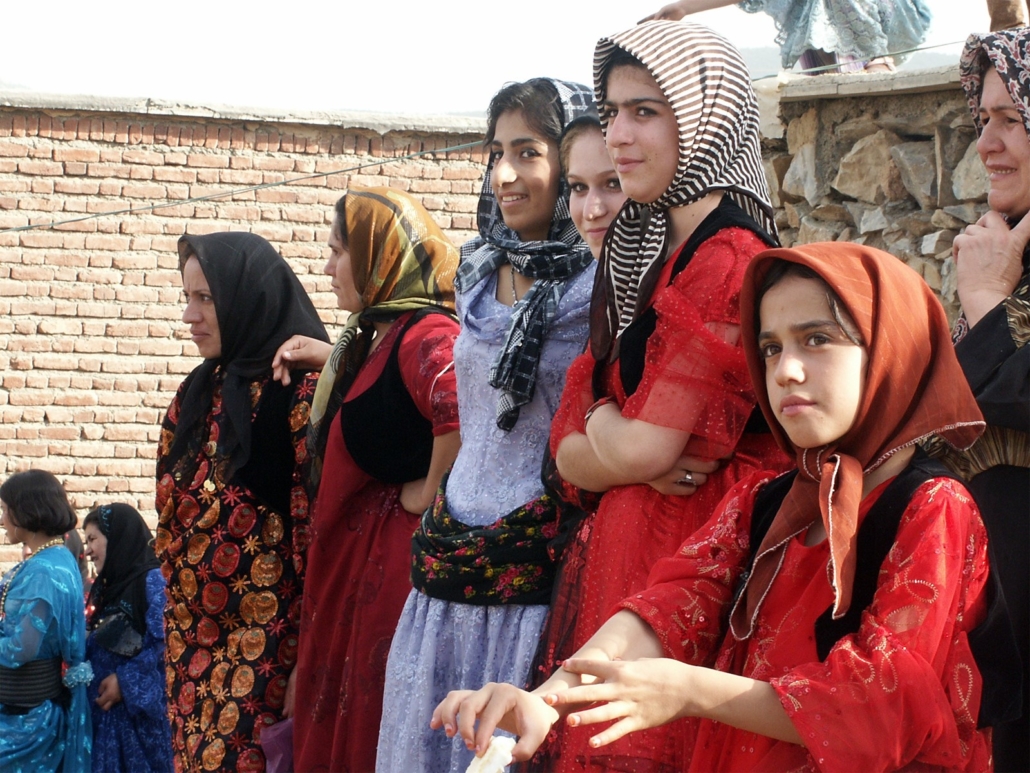
Menstruation is a normal, healthy part of life. However, for women and girls worldwide, having a period can be a barrier to attaining true gender equality. Period poverty in Iran is the result of many factors including misconception, lack of training and education, stigma and traditional, conservative religious beliefs. With “millions of women and girls [continuing] to be denied their rights to water, sanitation, hygiene, health, education, dignity and gender equity,” some are directing attention and resources to the menstrual equality movement.
Misconception and Restriction
In the Islamic Republic of Iran, taboos, misconceptions and social and cultural restrictions shadow menstruation for many women. A study among school girls in West Iran found that “41.2% of girls understood that menstruation is a normal physiological process in women,” leaving the majority of pubescent girls in this study to form inaccurate perceptions about this normal bodily function. In a similar study, 48% of Iranian girls stated they believed that menstruation was a disease. The feelings of confusion, panic and fear that accompany such beliefs can inhibit girls from experiencing true dignity and comfort in their bodies.
Cultural, religious and traditional beliefs have a significant impact on norms and attitudes. Islamic rules dictate various prohibitions for menstruating women. During menstruation, women cannot bathe, pray, enter a mosque, fast during Ramadan, touch the Quran or have sexual intercourse. Certainly, the level of restriction varies amongst communities and families, however, much of these restrictions predominate.
A study that occurred in secondary schools in the city of Tabriz, the most populous city in northwestern Iran, indicated that the majority of female students were able to access menstrual hygiene products. Specifically, out of the 1,000 students included in the study, two-thirds reported a favorable economic status and 95.6% reported using disposable pads during menstruation. Though these rates are encouraging, Iran’s poverty rates remain very high. After the last census in 2016, an Iranian economist estimated that 30 million Iranians were living in relative poverty and 12 million in absolute poverty. High poverty rates correlate to less access to water, sanitation and hygiene resources, including menstrual pads.
The Impact of Education
While organizations and governments can best tackle the complex issue of combating period poverty in Iran through collaboration across disciplines of education, urban planning, water and sanitation, a study out of Iran University of Medical Sciences and Health Services states that “health education is among the fundamental and successful approaches to health promotion.” It is promising, then, that in early 2019, a group of officials from the Iranian Ministry of Science and Health as well as the Vice President for the Women’s and Family Affairs, collaborated to create a document aimed at promoting sexual health awareness and education. The document provides guidance to empower teachers and parents, implement education packages and establish policies and interventions to promote indirect sexual education through media. This document is the first of its kind and marks a critical undertaking of improving adolescents’ sexual health education in Iran.
Training and education have a considerable influence and can help mitigate period poverty in Iran. One study found that the use of sanitary pads, as well as bathing and washing after urination or defecation during menstruation, were practices significantly elevated in groups of young girls that received training. The stakes of proper training are beyond fostering hygienic practices; education has a direct impact on health outcomes. Young girls who are first learning about menses are a particularly vulnerable group. Lacking information about menstruation can lead to anxiety and lowered self-esteem but also reproductive tract infections and pelvic inflammatory diseases. The International Journal of Pediatrics found that “young girls with better knowledge and practice toward menstrual hygiene are less vulnerable to adverse health outcomes.”
The Importance of Mothers
Iran can best take on the task of providing reproductive education to its youth by utilizing a critically helpful source: mothers. Countless studies state that the most efficient, culturally and religiously sensitive strategy to convey information to girls about menstruation involves families, mothers in particular.
A study by the International Journal of Preventive Medicine compared different training sources for adolescents’ menstrual health education. Its findings indicate that partnering parents and school trainers as equal stakeholders “leads to more successful results in health implementation.” Another study based out of Iran suggests that education to mothers could be even more effective than directly training adolescent girls themselves. With 61% of Iranian girls reporting that their mothers are the best source of information about menstrual hygiene, it is critical that mothers receive sufficient education so they can share accurate information with their daughters. It is urgent, ethical and resourceful to prioritize education and training for menstrual health management.
Organizations Addressing Women’s Health
While there are over 2,700 NGOs working in Iran on women and family affairs, including Relief International and Center for Human Rights in Iran, the work of Imam Ali’s Popular Student Relief Society, IAPSRS, has been substantial in the area of reducing period poverty in Iran. This prominent group includes 12,000 volunteer university students and graduates. It aims to promote social and economic justice by supporting marginalized children and women in the most problematic, marginalized neighborhoods in Iran. The organization has provided workshops about personal hygiene, birth control, maturity and sexually transmitted disease prevention, as well as deployed volunteer gynecologists for biannual disease screenings.
The work of this group is currently in jeopardy, however. In early March 2021, a court verdict dissolved the NGO, stating that it “deviated from [its] original mission and insulted religious beliefs.” The Human Rights Watch has already called on the U.N. High Commissioner for Human Rights to reverse this action and reinstate the organization.
The Period Equity Movement
The last decade has illuminated the need for a growing focus and global movement on menstrual health management. Significant developments have occurred to address the barriers facing girls and women all over the world, but the need for major overhauls in programming and policy agenda persists.
– Brittany Granquist
Photo: Flickr
