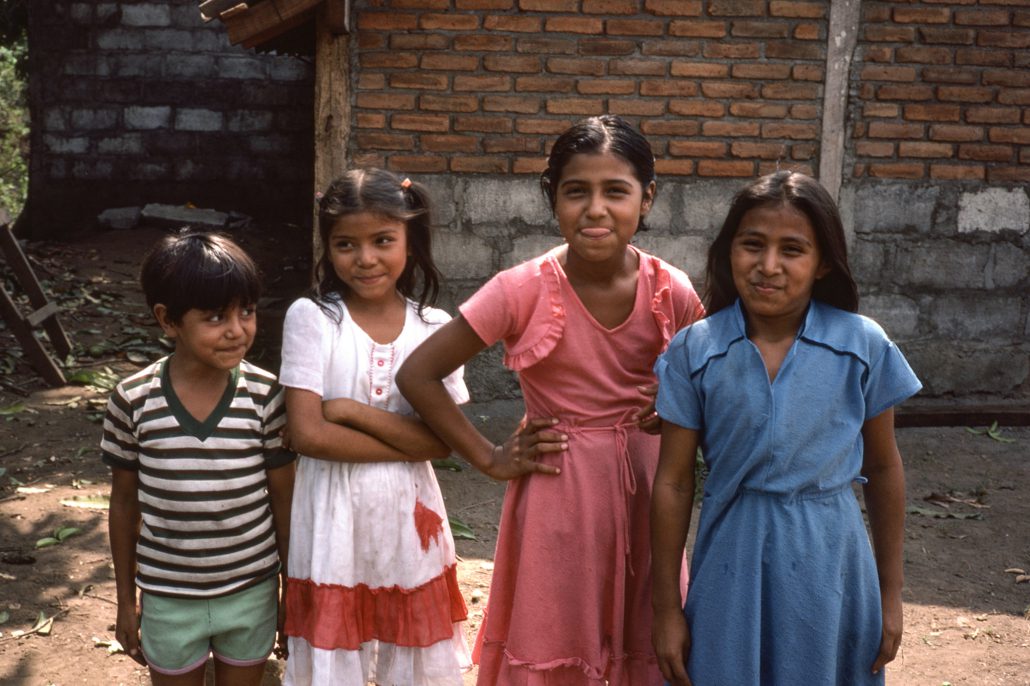
 Nicaragua is home to almost 7 million people and is known for its bewitching terrain of grand lakes and vibrant volcanoes. The Central American country is rich in agriculture and colonial architecture. However, disability and poverty in Nicaragua is a concern to many. The efforts to take action on these issues are very low, with political officials choosing to ignore them. People with disabilities often live in extreme poverty due to the lack of measures taken to protect them.
Roughly 10-15% of the population in Nicaragua is disabled, which is around 700,000 to 1 million people. People experience numerous types of disabilities, ranging from physical, mental and intellectual. The most common being limb amputees and individuals with paralysis. The causes can vary from conditions present at birth, chronic diseases such as noncommunicable diseases, or exposure to occupational hazards. A large contributor is deficiencies in pre- and post-natal care and not having proper access to medical resources during pregnancy.
The Parallels Between Disability and Poverty in Nicaragua
About 12.5% of the population lived in poverty as of 2023. While it is unknown how many people with disabilities are living in extreme poverty, disability and poverty are exceedingly relevant to each other. Disabled citizens in Nicaragua often do not have access to employment opportunities, increasing their chances of living in poverty.
They often face nationwide discrimination and ridicule. The social stigma in Nicaragua perceives these people as “less than human.” People with disabilities in Nicaragua often do not have access to public health facilities and other institutions. In Nicaragua, in the absence of modern medical advances, those with disabilities struggle for services beyond basic care. Only 10%, who are classified as having severe disabilities, receive regular health care and are able to do home improvements.
Individuals with disabilities encounter inhumane treatment in their homes and in public. They experience neglect domestically and often cannot meet their basic needs, such as adequate shelter and food. Being isolated from their families because they are perceived as inferior can hinder their emotional development, causing serious effects on their mental health. Both their families and the government often abandon them, failing to protect their rights.
Political State of Nicaragua
In recent events, Nicaragua has amended its constitution to grant expansive powers to the president, Daniel Ortega. This comprises influence over media, extending the presidential term to six years, the vice president, Rosario Murillo, becoming a co-president, and permission to pick any number of vice presidents. These tyrannical sets of laws will block any Nicaraguan process. This also could be critical for the protection of persons with disabilities, which previously under laws were deficient.
Under the Nicaraguan law “Law on the Rights of Persons with Disabilities,” 2% of public officials should be people with disabilities, yet legislation does nothing to enforce this or meet the quota by any means. The law that aims to protect people with disabilities is not respected. The United Nations has stated its concerns about the measures “acted upon” under the law. On Apr.23, 2024, the UN, in the Convention on the Rights of Persons with Disabilities, expressed observations on the treatment of the disabled in Nicaragua. Some of the topics discussed were what legislation has done to recognize their discrimination, if there is a system in place for receiving grievances and action taken in this connection and the poverty among children with disabilities. With these repercussions from the government, the safety of these citizens will be endangered.
Efforts From the Community
There are rare services offering aid to disabled people in Nicaragua. In Juigalpa, Nicaragua, there is a small organization that helps protect disabled people. External funding and local efforts to create a safe haven for people supports Fundacion Cristiana Comunitaria para Personas con Discapacidad Ruach, translated Ruach Christian Community Foundation for People With Disabilities. It provides care and attention. Individuals participate in activities that boost social skills, self-esteem and overall happiness. It protects them from abuse and neglect that comes within their households.
Ruach has stated that its main goal is to change society’s perspective and remind others that these people, individually, have something positive to offer to the world—that they have skills and attributes that are capable of creation. The project currently works with seven adults but hopes to expand to support 24 disabled people across the nation. Today, it has raised enough money to give people with disabilities a home to be themselves. Its dedication shows that disability and poverty in Nicaragua are not hopeless.
Conclusion
Individuals with disabilities in Nicaragua face economic hardships, jarring discrimination and difficulty accessing health facilities. These pressing concerns showcase an intersection of poverty and political neglect. As the government continues to ignore the marginalized group, the social stigma of persons with disabilities worsens. This makes it essential for change in Nicaragua. Society, organizations and individuals should address discrimination, advocate for modern medicine and reinforce the laws that are intended to protect their rights. Ultimately, fostering an inclusive environment can benefit in recognizing the contributions and skills disabled citizens possess.
– Kassandra Ticas
Kassandra is based in Gardner, MA, USA and focuses on Global Health for The Borgen Project.
Photo: Flickr

Mobile health technology in Uganda
Struggles of the Past
The country has one of the worst doctor-to-patient ratios in the entire world. There is roughly one doctor for every 25,000 citizens. This falls drastically short of the World Health Organization’s (WHO) recommendation, which is to have one doctor for every 1,000 people.
Health care in Uganda is largely unaffordable. Brown University’s Kyoko Saito recently traveled to Uganda, where she noted that one night in the hospital costs around $20, a shocking figure when considering that the country’s average monthly income is $78. Furthermore, hospital staff determine whether or not patients are financially stable and turn them away if they cannot pay for treatment.
Ugandan health systems struggle to obtain and restock essential equipment, store reliable health information and ensure quality of overall service.
Put simply, the fundamental structure of the Ugandan health care system is broken. There are not enough resources and not enough medical professionals. Furthermore, to exacerbate the issue, health care is expensive and predominantly located in urban areas, alienating around 70% of the rural population.
What is Mobile Health Technology?
Mobile health technology, commonly referred to as mHealth, is an umbrella term for the use of mobile phones and other personal electronic devices in medical care. Potential uses for mHealth include:
Although mHealth has only been around for a few years, 83% of physicians in the U.S. already use it to provide care. Expanding mobile health technology in underdeveloped countries like Uganda will lead to further benefits.
mHealth in Uganda
Currently, almost 30% of Ugandans have access to the internet, and this figure grows rapidly each year. The increased dissemination of electronics in recent years has allowed for mobile health technology in Uganda to flourish, working to address the fundamental issues that plague its health care system. Here are a few examples of the uses of mobile health technology in Uganda:
Looking Towards the Future
Mobile health technology in Uganda presents an inspiring solution that provides accessible, affordable health care to its citizens. Indeed, with these advancements, individuals in rural areas can now connect with medical professionals. Furthermore, hospitals can spend less on equipment and doctors can become less burdened by the vast overflow of Ugandans that need care. While there are significant hurdles that remain (namely, improving access to technology in rural areas of the country), the results have been extremely promising so far.
Over the next five years, Uganda’s mission will be to provide mobile health technology to over half of its inhabitants. This could ensure that the population can stay healthier (especially those in underfunded, remote locations), working to break the decades-long cycle of poverty that has affected millions of Ugandan citizens.
– Josh Weinstein
Photo: Flickr
Husk Power Systems Fighting Energy Poverty in Africa
Husk Power Systems Profile
In 2023, Time recognized Husk Power Systems founder and CEO Manoj Sinha as one of the most influential business leaders in climate and as a World Economic Forum Young Global Leader. Sinha, passionate about solving energy access challenges in rural areas through innovative microgrid solutions, has been working for decades to address these issues. He co-founded Husk Power Systems in 2008 alongside partners Gyanesh Pandey and Ratnesh Yadav. Headquartered in Fort Collins, Colorado, with offices in rural areas across Asia and Africa, the company has been launching energy power plants since its inception.
Positioning itself as an energy company dedicated to providing affordable energy solutions to rural areas, Husk Power Systems adopts a pay-as-you-go model, offering flexible, 100% renewable energy solutions. The company focuses on meeting the needs of households, small businesses and community services, ensuring reliable and sustainable power access. Additionally, Husk Power Systems maintains a strong focus on enabling a rapid and cost-effective energy transition. The company aims to align with not only national Indian electrification goals but also global targets, expanding its reach into Asian and, particularly, African markets.
Empowering the African Energy market
Husk Power Systems now has more than 200 operational sites in Africa and Asia, with an average of 16 mini-grids per month. As of 2022, the company was present in 12 communities in Nigeria, with a plan of “nearly 100 additional microgrids for future development.” In addition to providing innovative energy solutions, the company has created 130 jobs, including 80 full-time positions, as of 2023. Under its Africa Sunshot Initiative, Husk Power aims to deploy 2,500 operational mini-grids across six African regions over the next five years, expanding beyond Nigeria and Congo to areas like Nairobi and beyond.
While focusing on innovative energy solutions in Africa with a $2.5 million investment from the International Finance Corporation (IFC), Husk Power Systems also addresses the lack of electricity that limits opportunities for small businesses, agriculture and entrepreneurship. By providing reliable energy, they enable businesses to operate longer hours, increase productivity and create job opportunities in local communities.
Rural Gentrification and Development
Since 2008, Husk Power Systems has provided 400,000 homes and local businesses in rural communities with innovative electricity systems and has no intentions to stop developing innovative electricity solutions in the most vulnerable areas in Africa and Asia. Due to the company’s relentless and intensive work, starting from 2015, Husk Power Systems started to use hybrid systems that allow it to generate power 24/7 by synchronizing dollar and biomass gasification power plants. “Sunshot” project followed by another significant project “Husk Power Systems Investment” where company has decided to expand its work in rural areas of Sub-Saharan Africa and South Asia powered up by equity investment totalling $43 million coming from International Development Finance Corporation (DFC) and Proparco showed the companies fast growing development and further movements towards the expanding of gentrification in needed areas.
Focusing on gentrification solutions enables companies to branch into connected ideas for enhancing employment in rural African and Asian areas. In addition to achieving high employment rates and fostering a friendly work environment, companies aim to create supportive training schemes that promote career growth for employees. By offering extensive management and technical skills training, the company nurtures talent both globally and locally, creating employment opportunities for a diverse audience.
Looking Ahead
With its fast-growing solutions, innovative approach and development of employment opportunities, Husk Power Systems demonstrates how true dedication and steady determination can transform rural areas, revitalizing their vulnerable economies and infrastructure. And while it begins with one man’s desire to change the world for the better, it eventually unites millions of dollars in investments, thousands of professionals and two continents to achieve its goal of gentrification for a brighter future.
– Liubov Linnyk
Photo: Flickr
Uyghur Muslim Rights: Organizations Making a Difference
Since 2017, what China describes as “re-education” centers have appeared across the country’s west. Uyghurs are held in these centers without legal process and, in many cases, are forced to undergo slave labor, such as picking cotton. This horrific situation has continually garnered international condemnation, with the former U.S. Secretary of State, Antony Blinken, describing the situation as an “ongoing genocide.”
With the case being such a high-profile one, many groups are fighting for the freedom of the Uyghurs.
Coalition to End Forced Labor in the Uyghur Region
The Coalition to End Forced Labor in the Uyghur Region is an internationally endorsed initiative united in ending “state-sponsored forced labour and other egregious human rights abuses against people from the Uyghur Region.” It calls on companies and governments to challenge the Chinese government’s oppression against the Uyghurs.
The coalition documents many different stories from those who are subject to this oppression, helping to highlight the awful conditions in the “re-education” centers. Other than calling on action from both companies and governments, the coalition seeks to enhance and protect Uyghur Muslim rights by continually highlighting the abhorrent abuse that Uyghurs face. By highlighting these rights abuses, there is a greater chance of the Uyghur’s fight for freedom garnering public attention as it did in the late 2010s.
Anti-Slavery International
Anti-Slavery International is a nongovernmental organization (NGO) that highlights slavery and human rights abuses. On many occasions, the organization has covered the Uyghur Muslim rights violations, also highlighting how many Western countries enable these violations.
The nonprofit highlights different Chinese exports and links them as products of Uyghur slavery, including tomato paste, solar panels and electric vehicles. The organization calls on governments to ban imports with potential links to slavery as a means of combating the shameful tirade that China imposes on Uyghur Muslim rights.
World Uyghur Congress
The World Uyghur Congress (WUC) aims to “promote democracy, human rights and freedom for the Uyghur people.” The congress has a comprehensive leadership system chosen by more than 170 delegates from 27 countries, outlining how global the group has become. The WUC relies heavily on grassroots mobilization to drive meaningful change.
It encourages individuals to take action through petitions, public demonstrations and letter-writing campaigns addressed to government officials. Amid the ongoing persecution of the Uyghur population in China, the WUC’s role has become increasingly vital in advocating for the protection and advancement of Uyghur Muslim rights within the country.
Conclusion
Organizations like the Coalition to End Forced Labor, Anti-Slavery International and the WUC continue to lead efforts to defend Uyghur Muslim rights. Indeed, by raising awareness, pressuring governments and mobilizing global support, they play a vital role in challenging oppression and keeping the fight for justice alive.
– Andrew Nicoll
Photo: Unsplash
VSLAs: CARE Continues to Tackle Global Poverty
Gender Barriers and Financial Inclusion
Using the Women’s Economic Justice (WEJ) programs, CARE creates transformative solutions to address systemic gender barriers. Women in these countries face exclusion from financial services, unequal pay and burdensome unpaid care work. However, CARE recognizes the impact that women could have on the economy, predicting that an additional $10 trillion could go to global GDP once gender gaps are over.
The WEJ program strategies include the Village Savings and Loan Associations (VSLAs), which operate at the community level to bring primarily women together and form savings groups. This entails engaging in financial literacy training, pooling resources and accessing low-risk loans. CARE’s initiative focuses on long-term change by incorporating market access programs, private sector partnerships and policy advocacy with local market actors.
VSLAs are a 12-year initiative formed in 2018 to help 65 million people overall. This works to ensure positive impacts on the U.N. Sustainable Development Goals regarding decent work and economic growth, gender equality and sustainable communities.
CARE Fighting Violence
One of the programs built into VSLAs is incorporating men and young boys into the conversation of gender and household responsibilities. One in three women will experience physical or sexual violence in their lifetime. CARE supports women’s empowerment by educating and leading boys to be advocates instead of pushing harmful social norms.
CARE has impacted 121 countries, with more than 1,400 projects and initiatives reaching 53 million people. The results of humanitarian crises affect millions more, including Manju. As she gave birth to her third child, Manju had to deliver dangerously on the side of the road. Bihar, India is one of the country’s poorest and largest states, and 90% rural. Due to long distances between health centers and poor winter road conditions, it took her almost four hours to get to the hospital.
From this emerged the Bihar Technical Support Program, a joint effort by CARE, the Bill & Melinda Gates Foundation and the Government of Bihar. They were able to confront staggering rates of maternal, newborn and child mortality and malnutrition rates. As a result, Bihar has seen 20,000 fewer newborn deaths from 2011-2016, and the maternal mortality ratio has nearly halved between 2005 and 2018.
CARE has achieved a lot around the world since the 1940s, and it provides many ways to get involved, whether through donations, organizing locally or joining one of the CARE networks or committees.
– Rachael Wexler
Photo: Flickr
The DFC in Africa
Health Care Investments
The DFC has invested in health care in Africa by providing $1 million in equity to Kasha Global Inc., a women-founded and women-led e-commerce platform operating in Rwanda and Kenya. Kasha focuses on three core health care themes: access to health products, access to health information and job opportunities for low-income women. Both Kenya and Rwanda face high levels of period poverty due to the cost of sanitary products and a lack of education about menstrual health. In Rwanda, a single pack of sanitary towels costs between 700 Rwandan francs (about 71 cents) and 1,000 Rwandan francs ($1), roughly equivalent to a day’s wage for many women. In Kenya, the cost of sanitary pads can represent a significant portion of a woman’s daily income. A pack of sanitary pads typically costs between 70 to 75 Kenyan shillings (about $0.50 to $0.55), which could be a substantial expense for many.
The high cost of sanitary products forces many women to choose between purchasing them or meeting basic needs like food. As a result, menstrual products are often considered a luxury. With funding from the DFC, Kasha has expanded its operations in both rural and urban areas of Kenya and Rwanda, increasing access to and education about sanitary products. This investment has helped address issues related to women’s care and has improved health outcomes in the region.
Africa Health Care Network
The DFC is helping to improve infrastructure and expand access to health care by providing funding to the Africa Health Care Network (AHN), the largest operator of dialysis centers in East Africa. A $5 million loan from the DFC enabled AHN to significantly expand dialysis centers and services across sub-Saharan Africa, particularly in Kenya, Rwanda and Tanzania. While part of a broader strategy to mitigate the impacts of COVID-19, the funding has also strengthened healthcare infrastructure in the region and improved access to lower-cost care. Without this investment, many communities in these countries would lack access to critical dialysis services.
Renewable Energy Projects
The DFC has invested in renewable energy projects in Senegal and Ethiopia to improve health care infrastructure resilience. In Senegal, DFC supported the 158-megawatt Taiba N’Diaye wind power plant near Dakar, which now supplies about 15% of the country’s power. Indeed, this cleaner, more reliable electricity helps stabilize operations in hospitals and clinics, improving patient care.
In Ethiopia, the DFC committed $1.55 million for the technical development of the Tulu Moye Geothermal project, located about 100 kilometers from Addis Ababa. The project involves building a 50-megawatt geothermal power plant, which will become Ethiopia’s first independent power plant. Once completed, it will stabilize the country’s power grid and ensure a consistent electricity supply for healthcare facilities.
DFC in Africa: Strengthening Infrastructure
While not a direct health care investment, the DFC’s support for renewable energy aligns with a broader strategy to improve health care access by strengthening infrastructure. Ethiopia’s commitment to harnessing renewable energy further reflects in the World Bank’s Geothermal Sector Development Project, which underscores the role of sustainable energy in supporting critical services like healthcare. The DFC’s approach highlights its commitment to innovative investment strategies that enhance healthcare access for vulnerable populations while also bolstering infrastructure development.
The DFC continues to play a crucial role in bridging the gap between private investment and global development. By funding health care, infrastructure and renewable energy projects, the DFC is not only improving lives but also fostering long-term economic stability in emerging markets. As the demand for sustainable solutions grows, its strategic investments will remain essential in driving progress and expanding access to vital services worldwide.
– Oliver Hedges
Photo: Flickr
Addressing Hunger in Slovenia
Slovenia is a developed, high-income member of the European Union, with key exports in pharmaceuticals and automotive. The 2022 estimate of the population below the national poverty line was 12.7%.
Hunger
There are no recent available statistics on hunger in Slovenia. The U.N.’s 2024 Sustainable Development Report, which tracks progress on the 17 Sustainable Development Goals of the 2030 Agenda (adopted in 2015), highlights that Slovenia still faces significant challenges in achieving SDG 2: Zero Hunger. This is because its score on SDG 2 is stagnating or increasing at less than 50% of the required rate. However, the country is on track or maintaining achievement on three significant indicators—prevalence of undernourishment, and stunting in children and wasting in children under the age of 5.
The Slovenian Statistical Office also collects data on SDG progress. For SDG 2, the office monitors progress against malnutrition, fostering sustainable agricultural production and reducing the adverse impacts of agricultural production, measuring seven indicators. One of these indicators is the self-sufficiency rate, which notes the extent to which domestic production meets domestic consumption. In 2023, the country has had 80-100% self-sufficiency for eggs (95%), meat (83%) and cereals (82%), while potatoes and vegetables were just below 40% and fruit at an almost-all-time low of 16% (almost continually declining from an all-time-high of 66% in 2000).
Nutrition
Slovenia thus does not appear to struggle with hunger or food sufficiency. However, the most recent Global Nutrition Report, 2020, reports that the country is “off course” for all MIYCN (maternal, infant and young child nutrition) targets. Furthermore, it has made only limited progress towards diet-related noncommunicable disease targets. Obesity prevalence is lower in Slovenia than in the region, but still affects almost a quarter of the population. In addition, almost 22% of women of reproductive age are anemic and over 6% of infants have low birth weight. (For several indicators, there is insufficient data.)
Food Systems Challenges
The Food Systems Dashboard collects and shares country data on multiple indicators for components of food systems, conducts diagnostics and recommends policies and actions. Its most recent review of Slovenia’s food systems identified 14 likely challenge areas and 6 potential challenge areas of the 31 (of 36) areas for which there were data. Most of Slovenia’s challenges were categorized under Food Environments, especially food affordability, and Outcomes, primarily environmental impacts. There were 20 recommended actions, including training and nutrition education, development of postharvest storage technologies, infrastructure improvement (e.g., roads, transportation, storage), agriculture development and extension programs, home gardens, nutrition labeling and various actions related to increasing the production and consumption of nutritious foods.
Commitment to Global Food Security
One of Slovenia’s strategic priorities is to ensure food security beyond its own borders. The country is working with various international organizations, such as the World Food Programme and the Food Assistance Convention. Between 2021 and 2024, the country reported a sixfold increase in its humanitarian aid for food security. This includes financial contributions and humanitarian projects. Slovenia is developing a three-year climate resilience project in Kenya and participates in the School Meals Coalition, both WFP projects. Over 100 countries and 140 partners participate in the School Meals Coalition, which has reached 418 million children worldwide.
Food security was also chosen as the central theme of the 12th Slovenian Development Days, in October 2024. World Food Day took place in October. The U.N.’s Food and Agriculture Organization adopted the theme, “Right to Foods for a Better Life and a Better Future: Leave no one Behind.” Slovenia used the opportunity of its Development Days to raise awareness of the role of sufficient, nutritious, safe food in preserving appropriate physical development and good health.
Addressing Hunger in Slovenia?
While Slovenia experiences issues related to hunger, it has had less need to address hunger within the country than it has felt a responsibility to address hunger on the global stage. This small country has been determined to contribute to the plight of other, often larger, countries.
– Staff Reports
Photo: Flickr
The IRC Improving Mental Health in Syria
Humanitarian Crisis
The prolonged civil conflict has claimed hundreds of thousands of lives, and many of the survivors live in appalling conditions and struggle with mental health illnesses, including depression, anxiety and hopelessness.
The humanitarian situation within Syria is extremely serious as well. More than 13 years after the catastrophe started, millions of people have experienced repeated displacement and are dealing with psychological and physical trauma that has changed their lives. Critical infrastructure has sustained significant damage as a result of conflict, severely restricting access to necessary services.
More than 90% of the population is now living in poverty as a result of a collapsing economy, which also forces families to choose between healthcare, education, and food.
The IRC Improving Mental Health in Syria
The changing circumstances also give Syrian refugees in nearby nations a glimmer of optimism that they will one day return to their home regions, according to the International Rescue Committee (IRC). Notwithstanding the most recent events in Syria, any talk regarding the return of refugees must remain focused on the necessity that they be voluntary, secure and supported by the provision of all the information necessary for them to make wise decisions regarding their futures.
In a refugee camp in northeastern Syria, Samia provides counseling services to displaced individuals and their families at a mental health clinic that the IRC established, BBC reports. She focuses on raising awareness in crises and enhancing her patients’ mental health despite the limited resources. The IRC has been working in Syria since 2012 and currently has more than 1,000 employees there who offer safety, early recovery assistance, and life-saving medical care.
Samia provides essential counseling services to displaced individuals and their families at a refugee camp in northeastern Syria while working at an IRC mental health clinic, the IRC reports.
She is steadfast in her resolve to enhance her patient’s mental health and increase public awareness of mental health issues despite her low resources. Her personal experience and her conviction that mental health support is essential to post-crisis recovery drive her work with camp inhabitants.
The Future
For Syrians to survive, recover and ultimately regain control over their futures following 13 years of a protracted crisis, the IRC urges all sides to commit to a lasting peace.
In addition to primary, reproductive and mental health services, they offer life-saving medical care, including assistance for medical facilities and mobile health teams that provide vital trauma care. Along with financial aid, early recovery, and support for the development of young children, the IRC also provides counseling and protective services for women and children, especially those who have experienced violence.
It is helping partners in Turkiye provide emergency financial aid, protection and medical treatment to people impacted by the 2023 earthquakes. Additionally, the IRC aids Syrian refugees in nearby nations.
The IRC is unwavering in their resolve to help Syrians in need, wherever they may be, even if the humanitarian needs in Syria are at an all-time high.
– Taylor Naquin
Photo: Flickr
Disability and Poverty in Nicaragua
Roughly 10-15% of the population in Nicaragua is disabled, which is around 700,000 to 1 million people. People experience numerous types of disabilities, ranging from physical, mental and intellectual. The most common being limb amputees and individuals with paralysis. The causes can vary from conditions present at birth, chronic diseases such as noncommunicable diseases, or exposure to occupational hazards. A large contributor is deficiencies in pre- and post-natal care and not having proper access to medical resources during pregnancy.
The Parallels Between Disability and Poverty in Nicaragua
About 12.5% of the population lived in poverty as of 2023. While it is unknown how many people with disabilities are living in extreme poverty, disability and poverty are exceedingly relevant to each other. Disabled citizens in Nicaragua often do not have access to employment opportunities, increasing their chances of living in poverty.
They often face nationwide discrimination and ridicule. The social stigma in Nicaragua perceives these people as “less than human.” People with disabilities in Nicaragua often do not have access to public health facilities and other institutions. In Nicaragua, in the absence of modern medical advances, those with disabilities struggle for services beyond basic care. Only 10%, who are classified as having severe disabilities, receive regular health care and are able to do home improvements.
Individuals with disabilities encounter inhumane treatment in their homes and in public. They experience neglect domestically and often cannot meet their basic needs, such as adequate shelter and food. Being isolated from their families because they are perceived as inferior can hinder their emotional development, causing serious effects on their mental health. Both their families and the government often abandon them, failing to protect their rights.
Political State of Nicaragua
In recent events, Nicaragua has amended its constitution to grant expansive powers to the president, Daniel Ortega. This comprises influence over media, extending the presidential term to six years, the vice president, Rosario Murillo, becoming a co-president, and permission to pick any number of vice presidents. These tyrannical sets of laws will block any Nicaraguan process. This also could be critical for the protection of persons with disabilities, which previously under laws were deficient.
Under the Nicaraguan law “Law on the Rights of Persons with Disabilities,” 2% of public officials should be people with disabilities, yet legislation does nothing to enforce this or meet the quota by any means. The law that aims to protect people with disabilities is not respected. The United Nations has stated its concerns about the measures “acted upon” under the law. On Apr.23, 2024, the UN, in the Convention on the Rights of Persons with Disabilities, expressed observations on the treatment of the disabled in Nicaragua. Some of the topics discussed were what legislation has done to recognize their discrimination, if there is a system in place for receiving grievances and action taken in this connection and the poverty among children with disabilities. With these repercussions from the government, the safety of these citizens will be endangered.
Efforts From the Community
There are rare services offering aid to disabled people in Nicaragua. In Juigalpa, Nicaragua, there is a small organization that helps protect disabled people. External funding and local efforts to create a safe haven for people supports Fundacion Cristiana Comunitaria para Personas con Discapacidad Ruach, translated Ruach Christian Community Foundation for People With Disabilities. It provides care and attention. Individuals participate in activities that boost social skills, self-esteem and overall happiness. It protects them from abuse and neglect that comes within their households.
Ruach has stated that its main goal is to change society’s perspective and remind others that these people, individually, have something positive to offer to the world—that they have skills and attributes that are capable of creation. The project currently works with seven adults but hopes to expand to support 24 disabled people across the nation. Today, it has raised enough money to give people with disabilities a home to be themselves. Its dedication shows that disability and poverty in Nicaragua are not hopeless.
Conclusion
Individuals with disabilities in Nicaragua face economic hardships, jarring discrimination and difficulty accessing health facilities. These pressing concerns showcase an intersection of poverty and political neglect. As the government continues to ignore the marginalized group, the social stigma of persons with disabilities worsens. This makes it essential for change in Nicaragua. Society, organizations and individuals should address discrimination, advocate for modern medicine and reinforce the laws that are intended to protect their rights. Ultimately, fostering an inclusive environment can benefit in recognizing the contributions and skills disabled citizens possess.
– Kassandra Ticas
Photo: Flickr
Addressing Poverty in Nigeria: The Obijackson Foundation
Key Areas
To help break this cycle of poverty in Nigeria, the Obijackson Foundation aims to bring the poor and marginalized back into the community by focusing on five main areas: education, health care, nutrition, enterprise and welfare. It strives to help Nigerian people build better futures for themselves not only by solving short-term problems but also by addressing the deeper causes of poverty, leading to more resilient communities over time.
The Foundation uses a holistic community-driven approach that looks at both the causes and the effects of poverty, understanding that real change must address both. Pamela Egbo, the Executive Director of the Foundation, stated, “We have a robust team of people who oversee our different areas of intervention and impact. In all our programs, we are very hands-on and involved on a personal level with our beneficiaries.” By filling important gaps in services and creating more opportunities, the Foundation helps build a more equitable society. The Foundation’s work has made a huge difference in many people’s lives by focusing on creating a long-lasting, positive path to end poverty in Nigeria for the next generation of Nigerians can live a better future.
Education
The Obijackson Foundation strongly believes that education is a basic human right and key to reducing poverty, and Egbo states that the Foundation is “very intentional in making sure that the citizens of Okija get the opportunity to access quality basic education.” Although global progress has been made in school enrollment, there remain barriers such as distance to schools, poor infrastructure, lack of materials and shortage of teachers.
The Foundation provides sponsorship for 40 children annually into the Gonzaga Jesuit Academy. Egbo stated: “This is one of our biggest accomplishments to date.” Egbo also adds that “many of these children cannot read or write fluently or speak English when they start, and it is amazing to see tremendous progress.” It also provided 200 scholarships so far and hopes to award 500 more by the end of 2025. It distributes textbooks and laptops and organizes seminars and workshops for teachers. The foundation also supports Yearly Computer-Based Testing (CBT) for training, quizzes and essay contests. with scholarships awarded to winners.
Health and Nutrition
The Foundation focuses on making affordable, quality health care available, especially for women and children. In partnership with the Obijackson Women and Children’s Hospital, it provides:
The Obijackson Foundation’s nutrition programs include:
Job Creation
Despite challenges like rising feed costs, economic instability and unfavorable policies, the Foundation remains focuses on job creation and transforming agriculture and nutrition through programs such as Obijackson farm, which creates jobs for unemployed youth in Okija, with crop growing and livestock farming to meet the rising demand for animal products. It operates with 4,000 laying birds, producing about 30,000 crates of eggs annually and with 1,000 broilers quarterly. The piggery unit has grown to 385 pigs, with the ability to sell over 250 pigs yearly.
The Obijackson Foundation is more than just a charity, it is helping to create lasting change in society by tackling poverty in Nigeria. The Foundation’s work is crucial for future development in a country where poverty and inequality are still major problems. As it continues to grow and reach more communities, the Foundation stays true to its core mission and supports those in need and help build an equitable, healthier and more educated society for a better future.
– Rafe Photopoulos
Photo: Flickr
Surviving the Arctic Struggles: Poverty in Greenland
Causes of Poverty
Tackling Poverty in Greenland
The Danish government’s financial support helps maintain Greenland’s public services, including health care and education. However, there is a growing movement to strengthen Greenland’s economy beyond this aid by investing in local industries such as mining and tourism.
Similarly, other organizations strive to help alleviate poverty, such as The Greenland Social Foundation, which provides food, shelter and educational programs to struggling families. The Red Cross Greenland also plays a crucial role in providing social welfare programs and mental health support.
Furthermore, institutions like Ilisimatusarfik University provide scholarships, with more than $21,000 awarded in April 2024, to help Greenlanders pursue higher education and secure stable employment. Community-driven initiatives are also promoting traditional practices like fishing and craftsmanship to create self-sustaining economic opportunities.
Ultimately, Greenland’s poverty crisis is driven by economic dependency on unstable income, high costs of living and social issues that disproportionately affect Indigenous communities. However, through a combination of government support, local initiatives and education programs, there is hope for a more resilient and self-sufficient future for Greenland’s people.
– Emina Bolic
Photo: Pexels