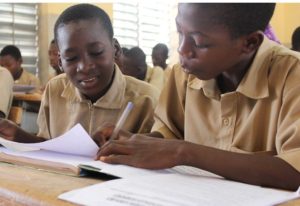
 Located in the heart of West Africa, Burkina Faso is leading in educational innovation by making strides to ensure clean and reliable energy for learning. Numerous initiatives aimed at enhancing education in the country led to the creation of various programs supported by national and international organizations like the World Bank and the World Food Program (WFP).
Promoting Education in Dori
GSOL Energy has successfully installed a 20-kilowatt-peak (kWp) solar photovoltaic (PV) system at the Digital Learning Center in Dori, Burkina Faso. Furthermore, the project, initiated by the WFP, is part of a broader effort to improve education in rural areas by providing reliable access to electricity.
The new solar PV system supplies a stable and sustainable power source, ensuring the Digital Learning Center in Burkina Faso operates continuously, even during extreme weather or inconsistent sunlight. The system also includes key features that boost its performance and efficiency, including:
- Roof-mounted solar panels optimised for peak efficiency.
- 20 kWh inverter system enabling autonomous operation.
- Battery backup providing up to 12 hours of continuous power.
- Remote monitoring is used to track performance in real-time.
- Air-conditioned enclosure safeguards system components against extreme heat and dust.
As part of the project, local staff were trained in operating, maintaining and troubleshooting the solar system. This approach enables the learning center to manage the system independently, helping to ensure its long-term sustainability.
The Lighting Africa Project
The Lighting Africa project, funded by the World Bank through Burkina Faso’s Ministry of Energy and implemented in partnership with Innovation Energie Development (IED), promotes sustainable energy solutions. This project significantly enhances the use of solar technology in rural Burkina Faso and establishes quality standards in renewable energy. This project aims to improve energy access for 400 off-grid primary schools in Burkina Faso.
A key feature of the project is the introduction of solar libraries, which will provide 25,000 certified solar lamps to schools. Additionally, students can rent these lamps to study and complete essential tasks at home. Families can access reliable lighting without facing upfront costs by keeping ownership with the schools.
In addition to providing essential lighting, this project seeks to increase awareness and demand for certified solar products in remote villages, which may not have grid electricity for at least the next 10 years. Measures will be implemented to develop a sustainable commercial network for selling certified solar lamps and kits near the schools.
Digital Inclusion
The Resource Center in Ouagadougou, co-founded by Christophe Oulé, promotes accessible information and communication technology. Its members are developing digital tools such as solar-powered audio devices, e-readers, Braille printers and accessible textbooks to support inclusive education for people with disabilities.
In 2021, the center achieved remarkable progress by translating 150 books into the barrier-free EPUB format, enhancing access to knowledge for individuals with visual impairments. An additional 54 books have been scanned and are on the verge of being digitized, making them accessible for both auditory and Braille formats.
The center not only provides essential educational materials for blind students but also includes novels, making literature accessible to all. Using 11 laptops and 10 tablets, audio content is conveniently transferred to small memory cards, allowing students to engage with learning resources fully. Moreover, students can take advantage of a Braille printer, enabling them to print and read their lessons in Braille, further fostering an inclusive educational environment.
Planning for the Future
The World Bank has invested significantly in Burkina Faso’s education sector. It has approved the $140 million Restoring Education System Performance and Improving Resilience (REPAIR) project on May 5, 2025. This initiative also allocates a $10 million grant to support Host Communities and Refugees.
Currently, the project is seeking co-financing from the Global Partnership for Education. Its goals include expanding access to pre-primary and primary education, enhancing student learning outcomes and strengthening the overall educational services available in the country. This comprehensive strategy ensures a more resilient and effective education system, benefiting local communities and refugee populations.
Key priorities are developing infrastructure resilient to climate instability, providing emergency education for at-risk groups, improving the quality of learning and strengthening institutional capacity for effective decision-making. The project is divided into four components: increasing educational access, aiding emergency education, enhancing foundational learning quality and building institutional capacity.
These combined efforts reflect a clear push toward a more inclusive and sustainable education system in Burkina Faso. Indeed, with support from global partners, the country is making strides in expanding access, improving quality and building resilience in education for all.
– Vanuza Antonio
Vanuza is based in the UK and focuses on Good News and Global Health for The Borgen Project.
Photo: Flickr

Catalonia’s UBI Program: A Bold Strategy for Poverty Reduction
The Government of Catalonia tasked the Office of the Pilot Plan for UBI with managing the two-year experiment. The team selected the 5,000 participants from two groups: 2,500 randomly chosen across Catalonia and 2,500 residents of two lower-income villages. The pilot aims to assess the effects of unconditional cash distributions on various social and economic outcomes, which do not replace any existing benefits. This approach allows for a comparative analysis to determine the true efficacy of unconditional income in improving social and economic conditions.
Results Are Yet To Be Seen
The Catalan government has not released any official outcome data. A comprehensive evaluation of Catalonia’s UBI program will occur in 2026 when researchers assess income changes, employment, health and well-being across recipients and a designated control group. Sociologist Sergi Raventós, who initially implemented the program, emphasized, “This is the first time something like this has been done anywhere in the world.”
In an interview with InfoLibre, Raventós spoke about his belief that UBI should serve as a central redistributive tool for the 21st-century welfare state. He has also previously stated that recipients of UBI often report lower stress and greater freedom to make meaningful life decisions. Results from other UBI programs back up this assertion. However, given the novelty of Catalonia’s pilot program, such results remain impossible to predict before the release of official data.
Learning From Global Examples
Catalonia’s UBI program builds on lessons from earlier UBI trials around the world. From 2017 to 2018, Finland tested a UBI pilot that gave 2,000 unemployed people $635 monthly. Although the funds didn’t significantly impact employment rates, participants experienced reduced anxiety, higher life satisfaction and increased confidence. Many used the income to invest in personal projects, such as starting businesses, volunteering or focusing on education.
Similarly, in the United States, the SEED program in Stockton, California, gave 125 people $500 per month for two years. Recipients found full-time jobs at double the rate of non-recipients and reported improved emotional health. These findings suggest that UBI can enhance well-being, even without major effects on employment outcomes.
However, Catalonia’s pilot program is unique in its effort’s scale and duration. The program includes a larger sample size, higher monthly payments and a design that reaches urban and rural communities. The Catalan team is also collaborating with academics to ensure rigorous evaluation to help determine whether UBI improves recipients’ quality of life across various metrics.
Implications for Global Poverty Strategy
The results of Catalonia’s UBI program may likely influence poverty policy across the globe. Governments in South Korea, Kenya and Brazil have also explored unconditional payments, though few programs match Catalonia’s scope.
The Catalan program’s results will provide more substantive data on whether direct cash support helps people escape cycles of low-income instability. As cost-of-living crises grow worldwide, Catalonia’s experiment could change how countries think about poverty, security and the role of government in economic planning and dignity.
– Kelsey Eisen
Photo: Flickr
Solar Energy for Education: Access To Learning in Burkina Faso
Promoting Education in Dori
GSOL Energy has successfully installed a 20-kilowatt-peak (kWp) solar photovoltaic (PV) system at the Digital Learning Center in Dori, Burkina Faso. Furthermore, the project, initiated by the WFP, is part of a broader effort to improve education in rural areas by providing reliable access to electricity.
The new solar PV system supplies a stable and sustainable power source, ensuring the Digital Learning Center in Burkina Faso operates continuously, even during extreme weather or inconsistent sunlight. The system also includes key features that boost its performance and efficiency, including:
As part of the project, local staff were trained in operating, maintaining and troubleshooting the solar system. This approach enables the learning center to manage the system independently, helping to ensure its long-term sustainability.
The Lighting Africa Project
The Lighting Africa project, funded by the World Bank through Burkina Faso’s Ministry of Energy and implemented in partnership with Innovation Energie Development (IED), promotes sustainable energy solutions. This project significantly enhances the use of solar technology in rural Burkina Faso and establishes quality standards in renewable energy. This project aims to improve energy access for 400 off-grid primary schools in Burkina Faso.
A key feature of the project is the introduction of solar libraries, which will provide 25,000 certified solar lamps to schools. Additionally, students can rent these lamps to study and complete essential tasks at home. Families can access reliable lighting without facing upfront costs by keeping ownership with the schools.
In addition to providing essential lighting, this project seeks to increase awareness and demand for certified solar products in remote villages, which may not have grid electricity for at least the next 10 years. Measures will be implemented to develop a sustainable commercial network for selling certified solar lamps and kits near the schools.
Digital Inclusion
The Resource Center in Ouagadougou, co-founded by Christophe Oulé, promotes accessible information and communication technology. Its members are developing digital tools such as solar-powered audio devices, e-readers, Braille printers and accessible textbooks to support inclusive education for people with disabilities.
In 2021, the center achieved remarkable progress by translating 150 books into the barrier-free EPUB format, enhancing access to knowledge for individuals with visual impairments. An additional 54 books have been scanned and are on the verge of being digitized, making them accessible for both auditory and Braille formats.
The center not only provides essential educational materials for blind students but also includes novels, making literature accessible to all. Using 11 laptops and 10 tablets, audio content is conveniently transferred to small memory cards, allowing students to engage with learning resources fully. Moreover, students can take advantage of a Braille printer, enabling them to print and read their lessons in Braille, further fostering an inclusive educational environment.
Planning for the Future
The World Bank has invested significantly in Burkina Faso’s education sector. It has approved the $140 million Restoring Education System Performance and Improving Resilience (REPAIR) project on May 5, 2025. This initiative also allocates a $10 million grant to support Host Communities and Refugees.
Currently, the project is seeking co-financing from the Global Partnership for Education. Its goals include expanding access to pre-primary and primary education, enhancing student learning outcomes and strengthening the overall educational services available in the country. This comprehensive strategy ensures a more resilient and effective education system, benefiting local communities and refugee populations.
Key priorities are developing infrastructure resilient to climate instability, providing emergency education for at-risk groups, improving the quality of learning and strengthening institutional capacity for effective decision-making. The project is divided into four components: increasing educational access, aiding emergency education, enhancing foundational learning quality and building institutional capacity.
These combined efforts reflect a clear push toward a more inclusive and sustainable education system in Burkina Faso. Indeed, with support from global partners, the country is making strides in expanding access, improving quality and building resilience in education for all.
– Vanuza Antonio
Photo: Flickr
Vaccines in Developing Countries: Victory in Vaccination
Malaria Vaccine in Sudan
The Federal Ministry of Health (Sudan), the United Nations Children’s Fund (UNICEF), WHO and Gavi, the Vaccine Alliance partnered in November 2024 to distribute the first malaria vaccines in Sudan. Indeed, the country is the first in the WHO’s East Mediterranean region to introduce a vaccine for the disease.
Sudan has one of the highest rates of malaria infection in the region, with more than 1.3 million cases in 2023, of which 22.3% were children. Ongoing conflict has caused vaccination coverage to fall to 30% in active-conflict zones. However, the campaign distributed the vaccines to 15 health facilities and 148,000 children. The number of facilities will rise to 129 throughout 2025 and 2026.
Ebola Vaccine in Sierra Leone
Alongside Liberia and Guinea, Sierra Leone was one of the three countries most affected by the 2014 West Africa Ebola virus outbreak. However, it is the first of the three to introduce a nationwide preventive vaccine for the disease. The campaign began in December 2024 and administered the vaccine to 20,000 health care workers across 16 districts.
Health care workers carry a high risk of infection when treating the Ebola virus. Sierra Leone lost 7% of its health care workforce to the disease during the 2014 outbreak. The campaign follows a series of immunization successes in the country. It has also reached 90% diphtheria-tetanus-pertussis vaccine coverage since 2001 and 100% human papillomavirus (HPV) vaccine coverage as of September 2024. Sierra Leone shows that vaccines in developing countries can achieve and sustain results.
Vaccine Education in Trinidad and Tobago
The Pan American Health Organization (PAHO) led a two-day workshop for 79 school nurses in Trinidad and Tobago that covered how to talk to patients about vaccines and correct misconceptions. The country is emphasizing HPV vaccination, which can prevent 70% of cases of cervical cancer, for children 9–14 years old.
In Trinidad and Tobago, there are an estimated 202 women diagnosed with cervical cancer and 127 die from it every year. The nurses found the sessions informative and now have strategies to communicate the safety of vaccines to their patients. This signals a productive future for vaccines in developing countries.
Vaccines in Conflict-Affected Areas of Cameroon
In 2024, the Cameroon Baptist Convention Health Services (CBCHS) partnered with UNICEF to bring vaccines to conflict-affected northwest and southwest Cameroon areas. Non-State Armed Groups initially prevented the health care workers from entering the regions. However, Ful Morine Fuen of CBCHS persuaded them, saying they could not “kill diseases like malaria, diarrhea, etc. with a gun” but with vaccination.
The workers targeted displaced families, assessing the vaccination status of children aged 6 months to 5 years. They referred children needing vaccines to local facilities or administered vaccines through mobile clinics. Twelve families were hesitant about vaccination, but 11 of them agreed to it after workers discussed the benefits. In total, 473 children received the necessary vaccines.
Looking Ahead
Vaccines in developing countries have helped thousands of people in the past year. The continued efforts of local governments and international health organizations will stop the spread of preventable diseases. They will save even more lives by World Immunization Week 2026.
– Tyler Payne
Photo: Flickr
The Current State of Hunger in Suriname
Hunger in Suriname
The 2024 Global Hunger Index categorizes hunger in Suriname as Moderate, but it is very close to being considered Low. It ranks 55th out of the 127 countries assessed, with its score improving over 26% since 2000. Of the four components comprising the GHI score–% population undernourished, % children who die before age five, % children under five who are stunted or % wasted, all indicators are considered low, except for children wasted (5.2%).
The 2024 reported performance of Suriname on its achievement of the 17 U.N. Sustainable Development goals showed a score of 70%. On SDG2, Zero Hunger, Suriname is seen as moderately improving, but with challenges remaining, most significantly in the prevalence of obesity (adults), and with stagnation of undernourishment.
Nutrition in Suriname
According to the 2020 Global Nutrition Report, Suriname is “on course” to meet only one of the 13 global nutrition targets—childhood overweight. The country has made some progress regarding childhood stunting and exclusive breastfeeding. However, no progress or worsening was reported for anemia of women of childbearing age, low birth weight and wasting of children under 5, with all other indicators “off course.” As Suriname tackles the remaining challenges of SDG2, this will include the need to address the challenges of nutrition.
Climate Concerns and Food Production
Although only 0.3% of its land is arable, very little of the suitable land is being used for agriculture. Agricultural development economist Iwan Poerschke reports that 60% of Suriname’s consumed food is imported. However, he believes that the favorable climate and fertile soil would allow the country to become a “significant food supplier in the region,” as well as meet its own food needs. Poerschke feels that moving agriculture from an emphasis on small-scale production to action on a larger scale could achieve this. Challenges are, in part, related to mismanagement, insufficient sustainable agricultural development, and other factors. Rising sea levels and temperature often lead to flooding in the fertile coastal area. Although extreme heat in the August through November dry season can lead to drought, as it did in 2023.
Growth of the agricultural sector thus involves government investment, mitigation strategies for addressing climate concerns, research collaboration, organic and ecological farming and the acquisition of knowledge to facilitate these efforts. The country’s Agriculture, Livestock and Fisheries Minister has already referred to the need to adjust to climate challenges. Indeed, talks are taking place to provide crop insurance options.
A Small Country with a Bigger Impact
Suriname is a small country that does not have a significant food security problem. However, if Poerschke is correct, this small country can do more to provide for itself, as well as to contribute to food security in the region.
– Staff Reports
Photo: Flickr
Life After the Volcano: Montserrat Rebuilding Efforts
Today, Montserrat rebuilding efforts continue to affect thousands of residents, who face persistent poverty, limited resources and the weight of long-term displacement.
The Lingering Impact of the Soufrière Hills Eruption
The volcano’s devastation destroyed key infrastructure, including roads, utilities and government buildings. According to the Montserrat Statistics Department, more than 60% of the island’s population was forced to evacuate permanently. Those who stayed faced the challenge of resettling in the island’s northern part, which had limited infrastructure at the time.
The economic collapse that followed was severe. The World Bank reported that Montserrat’s gross domestic product (GDP) fell more than significantly in the immediate aftermath of the eruptions. As of 2022, about 36% of Montserrat’s residents live below the poverty line.
Montserrat’s Long Road to Recovery and Housing Stability
Housing insecurity remains a major issue in Montserrat’s rebuilding efforts. Many families still live in transitional shelters or informal homes lacking adequate weatherproofing or sanitation. The Post-Disaster Needs Assessment conducted by the United Nations Development Programme (UNDP) in 2021 identified housing rehabilitation and expansion as a top priority.
International aid has played a vital role in tackling these issues. The Joint SDG Fund, in partnership with the Government of Montserrat, supports projects targeting poverty reduction, workforce development and sustainable housing. Similarly, the Montserrat Budget Support Programme, backed by the U.K.’s Foreign, Commonwealth and Development Office, has helped maintain essential services and fund housing projects in the north.
The COVID-19 pandemic deepened economic hardship and food insecurity. In response, the UNDP issued emergency grants to farmers and fishers to support food production during lockdowns. Still, Montserrat rebuilding efforts remain slow. Construction costs, limited access to credit and climate-related risks continue to challenge progress. However, the Former Premier of Montserrat, Joseph Farrell, has emphasized the need for resilient housing models to withstand future shocks.
Despite obstacles, Montserrat’s people have shown resilience. Civic groups, returning diaspora members and entrepreneurs are working to revitalize communities and small businesses. The Montserrat Sustainable Development Plan outlines goals for economic diversification and infrastructure growth.
A Path Toward Long-Term Recovery
Montserrat’s experience is a stark example of how small island nations face compounded risks from natural disasters, poverty and limited resources. The island’s slow but steady recovery highlights the importance of long-term investment, disaster resilience and community-driven planning.
“The resilience of the Montserratian people is unmatched,” said U.N. Resident Coordinator Didier Trebucq in a recent visit. “But to truly rebuild, we must continue supporting efforts that prioritize equity, sustainability and local leadership.”
While the volcano still lingers beneath the surface, so does the enduring hope of a resilient, more secure Montserrat.
– Giovanni Garcia
Photo: Wikimedia Commons
Mental Health and Homeless Youth in East Asia
This demographic of homeless youth reports high rates of mental health issues, such as depression, PTSD, bipolar disorder and suicidal ideation, with suicide being their leading cause of death, and 80% of the population having reported attempting suicide at some point. To cope with these issues, many turn to substance abuse and other maladaptive coping mechanisms. 66.7% report drinking problems, and 77.8% report smoking problems.
Causes of Homelessness
There are various reasons why youth become homeless in the first place. It is worth mentioning that one primary cause of poverty in the East Asian Pacific region is natural disasters. Natural disasters like earthquakes and tsunamis affect East and Southeast Asia more than most other regions in the world, making them a significant and notable contributor to homelessness that might not necessarily apply or apply as much to other regions around the globe, according to a 2024 article.
Poverty can cause stress and subsequent dysfunction in the home, driving children and young people away. A 2024 article found that parental abuse was the most common reason (40.7%) for leaving home, especially from fathers. General family conflict follows at 29.6%.
Cultural Differences
Treating these problems requires understanding and accommodating the differences in cultural attitudes between Eastern and Western societies. Due to the way Eastern cultures raise kids to view themselves, their obligation to and role within family and the way they view mental health itself, means that Western mental health techniques do not always transfer or have the same result.
For example, Western programs tend to emphasize working with direct service providers and place a lot of value on individual autonomy. Conversely, services and government interventions in the East Asian Pacific regions might put more emphasis on family and community support.
Few components of culture influence mental health and responses to mental health treatment. The first is emotional expression: depending on what level of emotional outburst or emotional behavior is considered acceptable in a given culture, it will be easier or harder to identify when a person needs help. The second and likely most influential element is shame: many cultures, especially Asian cultures, see mental illness as something shameful or born out of weakness.
Individuals may be hesitant to seek treatment because it means admitting to themselves and to a mental health professional that they are struggling. Individuals may also be reluctant to interact with a mental health professional because of the third element, “power distance,” according to the Frontiers in Public Health. Regulations on mental health treatment and the power given to mental health professionals vary from country to country, having varied implications about autonomy and the power dynamic within a therapeutic relationship.
Results
A 2024 article revealed the results of eight studies conducted throughout Malaysia, South Korea and the Philippines. These studies researched the impacts of various mental health interventions on homeless youth, including art therapies, cognitive behavioral therapy (CBT), life skills education (LSE) and government services.
A Philippines-based study found visual art and poetry psychotherapies to be effective for abused adolescents in reducing symptoms of PTSD and depression, measured via Child Report on Posttraumatic Symptoms (CROPS) and Self-Rating Depression Scale (SDS). It was noted that art therapies seemed to also help empower homeless youth to engage actively in their own treatment.
A study on CBT implemented in South Korea measured impacts on depression, self-efficacy, and self-esteem. While the treatment resulted in increased self-efficacy and a significant decrease in depression, there appeared to be no significant difference in self-esteem pre- and post-test. LSE treatment, however, was successful in increasing self-esteem, as well as decreasing anxiety, depression and stress, according to a study out of Malaysia.
Closing Thoughts
While these mental health interventions have appeared to be successful, one of the key takeaways is that it is difficult to treat this demographic when there is no universally accepted definition of homelessness. Every study and every country uses different definitions, which leaves large gaps in understanding both the nuance and variation within the “homeless” experience and the actual overall figures of the demographic. Whether or not an individual fits within a jurisdiction’s given definition of homelessness may determine whether or not mental health and homeless services are provided to them; this makes the varying definitions of homelessness a possible barrier to mental health services.
– Sandhya Mathew
Photo: Pixabay
Political Policies that Reduce Poverty in South Sudan
Promoting Macroeconomic Stability
A stable macroeconomy is largely beneficial for a country and its citizens. It creates an environment that leads to economic growth, reduces inflation and prevents further economic instability. It is necessary when trying to reduce poverty.
One of the methods South Sudan is using to promote macroeconomic stability is by decreasing its dependency on oil revenues. Of the nation’s income, 90% comes from these revenues, meaning diversification is an important factor in improving the economy and reducing poverty in South Sudan.
One way South Sudan is working to diversify their nation’s revenue is through sustainable agriculture. By selling ranch and farm products to markets as well as producing their own food through agricultural practices, they add another route to revenue for the nation.
South Sudan has had the help of many projects to increase its agricultural health, such as the Sustainable Agriculture & Livestock Initiative (SALPI) and Global Affairs Canada’s Project.
South Sudan is also trying to promote tourism in its country. Through its national tourism policy, which aims to support local communities and improve infrastructure as well as getting support from other countries and organizations, South Sudan is actively growing to attract tourists for its luscious natural environment and unique traditions.
Boosting Social Development and Equality
South Sudan faces many humanitarian issues due to conflict and instability in the country. However, there are organizations and agreements that work to improve social development, equally assisting poverty in South Sudan.
The Revitalized Agreement on the Resolution of the Conflict in the Republic of South Sudan (R-ARCSS) is an agreement between the Sudan People’s Liberation Movement and the Sudan People’s Liberation Movement-in-opposition. It is an agreement that aims to bring about peace and stability to South Sudan. UNICEF and World Vision have both contributed to South Sudan, helping those who have been affected by conflict and displacement, providing education, food, health care, and sanitation.
The Global Partnership for Education is a major contributor to education for all, providing girl-friendly schools in South Sudan with trained teachers who know how to address gender sensitivity and prevent gender-based violence.
The National Disability and Inclusion policy in South Sudan aims to enhance the protection of South Sudanese with disabilities who may struggle due to their physical or mental abilities. Alongside this, South Sudan has also established a Rehabilitation Centre for people with disabilities to help them access proper healthcare and education.
Poverty in South Sudan: The Future
Although South Sudan is a newly independent country, leading to constant economic and social struggles, with the help of these policies and the organizations and governments that work to enforce them, South Sudan can grow into a thriving, self-sustained nation.
– Sevyn Whatley
Photo: Flickr
Top 10 Facts About Hunger in Slovakia
Top 10 Facts About Hunger in Slovakia
While hunger is not a significant problem in Slovakia, there are shortfalls in terms of nutrition. However, the country is actively addressing its challenges, along with playing an important role in global approaches to hunger and nutrition.
Photo: Flickr
Higher Education in Trinidad and Tobago
Overview of the Higher Education System
These institutions offer various programs in engineering, law, education, medicine and business, from associate degrees to doctoral studies. Many universities have also developed research initiatives to address local and regional challenges, including climate emergency, public health and economic diversification. Despite these positive developments, Trinidad and Tobago’s higher education sector struggles with issues related to outdated curricula and insufficient alignment with the evolving needs of industries.
For instance, while there has been a rise in demand for Science, Technology, Engineering and Mathematics (STEM)-related qualifications, other fields, such as the humanities, may not be adequately supported or emphasized in the curriculum. The government has historically supported access through initiatives like the Government Assistance for Tuition Expenses (GATE) program, which subsidizes tuition costs for citizens. This has led to higher enrollment rates and increased access, especially among underrepresented groups. However, there are still significant gaps in ensuring equitable access to all.
Current Challenges Facing the Sector
One of the most pressing issues facing higher education in Trinidad and Tobago is funding. In recent years, government budget hampering has led to reductions in the GATE program. This cornerstone policy once made higher education widely accessible to citizens. These cutbacks have particularly affected lower-income students, creating new barriers to entry and forcing many to either delay their education or seek other options.
This situation threatens to widen social inequality and reduce the country’s ability to develop a skilled and educated workforce. Additionally, institutions face increasing pressure to maintain high-quality education amid limited financial resources.
Future Directions for Strengthening Higher Education
The future of higher education in Trinidad and Tobago will depend on its ability to adapt to changing economic, technological and social conditions. Various experts suggest that ongoing reforms are essential to addressing current challenges, such as funding constraints, curriculum updates and the need for increased alignment between education and the labor market.
Several key strategies have been proposed for strengthening the sector. These include updating academic programs to incorporate more technical, vocational and entrepreneurial training to meet the demands of emerging industries. Moreover, experts highlight the importance of providing more targeted financial aid to ensure equitable access, especially for students from lower-income backgrounds.
Final Remarks
Higher education in Trinidad and Tobago remains a powerful tool for national progress. Yet, it has to evolve to meet the challenges of a rapidly changing world. While past efforts such as the GATE program have broadened access and improved enrollment, economic pressures, quality concerns and graduate employability issues now demand a strategic, forward-looking response.
– Glenn Brown III
Photo: Unsplash
Cultural Expectations Shape Men’s Mental Health in Uganda
The Burden of Masculinity
Men in Uganda face the expectations of appearing physically and mentally strong. These expectations can put a strain on their mentality and ability to come forward with emotional struggles. Traditional gender norms view men’s mental health as insignificant. It is seen as a weakness if a man cannot restrain his emotions.
Masculinity in Uganda is traditionally achieved through authoritative attitudes, control and being the provider and protector of their families. The pressure to provide and always appear strong can cause built-up anger or depression, leading to domestic abuse and an absent role in the family. Societal expectations for men to suppress their emotions prevent healthy coping mechanisms, which is worsened by the lack of services available to confront men’s mental health issues.
Mental Health Challenges
Mental health is not prioritized in Uganda, leaving the country as one of the top six in Africa with depressive disorders. Indeed, out of the total 4.6% who live with depressive disorders and 2.9% with anxiety disorders, 3.6% consist of men. The most common mental health challenges among men in Uganda include depression, anxiety and high stress levels.
With a lack of mental health services, some men turn to alcohol and substance abuse, with the possibility of suicide attempts. Alcoholism stems from men’s mental health issues in Uganda. They “are estimated to have one of the highest alcohol per capita consumption levels in sub-Saharan Africa.” The number of men who depend on pure alcohol sits at an estimated 4.2%, with a total consumption of 16 liters each year.
Resources to combat men’s mental health are scarce and mainly based in urban centers. Uganda as a whole has 53 psychiatrists, approximately one psychiatrist per 1 million people. Kampala, the country’s largest city, has a single psychiatric hospital. This lack of access to services highlights the challenges individuals with mental health issues in Uganda face.
Support Networks for Ugandan Men
Multiple steps have been taken in recent years to address Ugandan men’s mental health challenges. Indeed, support groups for fathers in Uganda are one example. It’s been shown that early involvement in their child’s life challenges stereotypes, creating a better individual and life at home.
Plan International has provided Ugandan men with an environment where they can speak openly about the issues they may be having at home. Furthermore, they advise on better communication and coping techniques. Similarly, local organizations such as StrongMinds are working to supply mental health care and bring further awareness to the cause.
StrongMinds has provided group therapy sessions where comfort is offered to men who go against cultural expectations and choose to express their emotions. Special programs have also been applied in Ugandan prisons and the Ugandan police force. In these programs, relationship issues, struggles with individual or gender roles and grief are discussed, offering empowerment through communal support.
Conclusion
Mental health remains a complex and often stigmatized issue for men in Uganda, however, meaningful progress is being made. Indeed, through support groups, therapy sessions, and targeted programs, more men are finding safe spaces to express themselves, challenge harmful stereotypes, and build healthier relationships.
– Sarina Francis
Photo: Flickr