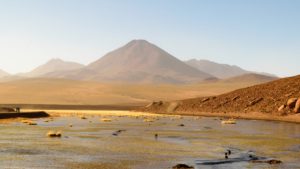
 Water security is a significant concern in the Sahel, where a lack of water endangers lives, livelihoods and long-term stability. This fragile region, which contains some of Africa’s most climate-vulnerable countries, is dealing with worsening droughts, expanding deserts and rising displacement. For millions, the everyday struggle for safe and reliable water worsens poverty, increases hunger and reduces resilience.
Access to clean water has progressed beyond a simple humanitarian requirement, becoming the foundation for economic development, social stability and the prospect of a more secure future.
How Scarcity Fuels Malnutrition
Reliable water access is essential for the Sahel’s food systems to meet the needs of a fast-growing population. Between June and August 2025, approximately 47.4 million people are projected to face acute food and nutrition insecurity, the highest number recorded in the region.
The impact on children is especially severe: 16.3 million children below 5 years are expected to suffer from acute malnutrition, including 4.3 million in severe condition. These figures represent more than statistics. They reflect families whose crops fail, herders who lose livestock and communities forced to pay higher prices for scarce food.
As rainfall becomes more unpredictable and fertile lands keep degrading, farming is becoming riskier, leading to a quicker spread of hunger. However, by enhancing water security in the Sahel through methods like irrigation, sustainable groundwater management and climate-resilient farming practices, these trends can be turned around. This would lessen hunger and allow communities to break free from poverty.
Water Scarcity Fuels Poverty Through Displacement
Water scarcity threatens livelihoods and drives mass displacement and instability across the Sahel. In early 2025, 9.1 million people were forcibly displaced, including 6.6 million internally displaced individuals and 2.5 million refugees and asylum seekers.
Entire communities have been torn apart as environmental changes wipe out traditional living methods. Since the ’60s, Lake Chad has lost nearly 90% of its size, destroying the farming and fishing jobs that once supported millions. When families can’t find water, they’re forced to leave their homes, which puts pressure on the communities that take them in and increases competition for limited resources.
These difficulties can weaken social ties, increase insecurity and push even more people into poverty. Addressing water scarcity could help stabilize these communities and reduce migration pressures. It also allows governments and aid organizations to shift their focus from emergency measures to sustainable solutions for poverty.
Limited Water Deepens Poverty and Vulnerability
Access to clean water remains critically low in the Sahel, disproportionately affecting women, children and the most vulnerable populations. In Burkina Faso, Niger and Chad, nearly 38 million people lack drinking water and 68 million lack basic sanitation services.
For many families, children often spend hours fetching water instead of attending school and poor sanitation contributes to preventable illnesses that reduce productivity and educational attainment. These challenges deepen inequality and make it even tougher for communities to break free from poverty. Expanding access to safe water and sanitation is crucial, not just to boost health and education outcomes, but also to lay the groundwork needed to shatter the cycle of poverty.
Tackling Water Scarcity in the Sahel
The United Nations Children’s Fund (UNICEF) has been pivotal in expanding access to safe drinking water. In 2024, UNICEF installed eight solar-powered water systems to reduce the hassle of finding water in the region.
Meanwhile, the Permanent Interstate Committee for Drought Control in the Sahel (CILSS), a regional body supported by member governments, strengthens water governance, improves irrigation and promotes sustainable farming. Together, these efforts are critical in easing the burden of drought and helping Sahelian communities secure their future.
Conclusion
The connection between water security and poverty in the Sahel is unmistakable. Issues like hunger, displacement and inequality arise from inconsistent water access. For countless individuals, the lack of safe water impacts every part of their lives, from their meals to whether their kids can attend school.
By focusing on sustainable water infrastructure, empowering resilient communities and prioritizing water access in humanitarian and development efforts, the Sahel can start to pave the way toward stability and opportunity. Indeed, water isn’t just a basic necessity; it’s a vital resource that can help break the cycle of poverty and create a brighter, more secure future for some of the world’s most vulnerable populations.
– Anagha Rajithkumar
Anagha is based in Prince Edward Island, Canada and focuses on Business Technology for The Borgen Project.
Photo: Wikimedia Commons

Financing Africa’s Green Transition: Global Climate Investment
However, Africa has enormous potential to lead in a global green transition, particularly given its abundant renewable energy resources, youth population and expanding clean technology market. Financing Africa’s green transition is imperative for environmental, economic and geopolitical reasons.
Financing Africa’s Green Transition
Despite its potential, Africa has about 5% of global climate finance. Yet, the continent is home to 17% of the world’s population and is one of the most climate-vulnerable regions. Wealthy countries have pledged $100 billion annually in climate finance to developing countries through the Paris Agreement, but these commitments have consistently fallen short.
This means that for millions of people, a funding gap slows renewable energy deployment, prevents critical infrastructure projects and raises the cost of adaptation. Without urgent and scaled support financing, Africa risks being locked into a fossil-fuel-dependent future just as the world transitions to cleaner energy.
The economic rationale for Africa’s green transition is compelling. Expanding renewable infrastructure, solar, wind and hydro, would drive millions of jobs, increase energy access for more than 600 million people without electricity and stimulate industrial growth using clean energy.
Countries are already leading the way: Kenya, with more than 80% of its electricity from renewables; Morocco, home to one of the world’s largest concentrated solar plants; and South Africa, which is turning to wind and solar to diversify its coal-heavy grid. Together, these examples show the potential to meet domestic energy needs sustainably and position Africa as an exporter of renewable energy and hydrogen.
Why Global Climate Investment Can’t Wait
Financing Africa’s green transition is critical to achieving global climate objectives from an environmental perspective. The continent produces a small share of global emissions, approximately 4%, but its future emissions path will depend on the energy systems it deploys today.
Financing its transition to renewable technologies now has the potential to prevent a new increase in emissions, conserve biodiversity and preserve critical ecosystems, such as the Congo Basin rainforest, which is a global carbon sink.
From a geopolitical viewpoint, a green transition with sufficient finance would increase Africa’s global standing. Renewable sources would lessen overall dependence on imported fossil fuels. Energy security could be improved, too. African countries could also become influencers in the global clean technology sector.
However, for this to happen, strong international cooperation is essential. African governments, development banks, private investors and technology suppliers need to work together to mobilize the billions of dollars required for renewable energy. These funds are critical not only for infrastructure investment but also for climate adaptation and the growth of green industries.
Looking Ahead
The way forward requires innovative financing mechanisms. These include blended finance to de-risk private investments, sovereign green bonds and regional investment platforms to pool resources for cross-border projects. Development finance institutions can assist by guaranteeing loans, offering concessional rates and providing technical assistance in project design and implementation.
Africa’s green transition is already underway, but at a pace that is too slow to meet the Sustainable Development Goals or the Paris climate targets. With international support, the continent can unlock its renewable energy potential, drive economic growth and lead in clean energy innovation. The message is clear: the world cannot afford to leave Africa behind in the fight against the ongoing climate crisis.
– Sophia Scelza
Photo: Wikimedia Commons
Poverty and Water Security in the Sahel
Access to clean water has progressed beyond a simple humanitarian requirement, becoming the foundation for economic development, social stability and the prospect of a more secure future.
How Scarcity Fuels Malnutrition
Reliable water access is essential for the Sahel’s food systems to meet the needs of a fast-growing population. Between June and August 2025, approximately 47.4 million people are projected to face acute food and nutrition insecurity, the highest number recorded in the region.
The impact on children is especially severe: 16.3 million children below 5 years are expected to suffer from acute malnutrition, including 4.3 million in severe condition. These figures represent more than statistics. They reflect families whose crops fail, herders who lose livestock and communities forced to pay higher prices for scarce food.
As rainfall becomes more unpredictable and fertile lands keep degrading, farming is becoming riskier, leading to a quicker spread of hunger. However, by enhancing water security in the Sahel through methods like irrigation, sustainable groundwater management and climate-resilient farming practices, these trends can be turned around. This would lessen hunger and allow communities to break free from poverty.
Water Scarcity Fuels Poverty Through Displacement
Water scarcity threatens livelihoods and drives mass displacement and instability across the Sahel. In early 2025, 9.1 million people were forcibly displaced, including 6.6 million internally displaced individuals and 2.5 million refugees and asylum seekers.
Entire communities have been torn apart as environmental changes wipe out traditional living methods. Since the ’60s, Lake Chad has lost nearly 90% of its size, destroying the farming and fishing jobs that once supported millions. When families can’t find water, they’re forced to leave their homes, which puts pressure on the communities that take them in and increases competition for limited resources.
These difficulties can weaken social ties, increase insecurity and push even more people into poverty. Addressing water scarcity could help stabilize these communities and reduce migration pressures. It also allows governments and aid organizations to shift their focus from emergency measures to sustainable solutions for poverty.
Limited Water Deepens Poverty and Vulnerability
Access to clean water remains critically low in the Sahel, disproportionately affecting women, children and the most vulnerable populations. In Burkina Faso, Niger and Chad, nearly 38 million people lack drinking water and 68 million lack basic sanitation services.
For many families, children often spend hours fetching water instead of attending school and poor sanitation contributes to preventable illnesses that reduce productivity and educational attainment. These challenges deepen inequality and make it even tougher for communities to break free from poverty. Expanding access to safe water and sanitation is crucial, not just to boost health and education outcomes, but also to lay the groundwork needed to shatter the cycle of poverty.
Tackling Water Scarcity in the Sahel
The United Nations Children’s Fund (UNICEF) has been pivotal in expanding access to safe drinking water. In 2024, UNICEF installed eight solar-powered water systems to reduce the hassle of finding water in the region.
Meanwhile, the Permanent Interstate Committee for Drought Control in the Sahel (CILSS), a regional body supported by member governments, strengthens water governance, improves irrigation and promotes sustainable farming. Together, these efforts are critical in easing the burden of drought and helping Sahelian communities secure their future.
Conclusion
The connection between water security and poverty in the Sahel is unmistakable. Issues like hunger, displacement and inequality arise from inconsistent water access. For countless individuals, the lack of safe water impacts every part of their lives, from their meals to whether their kids can attend school.
By focusing on sustainable water infrastructure, empowering resilient communities and prioritizing water access in humanitarian and development efforts, the Sahel can start to pave the way toward stability and opportunity. Indeed, water isn’t just a basic necessity; it’s a vital resource that can help break the cycle of poverty and create a brighter, more secure future for some of the world’s most vulnerable populations.
– Anagha Rajithkumar
Photo: Wikimedia Commons
Threats and Solutions To Crop Farming in Uganda
Farming in Uganda
Crop farming in Uganda is a major sector. About 80% of Uganda’s land is arable, but only 35% is cultivated. Agriculture remains vital, accounting for nearly 25% of the country’s GDP.” Environmental factors are intrinsic to crop farming and in recent years, these factors have become unpredictable and extreme.
Since smallholder farmers are some of the most impoverished members of Ugandan society and often rely on every harvest for their sustenance and livelihoods, the increasing environmental challenges can become a real problem.
Maize and beans are two essential crops in Uganda. While they do not rank in the top five for exports, they are significant domestic foods and cash crops. Both crops are facing new environmental challenges and the solutions demonstrate the resilience and dynamism of the Ugandan agricultural community.
Better Beans for Ugandans
Beans are vital to Uganda, providing nourishment for its people. However, rising droughts and unpredictable rainfall threaten harvests, putting the country’s most vulnerable smallholder farmers at risk.
Dr. Clare Mukankusi is a Ugandan plant researcher at the International Center for Tropical Agriculture (CIAT). She is a firm believer in the importance of beans as a foundation of Ugandan life, having grown up on them herself. Through selective crossbreeding, Mukankusi has been developing a new type of bean that matures in two months, rather than the three to four months taken by traditional beans.
This will make them much more likely to survive an unpredictable and shorter growing season. As this new breed of bean is further developed and eventually distributed across Uganda, it will help secure the future of crop farming in the country. It offers vulnerable smallholders a crucial advantage in facing an increasingly challenging environment.
Fighting the Armyworm Threat
Pests have always been an issue in Uganda, but pesticidal chemicals were a clear solution. The armyworm, in particular, threatens maize, an important food, cash crop and export crop on which many smallholder farmers depend. However, the armyworm is becoming increasingly pesticide-resistant, forcing farmers to adapt and find new ways to keep the pest at bay:
These techniques have the potential to counter pest threat without increasing chemical potency, which many farmers have had to do in the interim. While effective, this is not sustainable. Scientists from multiple institutions warn that overuse damages soil health in the long term and accelerates pest resistance.
The Need for Government Action
Many Ugandan environmental scientists agree that their government must become more involved in crop farming in Uganda. As mentioned, increased potency of pesticides has risks to human and environmental health and risks of further pest-resistance.
Dr. Kalyebi, the lead author of armyworm research in Uganda, stated that the government needs to educate farmers on the dangers of chemical mitigation and fund different solutions, such as those aforementioned. It is widely agreed upon that the Ugandan government should recognize the importance of maize farming, particularly farming and invest in research and subsidies.
Conclusion
Crop farming in Uganda is vital to the country’s economy and people. The underserved depend on good harvests to survive and environmental factors such as droughts and pests directly threaten them. However, the determination of the Ugandan people to find ways around these problems is remarkable and one can hope that the government will match these efforts.
– Oliver Evans
Photo: Flickr
Poverty Stoplight: Personal Agency Tool Combatting Poverty
“Who Owns Poverty?”
The Poverty Stoplight asks the question: “Who owns poverty?” and argues the answer can be “a new approach that puts poor families in charge of defining and diagnosing their own unique, multidimensional poverty—who by owning the problem, own the solution.” This participatory methodology takes form as a self-assessment survey that serves as a metric using 50 carefully selected poverty indicators across six dimensions to help individuals evaluate their poverty status, assess their needs and discover solutions.
The approach has garnered the organization more than 700,000 Stoplights applied throughout 59 countries and hundreds of organizations, from formerly incarcerated individuals in New Orleans to poverty policy in Ecuador. From that personal agency in combating poverty, users report finding the survey engaging, feeling empowered and gaining valuable insight and context into the poverty they face.
Poverty researchers have praised the methodology for being simplistic and people-focused, stating, “The elegance of the methodology shows us that simplification is not about chasing the perfect metric to simplify into a dashboard to be used by executives in far-away boardrooms for their benevolent decision making. It is about having a simple yet contextually appropriate way of ‘measuring what we value’ and of truly bringing people into the process.”
The Stoplight’s “red, yellow, green” indicators — with red indicating extreme poverty, yellow indicating poverty and green indicating no poverty — help individuals keep track and visualize their current poverty status as well as improving progression. In Paraguay alone, the organization has helped more than 6,000 families reach the “green” indicator and more than 27,000 families generate more income, key data that serves as an important incentive for resource allocation from stakeholders.
Green Stoplight: A New Focus on a Growing Issue
In the face of the urgent need to implement environmental action, Poverty Stoplight has also introduced a new tool for users. Again taking the approach of starting closest to home when tackling a challenge, the Green Stoplight helps individuals and families self-evaluate their environmental footprint within the scope of 10 indicators:
Using the same self-assessment approach, as well as the guiding visuals of the “red, yellow, green” progress indicators, the tool again demonstrates an agency for individuals in creating environmental change the same way it gave personal agency in combating poverty.
Bringing Awareness
Moreover, the new focus brings their awareness to a particularly relevant issue as the effects of natural disasters and extreme weather continue to hit the world’s poorest people first and hardest. With projections predicting extreme weather around the world to push an additional 120 million people into poverty by 2030, the Green Stoplight is a tool for everyone, with a recent campaign targeting university students in Paraguay to take the assessment and apply it to their household and communities.
The campaign also helped create partnerships with universities and other institutions in a joint commitment to furthering sustainability through collective individual change. These partnerships also work to develop more practical solutions for identified problems that can be used as additional indicators to the current 10 and create a larger impact on an eventually global scale.
– Jannah Khalil
Photo: Flickr
The Impact of Mission Work in African Communities
Mission Trips
There are many aspects that go into a mission trip to Africa. The Christian faith-based mission trips impact the community by combining spiritual outreach and practical aid. Using humanitarian work with evangelism, these organizations work to make a difference. Evangelism is sharing the gospel message with those who have not heard it before or may not fully understand it. Organizations primarily visit the most underdeveloped communities in Africa. Many African areas have limited access to basic needs. Safe drinking water, electricity and quality health care are only some of the needs that these communities struggle to meet.
Mission trips involve people coming together to help build things for those in need and distribute things like food and water. These are acts of service that not only help in practical ways, but they are also a way of showing demonstration of God’s love. Many organizations participate in constructing homes, schools, food drives and many other ways to build and replenish the community.
Mission trips are multifaceted and aim to extend a hand through community service and evangelism. There are many ways to spread the gospel through mission trips, from one-on-one conversations to larger-scale communion. Helping physically provide for these communities is an important aspect of these trips, but providing faith and hope is a need that not many realize.
African Missions
Mission work in poverty-ridden African communities mostly emphasizes the connection between faith-based efforts and humanitarian development. Daingerfield Church of Christ is one of the many churches to have members go on mission trips to Africa. Founded in 1922, the Daingerfield church serves to dedicate Christ through worship, fellowship and services to others. The church partners with Pine Tree Church of Christ to conduct these mission trips. The members pay their own way and fundraise for the trips. One of their long-time members, Chuck Lee, who has gone on 17 African mission trips, spoke with the Borgen Project. “We plant churches, baptize and then disciple them in partnership with our African team,” Lee said. “We go back to encourage, strengthen and help appoint leaders.”
According to Lee, they have built more than a thousand churches and a core team of fewer than ten people has baptized tens of thousands. “10 years ago, the organization and its members spent less than $200 thousand a year in Ghana,” said Lee. “Within the last two years, it has increased to more than $1 million a year.” With this dramatic rise in funding, the amount of trips, resources and effort into preaching and aiding has made a large difference for the communities in Ghana and Togo. According to Lee, these mission trips have led to 600 churches built in Ghana and nearly 500 in Togo. The church group was able to create several schools, orphanages, a hospital and acquire a water drilling rig to help with a better water supply.
Long-Term Impacts
Mission trips in Africa and several other countries have the potential to create a long-term impact. Churches and water systems, like the ones the church of Christ built, have been sustainable for years because of the leadership within the community. The mission members come to the community with the tools and help build, while the community residents are the ones who really keep things running.
The impact of mission work in African communities can spark long-term change and create viable futures. The true success lies in the continuation of trips and relationships. Many mission sites are places the organization has previously visited. While mission work in poverty-ridden African communities brings short-term relief, long-term sustainability requires empowering local relationships. The repetition builds a foundation for relationships within the community and creates a reasonable outlook for the future.
Looking Ahead
Building consistent partnerships within underprivileged communities helps create a foundation for long-term success. Mission work aims to rebuild communities while teaching self-sufficiency and cooperation. Long-term relationships allow projects and missions to be monitored and adjusted where improvement is needed. Over time, these partnerships build sustainability that supports lasting progress in areas such as education, health care and finances. The impact of mission work in African communities can spark long-term change and create viable futures.
– Emily Herlehy
Photo: Flickr
Planting the Seeds of Success with AI Learning
Much of everyday life has now been impacted by AI, from going through a drive-thru to searching online. However, one organization seeks to make AI have the humanistic touch it needs to have a powerful impact globally with AI learning.
About Seeds of Success
Seeds of Success is a nonprofit organization that gives individuals who lack proper access to many resources the chance to gain steady support in many aspects of their lives. Most importantly, its outreach includes many mental health services to help the 50 million adults globally who face mental health challenges with no resources.
However, the charity’s support does not stop there! Through Seeds of Success’ Project CARLA, students can be introduced to learning opportunities using AI learning, regardless of their background.
Using AI Learning for Good
In an effort to flip the narrative around AI and education, Seeds of Success looks to develop AI learning algorithms with educators and students to better school communities globally. It seeks to use AI not to replace teachers, therapists or other vital supports, but to amplify teachers’ and other support workers’ outreach to their students and receivers.
The charity seeks to eliminate the unnatural AI algorithms that do not connect with individuals seeking mental health services today. Instead, its projects include the redefinition of AI and AI learning to engage students and troubled youth in the modern world around them.
AI for the People, by the People
The founder of Seeds of Success, Jarred VanHorn, has a personal mission with his AI learning redirection: to approach communities with a compassionate response to mental health and learning challenges to improve the quality of life.
VanHorn and Seeds of Success seek to accomplish this mission by ensuring that mental health and its various resources are not an afterthought for communities. With the support of numerous volunteers driving its global impact on AI learning, Seeds of Success aims to spread mental health and educational resources to all affected youth.
In the long term, the organization seeks to cultivate a culture shift around AI and learning that will positively influence the world. Indeed, the organization’s motto, “AI for the People, by the People,” reinforces the vision that VanHorn seeks to build around AI. Seeds of Success looks to a future where AI can transform the lives of students, youth and educators alike.
The Impact Over Time
Seeds of Success is calling for donor support to sustain its mission of helping others. Until now, the organization has been operating solely with volunteers. However, VanHorn recognizes that Seeds of Success could expand its impact significantly with greater resources.
With increased funding, the organization could extend its outreach through scholarships, mental health and wellness programs and the continued redefinition of AI learning. Looking to the future, Seeds of Success is working to impact a cultural change and positively implement AI learning in communities around the globe.
– Angelina Tas
Photo: Flickr
Tackling Poverty with Youth-Led Solutions in Asia and the Pacific
Poverty in Asia and the Pacific
Poverty reduction, however, has been a bright spot. Eradicating extreme poverty and halving the number of people living in all dimensions of poverty has exceeded the progress necessary to meet their correlating SDG targets by 2030. For example, between 1990 and 2019, the prevalence of extreme poverty in developing Asia fell from 58% to 5% and there has been progress on reducing multidimensional poverty. Thailand, for one, halved its multidimensional poverty between 2012-2019, making it one of 25 countries to do so within 15 years. However, the picture is not perfect. The COVID-19 pandemic set progress back and poverty still impacts millions.
According to the Global Multidimensional Poverty Index 2024, more than 400 million multidimensionally poor people lived in South Asia alone, many of them being children and youth. Meanwhile, unequal development persists as “benefits often bypass vulnerable groups, with intersecting factors like age, gender, education, location and wealth,” according to the UN Economic and Social Commission for Asia and the Pacific. The region’s poor also feel the impacts of development challenges more acutely, such as pollution, emergencies and digital divides.
What are Youth Doing?
By 2030, the Asia-Pacific region will be home to approximately 725 million youth ages 15-24. However, youth are not just a number: they are 725 million futures and limitless ideas and hopes. While progress on sustainable development remains elusive, youth are not waiting for older generations to act. Across the region, youth are advancing ambitious and innovative solutions addressing issues in their communities that tackle poverty and its associated challenges.
For example, Ecolery—a youth-led enterprise from Bangladesh and winners of the 2025 Generation Hope Goals contest—are working to replace single-use plastic with edible and biodegradable alternatives. While plastic factors into many economic activities, plastic pollution is also a scourge for low-and-middle income countries and reducing this pollution is a priority for many regional youth.
Meanwhile, other youth-led enterprises are also tackling important issues. In Pakistan, Ecostove seeks to provide low-income households with clean stoves, preserving human health and reducing deforestation. In Malaysia, HF Grocer aims to reduce rural poverty by working closely with farmers, food producers and other stakeholders to provide a marketplace for locally and sustainably grown produce.
As digital natives, youth are also blending innovation with inclusivity and digital technology. For instance, The Noe San—a UN Women 30 for 2030 regional youth changemaker—founded Modus Operandi, a digital financial solution provider that empowers underbanked businesses and communities in developing countries by easing and optimizing business transactions.
Finally, 20% of Asia-Pacific people aged 15-24 were not in education, employment and training in 2023. However, youth-led Skillistan is dedicated to empowering Pakistani youth with essential skills to thrive in a modern world and tap into the growing potential for green and sustainable jobs.
Looking Ahead
Looking forward, it is important to recognize the youth-led solutions in Asia and the Pacific, as well as the many barriers they face to play a greater role. Some important recommendations can be found in Action 34 of the Pact for the Future, which world leaders adopted in 2024, that calls for investing in the knowledge, skills and capabilities that youth need to thrive in a rapidly changing world and supporting youth entrepreneurship and innovation because, even with skills and motivation, many young people still find it difficult to get ahead.
– Christian Mortelliti
Photo: Unsplash
Fighting Poverty With Vibe Teaming: Five Tools, One Mission
Between 1990 and 2015, extreme poverty rates dropped from 43.6% to 13.3% worldwide. However, progress has become relatively stagnant in the past 10 years as extreme poverty continues to ravage low-and low-middle-income countries globally. Poverty-fighting organizations and governments have focused on innovative solutions to build on the progress seen in past decades.
Vibe Teaming
With the help of Artificial Intelligence, the Brookings Institution has developed a comprehensive blueprint for eradicating extreme poverty. According to the Institution, the “Vibe teaming” model applies proven poverty reduction strategies within a modern, scalable framework that can be used worldwide to fight extreme poverty.
The Vibe teaming blueprint features five poverty reduction programs that have already improved living standards where implemented. These include: global scale-ups of unconditional digital transfers, resilient Rural Opportunity Zones (ROZs), community-delivered employment guarantees, nutrition and vaccine top-ups in fragile settings and enterprise enablement grants.
Below is a deep dive into a few highlighted strategies and how they will be implemented and funded according to the Vibe-Teaming framework.
Scale-Ups of Unconditional Digital Transfers
Unconditional digital cash transfers are the principal aspect of the Vibe teaming blueprint. It accounts for 40% of the projected $300-400 billion investment to fund the five strategies. However, this is for good reason; offering unconditional cash transfers has caused substantial improvements in the standard of living across multiple countries.
For example, a study in Kenya illustrated that one-time $1,000 cash transfers to families reduced infant deaths by 48%. The transfers allowed Kenyan women to afford prenatal care and avoid overworking themselves late in pregnancy. It also improved the health of both infants and their mothers.
ROZs
ROZs are development projects that provide investment and aid to impoverished rural areas through government implementation. ROZ accounts for 20% of the total Vibe teaming blueprint investment estimation. These would be funded primarily through Multilateral Development Banks and the International Fund for Agricultural Development.
In early 1984, a ROZ project began in Niger’s Keita region, which focused on expanding the amount of arable land and strengthening infrastructure. By 2003, Keita saw 34,483 hectares of agricultural land reclamation, 18 million trees planted, 708 wells excavated and 28,000 square meters of rural buildings erected. These improvements allowed for the production of more cash crops and product diversification.
Community-Delivered Employment Guarantees
Community-delivered employment guarantees focus on implementing locally administered public works projects. This creates a demand for unskilled manual laborers, which can help to lower unemployment rates in impoverished areas. Employment guarantees represent 15% of the overall investment under the Vibe teaming framework.
In 2005, the Government of India passed the Mahatma Gandhi National Rural Employment Guarantee Act (MGNREGA). MGNREGA guaranteed work for adult members of rural households who could perform manual labor. By 2025, MGNREGA had surpassed its goal of providing 10 million work days to rural laborers, delivering 11.8 million days instead.
Despite stalled progress in recent years, innovative and scalable strategies like those outlined in the Vibe teaming blueprint offer renewed hope in the global fight against extreme poverty. By combining proven interventions—such as unconditional digital cash transfers, ROZs and community-delivered employment guarantees—this framework presents a practical roadmap to uplift millions.
– Jordan Venell
Photo: Flickr
Reducing Poverty: Agricultural Cooperatives in Africa
Increased Bargaining Power
In an article published by the Co-founder of a Nigerian processing firm, Kosona Chriv details the particular trend of agricultural cooperatives elevating the bargaining power of its participants. African cooperatives are often composed of individual farmers who lack the necessary power to negotiate with buyers. Within these African farming initiatives, pooled resources reduce exploitation and allow cooperative success.
The author gives the example of the Femme Vaillantes rice cooperative in the regions of Togo. For the women-run farming group, collective bargaining power reduced their total costs by allowing for successful buyer negotiations over bulk discounts.
Exposure to Necessary Information
Findings from a 2024 South African study and a 2025 publication by various Pan-African researchers reveal that exposure to necessary information is another key reason agricultural cooperatives reduce poverty in Africa. Within these cooperatives, innovative knowledge is more easily spread to help individual farmers adapt to the demands of shifting markets.
The cohesion additionally allows for the spread of domestic and internationally relevant economic information surrounding food, loans and transportation prices. By reducing knowledge barriers preventing farming innovation and adaptability, these agricultural cooperatives experience success and improve the livelihoods of those involved.
Cultivating Broader Business and Economic Skills
Along with increased exposure to necessary information, agricultural cooperatives also provide broader business and economic skills for smallholder farmers. According to the 2024 South African research findings, the increased bargaining power of resource pooling allows these groups to navigate the economic market more skillfully.
In making economic decisions cohesively, all farmers within the cooperative learn business skills that further inform their understanding of politics and monetary policy. With better policy comprehension, agricultural cooperatives can further reduce poverty rates by supporting business and economic legislation that benefits their communities.
Promoting and Strengthening Local Culture
Increased capacities in business and economic skillsets directly go hand in hand with strengthening local culture. In an example given by Chriv, the female Koperative Y’Abahinzi b’Icyayi (KOAB) cooperative in Rwanda trains its members in financial and leadership arenas. As a result, the women experience higher levels of community and cultural empowerment.
This evidence for cultural empowerment is also supported by the 2025 Pan-African study, which found that agricultural cooperatives are key to building cultural and social capital. As the 2024 study notes, because these groups share resources equally, their decisions are made considering what is best for the community and the culture.
Agricultural cooperatives are reducing Africa’s poverty by empowering communities through identity, confidence and skillset acquisition.
Shared Resources
The backbone of the poverty reduction brought by African agricultural cooperatives is their resource sharing. Smallholder farmers combining their limited assets, equipment and market power allow the co-op to coordinate practices that maximize production output, profit and overall welfare. Shared resources enable optimal production, while individual farmers’ risks are managed collectively.
With smallholder farms no longer facing market risks entirely on their own, Chriv notes how agricultural cooperatives are more equipped to withstand market shocks and setbacks. When all farmers rely on one another, shared assets promote the interests and welfare of the agricultural cooperative at large, reducing overall poverty.
Looking Forward
As technologies advance and the world increasingly requires access to sustainable food, the poverty-reducing impacts of agricultural cooperatives remain a promising source of nutrition for Africa. In their bargaining, informative, economic and cultural empowerment, farming co-ops illustrate how community cohesion is fundamental in the global fight against destitution. With potential solutions to global poverty being evermore pressing, it is important to recognize why agricultural cooperatives are reducing poverty in Africa.
– Piper Aweeka
Photo: Flickr
Renewable Energy in Armenia
Armenia’s Energy Dependency and National Goals
For decades, Armenia’s energy supply relied heavily on imports, with natural gas accounting for more than 80% of the country’s fuel mix. This dependency left the nation vulnerable to fluctuating prices and geopolitical instability.
In response, the government has adopted ambitious renewable energy targets to generate 66% of electricity from clean sources by 2036. By 2030, solar energy alone is expected to make up 15% of total production, reducing reliance on fossil fuels and strengthening energy security.
Masrik-1: Armenia’s Landmark Solar Project
One of the most significant milestones in Armenia’s clean energy shift is the Masrik-1 solar power plant, the country’s largest renewable energy project. Located in the Gegharkunik region, the 55-megawatt facility produces around 128,000 megawatt-hours of electricity annually to power 21,600 homes.
Developed with support from the World Bank and the European Investment Bank, Masrik-1 also cuts carbon emissions by an estimated 40,000 metric tons yearly. As the first large-scale solar plant in Armenia, Masrik-1 demonstrates the country’s commitment to diversifying its energy mix and achieving long-term energy independence.
Diversifying Armenia’s Renewable Energy Mix
Beyond solar power, Armenia is working to develop a broader portfolio of renewable resources. Hydropower currently provides around 30% of the country’s electricity, making it the largest contributor to renewable energy.
A key component of this is the Vorotan Cascade, located in the country’s Syunik region, which currently contributes 13-15% toward Armenia’s total power generation. This development was purchased by a U.S company, ContourGlobal, in 2015 for $180 million. It later attracted another $70 million in investment to modernize the project further.
Wind energy remains limited, contributing less than 1% of total generation. However, Armenia’s theoretical wind potential is estimated at 450 megawatts, with projects such as Qarahach-1, a 20 megawatt development, already in planning. Indeed, the Lusakert Biogas Plant near Yerevan generates approximately seven gigawatt-hours annually, helping reduce emissions from livestock waste.
International Investment Driving Change
Armenia’s renewable energy expansion has been made possible by significant global partnerships. The European Investment Bank and the European Union (EU) have committed more than $35 million to energy efficiency initiatives, including modernizing public buildings in Yerevan. The European Bank for Reconstruction and Development and the Green Climate Fund have provided a $15 million loan to support green small and medium-sized enterprises.
Additionally, the World Bank is funding upgrades to Armenia’s power transmission grid, enabling integration of up to 1.1 gigawatts of renewable capacity by 2032. Private-sector investment is also growing, with firms like Amber Capital Armenia developing new solar plants in partnership with international lenders. Together, these efforts accelerate the country’s transition toward a cleaner, more resilient energy system.
A Sustainable Future for Armenia
Renewable energy in Armenia represents more than a technological shift; it reshapes the country’s economic and environmental future. With large-scale solar projects, expanding hydropower capacity and growing international investment, Armenia is moving closer to energy independence while reducing its carbon footprint.
Continued collaboration between government, industry and global partners will be vital to achieving the nation’s ambitious renewable energy goals and ensuring a sustainable path forward.
– George Horberry
Photo: Flickr