The Impact of Mission Work in African Communities
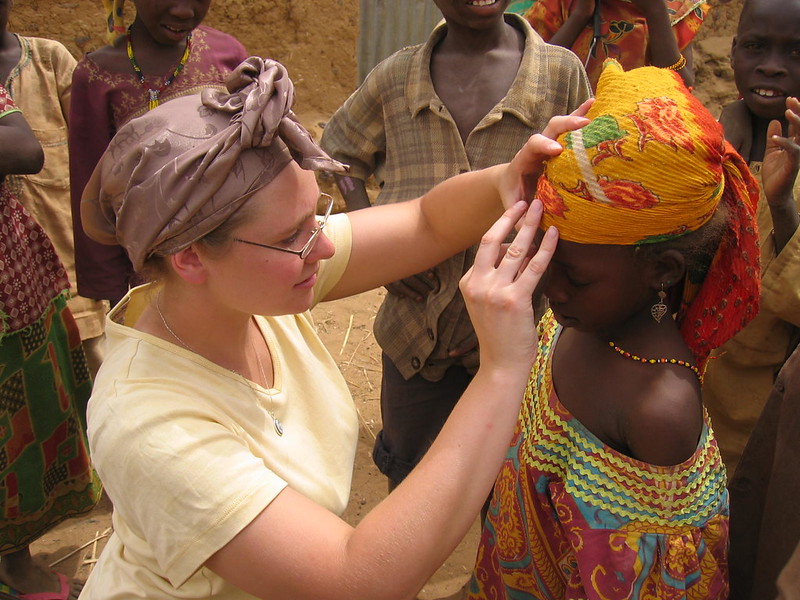 For many years, churches and organizations alike have conducted mission trips to various countries. Africa is home to many of those countries that host the majority of mission trips. These trips are ways for Christians to serve the world around them by building the community up in places most in need. Mission work in poverty-ridden African communities mainly focuses on helping provide access to clean water, health care and education. Missionaries have organized mission trips for years, with hundreds of people using their time and resources to help underdeveloped communities with humanitarian aid and the gospel.
Mission Trips
There are many aspects that go into a mission trip to Africa. The Christian faith-based mission trips impact the community by combining spiritual outreach and practical aid. Using humanitarian work with evangelism, these organizations work to make a difference. Evangelism is sharing the gospel message with those who have not heard it before or may not fully understand it. Organizations primarily visit the most underdeveloped communities in Africa. Many African areas have limited access to basic needs. Safe drinking water, electricity and quality health care are only some of the needs that these communities struggle to meet.
Mission trips involve people coming together to help build things for those in need and distribute things like food and water. These are acts of service that not only help in practical ways, but they are also a way of showing demonstration of God’s love. Many organizations participate in constructing homes, schools, food drives and many other ways to build and replenish the community.
Mission trips are multifaceted and aim to extend a hand through community service and evangelism. There are many ways to spread the gospel through mission trips, from one-on-one conversations to larger-scale communion. Helping physically provide for these communities is an important aspect of these trips, but providing faith and hope is a need that not many realize.
African Missions
Mission work in poverty-ridden African communities mostly emphasizes the connection between faith-based efforts and humanitarian development. Daingerfield Church of Christ is one of the many churches to have members go on mission trips to Africa. Founded in 1922, the Daingerfield church serves to dedicate Christ through worship, fellowship and services to others. The church partners with Pine Tree Church of Christ to conduct these mission trips. The members pay their own way and fundraise for the trips. One of their long-time members, Chuck Lee, who has gone on 17 African mission trips, spoke with the Borgen Project. “We plant churches, baptize and then disciple them in partnership with our African team,” Lee said. “We go back to encourage, strengthen and help appoint leaders.”
According to Lee, they have built more than a thousand churches and a core team of fewer than ten people has baptized tens of thousands. “10 years ago, the organization and its members spent less than $200 thousand a year in Ghana,” said Lee. “Within the last two years, it has increased to more than $1 million a year.” With this dramatic rise in funding, the amount of trips, resources and effort into preaching and aiding has made a large difference for the communities in Ghana and Togo. According to Lee, these mission trips have led to 600 churches built in Ghana and nearly 500 in Togo. The church group was able to create several schools, orphanages, a hospital and acquire a water drilling rig to help with a better water supply.
Long-Term Impacts
Mission trips in Africa and several other countries have the potential to create a long-term impact. Churches and water systems, like the ones the church of Christ built, have been sustainable for years because of the leadership within the community. The mission members come to the community with the tools and help build, while the community residents are the ones who really keep things running.
The impact of mission work in African communities can spark long-term change and create viable futures. The true success lies in the continuation of trips and relationships. Many mission sites are places the organization has previously visited. While mission work in poverty-ridden African communities brings short-term relief, long-term sustainability requires empowering local relationships. The repetition builds a foundation for relationships within the community and creates a reasonable outlook for the future.
Looking Ahead
Building consistent partnerships within underprivileged communities helps create a foundation for long-term success. Mission work aims to rebuild communities while teaching self-sufficiency and cooperation. Long-term relationships allow projects and missions to be monitored and adjusted where improvement is needed. Over time, these partnerships build sustainability that supports lasting progress in areas such as education, health care and finances. The impact of mission work in African communities can spark long-term change and create viable futures.
– Emily Herlehy
Emily is based in Denton, TX, USA and focuses on Good News for The Borgen Project.
Photo: Flickr
