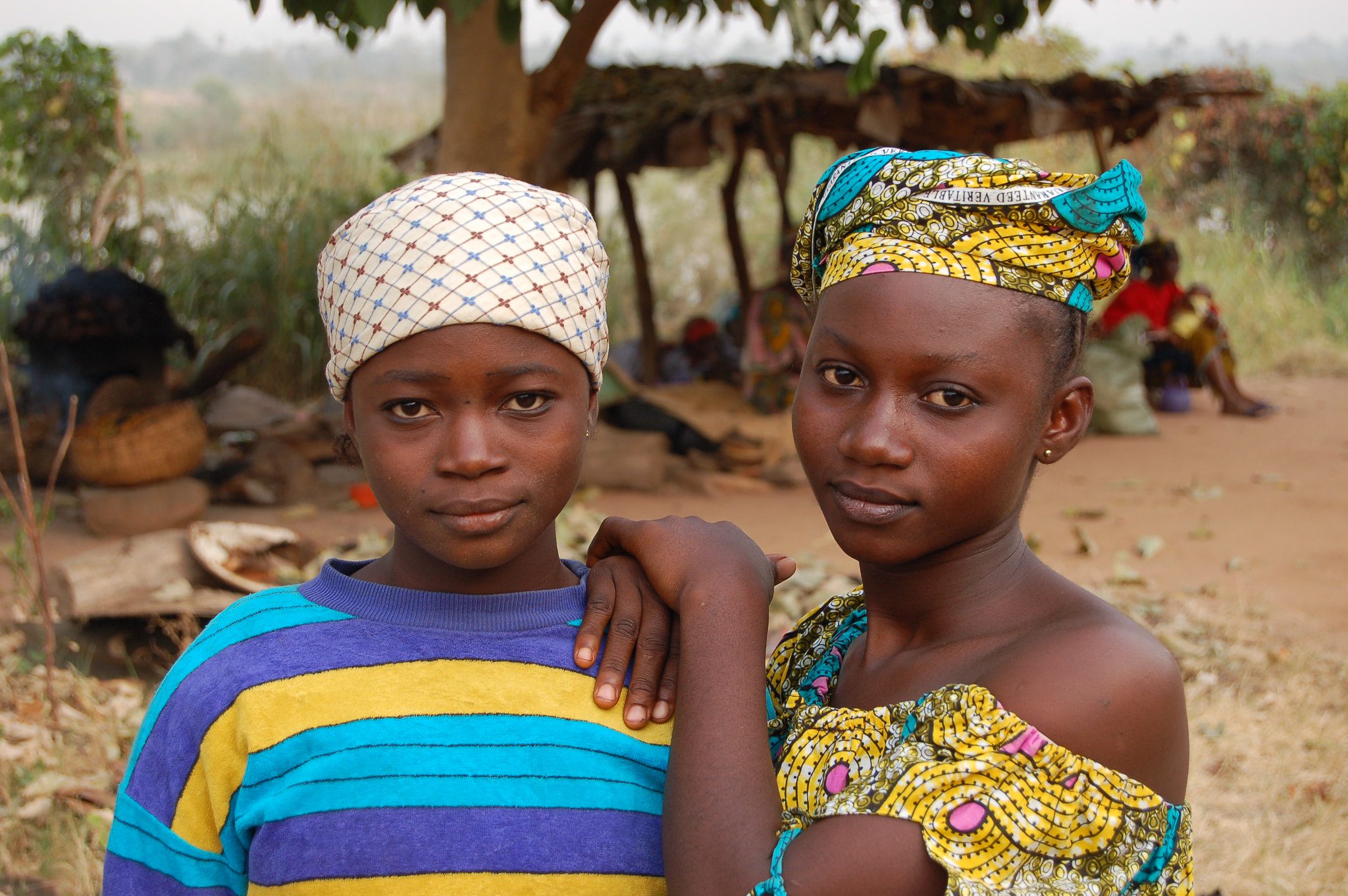
 With female genital mutilation (FGM) victimizing more than 200 million women and girls worldwide, organizations across the globe are combatting and treating the practice through surgery, awareness, education and mental health treatment. FGM – a non-medical procedure that involves cutting, sewing or removing parts of a woman’s genitalia – creates serious health issues for women who undergo the procedure including menstrual/urination/vaginal problems, complications with sex and childbirth, mental health issues, HIV infection and in serious cases, death.
Why Practice FGM in the First Place?
FGM is a medical issue, but it is also a cultural battle. FGM’s roots are steeped in patriarchal tradition and gender inequality positioning it as a purely traditional practice with no health benefits or reasoning. Practiced mostly in Africa, the procedure also exists in the Middle East, Asia and several South American ethnic groups. Documentations have also shown that some practice it in the U.S., Australia and Europe.
As a global public health crisis, FGM is highly difficult to eradicate. Females also often undergo the practice without consent. Additionally, if females choose to remove themselves from the practice, they may experience more risk as their community may ostracize them or they may not be able to marry.
FGM is also a direct result of poverty. In largely impoverished and uneducated societies, violence against women is highly prevalent. A United Nations report from 2015 stated that “Half of countries in developing regions report a lifetime prevalence of intimate partner physical and/or sexual violence of at least 30 percent” and cited Africa as one of the most susceptible regions for this violence. Developing regions in Africa, Asia and Oceania also are more accepting of wife-beating and domestic violence according to the report. With women deliberately unable to participate in the economy and household decision-making, they often meet with the dominant group’s traditions, including FGM.
While FGM is a largely immovable force in many civilizations around the world, measures of education/advocacy, surgical reconstruction and mental health counseling are helping the practice’s victims.
The On-site Approach: FORWARD
FORWARD (Foundation for Women’s Health Research and Development) is an African women-led organization that emerged in 1983. It works to end all types of violence against women and girls. FORWARD works on-site in African communities with girls and women to support, speak with and educate them on gender-based violence and women’s issues. In this way, FORWARD utilizes a bottom-up approach to ending FGM. By mobilizing students at a local level, communities can hopefully eradicate the practice due to enough people opposing it.
In just the last five years, FORWARD has educated 36,000 U.K. students “about their body and rights” and has “mobilized” 24,393 African “school girls and boys.” FORWARD is also unique in its quest to educate not only young girls but also young boys, encouraging them to defend the women in their lives and progress their rights.
The Surgical Approach
While one organization does not solely specialize in surgical and counseling solutions to FGM, various medical treatments for survivors are in existence around the world. The most experimental and ambitious procedure is clitoral reconstruction surgery. France’s health care system is notable in its wide-scale endeavors to create a successful surgical procedure for FGM survivors. Since 2004, the country has allowed women to undergo surgery for free.
However, the surgery is still highly complicated and is by no means a widely successful operation. Since the initial process of FGM is so variable (four main types of cutting exist within the practice), the surgical reconstruction results in similarly variable effects.
One of the largest studies and testings of clitoral/vaginal reconstruction surgery took place in France. More than 2,900 women who survived either Type II or Type III FGM received the operation. While “almost all of the women [who returned for post-op assessment] reported improvements with pain,” the effects were noticeably diverse. Some experienced clitoral pleasure while others experienced decreased pleasure. Some experienced minor complications following the surgery and some returned to almost completely normal genitalia.
Though reconstructive surgery is still potentially dangerous and may not be the best option for many women, endeavors to create a solidified and routine procedure prove promising.
The Education and Rehabilitation Approach: Desert Flower Foundation
The Desert Flower Foundation uses education to solve FGM. Its mission statement reads, “Education is the most powerful weapon in the fight against female genital mutilation.” Just as the most impoverished countries in the world are also the most dangerous, the least educated also hold the highest rates of FGM.
The Desert Flower Foundation has distributed 10,062 “education boxes” to children in various African nations, primarily in Sierra Leone. Complete with workbooks, pencils, rulers and backpacks, Desert Flower furthers women’s education in order to make them more aware of their intersectional roles in health and gendered societies as well as help them question the archaic practice.
In addition to education boxes, Desert Flower is treating female genital mutilation through various campaigns and projects that include opening a Desert Flower School in Sierra Leone and creating a sponsorship program called Save a Little Desert Flower. The organization has also opened various Desert Flower centers in major European cities offering FGM reconstructive surgery and support groups for survivors. Mental health is also a large focus at these centers since women who have undergone FGM can experience depression, PTSD, anxiety and overarching struggles with relationships and self-worth.
The Law and Research Approach: 28 Too Many
28 Too Many emerged in 2010 and is an advocacy and research organization based out of the U.K. The 28 African countries heavily practicing FGM inspired the charity’s name and the organization hopes to stop the FGM practice completely. Through research and law expertise, 28 Too Many uses this knowledge to implement more effective legislation, policy and education systems in these countries.
In 2019, 28 Too Many published individualized reports of 29 countries, complete with extensive research on FGM. It found that a reported 22 out of the main 28 FGM countries have legislation in place banning the practice – but the countries rarely enforce these laws.
28 Too Many is looking to perform more research into how legislation is failing women in FGM countries. It is also actively working towards creating new legislation and education programs in these areas in order to protect women and girls in each country.
The Future
FGM is still a complicated and daunting issue, but advocates all around the world are actively devoted to ending the practice for good. Any of the organizations that this article lists are performing valuable work in treating female genital mutilation. Through their continued work, hopefully, the practice of FGM will reduce and all women and girls will receive the treatment they need.
– Grace Ganz
Photo: Flickr

Healthcare Centers in Madagascar During COVID-19
Healthcare Centers in Madagascar
USAID reported that more than 60% of Madagascar’s population — 27.7 million people — lives more than five kilometers from a healthcare center. This distance takes about one hour to walk. According to the World Bank, the cost of treatment and transportation to healthcare centers can be a barrier for people in poverty to access healthcare. The World Bank reported that about 75% of Madagascar’s population lives below the international poverty line, on less than $1.90 per day. This directly impacts the ability of people to access and pay for treatment at healthcare centers. UN Women statistics show that 75.9% of employed women in Madagascar are below the international poverty line, compared to 73.7% of men.
Released in 2017, a Project HOPE study examined the effects of removing fees at health centers in Madagascar. According to the study, citizens located within five kilometers became more likely to seek treatment. They account for 15-35% of those who reported illness. Fee exemptions for certain medicines and treatments likewise increased the use of healthcare services for maternity consultations by 25%.
Impacts of Limited Transportation
In a report from June 2018, the World Bank wrote that many rural citizens of Madagascar are disconnected from main roads, which limits their access to healthcare centers. Madagascar has a low road density. This means the country’s complete network of roads is small compared to the country’s total land area. As a result, 25% of healthcare centers in Madagascar are located more than five kilometers from the road network.
According to the World Bank report, poor road conditions in rural areas also impact network connectivity. Transportation of medical supplies can be unreliable, specifically during rainy seasons, when roads can be flooded and hard to cross. This makes it difficult for health centers to consistently send supplies to those who cannot access the centers.
Lack of access to transportation can also contribute to keeping people in poverty. The World Bank and the Department for International Development wrote that isolation due to difficulty accessing roads and transportation can limit the ability of people in poverty to participate in local markets. This decreases their economic opportunity.
The Effects of COVID-19
With 908 confirmed cases and six total deaths from COVID-19, the Centers for Disease Control and Prevention has classified Madagascar as warning level three for the pandemic. The country is in partial lockdown. On April 5, President Andry Nirina Rajoelina announced that only vehicles transporting goods were allowed to circulate in the three regions impacted by COVID-19 — Matsiatra, Ambonym Analamanga and Atsinanana. All other public transport was suspended. For some, without public transport, the nearest health center is two hours away.
Solutions
The United Nations Population Fund reported that 44% of women in Madagascar give birth with the help of healthcare professionals. Madagascar’s maternal death rate is 353 for every 100,000 births. According to UNFPA, this rate is high compared to the global average of 216 maternal deaths for every 100,000 births.
The Ministry of Public Health and the UN Population Fund partnered to help pregnant women access healthcare centers in Madagascar. These organizations are providing free, 24-hour transportation for women living in the cities of Antananarivo and Toamasina during COVID-19. By the end of Madagascar’s partial lockdown, this free transportation is projected to help around 5,000 pregnant women.
Poverty impacts peoples’ ability to access healthcare centers in Madagascar due to restricted transportation and high fees. Statistics show this lack of accessibility impacts women slightly more than men. With even fewer transportation options during COVID-19, free transportation for pregnant women is making a positive impact on healthcare accessibility.
– Melody Kazel
Photo: Flickr
5 Facts About Natural Disasters and Hunger in Nepal
On April 15, 2015, the Gorkha earthquake struck central Nepal. The initial shock was measured at magnitude 7.8 while the aftershock was magnitude 7.3. This event decimated more than 600,000 buildings and killed approximately 9,000 civilians. The quake destroyed Nepal’s food supplies, further exasperating the country’s endeavors against hunger. Many different nations from around the globe offered relief assistance with much of the focus placed on providing medical aid and food resources. Since then, there has been an increased effort to lower the country’s hunger and malnutrition rates by both Nepal’s government and foreign organizations. These are five facts about hunger in Nepal and what has been done to address it since the Gorkha Earthquake.
5 Facts About Natural Disasters and Hunger in Nepal
There is still a lot of work to do, but hunger in Nepal continues to decline due to the efforts of those who care. While there are still many who go without, there are also many who can now properly eat and feed their families. With careful planning, Nepal will not only be able to provide for its people but change the course of its agricultural plans to protect against the risks of future natural disasters.
– Nicolette Schneiderman
Photo: Flickr
Organizations Treating Female Genital Mutilation
Why Practice FGM in the First Place?
FGM is a medical issue, but it is also a cultural battle. FGM’s roots are steeped in patriarchal tradition and gender inequality positioning it as a purely traditional practice with no health benefits or reasoning. Practiced mostly in Africa, the procedure also exists in the Middle East, Asia and several South American ethnic groups. Documentations have also shown that some practice it in the U.S., Australia and Europe.
As a global public health crisis, FGM is highly difficult to eradicate. Females also often undergo the practice without consent. Additionally, if females choose to remove themselves from the practice, they may experience more risk as their community may ostracize them or they may not be able to marry.
FGM is also a direct result of poverty. In largely impoverished and uneducated societies, violence against women is highly prevalent. A United Nations report from 2015 stated that “Half of countries in developing regions report a lifetime prevalence of intimate partner physical and/or sexual violence of at least 30 percent” and cited Africa as one of the most susceptible regions for this violence. Developing regions in Africa, Asia and Oceania also are more accepting of wife-beating and domestic violence according to the report. With women deliberately unable to participate in the economy and household decision-making, they often meet with the dominant group’s traditions, including FGM.
While FGM is a largely immovable force in many civilizations around the world, measures of education/advocacy, surgical reconstruction and mental health counseling are helping the practice’s victims.
The On-site Approach: FORWARD
FORWARD (Foundation for Women’s Health Research and Development) is an African women-led organization that emerged in 1983. It works to end all types of violence against women and girls. FORWARD works on-site in African communities with girls and women to support, speak with and educate them on gender-based violence and women’s issues. In this way, FORWARD utilizes a bottom-up approach to ending FGM. By mobilizing students at a local level, communities can hopefully eradicate the practice due to enough people opposing it.
In just the last five years, FORWARD has educated 36,000 U.K. students “about their body and rights” and has “mobilized” 24,393 African “school girls and boys.” FORWARD is also unique in its quest to educate not only young girls but also young boys, encouraging them to defend the women in their lives and progress their rights.
The Surgical Approach
While one organization does not solely specialize in surgical and counseling solutions to FGM, various medical treatments for survivors are in existence around the world. The most experimental and ambitious procedure is clitoral reconstruction surgery. France’s health care system is notable in its wide-scale endeavors to create a successful surgical procedure for FGM survivors. Since 2004, the country has allowed women to undergo surgery for free.
However, the surgery is still highly complicated and is by no means a widely successful operation. Since the initial process of FGM is so variable (four main types of cutting exist within the practice), the surgical reconstruction results in similarly variable effects.
One of the largest studies and testings of clitoral/vaginal reconstruction surgery took place in France. More than 2,900 women who survived either Type II or Type III FGM received the operation. While “almost all of the women [who returned for post-op assessment] reported improvements with pain,” the effects were noticeably diverse. Some experienced clitoral pleasure while others experienced decreased pleasure. Some experienced minor complications following the surgery and some returned to almost completely normal genitalia.
Though reconstructive surgery is still potentially dangerous and may not be the best option for many women, endeavors to create a solidified and routine procedure prove promising.
The Education and Rehabilitation Approach: Desert Flower Foundation
The Desert Flower Foundation uses education to solve FGM. Its mission statement reads, “Education is the most powerful weapon in the fight against female genital mutilation.” Just as the most impoverished countries in the world are also the most dangerous, the least educated also hold the highest rates of FGM.
The Desert Flower Foundation has distributed 10,062 “education boxes” to children in various African nations, primarily in Sierra Leone. Complete with workbooks, pencils, rulers and backpacks, Desert Flower furthers women’s education in order to make them more aware of their intersectional roles in health and gendered societies as well as help them question the archaic practice.
In addition to education boxes, Desert Flower is treating female genital mutilation through various campaigns and projects that include opening a Desert Flower School in Sierra Leone and creating a sponsorship program called Save a Little Desert Flower. The organization has also opened various Desert Flower centers in major European cities offering FGM reconstructive surgery and support groups for survivors. Mental health is also a large focus at these centers since women who have undergone FGM can experience depression, PTSD, anxiety and overarching struggles with relationships and self-worth.
The Law and Research Approach: 28 Too Many
28 Too Many emerged in 2010 and is an advocacy and research organization based out of the U.K. The 28 African countries heavily practicing FGM inspired the charity’s name and the organization hopes to stop the FGM practice completely. Through research and law expertise, 28 Too Many uses this knowledge to implement more effective legislation, policy and education systems in these countries.
In 2019, 28 Too Many published individualized reports of 29 countries, complete with extensive research on FGM. It found that a reported 22 out of the main 28 FGM countries have legislation in place banning the practice – but the countries rarely enforce these laws.
28 Too Many is looking to perform more research into how legislation is failing women in FGM countries. It is also actively working towards creating new legislation and education programs in these areas in order to protect women and girls in each country.
The Future
FGM is still a complicated and daunting issue, but advocates all around the world are actively devoted to ending the practice for good. Any of the organizations that this article lists are performing valuable work in treating female genital mutilation. Through their continued work, hopefully, the practice of FGM will reduce and all women and girls will receive the treatment they need.
– Grace Ganz
Photo: Flickr
Youth Sports Empowerment Programs in Tanzania
The United Republic of Tanzania’s Ministry of Labour, Employment and Youth Development recognizes the crucial role sports play in young people’s development. However, people in the country have been doing little to develop youth talents, resulting in inadequate facilities for sports and training grounds. The following information examines the situation along with the efforts to promote the youth sports empowerment programs in Tanzania and the organizations at the forefront of the movement.
The Situation
The Tanzanian government focuses on youth development since youth make up 18% of the population. However, with three-quarters of youth employment in agriculture and rapid urbanization, youth are vulnerable in the labor market. Less than 12% of the total population completes lower secondary education, and those with post-secondary education earn approximately 40 times more than the general population. To change this, many organizations are using sports to give underprivileged youth the skills they need to secure job opportunities.
The UN’s Leadership Camp
The U.N. acknowledges the role of sports in empowering underprivileged youth from Sub-Saharan Africa. It established a leadership camp consisting of 30 young people serving as leaders in their communities. The U.N. Office on Sport for Development and Peace ran this initiative and addressed topics such as health, education and gender. The U.N. Secretary-General’s Special Adviser on Sport for Development and Peace, Wilfried Lemke, stated that “The United Nations has long understood the unique power of sport for change, but for change to happen, strong leadership is needed.”
Youth Sports Empowerment Programs in Tanzania
The Tanzanian nonprofit organization Foundation For Civil Society (FCS) is implementing youth-focused projects in six regions of Tanzania. These projects use educational sports and games to mobilize youth in the suburbs of Dar es Salaam. This establishes a beneficial platform between youth and their leaders.
Umoja Tanzania is an NGO that partners with Umoja UK and Global Development Group to support Tanzanian youth. Umoja focuses on 55.33% of unemployed youth who lack alternatives in education or employment. The organizations YES! program transforms young lives through sports. In disadvantaged communities in Tanzania, youth learn inclusion, empowerment and sustainability. These sports and activities not only teach new skills but build confidence and self-esteem in youth.
Since more than 75% of Africa’s total population is under 35 years old, young people face profound challenges. Africare is an NGO that works to build sustainable, healthy and productive communities. Without the right resources, youth are vulnerable to drugs and crime. Africare’s Kick AIDS project uses soccer to create positive environments, engaging young people in HIV prevention education. Africare’s Northern Region Kick AIDS soccer league educated 1,380 youths in the Sports For Life curriculum about how healthy behaviors keep them safe as they enter adulthood.
While youth in Tanzania suffer from a lack of resources, sports provide a foundation for teaching life skills and economic development. Youth sports empowerment programs in Tanzania not only encourage youth to seek out jobs but provide them with an encouraging environment to grow physically and professionally.
– Erica Fealtman
Photo: Flickr
5 Organizations Fighting Poverty in Sudan
Sudan is one of the poorest developing countries in the world with over 40% of its citizens living below the poverty line. Poverty in Sudan results from a combination of factors ranging from the country’s location in the Sahara desert to rampant government corruption.
The History of Poverty in Sudan
Around 80% of the country’s rural population relies on subsistence agriculture. However, due to inconsistent rainfall and a lack of conservation measures, many of these vulnerable populations end up landless and jobless due to desertification and flooding. As a result of these conditions, more than 2.7 million children are acutely malnourished. Further, estimates determine that 5.8 million people in Sudan are food insecure.
Additionally, since its independence in 1956, Sudan has faced continued political unrest. The dictator Omar Hassan al-Bashir banned nongovernmental organizations, which inhibited humanitarian assistance and led to the persecution of the Christian minority in the country. Although circumstances looked hopeful in 2019 as a result of the overthrow of Omar Hassan al-Bashir and the shift of Sudan into a transitional democratic government, the scars of Bashir’s 30-year regime remain. Sudan still faces an economic crisis due to the loss of two-thirds of its oil revenues with the succession of South Sudan during Bashir’s rule. Additionally, Sudan has over 2 million internally displaced people.
These conditions have left Sudan in a humanitarian crisis. However, many organizations are combatting the issues and providing relief to the Sudanese people. Here are five organizations fighting poverty in Sudan.
5 Organizations Fighting Poverty in Sudan
Though the country requires a lot more work to eliminate poverty in Sudan, these organizations provide hope for its people. Through continued efforts, hopefully, Sudan will overcome the systemic poverty and internal corruption that has long plagued the country.
– Kira Lucas
Photo: Flickr
10 Facts About Poverty in Venezuela
Venezuela was once a rich and stable country. Over the last few decades, Venezuela has fallen into financial and governmental trouble. In 1989, when rioting and looting polluted the streets due to increased petroleum prices, Venezuela began a spiral into debt. When Hugo Chávez became president in 1998, citizens became optimistic as he funded money into programs to assist the poor. Unfortunately, mismanagement allowed problems to persist. Within the last decade, poverty rates have risen dramatically. Here are 10 facts about poverty in Venezuela.
10 Facts About Poverty in Venezuela
Looking Ahead
Although poverty, corruption and violence have been the narrative of Venezuela for the last few decades, hope still exists that the tide will turn. In the time of a government battle, citizens now have more than two options. It used to be that either Maduro needed to leave or they did. However, now a third option exists, which is to replace Maduro with President Guaidó.
Fortunately, there are many groups assisting with child security, food and water relief, education and poverty in Venezuela. These continued efforts will hopefully impact poverty in Venezuela significantly.
– Marlee Ingram
Photo: Flickr
Learn About Poverty in Chad
Located in Central Africa, the country of Chad is the fifth largest landlocked state and has a poverty rate of 42%. With a total population of approximately 15.5 million, a lack of modern medicine, dramatic weather changes and poor education have riddled the country with deadly diseases and resulted in severe poverty in Chad.
Poor Health Conditions in Chad Lead to Disease
The most common types of disease and the primary causes of death include malaria, respiratory infections and HIV/AIDS. Malaria, usually spread through mosquito bites, is a potentially fatal disease and is quite common in the country of Chad. Due to poor sanitation, Chadians are more susceptible to malaria; the most recently estimated number of cases was 500,000 per year.
Along with malaria, lower respiratory diseases contribute to Chad’s high mortality rate – the most common and deadliest of those being meningitis. Lower respiratory tract infections occur in the lungs and can sometimes affect the brain and spinal cord. A lack of available vaccinations in the country has increased susceptibility to meningitis. Meningitis is most deadly in those under the age of 20, and with a countrywide median age of 16.6 years old, Chad has seen a rise in total meningitis cases and overall deaths.
As of 2015, there were an estimated 210,000 Chadians living with HIV. According to UNAIDS, there were 12,000 AIDS-related deaths just last year, along with 14,000 new cases. Those living with HIV/AIDS are at a higher risk of death with their compromised immune systems. They are unable to fight off diseases and, with the preexisting severe risk of malaria and meningitis, they are more susceptible to death.
Harsh Weather and its Role in Food Insecurity and Disease
Due to its geography, Chad is one of the countries most severely affected by environmental challenges. Approximately 40% of Chadians live at or below the poverty line, with the majority relying heavily on agricultural production and fishing. The drastic change in rain patterns and the consequent frequency of droughts have placed a significant strain on their food supply. Fishing in particular has been sparse. Lake Chad, the country’s largest lake, has diminished by 90% in the past 50 years. The rising temperatures in Chad have caused a decrease in both crop yields and good pasture conditions, placing more strain on those who depend on Lake Chad for food and the nutrients it adds to farming.
In addition to affecting poverty in Chad, intense weather patterns have also increased the number of infectious diseases. The infrastructure of the country has not been able to keep up with the rapidly growing population in urban areas. This results in poor sanitation. The sanitation services are overwhelmed during floods, which contaminates the water supply.
Lack of Education Affects Poverty in Chad
Despite the relatively large population, less than half of school-aged children attend school. With attendance rates so low, the literacy rates in individuals between the ages of 15 and 24 fall; currently, they only reach 31%. According to UNICEF, attendance rates are astonishingly low; 8% for children in upper secondary school and 13% for lower secondary school. With education rates so low, income inequality, infant and maternal deaths and stunting in children continue to rise; as a result, the overall economic growth of the country declines.
Enrollment is low in Chad due to the lack of resources in schools. With the country in severe poverty, schools remain under-resourced, both in access and infrastructure. Some schools have no classrooms and no teaching materials. Furthermore, students often outnumber teachers 100:1. As a result, the quality of learning decreases, as does the overall attendance rate.
As of now, only 27% of primary-school-age children complete their schooling. According to UNESCO, if adults in low-income countries completed their secondary education, the global poverty rate would reduce by half. Even learning basic reading skills could spare approximately 171 million people from living in extreme poverty. Educated individuals are more likely to develop important skills and abilities needed to help them overcome poverty. Education also decreases an individual’s risk of vulnerability to disease, natural disasters and conflict.
Poverty in Chad is widespread, and the rate of impoverished people will continue to grow if it is not addressed. Poor health conditions and a lack of education are just a few of the many problems people face; while the living conditions may seem dire in Chad, a gradual decrease in overall poverty rates proves that there is hope.
– Jacey Reece
Photo: Flickr
Improving Healthcare in Albania
Albania became highly secluded following Enver Hoxha’s communist reign from 1908-1985. Medical staff would often make house calls for patients that were severely ill because there was only one hospital per city. The paucity of the country’s healthcare offset the highly skilled and thoroughly trained professors at the Mother of Teresa School of Medicine. This school emerged in 1959 and was the first school of medicine in Tirana. The doctors had the skill, but they lacked the proper tools to go about daily operations. The lack of resources during this time had a damaging effect on healthcare in Albania.
The Concerns
While professors who were to teach at the Mother of Teresa School of Medicine received training in other European countries, Albania still gave little to no personal freedom regarding matters of end-of-life to its patients. Documentations have determined that the nutrition of Albania became scarce under Hoxha’s rule. In fact, infant mortality rates supposedly increased; they are currently at 10.83 per 1,000 births (9.49 for females per 1,000 and 12.08 for males per 1,000). While the population began to dwindle, the communist regime led a movement in which women received the promise of a cow in addition to the title of “heroic mother” if they had six or more children.
Birthing units would hold five to seven pregnant patients per room: no husbands or other family members could fit or enter. Albania currently meets compliance with global labor standards regarding maternity protection. Mothers in the country can enjoy the benefits of a full maternity leave duration, full amounts of maternity leave cash benefits and breastfeeding breaks with breastfeeding facilities. The country also established that the government was the source of the cash benefits and not individual employers.
Lack of Freedom
Not only could “heroic mothers” not have their husbands or other family members around as they gave birth, but Albanians are still unable to deny poor medical treatment from hospital doctors and medical staff. The coverage for healthcare in Albania for citizens during communism mimicked the Soviet-type Semashko model and was free of charge. The Albanian government owned and directed the healthcare plan.
Today a combination of healthcare contributions from the state, employees and employers pay for Albanian public healthcare spending. In fact, the employer and employee each contribute 3.4% with employees’ portion coming from their salaries. The state subsidizes and pays for the rest. The fact that Albanian healthcare does not address the withdrawal of treatment gives Albanians little power to make healthcare decisions.
The WHO
Despite Albanians’ lack of healthcare freedom, the country is doing much to raise the quality of healthcare in Albania. The World Health Organization (WHO) mentioned the 2013-2022 Albanian Plan for Mental Health Services Development. The WHO highlighted the plan to protect the rights of individuals with special needs and mental health problems. The 11th National Report on the Implementation of the European Social Charter for Albania stated that as a part of its 2013-2022 plan, it built nine community mental health centers and 13 supported homes.
The idea behind supported homes is to deinstitutionalize psychiatric wards with high populations and transition these patients back into society. The method before this was to simply hospitalize mentally ill citizens. Albania is also home to Different and Equal, an NGO that assists victims of human trafficking, domestic violence and sexual abuse.
Moving Forward
Albania is not only developing mental health centers or supported homes; the government has also promised to revolutionize and increase financial output towards the health sector. The government believes that the need for medical devices will increase. Increased spending will lead to new technology in hospitals. It also maintains the idea that increased spending on the health of its country will cause investments in public hospitals to rise. According to the Albanian Ministry of Health (MoH), public healthcare spending in 2018 reached 48.6 billion Leke ($450 million). Expectations determine that more recent spending statistics should be higher than reports state.
In 2018, the WHO reported that during visits, its team noticed that the healthcare buildings were old but that they had received good maintenance. Also, the MoH developed a general medical check-up for everyone between the ages of 40-65 in 2016. The idea behind this check-up was that it would give individuals the motivation to visit their family physician. Albanians enjoyed this innovative solution to healthcare advocacy for free.
The Albanian government has chosen a route of seclusion in the past. Communism allowed citizens to have free healthcare but at the cost of the freedom to choose the right health options for themselves. The citizens of Albania are now helping to fund their own healthcare. Nurturing mothers have become a larger focus, which will hopefully lower the infant mortality rate. Albania is also addressing mental illness and future government healthcare spending is set to increase.
– DeAndre’ Robinson
Photo: Wikimedia Commons
How Duolingo Helps Refugees
Duolingo is a popular language-learning platform available on desktop and mobile phones serving to boost the language skills of people around the world. Known for its iconic green owl mascot, Duolingo offers free courses in 38 different languages. These include widely spoken languages like English and Spanish, as well as endangered languages such as Navajo and Hawaiian. It even offers courses in fictional languages like Klingon from Star Trek and High Valyrian from Game of Thrones.
While not specifically an original intent of the platform, Duolingo has grown in popularity among immigrants and refugees who seek to learn the language of their new homes. Recently, the company even made a documentary film about how Duolingo helps refugees.
The Importance of Communication
The United Nations High Commissioner for Refugees (UNHCR) estimates that there were 79.5 million forcibly displaced people worldwide at the end of 2019. Among the world’s displaced people, 20 million are refugees or asylum-seekers who have crossed borders into another country. Most refugees come from Syria, who have seen 6.6 million displaced people.
Language is extremely important to everyday life. In unfamiliar situations, language can act as a barrier to interactions and opportunities among those who can’t understand each other. For impoverished refugees, learning the local language is both vital and extremely challenging. The resources refugees need to learn a new language are often unavailable or not easily accessible.
Duolingo’s Role
In 2018, Duolingo’s creators noticed an intriguing pattern in their 300 million person user base. The most popular languages being learned in many countries were actually the native language of the area. In Miami, most Duolingo users were learning English and in Sweden, most users were learning Swedish. They found that most of these users were immigrants and refugees learning to speak the language of their new home.
Duolingo helps refugees by making language learning accessible and convenient. Available to anyone with access to an electronic device, the learning platform teaches basic conversational skills in a fun and easy way. It teaches reading, writing, listening and speaking through conversational situations where users simultaneously learn vocabulary and grammar. After receiving thousands of thank you letters from global users who benefitted from the app, Duolingo decided to create a documentary film following real refugee users as they learned new languages and navigated their new environments.
Something Like Home
“Something Like Home” highlights the stories of four refugees. Photojournalist Justin Merriman went to Turkey and Jordan to interview these refugees and create the film, which is available for free on Youtube or at duolingomovie.com. Merriman states that “It wasn’t really, in the beginning, about Syria and displaced refugees. It was about people using language to change their lives.”
One of the featured refugees, Noor, is a Syrian refugee who fled to Iraq, Dubai and finally to Turkey. Noor was the only refugee from the film able to attend its premiere at the Kelly-Strayhorn Theater in Pittsburgh, as her Iraqi citizenship allowed her to obtain a travel visa over the others who are Syrian citizens. She now works as a computer programmer and software engineer in Turkey, speaking five languages.
Another featured refugee, Ahmed, also fled Syria for Turkey where he now works as an engineer overseeing water and sanitation programs for internally displaced Syrians. Ahmed, formerly an engineer in Syria, was only able to find employment in Turkey after using Duolingo to learn the language and communicate his skills to employers. He is a prime example of how Duolingo helps refugees in these critical situations
Noor and Ahmed are just two examples of the global refugee experience—being violently torn from normal life and forced to start over somewhere completely unfamiliar. Duolingo helps refugees by freely offering an opportunity to make the transition into their new lives easier.
– Kathy Wei
Photo: Wikimedia
How Young Women in Senegal are Gaining Reproductive Healthcare
Reproductive Healthcare Barriers for Senegalese Women
Senegal’s healthcare system is not free to the public. If one does not have the funds to pay for their needed care, they are refused treatment. With more than 50% of Senegal’s population in poverty, only 32.5% of births are performed with a healthcare professional, making the maternal death rate one in 61 women.
Senegalese women are averaged to have at least four children, which is often a result of early forced marriage and the patriarchal family structure. Young women are limited from attaining an education, inhibiting their ability to gain knowledge and power over their reproductive and maternal health.
Over 77% of Senegalese women who desire sexual contraception such as birth control, do not have access to that resource. This has led to unplanned pregnancies for women 20 years old and younger. Additionally, most young women do not receive sexual education in school or at home. This results in less than a third of women in Senegal having a comprehensive understanding of HIV/AIDs or how to protect themselves from such diseases. Government initiation and non-profit organizations are improving these statistics. More women in Senegal are receiving resources and education for their reproductive healthcare.
The Maputo Protocol
Before the 2000s, there was no access to national government or international organizations’ reproductive health for Senegalese women. In 2005 Senegal signed the agreement of the African Charter of Human Rights and Rights of Women, known as the Maputo Protocol, declaring Senegalese women’s reproductive health to be a “universal human right” that must be protected. Following the Maputo Protocol, the Senegalese healthcare system began providing contraception as well as pregnancy and STI testing for women over the age of 15.
4 Centers and Initiatives for Women’s Reproductive Healthcare in Senegal
Keur Djiguene Yi Center: The Keur Djuguene Yi Center is the first public OBGYN clinic in Dakar, Senegal that provides complete reproductive and maternal care to women who cannot afford or have access to government-provided healthcare options. Opening its doors in 2017 with the help of Dr. Faye, the lead gynecologist on-site, more women than ever before in Senegal now have access to pre and post-natal exams, “education on contraception, HIV prevention, family planning and infant immunization,” free of cost. Dr. Faye has been consciously expanding on the center, adding another full-time gynecologist in 2019. She hopes to expand the center to operate at full capacity with an entire team of OBGYN professionals to help four times the number of patients the Keur Djiguene Yi Center services currently.
VOICES mHealth Program: The World Health Organization partnered with the Voices project, created an initiative for reproductive and maternal awareness in Senegal. The VOICEmHealth Program uses voice messages to spread the word about openings of women’s healthcare centers as well as education on maternal care and child-feeding practices. The project works with Bajenu Gox, known as “community godmothers,” to extend the amount of knowledge and power for young women through home visits and information on their healthcare during and after their pregnancy to reach women who do not have access to a cellular device. Voices mHealth program is a highly effective project in its ability to have immediate, trusted contact with Senegalese women living in both rural and urban communities.
Le Korsa: Le Korsa is a nonprofit organization that empowers communities and healthcare centers in Senegal to improve their provided healthcare with grants and educational resources. One of the organization’s most impactful recent projects was in 2017 when Le Korsa began the renovation of the Tambacounda Hospital’s Maternity and Pediatric Units. The project is expected to finish in 2021, providing more enhanced and comfortable care to the 47,000 annual visitors.
Bajenu Gox Project — Action Et Developpement: The Action Et Developpement organization in Senegal has made major strides in having increased community inclusion and education on women’s healthcare with a global lense. Partnering with the Bajenu Gox of the Kaolack, Fatick, Saint Louis, Louga and Dakar regions in 2015, the Bajenu Gox project has brought new, needed knowledge to rural and urban Senegal. The Bajenu Gox in these locations are now trained on how to talk about the prevention of STI’s and HIV/AIDs in their local communities. They are bringing a new wave of education to young women and forever changing the empowerment of women in Senegal through awareness of their rights.
With the remarkable breakthroughs in women’s reproductive healthcare in Senegal, women now have access to centers and initiatives. The foundation for a new perspective, action and approach towards the autonomy of a women’s health and reproductive system in Senegal is now able to grow and flourish.
– Nicolettea Daskaloudi
Photo: Flickr