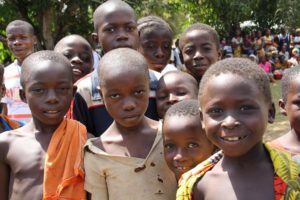
Liberia is a country on the coast of West Africa with a population of about 4.61 million people. Around 1.3 million people live in extreme poverty—a classification that food insecurity and no access to shelter characterize. In the urban population, about 65.7% of the people live in slums, while the rural population makes up 75% of the poverty-stricken population. Many of the rural homes consist of a thatch roof with mud walls, providing little security to families. Here is some information about homelessness in Liberia.
Causes of Homelessness in Liberia
As one of the least developed countries in the world, economic and national instability are the main causes of homelessness in Liberia. Liberia struggled with 14 years of civil wars, beginning in 1989 and ending in 2003. The first of the two civil wars began in 1989 after Charles Taylor established the National Patriotic Front of Liberia and set out to overthrow President Samuel Doe’s administration. Taylor recruited thousands of children to fight as soldiers and was responsible for the massacres of many Liberians. He eventually murdered Samuel Doe and took his seat as president in 1997, thus ending the first civil war.
Shortly after, in 2000, LURD, or Liberians United for Reconciliation and Democracy, began its militant attack on Taylor’s administration, which, in retaliation, formed the Revolutionary United Front. As LURD continued its campaign through Liberia, Movement for Democracy in Liberia, or MODEL, became a predominant force. It also set out to challenge Taylor’s administration. Collectively, the movements recruited about 15,000 children and about 200,000 people died.
President John Kufuor of Ghana, who was also the chair of the Economic Community of West African States (ECOWAS), organized a peace convention to reconcile the violence in Liberia. In July 2003, LURD declared a ceasefire and Taylor resigned and fled to Nigeria. The Accra Comprehensive Peace Agreement (CPA), facilitated by ECOWAS, established a new election for Liberia in 2005 and Ellen Johnson Sirleaf took office to lead a newly peaceful Liberia.
The Aftermath of the Civil Wars
When the wars began, Liberis had a population of about 2.1 million people. Over the course of the conflicts, fear and extreme violence caused about 780,000 Liberians to become refugees, and 500,000 became internally displaced. These displacements resulted in camps for families to stay in. These camps then served as recruiting grounds for young children to fight in the war. Those who did not feel protected by the government fled to nearby countries and many abandoned their villages to avoid an attack. By 1990, displacement had affected 50% of Liberia’s population, with women and children making up 80% of the displaced.
Since the end of the civil wars, the government has given little acknowledgment to the issue of homelessness in Liberia. In the Presence of Absence. Today, data estimates that about 400,00 Liberians returned to their villages after fleeing war, and many struggled to find permanent homes. With an unemployment rate of 80%, orphaned child soldiers and a lack of benefit programs from the national government, there has been limited improvement in the housing conditions of Liberia.
Homelessness and Disease
In 2014, Liberia recorded some of the highest Ebola virus case numbers in the world. By the time Liberia declared itself Ebola-free, the CDC recorded 10,678 cases and 4,810 deaths. As a result, 5,900 Liberian children lost one or both parents, leaving many with no option but to live on the streets. Housing also became difficult for those who were on the frontlines of the Ebola fight; landlords, relatives and foster homes often pushed away children and volunteers who came in contact with the virus. Fear of Ebola treatment centers and their occupants has created a stigma against survivors. Consequently, Liberians often find themselves without work or shelter and 70% of the urban population lives in the slums.
Following the outbreak, the government provided very little aid to help Liberians rebuild their lives. As a result, many children who lost their parents during the outbreak resorted to sleeping on the streets. In Monrovia, the capital of Liberia, children often sleep in the tombs in the cemetery, as they have nowhere else to go, thus creating their label of “cemetery children.”
Nonprofits Making Change in Liberia
Despite the lack of aid that the government provides, many programs from abroad have begun work in Liberia. The current president, George Weah, also championed a new initiative. In 2010, Shelter for Life, a nonprofit development organization, built 1,300 temporary refugee shelters and 10 community buildings. Shelter for Life also provided micro-loans to struggling farmers in order to help rebuild and jumpstart the community.
Shelter Afrique, the Liberian National Housing Authority and President Weah signed a Memorandum of Understanding in 2019 to provide affordable housing, with facilities, to Liberian citizens. The pro-poor housing initiative will create more opportunities for Liberians to buy and retain homes. The initiative creates more dwellings on the lower end of the market, increasing affordability to combat homelessness. Data shows that Liberia has a housing shortage of 512,000 units, emphasizing the need for more homes.
Homelessness in Liberia is beginning to be a priority for its government; however, Liberia can not accomplish this alone. Foreign aid from the United States will create homes for families and take orphaned children off the streets.
– Alyssa Hogan
Photo: Flickr

4 Countries Helped by the Asian Development Bank
4 Countries the Asian Development Bank Has Helped
Since its conception, ADB has made incredible progress in fighting poverty and assisting development in Asia. In 2019 alone, ADB committed $21.64 billion in loans, grants and other investments to various countries and provided $237 million in technical assistance. Still, much poverty remains to be fought—while Asian countries have experienced massive development in the 21st century, many rural areas have been left behind. Poverty remains a pervasive issue in Asia. The Asian Development Bank has changed the lives of many Asian residents, but much remains to be done.
– Maggie Sun
Photo: Flickr
Let’s Clear the Air: 5 Green Innovations Improving Air Quality in Mexico City
5 Green Innovations Improving Air Quality in Mexico City
While geographical and ecological challenges occasionally cloud efforts to achieve better air quality in Mexico City, public and private organizations, including the government, have shown openness to innovative solutions. This is not for nothing: the changes have earned attention as models for other pollution-challenged countries like India. However, more consistency and dedication to green innovation is needed to make this vibrant and iconic “city of palaces” a palace not just for tourists, but for those who call it home.
– Andrea Kruger
Photo: Flickr
How Was a Two-Year Ebola Outbreak Snuffed?
The fatality rate for Ebola has ranged between 25% and 90%, depending on the severity of the outbreak and on the healthcare infrastructure of affected countries. The more modern and accessible these systems were, the more efficient the surveillance and treatment options. The second-largest outbreak of Ebola began in the Kivu region of the DRC on Aug. 1, 2018, and was only declared over as recently as June of 2020.
Containment in the DRC
Comparing the 2014 Ebola outbreak with the one that occurred in 2018 reveals a relative improvement. From 2014 to 2016, there were 28,616 EVD cases that resulted in 11,310 deaths. On the other hand, from 2018 to 2020, there were only 3,481 cases and 2,299 deaths reported.
DRC’s commendable public health response to the 2018 Ebola outbreak led to this outcome. Pre-existing infrastructural inadequacies and a lack of trust in health care officials have been the major challenges faced during Ebola occurrences. Though many of these problems continue, the better use of surveillance, contact tracing, prevention strategies and safe burial practices have greatly shaped how the most recent outbreak developed. Additionally, the global health community has made strides in vaccine development and treatment programs, making the defeat and containment of this epidemic possible.
Safe and Dignified Burials
Because the virus is transmitted through direct contact with an infected individual (living or deceased), traditional burial practices that require family members to wash the body pose a significant risk to communities during Ebola outbreaks.
In 2014, rural populations of Sierra Leone experienced surges in reported Ebola cases as a direct result of community members’ attending funerals and touching infected corpses. Since then, the CDC, the Sierra Leone Ministry of Health and Sanitation and the WHO have provided guidelines for safe protocols when handling potentially infected corpses. These protocols involve trained personnel and extensive personal protective equipment (PPE). During the recent contained Ebola outbreak, 88% of funerals utilized safe and dignified burial practices.
Vaccination Efforts
As a result of the most recent epidemic, 16,000 local responders and 1,500 WHO health workers collaborated to provide effective vaccines to 303,000 people. Individuals were considered eligible for vaccination if they had previous contact with an infected individual or were a frontline worker in an affected or at-risk area. Treatment centers, field laboratories and an Ebola national care program were also set up to care for patients, providing weekly test samples and follow-up with survivors.
EVD versus COVID-19
The world has seen other deadly viruses before COVID-19. SARS, Ebola and even the annual flu are some examples. COVID-19 stands out because it is easily spreadable and the rate of asymptomatic transmission is high. Asymptomatic transmission occurs when individuals don’t know they are infected and, as a result, spread the virus without knowing. Even though Ebola is highly contagious toward the end of the infection period, infected individuals show intense symptoms, so it is not easy for the virus to fly under the radar as COVID-19 tends to do.
Moreover, while health responses against Ebola are significant in fighting the spread of the virus, the vaccine and treatments are the real superheroes in protecting large populations and infected patients from the virus. As the world witnessed in the 2014 outbreak, Ebola left a devastating death toll in its wake without a vaccine. There are currently no viable vaccine or treatment options for the coronavirus, although development is currently in progress.
Moving Forward
Because preparedness plays a large role in within-country health responses, it is hopeful that future Ebola outbreaks will be contained. The health responses, vaccination programs and treatment options utilized by the DRC are applicable to other countries as well. Aid from WHO and other health agencies will lessen the threat of Ebola in Western Africa and the world.
– Nye Day
Photo: Flickr
Innovations in Poverty Eradication in Vietnam
Between wars, famines, communist regimes and poverty, Vietnam has had its share of troubles. In 1992, 52% of Vietnam’s population was in poverty, but things have changed for the better. Vietnam has been able to bounce back from its difficulties and is now one of the fastest-growing economies in the world. In 2018, less than 2% of Vietnam’s population was in poverty. Poverty eradication in Vietnam has been successful because of its strong production, widespread infrastructure and growing middle class.
Entering the Global Economy
Vietnam has had many economic troubles in the past. One of its major problems was its reliance on agriculture as a source of income. In 1991, around 40% of Vietnam’s GDP was agriculture.
Growing crops simply did not pay enough to support Vietnamese families. Many impoverished farmers solely relied on agriculture to provide for their families. Vietnam was not doing anything to diversify its economy into more promising markets. While countries like China and Japan were building factories and manufacturing cars, Vietnam was growing rice. Once Vietnam started to invest in more profitable industries, its GDP skyrocketed. Vietnam’s real GDP growth rate was 7% in 2019, far higher than any other in the region. In 2020, around 34% of Vietnam’s GDP comes from industry markets.
Some of its main exports include electronics, footwear and textiles. This has provided life-changing opportunities for millions of Vietnamese families. Many of these poor families are now moving to major cities to work in factories and earning higher wages. Poverty eradication in Vietnam has been largely successful due to its strong and diverse economy.
Opportunities for Poor Families
A large percentage of Vietnam’s population lives in rural areas surrounded by mountain ranges. Previously, most of these people grew simple crops like rice. This was not enough to improve their poor living conditions and many of these people went hungry. The Vietnamese government has sought to dramatically increase the amount of infrastructure in order to connect these rural villages to the rest of the population. In 1993, 14% of the population used electricity as their main source of lighting. This rose to 99% as of 2016. Meanwhile, in 1993, only 17% of rural areas had access to clean water. Now, more than 70% have access to this essential service. These mountain villages are now in contact with the rest of the Vietnamese population. This has provided valuable opportunities for these poor families that they have never had access to before.
Creating a Strong Middle Class
Now that many of these rural villages are connected, people are starting to move out of poverty and into a growing middle class. Major cities such as Hanoi and Ho Chi Minh City are growing as people look for more opportunities. Higher wages and increased standard of living have lured many rural families into moving to the city. Thirteen percent of Vietnam’s population is part of the middle class, and middle-class numbers are continuing to climb. On average, 1.5 million Vietnamese join the middle class every year. What makes this even better is that very few of these people fall back into poverty. From 2014 to 2016, only 2% of Vietnamese who moved out of poverty fell back into it. Poverty eradication in Vietnam is not only successful but sustainable as well.
Despite numerous hardships, Vietnam has been able to go against the odds and become one of the fastest-growing countries in the world. In the late 1900s, Vietnam was in a dismal state. More than half of its population was in poverty. However, by entering the global economy, expanding its infrastructure and creating a strong middle class, poverty eradication in Vietnam is unprecedented in its success. Many hope that Vietnam will continue this success in the future.
– Evan Weber
Photo: Flickr
What to Know About Homelessness in Liberia
Liberia is a country on the coast of West Africa with a population of about 4.61 million people. Around 1.3 million people live in extreme poverty—a classification that food insecurity and no access to shelter characterize. In the urban population, about 65.7% of the people live in slums, while the rural population makes up 75% of the poverty-stricken population. Many of the rural homes consist of a thatch roof with mud walls, providing little security to families. Here is some information about homelessness in Liberia.
Causes of Homelessness in Liberia
As one of the least developed countries in the world, economic and national instability are the main causes of homelessness in Liberia. Liberia struggled with 14 years of civil wars, beginning in 1989 and ending in 2003. The first of the two civil wars began in 1989 after Charles Taylor established the National Patriotic Front of Liberia and set out to overthrow President Samuel Doe’s administration. Taylor recruited thousands of children to fight as soldiers and was responsible for the massacres of many Liberians. He eventually murdered Samuel Doe and took his seat as president in 1997, thus ending the first civil war.
Shortly after, in 2000, LURD, or Liberians United for Reconciliation and Democracy, began its militant attack on Taylor’s administration, which, in retaliation, formed the Revolutionary United Front. As LURD continued its campaign through Liberia, Movement for Democracy in Liberia, or MODEL, became a predominant force. It also set out to challenge Taylor’s administration. Collectively, the movements recruited about 15,000 children and about 200,000 people died.
President John Kufuor of Ghana, who was also the chair of the Economic Community of West African States (ECOWAS), organized a peace convention to reconcile the violence in Liberia. In July 2003, LURD declared a ceasefire and Taylor resigned and fled to Nigeria. The Accra Comprehensive Peace Agreement (CPA), facilitated by ECOWAS, established a new election for Liberia in 2005 and Ellen Johnson Sirleaf took office to lead a newly peaceful Liberia.
The Aftermath of the Civil Wars
When the wars began, Liberis had a population of about 2.1 million people. Over the course of the conflicts, fear and extreme violence caused about 780,000 Liberians to become refugees, and 500,000 became internally displaced. These displacements resulted in camps for families to stay in. These camps then served as recruiting grounds for young children to fight in the war. Those who did not feel protected by the government fled to nearby countries and many abandoned their villages to avoid an attack. By 1990, displacement had affected 50% of Liberia’s population, with women and children making up 80% of the displaced.
Since the end of the civil wars, the government has given little acknowledgment to the issue of homelessness in Liberia. In the Presence of Absence. Today, data estimates that about 400,00 Liberians returned to their villages after fleeing war, and many struggled to find permanent homes. With an unemployment rate of 80%, orphaned child soldiers and a lack of benefit programs from the national government, there has been limited improvement in the housing conditions of Liberia.
Homelessness and Disease
In 2014, Liberia recorded some of the highest Ebola virus case numbers in the world. By the time Liberia declared itself Ebola-free, the CDC recorded 10,678 cases and 4,810 deaths. As a result, 5,900 Liberian children lost one or both parents, leaving many with no option but to live on the streets. Housing also became difficult for those who were on the frontlines of the Ebola fight; landlords, relatives and foster homes often pushed away children and volunteers who came in contact with the virus. Fear of Ebola treatment centers and their occupants has created a stigma against survivors. Consequently, Liberians often find themselves without work or shelter and 70% of the urban population lives in the slums.
Following the outbreak, the government provided very little aid to help Liberians rebuild their lives. As a result, many children who lost their parents during the outbreak resorted to sleeping on the streets. In Monrovia, the capital of Liberia, children often sleep in the tombs in the cemetery, as they have nowhere else to go, thus creating their label of “cemetery children.”
Nonprofits Making Change in Liberia
Despite the lack of aid that the government provides, many programs from abroad have begun work in Liberia. The current president, George Weah, also championed a new initiative. In 2010, Shelter for Life, a nonprofit development organization, built 1,300 temporary refugee shelters and 10 community buildings. Shelter for Life also provided micro-loans to struggling farmers in order to help rebuild and jumpstart the community.
Shelter Afrique, the Liberian National Housing Authority and President Weah signed a Memorandum of Understanding in 2019 to provide affordable housing, with facilities, to Liberian citizens. The pro-poor housing initiative will create more opportunities for Liberians to buy and retain homes. The initiative creates more dwellings on the lower end of the market, increasing affordability to combat homelessness. Data shows that Liberia has a housing shortage of 512,000 units, emphasizing the need for more homes.
Homelessness in Liberia is beginning to be a priority for its government; however, Liberia can not accomplish this alone. Foreign aid from the United States will create homes for families and take orphaned children off the streets.
– Alyssa Hogan
Photo: Flickr
Foreign Aid: How to Address Poverty in Afghanistan
One can consider any form of foreign aid positive at face value, but Afghanistan could benefit from greater investment in private organizations due to its specific needs. According to a U.S. agency report on Afghanistan, political strings result in the Afghani government’s focus on the goals of its foreign investors rather than the needs of its citizens, accompanying aid from countries like the U.S. Poverty in Afghanistan requires attention unhindered by political expectations.
US Foreign Aid Policy
Secretary of State Mike Pompeo announced in March 2020 that the U.S. would be cutting $1 billion in foreign aid to Afghanistan, which became a foreign policy initiative following a major U.S. military presence in the country. The U.S. foreign aid is allocated to a variety of purposes, some of which attempt to address the widespread poverty that still impacts 54.5% of Afghans. Despite these efforts, poverty remains a large concern. For example, the number of Afghans without basic food and housing increased from 6.5 to 9.4 million between 2019 and 2020.
Dr. Jessica Trisko Darden, an assistant professor at American University with expertise in foreign aid and Central and Southeast Asia, asserts that different types of foreign aid are better suited to target specific goals. Darden noted that U.S. foreign aid in Afghanistan is largely concerned with developing infrastructure tied to the needs of the foreign parties in this country, such as Kabul International Airport. Additionally, while the U.S. aid package may set aside some portion of the money with the intention of addressing poverty in Afghanistan, the larger goals are often political in nature.
Non-Governmental Organizations’ Contribution
Private organizations could focus their resources on areas that foreign government aid often ignores. “I think that, in terms of overall strategies for Afghanistan, getting more resources to outlying regions, and having more NGO and local NGO presence in outlying regions is something that should be a goal of a sustainable development strategy for Afghanistan, rather than continuing to over-concentrate resources and efforts in the Kabul area,” said Darden. The U.S. aid focusing on the Kabul area for accessibility and the ability to address political goals arguably takes away attention from less centralized regions. A larger NGO presence in the country could mean an established, long-term effort to target the humanitarian needs of Afghans and reduce poverty in Afghanistan.
Afghan Women’s Network
One of the most prominent independent groups acting in Afghanistan is the Afghan Women’s Network. It began with inspiration from the United Nations Fourth World Conference on Women in 1995. This organization serves as an umbrella for a variety of humanitarian efforts in the country. It has direct points of contact in several major regions throughout the country and provides support to other organizations in the remaining regions. With 3,500 members and 125 women’s groups under its leadership, the Afghan Women’s Network has the ability and resources to provide immediate and specialized support to Afghans.
The political struggles of Afghanistan exist in tandem with the struggles of Afghani citizens. Multiple NGOs with unique goals ranging from gender equality to infant mortality to education could target the diverse needs of the Afghani population more directly. By supplying aid without political expectations and restrictions, NGOs could work to downsize poverty in Afghanistan.
– Riya Kohli
Photo: Pixabay
Hunger in the United Arab Emirates
In the Middle East, the United Arab Emirates is synonymous with trading, tourism and affluence. Even considering the significant economic resources of the seven emirates, food security and nutrition are matters of great concern. With a growing population of 9.7 million people, decisive and comprehensive action is necessary to address issues of hunger in the United Arab Emirates.
Dietary Energy and Undernourishment
The Emirates faces difficulties in its agricultural sector primarily due to geography. In a remarkably arid region where viable farmland is precious, external sources of food have to be considered. The complex interplay of these food source factors means that hunger in the United Arab Emirates is of real concern. Between 2000 and 2008, the prevalence of undernourishment increased from 2.50% to 6% in the population. In response, the government instituted programs such as the Ziraii program to address the rising figures. For every year since 2010, the undernourishment figures have gradually decreased and become more manageable. As of 2017, the statistic had decreased to 2.60%. The trends signal a continued decline, which seems to be due to, in large part, the implementation of a long-term plan.
National Food Security Strategy 2051
In 2018, the Emirati government announced a sweeping new initiative designed to bring hunger in the United Arab Emirates down to zero. The online government portal states that the strategy seeks to “make the UAE the world’s best in the Global Food Security Index by 2051 and among the top 10 countries by 2021.” Sustainability is a key point of focus and tackled in a variety of ways. The Ziraii program invests in farmers in order to encourage growth in the sector and trains them to increase the efficiency of farms overall. The program awards interest-free loans and maximizes technological advances in hydroponics. Damage to the environment as a result of these practices is a priority as well. The strain on natural resources is set to reduce as much as possible, as the agricultural policy elements outline.
Beyond just domestic changes, tackling hunger in the United Arab Emirates has an essential international aspect as well. Investment in “agriculture projects abroad, especially in Vietnam, Cambodia, Egypt, Pakistan, Romania, Serbia, Namibia, Sudan, and the Americas,” is a major element. Doing so allows for greater control over variations in the food market, which simultaneously secures a higher degree of food security. This is paramount as imports from foreign nations allow the Emirates to ensure that sufficient food is available.
A Boost from Entrepreneurship
As the U.A.E. continues its mission to conquer hunger, it has partnered with private entrepreneurs focused on the same goals. Abdulaziz Al Mulla is one of these entrepreneurs. He is the founder of Madar Farms, which utilizes transformative vertical farming techniques. Al Mulla quickly transitioned into the sphere while working at a management consulting firm and researching the situation. His work is quickly gaining ground in the market, which backing from the 2051 strategy has cultivated. Others recognizing both the sustainability problems and potential profits have also moved into space. For the United Arab Emirates and its people, a joint government and private sector initiative stand to make a substantive difference.
– Alan Mathew
Photo: Flickr
6 Facts About Homelessness in Slovenia
Slovenia, one of the six republics that once comprised Yugoslavia, currently has the 23rd largest GDP out of the 27 European Union member states. Like many other former socialist republics, Slovenia’s economy has lagged behind those of other European powers such as Germany, Sweden and France. Because of this, the country has been unable to enact the widespread, high-quality public welfare programs that its western neighbors have had in place for years, leading to increased levels of poverty and homelessness in Slovenia.
6 Facts About Homelessness in Slovenia
In the absence of government programs that aim to lift the homeless out of poverty, NGOs like these provide meaningful assistance to Slovenia’s marginalized citizens and empower them to take their well-being into their own hands.
– Aidan Sun
Photo: Wikimedia
How Uniqlo Is Fighting Poverty in Bangladesh
Located next to India and Myanmar, the South Asian country of Bangladesh has the eighth-highest population in the world. In Bangladesh, more than 20% of the population lives below the poverty line, surviving on less than $5 a day. Japanese clothing company UNIQLO, founded in 1949 and owned by the holding company Fast Retailing, is working to fight poverty in Bangladesh. UNIQLO has a commitment to the idea that creating and selling high-quality clothes can help create a sustainable society.
Social Business of Grameen UNIQLO in Bangladesh
In 2010, along with a microfinance organization called the Grameen Bank, Fast Retailing founded Grameen UNIQLO to solve health issues, unemployment and poverty in Bangladesh. Local factories that produce all goods for Grameen UNIQLO provide a safe and secure workplace that is not common in Bangladesh. The company educates partner companies on safe workplaces as well. The entire process of Grameen UNIQLO’s business, from producing and marketing to selling, takes place in the country. Moreover, all of Grameen UNIQLO’s revenue goes toward investing in local businesses, and the company distributes clothes for people in need due to poverty or natural disasters. Through creating jobs and reinvesting money in local businesses, Grameen UNIQLO has fought against poverty in Bangladesh.
Empowering Women to Be Independent
Grameen UNIQLO also focuses on empowering women and helping them be financially independent. Women traditionally tend to be financially dependent because of their limited opportunities in Bangladesh. The company provides job opportunities for women, who are referred to as the “Grameen Ladies.” These women get a low-interest loan from Grameen Bank to become financially independent, and they also work with UNIQLO to design clothes.
UN Educational Program for Women
The company also offers an educational program in collaboration with U.N. Women. In the program, female workers get training regarding workers’ rights, health and gender equality. The advanced training program for selected workers provides the class with the necessary skills for higher positions. The companies participating in this program believe that empowerment for women increases the competition and the overall quality of the community, helping to reduce poverty in Bangladesh. Importantly, Fast Retailing tries to gain a better understanding of the situation and the difficulties women face so that it can address these issues more effectively.
The $1 Million Scholarship Program
Fast Retailing launched a scholarship program at the Asian University for Women in Bangladesh to help students who struggle to afford higher education. In addition to the scholarship program, the company also provides an internship opportunity for students to work at Grameen UNIQLO and visit the company in Tokyo. These students can gain experience in marketing, market research and management during the internship program.
Grameen UNIQLO and Fast Retailing have made efforts to fight against poverty in Bangladesh through retail business. They have created job opportunities, a scholarship program, investments in local businesses and programs to help women to be financially independent. Grameen UNIQLO has developed a great model for other businesses to support local communities, fight poverty and help people develop self-sufficiency.
– Sayaka Ojima
Photo: Flickr
5 Poverty Innovations Helping the World’s Vulnerable
Since the 1990s, world leaders have made tremendous progress in their efforts to unite and lead the fight against world poverty. However, poverty remains a prominent issue worldwide. Only five countries have achieved the goal of allocating one percent or more of their federal budgets toward foreign aid. The United States is not among these countries, despite surpassing the next eight countries combined on military spending.
The Big Picture: Poverty Around the World
Statistics are useful indicators of how poverty affects certain regions, but to further understand global poverty, it is also important to explore the living conditions for individuals under the poverty line. Lack of clean water, sanitation and nutrition leads to harsh living conditions for poverty victims, rendering them vulnerable to disease and malnutrition. In some parts of the world, children march on their feet for hours a day to locate and bring back drinking water.
Funds allocated to underprivileged areas can massively improve conditions for people living in poverty. For example, funding can be used to improve education, which leads to higher levels of self-sufficiency and reliance. Beyond funding, aid can also come in the form of poverty innovations — technology or other creative inventions that bring resources to those in need. Here are five poverty innovations designed to help the world’s poor.
5 Impactful Poverty Innovations
The fight to end global poverty requires not only financial support from wealthy nations but also innovations that improve the living conditions of the world’s poor. While the innovations listed above improve water collection, irrigation and nutrition for poor individuals, increasingly creative inventions will be necessary to eradicate poverty across the globe.
– Fahad Saad
Photo: Pixabay