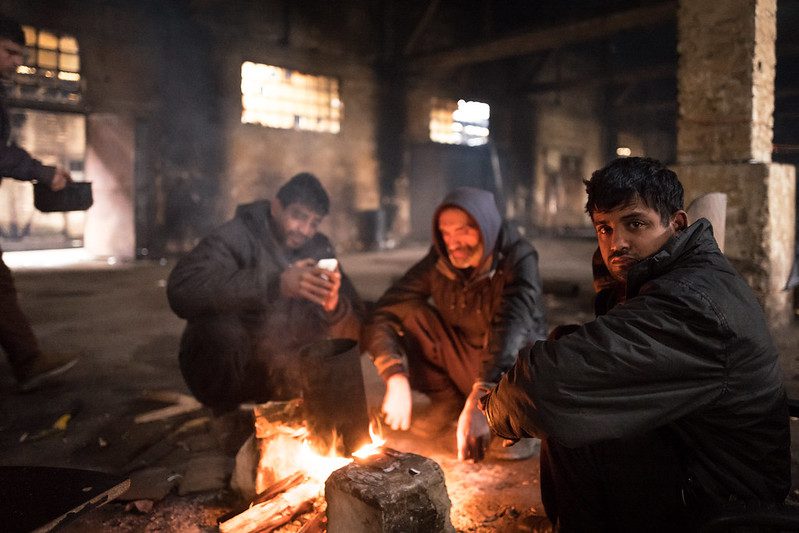
 Against a backdrop of poverty, unemployment, privatization and eviction, Serbia is facing a housing crisis. This widespread homelessness in Serbia disproportionately targets minority groups.
Poverty and Unemployment in Serbia
Homelessness in Serbia stems in part from the country’s poverty and unemployment rates. In 2013, a survey by The World Bank found that poverty threatened 24.5% of Serbia’s population. Recent economic recessions have highlighted joblessness as another major problem within the country, with the unemployment rate ranging from a high of 24% in 2012 to a recent low of around 12% in 2019. With many people out of a job and fighting to stay above the poverty line, homelessness looms as a real threat to Serbia’s people.
Serbia’s Housing History: Privatization and Eviction
The problem of homelessness in Serbia has been augmented by recent cuts in public housing. The privatization of housing in Serbia began with The Housing Law of 1992. The law disincentivizes the government from providing adequate public housing. According to the United Nations Economic Commission for Europe, there has since been a “virtual disintegration of state responsibility” for housing.
In 2016, another law worsened Serbia’s housing crisis. The Law on Housing and Building Maintenance, among other things, increased evictions. Evictions can catastrophically undermine human rights, especially when they threaten vulnerable communities. Before Serbia’s 2016 law was even enacted, Amnesty International called out its potential to “violate the rights of individuals and families in vulnerable communities at risk from forced eviction.”
This lack of public housing and frequent evictions have increased the threat of homelessness in Serbia. While the exact scope of the country’s situation is difficult to measure, the most recent census in 2011 estimates that around 20,000 people face homelessness in Serbia.
Vulnerable Communities: Refugees and the Roma People
When it comes to homelessness in Serbia, refugees are particularly vulnerable. Of Serbia’s refugee and internally displaced persons population, roughly 22% face poverty, placing these groups at a high risk of homelessness.
Additionally, Serbia lacks adequate space within refugee camps to shelter those coming into the country. Despite the large refugee population, the Serbian government provides sparse accommodations. In 2016, the Serbian government provided only 6,000 beds to asylum seekers, leaving many without shelter.
Another vulnerable group within Serbia is the Roma population. Low levels of education and high rates of poverty leave the Roma people struggling to afford private housing, while discrimination against them puts them at a disproportionate risk of eviction. Evictions of Roma people have become so targeted that the European Roma Rights Centre and Human Rights Watch sounded the alarm when, with little notice, 128 Roma people were evicted from their homes in Novi Beograd within one day.
Who Is Helping the Homeless?
There is good news. The Regional Housing Programme (RHP) is fighting homelessness in Serbia by providing housing for refugees. The organization has worked with over 7,000 housing units and, by 2019, had provided housing to 4,200 refugee families. On June 20, 2020, the organization celebrated World Refugee Day by moving 270 families into the RHP’s newly constructed apartment building in Belgrade. The organization’s work has gotten media attention in the form of a new film. “Here to Stay” describes RHP’s achievements and shares stories from the refugees who have found a home thanks to RHP’s help.
Another organization, Združena Akcija Krov nad Glavom (Joint Action Roof Over Your Head), is helping Serbia’s homeless population during the COVID-19 pandemic. Along with providing housing accommodations, the organization delivers essential supplies such as food, protective masks and sanitizer to the homeless.
Organizations like these provide hope in Serbia’s fight against homelessness. In the face of the Serbian government’s lack of effort to provide clean and safe public housing to its people, these organizations are making a huge difference for the many people affected by homelessness in Serbia.
– Jessica Blatt
Photo: Flickr

Sea Sponge Farming: A Sustainable Path to Female Emporwement in Zanzibar
The Benefits of Sea Sponge Farming
Sea sponge farming offers a more economically sustainable option than the traditional seaweed farming industry. Farming seaweed for the production of carrageenan, a common thickener in foods, has long been a staple industry for the employment of Zanzibari women. However, the industry is in decline, as seaweed is susceptible to pests and diseases. Additionally, the global market price for seaweed is now low and more labor-intensive farming is rewarded with comparatively minimal income. As a consequence, many single women struggle to make a living from farming seaweed.
Farming sea sponges, however, offer higher monetary returns for a lower-maintenance product. Unlike seaweed, pearl farming, or traditional fishing, sea sponge farming is less time consuming and allows farmers the time and opportunity to pursue other economic activities. Marine Cultures introduced the first sponge farm to coastal Zanzibar in 2009. Since then, the organization installs up to four new sponge farms a year and each farm generates enough income to feed 2-3 families of approximately ten people. The organization specifically targets single, unemployed women, granting them a one-year training period before turning over the farm. This strategy allows the recipient to independently establish and operate their business.
Giving Back To The Ecosystem
Zanzibar’s coastal ecosystems, although essential to the island’s wellbeing, are under pressure from a variety of factors. Overfishing, invasive species, unregulated tourism, dumping of human waste, overpopulation and rising water temperatures are just some of those.
However, sea sponge farms answer the call to establish sustainable forms of using natural resources extracted from the local ecosystem. As the market price of sea sponges remains high, sea sponge farming offers a financially viable alternative to traditional fishing, reducing overfishing and easing some pressure off of the coastal ecosystem. Additionally, sponges are filter-feeders, which means that in addition to saving farmers money on feed costs, they also act as a biofilter that filters out particles in the water.
In this way, sea sponges can help act as a buffer against pollution and encourage the health of local coral reefs. Marine Culture’s sponge farms have even been shown to improve local stocks of species on certain occasions.
Future Perspectives
Looking to the future, sea sponges pose a promising new industry to Zanzibar and beyond. Those women who have begun operating their own sea sponge farms through Marine Cultures report increased income for lower amounts of labor than they experienced harvesting seaweed. All the while, these farms pose long-term career opportunities, as farmers learn the skills not only of sea sponge farming but of marine biology, entrepreneurship and commerce.
By the end of this year, a twelfth sea sponge farm is on track to become independent. Marine Cultures hopes that by 2022, they will be able to remove themselves completely from the local industry and turn over all sponge farms to a local organization that will train future farmers without oversight from Marine Cultures.
– Alexandra Black
Photo: Flickr
Skateboarding is Creating Change on the Streets of Bangladesh
There are approximately 600,000 children left homeless or at-risk on the city streets of Dhaka, Bangladesh, the country’s capital. And the harsh reality of the everyday lives of street children is reflected in the staggering 1.56 million children predicted to live on the streets by 2024. Most of these children face hunger, extreme and dangerous work conditions, drug abuse and a refusal of education on a daily basis. Many are forced to beg for food and in the entire country of Bangladesh, there is a daily average of 75 women and children sex-trafficked.
BSKA identifies these children and attempts to provide them with different resources that will guide them on a path of success through skateboarding, mentorship and education. There is a dark history of treating street children in Bangladesh as “non-human beings.” So another goal of BSKA is to instill a sense of confidence and interpersonal skills in the children that will allow them to be safe and successful in their futures and functioning members of society.
Different Ways BSKA is Making Change Through Skateboarding
Now skateboarding is creating change in 800 Bangla children’s’ lives daily. Since the beginning of this year, BSKA has seen tangible improvements in the lives of street children through their education programs. Most of their participants are currently attending private schools, writing their names in Bangla and English, utilizing BSKA’s tutoring services and improving behavioral tendencies.
Skateboarding is becoming a popular phenomenon around the world and is recognized by millions as a legitimate sport. The 2021 Tokyo Olympic is even going to include skateboarding as an Olympic game. But BSKA sees that skateboarding is merely a stepping stone for underprivileged children and that this sport will lead them to more opportunities on a path of success and confidence.
– Josie Collier
Photo: Flickr
4 Countries Fighting COVID-19 with Innovation
4 Countries Fighting COVID-19 with Innovation
COVID-19 has wreaked havoc on healthcare and political systems worldwide. However, these four nations have demonstrated that they can productively conquer the challenges that the virus brings. Along with these four, other nations worldwide are responding to these unprecedented issues in novel and innovative ways, fighting COVID-19 with innovation and redefining healthcare for generations to come.
– Sarah Uddin
Photo: Flickr
Hunger in Belarus
Located between Poland and Russia, Belarus was part of the Soviet Union before its post-Cold War decline. After the fall of the USSR, it began a long transition to adapt to a changing global dynamic, eventually switching from a command economy to a highly centralized form of market socialism.
Due to its resilience and economic success, food insecurity is not a significant issue for the country today. However, vulnerabilities closely tied to hunger still pose nationwide threats to its stability, and require a combination of state reform and international intervention to prevent further escalation.
Low Levels of Hunger
Below are five indicators that define the current state of hunger in Belarus:
Lingering Risks
Inflation and low wages pose risks to food security in Belarus. The annual inflation rate has been gradually increasing since October 2023 and was reported to be 5.8% in June 2024. Price surges in fresh produce have accordingly been observed in 2023 and 2024, with the cost of foods such as cucumbers, white cabbage and grapes rising nearly 20% in comparison to previous years. The Eurasian Development Bank currently predicts that inflation could accelerate to 8% due to a weaker exchange rate and increased domestic demand.
As of January 1, 2024, the minimum wage in Belarus is BYN 626, or $191.22, which is intended to cover the cost of basic necessities like food, clothing and utilities. However, this is less than the average salary in the United States and other European countries. Additionally, workers in industries outside of technology are often subject to lower wages – the average salary of education workers in November 2023 was 1,098 BYN or $343, which is insufficient to afford foods with inflated prices or sustain a healthy diet long-term.
Sustaining Stability
Countering inflation has been one of Belarus’s key goals in 2024. Restrictions on the transit of Belarusian potash fertilizers, which account for 20% of the global supply, resulted in a large price increase for the product. Despite backlash from the European Union, the Belarusian government has taken an anti-sanctions stance in an effort to prevent food security issues and promote better market stability worldwide.
Additionally, joint programs between the state and U.N. agencies have been focusing on improving the agricultural sector and supporting marginalized groups since 2022. The United Nations Development Programme (UNDP), in collaboration with the Ministry of Agriculture and Food of the Republic of Belarus, have conducted assessments in the areas of food security and agriculture to develop new opportunities for supply chains between farmers and major retailers and advance the certification of organic products. Similarly, UNICEF has analyzed the impact of factors that feed into hunger such as rising food prices and income redistribution to provide recommendations on strengthening social assistance tools. By continuing to invest in these programs, Belarus seeks to advance its technical capacity and resources necessary to support food security without susceptibility to inflation or wage fluctuations.
– Sarah Litchney, Moon Jung Kim
Photo: Wikimedia Commons
Updated: July 30, 2024
Traditional Medicine Advances Healthcare in Vietnam
Traditional Medicine in the East
Alternative, or traditional, medicine is often overlooked in Western contexts and seen as less effective or taboo. This is because of medical hegemony, or “the dominance of the biomedical model [and] the active suppression of alternatives,” as defined by the International Journal of Complementary & Alternative Medicine. Medical hegemony indicates an underlying power dynamic between the East and the West. While many people in the West believe that Western medicine is best, many others around the world believe that traditional medicine is legitimate. People in Vietnam, China and other countries have used traditional medicine for over 4,000 years. It actually inspired the growth of Western practices, though its treatment methods are now entirely distinct from biomedicine.
Since its origin, traditional medicine has been prescribed by healers and traditional medicine doctors primarily for its preventative properties. Healers commonly use herbal medicines in an oral or topical form to treat developing symptoms of a certain ailment. Traditional healing can also commonly include physical exercise, massage or acupuncture to promote the flow of blood and energy. In addition to the physical effects of treatment, traditional medicine is theorized to have hormonal and energy-balancing properties, like the Chinese concept of yin and yang.
Vietnam’s Healthcare System
While the use of traditional medicine is still common throughout cultures that partake in traditional healing, it is often not used on its own. In contemporary Vietnamese medical culture, individuals seeking care consult both traditional and biomedical practitioners for treatment. The two systems can be complementary: biomedicine aims to physically eradicate an illness, while traditional medicine treats the symptoms and psychosocial harm of the ailment. For example, if a person develops cancer in Vietnam, they might consult a biomedical physician for chemotherapy and a traditional medicine doctor for a remedy that counters the symptomatic effects of chemotherapy.
Gaining a dual perspective from biomedicine and traditional physicians in Vietnam is so common that this practice is reflected in the country’s health insurance system, which makes both kinds of medicine accessible. The payment method for healthcare in Vietnam varies based on the sector in which a person obtains treatment, whether public or private. Treatment in the public sector is covered in full, with an occasional co-pay expense, as public health insurance is compulsory in Vietnam. Private health insurance is paid out of pocket. Both public and private insurance can cover traditional medicine hospital expenses, though the costs for traditional medicine are generally paid privately.
However, when a person is unable to pay for either public or private insurance, they are still able to access traditional forms of medicine. In Hanoi, a major city in Vietnam, there is a full street of vendors that sell traditional medicinal herbs. These vendors can even help to fill prescriptions from hospitals at a reduced price, making traditional medicine more accessible to the public.
Improving Public and Personal Health
The accessibility of traditional medicine with and without health insurance fills gaps in healthcare in Vietnam, making the population healthier overall. In addition, the Vietnamese prioritize preventative medicine because the population is familiar with traditional health values. With ready access to health resources, along with a generalized understanding of the values of self-care, healthcare in Vietnam excels.
– Lilia Wilson
Photo: Flickr
Flaviana Matata Foundation Aids Girls’ Education in Tanzania
Matata’s foundation is a nongovernmental organization that supports women’s education in Tanzania. The foundation also helps women establish their own businesses and find employment opportunities.
Education in Tanzania
In Tanzania, less than 56% of children move onto secondary school after completing their primary school education. While the Tanzanian government abolished school fees for primary and secondary school education in 2015, costs such as transportation, lunch and exams still make it three times less likely that students from poor families will attend primary school when compared with children from wealthy families. As of 2016, the poverty rate in Tanzania is estimated to be 26.8%, meaning that more than 13 million Tanzanians live in poverty.
“A lot of kids do very well in school but have to quit or stop because they can’t afford school fees, uniforms or even books—the little things we take for granted,” Matata said in an interview for the Diamond Empowerment Fund, which has helped sponsor many of the Flaviana Matata Foundation’s initiatives.
The Foundation’s Approach to the Gender Gap
Girls are less likely than boys to receive a secondary-level education in Tanzania. The literacy rate for adult women in Tanzania was approximately 67% in 2009. Laws banning child marriage and fee-free education at the secondary level have been important steps toward increasing access to education in Tanzania, but more progress still needs to be made.
The Flaviana Matata Foundation aims to achieve this progress and make education in Tanzania more accessible for women. To date, the Flaviana Matata Foundation has helped over 5,000 students in Tanzania, providing school supplies, improving school infrastructure, adding desks and giving toiletry boxes for girls to use while on their menstrual cycles.
Ongoing Activism
The foundation has prioritized various projects since 2011. The Clean and Safe Water Project, completed in 2018, provides 319 students and teachers with a supply of clean water. The Stationery Back to School Project, completed in early 2020, equipped 304 students with stationery kits to last the academic year. The foundation’s ongoing project, Education Sponsorship for Young Girls, currently sponsors 25 girls from secondary school to college or university age with full scholarships and vocational and educational training.
Matata, whose Instagram following is 1.5 million as of July 2020, regularly shares information about Lavy Products and the Flaviana Matata Foundation online. Her work proves that social media can be used to make a positive impact and combat education inequality. As 24 million girls in sub-Saharan Africa remain unable to afford an education, the Flaviana Matata Foundation’s initiatives continue to play a crucial role in bridging education gaps.
– Zoe Engels
Photo: Pixabay
Kerala’s Response to COVID-19
Early contact tracing and quarantining of people infected with the virus, along with continued testing for community transmission, has helped control overcrowding in hospitals. As the numbers continue to rise, Kerala’s government has put measures in place to mitigate the economic and social crises that may arise from the pandemic. In addition, Kerala’s response focuses on providing key resources for its people and protecting vulnerable groups. The relevance of these initiatives becomes more pronounced as the pandemic carries on.
Using Technology to Spread Awareness
Kudumbashree is a poverty eradication and women’s empowerment program. In response to the pandemic, the organization has created three groups on WhatsApp, a popular messaging platform, to educate members and spread awareness about COVID-19. Its campaigns, such as Break the Chain, emphasize the importance of washing hands. Kudumbashree’s motivation campaign focuses on encouraging wholesome, healthy choices and activities for citizens to engage in during lockdowns.
Community Kitchens and Shelter
Another key part of Kerala’s response to COVID-19 are kitchens organized by panchayats, or village councils. These kitchens offered free meals to those affected by the pandemic. Kudumbashree also organized free shelter and meals for migrant workers from other states, as well as those in quarantine or isolation. In addition, budget hotels have offered low-cost meals, which are packed and distributed at canteens or kitchens and delivered to homes. Free childcare centers for young children, called anganwadis, ensure free groceries and meals are delivered to the homes of children enrolled in their programs.
Psychosocial and Employment Support
During the pandemic, Direct Intervention System For Health Awareness (DISHA), a 24/7-telehealth helpline, has contributed to Kerala’s response to COVID-19. The organization has reported receiving several thousand calls from citizens each day, many about mental health concerns. DISHA refers these callers to the District Mental Health Program (DMHP), which consists of psychologists, psychiatrists, social workers and nurses in each district of Kerala. DMHP supports citizens under psychological stresses that arise from the pandemic, including substance abuse and withdrawal symptoms. In addition, DMHP checks on quarantined citizens to ensure their mental well-being. The helpline, mental health services and medication provided by DMHP are free of cost.
To help citizens find work, the National Rural Employment Generation Scheme (NREGS) guarantees 100 days of employment for people above the age of 18. Usually, women over the age of 40 are the main demographic that makes use of the program. With the onset of the pandemic and resulting unemployment, however, the NREGS program has reported high enrollment even among youth.
Reverse Quarantine for Senior Citizens
More than 17% of people living in Kerala are senior citizens. Intending to protect this population, the state government implemented reverse quarantine, a strict stay-at-home requirement to keep those above 65 away from people who may be infected. Also, the government moved vulnerable senior citizens residing in highly affected areas to institutional quarantine centers to ensure better care. Additional measures for Kerala’s older adults include regular check-ins for senior citizens who live alone.
As the number of COVID-19 cases continues to rise worldwide, Kerala’s response to COVID-19 may ensure safety, care and recovery, both in citizens’ personal health and in the economy. This is especially true for the state’s more vulnerable citizens. If these methods succeed, Kerala may provide a model for other communities around the world.
– Amy Olassa
Photo: Flickr
Homelessness in Serbia: Targeting Refugees and Roma
Poverty and Unemployment in Serbia
Homelessness in Serbia stems in part from the country’s poverty and unemployment rates. In 2013, a survey by The World Bank found that poverty threatened 24.5% of Serbia’s population. Recent economic recessions have highlighted joblessness as another major problem within the country, with the unemployment rate ranging from a high of 24% in 2012 to a recent low of around 12% in 2019. With many people out of a job and fighting to stay above the poverty line, homelessness looms as a real threat to Serbia’s people.
Serbia’s Housing History: Privatization and Eviction
The problem of homelessness in Serbia has been augmented by recent cuts in public housing. The privatization of housing in Serbia began with The Housing Law of 1992. The law disincentivizes the government from providing adequate public housing. According to the United Nations Economic Commission for Europe, there has since been a “virtual disintegration of state responsibility” for housing.
In 2016, another law worsened Serbia’s housing crisis. The Law on Housing and Building Maintenance, among other things, increased evictions. Evictions can catastrophically undermine human rights, especially when they threaten vulnerable communities. Before Serbia’s 2016 law was even enacted, Amnesty International called out its potential to “violate the rights of individuals and families in vulnerable communities at risk from forced eviction.”
This lack of public housing and frequent evictions have increased the threat of homelessness in Serbia. While the exact scope of the country’s situation is difficult to measure, the most recent census in 2011 estimates that around 20,000 people face homelessness in Serbia.
Vulnerable Communities: Refugees and the Roma People
When it comes to homelessness in Serbia, refugees are particularly vulnerable. Of Serbia’s refugee and internally displaced persons population, roughly 22% face poverty, placing these groups at a high risk of homelessness.
Additionally, Serbia lacks adequate space within refugee camps to shelter those coming into the country. Despite the large refugee population, the Serbian government provides sparse accommodations. In 2016, the Serbian government provided only 6,000 beds to asylum seekers, leaving many without shelter.
Another vulnerable group within Serbia is the Roma population. Low levels of education and high rates of poverty leave the Roma people struggling to afford private housing, while discrimination against them puts them at a disproportionate risk of eviction. Evictions of Roma people have become so targeted that the European Roma Rights Centre and Human Rights Watch sounded the alarm when, with little notice, 128 Roma people were evicted from their homes in Novi Beograd within one day.
Who Is Helping the Homeless?
There is good news. The Regional Housing Programme (RHP) is fighting homelessness in Serbia by providing housing for refugees. The organization has worked with over 7,000 housing units and, by 2019, had provided housing to 4,200 refugee families. On June 20, 2020, the organization celebrated World Refugee Day by moving 270 families into the RHP’s newly constructed apartment building in Belgrade. The organization’s work has gotten media attention in the form of a new film. “Here to Stay” describes RHP’s achievements and shares stories from the refugees who have found a home thanks to RHP’s help.
Another organization, Združena Akcija Krov nad Glavom (Joint Action Roof Over Your Head), is helping Serbia’s homeless population during the COVID-19 pandemic. Along with providing housing accommodations, the organization delivers essential supplies such as food, protective masks and sanitizer to the homeless.
Organizations like these provide hope in Serbia’s fight against homelessness. In the face of the Serbian government’s lack of effort to provide clean and safe public housing to its people, these organizations are making a huge difference for the many people affected by homelessness in Serbia.
– Jessica Blatt
Photo: Flickr
The Global Poverty Project: Celebrities Fighting Global Poverty
Many organizations focus on eradicating global poverty, which remains a persistent and important problem. Two-thirds of the world population lives on less than $10 per day, and one in 10 people live on less than $1.90 per day. One organization working to address this issue is the Global Poverty Project (GPP), which has partnered with other organizations such as the World Bank and the United Nations to create a movement aiming to eradicate global poverty by 2030. The GPP’s initiatives have helped increase global poverty awareness, and many celebrities fighting global poverty have supported the cause. Here are some campaigns that the GPP has headed, along with some of the celebrities that have helped fund them.
The Global Citizen Festival
The Global Citizen Festival is the project’s annual event, which draws over 60,000 people in attendance and over 20 million people tuning in via livestream. It is a music festival that raises money and awareness of global poverty issues, with the ultimate goal of removing global poverty by 2030. Through the festival platform, patrons (or “Global Citizens”) are able to learn about the causes of global poverty, as well as the part that they can play in reducing it.
In 2012, the festival helped the GPP raise over $1.3 billion in pledges toward the fight against poverty, in conjunction with other charities. Music stars such as Beyonce, Lady Gaga, Shawn Mendes and Rihanna have all participated in Global Citizen concerts over the years, cementing their status as celebrities fighting global poverty.
Becoming a Global Citizen
Global Citizen is the GPP’s individual campaign movement that allows people to engage with both the organization and its embedded community. Through an app, Global Citizens are challenged to make small actions, commitments and announcements about global poverty, which add up to significant change in areas such as education and sanitation. These actions come in the form of contacting leaders and signing petitions. The Global Citizens site also helps to inform people about the leading issues in global poverty.
Global Citizens’ actions help to influence policy and political leaders. Participants have taken over 25.2 million actions through the app, committed $48.4 billion to fight poverty and impacted more than 880 million lives thus far. Music artists and bands such as Clean Bandit have also held concerts to promote awareness and increase monetary commitments to these issues.
In addition to musicians and artists who contribute to the GPP, famous actors have funded anti-poverty causes and become representatives for certain issues. Idris and Sabrina Elba have spearheaded campaigns to help African farmers, raising awareness about the harmful impacts of climate change. By supporting the Elbas’ cause and contacting world leaders, fans are able to help over 100 million rural farmers.
Other celebrities fighting global poverty who have supported GPP’s campaigns and contributed to fundraising include The Weeknd, Usher, Bruno Mars and Janet Jackson.
A Global Impact
Overall, the work of the GPP has impacted over 800 million lives across the world so far. By including celebrities fighting global poverty, the GPP has seen astonishing results, and the organization stands ready to help achieve the international goal of eradicating global poverty by 2030.
– Kiana Powers
Photo: Wikimedia
5 Inventions That Help People in Poverty
5 Inventions That Help People in Poverty
People around the world are creating new inventions that help people in poverty and those experiencing hunger. These small inventions help an entire community with just one iron fish, grain of rice or growing shoe at a time.
– Jacey Reece
Photo: Flickr