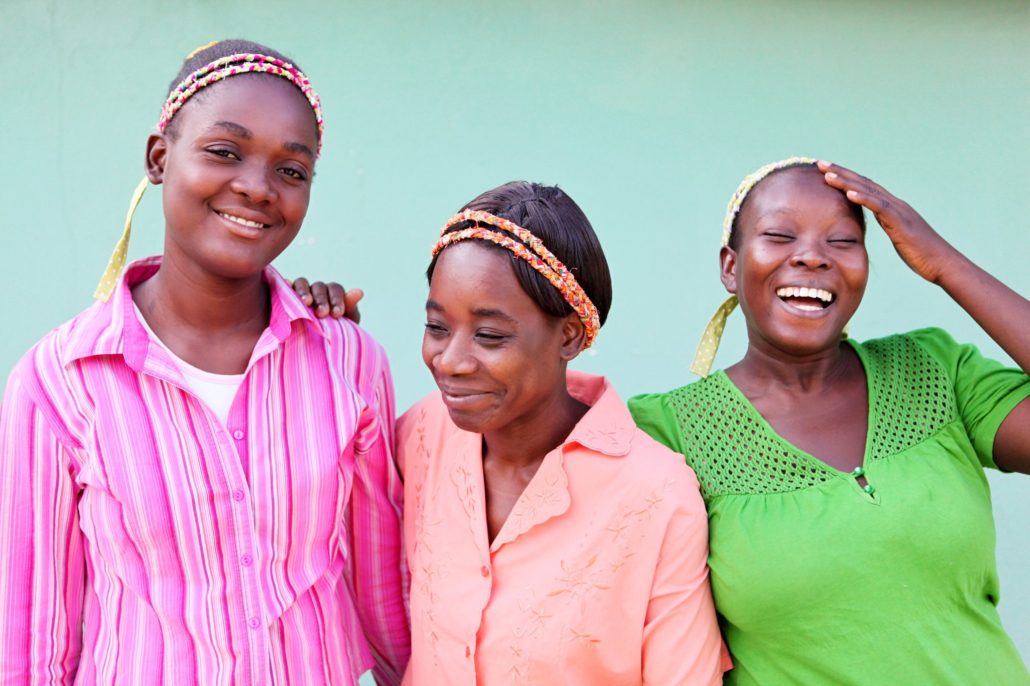
In the poorest country in the western hemisphere, women in Haiti have long been subject to exorbitantly high rates of gender-based violence. In addition, the Haitian judicial system often leaves them without anywhere to turn and there is insufficient access to education across the country.
However, women are integral to local economies and to Haitian society. Women head approximately half of Haitian households. Street vendors, a key element in the Haitian economy, tend to be largely female. Additionally, many women own small farms, making them vital to the agricultural chain.
Moreover, Haiti’s Constitution guarantees women the right to participate in politics, protects women from workplace discrimination and claims to protect them from physical and sexual abuse. Nevertheless, the state of women’s rights in Haiti remains wanting.
Gender-Based Violence
Haiti is one of the poorest countries in the world, and civil unrest, lack of infrastructure, poverty and general political instability plague it. This creates structural inequalities that put Haitian women and girls at heightened risk for gender-based violence. According to the Committee on the Elimination of Discrimination against Women (CEDAW) definition, gender-based violence includes violence towards a woman simply due to being a woman or violence that disproportionately harms women. According to the U.S. Agency for International Development (USAID), “one in three Haitian women, ages 15-49, has experienced physical and/or sexual violence.”
The inequalities inherent in Haitian society have left women particularly vulnerable. In fact, lack of adequate food, housing, sanitation, clean water, medical attention and protection make them open pray in a society where misogyny is common and the majority of people live in poverty.
Inadequate Access to Judicial Systems
In addition to facing remarkably high rates of sexual violence, women also receive inadequate support from the judicial system when it comes to prosecuting perpetrators of gender-based violence. Social barriers discriminate against women at every step of the process while structural issues, including corruption, lack of resources and lengthy procedures make it nearly impossible to even bring a case to court.
As 59% of the Haitian population lives below the poverty line and 24% live in extreme poverty, prohibitively high legal fees make the formal justice system inaccessible for the majority of the population. For women especially, incumbent misogynistic norms result in administrators overlooking cases of violence against women, brushing them off as not being serious, failing to acquire adequate evidence or displaying a general disregard for victims and their families.
Nevertheless, there have been some developments that have facilitated an improvement in women’s rights in Haiti. These developments have aided in women’s access to the legal system and their ability to report accounts of rape or abuse. In 2005, rape was officially criminalized, accompanied by higher rates of sentencing perpetrators. The country has also introduced other legislation that focuses on Haitian women’s rights, including improved training and accountability standards for the judiciary and legislation addressing gender-based violence across sexual, criminal and domestic contexts.
Still, the lack of legal support for women often makes simply reporting rape a futile practice. Prejudices against female autonomy and preconceived ideas of women’s behavior can result in instances of victim-blaming. It is not unusual for police officers to question the victim’s actions as inviting the violence or point to their choice of attire as prompting the assault. This type of verbal abuse discourages women from reporting violent instances and further normalizes violations of women’s rights in Haiti.
Lack of Safe Learning Environments
Globally, girls are already at a disadvantage in terms of accessing and receiving a quality education. In Haiti, classes usually occur in French while most of the country speaks Creole. Additionally, private organizations often run schools that charge tuition families cannot pay, subsequently making access to education particularly challenging. In 2015, the UN Development Program found that Haitians of 25 years or more were recipients of an average of 4.9 years of schooling. Save The Children, a humanitarian aid program estimated that Haitian girls attend school only until age 7 on average. Many leave school due to high tuition or to provide an extra set of hands at home, a direct result of the high rates of poverty.
Gender-based violence, poverty, child marriage and pregnancy, all issues that disproportionately affect girls, are common factors impeding access to education. According to a USAID study, school was the second-most common place for “unwanted touching.” The lack of safe learning environments correlates with a high drop-out rate for girls.
This drop-out rate results in a productivity loss in the labor market and an increase in costs associated with women’s health. Additionally, social costs include high infant mortality for children of adolescent girls, less social empowerment and reduced skill sets in unemployed females.
Furthermore, girls who have limited education are more likely to remain poor, experience violence and carry more children, a cycle that continues into future generations. According to WomenOne, a nonprofit promoting girls’ education, a woman’s children are twice as likely to attend primary school if she did. In 2015, WomenOne worked in Haiti to build a school in the village of Berard in partnership with LinkedIn and BuildOn. It intended this school to educate an equal number of girls and boys.
Because Haitian women have an important role to play within their communities, families and the workforce, prioritizing education for girls by creating safe spaces to learn is critical to both propel development efforts and elevate women’s rights in Haiti.
– Samantha Friborg
Photo: Flickr

How Somalia Has Converted its Polio Program to Fight COVID-19
Somalia is one of the few countries remaining with a risk of poliovirus transmission. The polio program in Somalia was established as a way to eradicate the virus completely as part of the global immunization effort. However, with the arrival of SARS-CoV-2, the polio program in Somalia has been stifled. Somalia ranks 194 out of 195 on the Global Health Security Index. The international recommendation for healthcare workers is 25 per 100,000 people; however, Somalia only has two per 100,000 people. The country also has only 15 intensive care beds for a population of 15 million. It is considered to be among the least prepared countries in the world to detect and execute a quick response to COVID-19.
Effects of the Pandemic on the Polio Program in Somalia
Many of the workers that are part of the polio program in Somalia have suspended all door-to-door immunization due to the ongoing coronavirus pandemic. With travel kept to a minimum, polio samples cannot be flown abroad to external medical labs for testing. In addition to this, millions of polio vaccines will expire in a matter of months.
The global polio immunization program paused at the end of March 2020, leaving more than 20 million workers and medical practitioners without work. The World Health Organization (WHO) estimates that the number of unvaccinated children could reach 60 million by June in the Mediterranean region.
The Polio Program Fights COVID-19
Polio surveillance systems are developed disease surveillance systems. This network of disease surveillance has been able to track the poliovirus and deploy medical teams throughout the world. Now, the polio program in Somalia has shifted its efforts to combat the COVID-19 pandemic. The system’s infrastructure, its capacity and the experience of its medical staff make it prepared to deal with the novel coronavirus. As of July 2020, Somalia had approximately 3,000 confirmed cases of COVID-19 with 930 recovered cases and 90 deaths. The number of actual cases is likely significantly larger, but many cases go undetected due to a lack of testing.
Thousands of frontline workers for the polio program in Somalia started curbing the spread of the coronavirus. These workers form rapid response teams trained to detect COVID-19 cases as well as to educate and raise awareness about the ongoing pandemic in Somalia. WHO’s national staff and local community healthcare workers have joined theses polio response teams, utilizing their resources and skills to tackle the virus.
WHO Support
These teams have traveled to remote areas in Somalia, providing critical information regarding physical distancing, hand-washing, detection of symptoms and prevention. With WHO’s aid, the program has acquired testing kits and equipment to evaluate potential cases of the virus. The surveillance teams have adopted the same procedures that they used for the polio program in Somalia for COVID-19. After collecting potential COVID-19 samples from suspected cases, the rapid response teams transport the samples to external laboratories for testing. Outside humanitarian agencies use the same protocols and operations that they used for the poliovirus.
Furthermore, the response teams continue polio immunization simultaneously with the COVID-19 response. It is essential for the polio program to continue immunization, as Somalia experienced a polio outbreak earlier this year.
How Other Countries Have Adapted
Other countries in the same region have realized the practicality of the polio network. They have accordingly redeployed their own immunization programs to fight COVID-19. For example, South Sudan has converted approximately 80% of its polio workforce to track coronavirus cases in the country. It has trained polio contact tracers to evaluate people for symptoms of COVID-19. Mali has also been engaging its own polio program in response to the ongoing pandemic.
Even though polio and COVID-19 do not have much in common, the polio program is an important tool to fight the pandemic. The Bill and Melinda Gates Foundation, in partnership with the WHO, has been working to equip these polio networks to help countries deal with the pandemic. The suddenness of the pandemic has left no time for countries such as Somalia to prepare. As such, the global polio immunization campaign is a valuable resource for this unprecedented emergency.
– Abbas Raza
Photo: Flickr
5 Facts about Women’s Rights in Belgium
Women’s rights have come a long way since the beginning of the century. In countries around the world, women have fought tirelessly for many of the freedoms that their male counterparts already enjoy, from the right to vote to the right against discrimination. The women of Belgium are no exception from these movements. Here are five facts about women’s rights in Belgium.
5 Facts About Women’s Rights in Belgium
While women’s rights in Belgium have dramatically improved over the years, these five facts show that there is still room for improvement within the country. On International Women’s Day in 2019, over 5,000 female demonstrators went on strike in Brussels to campaign for women’s rights and gender equality. Despite Belgium’s best efforts, there is still more the country must do to ensure total equality between the rights of men and women.
– Sara Holm
Photo: Pixabay
IMF Financing Softens Blow of the Pandemic in Jordan
The Effects of the Pandemic on Jordan
Jordan’s economy will experience contraction in 2020 due to the effects of COVID-19. The pandemic-induced lockdown significantly impacted 250,000 daily-wage workers and businesses facing a liquidity crisis. It also delayed foreign investment, trade and tourism. The latter industry generates $5 billion annually for Jordan.
Only 11.3% of respondents in a UNDP survey claimed that their income was unaffected by the pandemic, which has significantly impacted young adults. In the survey, 38.3% of respondents experienced challenges getting clean drinking water, and 69.3% struggled with accessing basic healthcare.
Countries in the Middle East and Central Asia, including Jordan, will experience a 4.7% drop in its constant-price GDP, adjusted for the effects of inflation, in 2020. Additionally, the average size of economic relief programs in the Middle East was smaller than in other regions in the world. The Middle East and North Africa (MENA) oil-importing countries’ ratio of debt to income will reach 95% in 2020. Thankfully, the IMF provided $17 billion in aid to the area since the beginning of 2020. It also helped catalyze $5 billion from creditors.
The IMF in Jordan
Jordan’s four-year Extended Fund Facility (EFF) is a partnership between the Jordanian government and IMF staff, which focuses its $1.3 billion on growth, jobs and social safety nets. The loan program, approved on March 25, 2020, will create more jobs for women and young people. EFF funds finance the general budget, including health, education and social support, while also providing support to Jordan’s Syrian refugees.
Although the IMF in Jordan created the EFF funds before the pandemic, it changed the program to support spending on emergency outlays and medical equipment. The IMF in Jordan also helped secure congressional grants to ease annual debt, as public debt increased in the past decade to an amount equivalent to 97% of its GDP.
In addition, the IMF in Jordan approved $400 million in emergency assistance under the Rapid Financing Instrument (RFI) to fight the COVID-19 pandemic in May 2020. Due to the fall of domestic consumption during the outbreak, these funds answer companies’ and consumers’ borrowing needs. The government will spend the RFI funds through the national treasury account, where specific budget lines track and report crisis-related expenditures.
The emergency economic assistance allows for higher healthcare budgets, containment and support to vulnerable households and businesses. Moreover, it will ease external financing constraints and avoid loss in official reserves. The $1.5 billion balance of payment gaps, however, will emerge with increased public debt and a widened fiscal deficit.
Moving Forward
Despite the challenges presented by the pandemic, Jordan’s tech start-ups, global supply chains and exporting masks have helped its economy. Tech literacy, in particular, has been especially vital for Jordanian youth to find remote jobs. Moreover, the EFF program can ensure support for the people in Jordan by easing access to basic needs. The program will also help reduce the impacts of poverty by increasing social protection coverage on poor families.
Monetary and fiscal authorities in Jordan have reduced interest rates and delayed bank loan installments and tax payments due to the outbreak, injecting over $700 million in liquidity. Additionally, the country implemented a cash-flow relief program for companies. It also activated the National Aid Fund cash transfer program for daily wage workers.
Jordan has prioritized human safety for its citizens and refugees in the fight against COVID-19. So far, it has only had low to moderate numbers of per capita COVID-19 cases. Thanks to the help of the IMF in Jordan, the country seems to be on track to recover from pandemic.
– Isabella Thorpe
Photo: Flickr
Quest Food Exchange: A Model in Food Redistribution
Food Insecurity in Canada
In 2018, 8% of the global population lived on less than $2 per day. Individuals and families living below the poverty line do not have the luxury of a traditional grocery store, fresh fruits or fresh vegetables. Many struggle to feed themselves, let alone their families, as they focus time and energy on survival. While many governments have programs to help these people living in poverty, there is more to do. The issue of poverty and food insecurity in Canada illustrates this.
In 2017, 12.5% of Canadian homes were food insecure. This equates to 4.4 million people, of whom 1.2 million were children. Since 2007, the number of people living with food insecurity in Canada rose by roughly 1 million. This negatively impacts health and plays a large role in the healthcare system. Since its founding in 1992, Quest Food Exchange has aimed to help those living in poverty become self-sufficient by offering them affordable food. However, the organization’s mandate goes even further than combating food insecurity. By saving surplus supplies, Quest Food Exchange is environmentally conscious. It stops quality goods from sitting a landfill, which creates a larger greenhouse gas effect.
What Is Quest Food Exchange?
Quest Food Exchange, a nonprofit organization providing grocery stores to those challenged by issues of food security, is based out of different locations in Vancouver, Canada. The organization is making its best effort to help the hungry in a dignified fashion. To do this, Quest Food Exchange gathers surplus food and goods from suppliers that would otherwise be thrown away and redistributes them to government programs, hospitals, schools and those living in harsh conditions. Shoppers must be referred and then apply to shop at Quest Food Exchange. This policy helps to ensure that only those who need additional help and support can use the nonprofit’s services. The organization holds a transitory model to help individuals become self-sufficient and allow them to choose their own food.
An Evolution in Food Redistribution
Global food waste is detrimental from both an environmental and a financial standpoint. Experts at the United Nations Food and Agriculture Organization suggest that humans waste 1.3 billion tons of food globally each year. This constitutes a waste of time, money, energy and labor. At the time of its founding, Quest Food Exchange acted similarly to a food bank. However, in 1997, workers came to the conclusion that unwanted food could support social programs to help feed the hungry. This is how the modern day Quest Food Exchange operation functions.
The organization now has three mandates: “Reduce hunger with dignity, build community and foster sustainability.” It does these things by providing affordable food, which in turn allows individuals to focus their attention on mental health, job security and other burdens. If more grocery stores followed this mandate, greenhouse emissions would significantly decrease, the economy would strengthen and the percentage of those living in poverty would drop. Quest Food Exchange is a great model for how organizations can solve food insecurity through simple redistribution.
– Hannah Kaufman
Photo: Flickr
Updates on SDG Goal 1 in China
Chinese Government’s Endeavor to Eliminate Domestic Poverty
Among important updates on SDG Goal 1 in China is the fact that some researchers believe that China is on its way to eliminating poverty. According to China’s National Bureau of Statistics, the population of rural citizens in poverty has declined from 100 million in 2012 to 16.6 million in 2019. The poverty line set by the government is an annual income of 2,300 yuan, or about 6 yuan a day. This reduction in poverty in China is due to political support: the Chinese government aims to end poverty by 2020 and complete the establishment of a “moderately prosperous society.”
Another key part of updates on SDG Goal 1 in China is the government’s new actions to reduce poverty. Since 2012, China has employed targeted poverty alleviation methods focusing on relatively impoverished areas. As a result, the average annual income for citizens in rural areas increased to nearly 10,000 yuan in 2018. The Chinese government has also employed “Internet Plus” strategies by encouraging the development of e-commerce centers in rural areas. Accordingly, many cities have become “miracles” for poverty alleviation: statistics show that 2.54 million people have escaped from poverty in China in 2019.
Challenges During COVID-19
COVID-19 is a special challenge that the world, and especially developing countries, must confront. It is not only a health crisis but also a social and economic crisis. As such, it affects updates on SDG Goal 1 in China. For China, COVID-19 presents a barrier to achieving the goal of eliminating poverty. COVID-19 restricts agricultural development because farmers cannot return to their lands. Meanwhile, due to interruptions in transportation, migrant workers are also unable to work. The combination of these challenges has caused an economic decline in China. In addition, healthcare issues and economic distress have resulted in poverty in China.
Some of China’s poverty alleviation strategies are also no longer appropriate during the pandemic. In 2013, China encouraged “wildlife breeding and domestication” in specific areas and created a market value of 521 billion yuan. Many impoverished areas depend on raising wild animals for economic growth; however, the Chinese government banned the industry due to its link to the spread of COVID-19 and the suspicion that wild animals can infect people. Thus, perpetuating this industry in the midst of COVID-19 presents a severe challenge for undeveloped areas.
Looking Forward
China’s endeavors in poverty alleviation are significant for both the nation and the world. Other countries can learn from China’s successes in fighting against poverty, which helped 602.7 million people escape poverty. If China can achieve SDG Goal 1 in 2020, it will be 10 years ahead of the United Nations’ commitment to eradicating global poverty.
– Yilin Che
Photo: Flickr
The Fight for Women’s Rights in Haiti
In the poorest country in the western hemisphere, women in Haiti have long been subject to exorbitantly high rates of gender-based violence. In addition, the Haitian judicial system often leaves them without anywhere to turn and there is insufficient access to education across the country.
However, women are integral to local economies and to Haitian society. Women head approximately half of Haitian households. Street vendors, a key element in the Haitian economy, tend to be largely female. Additionally, many women own small farms, making them vital to the agricultural chain.
Moreover, Haiti’s Constitution guarantees women the right to participate in politics, protects women from workplace discrimination and claims to protect them from physical and sexual abuse. Nevertheless, the state of women’s rights in Haiti remains wanting.
Gender-Based Violence
Haiti is one of the poorest countries in the world, and civil unrest, lack of infrastructure, poverty and general political instability plague it. This creates structural inequalities that put Haitian women and girls at heightened risk for gender-based violence. According to the Committee on the Elimination of Discrimination against Women (CEDAW) definition, gender-based violence includes violence towards a woman simply due to being a woman or violence that disproportionately harms women. According to the U.S. Agency for International Development (USAID), “one in three Haitian women, ages 15-49, has experienced physical and/or sexual violence.”
The inequalities inherent in Haitian society have left women particularly vulnerable. In fact, lack of adequate food, housing, sanitation, clean water, medical attention and protection make them open pray in a society where misogyny is common and the majority of people live in poverty.
Inadequate Access to Judicial Systems
In addition to facing remarkably high rates of sexual violence, women also receive inadequate support from the judicial system when it comes to prosecuting perpetrators of gender-based violence. Social barriers discriminate against women at every step of the process while structural issues, including corruption, lack of resources and lengthy procedures make it nearly impossible to even bring a case to court.
As 59% of the Haitian population lives below the poverty line and 24% live in extreme poverty, prohibitively high legal fees make the formal justice system inaccessible for the majority of the population. For women especially, incumbent misogynistic norms result in administrators overlooking cases of violence against women, brushing them off as not being serious, failing to acquire adequate evidence or displaying a general disregard for victims and their families.
Nevertheless, there have been some developments that have facilitated an improvement in women’s rights in Haiti. These developments have aided in women’s access to the legal system and their ability to report accounts of rape or abuse. In 2005, rape was officially criminalized, accompanied by higher rates of sentencing perpetrators. The country has also introduced other legislation that focuses on Haitian women’s rights, including improved training and accountability standards for the judiciary and legislation addressing gender-based violence across sexual, criminal and domestic contexts.
Still, the lack of legal support for women often makes simply reporting rape a futile practice. Prejudices against female autonomy and preconceived ideas of women’s behavior can result in instances of victim-blaming. It is not unusual for police officers to question the victim’s actions as inviting the violence or point to their choice of attire as prompting the assault. This type of verbal abuse discourages women from reporting violent instances and further normalizes violations of women’s rights in Haiti.
Lack of Safe Learning Environments
Globally, girls are already at a disadvantage in terms of accessing and receiving a quality education. In Haiti, classes usually occur in French while most of the country speaks Creole. Additionally, private organizations often run schools that charge tuition families cannot pay, subsequently making access to education particularly challenging. In 2015, the UN Development Program found that Haitians of 25 years or more were recipients of an average of 4.9 years of schooling. Save The Children, a humanitarian aid program estimated that Haitian girls attend school only until age 7 on average. Many leave school due to high tuition or to provide an extra set of hands at home, a direct result of the high rates of poverty.
Gender-based violence, poverty, child marriage and pregnancy, all issues that disproportionately affect girls, are common factors impeding access to education. According to a USAID study, school was the second-most common place for “unwanted touching.” The lack of safe learning environments correlates with a high drop-out rate for girls.
This drop-out rate results in a productivity loss in the labor market and an increase in costs associated with women’s health. Additionally, social costs include high infant mortality for children of adolescent girls, less social empowerment and reduced skill sets in unemployed females.
Furthermore, girls who have limited education are more likely to remain poor, experience violence and carry more children, a cycle that continues into future generations. According to WomenOne, a nonprofit promoting girls’ education, a woman’s children are twice as likely to attend primary school if she did. In 2015, WomenOne worked in Haiti to build a school in the village of Berard in partnership with LinkedIn and BuildOn. It intended this school to educate an equal number of girls and boys.
Because Haitian women have an important role to play within their communities, families and the workforce, prioritizing education for girls by creating safe spaces to learn is critical to both propel development efforts and elevate women’s rights in Haiti.
– Samantha Friborg
Photo: Flickr
Women in Developing Countries: The Impacts of International Trade
Employment of Women in Developing Countries
Women in developing countries oftent act as a cheap source of labor for firms. In manufacturing, women are mainly employed in jobs involving the production of goods, rather than higher-paying jobs involving management positions. If an economy is predominantly agricultural, women are often subsistence farmers or members of family businesses. In these situations, many women in developing countries do not get paid for their work. In service-based economies, women occupy low-skill positions such as street vendors. However, increasing the pay women receive for these jobs and successfully closing the gender gap could add about $28 trillion to global GDP.
The tendency of women to work in low-skilled jobs results from ingrained social norms designed to limit women’s economic mobility. Societies that expect women to assume the full responsibility of childcare often give them few opportunities to receive education or reduce the burden of their domestic labor. Consequently, these women are less likely to have the same access men do to land, credit and labor markets.
Little Access to Opportunities
Women in developing countries often also experience disproportionate rates of unemployment or remain in low-paying positions because they are unable to learn more about job opportunities in other locations. Robert Jensen, a former professor from the University of Texas at Austin, examined this phenomenon. He concluded that women living in rural areas in India who were contacted by recruitment campaigns providing information about job opportunities in urban areas ultimately participated more in the labor force. As a result, they experienced increased mobility.
Current Trade and Employment Policies
In 2016, the U.N. Conference on Trade and Development released a report stating that gender-blind trading policies exacerbate the inequalities women experience in developing countries. These gender-blind trading policies do not create equal opportunities. Instead, they allow men in the workforce to further benefit from existing economic advantages they enjoy.
However, the U.N. proposed two new global development frameworks to promote gender equality and women’s empowerment through trade. The 2030 Agenda for Sustainable Development focuses on combating gender issues. It links economic, social and environmental factors to address power structures and social dynamics that contribute to gender inequality. The Addis Ababa Agenda on Financing for Development requests equal gender inclusion into the formulation and implementation of financial, economic, environmental and social policies. It also aims to ensure women’s equal rights through access to economic activities that would combat gender-based violence and discrimination.
Together, these development plans are a holistic, firm course of action in the fight against women’s economic inequality. The U.S. Council on Foreign Relations recently reported on the progress nations have made in adopting plans, allocating funds and formulating policies. It found higher numbers of trade agreements with gender-related provisions in the last three decades. Although the global economic impact of COVID-19 may disrupt this progress, comprehensive plans and agendas will ensure that the pursuit of gender equality in trade continues.
– Isabel Serrano
Photo: Unsplash
The Cost of Fixing Poverty: What the 2020 NBA Season Proved
Global poverty appears to be a daunting problem. With numerous countries facing high rates of homelessness, economic instability and high child mortality rates, feasible solutions may seem out of reach. However, the cost of fixing poverty with solutions such as building water wells is not an astronomical figure. It actually costs about as much as one of America’s favorite pastimes: the NBA Disney season.
The Cost of a Season
The outbreak of COVID-19 forced the NBA season to go on hiatus. It only recently reopened — this time, in Walt Disney World. The NBA is paying Walt Disney World $1.5 million per day to host 22 professional basketball teams, totaling more than $150 million for the entire Disney season. The season includes eight missed, regular-season games and then playoffs. The overall cost covers essentials such as housing, courts, meals, COVID-19 testing, transportation, entertainment, medical support and security for the players and staff. When asked about the cost, Adam Silver, the NBA Commissioner, stated that it certainly was not economical for the league but that they felt an obligation to have a season.
The Cost of Poverty
With a total value of about $8 billion per year, the NBA’s usual revenue is about 20% of President Trump’s 2021 request for the USAID budget — which is about $41 billion. This request makes it clear that solving global poverty is not quite as big a task as it might seem. For example, the Bill & Melinda Gates Foundation spent $150 million in grants to provide hepatitis B vaccines to 4 million children. For 600,000 of these children, this was their first time receiving a vaccination. However, the foundation’s grant is equivalent to the $150-million 2020 NBA season in Disney World.
The cost of the 2020 NBA season could also make a dramatic difference in the lives of people in countries such as Afghanistan, many of whom do not have access to clean water. The average cost of installing a water well is $8,000, although it can range from $1,700 to $30,000 depending on the location and difficulty of construction. Taking the price of an average well, $150 million could provide about 19,000 wells — each of which could serve roughly 2,000 people.
Who Would Benefit and How?
Access to clean water saves millions of lives and produces a series of solutions to poverty. Increasing access to safe water can prevent child and adult deaths from diseases such as diarrhea, malaria and malnutrition. With 19,000 wells serving about 2,000 people each, approximately 38 million people would benefit from the same amount of money that the NBA used for the end of their 2020 season. The poorest city in the world, Kabul, Afghanistan, has a population of 4.38 million people. An investment in wells equivalent to the 2020 NBA season would not only grant access to clean, safe water for all of Kabul’s population but to all of Afghanistan’s population of 37.17 million people.
A Comparison for Thought: The Cost of Fixing Poverty
The NBA season holds a lot of value to people in the United States, and it is clearly not the NBA’s responsibility to provide money for foreign aid. What the 2020 NBA season proved, however, is that the cost of fixing poverty is comparable to the cost of leisure and athletic entertainment. Understanding that the same NBA budget of $150 million could serve 38 million people makes the cost of fixing poverty a bit more concrete. Hopefully, this enables policy-makers and policy influencers in the United States to prioritize foreign aid.
– Alyssa Hogan
Photo: Flickr
Rural Boy Fights Coronavirus in Kenya
Stephen Wamukota wanted to help his community fight the coronavirus in Kenya. The nine-year-old from the western Kenyan county of Bungoma used his ingenuity and what little resources he had to create a semi-automatic hand-washing machine for his community. His hard work has led to the President of Kenya, Uhuru Kenyatta, to present him with the Presidential Order of Service.
The Coronavirus in Kenya
As of mid-August 2020, there had been more than 30,000 cases of coronavirus in Kenya. Of those, more than 500 patients have died. Currently, there are more than 18,000 Kenyans who have recovered from the virus and are out of the hospital. With a population of 52.5 million, the East African nation needs to act quickly if it wants to stop the coronavirus in its tracks.
However, Kenya’s hospitals lack the equipment required to fight the pandemic. Many hospitals are in desperate need of oxygen, gloves, waste storage and specialists who are familiar with the symptoms of the coronavirus. The situation is especially challenging in rural areas, where there is very little medical care for the people living away from big cities. Kenya’s Bungoma County is no exception, being one of the poorest counties in Kenya. Despite these challenges, Wamukota and his father stepped up in a big way to help out their community fight the coronavirus in Kenya.
The Hand-washing Machine
Held together by some nails and bits of wood lying around the outside his house, Wamukota’s hand-washing machine is a straightforward but smart design. It works by using two foot pedals at the base of the machine. When users step on one, it releases the soap into their hands, and the other pedal releases the water. This design allows those in the community to wash their hands and not have to touch the same surfaces as others to prevent the potential spread of the virus.
Wamukota thought of this design and implemented it with the help of his father. His father had wanted to use the wood to build a window, but that changed when he saw the work his son put into imagining the machine. Wamukota came up with the idea when he saw on the local news station that it was essential to wash your hands to keep safe from the virus. For his efforts, Wamukota received a presidential award, along with many others who have fought to contain the spread of the coronavirus in Kenya. Since receiving the award, Wamukota has expressed interest in going to college to be an engineer. In response, the governor of Bungoma County has offered him an engineering scholarship once he is old enough to attend college.
Moving Forward
With limited resources and a strong drive to help those around him, Wamukota has shown that you don’t need much in order to make a difference in your community. While there is still much to do to fight the coronavirus in Kenya, both in the rural and urban areas, the country is making progress. This comes from the ingenuity of people like Wamukota, who are willing to do their part to keep their communities safe during these hard times.
– Sam Bostwick
Photo: Flickr
Mobilizing Myanmar: How Mobile Banking is Helping Solve Global Poverty
Microfinance as a Development and Poverty Reduction Policy
Mobile phones have been one of the fastest-growing devices in the developing world. International reports found that global mobile phone ownership is growing exponentially, especially among young people in emerging economies. Although ownership is higher in developed economies, a median of 45% of people in developing countries now owns a cell phone compared to only about 25% 10 years ago. The new groups of people with access to technology have created opportunities both for investors and the world’s poor.
Mobile banking accounts and transactions are now accessible in two-thirds of the developing world. Moreover, they are beginning to exceed the number of traditional banking methods in some regions. This growing market is not only multiplying the success of banks but also giving entrepreneurs new ways of selling and profiting from their labors. Through mobile banking services, customers are also gaining access to loans and insurance to protect themselves and their families if they become vulnerable to falling back into poverty.
Mobilizing Myanmar
Mobilizing Myanmar is a prime example of the impact of these new financial programs. A woman from Myanmar started this program to increase tech and communication access for women and the poor with the support of the Bill and Melinda Gates Foundation. She was inspired by having limited connections during her childhood in Myanmar. In 2013, the program noted that SIM cards cost over $2,000 USD and now, thanks to its hard work and partnerships with the Myanmar government, over half of the adult population has a cell phone. The successes of this approach to microloans and development has gained the attention of major international aid organizations due to its potential to boost people out of extreme poverty. This is because reports have indicated that users had better health outcomes, more financial stability and security and new sources of income.
Benefits of Mobile Banking
Mobile banking has also been more accessible for users who are illiterate as many apps are pictorial, especially those pertaining to farming. Agricultural productivity is yet another opportunity for mobile finance services to increase market access and demands. Mobilizing Myanmar also cites access to a phone and mobile money as an opportunity for online learning for children unable to attend school. It also presents new opportunities for women in the developing world as approximately 42% of women across the globe are not incorporated into the formal financial system. Mobile banking can help women gain control of their household finances. It has also proven effective as a means for group savings in parts of Myanmar.
While questions remain in many regions of access to a cell tower of even basic electricity to power cell phones in order to operate mobile banking, the cost of setting up these systems is a relatively low-cost investment. Also, once set up, these financial systems and microcosms, with regulations in place, can sustain themselves and reinvest in their communities. Thus, although mobile banking is by no means a perfect solution to lifting the world out of poverty, it has proven to be an effective development tool and a reliable investment. Mobile banking is just one way that modern technology can help the world’s poor lift themselves out of poverty.
– Elizabeth Stankovits
Photo: Flickr