• Link to X
  • Link to Facebook
  • Link to Instagram
  • Link to TikTok
  • Link to Youtube
  • About
    • About Us
      • President
      • Board of Directors
      • Board of Advisors
      • Financials
      • Our Methodology
      • Success Tracker
      • Contact
  • Act Now
    • 30 Ways to Help
      • Email Congress
      • Call Congress
      • Volunteer
      • Courses & Certificates
      • Be a Donor
    • Internships
      • In-Office Internships
      • Remote Internships
    • Legislation
      • Politics 101
  • The Blog
  • The Podcast
  • Magazine
  • Donate
  • Click to open the search input field Click to open the search input field Search
  • Menu Menu

Tag Archive for: United Nations

Posts

Global Poverty, United Nations

Why Is Kenya Handing out Free Sanitary Napkins?

Free Sanitary Napkins
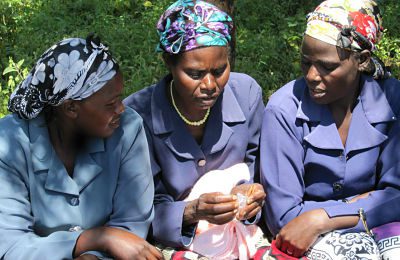
Though menstruation is an unavoidable part of most young women’s lives, for poor girls in Kenya it is life-halting. More than a decade ago, Kenya repealed value-added taxes on female hygiene products, becoming one of the first countries to do so. So why is Kenya handing out free sanitary napkins?

In a country where nearly half the population lives on less than $2 a day, sanitary napkins still remain unaffordable for about 65% of women. Children’s rights groups say many girls in Kenya skip at least four days a month because they cannot afford sanitary pads and want to avoid embarrassment. Consequently, this often leads to them dropping out of school. According to the UN’s education agency, one in 10 girls in Sub–Saharan Africa miss school during their periods. They then miss about 20% of their education.

In June, President Uhuru Kenyatta signed an amendment to the Education Act into law. It now states that “free, sufficient and quality sanitary towels” must be provided to every girl registered at school along with safe methods of disposal. According to UNESCO, more than 2 million Kenyan girls need support to access female hygiene products. The Kenyan Government showed its continued commitment to female health when it announced plans to create a national menstrual hygiene policy in collaboration with WASH United. WASH United is an international NGO dedicated to issues like hygiene, water and sanitation.

The new act legally requires the government to provide free sanitary napkins to every menstruating girl in school. In order to meet this obligation, the government set aside a budget of $5 million for the 2017-2018 financial year.

Despite the government’s commitment, the program hasn’t been nearly as effective as hoped. This is mainly due to the lack of tracking to see if the pads reach the girls in schools. In most schools, the teachers steal the pads. One way to avoid this is keeping them in secure areas; girls would ask an intermediary, usually a man, to get the product.

While Kenya still faces challenges with implementing the program, it is a step in the right direction. Providing free sanitary napkins sets an example for developing countries like India, Nepal, and Afghanistan, where girls face similar issues.

– Jagriti Misra

Photo: Flickr

July 11, 2017
https://borgenproject.org/wp-content/uploads/borgen-project-logo.svg 0 0 Borgen Project https://borgenproject.org/wp-content/uploads/borgen-project-logo.svg Borgen Project2017-07-11 07:30:512024-05-28 00:02:52Why Is Kenya Handing out Free Sanitary Napkins?
Food & Hunger, Global Poverty, United Nations

10 Important Facts One Should Know About Famines


According to the United Nations, the world is undergoing the biggest humanitarian crisis since the end of World War II. Currently, South Sudan resides in the middle of a massive famine that affects 10,000 people. Forty percent of the people in South Sudan struggle with food, agriculture and nutrition assistance. Nigeria, Somalia and Yemen declared famine warnings, and malnutrition puts 1.4 million children at risk of death in Nigeria, South Sudan and Yemen. Furthermore, seven million people risk starvation in Nigeria.

The following are 10 facts about famine and its consequences.

  1. A famine is a condition of extreme starvation of food. Famines are caused by natural disasters like droughts, floods, earthquakes, insect plagues and plant diseases. Manmade causes, such as wars, civil disturbances, sieges and crop destruction can also lead to famines. Famines cause significant and prolonged hunger to a country’s population which results in malnutrition and death by starvation and disease.
  2. Famines are declared when:
    • 20 percent of the households in the area face extreme food shortage with limited ability to cope.
    • Acute malnutrition rates exceed by 30 percent.
    • Death rate exceeds two persons per day per 10,000 persons.
  3. Famines evolve slowly and may remain underreported for extended periods of time before they become massive famines. Families have experienced months of crippling hardship before a crisis makes a headline.
  4. Overpopulation is not a cause of famine. The English philosopher Thomas Malthus created this myth in his 1798 essay, in which he argued that population levels outpace available resources. Famines now grip lightly populated areas like Somalia and South Sudan.
  5. Violence and conflict serve as major sources of famines. Other countries cut South Sudan off of supply routes, causing food prices to increase and aid delivery to be hampered. The civil war in South Sudan led to widespread hunger, with half of the nation’s harvests getting destroyed, food deliveries blocked and workers attacked.
  6. Hunger is only one part of famines. Famines can damage future generations, as malnutrition in infants can lead to the suffering of poor health and stunted development.
  7. Famines can drive violence, as global threats of terrorism and political or economic instability grow out of poverty. The famine-affected areas undergo conflict, which leads to displacement and loss of livelihood. Lack of opportunity can lead to choosing terrorism as a way of life.
  8. The 21st century brought massive progress. Until the middle of the 20th century, massive famines could kill millions of people within a decade. The adoption of human rights and globalization has made it difficult to turn a blind eye on people dying of hunger.
  9. A massive famine hit Somalia between 2010 and 2012. Two hundred and sixty thousand people died.
  10. The United Nations needs 2.5 billion to respond to the famine crisis in the Horn of Africa. The agency fundraised 62 percent of this goal.

Famines and hunger are not inevitable and are often human-made. Thus, they can be human-solved. Action must be taken to improve the rights of millions of children and families around the world.

– Aishwarya Bansal

Photo: Flickr

July 4, 2017
https://borgenproject.org/wp-content/uploads/borgen-project-logo.svg 0 0 Borgen Project https://borgenproject.org/wp-content/uploads/borgen-project-logo.svg Borgen Project2017-07-04 01:30:242024-12-13 17:58:1410 Important Facts One Should Know About Famines
Developing Countries, Global Poverty, United Nations

A Look at the Life of Dr. Osotimehin

A Look at the Life of Dr. Osotimehin
On June 4, 2017, Dr. Babatunde Osotimehin, died in his West Harrison, New York home at the age of 68. He led the United Nations Population Agency.

Dr. Osotimehin amassed renown for his work with women’s sexual health and reproductive rights around the world. Additionally, he promotes the UN goals of “preventing maternal deaths in childbirth, meeting all demands for family planning, and eliminating harmful practices against women and girls.” Here is a look back at the rich life of Dr. Babatunde Osotimehin.

Osotimehin was born on Feb. 6, 1949 in Ogun State, Nigeria. He received a doctorate in medicine from the University of Birmingham in the United Kingdom in 1979. He became the Nigerian Minister of Health in 2008. In addition, his achievements include an award for the Nigerian national honor and Officer of the Order of the Niger. He also reaffirmed the government’s commitment to eliminate polio and other childhood diseases.

In 2011, Osotimehin assumed the position of the Executive Director of the UN Population Fund. This fund plays a significant role in providing health care and training to midwives to help women fleeing conflict in war-torn countries.

The UN Population Fund (UNFPA) funds programs that help mothers deliver babies during disasters. Additionally, it prevents violence against women and girls, and argue against female genital mutilation. Unfortunately, the UNFPA has been hit with a series of blows by the Trump Administration, including a $33 million funding cut.

“The world has lost a great champion of health and wellbeing for all,” the UN said in their press release of Dr. Osotimehin’s death. Nonetheless, the “UNFPA is dedicated to continuing Dr. Osotimehin’s grand vision for women and young people and will continue to stand up for the human rights and dignity of everyone, particularly the most vulnerable adolescent girls,” the statement added.

Dr. Osotimehin dedicated his life to helping women and girls around the world. Consequently, countless individuals will dearly miss him.

– Kelsey Jackson

Photo: Flickr

June 30, 2017
https://borgenproject.org/wp-content/uploads/borgen-project-logo.svg 0 0 Borgen Project https://borgenproject.org/wp-content/uploads/borgen-project-logo.svg Borgen Project2017-06-30 01:30:532024-12-13 17:58:11A Look at the Life of Dr. Osotimehin
Developing Countries, Global Poverty, United Nations

10 Facts About the UNDP


The world’s current growth in population, wealth and technology may be seen as exceptional progress, but it has been accompanied by growing inequality. In order to combat these inequalities, a variety of assistance programs has been developed. The United Nations Development Program (UNDP) is one of the leading organizations fighting these disparities, through equipping individuals with the tools needed to create a sustainable and safe life. Here are 10 facts about the UNDP.

10 Facts About the UNDP

  1. Working on the ground in more than 170 countries, the UNDP’s principal goal is eradicating global poverty while protecting the planet and establishing sustainability.
  2. For more than 50 years, the UNDP has been fighting poverty. When it began its mission, more than half of the world lived in extreme poverty. Now, that number has decreased to about 13 percent.
  3. For the past two years, the UNDP has been recognized as the most transparent aid organization in the world, according to the Aid Transparency Index. This acknowledges the UNDP’s dedication to publishing data and including detailed lists of where its funds are allocated. This ensures to donors and volunteers that the UNDP is not only a helpful program but a trustworthy one too.
  4. The UNDP develops solutions in three main areas- democratic governance and peace-building, sustainable development and climate and disaster resilience. By focusing its efforts on these three fundamental objectives, the UNDP takes a multidimensional approach to eliminate poverty at the source.
  5. The first solution — the sustainable development objective — aims not just at aiding the impoverished but ensuring that they will have the tools necessary to be successful. From the sustainable development projects, the UNDP has led to the creation of 1.35 million new jobs in 94 countries, 42 percent of which have been for women.
  6. The next UNDP solution — implementing effective democratic governance and peace preservation — is focused on allocating legal and governmental resources to the most vulnerable. Through these projects, the UNDP has successfully increased participation in democratic systems by registering 68 million new voters in 37 different countries.
  7. Just as important as a vote is one’s access to judicial services. The UNDP has helped more than 2.1 million people in 35 countries gain access to legal aid services, 51 percent being women. This feat is a victory for both gender equity as well as legal justice.
  8. Within the climate and disaster resilience building resolve, the UNDP has worked to decrease risks of natural disasters as well as advance the fight against climate change. So far, 1,035 new disaster reduction and adaptation plans have been put in place in 51 countries, and 2.5 million people have better access to energy in 46 countries.
  9. The UNDP implemented the Millennium Development Goals (MDGs), which were established in 2000 by the U.N. as a 15-year effort to end global poverty. Successes of the MGDs include lifting one billion people out of poverty, cutting the child mortality rate and out-of-school children rate in half and decreasing HIV/AIDS infections by almost 40 percent.
  10. In 2016, the Millennium Development Goals were replaced by a new 15-year plan: the Sustainable Development Goals (SDGs). The SDGs outline the 2030 Agenda and act as 17 universal objectives to eradicate global poverty. These goals build on the progress of the MDG’s, but also include new objectives ranging from Zero Hunger to Affordable and Clean Energy.

Although these 10 facts about the UNDP feature an array of successes, the UNDP makes it very clear that its work on global poverty and sustainability is not nearly finished. These 10 facts about the UNDP prove its devotion to the well-being of the world.

– Kelly Hayes

Photo: Flickr

June 28, 2017
https://borgenproject.org/wp-content/uploads/borgen-project-logo.svg 0 0 Borgen Project https://borgenproject.org/wp-content/uploads/borgen-project-logo.svg Borgen Project2017-06-28 07:30:112024-12-13 17:57:5710 Facts About the UNDP
Developing Countries, Global Poverty, United Nations

10 Facts About UNIDO

The United Nations Industrial Development Organization (UNIDO) is an expert agency focused on industrial development as a means of “poverty reduction, inclusive globalization and environmental sustainability,” according to the organization’s website. It primarily focuses on inclusive and sustainable development (ISID) in cultivating solutions. Considering its active role in working to eradicate poverty, here are 10 facts about UNIDO.

10 Facts About UNIDO

  1. UNIDO was established on Nov. 17, 1966, by the United Nations General Assembly.
  2. It has 47 offices around the world and, as of January 2017, 169 member states.
  3. The organization works closely with individual nations, nonprofits and private sector partners to achieve its goals across the globe. From arranging large-scale conferences to handling goods and services, UNIDO serves as a link between small and medium-sized enterprises (SMEs) and their sponsors.
  4. According to the Lima Declaration, the organization’s three priorities are creating shared prosperity, advancing economic competitiveness and safeguarding the environment.
  5. Sustainable Development Goal (SDG) 9 to “Build resilient infrastructure, promote inclusive and sustainable industrialization and foster innovation” is closely integrated into UNIDO’s work. With sustainable development in mind, UNIDO is a proponent of South-South cooperation and works in tandem with Brazil, Russia, India and China (BRICS). From knowledge sharing to developing technical and target-specific strategies, UNIDO’s work with SDG 9 is extensive and spans numerous projects.
  6. UNIDO supports the development of special economic zones (SEZs) and SMEs for sustainable industrialization.
  7. It encourages foreign direct investment (FDI) to bolster local industries, which correlates with a boost in education and developing transferable skills. The cotton and fashion industries in Africa have invited FDI, which come in the form of direct business investments made by individuals, corporations or governments from one country to another.
  8. The organization has a strong focus on entrepreneurship in stimulating local and regional economies, and played a large part in providing $1.3 million for increasing the export value of Cuba’s music industry.
  9. Clean and green energy is one of UNIDO’s top priorities. It launched its Green Industry Initiative in 2009. Its overarching goal was to raise awareness and encourage more nations and their corresponding private and public sectors to incorporate clean energy systems. More specifically, the project is aimed at closing gaps in the normative framework, support systems and knowledge set in the clean energy industry.
  10. UNIDO’s solutions and programs are target-specific, focusing on disenfranchised groups. For example, its 2001 to 2011 entrepreneurship program in Morocco was specific to women.

UNIDO has an important role in bringing international attention to salient local and regional issues. Its focus on sustainable economic advancement makes it one of the United Nation’s most valued organizations. Even being aware of these 10 facts about UNIDO is a step closer to individual awareness of the organization’s regional and international outreach programs.

– Sydney Nam

June 27, 2017
https://borgenproject.org/wp-content/uploads/borgen-project-logo.svg 0 0 Borgen Project https://borgenproject.org/wp-content/uploads/borgen-project-logo.svg Borgen Project2017-06-27 07:30:102024-05-28 00:02:2310 Facts About UNIDO
Global Poverty, United Nations

10 Facts About the IFAD

10 Facts About the IFAD
The IFADs work is a critical component for addressing food security across the globe and helping to reduce poverty.

The International Fund for Agricultural Development (IFAD) is a specialized agency under the umbrella of the United Nations. It works to educate families in developing regions and to provide them with access to resources for sustainable agricultural practices. Here are 10 facts about the IFAD.

10 Facts About the IFAD

  1. The fund started in 1977 as a specialized agency of the United Nations. The framework came out of the 1974 World Food Conference in Rome.
  2. Continuing to pursue the vision of five presidents before him, Gilbert F. Houngbo has been leading the fund since April 2017. A Togo native, Houngbo has dedicated 30 years to working with the world’s poor in rural areas. Houngbo led field operations in over 100 different countries as the deputy director-general of the International Labour Organization. He served as prime minister in the Republic of Togo from 2008 to 2012.
  3. The IFAD currently has staff members in over 40 countries and subregional offices. There are more than 600 people on staff.
  4. The agency works to provide developing nations with low-interest loans and grants used to fund agricultural projects in developing rural areas. It focuses on passing on integral skills and essential access to natural resources to individuals and families in developing nations.
  5. The agency falls under the jurisdiction of a governing council and an executive board. A president and vice-president manage it, including an array of departments such as financial operations and corporate services.
  6. Rome, Italy houses the IFAD headquarters.
  7. The fund is one of three multilateral institutions working to improve agricultural practices in Africa. It is also the only institution that has an exclusive focus on smallholder development — meaning a focus on farmers who cultivate small plots of land and rely on family for labor. IFADs outreach stretches across five continents, where impoverished rural areas benefit from a focus on smallholder development.
  8. Ongoing projects are located in areas of Asia and the Pacific, East and Southern Africa, Latin America and the Caribbean, Near East, North Africa, Europe, Central Asia and West and Central Africa. These areas receive financial support and agricultural technologies.
  9. Thus far, IFAD has distributed over $12.5 billion in grants and low-interest loans, leading to 860 different projects, and impacting more than 370 million people. Those benefiting from the fund’s efforts have been able to achieve better food security for their families.
  10. IFAD is working to mobilize more funds and resources to be invested in developing rural areas and to improve the quality of its programs through partnerships with other nations. The fund looks for the best ways to address each country’s evolving needs with Agenda 2030, a global initiative working to eradicate poverty and hunger. Agenda 2030 will work to further expand IFADs outreach, starting in 2016 and continuing through 2025, and will focus on sustainable agricultural models.

– Leah Potter

Photo: Flickr

June 27, 2017
https://borgenproject.org/wp-content/uploads/borgen-project-logo.svg 0 0 Borgen Project https://borgenproject.org/wp-content/uploads/borgen-project-logo.svg Borgen Project2017-06-27 01:30:162024-12-13 17:58:1010 Facts About the IFAD
Developing Countries, Global Poverty, United Nations

What Does UNESCO Stand For?

What Does UNESCO Stand For?

The organization UNESCO is a crucial part of any discussion of peace and unity among foreign powers. However, few people know the mission of this global organization, let alone its role in decreasing global poverty. So, what does UNESCO stand for?

UNESCO stands for the United Nations Educational, Scientific and Cultural Organization. According to the organization’s official website, it is responsible for fostering transnational ties in the areas of scientific advancements, equality in education, cultural development and freedom of expression.

Because of the interdisciplinary nature of the organization, UNESCO is able to effect change through a variety of platforms and to reach many populations. UNESCO’s extensive reach allows it to have a considerable influence on global issues, namely global poverty.

UNESCO defines the effects of poverty not only in terms of the economic disadvantage but also in terms of social, political and cultural hardships. UNESCO not only advocates for individuals living in absolute poverty but also for those suffering social exclusion and isolation as a result of relative poverty.

What does UNESCO stand for in terms of forming global alliances? UNESCO addresses these indirect consequences of poverty in several of its recent campaigns and goals. The 2030 Agenda for Sustainable Development was the most recent proposal by UNESCO to counteract the repercussions of poverty in the global community.

In this document, UNESCO identifies extreme poverty as the greatest global challenge to sustainable development and emphasizes several targets to focus on in the next 15 years, including peace, prosperity and partnership. This campaign contributed to an international alliance to end extreme poverty and set up time-bound goals that hold constituents of the U.N. accountable for their pieces of the partnership.

These goals prioritize the eradication of extreme poverty and hunger, education reform, women’s empowerment, environmental sustainability and several economic growth initiatives. The U.N. hopes to fulfill them by 2030.

In addition to providing resource-poor areas with necessities, UNESCO promotes a “culture of peace.” In order to establish this culture, the organization pushes for international cooperation through Water for Peace programs as well as geopark and biosphere reserve management. Another UNESCO priority is engaging community members by providing human rights education and sustainable development training.

One peace promotion and cultural inclusion strategy that UNESCO uses is funding and protecting World Heritage Sites. These sites are selected for their cultural, scientific or historical significance. The organization’s ultimate goals in protecting these sites are encouraging peacefulness in the present and contributing to these sites’ posterity. The Great Wall of China, the Sydney Opera House and Jerusalem, to name a few, meet World Heritage Site classification criteria.

What does UNESCO stand for? Over the years, UNESCO has contributed to a number of diverse campaigns, but its overarching mission remains the same. UNESCO stands for human rights advocacy, social inclusion and allowing every human being to fulfill his or her full potential with dignity and equality. These values will continue to be included in the organization’s agenda and initiatives.

– Sarah Coiro

Photo: Flickr

June 26, 2017
https://borgenproject.org/wp-content/uploads/borgen-project-logo.svg 0 0 Borgen Project https://borgenproject.org/wp-content/uploads/borgen-project-logo.svg Borgen Project2017-06-26 01:30:312024-12-13 17:58:13What Does UNESCO Stand For?
Developing Countries, Global Poverty, United Nations

One Product Poverty in Developing Countries


There is an inextricable link between the commodity dependence of developing countries and their susceptibility to poverty. The tie to poverty in nations that heavily rely on one or two products to boost their export revenue may be closer than current research demonstrates. This phenomenon, which will hereafter be referred to as “one product poverty,” needs additional study.

The extreme reliance on select commodities is especially harmful at the household level. This is in large part due to price volatility. Price volatility refers to fluctuations in worth resulting from unanticipated supply and demand that is reflected in a commodity’s price. In recent years, commodity price volatility has increased as a partial consequence of the 2008 global financial crisis.

Some of the effects of price volatility must be taken as a given. In a free market, supply and demand are the driving mechanisms that affect commodity prices. However, price volatility is especially harmful to one product countries. It creates barriers in economic markets and discourages entrepreneurship by heightening the risk of investment. Commodity dependency and price volatility, then, are a recipe for one product poverty.

The United Nations Conference on Trade and Development’s 2014 State of Commodity Dependence report shows that high commodity dependence is concentrated in impoverished regions of the world. Sub-Saharan Africa and Western Asia, for instance, have the highest percentage of commodity exports in relation to gross domestic product (GDP). Some of the poorest countries in the world, such as Mozambique, have some of the highest percentages of commodity exports as a percentage of GDP.

The instinctual solution to one product poverty is variance in commodities. In other words, developing countries should strive to increase their revenue-making operations from one commodity to two and then three. These countries should stay away from over-specialization.

By doing so, developing countries can lessen the vulnerability of their commodities to fluctuating markets, which would benefit their economies and encourage individual initiative and entrepreneurship. Households can then take a final step out of poverty as self-sustaining business owners.

The role of developed countries in this equation is to encourage sustainable development. Policies that promote the broader production of commodities, stabilize prices and increase exports must be considered as solutions for one product poverty.

– Rebeca Ilisoi

Photo: Flickr

June 21, 2017
https://borgenproject.org/wp-content/uploads/borgen-project-logo.svg 0 0 Borgen Project https://borgenproject.org/wp-content/uploads/borgen-project-logo.svg Borgen Project2017-06-21 01:30:322020-02-12 20:33:08One Product Poverty in Developing Countries
Global Poverty, United Nations

Countries with the Most Hurricanes


While natural disasters always leave devastation in their paths, the recovery is always harder for the world’s poor. The countries with the most hurricanes are, in increasing order, Cuba, Madagascar, Vietnam, Taiwan, Australia, the U.S., Mexico, Japan, the Philippines and China.

The storms may be unbiased when they hit, but the work to recover is nowhere near equal. This is why it is detrimental that the countries with the most hurricanes are also those with the least amount of preparation for them. This is evident because of events such as Hurricane Matthew. Although it created damage to the southeastern portion of the U.S., the devastation in Haiti was unparalleled.

Between 1996 and 2015, more than a million people were killed by natural disasters. Ninety percent of the deaths occurred in low and medium income countries.

In countries such as the Philippines, which can expect between eight and nine hurricanes a year, the population isn’t prepared for the devastation these storms bring. The majority live in homes that are weakly constructed and do not stand a chance against nature’s wrath. With a population of 96 million, of whom 19.2 percent fall below the poverty line, it is impossible to recover from one storm before the next strikes.

Behind Mexico’s brightly decorated resorts and tourist destinations, there is a population of more than 40 percent living in poverty. Although preventive measures lessened the blow from Hurricane Patricia in 2015, the nation is still recovering from its wake.

Global organizations are quick to respond to disasters all over the world. The U.N. and the Red Cross work to have people on the ground in the affected country immediately.

UNICEF takes the preventative path to these problems and works with some of the countries with the most hurricanes to improve emergency response strategies and prepare them for the natural disasters that are sure to come.

The organization also works to develop indications for the decision-makers in the least developed countries to follow when assessing the needs of children during disasters.

– Emily Trosclair

Photo: Flickr

June 20, 2017
https://borgenproject.org/wp-content/uploads/borgen-project-logo.svg 0 0 Borgen Project https://borgenproject.org/wp-content/uploads/borgen-project-logo.svg Borgen Project2017-06-20 01:30:502024-12-13 17:58:06Countries with the Most Hurricanes
Global Poverty, United Nations, Women and Female Empowerment

10 Facts About Female Genital Mutilation


No one knows for sure when female genital mutilation (FGM) began. Egyptians practiced the procedure as a way of differentiating the aristocracy as far back as 2000 years ago. People practice FGM for cultural and social reasons, but there is no evidence that it is based in religion. Neither the Bible nor the Quran mention FGM. There are also no reasons to perform FGM for medical reasons. Here are 10 facts about FGM.

10 Facts About Female Genital Mutilation

  1. Female genital mutilation occurs when part or all of the female genital organs are cut or removed. In some cases, the vaginal opening is sewn together using folds of the surrounding skin. A small opening is left where urine and menstrual blood trickle out.
  2. The practice of FGM is found mainly within 30 countries of Africa, the Middle East and Asia. Today, over 200 million girls are alive who have had the procedure.
  3. The procedure is most often practiced on girls between infancy and the age of 15. Belief in the benefits of the procedure varies from culture to culture. Some believe it suppresses sexual impulses, guarantees virginity until marriage or reduces the potential for extra-marital affairs.
  4. The four countries where the highest percentage of women and girls have been cut are in Africa. Those countries are Somalia, Guinea, Djibouti and Sierra Leone.
  5. The United Nations campaigns against the practice of FGM and believes it is a violation of human rights.
  6. In 2008, the United Nations Population Fund and the United Nations Children’s Fund created the largest joint program to increase the abandonment of the practice and also to provide care for the consequences. Together these groups published the piece  “Female Genital Mutilation/Cutting: Accelerating Change.” The program’s major accomplishments, as summarized in a report published in 2014, were enacting better policy and legal environments to eliminate FGM, providing greater healthcare and social services and increasing acceptance amongst the population against the practice.
  7. The United Nations passed a resolution in December 2012 that officially banned the practice of FGM.
  8. The U.N. General Assembly adopted Resolution A/RES/67/146 in 2012 to observe February 6 as the International Day of Zero Tolerance for Female Genital Mutilation to enhance awareness and begin taking steps against FGM.
  9. In 1996, the U.S. passed a law making female genital mutilation illegal. It is also illegal to leave the U.S. for the procedure. However, only 24 U.S. states have enacted laws to make FGM a crime.
  10. In April 2017, two doctors and the doctors’ wives were arrested in Detroit on the grounds of performing FGM. This is the first case in the U.S. of an arrest since the passage of the law.

There is good news to report on FGM. As awareness of the issue has increased, the percentage of girls aged 15-19 that have been cut has declined in the countries where FGM is most prevalent. Unfortunately, just the opposite is happening in the U.S. The number of cases of female genital mutilation has tripled since 1990 as the number of people from countries who practice FGM immigrate to the U.S. Efforts must continue to decrease or entirely end this practice.

– Jene Cates

Photo: Flickr

June 15, 2017
https://borgenproject.org/wp-content/uploads/borgen-project-logo.svg 0 0 Borgen Project https://borgenproject.org/wp-content/uploads/borgen-project-logo.svg Borgen Project2017-06-15 01:30:302024-12-13 17:58:0310 Facts About Female Genital Mutilation
Page 25 of 44«‹2324252627›»

Get Smarter

  • Global Poverty 101
  • Global Poverty… The Good News
  • Global Poverty & U.S. Jobs
  • Global Poverty and National Security
  • Innovative Solutions to Poverty
  • Global Poverty & Aid FAQ’s
Search Search

Take Action

  • Call Congress
  • Email Congress
  • Donate
  • 30 Ways to Help
  • Volunteer Ops
  • Internships
  • Courses & Certificates
  • The Podcast
Borgen Project

“The Borgen Project is an incredible nonprofit organization that is addressing poverty and hunger and working towards ending them.”

-The Huffington Post

Inside The Borgen Project

  • Contact
  • About
  • Financials
  • President
  • Board of Directors
  • Board of Advisors

International Links

  • UK Email Parliament
  • UK Donate
  • Canada Email Parliament

Get Smarter

  • Global Poverty 101
  • Global Poverty… The Good News
  • Global Poverty & U.S. Jobs
  • Global Poverty and National Security
  • Innovative Solutions to Poverty
  • Global Poverty & Aid FAQ’s

Ways to Help

  • Call Congress
  • Email Congress
  • Donate
  • 30 Ways to Help
  • Volunteer Ops
  • Internships
  • Courses & Certificates
  • The Podcast
Scroll to top Scroll to top Scroll to top
