• Link to X
  • Link to Facebook
  • Link to Instagram
  • Link to TikTok
  • Link to Youtube
  • About
    • About Us
      • President
      • Board of Directors
      • Board of Advisors
      • Financials
      • Our Methodology
      • Success Tracker
      • Contact
  • Act Now
    • 30 Ways to Help
      • Email Congress
      • Call Congress
      • Volunteer
      • Courses & Certificates
      • Be a Donor
    • Internships
      • In-Office Internships
      • Remote Internships
    • Legislation
      • Politics 101
  • The Blog
  • The Podcast
  • Magazine
  • Donate
  • Click to open the search input field Click to open the search input field Search
  • Menu Menu

Tag Archive for: United Nations

Posts

COVID-19, Global Poverty

Updates on SDG Goal 1 in the United Republic of Tanzania

SDG 1 in the United Republic of TanzaniaAs of July 1, 2020, the World Bank reclassified the United Republic of Tanzania from a “low-income” nation to a “lower-middle-income” nation. This new status results from a variety of indicators that inform the nation’s Gross National Income (GNI) per capita, such as economic growth, exchange rates and more. While GNI per capita is not a direct measurement of poverty reduction, it does indicate that Tanzania’s economy is progressing in the right direction to meet the U.N.’s first Sustainable Development Goal (SDG) to eradicate poverty globally by 2030. Updates on SDG Goal 1 in the United Republic of Tanzania make it clear that while the country has not met the goal yet, it has overseen a significant reduction in extreme poverty in the last few decades. Here are some updates on SDG Goal 1 in the United Republic of Tanzania.

Updates on SDG Goal 1 in the United Republic of Tanzania

The World Bank’s 2019 Mainland Poverty Assessment found that extreme poverty in the United Republic of Tanzania fell from 11.7% in 2007 to 8.0% in 2018. This significant improvement comes with the finding that the severity of poverty has also declined during this period, meaning that Tanzanians living under the poverty line have become less poor on average.

However, while a smaller proportion of the Tanzanian population lives in extreme poverty today, many remain vulnerable. For every four people who can move out of poverty in Tanzania, three individuals fall into poverty. This demonstrates the constant financial instability that many non-poor Tanzanians face. It also illustrates the importance of effective social welfare programs in reducing vulnerability.

The Importance of Investing in the Rural Economy

One of the initiatives that has contributed to these updates on SDG Goal 1 in the United Republic of Tanzania is a project funded by the African Development Bank. The program, which rolled out in stages between 2012 and 2017, developed market infrastructure and improved the financial security of rural Tanzanians. Its $56.8 million budget allowed it to reach 6.1 million Tanzanians spanning 32 districts. The multifaceted program had a significant impact on the livelihoods of its recipients. Approximately 78% reported an increase in their income after participating in the program. Indeed, the program raised beneficiaries’ average income from $41 in 2012 to $133 in 2017.

In the last few decades, most poverty reduction in Tanzania occurred in rural areas. This is significant because of the persistent disparity in living standards and wealth between rural and urban areas. Although rural households still lag behind urban ones on most indicators of wealth, poverty reduction programs in rural Tanzania helped to narrow this gap. The African Development Bank’s program, for example, refurbished roads and created warehouses in rural areas. This reduced transportation costs for Tanzanian farmers and led to a drop in “post-harvest losses.”

Reforming the Private Sector for Poverty Reduction

The majority of Tanzanians work in the informal sector. Unfortunately, this lack of access to formal finance limits small business owners’ ability rise out of poverty. In order to continue making progress on eliminating extreme poverty in Tanzania, the government and external actors must remain focused on this issue.

Recently, the African Development Bank announced that it will focus its efforts on economic growth in Tanzania’s private sector. In December 2019, the Bank approved a $55 million facility support to the government in implementing regulatory reforms in the private sector. The Bank believes this is a necessary step toward creating an inclusive business landscape in the nation. Additionally, this effort should help Tanzania progress toward SDG Goal 1 by creating more equal and plentiful employment opportunities for Tanzanians.

COVID-19 and Updates on SDG Goal 1 in the United Republic of Tanzania

Due to its focus on economic growth, the Tanzanian government has enacted a relatively lax response to COVID-19 compared to neighboring countries. However, tourism made up 11.7% of Tanzania’s GDP in 2019. Because the pandemic has hit the tourism industry hard, Tanzania’s economy has suffered. In addition, a reduction in agricultural exports has greatly affected the Tanzanian economy. The combination of these factors will inevitably impact the nation’s poor. A study by the International Growth Centre shows that the COVID-19 pandemic and the subsequent social distancing and lockdown measures have put approximately 9.1% of sub-Saharan Africa back into extreme poverty. As such, the pandemic has certainly hindered Tanzania’s progress on SDG Goal 1.

Looking forward, Tanzania will need a collaborative effort to lift Tanzanians out of extreme poverty once the pandemic is over. The Tanzanian government as well as international actors must work together to recoup Tanzania’s progress toward achieving SDG Goal 1. Though the pandemic has caused some setbacks, Tanzania must continue to focus on poverty eradication in order to meet this goal.

– Leina Gabra
Photo: Flickr

October 9, 2020
https://borgenproject.org/wp-content/uploads/borgen-project-logo.svg 0 0 Jennifer Philipp https://borgenproject.org/wp-content/uploads/borgen-project-logo.svg Jennifer Philipp2020-10-09 07:28:462020-10-09 07:28:46Updates on SDG Goal 1 in the United Republic of Tanzania
Global Poverty

Update on SDG Goal 4 in Bangladesh

SDG Goal 4 in BangladeshThe United Nations’ (UN) Sustainable Development Goals (SDGs) are a set of objectives designed for all countries to fulfill to provide everyone with a more sustainable future. In 2015, members of the UN General Assembly enacted these 17 SDGs to reduce poverty, eradicate widespread hunger, and address other global challenges. Following the plan’s yearly list in a timely fashion, the SDGs aim to bring about a more prosperous life in developing countries by 2030. Bangladesh has found some success in meeting these goals; recently, individuals and government organizations are working to accomplish SDG Goal 4. This goal aims to ensure equitable quality education and promote lifelong learning opportunities for all.
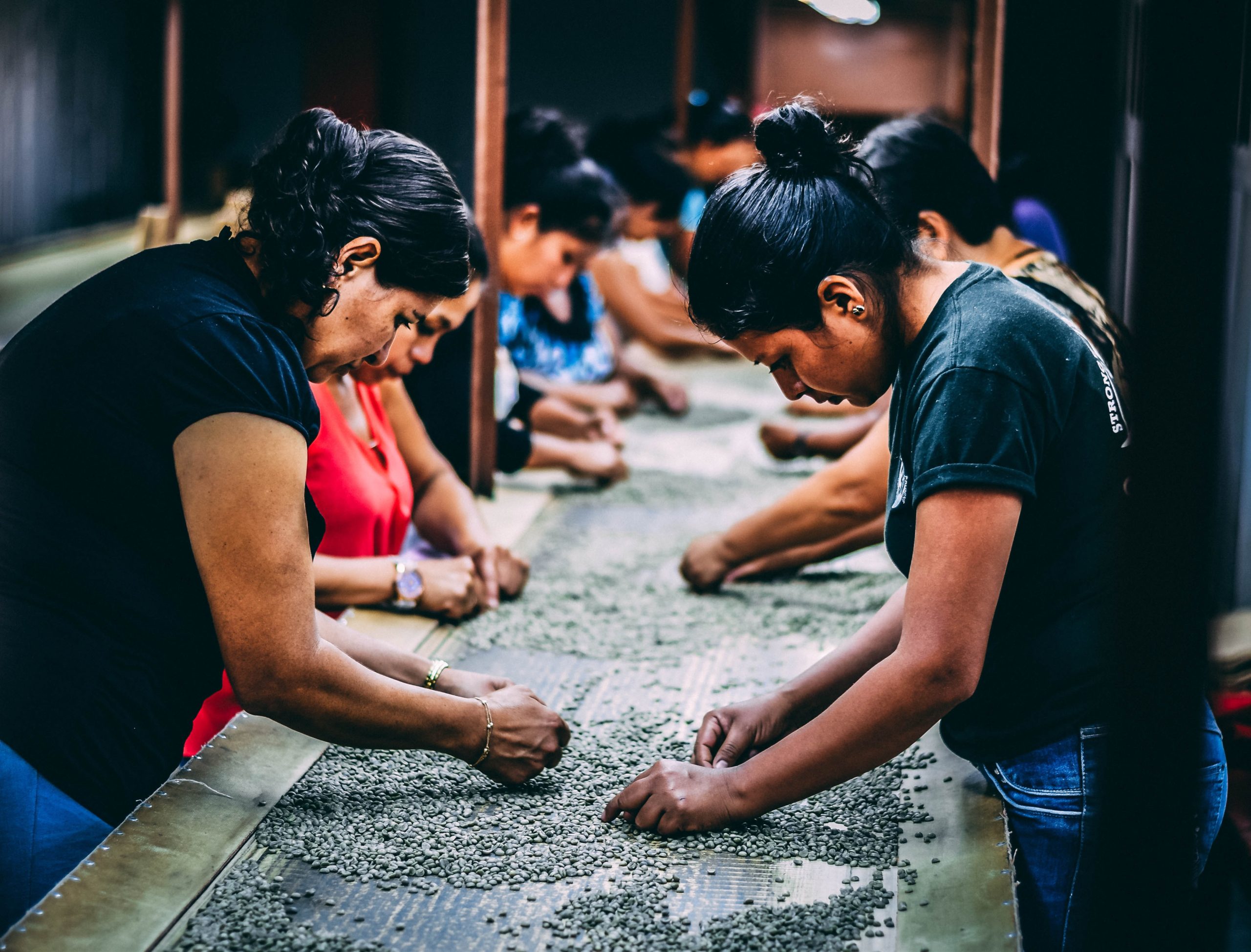
Since 2015, Bangladesh is one of the many countries that have made remarkable improvements in reducing poverty, which meets SDG Goal 1. For instance, in 2018, only three years after implementing the SGDs, the proportion of the population living below the international poverty line decreased by 8.3% relative to 2010. Similarly, the percentage of the population living below the domestic poverty line decreased by 9.9% from 2010 to 2018.

This decrease in poverty is a marked improvement. However, Bangladesh still faces many challenges in establishing an adequate educational system. To tackle such an expansive issue, the government has set multiple targets in its aim to achieve SDG Goal 4 in Bangladesh.

Here are five accomplishments in the Bangladeshi effort to provide a more inclusive education system:

Established Various Education Expansion Programs

The Bangladeshi government has launched various projects with help from organizations such as the World Bank and the United Nations Population Fund (UNFPA). These projects were created to address specific issues and build upon successes of the Bangladeshi education system to accomplish SDG Goal 4. For instance, Bangladesh boasts a 99% child enrollment rate and a steadily growing 73% literacy rate. However, participation in secondary and higher education is lacking in Bangladesh; the International Labor Organization recently noted that 27% of youths aged 15 to 27 were not engaged in any form of education, employment or training.

Projects such as the Higher Education Quality Enhancement Project (HEQEP) and Secondary Education Quality and Access Enhancement Project (SEQAEP) aim to increase the participation of Bangladeshi youths in the educational system. Additional projects include the Secondary Education Sector Investment Program (SESIP) and Generation Breakthrough and Teaching Quality Improvement (TQI). These projects will attempt to overcome the barriers to education and reduce inefficiencies in the system. This includes improving school infrastructure, increasing transportation options and eliminating redundant standardized testing.

Expanded Education in Rural Areas

Education in rural Bangladesh is especially troubling. Many regions lack access to primary schooling, leaving little opportunity for people to grow professionally. To increase overall participation, the Bangladeshi government expanded access to preprimary and primary schooling, specifically in rural areas. Over the past few decades, the government has built thousands of schools and improved infrastructure in rural areas. Rural education still remains an area of concern in Bangladesh. The various projects mentioned above aim to ensure consistent growth in rural education so as to ensure the attainment of SDG goal 4 in Bangladesh.

Increased Enrollment Rates

Due to primary education’s expanded opportunities, enrollment rates have risen dramatically in recent years. According to the United Nations Development Programme, the overall school enrolment rate stood over 90% by 2015. As a result, literacy rates are constantly improving and are now at 73%. The demographics of students also diversified as more females have been given a chance to partake in formal schooling.

Textbook Celebration Day

A holiday called the Textbook Celebration Day occurs annually on January 1 to promote better education in Bangladesh. As implied by the name, the festival provides students all across the country with free textbooks. Students from preprimary to secondary level are all eligible to receive books written in Bengali and various ethnic languages, including Chakma, Marma, Sadri, Tripura and Garo. In 2019, there were over 35,21,97,882 textbooks distributed among 4,26,19,865 primary and secondary level students.

Bangladesh Bhavan

The Bangladeshi Ministry of Education established Bangladesh Bhavan, a center for people who want to engage in cultural education. The two-story building includes various amenities such as a 450 capacity auditorium, museum and library. It also has a research center, two seminar halls and a cafeteria. Moreover, the center is located in India, which according to both countries’ prime ministers expresses the two countries’ harmonious ties.

Although Bangladesh was once severely lacking adequate education systems, the implementation of SDG 4 has drastically improved their situation. Bangladesh has not only built more schools but also increased material distribution and cultural education. Additionally, the government has worked to address the gender imbalance among students. With continuous efforts from the Bangladeshi government and outside organizations, education in Bangladesh will inevitably flourish.

– Heather Law
Photo: Flickr

October 6, 2020
https://borgenproject.org/wp-content/uploads/borgen-project-logo.svg 0 0 Kim Thelwell https://borgenproject.org/wp-content/uploads/borgen-project-logo.svg Kim Thelwell2020-10-06 16:25:402020-10-06 16:25:40Update on SDG Goal 4 in Bangladesh
Food & Hunger, Food Security, Global Poverty, Sustainable Development Goals, Technology, United Nations

Youth Leader Innovations to Combat Global Food Security

Global Food SecurityThe global population has been growing exponentially in the last few decades as compared to earlier times in human history, given that 42% of the population is under the age of 25. With a rapidly growing population, global food security is threatened and it is expected that without major agricultural enhancement, there will not be enough food for future generations. By 2050, crop production must grow by 60-100% from 2005 levels in order to avoid this fate.
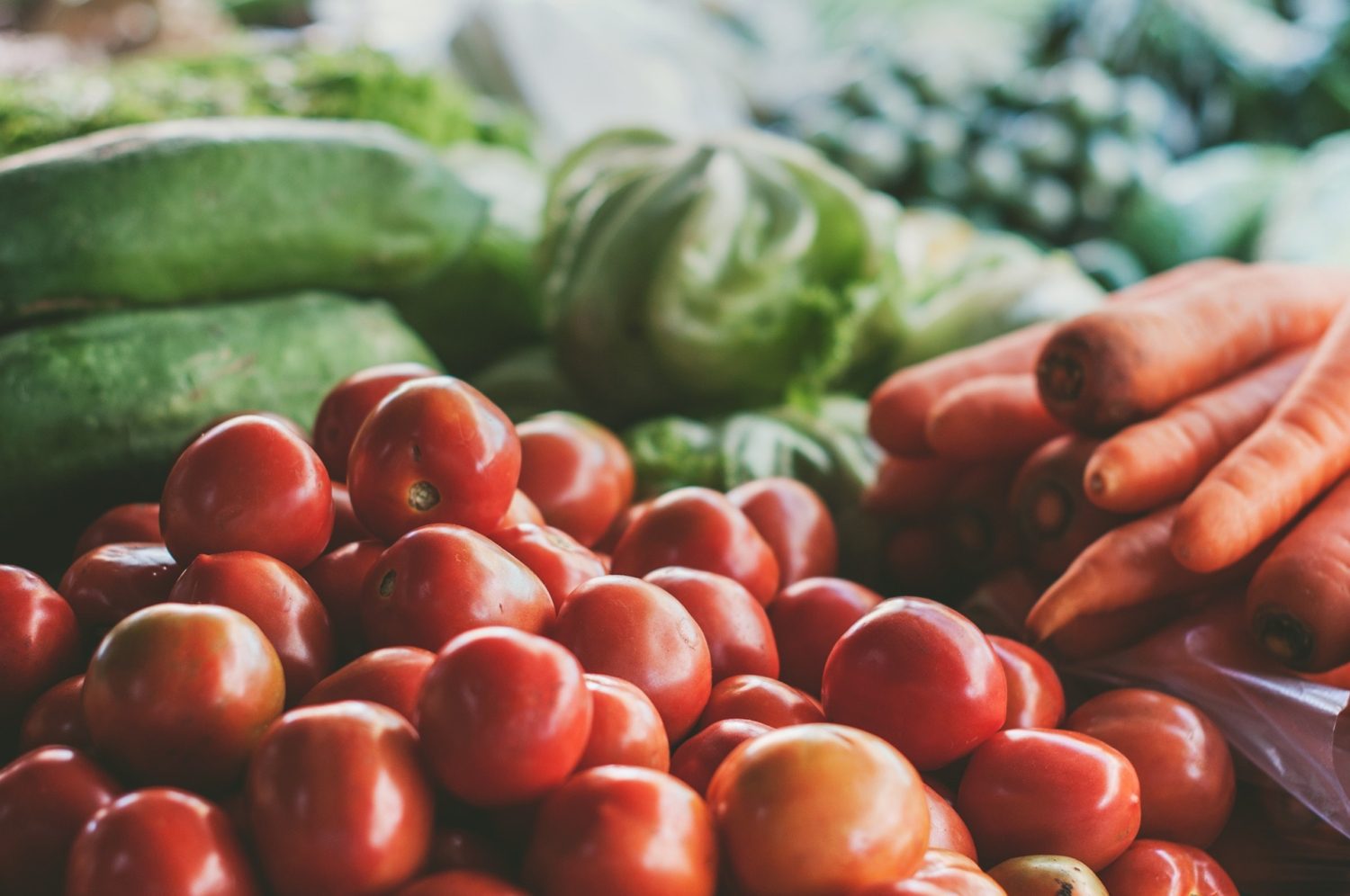
Youth hold the future of the global food system in their hands. There are many young people working to combat the global food security crisis in a way that puts sights on the future, not the present. Through scientific innovations, advocacy and more, these young men and women not only give hope for a world with less hunger but also vehemently encourage others to join them. Some examples of their work follow. 

Kiranjit Kaur: Kisan Mazdoor Khudkushi Peedit Parivar Committee

Kiranjit Kaur of India, a 23-year-old political science postgraduate student from Punjab state, is a pioneer in the fight against farmer suicide. Losing her own father to suicide spurred her to focus on community engagement to address the statistics of over 16,000 farmer suicides in India each year. With 39% of the employed population working in agriculture, success is important for the health and well-being of farming families.

Punjab was an agricultural haven during the Green Revolution, but since the 1990s, with increased land productivity and the cost of agriculture, loans have become a norm and financial stress has increased. Kaur motivates the women in her community to participate in a social campaign that focuses on mental health, mutual support and activism. As for now, she spends most of her time working with the group but plans to do a Ph.D. on farmer suicide in the future.

Craig Piggott: Halter

A New Zealand native, Craig Piggott dedicates his talents to agricultural innovations in herding and tracking cows. His invention involves a GPS-enabled and solar-powered collar for cows, Halter, which enables farmers to herd the animals remotely; using sounds and vibrations to both direct the cows and alert the farmers of any issues. Piggott developed the app through three years of testing, and a few dairy farmers in Waikato are eager to implement the technology within their own herds. With more testing and exposure, he hopes to extend the program nationally to aid New Zealand’s agricultural field.

This innovative app will save time and resources by decreasing the farmer’s workload and using grazing grass more efficiently, thanks to the virtual fences. Piggott’s company was founded in 2016 when he was 22-years-old and has grown to a current team of more than 40 scientists, engineers and other professionals.

Sophie Healy-Thow: Scaling Up Nutrition

Sophie Healy-Thow, a 20-year-old Irish college student, is a prominent European name in the rural development advocacy and global food security spaces. She and her team’s natural bacteria project won the BT Young Scientist Exhibition in 2013, and she was also named one of Time magazine’s Most Influential Teens. Healy-Thow also speaks out about calling leaders to action, and hopes for a time when young people are listened to and engaged instead of just getting a pat on the head.

Today she speaks at the U.N. conventions and TED talks and is part of a team developing a Kenyan project called Agrikua, which focuses on encouraging women’s involvement in agriculture, providing education and other support. After university, she plans to work for a charitable organization that helps women, inspired by her current involvement in ActionAid U.K.

Jefferson Kang’acha: The Eden Horticultural Club

Food security is not a new issue in 19-year-old Jefferson Kang’acha’s life in Kenya, and he works to grow tomatoes in order to protect the staple ingredient of many Kenyan households. Due to declining yields, the price of tomatoes has spiked to high prices that most Kenyan families cannot afford. In response, Kang’acha developed the hydroponic production of tomatoes, which grows the plants with no soil and in a controlled climate.

By founding the Eden Horticultural Club, he is able to provide tomatoes to his community, including schools and hospitals in the area. In the first few months alone, he was able to distribute 2.5 tons of tomatoes to more than 100 households. He hopes to one day use this process to assist global food security throughout Africa and beyond.

The Future of Global Food Security

The future of the agriculture industry is hard to predict, but the U.N. encourages youth participation and innovation to solve the problem. Goal 2 of the U.N.’s Sustainable Development Goals (2030 Agenda for Sustainable Development) seeks to “end hunger, achieve food security and improved nutrition and promote sustainable agriculture.” Vast problems require bold solutions, and these four young people are just the tip of the iceberg when it comes to innovators doing their part to protect global food security.

– Savannah Gardner
Photo: Pixabay

October 4, 2020
https://borgenproject.org/wp-content/uploads/borgen-project-logo.svg 0 0 Jennifer Philipp https://borgenproject.org/wp-content/uploads/borgen-project-logo.svg Jennifer Philipp2020-10-04 11:39:372024-05-30 07:52:23Youth Leader Innovations to Combat Global Food Security
Developing Countries, Economy

Countries Have Outgrown the Terms ‘Developed’ and ‘Developing’

'Developed' and 'Developing'While the categories of ‘developed’ and ‘developing’ to describe countries may have been useful in the 1960s, Bill Gates and Hans Rosling—author of the book “Factfulness”—have begun using a new categorical system; four distinct income levels are now recognized as a more accurate way to describe countries and the range between them.
‘Developed’ and ‘Developing’ Countries

The terms ‘developed’ and ‘developing’ have become almost universal terms to describe the economy or wealth of countries. However, there is not one specific definition for these terms. Organizations such as the United Nations use the terms colloquially. However, they never introduced a specific, measurable definition for what actually classifies whether a country is developed or still developing.

In the 1960s, the terms were mostly based on infant mortality and birth rates. Developed countries had lower mortality and birth rates while developing countries had higher infant mortality and birth rates.

But ‘developed’ and “developing” have become outdated in this way, as just about every country in the world has improved infant mortality rates since the 1960s. In fact, some ‘developing’ countries of today have lower infant mortality rates than ‘developed’ countries in 1960.

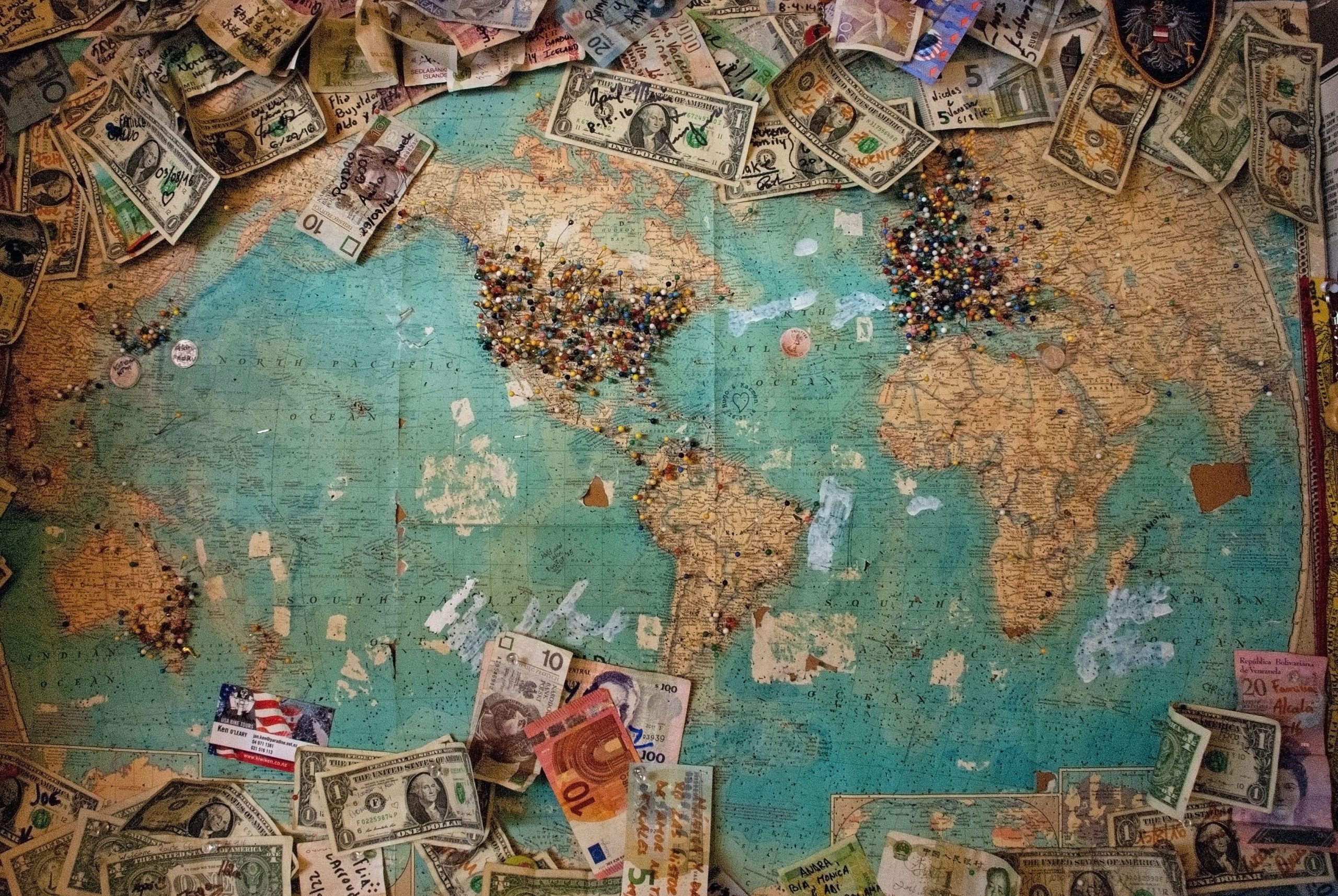
Overall, the two terms are incapable of separating countries beyond ‘rich’ and ‘poor.’ This is a problem because the majority of people in most countries live somewhere in the middle. In fact, one can label 85% of countries as ‘developed.’ Meanwhile, 15% are in between and one can consider only 6% as “developing” in terms of fertility and mortality rates. That is why Hans Rosling uses four income levels to describe all countries instead.

The Four Income Levels

  • Level One: The majority of people live in extreme poverty on a daily income of $2 or less per day. Countries such as Lesotho and Madagascar are currently level one countries. For many people in level one, the main mode of transportation is walking. Some may not even have their own pair of shoes to travel in. In these countries, infant mortality, hunger and preventable disease prevalence are high. Approximately 1 billion people live at this level.
  • Level Two: People in countries such as China, Nigeria and Bangladesh generally live on $2 to $8 per day. They may ride a bicycle instead of walking, and they have their own pair of shoes. An estimated 2 billion people live at level two, which is more than any other level.
  • Level Three: In countries such as Egypt, Rwanda and the Philippines, about 2 billion people live on $8 to $32 per day. Transportation may include electric bikes, scooters, public transportation and cars. About 2 billion people live at level three.
  • Level Four: The wealthiest countries make up level four. The average person having an income of more than $32 per day. There is a large market for nice cars and houses. Simple necessities like clean water and nutritional food are widely available. The United States, Mexico, much of Europe and South Africa are some examples of countries at this income level.

This four-tiered system does not completely account for the variations within countries, but it provides more information than the previous terms. For example, some people living in level one countries are significantly richer than the $2 per day average, and many people living in level four countries experience poverty.

However, organizing countries in this way allows for a more accurate measure of progress. Bill Gates has argued that “It’s hard to pick up on progress if you divide the world into rich countries and poor countries. When those are the only two options, you’re more likely to think anyone who doesn’t have a certain quality of life is ‘poor.’” It is important to properly track global progress and development. We can then use the information to understand where further action must be taken.

A New Official Classification

It is difficult to distinguish between various countries with only two terms. The World Economic Forum stopped using the terms ‘developed’ and ‘developing’ in official reports. Instead, it has used a similar four-tiered categorization since 2016. The World Economic Forum states that it will now collect data “for the whole world, for regions, and for income groups – but not for the ‘developing world’ (or the sum of low and middle income).” Similarly, in 2016, the World Bank released a working paper looking into classifying countries by income as well.

According to Bill Gates, “Any categorization that lumps together China and the Democratic Republic of Congo is too broad to be useful.” Using these levels in data analysis creates a better understanding of variations between countries and their incomes.

– Sydney Bazilian
Photo: Unsplash

October 4, 2020
https://borgenproject.org/wp-content/uploads/borgen-project-logo.svg 0 0 Kim Thelwell https://borgenproject.org/wp-content/uploads/borgen-project-logo.svg Kim Thelwell2020-10-04 07:30:342020-10-03 07:27:05Countries Have Outgrown the Terms ‘Developed’ and ‘Developing’
Global Poverty, Slums, United Nations

The Housing Crisis in Sub-Saharan African Slums

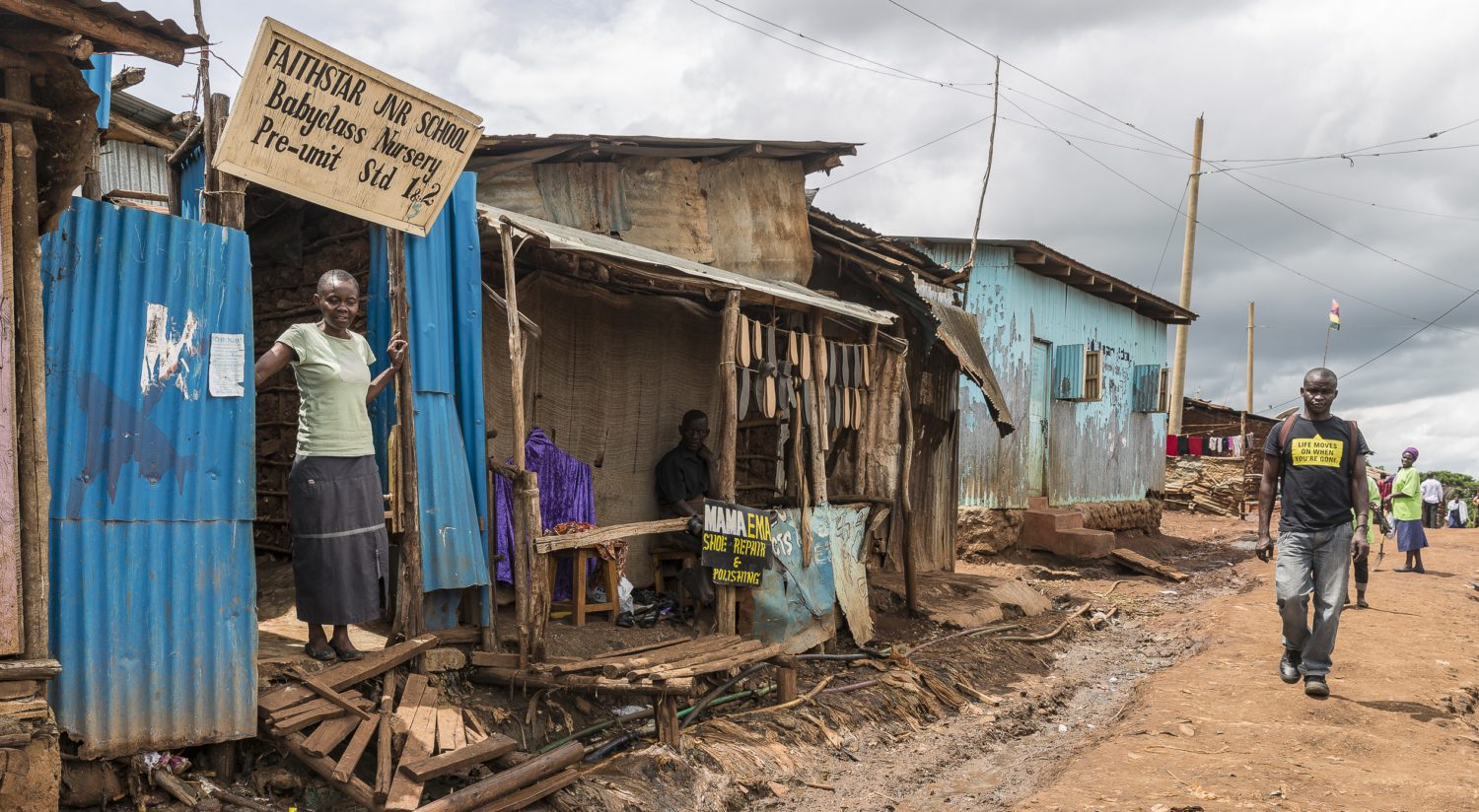
Sub-Saharan African SlumsSub-Saharan Africa is experiencing a housing crisis. While around one billion people live in slums around the globe, 200 million of those live in sub-Saharan African slums. This number represents “61.7% of the region’s urban population,” making sub-Saharan Africa the highest in the world for urban poverty.
Sub-Saharan African Slums and Urban Poverty

Singumbe Muyeba, assistant professor of African Studies at the University of Denver, spoke with The Borgen Project about development intervention and sub-Saharan African slums. Muyeba’s expertise in these areas stems from his academic work but also from his work for the United Nations’ High Commission for Refugees and Development Program.

According to Muyeba, sub-Saharan African slums began when African countries gained independence from colonialist rule from the 1960s through the ‘80s. Since colonialists always reserved major cities for themselves, Africans everywhere migrated from rural to urban areas after independence. However, that meant infant governments had to keep up with increasing urban populations. They were unable to do so due to the skyrocketing rates of urbanization.

With housing rapidly diminishing as Africans moved into cities, they began settling onto common land, eventually creating the sprawling slums that still exist today. Even now, the sub-Saharan African urban population is annually growing at 4%. A projection from the U.N. reveals that “the world’s 10 fastest growing cities, between 2018 and 2035, will all be in Africa.” In addition, there is a backlog of 51 million housing units in Africa. The region’s supply of housing is “about nine years behind current demand,” according to Muyeba.

Slum Upgrading Programs

The World Bank has funded slum upgrading programs to combat rising urban poverty in sub-Saharan Africa. These programs assigned property rights and provided access to services in hopes to empower slum residents with their own land. However, as Muyeba explained, these programs were largely “self-help” models. The World Bank simply gave impoverished individuals property rights and no means to build their own housing.

Since “about 97% to 99% of people in sub-Saharan Africa do not have access to formal financing” that allows them to build or buy a home, people haphazardly build their own informal housing or remain in slums. Formal and sustainable housing only accounts for 10% of all urban African housing. While handing out free titles and property rights looks good on paper, this “slum upgrading” has not improved slums.

Ongoing Problems in Slums

While sub-Saharan Africa housing conditions improved by 11% from 2000-2015,  this improvement was “twice as likely in the wealthiest households” and “80% more likely among more educated households.” The reality is that 80-90% of Africans work in the informal sector, and the majority of people living in sub-Saharan African cities live in slums. Therefore, this housing improvement did not occur in the slums, which many people cannot escape.

George Compound, a slum in Lusaka, Zambia, serves as a perfect example of a poorly executed upgrade program. It is a major slum with 400,000 inhabitants, but it does not have adequate running water. The water it does have from makeshift wells is contaminated with nearby ground toilets.

In Muyeba’s opinion, government involvement is necessary to fix the African housing crisis. While he is not against privatization, he believes the neoliberal model is not working to improve sub-Saharan African slums.

Can Governments Fix the Housing Crisis?

However, even if African governments want to get involved in building housing, they cannot. This is because of the World Bank’s international economic rulings on aid and upgrade programs. “The system is set up in such a way that the World Bank advocates for less involvement of the government following the Structural Adjustment Programs implemented in the 80s and 90s,” stated Muyeba.

In order to receive aid through the World Bank’s structural adjustment programs, governments often have to delegate building to the private sector. However, the private sector cannot make a real profit from low-income housing because so many Africans and slum-dwellers are part of the informal sector. People in poverty cannot get mortgages because they lack access to credit or insurance. This prevents the private sector from serving poor Africans.

Muyeba firmly believes “there are wins everywhere” if governments (with the help of communities and the private sector) build housing. The construction sector can benefit from large-scale projects, while infrastructure creates jobs. Individuals in slums can focus their attention on making income rather than worrying about basic housing needs.

Muyeba offered Kenya as an example of combined state, private and community partnerships to combat urban poverty. Currently, the country has implemented its own kind of slum upgrading program in which the government builds housing and guarantees mortgages.

Organizations Helping People in Sub-Saharan African Slums

Outside organizations and NGOs are actively working to help housing poverty in sub-Saharan African slums. Habitat for Humanity completed a six-year program in 2018 called “Building Assets, Unlocking Access.” This program worked in Uganda and Kenya to offer technical help and “develop housing microfinance products and services.” Habitat for Humanity’s approach allowed Africans to progressively build their own housing, access small-scale loans and set up small payments.

More than 42,000 individuals accessed microfinance loans through the program, which impacted more than 210,000 people in total. In addition, 32.9% of loan recipients built entire houses for themselves and their families.

A report from the project found that recipients also upgraded their housing with improved roofing, walls, sanitation and electricity. Additionally, the program caused trickle-down effects in health. Fewer people reported common ailments like “sore throats, shortness of breath, itchy eyes, blocked noses, vomiting and rashes” due to healthier housing. The most improved group was children under six.

Hopefully, all African cities struggling with urban poverty can create domestic housing projects or find new, inventive ways to help the housing crisis. All in all, the solution to sub-Saharan African slums is housing. According to Muyeba, “It’s a no brainer.”

– Grace Ganz
Photo: Flickr

October 2, 2020
https://borgenproject.org/wp-content/uploads/borgen-project-logo.svg 0 0 Kim Thelwell https://borgenproject.org/wp-content/uploads/borgen-project-logo.svg Kim Thelwell2020-10-02 14:34:522020-10-02 14:34:52The Housing Crisis in Sub-Saharan African Slums
Food Insecurity, Global Poverty

Quest Food Exchange: A Model in Food Redistribution

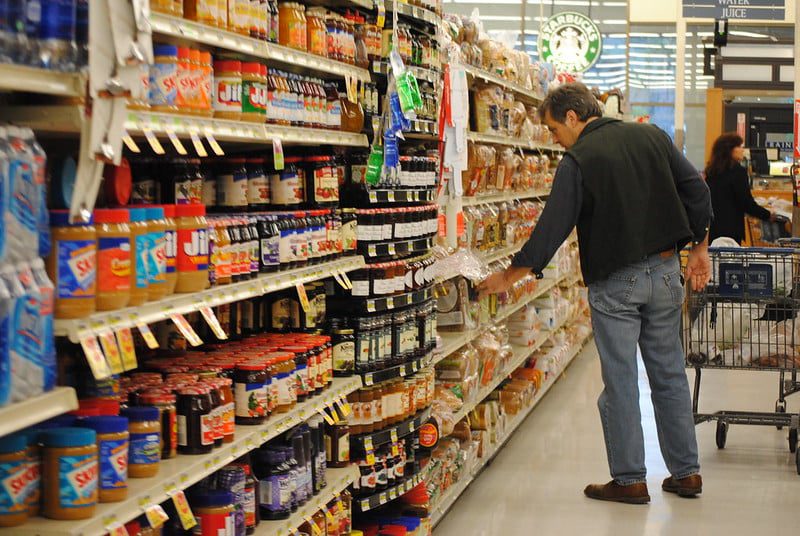
quest food exchangeWhat do you think of when you hear the words “grocery store?” Perhaps you imagine a Trader Joe’s, or maybe an outdoor farmers market with plenty of fresh vegetables, fruits, grains and other goods. Others may think of grocery carts, canned goods and, of course, the frozen section. However, people whose minds wander toward these latter images likely grew up in a financially stable home. This is not always the case for the rest of the world, as many people suffer from food insecurity and hunger. Below is information about an organization called Quest Food Exchange and how it aims to solve this issue.
Food Insecurity in Canada

In 2018, 8% of the global population lived on less than $2 per day. Individuals and families living below the poverty line do not have the luxury of a traditional grocery store, fresh fruits or fresh vegetables. Many struggle to feed themselves, let alone their families, as they focus time and energy on survival. While many governments have programs to help these people living in poverty, there is more to do. The issue of poverty and food insecurity in Canada illustrates this.

In 2017, 12.5% of Canadian homes were food insecure. This equates to 4.4 million people, of whom 1.2 million were children. Since 2007, the number of people living with food insecurity in Canada rose by roughly 1 million. This negatively impacts health and plays a large role in the healthcare system. Since its founding in 1992, Quest Food Exchange has aimed to help those living in poverty become self-sufficient by offering them affordable food. However, the organization’s mandate goes even further than combating food insecurity. By saving surplus supplies, Quest Food Exchange is environmentally conscious. It stops quality goods from sitting a landfill, which creates a larger greenhouse gas effect.

What Is Quest Food Exchange?

Quest Food Exchange, a nonprofit organization providing grocery stores to those challenged by issues of food security, is based out of different locations in Vancouver, Canada. The organization is making its best effort to help the hungry in a dignified fashion. To do this, Quest Food Exchange gathers surplus food and goods from suppliers that would otherwise be thrown away and redistributes them to government programs, hospitals, schools and those living in harsh conditions. Shoppers must be referred and then apply to shop at Quest Food Exchange. This policy helps to ensure that only those who need additional help and support can use the nonprofit’s services. The organization holds a transitory model to help individuals become self-sufficient and allow them to choose their own food.

An Evolution in Food Redistribution

Global food waste is detrimental from both an environmental and a financial standpoint. Experts at the United Nations Food and Agriculture Organization suggest that humans waste 1.3 billion tons of food globally each year. This constitutes a waste of time, money, energy and labor. At the time of its founding, Quest Food Exchange acted similarly to a food bank. However, in 1997, workers came to the conclusion that unwanted food could support social programs to help feed the hungry. This is how the modern day Quest Food Exchange operation functions.

The organization now has three mandates: “Reduce hunger with dignity, build community and foster sustainability.” It does these things by providing affordable food, which in turn allows individuals to focus their attention on mental health, job security and other burdens. If more grocery stores followed this mandate, greenhouse emissions would significantly decrease, the economy would strengthen and the percentage of those living in poverty would drop. Quest Food Exchange is a great model for how organizations can solve food insecurity through simple redistribution.

– Hannah Kaufman
Photo: Flickr

October 2, 2020
https://borgenproject.org/wp-content/uploads/borgen-project-logo.svg 0 0 Kim Thelwell https://borgenproject.org/wp-content/uploads/borgen-project-logo.svg Kim Thelwell2020-10-02 12:15:042024-05-30 07:52:06Quest Food Exchange: A Model in Food Redistribution
Developing Countries, Global Poverty, Sustainable Development Goals

Updates on SDG Goal 1 in China

updates on SDG Goal 1 in ChinaSDG is short for Sustainable Development Goals, or the blueprints set by the United Nations to achieve global sustainable development. This initiative motivates every country to fight against social issues including hunger, global poverty, gender inequality and more. The first objective of the SDG is to “End poverty in all its forms everywhere.” Here are some updates on SDG Goal 1 in China.

Chinese Government’s Endeavor to Eliminate Domestic Poverty

Among important updates on SDG Goal 1 in China is the fact that some researchers believe that China is on its way to eliminating poverty. According to China’s National Bureau of Statistics, the population of rural citizens in poverty has declined from 100 million in 2012 to 16.6 million in 2019. The poverty line set by the government is an annual income of 2,300 yuan, or about 6 yuan a day. This reduction in poverty in China is due to political support: the Chinese government aims to end poverty by 2020 and complete the establishment of a “moderately prosperous society.”

Another key part of updates on SDG Goal 1 in China is the government’s new actions to reduce poverty. Since 2012, China has employed targeted poverty alleviation methods focusing on relatively impoverished areas. As a result, the average annual income for citizens in rural areas increased to nearly 10,000 yuan in 2018. The Chinese government has also employed “Internet Plus” strategies by encouraging the development of e-commerce centers in rural areas. Accordingly, many cities have become “miracles” for poverty alleviation: statistics show that 2.54 million people have escaped from poverty in China in 2019.

Challenges During COVID-19

COVID-19 is a special challenge that the world, and especially developing countries, must confront. It is not only a health crisis but also a social and economic crisis. As such, it affects updates on SDG Goal 1 in China. For China, COVID-19 presents a barrier to achieving the goal of eliminating poverty. COVID-19 restricts agricultural development because farmers cannot return to their lands. Meanwhile, due to interruptions in transportation, migrant workers are also unable to work. The combination of these challenges has caused an economic decline in China. In addition, healthcare issues and economic distress have resulted in poverty in China.

Some of China’s poverty alleviation strategies are also no longer appropriate during the pandemic. In 2013, China encouraged “wildlife breeding and domestication” in specific areas and created a market value of 521 billion yuan. Many impoverished areas depend on raising wild animals for economic growth; however, the Chinese government banned the industry due to its link to the spread of COVID-19 and the suspicion that wild animals can infect people. Thus, perpetuating this industry in the midst of COVID-19 presents a severe challenge for undeveloped areas.

Looking Forward

China’s endeavors in poverty alleviation are significant for both the nation and the world. Other countries can learn from China’s successes in fighting against poverty, which helped 602.7 million people escape poverty. If China can achieve SDG Goal 1 in 2020, it will be 10 years ahead of the United Nations’ commitment to eradicating global poverty.

– Yilin Che
Photo: Flickr

October 2, 2020
https://borgenproject.org/wp-content/uploads/borgen-project-logo.svg 0 0 Kim Thelwell https://borgenproject.org/wp-content/uploads/borgen-project-logo.svg Kim Thelwell2020-10-02 12:00:582020-10-02 12:01:17Updates on SDG Goal 1 in China
Developing Countries, Gender Equality, Global Poverty, Women, Women's Empowerment, Women's Rights

Women in Developing Countries: The Impacts of International Trade

women in developing countriesInternational trade is arguably the most significant economic development of the last century. Its growth has been roughly exponential due to technological advancements and specialization, and exports today are more than 40 times the amount they were in 1913. Although this growth contributes to higher wealth and more stable economic systems for many countries, it simultaneously can exasperate already-existing inequalities, particularly those concerning women. International trade has contributed to the creation of new workforces containing more women. However, the employment opportunities in developing countries are typically low-paying positions with little prospects for skill development. Women in developing countries are limited to such positions due to social and cultural dynamics, policies and other country-specific contexts.

Employment of Women in Developing Countries

Women in developing countries oftent act as a cheap source of labor for firms. In manufacturing, women are mainly employed in jobs involving the production of goods, rather than higher-paying jobs involving management positions. If an economy is predominantly agricultural, women are often subsistence farmers or members of family businesses. In these situations, many women in developing countries do not get paid for their work. In service-based economies, women occupy low-skill positions such as street vendors. However, increasing the pay women receive for these jobs and successfully closing the gender gap could add about $28 trillion to global GDP.

The tendency of women to work in low-skilled jobs results from ingrained social norms designed to limit women’s economic mobility. Societies that expect women to assume the full responsibility of childcare often give them few opportunities to receive education or reduce the burden of their domestic labor. Consequently, these women are less likely to have the same access men do to land, credit and labor markets.

Little Access to Opportunities

Women in developing countries often also experience disproportionate rates of unemployment or remain in low-paying positions because they are unable to learn more about job opportunities in other locations. Robert Jensen, a former professor from the University of Texas at Austin, examined this phenomenon. He concluded that women living in rural areas in India who were contacted by recruitment campaigns providing information about job opportunities in urban areas ultimately participated more in the labor force. As a result, they experienced increased mobility.

Current Trade and Employment Policies

In 2016, the U.N. Conference on Trade and Development released a report stating that gender-blind trading policies exacerbate the inequalities women experience in developing countries. These gender-blind trading policies do not create equal opportunities. Instead, they allow men in the workforce to further benefit from existing economic advantages they enjoy.

However, the U.N. proposed two new global development frameworks to promote gender equality and women’s empowerment through trade. The 2030 Agenda for Sustainable Development focuses on combating gender issues. It links economic, social and environmental factors to address power structures and social dynamics that contribute to gender inequality. The Addis Ababa Agenda on Financing for Development requests equal gender inclusion into the formulation and implementation of financial, economic, environmental and social policies. It also aims to ensure women’s equal rights through access to economic activities that would combat gender-based violence and discrimination.

Together, these development plans are a holistic, firm course of action in the fight against women’s economic inequality. The U.S. Council on Foreign Relations recently reported on the progress nations have made in adopting plans, allocating funds and formulating policies. It found higher numbers of trade agreements with gender-related provisions in the last three decades. Although the global economic impact of COVID-19 may disrupt this progress, comprehensive plans and agendas will ensure that the pursuit of gender equality in trade continues.

– Isabel Serrano
Photo: Unsplash

October 2, 2020
https://borgenproject.org/wp-content/uploads/borgen-project-logo.svg 0 0 Kim Thelwell https://borgenproject.org/wp-content/uploads/borgen-project-logo.svg Kim Thelwell2020-10-02 11:46:522020-10-02 11:46:51Women in Developing Countries: The Impacts of International Trade
Global Poverty

The Cost of Fixing Poverty: What the 2020 NBA Season Proved

cost of fixing poverty
Global poverty appears to be a daunting problem. With numerous countries facing high rates of homelessness, economic instability and high child mortality rates, feasible solutions may seem out of reach. However, the cost of fixing poverty with solutions such as building water wells is not an astronomical figure. It actually costs about as much as one of America’s favorite pastimes: the NBA Disney season.

The Cost of a Season

The outbreak of COVID-19 forced the NBA season to go on hiatus. It only recently reopened — this time, in Walt Disney World. The NBA is paying Walt Disney World $1.5 million per day to host 22 professional basketball teams, totaling more than $150 million for the entire Disney season. The season includes eight missed, regular-season games and then playoffs. The overall cost covers essentials such as housing, courts, meals, COVID-19 testing, transportation, entertainment, medical support and security for the players and staff. When asked about the cost, Adam Silver, the NBA Commissioner, stated that it certainly was not economical for the league but that they felt an obligation to have a season.

The Cost of Poverty

With a total value of about $8 billion per year, the NBA’s usual revenue is about 20% of President Trump’s 2021 request for the USAID budget — which is about $41 billion. This request makes it clear that solving global poverty is not quite as big a task as it might seem. For example, the Bill & Melinda Gates Foundation spent $150 million in grants to provide hepatitis B vaccines to 4 million children. For 600,000 of these children, this was their first time receiving a vaccination. However, the foundation’s grant is equivalent to the $150-million 2020 NBA season in Disney World.

The cost of the 2020 NBA season could also make a dramatic difference in the lives of people in countries such as Afghanistan,  many of whom do not have access to clean water. The average cost of installing a water well is $8,000, although it can range from $1,700 to $30,000 depending on the location and difficulty of construction. Taking the price of an average well, $150 million could provide about 19,000 wells — each of which could serve roughly 2,000 people.

Who Would Benefit and How?

Access to clean water saves millions of lives and produces a series of solutions to poverty. Increasing access to safe water can prevent child and adult deaths from diseases such as diarrhea, malaria and malnutrition. With 19,000 wells serving about 2,000 people each, approximately 38 million people would benefit from the same amount of money that the NBA used for the end of their 2020 season. The poorest city in the world, Kabul, Afghanistan, has a population of 4.38 million people. An investment in wells equivalent to the 2020 NBA season would not only grant access to clean, safe water for all of Kabul’s population but to all of Afghanistan’s population of 37.17 million people.

A Comparison for Thought: The Cost of Fixing Poverty

The NBA season holds a lot of value to people in the United States, and it is clearly not the NBA’s responsibility to provide money for foreign aid. What the 2020 NBA season proved, however, is that the cost of fixing poverty is comparable to the cost of leisure and athletic entertainment. Understanding that the same NBA budget of $150 million could serve 38 million people makes the cost of fixing poverty a bit more concrete. Hopefully, this enables policy-makers and policy influencers in the United States to prioritize foreign aid.

– Alyssa Hogan
Photo: Flickr

October 2, 2020
https://borgenproject.org/wp-content/uploads/borgen-project-logo.svg 0 0 Kim Thelwell https://borgenproject.org/wp-content/uploads/borgen-project-logo.svg Kim Thelwell2020-10-02 11:31:522020-10-02 11:31:52The Cost of Fixing Poverty: What the 2020 NBA Season Proved
Global Poverty

Cricket Farming in Cambodia

Cricket Farming
Vendors in bustling Cambodian markets often advertise their wares including dragonfruit, vegetables, freshwater fish and crickets. Since the 1970s, crickets have evolved from being a nutritious but cheap “hunger food” to a Cambodian diet staple. Cambodia traditionally suffers from high levels of malnutrition, with almost 80% of children lacking sufficient nutrients. However, as a result of cricket farming, crickets offer a surprising remedy containing protein, amino acids and micronutrients in each crunchy bite.

The Steps to Farming Crickets

Cricket farms consist of large concrete block pens. They contain large populations of crickets and even produce about 25 to 30 kilograms of insects per cell. Depending on farm size, there can be as many as 100 block pens on one farm. Pens are usually covered with mosquito netting to contain and protect the insect livestock. Inside the cells is the cricket’s bedding of layered rice husks or egg cartons.

The most expensive cost of cricket farming is feed. Crickets require high protein animal feed, commonly chicken feed. However, before harvesting the crickets, their diet changes from feed to fruits and vegetables. This is a less expensive feeding option and also improves the taste of the insects.

The breeding process within the pens is also relatively simple. As soon as the male crickets can stridulate, or make the characteristic chirp associated with the insect, they can breed. Cricket farmers then place bowls of sandy mixtures in the pen where females lay their eggs. Farmers patiently wait for one to two weeks to give females adequate time to lay their eggs before removing the bowls and transferring them to a new pen. They wait for the crickets to hatch and mature, which takes about 45 days, before starting the process over again. Cricket farming is a simple process with low overhead costs. Farmers can begin production with limited resources and grow from their profits.

Angka Changrit Kampuchea

Angka Changrit Kampuchea (ACK), which translates to Cambodian Cricket Farming Organization, sees cricket farming as a crucial solution to Cambodia’s poverty and hunger problems. ACK’s headquarters are in Cambodia’s capital, where they support micro livestock farmers in need. The organization provides education about insect agriculture. It also provides supplies to help farmers start insect herds.

Giving struggling farmers the tools and knowledge to farm crickets provides two crucial elements to the end of their poverty. These elements are sustainable food and sustainable income. The farmers can feed their families with their livestock and then sell the remaining product for profit. Furthermore, ACK recognizes the environmental benefits of cricket farming. It requires fewer resources, takes up less space, and emits fewer greenhouse gases than other protein production like poultry.

A Tasty Solution

To make fried crickets, one needs a tablespoon of salt, two tablespoons of sugar and some umami followed by a dash of water. Then, add flour and mix to create a frying batter. Dip the crickets in the batter then throw them in the frying pan to sizzle. The resulting cricket retains its crunchy shell with a smooth texture on the inside. Fried crickets line the streets of Cambodian markets and offer the perfect protein to any dish. The food provides more than just taste. It is stuffed with nutrients to improve the health of Cambodia’s malnourished population and provides employment and income to impoverished farmers. The six-legged creatures are becoming the new face of poverty reduction in the nation.

– Abigail Gray
Photo: Wikipedia

September 30, 2020
https://borgenproject.org/wp-content/uploads/borgen-project-logo.svg 0 0 Kim Thelwell https://borgenproject.org/wp-content/uploads/borgen-project-logo.svg Kim Thelwell2020-09-30 07:30:542024-06-06 00:43:18Cricket Farming in Cambodia
Page 12 of 44«‹1011121314›»

Get Smarter

  • Global Poverty 101
  • Global Poverty… The Good News
  • Global Poverty & U.S. Jobs
  • Global Poverty and National Security
  • Innovative Solutions to Poverty
  • Global Poverty & Aid FAQ’s
Search Search

Take Action

  • Call Congress
  • Email Congress
  • Donate
  • 30 Ways to Help
  • Volunteer Ops
  • Internships
  • Courses & Certificates
  • The Podcast
Borgen Project

“The Borgen Project is an incredible nonprofit organization that is addressing poverty and hunger and working towards ending them.”

-The Huffington Post

Inside The Borgen Project

  • Contact
  • About
  • Financials
  • President
  • Board of Directors
  • Board of Advisors

International Links

  • UK Email Parliament
  • UK Donate
  • Canada Email Parliament

Get Smarter

  • Global Poverty 101
  • Global Poverty… The Good News
  • Global Poverty & U.S. Jobs
  • Global Poverty and National Security
  • Innovative Solutions to Poverty
  • Global Poverty & Aid FAQ’s

Ways to Help

  • Call Congress
  • Email Congress
  • Donate
  • 30 Ways to Help
  • Volunteer Ops
  • Internships
  • Courses & Certificates
  • The Podcast
Scroll to top Scroll to top Scroll to top