• Link to X
  • Link to Facebook
  • Link to Instagram
  • Link to TikTok
  • Link to Youtube
  • About
    • About Us
      • President
      • Board of Directors
      • Board of Advisors
      • Financials
      • Our Methodology
      • Success Tracker
      • Contact
  • Act Now
    • 30 Ways to Help
      • Email Congress
      • Call Congress
      • Volunteer
      • Courses & Certificates
      • Be a Donor
    • Internships
      • In-Office Internships
      • Remote Internships
    • Legislation
      • Politics 101
  • The Blog
  • The Podcast
  • Magazine
  • Donate
  • Click to open the search input field Click to open the search input field Search
  • Menu Menu

Tag Archive for: United Nations

Posts

Global Poverty

Poverty Among the Indigenous People of Taiwan

Indigenous People of Taiwan
Taiwan is an island nation off the coast of China that houses 560,000 indigenous peoples — around 2.7% of the entire population. In the 1940s, the Chinese Civil War forced the Republic of China (ROC) to relocate its base to Taiwan, causing 1.4 million people to migrate from the mainland. Prior to this incident, in 1895, Japan defeated the Qing empire for Taiwan in the First Sino-Japanese War. War has ravaged native families and brought thousands of colonists to the country. This decreased the number of aboriginal people and created a divide between the settlers and the indigenous people of Taiwan.

The Reasons Behind Poverty

Due to consistent colonization since the 1600s, the native people of Taiwan (originally Formosa) have faced persistent oppression. Under Dutch rule from 1624 to 1662, the indigenous people of Taiwan had to convert to Christianity. Colonists also recruited them for military services and placed them into strenuous jobs. Japanese soldiers in the early 1900s raped women, illegally took land and enslaved indigenous men. In 1914, the Japanese killed over 10,000 aboriginal inhabitants of the Taroko area, resulting in the major uprising the Wushe Rebellion of 1930.

Oppression and discrimination have quelled the process of native people integrating into modern society. Most of the indigenous people of Taiwan remain below the poverty line. Household incomes of aboriginal families are 40% lower than the national average. A study by an Academia Sinica sociologist surveyed Han people of Taiwan: only 40% of families would let their children marry an aboriginal person while 80% allowed their children to marry another Han person. This is shocking evidence of the prominence of societal discrimination. The Democratic Progressive Party leaders have been heard calling indigenous peoples racial slurs to suppress and insult aboriginal people. Many businesses still refuse to employ aborigines. The problem worsened when an influx of workers from southeast Asian countries came in and competed for traditionally aboriginal jobs.

Natural disasters that often rampage the island consistently annihilate sources of income for indigenous families. Typhoon Morakot, a fatal category 2 typhoon that hit Taiwan in August of 2009, killed 673 people, mostly from aboriginal villages. Landslides and heavy winds destroyed villages and small economies. An earthquake on September 21, 1999 killed over 2,400 people and sent 100,000 people into homelessness.

The Effects of Being in Poverty

Poverty in indigenous communities has hurt their access to education, insurance and healthcare and is exacerbating the inequality gap. In 2013, 10% of aboriginal students dropped out of college. Of those, 12% could not afford to continue their education. Although 90% of aboriginal college students receive a higher-level education at private universities, they tend to be more expensive causing many students to have financial burdens. Despite the 12-year compulsory education system, aboriginal students in rural areas receive a substandard education. Financial struggles prevent 3% of students from enrolling in school. Aboriginal parents often move to the city for work while their children provide for themselves. Sometimes, the oldest sibling drops out to take care of their younger siblings.

According to a survey that professors at the National Taiwan University conducted, 45% of indigenous participants believe that they are least likely to be hired and promoted compared to Han people. The study also found that the indigenous people of Taiwan lack access to social welfare services. This leads to the widening gap of inequality among the rich and poor, as well as between the Han and indigenous people. In 1985, the income gap between the indigenous people and the national average was $3,702 (USD), while in 2006 it increased to $20,006 (USD). Gradual increases in inequality build higher obstacles for indigenous people to conquer.

Combatting Poverty

The Council of Indigenous Peoples (CIP) is a group of ethnically indigenous government individuals, working to improve the life of indigenous people of Taiwan. Recently, CIP initiated the Four-Year Plan to develop a proper social welfare system to protect aboriginal individuals. The government hopes to increase employment by providing internship opportunities to the indigenous youth and creating websites like “Indigenous Job Agency.” The CIP also guides aboriginal businesses, teaching companies how to market, package and sell their products in the metropolitan area. They aim to develop a “sustainable self-sufficient industrial model” in indigenous villages. A self-sufficient model will help businesses survive with the modern market economy and traditional manufacturing skills. CIP also plans to increase healthcare services and protect indigenous rights to bridge the inequality gap.

The Renewal Foundation, a nongovernmental organization devoted to children’s education, is helping bring people out of poverty. The Bunun Tribe’s official website, run by the Bunun Cultural and Educational Foundation and the Bunun Tribal Leisure Farm, aims to develop educational and financial sectors of their own communities.

Taiwanese indigenous communities are gradually rising out of poverty. Recent statistics have shown increasing education rates and income equality. With assistance from the government and other institutions, aboriginal people will preserve their cultural heritage and reintegrate back into society.

– Zoe Chao
Photo: Flickr

October 29, 2020
https://borgenproject.org/wp-content/uploads/borgen-project-logo.svg 0 0 Kim Thelwell https://borgenproject.org/wp-content/uploads/borgen-project-logo.svg Kim Thelwell2020-10-29 01:30:302020-10-27 17:09:28Poverty Among the Indigenous People of Taiwan
Development

Updates on SDG Goal 9 in India

SDG Goal 9 in India
The 17 Sustainable Development Goals (SDGs) of the 2030 Agenda for Sustainable Development were officially affected on January 1, 2016, including 169 targets. The effective plan aspires to improve the world in its endeavors, without causing environmental harm by 2030. The ninth goal focuses on industry, innovation and infrastructure. More specifically, this means building more resilient infrastructure, promoting inclusive and sustainable industrialization and fostering innovation. Regarding the countries working to implement these goals, there are updates on SDG Goal 9 in India.

Challenges with Industry and Infrastructure

The trade industry is crucial to have a prosperous economy with job growth, firm partnership and a wider variety of product availability. The quality of trade and transport infrastructure has not improved. It has remained at a steady ranking of 2.91 out of five. Manufacturing has remained stationary and has not experienced any growth. This particular industry also has the opportunity to contribute to economic prosperity. India’s industrial growth rate shows these determinants, which has decreased by 0.8% from 2016 to 2019. India’s industries as a whole also produce lots of hazardous waste as well as water waste, which contradicts the idea of sustainability.

Challenges with Innovation

An increase in the research and development budget is crucial for scientific innovation. However, the expenditure on research and development has made no recent improvements, remaining at 0.6% to 0.7%. As of 2018, the number of scientific or technical journal articles published has a ranking of 0.10 in comparison to 0.9 in 2017, and the goal is to rank at 1.2. Nuclear technology, nanotechnology and technology-driven Green Revolution are all fields with massive growth potential. Nonetheless, this would require an increase in the research and development sector controlled by the public sector.

Improvements in Innovation

Education and universities have a massive role in consistently contributing to the innovation of their country, and India has already made improvements. As of 2020, India’s top three universities scored 44.9 through the World University Rankings. This is very close to the final goal of reaching a score of 50. The accessibility to information and, therefore, the betterment of education for all has also progressed through widespread internet access. India’s population using the internet has grown from 17% in 2015 to 34.45% in 2017. It has doubled since the implementation of the sustainable development goals.

Improvements in Infrastructure

There has been a massive success in providing accessibility for the many rural areas within India. As of 2017, 70% targeted rural areas to give them access to all-weather roads. Generally speaking, the overall construction of national highways has more than doubled, going from 4,410 kilometers in 2015 to 10,824 kilometers in 2019. This is a massive increase in attention to infrastructure and what it can do for a country’s connectivity. 12 significant ports’ capacity to handle cargo has improved by 84% from 2015 to 2019. This provides the potential for trade and shipment performance to be at a much higher level.

Improvements in Industry

Furthermore, to meet SDG Goal 9 in India, it has focused on making the business industry easier to enter, encouraging new businesses and growth. The country has implemented business reform to improve its rank within the World Bank’s Ease of Doing Business. As a result, in 2019, it ranked 63rd in comparison to 2015’s 142nd world ranking. Product development and design have also massively increased. The number of design patents quadrupled from 2015 to 2019. This is a precursor to industry growth.

Overall, there have been massive strides toward reaching SDG Goal 9 in India. It has averaged a gross domestic product growth of 7.2% between the years 2018 and 2019. India has also upheld not only the goal of improving the industry, innovation and infrastructure but of keeping it sustainable and environmentally friendly. It successfully managed to have one of the lowest per capita carbon emissions in the world.

– Adelle Tippetts
Photo: Flickr

October 23, 2020
https://borgenproject.org/wp-content/uploads/borgen-project-logo.svg 0 0 Kim Thelwell https://borgenproject.org/wp-content/uploads/borgen-project-logo.svg Kim Thelwell2020-10-23 07:30:442024-05-30 07:52:48Updates on SDG Goal 9 in India
COVID-19, Developing Countries, Global Poverty, Health

COVID-19 in Africa: What the Numbers Don’t Reveal

covid-19 in africa

On a world map of the distribution of COVID-19 cases, the situation looks pretty optimistic for Africa. While parts of Europe, Asia and the United States have a dark color, indicating relatively high infection rates, most African countries are light in comparison. This has created uncertainty over whether the impact of COVID-19 in Africa is as severe as other continents.

Lack of Testing

A closer look at the areas boasting lighter colors reveals that the situation in Africa is just as obscure as the faded shades that color its countries. In Africa, dark colors indicating high infection rates only mark cities and urban locations—often the only places where testing is available.

Although insufficient testing has been a problem for countries all over the world, testing numbers are strikingly low in Africa. The U.S. completes 249 tests per 100,000 people per day. In contrast, Nigeria, Africa’s most populous country, only executes one test per 100,000 people daily. While 6.92% of tests come back positive in the United States, 15.85% are positive in Nigeria. Importantly, Nigeria is one of the best African countries for testing: it carried out 80% of the total number of tests in Africa.

As a continent housing 1.2 billion individuals of the world’s population, Africa is struggling to quantify the impact of COVID-19 without additional testing. To improve these circumstances, the African CDC has set a goal of increasing testing by 1% per month. Realizing the impossibility of reliable testing, countries like Uganda have managed to slow the virus’ spread by imposing strict lockdown measures. As a result, the percentage of positive cases in Uganda was only 0.78% as of Sept. 1, 2020.

A Young Population

COVID-19 in Africa has had a lower fatality rate than any other continent. In fact, many speculate that fatality rates may even be lower than reported. Immunologists in Malawi found that 12% of asymptomatic healthcare workers had the virus at some point. The researchers compared their data with other countries and estimated that death rates were eight times lower than expected.

The most likely reason for the low fatality rate in Africa is its young population. Only 3% of Africans are above 65, compared with 6% in South Asia and 17% in Europe. Researchers are investigating other explanations such as possible immunity to certain variations of the SARS-CoV-2 virus and higher vitamin D levels due to greater sunlight exposure.

Weak Healthcare Systems

Despite these factors, the impact of COVID-19 in Africa is likely high. Under-reporting and under-equipped hospitals unprepared to handle surges in cases may contribute to unreliable figures. In South Sudan, there were only four ventilators and 24 ICU beds for a population of 12 million. Accounting for 23% of the world’s diseases and only 1% of global public health expenditure, Africa’s healthcare system was already strained.

Healthcare workers are at the highest risk of infection in every country. In Africa, the shortage of masks and other equipment increases the infection rate among healthcare workers even further. Africa also has the lowest physician-to-patient ratio in the world. As it can take weeks to recover from COVID-19, the infection and subsequent recovery times for healthcare workers imply that fewer are available to work. Thus, COVID-19 in Africa further exacerbates its healthcare shortage.

Additionally, individuals who are at-risk or uninsured can rarely afford life-saving treatment in Africa. For example, a drug called remdesivir showed promising results in treating COVID-19. However, the cost of treatment with remdesivir is $3120. While this is a manageable price for insurance-covered Americans, it is not affordable for the majority of Africans. Poverty therefore has the potential to increase the severity of COVID-19 in Africa.

Economic and Psychological Factors

Strict lockdowns have helped some nations control the spread of COVID-19 in Africa, but at a heavy price. A general lack of technology means that, following widespread school shutdowns, students have stopped learning. Many adults have also lost their jobs. More than 3 million South Africans have become unemployed due to the lockdown.

Furthermore, the lockdowns have also resulted in much higher rates of domestic violence, abuse and child marriage. Many such cases are unreported, meaning that the real scope of the problem is probably larger. Mental health services for victims or those struggling through the pandemic are also often unavailable. In Kenya, the United Nations has appealed for $4 million to support those affected by gender-based violence.

The slow spread of COVID-19 in Africa has allowed the continent and its leaders to prepare. Importantly, its young population will lessen the severity of the virus’ impact. Although these circumstances provide reasons to be hopeful, there is no doubt that Africa’s economy and future will suffer from the virus. This potential highlights the need for foreign assistance not only in controlling COVID-19 in Africa but in the continent’s recovery for years to come.

– Beti Sharew
Photo: Flickr

October 19, 2020
https://borgenproject.org/wp-content/uploads/borgen-project-logo.svg 0 0 Kim Thelwell https://borgenproject.org/wp-content/uploads/borgen-project-logo.svg Kim Thelwell2020-10-19 07:30:262020-10-15 10:52:53COVID-19 in Africa: What the Numbers Don’t Reveal
Global Poverty

4 Facts About Hunger in Italy

Hunger in ItalyAround the world, people commonly associate Italy with their favorite foods: pasta, bread and warm, baked goods. We imagine music playing on the streets and see photos of the beautiful and historic sites of Rome, Naples and Florence. However, Italy struggles with internal issues just like any other country, especially hunger. Each day, more than 1.5 million people go without enough to eat.

The U.N. defines food security as every person having physical, social and economic access to enough safe and nutritious food to meet and sustain dietary needs for a productive and healthy life. “Hunger,” on the other hand, describes periods in which people experience severe food insecurity where they go days without eating. This occurs because of the lack of money, access to food, or other resources. Here are four facts about the situation of hunger in Italy:

Four Facts About Hunger in Italy

  1. Food insecurity in Italy rests around a rate of 22%. This is a relatively low percentage compared to other elevated rates around the world and even in parts of Europe. However, Italy’s total population is 60.4 million. With this considered, 13.29 million people are subject to food insecurity each day.
  2. Roughly one in 12 Italians are living in absolute poverty, meaning they lack the income to ensure access to food, housing, education and health care. This rate has risen in recent years alongside increasing inflation in Italy and is higher than the average rate of poverty for EU citizens. Furthermore, this phenomenon disproportionately affects young Italians, 1.27 million of whom live in absolute poverty today, and they can become stuck in a cycle of poverty without being able to pull themselves out. Living under such conditions, it is challenging for Italians to afford adequate access to nutritious food, and they can thus become susceptible to hunger.
  3. The Italian government has taken action against hunger, beginning a new welfare program for its underprivileged population in 2019. Italian citizens who qualify must be earning less than 9,360 euros ($9,870) per year, which is less than half of the national average. The welfare program has a pre-paid debit card to use for groceries, bills, medicines and other necessities. Also, able-bodied residents must enter a job-finding program or a training program. Furthermore, Italy has been a strong partner of international efforts like the U.N. Food and Agriculture Organization to promote food security and improve food systems at home and abroad.
  4. The U.N. includes hunger in its seventeen goals it hopes to achieve by the end of 2030. Zero Hunger recognizes the 735 million people struggling with chronic hunger around the world in 2022 and works toward food security and an end to hunger for every global citizen. Global food security has seen a worrying trend since 2015 and was only exacerbated by the negative economic effects of the COVID-19 pandemic. The U.N., however, combats this phenomenon and fights for hungry areas, even those in rural parts of developed nations like Italy, to have access to nutritious food options, escape poverty and learn solutions for more efficient and nutritious agricultural techniques in the future. 

While not commonly known, hunger exists in Italy and is worsened by the state of unemployment and poverty under which many Italians live. However, through government efforts as well as global commitments to combat food insecurity, there is hope for a future where hunger in Italy is no longer a major concern.

– Rebecca Blanke and Cole Zickwolff
Photo: Pikist
Updated: November 21, 2024

October 18, 2020
https://borgenproject.org/wp-content/uploads/borgen-project-logo.svg 0 0 Kim Thelwell https://borgenproject.org/wp-content/uploads/borgen-project-logo.svg Kim Thelwell2020-10-18 10:00:222024-11-21 05:24:504 Facts About Hunger in Italy
Advocacy, Global Poverty

5 Ways Cultural Survival Empowers Indigenous Communities

cultural survivalThere are about 476 million Indigenous people in the world, just over 6% of the global population. Also known as First Peoples and Tribal Peoples, they are present on every continent except Antarctica. Indigenous people belong to about 5,000 distinct groups. Though the term “Indigenous” is not an exact science, it generally refers to groups of people who originally inhabited an area prior to colonial influence. Despite colonialism, they have achieved varying degrees of cultural survival by preserving the use of their languages, ancestral traditions and ways of knowing. Organizations like Cultural Survival also support this preservation.

Cultural Survival was founded in 1972. Its work now follows the United Nations Declaration on the Rights of Indigenous People (UNDRIP), adopted in 2007. Based in Massachusetts, this organization aims to streamline social justice efforts by connecting Indigenous people’s needs to resources. Indigenous people often have a hard time accessing resources due to isolation, linguistic barriers or lack of political representation. Here are five ways that Cultural Survival empowers Indigenous people.

5 Key Ways Cultural Survival Empowers Indigenous People

  1. Advocacy: When it comes to advocacy, Cultural Survival responds to real needs expressed by a particular community. According to the UNDRIP, “States shall provide effective mechanisms for prevention of, and redress for … Any action which has the aim or effect of dispossessing them of their lands, territories or resources.” An example of such dispossession might include state-sanctioned projects involving mining or deforestation, which threaten a community’s land. In these instances, the Indigenous community on its own may not have direct access to policymakers. Cultural Survival, on the other hand, has had the privilege of consultative status with the United Nations Economic Social and Cultural Council (ECOSOC) for the past 15 years. It also has offices in North, Central and South America, as well as South Africa and Nepal. This wide reach provides quicker access to resources that can more effectively enforce the UNDRIP.
  2. Grants for community development: Cultural Survival also makes grants accessible for development-focused programs. These programs may relate to environmental justice, female empowerment, language preservation, Indigenous representation in policymaking and more. The Keepers of the Earth Fund makes these grants available in amounts between $500 and $5,000. In March 2020, the Keepers of the Earth Fund went exclusively toward the COVID-19 response in Indigenous communities. So far, it has been able to provide direct aid amounting to more than $81,000. This has reached Indigenous communities in 16 countries.
  3. Fair trade partnerships: Cultural Survival connects Indigenous artisans and creators directly to consumers through their annual “bazaars.” These bazaars showcase Indigenous music, jewelry, household items, art and other products. Usually, New England hosts the events. However, in 2020, Cultural Survival opted for a “virtual bazaar” to keep people safe from COVID-19. This allowed it to connect Indigenous makers to a wide audience of consumers.
  4. Media: Additionally, Cultural Survival publishes a magazine called Cultural Survival Quarterly (CSQ). This publication brings matters of concern of Indigenous communities to the attention of the public. The organization also nurtures expertise in radio journalism and broadcasting by connecting young Indigenous people with conferences. By training them, the organization prepares Indigenous youth with the skills they need for a career in media and advocacy. In particular, the Indigenous Community Media Youth Fellowship Project offers fellowships up to $2,500 for young people to learn about broadcast journalism. The Community Media Grants Project also makes funding available to bolster already-existing community radio projects. These projects benefit communities all over Latin America, East Africa, South Africa and South Asia
  5. Community Radio: Cultural Survival’s funding for COVID-19 includes community radio. This has recently made a difference in Indigenous communities of Mexico, Costa Rica, Honduras, El Salvador, Ecuador and others. These programs are vital not only for language preservation but also to ensure that correct information about the pandemic reaches Indigenous communities. This is important, as these communities may not be proficient in the country’s official language or may have limited broadband connection. To complicate matters, Indigenous community radio has been outlawed in several places. In Guatemala, for example, the government claims there are not enough frequencies to accommodate Indigenous radio stations. Cultural Survival continues to fight to support community radio programs and policy changes in Guatemala. Importantly, it also offers legal representation to individuals when necessary. Indigenous leaders have officially requested that a law, Bill 4087, legalize an Indigenous-language radio station for each municipality. Cultural Survival continues to support this effort.

The Future of Cultural Survival

Cultural Survival requires continuous support to maintain its mission to defend the UNDRIP. Although every Indigenous group possesses the right to be both autonomous and involved in state affairs that affect them, political leaders do not always observe these rights. Cultural Survival is one-of-a-kind in its commitment to defending Indigenous ways of life. With support, it can continue to use its global reach to fast-track solutions to the unique needs of Indigenous people around the world.

– Andrea Kruger
Photo: Flickr

October 16, 2020
https://borgenproject.org/wp-content/uploads/borgen-project-logo.svg 0 0 Kim Thelwell https://borgenproject.org/wp-content/uploads/borgen-project-logo.svg Kim Thelwell2020-10-16 14:59:122024-05-30 07:52:275 Ways Cultural Survival Empowers Indigenous Communities
Gender Equality, United Nations

Gender Inequality During COVID-19: Problems and Solutions

gender inequality during covid-19Pandemics have far-reaching impacts, such as economic downturns and overburdened healthcare systems. Previous outbreaks, such as Zika and Ebola, revealed that infectious diseases tend to highlight existing structural problems in countries with regard to age, race and gender. In fact, recent data from the pandemic has shown that the outbreak is deepening already existing gender inequalities. According to the U.N. Women’s current analysis of the situation, there are five critical areas where women are impacted the most that must be addressed immediately. These areas include the increase in the risk of gender-based violence due to lockdowns and stay-at-home mandates. COVID-19 has also exacerbated unemployment the unequal distribution of care and domestic work. Additionally, despite the increase in gender inequality during COVID-19, many policy responses to the pandemic do not involve gender-based planning.

Gender Inequality During COVID-19

According to United Nations Secretary-General Antonio Guterres, “Already we are seeing a reversal in decades of limited and fragile progress on gender equality and women’s rights. And without a concerned response, we risk losing a generation or more of gains.” Guterres also touched on the rise of unpaid care work due to school closures. The care of seniors and children disproportionately falls on women who must abandon paid work to care for these individuals. This is one example of gender inequality during COVID-19, as an existing inequality has worsened amidst the pandemic.

Inadequate PPE is another pre-existing condition that has worsened for women during the pandemic. About 70% to 90% of healthcare workers are women, yet protective equipment is usually made to fit men. This means that women who are putting their lives at risk every day to care for those infected with COVID-19 are at a higher risk of infection. Guterres put out a call to action to protect women’s rights globally and make sure that the pandemic does not reverse progress on gender equality. The U.N.’s response to this has three phases. These include the health response, the mitigation of the social and economic crises and building a more equal future for women after the pandemic.

U.N. Women’s Response

U.N. Women is focusing on many different areas to respond to gender inequality during COVID-19. It is working to raise awareness about these issues and supporting data collection and assessments. U.N. Women also provides access to essential services, supports women-run enterprises and engages the private sector for aid. With these actions, U.N. Women hopes to mitigate the effects of the pandemic on increased domestic violence, unpaid care work and economic inequality. U.N. Women also hopes to involve women affected by COVID-19 in decision-making and leadership positions to fight for gender equality.

A Global Effort

U.N. Women has offices around the globe that connect with as many countries as possible. For example, U.N. Women Afghanistan has launched a COVID-19 prevention program called Salam for Safety. This program engages women as central leaders in containing the spread of the disease. U.N. Women Vietnam is working with UNICEF to ensure the safety of women and stop the spread of COVID-19 in quarantine centers. Similarly, U.N. Women China has created programs to engage women and raise awareness about gender inequality during COVID-19. U.N. Women also has existing programs that it is scaling up to support women during this time.

It is clear that this pandemic is harming progress made on gender equality in the past few decades. However, the support of the private and public sectors globally can help maintain this progress. The inequalities highlighted by COVID-19 may provide a good opportunity to recognize all the work that remains before we can achieve total gender equality.

– Giulia Silver
Photo: Flickr

October 16, 2020
https://borgenproject.org/wp-content/uploads/borgen-project-logo.svg 0 0 Kim Thelwell https://borgenproject.org/wp-content/uploads/borgen-project-logo.svg Kim Thelwell2020-10-16 13:58:132024-05-30 07:52:27Gender Inequality During COVID-19: Problems and Solutions
Global Poverty, Refugees

Alphonso Davies: The Soccer Starlet from Ghanaian Refugee Camp

alphonso daviesAt the age of 19, Alphonso Davies has become the face of Canadian soccer and one of the most highly regarded left-backs in the world. After winning two Bundesliga titles, two German Cups and Bundesliga Rookie of the Season for 2019-20, Davies became the first Canadian to win the European Champions League, club soccer’s most coveted prize. Although the teenager’s incredible skills already shine throughout Europe, his journey from a refugee camp to the soccer stadium is an even more fascinating tale.

Born in a Refugee Camp in Ghana

The Davies family is of Liberian origin. Alphonso’s parents, Debeah and Victoria Davies, once lived in Monrovia, the nation’s capital. When the second civil war broke out in Liberia in April 1999, the rebel group Liberians United for Reconciliation and Democracy (LURD) besieged the capital city. The war caused numerous deaths and displaced more than 450,000 Liberians from their homes, including the Davies parents. They soon fled their homeland and arrived in Buduburam, Ghana. Sheltering in a refugee camp, they struggled every day to find clean water and food. Additionally, as Dabeah Davies recollects, he sometimes had to carry guns just to survive. It was into this difficult life that the little Alphonso was born, in the refugee camp on November 2, 2000.

The Canadian Resettlement Assistance Program (RAP)

By the end of the twentieth century, there were approximately 18 million refugees and counting in the world. The global refugee problem is particularly serious in Africa, which harbors nearly half of the world’s refugees. Liberia, for example, was among the countries generating the most displaced persons at this time.

Without external assistance, life as a refugee would have appeared hopeless. Fortunately, the Davies family learned of the Canadian government’s Resettlement Assistance Program (RAP). This initiative helps international refugees resettle in Canada by providing direct financial support and other essential services. These include port of entry and reception, temporary accommodation and life skills training. The Davies family filled out forms, completed an interview and successfully relocated to Ontario when Alphonso was five. They eventually settled down in Edmonton, Alberta.

The Soccer Starlet

As a child in Edmonton, Alphonso Davies first played soccer in school teams. He then played through Free Footie, a local after-school soccer league for elementary schoolers who cannot afford registration fees, equipment or transportation to games. The coaches immediately discovered Davies’ talent and helped him make rapid progress. Davies joined the Vancouver Whitecaps FC’s Residency program at just 14 years old. One year later, he made history as the first player born in the 2000s to play Major League Soccer (MLS). In 2017, only weeks after having obtained his Canadian citizenship, Davies received the call from the Canadian men’s national team. He then became the youngest player to ever play and score on the national team.

The once-in-a-generation talent soon attracted interest from European clubs as well. In January 2019, Davies joined FC Bayern for a then-record transfer fee of $13.5 million. After his soaring season in Germany and strong performance against Chelsea and Barcelona in the European Champions League, the world  knows this soccer star by name. On the Champions League Final night, Justin Trudeau, the Prime Minister of Canada, congratulated Davies on Twitter. Trudeau wrote: “A historic moment – you made Canadians proud out there.”

United Nations High Commissioner for Refugees (UNHCR)

Despite gaining global recognition as a soccer prodigy, Davies’ feet are rooted firmly on the ground. He has not forgotten the hard days he faced or the help he received. During his 2018 speech at a FIFA Congress, Davies recounted his moving journey from being a refugee in Africa to a professional soccer player in Canada.

Davies also collaborates with the United Nations High Commissioner for Refugees (UNHCR), endeavoring to inspire more refugees using his own story. In April 2020, in support of UNHCR’s COVID-19 appeal, Davies and fellow soccer player from refugee camp Asmir Begović held an eFootball PES 2020 live stream tournament. Their aim was to raise funds for the U.N. Refugee Agency’s COVID-19 response. This initiative ensures that national health plans include refugees and give them access to necessities like soap and clean water.

“I want to use my platform for causes that I care about,” said Davies. “As a former refugee myself I am very grateful for the help my family received, and the opportunities this opened up for me and where it has brought me. I hope that whilst people are keeping themselves and their families safe, they can also help support refugees who have lost everything.”

The success and promising future of Alphonso Davies as a soccer starlet from a refugee camp are beyond inspiring. Talent shines everywhere, so long as it can grow in an environment of support. With growing amounts of governmental and organizational assistance for global refugees, it is not irrational to expect success from young resettled people from all walks of life.

– Jingyan Zhang
Photo: Flickr

October 16, 2020
https://borgenproject.org/wp-content/uploads/borgen-project-logo.svg 0 0 Kim Thelwell https://borgenproject.org/wp-content/uploads/borgen-project-logo.svg Kim Thelwell2020-10-16 11:01:092024-05-30 07:52:24Alphonso Davies: The Soccer Starlet from Ghanaian Refugee Camp
Global Poverty, United Nations

Updates on SDG Goal 15 in Mauritius

updates on sdg goal 15 in mauritiusMauritius is an island nation of 1.3 million people situated in the Indian Ocean about 700 miles to the east of Madagascar. The island is home to incredibly unique and rare species found nowhere else on the planet, although many have gone extinct in recent decades. One of Earth’s most famous extinct species, the dodo, was a flightless bird endemic to Mauritius. Unfortunately, updates on SDG Goal 15 in Mauritius reveal ongoing problems for biodiversity in the country.
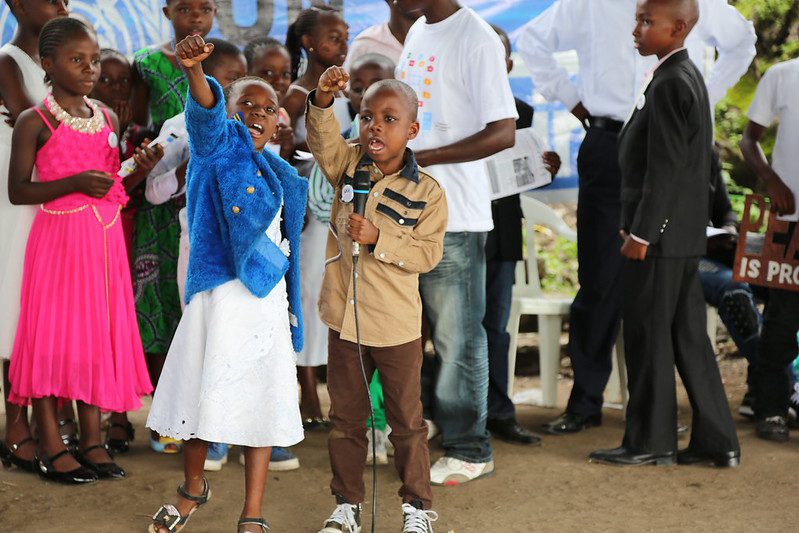
The U.N. Sustainable Development Goal (SDG) 15, Life on Land, tracks each nation’s attempt to “protect, restore and promote sustainable use of terrestrial ecosystems, sustainably manage forests, combat desertification, and halt and reverse land degradation and halt biodiversity loss.” For this goal, Mauritius has the dire U.N. classification of “major challenges remain.” Still, valiant organizations are striving to protect the stunning species and ecosystems found in Mauritius. Here are four updates on SDG Goal 15 in Mauritius.

4 Updates on SDG Goal 15 in Mauritius

  1. The mean area protected in terrestrial sites is important to biodiversity. This statistic is particularly important in Mauritius’s case due to the array of endemic species found on the island. The average area protected for these crucial sites is just over 9%. However, limited protection poses major challenges for protecting biodiversity and preventing native species from going extinct. Despite the efforts of groups like the Mauritian Wildlife Foundation, the average protected area has risen by less than 1% since 2000. The fascinating species found within these habitats, like the extraordinary Mauritian flying fox, contribute to the beauty and wonder of the natural world. This may disappear if protected areas do not grow.
  2. Mauritius’ score on the Red List of species survival is getting worse. The Red List measures “the change in aggregate extinction risk across groups of species” with zero being the worst rating and one being the best. Mauritius comes in at 0.39 with its score decreasing steadily each year. Unfortunately, more and more species in Mauritius go extinct every year. There are, however, some success stories. For example, the Saint Telfair’s skink is an abnormally large species of skink (a type of lizard) only found on islands off the coast of Mauritius. The skink used to be dangerously near-extinct, with just 5,000 individuals. But the Mauritian Wildlife Foundation and the Durrell Wildlife Conservation Trust‘s careful recovery efforts have raised the population to 50,000 individuals. Thus, NGOs are fighting to save species from extinction in Mauritius.
  3. Mauritius struggles with the effects of permanent deforestation. This phenomenon occurs when people cut down trees for urbanization or agriculture with no plan to re-plant them. Updates on SDG Goal 15 in Mauritius are the most positive for this statistic. However, challenges remain, as less than 2% of Mauritius’ original forest coverage survives. According to Douglas Adams in “Last Chance to See,” “[v]ast swathes of the Mauritius forest have been destroyed to provide space to grow a cash crop [sugar] which in turn destroys our teeth.” Thankfully, NGOs like Fondation Ressources et Nature are carrying out reforestation projects in Mauritian biodiversity hotspots. The One Million Trees Project also aims to plant one million trees in Mauritius by 2030.
  4. Imports threaten terrestrial and freshwater biodiversity in Mauritius. There is only one nation (Guyana) in the entire world that has a worse ranking than Mauritius in this category. Industrialized nations like the U.S., Canada, Japan and many E.U. countries also struggle with this goal. However, none come close to Mauritius’s ranking. Furthermore, imports that threaten biodiversity in Mauritius only compound the rest of the island’s ecological problems.

Moving Forward

Overall, the forecast for life on land and in Mauritius is grim. Biodiversity hotspots are severely threatened, leading to more species going extinct each year. Additionally, permanent deforestation decimates habitats, and Mauritians’ dependence on imports ravages native species. The country needs to make a concerted effort to save its amazing organisms and environments found nowhere else on Earth. Organizations like the Mauritian Wildlife Foundation are already doing this work, and they could use more international support if Mauritius is to progress on SDG Goal 15.

– Spencer Jacobs
Photo: Needpix

October 16, 2020
https://borgenproject.org/wp-content/uploads/borgen-project-logo.svg 0 0 Kim Thelwell https://borgenproject.org/wp-content/uploads/borgen-project-logo.svg Kim Thelwell2020-10-16 07:44:422024-05-30 07:52:21Updates on SDG Goal 15 in Mauritius
Food & Hunger, Food Insecurity, Food Security, Global Poverty, Human Rights, United Nations

How the UN Eradicates Poverty and Promotes Human Rights

u.n. eradicates povertyThe United Nations (U.N.) is an international organization designed for countries to work together on human rights issues, maintain peace and resolve conflicts. Currently, the U.N. consists of representatives from 193 countries. In the general assembly, nations have a platform for diplomatic relations. One of major missions of the U.N. is the eradication of global poverty. The U.N. eradicates poverty comprehensively and works to address current poverty levels and their resulting crises. Additionally, it works to prevent the causes of poverty from spreading on a global level.

What Is Poverty?

The U.N. defines poverty as “more than the lack of income and productive resources to ensure sustainable livelihoods.” The organization asserts that poverty affects people in many ways, including “hunger and malnutrition, limited access to education and other basic services, social discrimination and exclusion, as well as the lack of participation in decision-making.” Poorer countries that suffer from a lack of basic resources face all of these problems.

Around the world, more than 730 million people live below the poverty line. Many of these people live in Southern Asia and sub-Saharan Africa. These poor countries also often suffer from internal violence that impacts their ability to address the needs and vulnerabilities of their citizens. As such, poverty and conflict have a reciprocal relationship, both contributing to the other.

The U.N. eradicates poverty through multiple commissions that address specific populations and the issues they face. For example, UNICEF, the U.N. children’s commission, works specifically to address children living in poverty globally. It does so by promoting education access and healthcare, as well mitigating the damaging effects of armed conflict. Through “fundraising, advocacy, and education,” this division of the U.N. eradicates poverty and helps children around the world.

Poverty and Human Rights

The U.N. outlines inalienable international human rights as the following: “the right to life and liberty, freedom from slavery and torture, freedom of opinion and expression, the right to work and education, and many more.” One of the many detrimental effects of global poverty is high death rates. Poverty may cause death through water and food insecurity, as well as a lack of healthcare and medical access. This is why poverty is truly a human rights issue.

For someone to have a guarantee to life and liberty, they cannot be living in abject poverty. Education and the “right to work” are also rights affected by living in poverty. Education is sparse in many of the world’s poorest countries, which often suffer from high unemployment rates. This contributes to household income and citizens’ inability to provide for themselves and their families. Thus, poverty is a complex and multifaceted issue that affects all aspects of people’s lives, from their health and well-being to their futures.

The International Poverty Line

According to the U.N., as of 2015, there were “more than 736 million people liv[ing] below the international poverty line.” The international poverty line (IPL) quantifies people’s standard of living. This helps researchers, aid workers and governments assess people’s situation. It also allows these actors to assess their success in mitigating harm and promoting development. Foreign Policy explains that “The IPL is explicitly designed to reflect a staggeringly low standard of living, well below any reasonable conception of a life with dignity.”

The U.N. eradicates poverty by examining not only measures like the IPL but also the effects of extreme poverty. The number of people below the poverty line is important, but the U.N. focuses on what this means for people living in such poverty. For example, the U.N. notes that “[a]round 10 percent of the world population is living in extreme poverty and struggling to fulfill the most basic needs like health, education.”

The Future of the U.N. and Poverty

The U.N. is likely to remain one of the leading forces in the eradication of poverty and the promotion of human rights. Its unique history, size and diverse commissions make it a powerful organization. In particular, the commissions that work with vulnerable populations will be essential to securing the safety and prosperity of those living in poverty. Importantly, the U.N. eradicates poverty with the support of its 193 member states, as it depends on their sponsorship and help in conflict resolution. Just as poverty has no borders, neither should the solutions we use to solve it.

– Kiahna Stephens
Photo: Flickr

October 15, 2020
https://borgenproject.org/wp-content/uploads/borgen-project-logo.svg 0 0 Kim Thelwell https://borgenproject.org/wp-content/uploads/borgen-project-logo.svg Kim Thelwell2020-10-15 12:42:562024-05-30 07:52:20How the UN Eradicates Poverty and Promotes Human Rights
COVID-19, Global Poverty, Refugees, Refugees and Displaced Persons, United Nations

Sudanese Refugees in Egypt Face Impoverished Conditions

Sudanese RefugeesMany refugees in Sudan fled on foot to Egypt to escape violent and impoverished conditions in Sudan. About 3.8 million Sudanese refugees currently live in neighboring Egypt, which is a popular destination for Sudanese refugees because the country is accessible on foot and the refugees are still able to receive help from relatives. Egypt is a close destination and for some, it is a stopping point before they attempt to flee to Europe, which is an even more dangerous route. Although they may flee to Egypt, however, many face adversities of discrimination and poverty once there.

Sudanese Refugees

Many Sudanese flee their home country to other regions of Africa due to political conflict and economic turmoil. Refugees in Sudan escape their country on foot to neighboring countries. When the first civil war started about 60 years ago in southern Sudan, Sudanese refugees began to flee to Uganda, Kenya and Ethiopia.

Many individuals have fled for different reasons; some flee to obtain better rights, but in particular, many flee to escape religious persecutions. One Sudanese man was targeted due to his Christian faith and the police told him to renounce his faith. The Muslim faith is prominent and individuals who practice the Christian faith have suffered persecution. Since he continued to believe in his religion, the man went to jail where he faced beatings and torture. After spending weeks in jail, the Sudanese man fled to Cairo, Egypt.

Sudanese Refugees Face Discrimination in Egypt

Many refugees in Sudan flee to Egypt resulting in a burden on resources. Overall, Egypt hosts millions of refugees who flee their country’s terrible conditions, only to face racism in Egypt. Some Egyptians will call Sudanese refugees slaves and other ethnic slurs. Some have faced harassment that brings up traumatic memories and flashbacks of violent conditions they experienced in Sudan, including torture and rape. Sudanese children are sometimes bullied in school. Egyptians and even refugees from other countries exhibit this behavior.

Some individuals in Egypt recognize there is a problem and acknowledge that Sudanese refugees are negatively treated. The president of Egypt, Abdel-Fattah el-Sissi calls for his citizens to take action and to not mistreat Sudanese refugees. In 2018, an Egyptian court sentenced a man to seven years in prison for harassing, beating and killing a South Sudanese teacher who worked with refugees in Cairo.

Sudanese Refugees Face Poverty in Egypt

More than 5 million refugees in Sudan left their country to escape poverty but have subsequently faced financial hardships in Egypt. Sudanese refugees in Egypt are provided with 1,500 Egyptian pounds (LE) for every child from the United Nations through the Catholic Relief Services (CRS), with no additional assistance from the state. Thus, it is difficult for the refugees to pay for schools and other expenses. At the same time, it is difficult for a Sudanese refugee to find work in Egypt, even for those with higher education, since the residence permit does not allow work. Many who do find jobs work by cleaning houses and shops.

Due to the COVID-19 outbreak, many refugees in Sudan have faced an increased level of previous hardships. A fifth of foreigners were vulnerable and lost their jobs from the COVID-19 lockdowns in Egypt. In addition, many Egyptians have lost their jobs and in return have been forced to let go of migrant workers from Africa and Asia.

A Sudanese charity has financially helped more than 500 struggling families whose breadwinners have lost their jobs. Eviction has been a major problem for Sudanese refugees in Egypt, some of whom are attempting to return home.

Many Sudanese refugees escape their home country, only to face similar problems. Impoverished conditions continue to follow them within Egypt, although many strive to work harder in the new country. Organizations within Egypt need to help to eliminate discrimination against Sudanese refugees to alleviate their added struggles.

– Ann Ciancia
Photo: Flickr

October 13, 2020
https://borgenproject.org/wp-content/uploads/borgen-project-logo.svg 0 0 Jennifer Philipp https://borgenproject.org/wp-content/uploads/borgen-project-logo.svg Jennifer Philipp2020-10-13 14:59:382024-05-30 07:52:28Sudanese Refugees in Egypt Face Impoverished Conditions
Page 11 of 44«‹910111213›»

Get Smarter

  • Global Poverty 101
  • Global Poverty… The Good News
  • Global Poverty & U.S. Jobs
  • Global Poverty and National Security
  • Innovative Solutions to Poverty
  • Global Poverty & Aid FAQ’s
Search Search

Take Action

  • Call Congress
  • Email Congress
  • Donate
  • 30 Ways to Help
  • Volunteer Ops
  • Internships
  • Courses & Certificates
  • The Podcast
Borgen Project

“The Borgen Project is an incredible nonprofit organization that is addressing poverty and hunger and working towards ending them.”

-The Huffington Post

Inside The Borgen Project

  • Contact
  • About
  • Financials
  • President
  • Board of Directors
  • Board of Advisors

International Links

  • UK Email Parliament
  • UK Donate
  • Canada Email Parliament

Get Smarter

  • Global Poverty 101
  • Global Poverty… The Good News
  • Global Poverty & U.S. Jobs
  • Global Poverty and National Security
  • Innovative Solutions to Poverty
  • Global Poverty & Aid FAQ’s

Ways to Help

  • Call Congress
  • Email Congress
  • Donate
  • 30 Ways to Help
  • Volunteer Ops
  • Internships
  • Courses & Certificates
  • The Podcast
Scroll to top Scroll to top Scroll to top