• Link to X
  • Link to Facebook
  • Link to Instagram
  • Link to TikTok
  • Link to Youtube
  • About
    • About Us
      • President
      • Board of Directors
      • Board of Advisors
      • Financials
      • Our Methodology
      • Success Tracker
      • Contact
  • Act Now
    • 30 Ways to Help
      • Contact Your Leader
      • Volunteer
      • Courses & Certificates
      • Be a Donor
    • Internships
      • In-Office Internships
      • Remote Internships
    • Legislation
      • Politics 101
  • The Blog
  • The Podcast
  • Magazine
  • Donate
  • Click to open the search input field Click to open the search input field Search
  • Menu Menu

Tag Archive for: Unemployment

Posts

COVID-19, Global Poverty, Health, Homeless, Homelessness

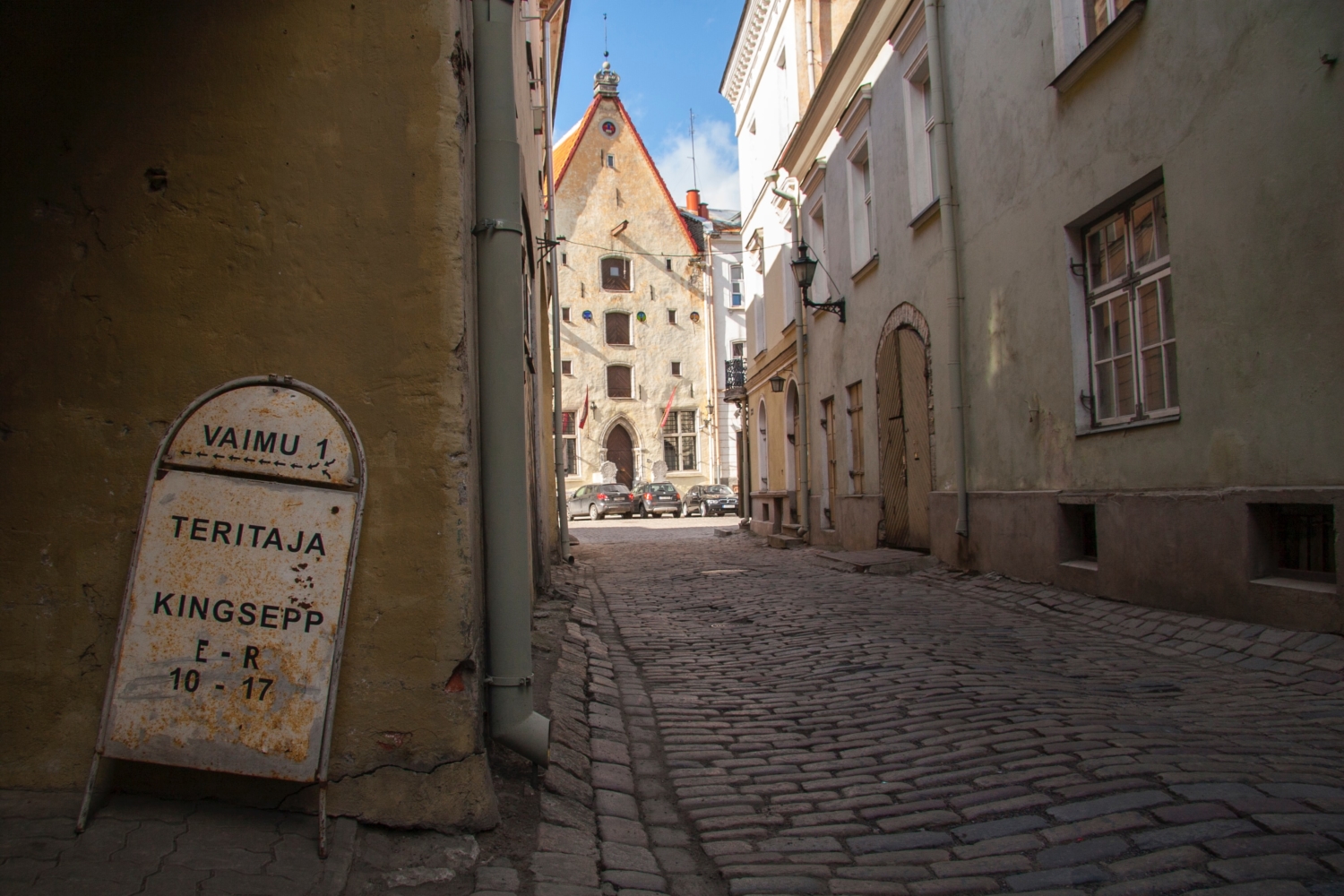
6 Facts About Homelessness in Estonia

Homelessness in EstoniaIn the mid-90s and early 2000s, Estonia, a country in Northern Europe, oversaw a housing reform. This reform sought to improve the living conditions for Estonians and reduce the number of people who were experiencing homelessness in Estonia. Here’s the situation today:

6 Facts About Homelessness in Estonia

  1. A small percentage of Estonians are homeless – The Institute of Global Homelessness reported that around 864 Estonians were homeless in 2011, which amounts to 0.06% of the population. However, in 2018, the European Journal of Homelessness estimated that 1.5% of Estonians are homeless, which amounts to between 1,900 and 2,100 people.
  2. Unemployment can be a major influence on homelessness in Estonia – A 2014 study in the European Journal of Homelessness found that 5.5% of Estonians are unemployed (2% of which reside in Tallinn, the capital.)
  3. Alcohol dependency can inhibit self-subsistence – The percentage of Estonians who are homeless with mental health issues is increasing, and some of these issues may result from alcohol dependency, alongside other factors. Alcoholism can make it more difficult for people who are trying to gain self-sufficiency.
  4. Testing (for respiratory diseases such as COVID-19) is insufficient for homeless shelters in many European countries – People in shelters who test positive for airborne illnesses must be isolated, according to a report by members of the European Federation of National Organisations working with the Homeless (FEANTSA), yet self-isolation is not always easy in shelters. In an Estonian shelter, after one individual in the shelter tested positive for COVID-19, testing was made available for the other residents, and 56% of those who lived in the shelter tested positive as well. FEANTSA argues that “housing must be reaffirmed as a human right” in order to help those who are experiencing homelessness in Estonia.
  5. Certain shelters and programs provide the homeless with residential services – Shelters like the one in Nõmme District in Tallinn provide the homeless in Estonia with a resocialization plan where residents work on gaining work skills to be able to afford residential spaces of their own. Half of the shelter’s residents pay their own fees that they gained from employment to stay in the shelter, and if a resident cannot pay, the city pays on his/her behalf. This plan lasts for six months, though residents are allowed to stay for longer if they aren’t able to afford their own place of residence at that time.
  6. Housing has improved for Estonians since the 90s – In 1989, there were more households in Estonia than there were residences. From 1994-2004, a housing reform took place, and by 2011, the number of residences was 16% greater than the number of households. Though factors such as rising rental costs can still make it hard for a struggling family to afford to live in their own residence, living conditions have improved overall.

As Estonia’s government has been working to reduce homelessness, programs that have helped reform housing have been effective in reducing homelessness in Estonia since the 1990s. Yet there is still work to be done – lessening the situations which cause homelessness is imperative.

– Ayesha Asad
Photo: Unsplash

September 24, 2020
https://borgenproject.org/wp-content/uploads/borgen-project-logo.svg 0 0 Kim Thelwell https://borgenproject.org/wp-content/uploads/borgen-project-logo.svg Kim Thelwell2020-09-24 18:51:312020-09-25 04:44:246 Facts About Homelessness in Estonia
Global Poverty

How China’s Street Vendors Help the Economy

street vendors As the first country affected by COVID-19, China is now recovering from the pandemic. Businesses are reopening gradually and people are slowly returning to their normal day-to-day life. However, the pandemic triggered an increase in unemployment, rising from 5.7% to 6.2% in February. Since then, the government has been working to address this rapid rise. In addition to the expansion of civil servants and enterprises, the government is encouraging street vendors to help solve the problem of employment.

Economic Disparity

China has a large population of low-income citizens whose vulnerability is increased during times of crisis. This problem is not only an economic problem but also an issue of stability of sovereignty. During last month’s parliament session, Prime Minister Li Keqiang discussed civilian livelihood, reporting that 600 million citizens were still only making a monthly income of around 1,000 yuan ($140). This shows that there is still a large number of people in China who are unable to fill their basic needs without an increase in their income. As a result, China has begun to recognize the importance of developing the street vendor economy, which can help decrease unemployment and drive up higher consumption.

Street Vending in Public Policy

With the target of eliminating poverty by 2020, the approval of street vendors has become a necessary choice. Street stalls were previously thought to clash with the modern urban landscape of cities. However, the Chinese government had a change in attitude following the successful street stall experiment in Chengdu, China. The government found that reintroducing street stalls in Chengdu created 100,000 new jobs and largely increased people’s interest in entrepreneurship. Thus, the policy was implemented across the country.

Additionally, many large companies from a variety of sectors are stepping in and showing their support for street vending. Alibaba is one of the largest online shopping platforms in China. It pledged to sell merchandise to stall owners at a reduced price. Additionally, Dongfeng Motor Group and Jiangling Motors Corp (JMC) said its “vans can be modified to suit vegetable sellers or BBQ street food vendors.”

Effect on Unemployment

In June, unemployment was at  5.7%, which was a decrease of two points from the previous month. At that time, China had also created 5.64 million jobs. The increased use of street vendors is contributing to the stimulation of China’s economy and encouraging cash fl0w. Street vendors are aiding in the absorption of the labor force. They are helping those who have been unable to find work and who have not yet received aid due to the pandemic.

There is still some debate in areas like Bejing as to whether street vendors will help the economy. However, Chengdu created 100,00 jobs in May by opening “tens of thousands of street stalls.” Other local governments are following suit. Lanzhou announced its plans to open 11,000 more vendors with the possibility of providing an additional 300,000 jobs. By July, the unemployment rate had not lowered, but it also did not go up.

In a time when many countries are facing a spike in unemployment, China’s use of innovative solutions sets an encouraging example. By using street vendors as a way to stimulate the economy, China is supporting small businesses and improving consumer confidence. 

– Dihan Chen
Photo: Flickr

August 31, 2020
https://borgenproject.org/wp-content/uploads/borgen-project-logo.svg 0 0 Kim Thelwell https://borgenproject.org/wp-content/uploads/borgen-project-logo.svg Kim Thelwell2020-08-31 07:30:392020-08-25 18:47:24How China’s Street Vendors Help the Economy
Global Poverty

National Governments Fight EU Youth Unemployment

EU Youth UnemploymentIn 2019, the EU youth unemployment rate was at its lowest point in the last 10 years. More than 3.3 million young people (aged 15-24 years) were unemployed that same year, but compared with the previous year (2018), the situation looks much better. In 2018, more than 5.5 million young people were neither employed nor enrolled at an educational institution or training program. This vital change is achieved thanks to multiple EU policies and tools. It provides proper training and education, prepares youngsters for the labor market and gives them the chance to be competitive and successful. However, it is important to note that youth unemployment is 10 points higher than the average and there is a lot more space for improvement.
EU Youth Unemployment: Social and Economic Impacts

Eurostat reports show that EU youth unemployment rates are much higher than unemployment rates for all other age groups. In January 2019, jobless men and women above the age of 25 are 5.7%. As for the same period, rates among youths are 14% which is almost three times higher.

The unemployment rate is an essential indicator of both social and economic dimensions of youth poverty. Dangerously high unemployment rates show that young people can’t find their place in the labor market. Thus, they are not an active part of society. Jobless youngsters most often live with their parents, which destroys their learning motivation and civic engagement. Additionally, the lack of financial independence prevents them from going out and traveling. The combination of these factors kills their drive to find a job that creates even deeper despair on the emotional level.

A vicious circle starts forming around these young people who lose interest in social causes, politics and innovations. Once they lose their drive, long term unemployment is just the next step, according to studies in the EU. Unfortunately, many teenagers and twenty-something college graduates do not find jobs right after leaving the education system.

EU Institutions and National Governments Tackle Youth Unemployment

Young people’s labor market performance has indeed improved significantly over the past few years. According to the European Commission, there are 2.3 million fewer young unemployed now than five years ago. Around 1.8 million young people started apprenticeships, education or other kinds of training. Youth unemployment had decreased from 24% in 2013 to 14% in 2019.

The significant decrease of EU youth unemployment is possible through a combination of EU and national governments’ efforts to fight this phenomenon with various measures. This includes the promotion of a life-cycle approach to work, encouraging lifelong learning, improving support to those seeking a job and free training programs.

The latest research shows that apprenticeship and traineeship programs help prepare young people for the labor market and build relevant skills. Coordinating social policies like education or youth engagement and economic policies like employment rates is hard but a balanced governmental approach. With support from the local business in different countries, the number of youth employment increases in recent years. New partnerships have been set up with social partners, youth services and youth organizations as well.

These efforts should work to tackle EU youth unemployment by helping students and young professionals build attractive resumes for businesses operating on the global labor market. Nowadays, finding a job is more challenging than ever. Global competition requires all kinds of skill-sets from newcomers. In addition, these programs are designed to reinforce youngsters’ positions at this entry point. Besides, NGO initiatives and partner organizations create platforms for online education. The platforms are for people to take specialized courses without the need to enroll in an official university program. It’s easier, faster and very practical. Usually, such NGOs cannot provide certificates or diplomas, but the good news is businesses don’t need one. If the young person shows skills and a can-do attitude, he/she is hired.

The Changing of European Higher Education

The European conservative format of higher education is also changing slowly. More universities invite businesspeople to the campuses. This way the students can get the chance to meet entrepreneurs with hands-on experience and learn in a more informal environment. This type of education is most popular in the U.S., while formal education in Europe is still lagging in this regard. But times are changing, dynamics of life, work and study are different, and all involved parties are adjusting. There is no doubt that universities should work hand in hand with businesses to ensure a prospective future for young people.

– Olga Uzunova

Photo: Flickr

July 3, 2020
https://borgenproject.org/wp-content/uploads/borgen-project-logo.svg 0 0 Jennifer Philipp https://borgenproject.org/wp-content/uploads/borgen-project-logo.svg Jennifer Philipp2020-07-03 01:31:162020-07-10 10:02:43National Governments Fight EU Youth Unemployment
Global Poverty, Homelessness

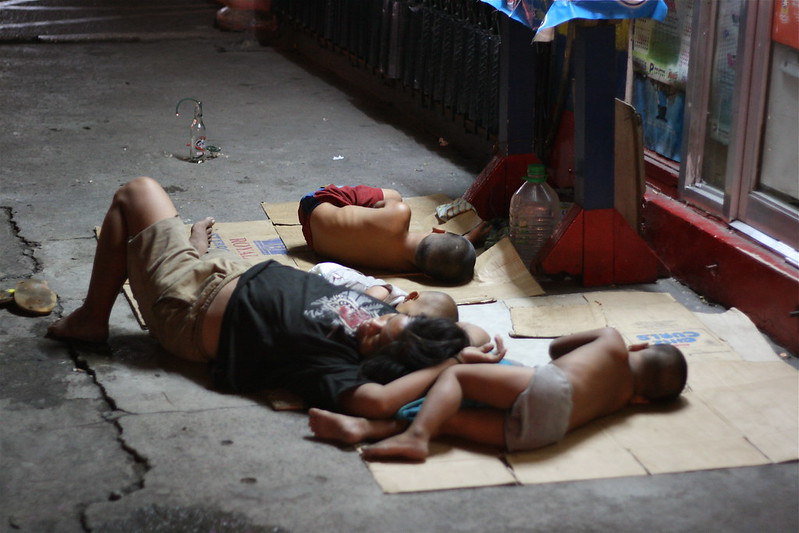
The State of Homelessness in the Philippines

homelessness in the Philippines
The Philippines is one of the fastest-growing economies in Southeast Asia, yet it is facing a homeless crisis. There are approximately 4.5 million homeless people, including children, in the Philippines, which has a population of 106 million people. Homelessness in the Philippines is caused by a variety of reasons, including lost jobs, insufficient income or lack of a stable job, domestic violence and loss of home due to a natural disaster. The government and non-governmental organizations (NGOs) are working to address this issue.

Causes of Homelessness

In the Philippines, families end up homeless for many reasons, including:

  • Poverty: Although the unemployment rate in the Philippines is low (5.3% in March of 2020), 16.6% of Filipinos’ wages remained below the country’s poverty line in 2018. Low income can make it difficult for many families in the Philippines, especially those living in Manila, to pay rent.
  • Domestic violence: Women and children in the Philippines are in danger of domestic abuse, exploitation and trafficking. Approximately one in five women between the ages 15-49 in the Philippines experience domestic violence in their life. Women who escape their abusive partners could lose their source of income and have difficulty finding a place to stay. Shelters for women tend to have long waiting list.
  • Human trafficking: In the Philippines, there are approximately 100,000 people trafficked each year. Many trafficked victims are promised jobs in the cities. However, after moving to a city, they are exploited and forced into prostitution.
  • Natural disasters: In addition, some families have lost their homes due to natural disasters such as typhoons, earthquakes and volcano eruptions. In 2019, more than 20 typhoons battered the Philippines. One of the typhoons that hit the country damaged over 500,000 houses. A volcano eruption that happened in January impacted half a million people and forced the relocation of 6,000 families.

Types of Homeless Families

According to the Modified Conditional Cash Transfer for Homeless Street Families (MCCT-HSF) program, homeless families fit into four different categories:

  • Families on the street: “Families on the street” represent 75% of the homeless population. They are families who earn their livelihood on the street, but eventually return to their original communities. This category includes both “displaced homeless families” and “community-based street families”.
  • Families of the street: “Families of the street” are families who live on the street for a long time and have created communities among themselves. They perform daily activities, like cooking, bathing or playing in the public spaces they live in. They are visible by their use of a “kariton,” also known as a pushcart that contains their family’s belongings, which they move around within Manila.
  • Displaced homeless families: “Displaced homeless families” are families who have lost their homes due to natural disasters or live in their communities. They are families who leave their rural communities of the Philippines to find a job in the cities. This category also may also include families and children who may be escaping abuses at home. Displaced homeless families may also push around a kariton that contains their personal belongings.
  • Community-based street families: “Community-based street families” are families who are from rural communities, but move to urban areas for a better way of life; however, they often end up returning to the rural area they are from.

Homeless Children

Homeless children are among the most vulnerable of the homeless in the Philippines. There are approximately 250,000 homeless children; however, that number could be as high as 1 million. Children leave home and end up on the streets because of the excessive beating from their parents, poverty or sexual exploitation.

When children are on the streets, they can face problems such as sexual exploitation, abuse and prostitution. Although victims of circumstances beyond their control, children who live on the street are often viewed as criminals or future criminals resulting in discrimination from the police. Additionally, to numb their pain and their hunger, some children may turn to drugs. Both the external and internal factors that children face make it very difficult for them to escape the street life.

Addressing Homelessness in the Philippines

The government, NGOs and religious institutions are working help the homeless. Government programs include the Modified Conditional Cash Transfer for Homeless Street Families program (MCCT-HSF). This program provides financial support, such as housing grants and funding for health and education, to homeless families in Metro Manila.

To help street children, ASMAE-Philippines travels the streets of Manila to teach kids on the basics of hygiene. The organization also provides children with school support, as well as supporting other NGOs in the area. Kanlungan sa ER-MA Ministry, Inc. is another organization that works to educate street children, though projects that teach children about hard work while providing them with an income.

Although the government and NGOs have made efforts to help the homeless population, much more still needs to be done. Moving forward, these initiatives need to be increased in order to significantly reduce homelessness in the nation.

– Joshua Meribole 
Photo: Flickr

July 2, 2020
https://borgenproject.org/wp-content/uploads/borgen-project-logo.svg 0 0 Jennifer Philipp https://borgenproject.org/wp-content/uploads/borgen-project-logo.svg Jennifer Philipp2020-07-02 07:00:052024-12-13 17:51:15The State of Homelessness in the Philippines
Global Poverty

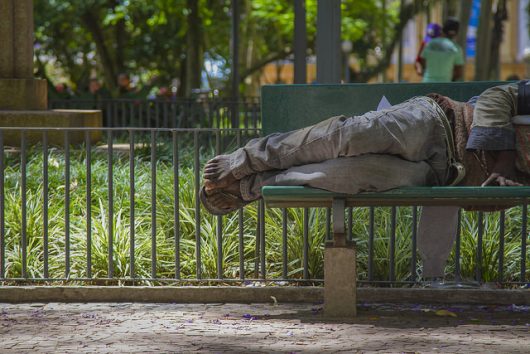
New Jobs in Pakistan: Helping the Unemployed During COVID-19

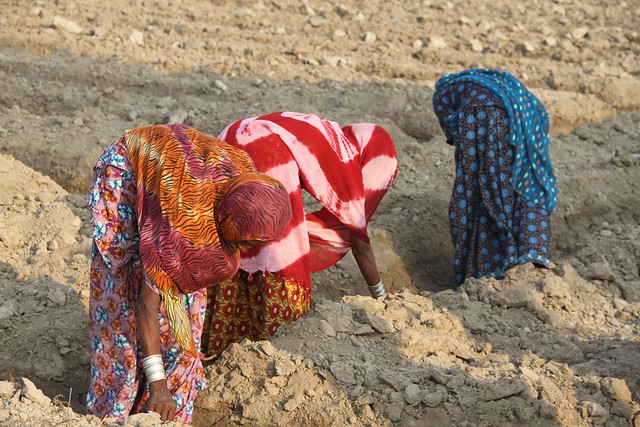
Jobs in PakistanDue to the coronavirus pandemic, many people around the world lost have their jobs and are now facing financial hardship. The economic impact is projected to increase global poverty. This will be the first time since 1998 that the world sees an increase. Luckily, countries have been creating new job markets to aid the unemployed and fight poverty levels. A new market of jobs in Pakistan has been created for those laid off because of the coronavirus: tree planting.
“10 Billion Trees Tsunami”

In 2018, Pakistan started a campaign called the “10 Billion Trees Tsunami” program. The project goal: to plant more trees and fight against deforestation. Additionally, this program will help the environment. Jobs in Pakistan have already been affected by the pandemic, and it is projected that as many as 19 million people will be laid off due to COVID-19. To combat this, Pakistan started employing those who lost their jobs because of the virus to plant trees as a part of their “10 Billion Trees Tsunami” program. Though this program was not specifically created for those who lost their jobs due to the pandemic, it is greatly helping those who did. These new laborers have been dubbed “jungle workers.” This program aims at creating more than 60,000 jobs as a way to help citizens and the economy and fight against climate change. In order to help as many citizens as possible during this devastating time, the program has tripled the number of workers hired.

These jungle workers are mostly seen in rural areas. Hiring is aimed primarily at women, unemployed daily workers and those who are from cities in lockdown. A large portion of the workforce is also made up of young people. As tree planting does not require much past experience, many unskilled workers are still able to be employed during this harsh economic period. There are still strict precautions in place for those working, such as having to wear a mask and continuing to keep a social distance of 6 feet while working.

Relief for the Unemployed

The program’s creation of new jobs in Pakistan allows its citizens to continue making enough money in order to provide for their families. A construction worker named Abdul Rahman lost his job when the coronavirus struck and began to face financial instability. Once employed as a jungle worker for the “10 Billion Trees Tsunami,” he was able to start providing for his family again. In an interview with the Thomson Reuters Foundation, Rahman said “Due to coronavirus, all the cities have shut down and there is no work. Most of us daily wagers couldn’t earn a living.” Rahman is now earning around ₹500 a day, which translates to about $3. Though this payment is about half of what he would have made on a good day as a construction worker, he says it is enough “to feed our families.”

Pakistan’s Positive Example

Through this program and its employment of more citizens, Pakistan is taking a step towards rebuilding its economy and aiding poor citizens. The project aims at having planted 50 million trees by the end of this year and, with the addition of more workers, this goal is achievable. The presence of such jobs in Pakistan is an example of hope during this time and, as the economy improves, Pakistani citizens can earn living wages and the environment reaps the benefits.

– Erin Henderson
Photo: Flickr

June 17, 2020
https://borgenproject.org/wp-content/uploads/borgen-project-logo.svg 0 0 Jennifer Philipp https://borgenproject.org/wp-content/uploads/borgen-project-logo.svg Jennifer Philipp2020-06-17 10:49:022024-05-29 23:17:34New Jobs in Pakistan: Helping the Unemployed During COVID-19
Economy, Global Poverty, Homeless, Slavery

10 Facts About Poverty in Brazil

Facts About Poverty in Brazil
The biggest country in South America is dealing with one of the most drastic poverty issues on Earth. Despite billions of dollars invested in event tourism like the World Cup (2014) and the Olympics (2016), Brazil’s economy has begun to spiral downward as the country faces its biggest decline in over a decade. These crucial facts about poverty in Brazil offer insight on the issues that plague them.

Poverty in Brazil

  1. The homeless population is revolutionary
    One of the recent facts about poverty in Brazil is that squatters there have collectively chosen to occupy abandoned hotels and are now facing the threat of eviction. One example is the Mauá Occupation, which houses over 1,000 people that make up around 237 families. Mauá was a unique idea back in 2007 when the homeless population was barely surviving on the streets and began taking up land by way of force. Now, it has become a full-blown movement. Like many countries, Brazil suffers from gentrification and increased living costs. Brazil’s gentrification has created a revolution of homeless people occupying space both as a protest and out of necessity. This past November, over 20,000 homeless marched throughout the city in direct protest of the housing inequity.
  2. Slavery ended only 130 years ago; inequality still devastating
    In 1888, Brazil became the last country in the Western Hemisphere to abolish slavery, and the social, economic and moral ramifications of it still ripple throughout the nation. This is one of the more subtle and lesser spoken facts about poverty in Brazil because it reflects an ugly part of a recent history. Known as Afro-Brasileiros, black and brown Brazilians make up 51 percent of the nation’s population and suffer from discrimination and exclusion more than their lighter-skinned neighbors. Afro-Brasileiros also make up the majority of the homeless and poor population, and only seven percent of the city’s rich self-identify as such. Despite being known as a racial democracy, 80 percent of Brazil’s richest one percent are white, while only 13 percent of black and mixed-race Brazilians between 18 and 24 are currently enrolled in college. Afro-Brasileiro activism takes many forms; the Quilombos are descendants of slaves fighting for reparations. Another group focuses on the disproportions of blacks dying at the hands of Brazilian police. They have the slogan #VidasNegrasImportam, which translates to “Black Lives Matter.”
  3. New spending cap is making matters worse
    The new spending cap, known as PEC 55, will cut public spending for programs that help the poor. A U.N. official lauded it as the most socially regressive austerity package in the world. With 60 percent of Brazilians opposing it, the 20-year spending freeze inducted by President Temer has been protested and deemed a direct attack on the poor by many analysts.
  4. Unemployment was once slow growing; now it’s much faster
    Since the end of the World Cup in 2014, Brazil’s economy has been steadily declining to a new low. Unemployment grew from about six percent in December 2013 to nearly 12 percent in November 2016, despite almost 30 million Brazilians rising out of poverty between 2004 and 2014. Economic inequality is now expected to increase and around 2.5 million more Brazilians will be forced into poverty in the coming years.
  5. Water everywhere but not much to drink
    Roughly 20 percent of the world’s water supply is in Brazil yet much of the population suffers from a water shortage. The problem is that water is being used to power the economy, not the people. This is actually one of the older facts about poverty in Brazil, as the nation’s water misallocation has always been notoriously underserving. More than 60 percent of the nation’s energy is from hydropower plants while 72 percent of the water supply is consumed by agriculture via irrigation. In fact, Brazil is one of the most water-dependent nations in the world. More than eight percent of its GDP is agriculture and agroindustries, making it the world’s second-largest food exporter. Allocation of most of the nation’s water goes to the business sectors, and between 2004 and 2013, there was only a 10 percent increase in sanitation networks among the poorest 40 percent (i.e., households with toilets).
  6. From an emerging economy to a shrinking one
    Formerly an emerging economy growing at a rate of 7.5 percent in 2010, it shrunk at about the same rate over the last two years. Shrinkage is expected to increase due to President Temer’s privatization plan, and around 57 state assets are set to undergo a privatized makeover. From highways to airports and even the national mint, the privatization is in an effort to increase employment and improve quality of the service provided by the sectors. There is some proof that this could work; back in the 90s, the privatization lead to the considerable modernization of several crucial sectors. The best possible scenario still leaves the majority of the population, specifically the poorest, out of the financial loop.  Attracting international interests is great for the richest population looking to sell land to the highest bidder which happens to be China.
  7. Deforestation of the Amazon by China hurts locals directly
    China’s overwhelming demand for food meets Brazil’s immense agricultural production in a way that primarily benefits the wealthiest of Brazil. The Brazilian government has been selling off large parts of the Amazon to China directly, ironically in an effort to help China’s pollution while hurting Brazil’s sensitive ecology and economy. China’s deforestation of the Amazon temporarily increases employment in Brazilian cities near the forest, but then once first stages of production are over, massive layoffs result in a plummet of employment with the social climate (increased crime and violence) going with it. The massive deforestation even threatens Brazil’s ecological promises involved with the Paris Agreement.
  8. Infant mortality has dropped significantly but could be lower
    As of 2016, Brazil has significantly lowered it’s infant mortality rate from about 53 deaths per 1,000 (circa 1990) live births to about 14. While this is quite an achievement for such a developing country with so many social problems, UNICEF, the organization most responsible for helping the decline, remarked that the indigenous children of Brazil’s mortality rate is twice as high as those of city-born children. This shows that even for countries with relatively low levels of mortality, greater efforts to reduce disparities at the sub-national level are still needed. According to UNICEF, back in 2013 at least 32 municipalities still had an infant mortality rate of 80 deaths per 1,000 live births.
  9. Worker’s Unions are going extinct
    A recent law passed by President Temer allows employers to bypass nearly all hurdles set up by unions by eliminating a “union tax” that generates funding for worker’s unions. Designed to aid multinational corporations and not workers, the “reform” has been criticized by the International Labor Organization (ILO) as being in violation of international conventions. This permits inhumane working conditions and legalizes free labor. Legislation changes like this alter the future of the Brazilian workforce exponentially as multinational companies begin their migration into the Amazon.
  10. The right conditions for slavery
    Temer altered the definition of slavery so that it is defined by the victim’s freedom to leave. Meaning if a worker is kept in all the same living conditions as slavery, but not being physically forced to stay, it is to be considered legal labor. This is an emerging fact about poverty in Brazil because it has not happened yet, but legislatively, the absurd conditions do exist and the threat of slave labor is very real. This critical alteration of the definition has lead to the need for deeper investigations and, in alignment with the new changes, requires a police report with every case, creating more complications with each case. This drastically hurts the effectiveness of the ILOs ongoing fight against slavery which saw the liberation of more than 30,000 slaves in Brazil since 2003. The migration of businesses to the Amazon has made investigations much harder for the ILO and the conditions under which slaves work have gotten more brutal as well.

– Toni Paz
Photo: Flickr

March 2, 2018
https://borgenproject.org/wp-content/uploads/borgen-project-logo.svg 0 0 Borgen Project https://borgenproject.org/wp-content/uploads/borgen-project-logo.svg Borgen Project2018-03-02 19:19:392020-01-08 15:08:5110 Facts About Poverty in Brazil
Global Poverty

Increasing Employment Opportunities in Serbia

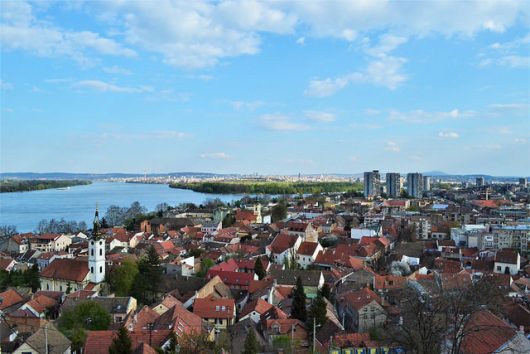
Increasing Employment Opportunities in SerbiaUnemployment remains a growing concern for many Serbians. The country’s statistical office reports that Serbia’s unemployment rate rose to 19 percent in June 2016. The Belgrade region had the highest unemployment rate of 20.5 percent, and southern and eastern Serbia had an unemployment rate of 20.2 percent. However, work is being done to increase employment opportunities in Serbia.

New Jobs Opening in Serbia

In March 2017, Prime Minister Aleksandar Vucic attended the signing of an agreement with the U.S. company NCR that plans to create 1,500 new jobs in Serbia. NCR will have more than 3,600 permanent employees in Serbia once the new jobs are created. This will be a significant increase from the 300 employees that NCR hired when the company arrived in Serbia in 2011.

In September 2017, Turkish investors expressed interest in opening 3,500 jobs in southern Serbia within the next three years. Zoran Djordjevic, Serbia’s labor minister, says talks will be held with the investors to explore all potential opportunities for cooperation. Djordjevic also presented the investors with Serbia’s new laws that will have an impact on their business activities.

Investing in Serbia’s Youth

The Center for Advanced Economic Studies presented a study entitled “Mapping Barriers to Youth Entrepreneurship in Serbia” to the Serbian Chamber of Commerce (SCC) at a panel discussion on April 25, 2017. Marko Čadež, the SCC president, mentioned that entrepreneurship is a key solution for increasing employment opportunities in Serbia. Čadež added that the SCC is continuously working to encourage and support business start-ups.

Axel Dittmann, Serbia’s German ambassador, noted that youth unemployment is an important segment to be addressed. Dittmann also said that Serbia’s youth have the greatest potential to boost the country’s economic growth. Snežana Klašnja, Serbia’s assistant minister of youth, says that while only 817 young Serbians have been employed through her ministry’s initiatives, there is still much work to be done.

Serbia’s Increasing Employment Rate

In October 2017, there were 622,000 unemployed people in Serbia, a slight decrease from the 55,000 additional Serbians unemployed in 2016. “We expect for the annual unemployment rate to further drop,” says Zoran Martinovic, the director of the National Employment Office. Martinovic also revealed that 206,000 Serbians found employment in the first nine months of 2017.

Martinovic added that IT professionals, engineers and financial experts are most in demand for Serbia. A few unemployed Serbians expressed interest to participate in retraining programs as well. Serbia’s government is implementing a retraining program for 900 IT professionals who are preparing for more complex IT jobs.

ICT Hub’s Success in Serbia

Decreasing job opportunities have also caused many Serbians to leave their country. However, a program known as ICT Hub is working to increase employment opportunities in Serbia. Launched as part of a partnership with USAID in 2014, ICT Hub mentors Serbia’s entrepreneurs, helping them avoid the risks and costs of pursuing innovative ideas.

“Many of my friends left Serbia, but I believe one can succeed here just as anywhere else,” says Uroš Mijalković, a Serbian entrepreneur who managed to create a mobile gaming application with ICT Hub’s help. Mijalković’s gaming application Karate DO is now played by 12,000 people in 162 countries. “So far, 25 businesses with market potential have gotten off the ground at the ITC Hub,” says Kosta Andri, the ICT Hub’s director.

While these efforts are helping Serbian citizens find more job opportunities, there is still much work to be done. The growing rate of Serbians leaving their country can still decrease based on the help of Serbia’s government, ITC Hub and other entities. For now, the main goal of these projects and efforts is to increase employment opportunities in Serbia.

– Rhondjé Singh Tanwar

Photo: Flickr

February 19, 2018
https://borgenproject.org/wp-content/uploads/borgen-project-logo.svg 0 0 Borgen Project https://borgenproject.org/wp-content/uploads/borgen-project-logo.svg Borgen Project2018-02-19 07:30:372024-06-08 04:09:28Increasing Employment Opportunities in Serbia
Advocacy, Global Poverty, Hunger

The Top 10 Most Important Current Global Issues

current global issues

Among all the good in the world, and all the progress being made in global issues, there is still much more to be done. Given the overwhelming disasters that nations, including the U.S., have been or still are going through, it is important to be aware of the most pressing global issues.

Top 10 Current Global Issues

  1. Climate Change
    The global temperatures are rising, and are estimated to increase from 2.6 degrees Celsius to 4.8 degrees Celsius by 2100. This would cause more severe weather, crises with food and resources and the spread of diseases. The reduction of greenhouse emissions and the spreading of education on the importance of going green can help make a big difference. Lobbying governments and discussing policies to reduce carbon emissions and encouraging reforestation is an effective way of making progress with climate change.
  2. Pollution
    Pollution is one of the most difficult global issues to combat, as the umbrella term refers to ocean litter, pesticides and fertilizers, air, light and noise pollution. Clean water is essential for humans and animals, but more than one billion people don’t have access to clean water due to pollution from toxic substances, sewage or industrial waste. It is of the utmost importance that people all over the world begin working to minimize the various types of pollution, in order to better the health of the planet and all those living on it.
  3. Violence
    Violence can be found in the social, cultural and economic aspects of the world. Whether it is conflict that has broken out in a city, hatred targeted at a certain group of people or sexual harassment occurring on the street, violence is a preventable problem that has been an issue for longer than necessary. With continued work on behalf of the governments of all nations, as well as the individual citizens, the issue can be addressed and reduced.
  4. Security and Well Being
    The U.N. is a perfect example of preventing the lack of security and well being that is a serious global issue. Through its efforts with regional organizations and representatives that are skilled in security, the U.N. is working toward increasing the well being of people throughout the world.
  5. Lack of Education
    More than 72 million children throughout the globe that are of the age to be in primary education are not enrolled in school. This can be attributed to inequality and marginalization as well as poverty. Fortunately, there are many organizations that work directly with the issue of education in providing the proper tools and resources to aid schools.
  6. Unemployment
    Without the necessary education and skills for employment, many people, particularly 15- to 24-year olds, struggle to find jobs and create a proper living for themselves and their families. This leads to a lack of necessary resources, such as enough food, clothing, transportation and proper living conditions. Fortunately, there are organizations throughout the world teaching people in need the skills for jobs and interviewing, helping to lift people from the vicious cycle of poverty.
  7. Government Corruption
    Corruption is a major cause of poverty considering how it affects the poor the most, eroding political and economic development, democracy and more. Corruption can be detrimental to the safety and well being of citizens living within the corrupted vicinity, and can cause an increase in violence and physical threats without as much regulation in the government.
  8. Malnourishment & Hunger
    Currently there are 795 million people who do not have enough to eat. Long-term success to ending world hunger starts with ending poverty. With fighting poverty through proper training for employment, education and the teaching of cooking and gardening skills, people who are suffering will be more likely to get jobs, earn enough money to buy food and even learn how to make their own food to save money.
  9. Substance Abuse
    The United Nations reports that, by the beginning of the 21st century, an estimated 185 million people over the age of 15 were consuming drugs globally. The drugs most commonly used are marijuana, cocaine, alcohol, amphetamine stimulants, opiates and volatile solvents. Different classes of people, both poor and rich, partake in substance abuse, and it is a persistent issue throughout the world. Petitions and projects are in progress to end the global issue of substance abuse.
  10. Terrorism
    Terrorism is an issue throughout the world that causes fear and insecurity, violence and death. Across the globe, terrorists attack innocent people, often without warning. This makes civilians feel defenseless in their everyday lives. Making national security a higher priority is key in combating terrorism, as well as promoting justice in wrongdoings to illustrate the enforcement of the law and the serious punishments for terror crimes.

With so many current global issues that require immediate attention, it is easy to get discouraged. However, the amount of progress that organizations have made in combating these problems is admirable, and the world will continue to improve in the years to come. By staying active in current events, and standing up for the health and safety of all humans, everyone is able to make a difference in changing the fate of our world.

– Chloe Turner

Photo: Flickr


January 18, 2018
https://borgenproject.org/wp-content/uploads/borgen-project-logo.svg 0 0 Borgen Project https://borgenproject.org/wp-content/uploads/borgen-project-logo.svg Borgen Project2018-01-18 07:30:302024-05-29 22:30:05The Top 10 Most Important Current Global Issues
Global Poverty

Big Four Causes of Poverty in Honduras

Big Four Causes of Poverty in Honduras

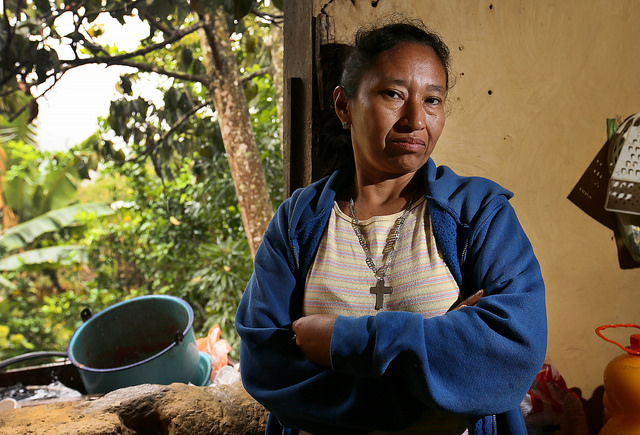
Honduras is one of the poorest countries in Central America, with an estimated  51.3% of the population living in poverty. Political and socioeconomic vulnerabilities have subjected many residents to food insecurity and violence, putting high-risk groups such as women, children and people living in rural areas in great danger of succumbing to extreme poverty. 

Below are the four main causes of poverty in Honduras:

Hunger and Malnutrition

Honduras has a population of over ten million people, yet acute food insecurity affects an estimated  2.3 million of this number every year. Increasing levels of inequality, vulnerability to extreme weather conditions and a lack of access to vital resources have contributed to widespread hunger, especially for residents living in rural and indigenous areas. Chronic malnutrition also causes stunting in 23% of children and can be attributed to low nutrient density in available foods, the prevalence of early childbearing and poor child-feeding practices. Lacking nutrients of concern include zinc, vitamin B2, vitamin B6, niacin, folate and vitamin C.

Natural Disaster and Drought

Honduras is highly vulnerable to natural disasters. Hurricanes, heavy rain, flooding and frequent droughts often destroy crops and hinder agricultural production. Rural populations are especially dependent on agriculture as a source of livelihood and food security. The country’s economy also bases much of its revenue on agriculture, specifically key export crops such as sugarcane, bananas and coffee beans. In times of severe weather conditions or natural disasters, many vulnerable populations are often subject to large-scale crop devastation and significant infrastructure damage, which causes income loss and forced displacement.

High Unemployment

Honduras is heavily reliant upon remittances, which constitute approximately 29% of its GDP. Remittances allow the Honduran government to maintain hard currency reserves and provide families with the ability to afford food, education, health care and housing. However, the success of remittances has removed the government’s incentive to provide basic services to citizens, which has fueled migration and curbed economic growth. Without state intervention to provide better economic opportunities to residents, such as increased job opportunities, many are left to rely on an informal economy that only contributes to around 20% of the country’s GDP. Without the means to enter into a formal labor force, a growing number of Hondurans drawn by the attractiveness of remittances are migrating, often through illegal methods, which puts them at risk of being victims of criminal activity or becoming poor in other nations abroad.

Violence

Honduras has the highest murder rate in the world, with a homicide rate of 38.34 as of 2021. The level of crime has cost the country an estimated 6.5% of its annual GDP. Pervasive violence in Honduras – which predominantly consists of theft, extortion, corruption and homicide – has historically dismantled neighborhoods and encouraged mass migration.  

The prevalence of violence and homicide is largely related to drug trafficking and gang warfare. Crime and violence in Honduras have negatively impacted its economy, as resources that could be used to provide additional food security or a better educational system are instead allocated to counter criminal activity. Despite the government’s focus on combating crime, police investigative techniques and new citizen security policies have often proved to be ineffective, maintaining the high level of risk attributed to impoverished urban communities. This, in turn, perpetuates poverty in Honduras.

A Brighter Future: World Food Programme

While the causes of poverty in Honduras appear to be rooted in a variety of issues, many organizations such as the World Food Programme (WFP) have provided support and services to people in need by providing well-balanced meals to students and food to disaster-stricken populations. By working alongside the government, the WFP has supported the development of a national pathway for food systems transformation and has donated approximately $1.2 million to school-based programs to support better education. Along with other humanitarian groups, WFP has promoted the resilience of national systems linked to emergency preparedness and response, social protection and support for nutritionally vulnerable groups. These efforts, coupled with a greater sense of awareness, may serve to help to reduce poverty in Honduras.

– Sarah Jane Fraser, Moon Jung Kim

Photo: Flickr

November 12, 2017
https://borgenproject.org/wp-content/uploads/borgen-project-logo.svg 0 0 Borgen Project https://borgenproject.org/wp-content/uploads/borgen-project-logo.svg Borgen Project2017-11-12 01:30:482024-06-13 16:22:22Big Four Causes of Poverty in Honduras
Global Poverty, Hunger, Inequality

Addressing the Causes of Wealth Inequality in India

Wealth Inequality in India India is considered to be one of the foremost emerging economies in the world and has a rapidly growing Gross Domestic Product (GDP). Despite this, the annual Global Hunger Index (GHI) has put India at 100th place among 119 countries. This is a case where the GDP does not properly represent the country’s situation, as it is facing major wealth inequality. In India, the top 10 percent of the population control the country’s wealth, while the common people, more than a billion in number, fall along the lower end of the Hunger Index. The major causes of wealth inequality in India can be attributed to a large number of people in India being either unemployed or underemployed.

The country is experiencing poverty growth, as poverty will only increase with joblessness and lead to more hunger in the rural and semi-urban landscape. The hunger problem persists, despite the government spending to feed the people. In addition, this has prevented the country from allocating more fiscal resources toward infrastructure and other areas needed to develop the economy. Even with India having the world’s fastest-growing economy over the last three years, the problems persist.

It is not all negative though, as the undernourishment level and child mortality rate in the country has declined significantly since 1991, though the issues are still serious. The International Food Policy Research Institute said in a statement, “India was rated as ‘alarming’ in 2013 and has experienced an improvement in its GHI score over recent years. Since 2000, the country has reduced its GHI score by a quarter.” The statement continues on with, “India is making tremendous progress, but we have significant challenges ahead.”

In an attempt to address the causes of poverty and wealth inequality in India, among other countries, the United Nations declared a set of eight Millennium Development Goals (MDGs) at the start of the millennium, which they aimed to complete by 2015. After their inability to achieve this within the targeted date, the U.N. expanded and modified the goals to a total of 17 goals to be achieved by 2030, called Sustainable Development Goals (SDGs).

The first two of these goals, featured in both MDGs and SDGs, are the removal of hunger and poverty. Since becoming a quickly emerging economy, India has pledged to work toward these goals. It has been committed to achieving SDGs, focusing specifically on ending poverty. The Indian government believes that if poverty can be removed, hunger will go along with it. Malnourishment comes from the inability to procure food because of a lack of money, so India remains a country of constraints with its large wealth disparity.

If we hope to combat the causes of wealth inequality in India, we must improve the underemployment of India. The National Institutions for Transforming India claims that a “severe under-employment” is the main problem facing India. According to the Institutions, in order to combat underemployment, and thus reduce poverty, “what is needed is the creation of high-productivity, high-wage jobs.”

– Drew Fox

Photo: Flickr

November 11, 2017
https://borgenproject.org/wp-content/uploads/borgen-project-logo.svg 0 0 Borgen Project https://borgenproject.org/wp-content/uploads/borgen-project-logo.svg Borgen Project2017-11-11 01:30:072024-05-29 22:29:15Addressing the Causes of Wealth Inequality in India
Page 6 of 10«‹45678›»

Get Smarter

  • Global Poverty 101
  • Global Poverty… The Good News
  • Global Poverty & U.S. Jobs
  • Global Poverty and National Security
  • Innovative Solutions to Poverty
  • Global Poverty & Aid FAQ’s
Search Search

Take Action

  • Contact Your Leader
  • Donate
  • 30 Ways to Help
  • Volunteer Ops
  • Internships
  • Courses & Certificates
  • The Podcast
Borgen Project

“The Borgen Project is an incredible nonprofit organization that is addressing poverty and hunger and working towards ending them.”

-The Huffington Post

Inside The Borgen Project

  • Contact
  • About
  • Financials
  • President
  • Board of Directors
  • Board of Advisors

Get Smarter

  • Global Poverty 101
  • Global Poverty… The Good News
  • Global Poverty & U.S. Jobs
  • Global Poverty and National Security
  • Innovative Solutions to Poverty
  • Global Poverty & Aid FAQ’s

Ways to Help

  • Contact Your Leader
  • Donate
  • 30 Ways to Help
  • Volunteer Ops
  • Internships
  • Courses & Certificates
  • The Podcast
Scroll to top Scroll to top Scroll to top