• Link to X
  • Link to Facebook
  • Link to Instagram
  • Link to TikTok
  • Link to Youtube
  • About
    • About Us
      • President
      • Board of Directors
      • Board of Advisors
      • Financials
      • Our Methodology
      • Success Tracker
      • Contact
  • Act Now
    • 30 Ways to Help
      • Email Congress
      • Call Congress
      • Volunteer
      • Courses & Certificates
      • Be a Donor
    • Internships
      • In-Office Internships
      • Remote Internships
    • Legislation
      • Politics 101
  • The Blog
  • The Podcast
  • Magazine
  • Donate
  • Click to open the search input field Click to open the search input field Search
  • Menu Menu

Tag Archive for: Tanzania

Posts

Development, Global Poverty

Farm Africa: Expanding Exports for East African Farmers

Farm Africa
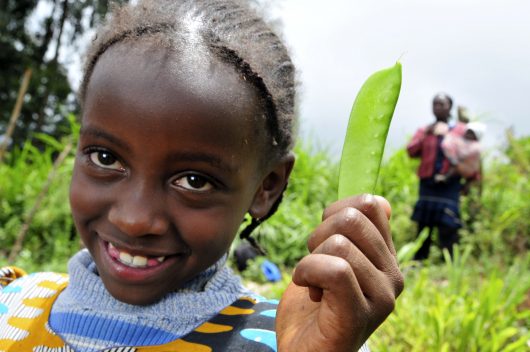
Farm Africa is the top agency under the Food Trade project, a U.K. government-funded food crop trade enhancement program that assists farmers in Uganda and Tanzania to increase their household incomes and boost their living standards.

The undertaking is supported by a £3 million ($4.2 million) grant from the U.K.’s Department for International Development (DFID). The Guardian reports that the project will benefit 70,000 Ugandan and Tanzanian farmers, in part by expanding their export markets.

According to Farm Africa, 60 percent of the world’s uncultivated land suitable for crop production is in Africa. There is an enormous possibility for development in the continent that would allow for self-sustaining food production.

In the last year, Farm Africa has impacted 1.4 million people in eastern Africa. The organization has incorporated contemporary systems and methods to help farmers “grow more, sell more and sell for more.”

The Farm Africa project will assist Ugandan and Tanzanian farmers manage and supply exceptional quality grain and market it for maximum profit.

The project will help 12,000 farmers in the Teso sub-region, including 2,000 members of the Katine Joint Farmers’ Co-operative Society (Kajofaco). This will allow more isolated farmers to connect with high paying buyers, particularly in Kenya.

The Kenyan market has a large population and booming economy which is key for the success of Ugandan and Tanzanian farmers. Additionally, Kenya, for the most part, is a food importer due to its mediocre crop growing capabilities.

Farm Africa, through the Food Trade project, will train farmers in Katine which is one of the poorest areas is in Uganda. The agency will provide guidance for improving methods of harvesting, drying, sorting and grading grain in three staple crops: maize, rice and beans.

Steve Ball, Farm Africa’s county director in Tanzania said to The Guardian: “By incentivizing farmers to grow bigger surpluses and making regional trade easy and affordable, this project will help lift tens of thousands of grain farmers in Tanzania and Uganda out of poverty as well as taking eastern Africa a step closer to agricultural self-sufficiency.”

– Heidi Grossman

Photo: Flickr
May 8, 2016
https://borgenproject.org/wp-content/uploads/borgen-project-logo.svg 0 0 Borgen Project https://borgenproject.org/wp-content/uploads/borgen-project-logo.svg Borgen Project2016-05-08 01:30:462020-06-18 17:45:42Farm Africa: Expanding Exports for East African Farmers
Food & Hunger, Global Poverty

17-Year-Old Founds Startup to End Hunger in Africa

end hunger in AfricaWhen Sirjeff Dennis was 17, he founded Jefren Agrifriend Solutions, a poultry business working to end hunger in Africa and eradicate poverty. A student at the University of Dar es Salaam, Dennis uses his leadership and knowledge to successfully run the organization while finding innovative ways to end hunger-related hardships.
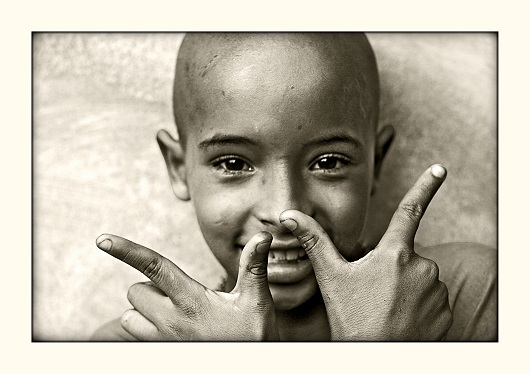
Jefren Agrifriend Solutions works by providing communities in Tanzania with affordable chicken meat and eggs. Dennis was inspired at a young age to counter hunger after witnessing the death of a neighbor’s seven-month-old son, who passed from malnutrition.

Dennis founded the organization by saving the money he earned from joining Tanzania’s compulsory national service’s training program.

He earned $20 a month and was in the program for three months. Instead of spending the money on clothes or personal items, he put it away in hopes of starting the business.

At the end of the program, he used the money to purchase chickens and raise chickens in his yard.

Dennis was soon accepted into a local university and had received a small loan from the government to pay for school. The young entrepreneur used as little money from the loan as he could, living off of mostly bread and water for several months, so he could save for the business.

Thanks to his sacrifice, the business now produces roughly 2,000 chickens a month. Dennis markets poultry to informal traders, who sell the produce at nearly half the price of their competitors. This allows locals to purchase a good supply of food at a more affordable price.

Although the company has helped improve the slums of Dar es Salaam, Tanzania significantly, there have been many issues Dennis was forced to overcome.

When he was 18, he left the business in the hands of an employee while he studied at university. Unfortunately, the chickens went unattended and all died from a severe disease when Dennis returned from school.

However, he quickly overcame the situation by raising money to purchase more chickens. Now, nearly four years later, the company continues to thrive in Tanzania.

Last year, Dennis became one of 12 finalists for the Anzisha Prize, Africa’s premier award for young entrepreneurs.

He believes poultry and vegetable farming is the start of a more nutritional and profitable future in the fight to end hunger in Africa.

– Julia Hettiger

Photo: Flickr

April 30, 2016
https://borgenproject.org/wp-content/uploads/borgen-project-logo.svg 0 0 Borgen Project https://borgenproject.org/wp-content/uploads/borgen-project-logo.svg Borgen Project2016-04-30 01:30:132024-12-13 18:06:0117-Year-Old Founds Startup to End Hunger in Africa
Economy, Global Poverty

Emerge Poverty Free Enables Communities

Poverty FreeEmerge Poverty Free is a nonprofit organization whose mission is to break the cycle of poverty by enabling communities to take control of their own needs.

In partnership with a local organization, Sustainable Investments and Development Initiatives (SIDI), Emerge Poverty Free has begun a project in Mwanza, Tanzania to empower hundreds of fisher-women through economic and environmental conservation projects.

Tanzania is known as one of the world’s least developed rural countries, where 40 percent of the adult population earns less than 1.25 USD per day.

The goals of the Sustainable Fisheries in Mwanza project are to enable women to become self-sustainable while also improving the environment of Lake Victoria that is threatened by pollution and excessive fishing.

To reach these goals, 250 women from the Kabusuli village of the Sengerema District in Mwanza have been trained in fish farming and healthcare. The group hopes to plant 10,000 trees along the Lake Victoria shore at the end of the project.

These trees will eventually be used to provide local families with wood for cooking and building materials to reduce deforestation.

Though a fairly new project, Emerge Poverty Free reports that women involved in the group have already doubled their daily incomes by selling fish within their communities during the past 10 months.

According to Aneta Dodo, secretary of the Sustainable Fisheries in Mwanza, the group has planted 6,000 trees, created five fish ponds for domestic use and local sale that have brought high profits — and a portion of the money earned by these women funded school tuition for 30 local children.

“We have gained a lot of expertise in finance issues, fishing, environmental conservation and we are able to do most things by ourselves without having to depend on men,” she said.

Dodo reports that the group was able to secure low-interest rate loans after the group started a saving and credit facility in their village of Kabusuli.

Despite these successes, the women of Tanzania still face many economic challenges — girls have higher education drop-out rates than young men and have limited access to medical care and employment, according to Emerge Poverty Free.

Group member Asha Malando does not see these statistics as an end-all and believes that women are still capable of empowering themselves by becoming involved in community projects.

“The government cannot do everything for us. We just have to use some of these organizations well so we can develop ourselves.”

Coleta Masesla, a female fisher in Tanzania, is now able to run her own food kiosk that provides income for her children’s education and home essentials like food and clothing.

“These women have become great role models in their community as they have proved that everything is possible. Most of them had lost hope but right now they are the ones running their families. We at Emerge Poverty Free are pleased by the attitude they have shown toward lifting themselves out of poverty,” stated Jeremey Horner, Emerge Poverty Free CEO.

– Kelsey Lay

Sources: Emerge Poverty Free 1, Emerge Poverty Free 2, IPP Media, The Daily News
Photo: Flickr

February 4, 2016
https://borgenproject.org/wp-content/uploads/borgen-project-logo.svg 0 0 Borgen Project https://borgenproject.org/wp-content/uploads/borgen-project-logo.svg Borgen Project2016-02-04 01:30:132024-05-27 09:28:44Emerge Poverty Free Enables Communities
Global Poverty

Goats and Chickens Can Help End Child Marriage

Child MarriageWhat do chickens and goats have in common? Well, chickens and goats live on farms, and both can help end child marriage.
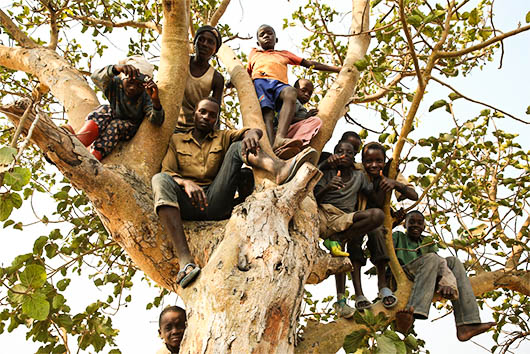
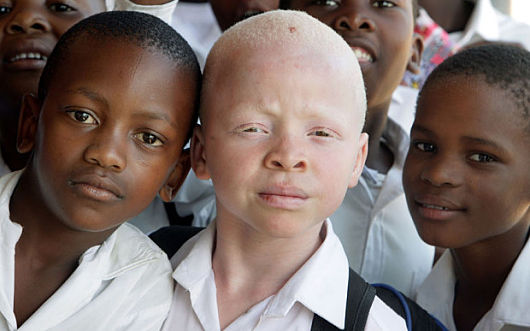
In Ethiopia and Tanzania, many families are given livestock in exchange for marrying off their young girls to adult men. However, if these girls already own animals, the trade becomes less vital for poor families and the marriages are less likely to occur.

Population Council, an organization that conducts research on health and development issues, spent three years in Ethiopia and Tanzania implementing methods to reduce child marriage rates. They discovered that educating the community, donating school supplies and providing girls with goats and chickens were the most effective ways to end early marriage.

Child marriage is most closely associated with poverty because struggling families are in desperate need of the dowry that adult husbands are willing to pay. In Tanzania and Ethiopia, nearly 40 percent of girls are married before they turn 18, and in just Ethiopia, nearly 20 percent of girls are married before age 15.

Population Council conducted research in Ethiopia that drastically reduced the possibility of illegal child marriage. They discovered that by giving girls between the ages of 15 and 17 two chickens every year, they were half as likely to be married by 18 than those who did not receive the animals. Additionally, 12 to 14-year-olds who were given school supplies were 94 percent less likely to be married as a child.

In Tanzania, the legal marriage age is 15, but by providing 15- to 17-year-old girls with goats, the odds of child marriage could be reduced by more than 60 percent.

Early marriage prevents girls from attending school and receiving an education. It heightens the risk of HIV/AIDS and limits a girl’s potential to get a job and earn a wage. Child marriage ultimately dehumanizes young girls by taking away their right to choose what they do with their lives.

Still, more than 14 million girls around the world are married each year before they turn 18. Educating developing communities on the harmfulness of child marriage and providing school supplies so girls can attend school are basic yet successful ways to reduce the rates at which young girls marry.

Goats and chickens, too, are playing a highly successful role in ending child marriage and breaking the cycle of global poverty. Hats off to Old MacDonald. E-I-E-I-O.

– Sarah Sheppard

Sources: Take Part, Girls Not Brides 1, Girls Not Brides 2, Population Council
Photo: Girls Not Brides

September 3, 2015
https://borgenproject.org/wp-content/uploads/borgen-project-logo.svg 0 0 Borgen Project https://borgenproject.org/wp-content/uploads/borgen-project-logo.svg Borgen Project2015-09-03 07:44:252024-12-13 17:54:07Goats and Chickens Can Help End Child Marriage
Children, Global Poverty, Refugees and Displaced Persons

Burundian Child Refugees Flee to Tanzania

Burundian_Child_Refugees
The remote Nyarugusu refugee camp in Western Tanzania has seen a sharp rise in child refugees from the neighboring country to the east. Children have been flooding over the border to escape violence surrounding the recent elections in Burundi.

The amount of Burundian child refugees arriving to the camp increased from about 1600 at the end of May to approximately 2600 by July 19th.

The children are not just arriving in larger numbers according to Lisa Parrott, interim country manager of Save the Children Tanzania, but they are also reaching the camp in much worse shape physically and mentally, most having walked for days with nothing but the clothes on their backs and no food or water. Many have witnessed atrocious acts of violence in their homes and along the way to Tanzania. Some of the children have even seen their own parents or other family members murdered by militia.

On July 21 2015, Burundian President Pierre Nkurunzizain won re-election after running for a third term. In the wake, violence erupted and gunfire rang out. These elections had been hotly protested with President Pierre Nkurunzizain’s opposition claiming that he was not eligible to run again. After the elections, the opposition boycotted the vote and fighting in the country intensified.

The child refugees arriving at the Nyarugusu refugee camp are not eating properly and are having terrible problems sleeping and interacting with others. About a fifth are infants with severe signs of malnutrition, anemia, malaria, diarrhea and other conditions.

The Nyarugusu camp has become one of the biggest settlements in the world comprised of mostly the Congolese who have lived in the camp since the 1990s. At 60,000 people, the already overcrowded camp has more than doubled with almost 80,000 Burundians entering over the years and the recent influx of children has only made the camp more strained.

The overflow of the population is being housed in churches and schools, causing fears that schools will not be able to operate, starving more children of a valuable education. Competition for resources such as food rations, shelter, cooking facilities and firewood, clothing, health care, and clean water intensifies every day with tensions running high.

Save the Children, an organization working in developing nations to inspire breakthroughs in the way the world treats children and to achieve immediate and lasting change in their lives, believes that every child has the right to survival, protection, development and participation.

Save the Children is on the ground in Tanzania and, with the help of local partners, are setting up child health services such as constructing Temporary Learning Centers (TLC) and creating Child Friendly Places (CFP), expected to reach 1200 children.

Life in refugee camps like Nyarugusu is difficult for thousands of people already mired in extreme poverty, but with groups like Save the Children, those seeking refuge from increasing violence in surrounding communities can find some relief and access to basic human needs.

– Jason Zimmerman

Sources: Save the Children, Reuters
Photo: Flickr

August 7, 2015
https://borgenproject.org/wp-content/uploads/borgen-project-logo.svg 0 0 Borgen Project https://borgenproject.org/wp-content/uploads/borgen-project-logo.svg Borgen Project2015-08-07 01:30:472024-05-27 09:27:14Burundian Child Refugees Flee to Tanzania
Health, Sanitation, Water

Ingredients for Clean Drinking Water: Saltwater and a Car Battery

clean_drinking_water
As of 2013, around 738 million people across the world do not have access to clean drinking water. Of these people, an approximate 8 million die as a consequence of this inaccessibility.

Water is the paramount need for all human being. Sanitation of this water is vital for preventing many water-borne diseases that can potentially be fatal. Despite the development of new methodologies to sanitize water, the process of chlorination remains unparalleled in its prevalence and efficiency.

The process of chlorination, as the name suggests, uses chlorine gas or bleach to purify water. Chlorine gas is highly toxic and an effective antimicrobial agent. Chlorine also remains in water through longer periods of time than its alternatives. This reduces the costs of repeated purifications.

Despite these advantages that put chlorination far ahead of its counterpart purification methods, it is still difficult to successfully utilize this technique in developing countries. Chlorine gas and its derivatives – such as bleach – are highly reactive and can be dangerous in excessive quantities. The chlorine gas is sold compressed in cylinders, and its pressure requirements change in accordance with the water source to be chlorinated. Hydraulic equipment necessary for safe chlorination is not always accessible in remote areas.

These safety considerations pose a dilemma for the safe sanitation of drinking water. Recently, Mountain Safety Research (MSR), an outdoor gear manufacturer, collaborated with an NGO to release an innovative solution to the problem.

Their device, Smart Electrochlorinator or SE200, uses saltwater and a car battery to produce a carefully-calculated amount of chlorine gas. It consists of a canister that attaches to a battery through jumper cables. The canister is filled with salt solution, and the dissolved salt is dissociated into ionic chloride ions.

The ions are then converted into bleach electrochemically. The hydrogen gas produced from the battery reacts with the chloride ions to form perchlorate, or bleach. The added advantage of the device is in its specificity – it is designed to calculate and produce specific amounts of chlorine per gallon of water. This maintains the concentration of chlorine in water at a constant level and within safe ranges.

The chlorinator is lightweight and portable, which is important in smaller remote areas. It can purify up to 20 liters in a meager 5 minute interval. The device is also notably energy efficient: a 12 volt battery can be used to generate enough chlorine to purify 400,000 liters of water.

The device has so far been tested successfully in field operations in Kenya, Mali, Tanzania, Zimbabwe and Thailand. It is especially noted for its feasibility in small population communities, where large-scale sanitation does not reach and household purification is a hassle. The chlorination is relatively inexpensive as well: at around US$200, it can provide a clean supply of water for 200 people for a period of five years.

As with any new technology, there are issues with this device as well. As it is designed for use in remote areas, it is questionable as to how technical issues might be dealt with. Any of the maintenance issues needing to be fixed can seriously jeopardize a steady supply of clean water. Moreover, in spite of pictorial instructions, there is always the danger for misuse. These are some of the issues that need to be fine-tuned for the chlorinator’s effective usage.

Despite the issues that need to be resolved, the chlorinator is undoubtedly an innovative initiative in the provision of clean drinking water to each and every human being in the world.

– Atifah Safi

Sources: CDC 1, NPR, Cascade Designs, CDC 2
Photo: Flickr

July 24, 2015
https://borgenproject.org/wp-content/uploads/borgen-project-logo.svg 0 0 Borgen Project https://borgenproject.org/wp-content/uploads/borgen-project-logo.svg Borgen Project2015-07-24 18:29:082024-12-13 17:51:52Ingredients for Clean Drinking Water: Saltwater and a Car Battery
Global Poverty, Human Rights

Protecting People with Albinism in Tanzania

Albinism in Tanzania
Albinism, a rare congenital disorder that presents itself in the form of a partial or complete absence of melanin production, results in pigment-less eyes, hair and skin. An estimated 1 in every 17,000 to 20,000 people in North America and Europe live with albinism. However, cases of albinism in Tanzania and the African continent, with 1 in every 5,000 to 15,000 people, appear with more prevalence.

The majority of cases are seen in the East African country of Tanzania. Under the Same Sun (UTSS), an organization committed to assuring the rights of people with albinism, report a prevalence of 1 in 1,400 cases of albinism and 1 in 19 cases of carriers, meaning there are over 33,000 persons with albinism in Tanzania alone.

This population lives under constant threat, as people with albinism face slaughter and dismemberment. Their body parts, suspected to bring luck or riches, are used in witchcraft. A full “set” of body parts, four limbs, genitals, ears, tongue and nose, can bring the seller upwards of $75,000 in the black market.

There have been eight reported cases of mutilation in Tanzania since autumn 2015. More than 200 similar cases were reported to the United Nations from 2000 to 2013.

In a May 13, 2015 interview with The Guardian, Don Sawatzky, director of operations at UTSS, states that no one really knows the exact source of these killings. Since the documentation was not as historically prevalent in Africa. However, many still connect the rise in deaths to the 2015 elections, placing blame on politicians who allegedly seek out “seers” who use albino body parts to predict the future. Others point to the rise in food prices as the cause, leaving many desperate to make money with no regard for consequence.

Recent collaborative efforts between the Tanzanian government, civil society and nongovernmental organizations have proved beneficial. The community’s perception of people with albinism is slowly changing. Additionally, cases in which people with albinism were killed are now being taken seriously, and the government has begun to prosecute and convict those responsible.

At the community level, these changes will not come about easily, but with the international community’s backing and advocacy, this shift in perception has greater potential.

On June 13, 2013, the United Nations adopted the first resolution in its history on albinism, guaranteeing the rights and acknowledging the plight and discrimination of those who live with albinism. More recently, with the help of UTSS, the United Nations welcomed the observance of June 13 as International Albinism Awareness Day to be celebrated for the first time in 2015.

Many remain hopeful that violence against people with albinism will one day be nonexistent. Prince Zeid Ra’ad Al Hussein, the current United Nations High Commissioner for Human Rights, affirmed that “people with albinism are just as deserving of dignity as every other human being.” He adds, “They have the right to live free from discrimination, deprivation and fear.”

– Jaime Longoria

Sources: The Guardian, Washington Post
Photo: The Telegraph

June 29, 2015
https://borgenproject.org/wp-content/uploads/borgen-project-logo.svg 0 0 Borgen Project https://borgenproject.org/wp-content/uploads/borgen-project-logo.svg Borgen Project2015-06-29 08:00:422024-12-13 17:51:33Protecting People with Albinism in Tanzania
Global Poverty, Refugees and Displaced Persons, Sanitation, Water

Cholera Outbreak Among Burundian Refugees Contained

cholera_outbreak
A cholera outbreak in Tanzania that claimed the lives of 30 Burundian refugees and local Tanzanians has been curbed.

The epidemic occurred in western Tanzania near Lake Tanganyika, in a remote village that is overcrowded with refugees. Authorities estimate refugees consumed contaminated lake water, which facilitated the spread of cholera. A total of 4,408 cases have been reported.

A UN Refugee Agency (UNHCR) spokesman, Adrian Edwards, said that no new deaths have been reported since last Thursday, and the number of new daily cases has fallen from around 915 per day at the height of the outbreak on May 18 to less than one hundred per day. According to Edwards, the situation is improving but it still could take several weeks to see cholera completely eradicated among this population.

The majority of the cholera victims are refugees of Burundi who are fleeing to avoid violence stemming from a failed political coup in Burundi’s capital, Bujumbura.

The influx of refugees from Burundi to surrounding countries has not stopped. The UNHCR estimates that over 100,000 Burundian refugees have escaped, leaving over 64,000 Burundians in Tanzania, and the remaining in Rwanda, Uganda and the Democratic Republic of the Congo. About 100 Burundians per day arrive to each of these surrounding countries.

The refugees that arrive in Tanzania must walk four hours through the mountains to reach the border. Some immediately are bussed to the camp called Nyarugusu, and some wait for boats that will take them to a camp called Kigoma. Tens of thousands wait by Lake Tanganyika, a tiny beach area that is only 800 meters by 500 meters. The overcrowding and high density of refugees on the move has facilitated the quick spread of cholera.

Many refugees are being moved from Lake Tanganyika because it is overcrowded and unsanitary. Kahindo Maina, a public health officer of the UNHCR, said, ”Our priority is to get all the refugees out of Kagunga because the situation is dire. We have built latrines and brought supplies to provide clean water but the terrain and the crowded situation does not allow for a good sanitary situation there.”

Refugees have been moved to the Tanganyika stadium in Kigoma where there are better facilities, and cleaner water and sanitation. Tanzanian health authorities, the UNHCR, the World Health Organization and other partners have helped stem the spread of cholera by the promotion of hygiene, treatment of patients, implementation of effective prevention measures and the creation of access to sanitation and safe water.

Other preventative measures provided by the Ministry of Health, the UN and NGO partners include airlifting medicine and providing medical supplies and protective gear. UNHCR spokesman Edwards explained that “together with the government and our UN and NGO partners, we are providing oral rehydration solutions, soap and water purification tablets, and increasing hand-washing facilities.”

Around 30,000 refugees have also been moved from the lake area to Nyarugusu. Here, they receive vaccinations for childhood illnesses, get dewormed and have nutritional assessments done. New latrine and sanitation facilities are being built.

– Margaret Anderson
Sources: AllAfrica, Humanosphere, UNHCR 1, UNHCR 2
Photo: UNHCR

June 15, 2015
https://borgenproject.org/wp-content/uploads/borgen-project-logo.svg 0 0 Borgen Project https://borgenproject.org/wp-content/uploads/borgen-project-logo.svg Borgen Project2015-06-15 14:46:242024-12-13 17:51:27Cholera Outbreak Among Burundian Refugees Contained
Global Poverty

Tanzania’s Generation Z Sets Global Goals

generation_z
Malinzanga Village’s primary school educates the countries future leaders. How do we know this? Within minutes of asking 14-year-old children what their priorities of their families and communities were, they had named many key elements of new development goals. The key elements described by these children of Generation Z were things like access to more food, more community support to end poverty and better healthcare. All these issues are current topics that many representatives of every nation in the world are discussing right now.

With the help of Happy, a local youth activist from Restless Development, ONE co-founder Jamie Drummond spoke to 15 teenagers about what they would like to see happen for their country. Restless Development started in 1985 and its main mission is to help the younger generation take a leadership role in speaking up about important issues that face their countries and the world. Happy’s background with Restless Development proved to be helpful in motivating these kids to act on their ideas. Not only did these children give great suggestions on improving certain issues but they also have inspired Malala, Desmond Tutu to take these suggestions and put them in their open letter to world leaders.

With the recent Ebola outbreak, it has only reminded Generation Z that the impoverished health systems of Africa are fragile and often are the site where most of the tropical pandemics take place.  The Ebola epidemic has led to a great deal of anxiety, but this crisis fuels the flames of desire to address the issues that are needing attention and these teenagers see the future optimistically.

As the year 2014 comes to an end, the coming new year holds a lot of promise for ending poverty entirely or at least getting close. With the letter sent out to the world leaders warning them about making the right decisions for 2015, ONE and the kids from Malinzanga Village primary school gave their suggestions and hopefully, these get taken into account and change can finally take place.

– Brooke Smith

Sources: ONE, Restless Development

October 29, 2014
https://borgenproject.org/wp-content/uploads/borgen-project-logo.svg 0 0 Borgen Project https://borgenproject.org/wp-content/uploads/borgen-project-logo.svg Borgen Project2014-10-29 04:00:232024-05-27 09:22:57Tanzania’s Generation Z Sets Global Goals
Global Poverty

Tanzanian Solar Power Overcoming Barriers

“Tanzania has some of the most talented artisans and technicians, but we use very old, outdated equipment, mostly from Italy, from the 1960s and ‘70s,” said Dotto Said, the supervisor at Yasir Ahmed a shop that makes windows, doors and gates.

Yet using outdated tools or “sawdust piled ankle deep” are not the biggest problems facing Tanzanians and Africans as a whole. Electricity has been identified, by many Africans, as the single biggest inhibitor of its success. Alex Adrian, a carpenter at Yasir Ahmed said. “All we need Obama [sic] to help us with is a reliable supply of electricity.”

While the President has made several trips to Africa, once to pledge 7 billion dollars to the energy relief fund, Tanzanians like Said and Adrian would like to be able to turn to themselves for help. Relief of this kind has come in the form of Helvetic Solar, a Tanzanian-based company whose goal is to supply solar panels to all those looking for electricity across Africa.

“The electrification issue was a major one and I just figured out that Tanzanians might be receptive to an alternative energy source,” said owner of Helvetic Solar, Patrick Ngowi. He discovered a love of solar power on one of his many trips to China. At this time, only 10 percent of Tanzania was on a power grid. Most companies, wealthy families and government agencies relied on generators.

In the beginning the idea struggled, but in 2007 the word spread of the benefits and Ngowi was contacted by several government, non-government agencies, and multi-national corporations to install solar panels. His company grossed 6.8 million dollars in 2012.

For a country whose GDP is low and poverty so high, is it even economically feasible for this country to convert to solar power? Forbes broke the numbers down and found it was economically more sound to install solar panels in Tanzania than Oregon. The average homeowner in Oregon will take anywhere from 15-27 years to recoup the initial investment solar panels require. This is due to a very large electrical grid already providing relatively cheap power.

When you take the same principles, apply them to Tanzania and compare the cost of fuel to run a generator in rural Tanzania to the initial cost of solar power, one find that Tanzanians can recoup their losses well enough to sell their generators.

Giant leaps in innovation like this have helped several in rural Tanzania. Lusela Murandika, a 76-year-old farmer who lives in Kanyala village in northern Tanzania, installed his solar panels for a little over 400 dollars. Murandika said that the hardest part was installation. He now runs a small side business, earning 12 cents for every cell phone he charges. Edward Buta, a solar power shop dealer, said business is booming in the Tanzanian town of Katoro. Electricity is slowly inching across Africa, but until the grid makes it into the outskirts solar power will continue to be king.

– Frederick Wood II

Sources: Mother Jones, NY Times, Forbes 1, Forbes 2
Photo: Face2Face Africa

October 4, 2014
https://borgenproject.org/wp-content/uploads/borgen-project-logo.svg 0 0 Borgen Project https://borgenproject.org/wp-content/uploads/borgen-project-logo.svg Borgen Project2014-10-04 04:00:492024-06-05 01:58:14Tanzanian Solar Power Overcoming Barriers
Page 4 of 6«‹23456›»

Get Smarter

  • Global Poverty 101
  • Global Poverty… The Good News
  • Global Poverty & U.S. Jobs
  • Global Poverty and National Security
  • Innovative Solutions to Poverty
  • Global Poverty & Aid FAQ’s
Search Search

Take Action

  • Call Congress
  • Email Congress
  • Donate
  • 30 Ways to Help
  • Volunteer Ops
  • Internships
  • Courses & Certificates
  • The Podcast
Borgen Project

“The Borgen Project is an incredible nonprofit organization that is addressing poverty and hunger and working towards ending them.”

-The Huffington Post

Inside The Borgen Project

  • Contact
  • About
  • Financials
  • President
  • Board of Directors
  • Board of Advisors

International Links

  • UK Email Parliament
  • UK Donate
  • Canada Email Parliament

Get Smarter

  • Global Poverty 101
  • Global Poverty… The Good News
  • Global Poverty & U.S. Jobs
  • Global Poverty and National Security
  • Innovative Solutions to Poverty
  • Global Poverty & Aid FAQ’s

Ways to Help

  • Call Congress
  • Email Congress
  • Donate
  • 30 Ways to Help
  • Volunteer Ops
  • Internships
  • Courses & Certificates
  • The Podcast
Scroll to top Scroll to top Scroll to top