• Link to X
  • Link to Facebook
  • Link to Instagram
  • Link to TikTok
  • Link to Youtube
  • About
    • About Us
      • President
      • Board of Directors
      • Board of Advisors
      • Financials
      • Our Methodology
      • Success Tracker
      • Contact
  • Act Now
    • 30 Ways to Help
      • Contact Your Leader
      • Volunteer
      • Courses & Certificates
      • Be a Donor
    • Internships
      • In-Office Internships
      • Remote Internships
    • Legislation
      • Politics 101
  • The Blog
  • The Podcast
  • Magazine
  • Donate
  • Click to open the search input field Click to open the search input field Search
  • Menu Menu

Tag Archive for: Poverty in Somalia

Posts

Global Poverty, Humanitarian Aid, IRC

How Proactive Aid Can Mitigate Droughts in Somalia

Droughts in SomaliaGovernment and humanitarian organizations aid pastoralists and farmers negatively impacted by increasingly severe droughts in Somalia. Traditionally, they provided aid following drought-induced humanitarian crises, but in recent years, organizations have explored a new option called anticipatory action.

Drought in Somalia

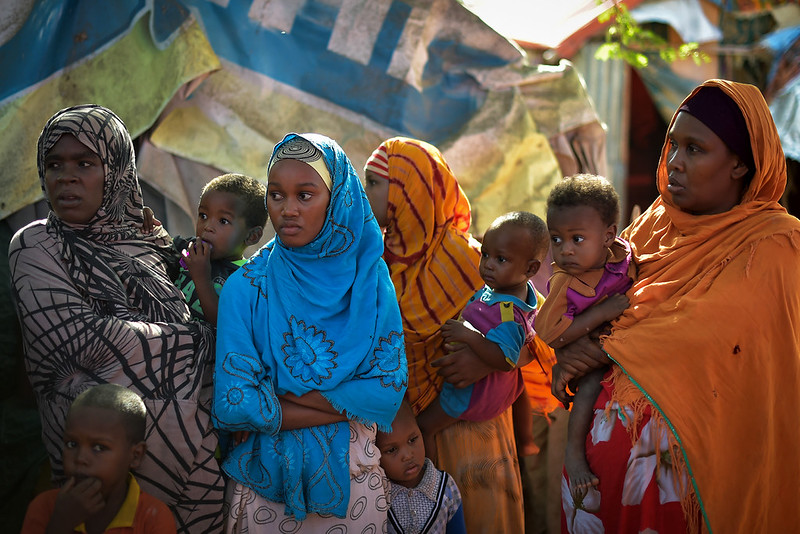
Somalia is ranked the seventh most climate-vulnerable country in the world. A drought lasting from 2020 to 2023 in Somalia resulted in thousands of Somalis relocating to camps for internally displaced persons (IDPs). Many IDP camps in southern Somalia are located in climate-vulnerable areas, forcing IDPs to relocate more than once after drought or floods deplete the camps’ resources.

Dried-up water sources forced people to drink contaminated water, causing outbreaks of waterborne diseases such as cholera. Outbreaks led to further displacement, as sick people without access to local health facilities traveled up to 1,000 km for treatment.

Depleted food stores and arid farmlands caused food prices to increase by 160% since 2020. Simultaneously reducing incomes and job security resulted in rising levels of malnutrition and food insecurity. More than 4.4 million Somalis faced acute food insecurity in December 2025, and 1.85 million children under five years old are projected to be afflicted with acute malnutrition through mid-2026.

Between 2022 and 2024, approximately 71,100 Somali deaths occurred due to drought. An estimated 40% of these excess deaths were children under five years old.

Anticipatory Action: What Is It?

Anticipatory action in Somalia uses weather forecasting to predict droughts and their projected humanitarian impact in the indicated regions. This system allows forecasters to identify and warn at-risk regions early. Pre-planning and allocating appropriate resources before humanitarian needs reach severe levels mitigates the effects of drought and prevents potential crises and mass displacement.

Activities for drought preparation occur between the trigger activation and the forecasted peak of humanitarian need during the drought. The interventions proceed in phases over a two- to nine-month period, so activities may be adapted to the trajectory of the drought’s predicted timeline and impact.

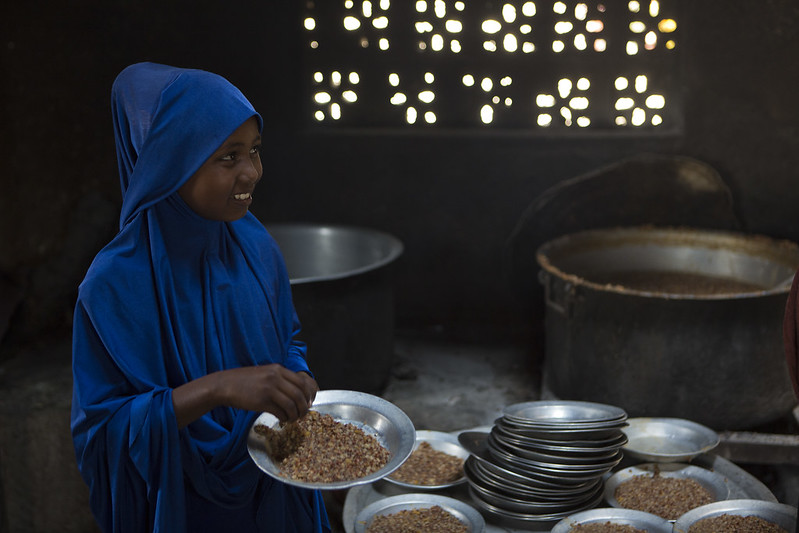
  • Education: Establish access to clean water in schools, implement school feeding programs, disburse cash incentives to teachers and provide child protective services to reduce the risk of school dropouts.
  • Food security: Provide cash to susceptible households to reduce the risk of malnutrition and loss of livelihood. Distribute drought-smart farming packages, control crop pests and prevent and control desert locust outbreaks to sustain food production. Conduct an animal health treatment campaign and provide livestock supplementary feed to sustain livestock productivity.
  • Health: Promote early warning and preparedness for potential diseases, inform communities on infection prevention, control and treatment and provide essential medications and supplies to detect, prevent and control the health impacts of drought.
  • Nutrition: Implement a blanket feeding program and provide food supplements to reduce the risk of malnutrition.
  • Risk communication: Conduct a media campaign to advise communities to make risk-informed decisions during preparation for drought.
  • WASH: Restore malfunctioning water schemes and establish strategically located water supplies to ensure access to clean and safe water for consumption. Distribute household water treatment and safe storage products and treat unprotected water sources to reduce the risk of disease outbreaks.

Benefits of Anticipatory Action

The International Rescue Committee (IRC) uses anticipatory action in Somalia to mitigate the effects of droughts. After weather forecasters predict a drought, the IRC provides families in the specified areas with several rounds of cash assistance to prepare.

Anticipatory action proves advantageous compared to traditional aid delivered after a crisis for multiple reasons. Farmers and pastoralists can purchase supplementary water and feed beforehand to reduce the death of livestock and crops. Proactive cash assistance is cost-effective by preventing the need for costly humanitarian aid following a crisis. It also prevents families from selling their animals or land and removing children from school.

A recipient of cash assistance from the IRC in Somalia named Mohamud said, “The droughts used to kill many of my animals. This time around, the money came when our livestock were still alive, and that’s how the animals ended up being saved. It has really helped us and preserved our dignity.”

Challenges of Anticipatory Action

Anticipatory action programs exist in challenging, climate-vulnerable environments. Many Somalis living in at-risk regions experience multiple and overlapping crises, including conflict, increasingly frequent droughts, floods and desert locust swarms, reducing affected communities’ ability to prepare for an anticipated drought.

Early warning systems face challenges in effectively and efficiently communicating directly with farmers and pastoralists living in rural areas. The information must reach them early enough to provide time to prepare, but not so early that the forecast is unreliable. Additionally, the warning information must include actionable advice and explain what supplies will be available.

Looking Ahead

Anticipatory action in Somalia is a preventive warning system designed to reduce the humanitarian impacts of droughts. This proactive approach provides a multitude of advantages compared to the traditional humanitarian response following a crisis. Climate-vulnerable communities benefit from early preparation, comprehensive interventions included in Somalia’s Anticipatory Action Framework and early cash assistance from the IRC. These programmes continue to expand and adapt to challenges to reduce human suffering from droughts and build long-term community resilience.

– Sarah Merrill

Sarah is based in Matthews, NC, USA and focuses on Good News and Global Health for The Borgen Project.

Photo: Flickr
February 9, 2026
https://borgenproject.org/wp-content/uploads/borgen-project-logo.svg 0 0 Lynsey Alexander https://borgenproject.org/wp-content/uploads/borgen-project-logo.svg Lynsey Alexander2026-02-09 03:00:492026-02-09 01:59:50How Proactive Aid Can Mitigate Droughts in Somalia
Financial Instruments, Global Poverty

Debt Relief in Somalia: Billions for Growth and Development

Debt Relief in Somalia Unlocks Billions for Growth and Development On Dec. 3, the African Development Bank Group announced that it approved additional debt relief for Somalia, amounting to $17.68 million and marking another milestone on the path to full debt-free status. The Bank Group’s lead operations adviser for Somalia, Bubacarr Sankareh, said, “Somalia has earned this moment through determination and discipline.”

This milestone represents the convergence of persistent national effort and a strategic international partnership. Through coordinated bilateral and multilateral engagement, Somalia secured debt alleviation, most notably under the Heavily Indebted Poor Countries Initiative, launched in 1996 by the International Monetary Fund and World Bank to provide relief to countries burdened by unsustainable debt, while simultaneously reforming its economy and reconstructing state institutions. These efforts are notable for a country that endured decades of conflict and institutional collapse.

The Weight of Historical Debt

Most of Somalia’s debt accumulated during Siad Barre’s military dictatorship, which collapsed in 1991 and plunged the nation into civil war. These debt levels, coupled with instability, limited investment in health, education and infrastructure. In 1993, Somalia’s Human Development Index stood at 0.221, reflecting the lived consequences of these conditions. The debt crisis also severed Somalia’s engagement with global financial markets, deterring investors, creditors and potential trade partners who might otherwise have contributed to reconstruction efforts.

The Path to Relief

Breaking free from this debt trap required Somalia to meet exacting standards under the HIPC framework, which supported more than 30 heavily indebted nations. Participation required demonstrated implementation of domestic structural reforms. Somalia’s reform package was comprehensive and prioritized rebuilding state institutions and restoring public finances while incentivizing a competitive private sector.

With more than two-thirds of the population living on less than $2.15 a day, the government launched Baxaano, the nation’s first social safety net program. This initiative provided nutrition-linked cash transfers and emergency assistance to 3.7 million people. These reforms enabled Somalia to complete the HIPC process in December 2023, securing $4.5 billion in debt cancellation.

In March 2024, nearly all debt owed to members of the Paris Club, a group of wealthy creditor nations, was canceled. This cancellation is set to be finalized by the end of December 2025. In June, a further relief agreement with the OPEC Fund for International Development cleared $36 million. In November 2024, the United States, Somalia’s largest bilateral lender, which held approximately 20% of total external debt in 2018, forgave $1.1 billion in loans.

The cumulative impact of these measures reduced external debt from 64% of GDP in 2018 to 4.9% in 2025. This fiscal transformation occurred alongside measurable poverty reduction and strengthened institutional capacity.

Unlocking Resources for Development

Debt relief in Somalia means resources previously used for debt servicing can now fund social programs and infrastructure, allowing the government to better implement its National Transformation Plan. Sankareh stated that alleviation “opens the door for stronger institutions, better services and brighter prospects for Somali citizens, with impacts felt in classrooms, clinics, farms and markets.” Improvements have already been noted in health care, education and infrastructure.

Restored creditworthiness may reverse the investment drought that persisted for decades, particularly following Somalia’s recent integration into the East African Community, which provides access to regional markets of more than 300 million people. Somalia’s coastline positions it to develop blue economy sectors ranging from fisheries and port infrastructure to maritime transport.

Somalia stands at a turning point, with the potential to follow the paths of Uganda and Rwanda, where foreign investment flows and capital reforms following conflict and debt relief supported sustained investment in public infrastructure and transformative sectors.

Debt forgiveness provides fiscal breathing room, but sustaining momentum requires transitioning from grant dependence toward broader financial market participation. This includes developing sovereign bond capacity, expanding equity markets and deepening microfinance penetration. The International Monetary Fund identifies strengthened financial oversight and regulatory reform, including modernized fiscal codes and streamlined customs, as essential for attracting sustained investment. An effective tax system also remains necessary for long-term domestic resource mobilization.

A Model for Post-Conflict Recovery

Somalia’s debt relief trajectory offers insights for countries facing legacies of conflict and underdevelopment. It demonstrates that fragile states can rebuild credibility through governance reforms and transparent financial management. While international cooperation proved essential, progress ultimately depended on Somalia’s ownership of the reform process.

As Somalia’s deputy prime minister, Salah Jama, told the World Bank’s Fragility Forum, “We are out of failure … and working very hard to get out of fragility,” a statement that reflects both progress made and the vigilance still required. Debt relief in Somalia demonstrates that countries committed to reform, supported by coordinated international engagement, can overcome deeply entrenched challenges.

– Caroline Sheehan

Caroline is based in Edinburgh, UK and focuses on Good News, Politics for The Borgen Project.

Photo: Flickr

December 18, 2025
https://borgenproject.org/wp-content/uploads/borgen-project-logo.svg 0 0 Lynsey Alexander https://borgenproject.org/wp-content/uploads/borgen-project-logo.svg Lynsey Alexander2025-12-18 07:30:132025-12-18 00:16:24Debt Relief in Somalia: Billions for Growth and Development
Gender Equality, Global Poverty, Women

How Changing Weather Drives Gender-Based Violence in Somalia

Gender-Based Violence in Somalia

Prolonged droughts, failed rainy seasons and displacement are raising everyday risks for women and girls. The result is a sharp rise in gender-based violence (GBV) in Somalia, turning a climate emergency into a public health crisis. The solutions exist. From safe spaces to bringing water closer to homes, programs cut risks and restore autonomy. 

Water Scarcity Forces Longer, Riskier Journeys

Only 52% of people in Somalia have access to a basic water supply. When regulated systems fall short, families turn to distant or unsafe sources. Fetching water is usually the job of women and girls and the long walks can expose them to harassment and assault. This proves climate instability drives gender-based violence in Somalia.

UNICEF and partners extend pipelines, drill boreholes, repair systems and support community-led sanitation efforts so that water is closer to homes. Shorter walks mean fewer chances for abuse and more time for school and work.

Overcrowded Displacement Camps Heighten Protection Risks

Climate shocks destroy livelihoods and push families into cities. In many IDP sites, cramped shelters, poor lighting and unprotected latrines increase exposure to sexual violence. In 2021, Somali women and children made up 93% of reported GBV survivors and 74% of reports came from displaced communities. Lack of lockable latrines, privacy and lighting are major risks.

Changing climatic conditions are driving GBV in Somalia by worsening displacement, straining services and increasing the daily dangers women and girls face in overcrowded camps. Evidence shows that practical steps can significantly reduce GBV risks in overcrowded IDP sites. Safety audits in Baidoa revealed that camps lacking lighting or secure shelters left women particularly vulnerable at night.

In contrast, latrines equipped with locks and solar bulbs improved both safety and dignity for users. Together with better fencing, lockable shelters and alternative fuel sources to reduce firewood collection risks, these measures help create safer, more protective environments for displaced families.

Food Insecurity Drives Harmful Coping Strategies

Drought, conflict and price shocks erode income. Families face impossible choices that can increase GBV in Somalia, including survival sex and child marriage. UNFPA notes spikes in rape and IPV linked to displacement and scarcity.

Harmful practices like Female genital mutilation (FGM) are also used to increase girls’ “marriageability.” Cash assistance with protection measures, safe and inclusive distributions, plus GBV risk mitigation in food security programs. The United Nations Office for the Coordination of Humanitarian Affairs (OCHA) highlights how integrating gender analysis into food responses lowers risk while meeting needs.

Shocked Health Systems Limit Survivor Care

Climate and conflict damage roads and clinics, making reaching medical and psychosocial support harder. UNFPA reports gaps in rape treatment, case management and Mental Health and Psychosocial Support (MHPSS) in rural areas and camps, which can trap survivors in unsafe settings.

UNFPA’s One-Stop Centers and Women & Girls’ Safe Spaces provide confidential, survivor-centered care under one roof, from clinical services to legal referrals. In Bosaso, a UNFPA-supported One-Stop Center is fully operational and serving survivors. As weather changes are driving GBV in Somalia, these safe spaces are vital lifelines, ensuring women and girls have access to protection, support and pathways to recovery.

Women-Led Adaptation Reduces Exposure and Builds Autonomy

Women are leading climate solutions that also reduce exposure to violence. Training in solar energy, water systems and climate-smart livelihoods places women at the center of risk reduction. UNICEF’s Youth Empowerment Center in Dollow trained displaced youth, including young women like Amina, to install solar panels.

Bringing reliable power and water closer to homes reduces the need for trips to distant, unsafe locations. The UNDP and its partners are also scaling up water infrastructure and nature-based solutions in Somalia. As a result, thousands of women-headed households are gaining reliable water access, reducing the time spent on risky journeys.

Why This Is a Global Health Issue

Gender-based violence in Somalia is fueled by drought, displacement and stressed systems. Changing weather patterns are driving GBV in Somalia by worsening displacement, deepening poverty and heightening daily risks for women and girls. It raises trauma, maternal health risks and disease exposure in crowded sites with weak WASH services.

Tackling it means pairing climate finance with GBV prevention, expanding access to safe water and sanitation, investing in survivor services and backing women-led adaptation. These steps save lives, restore dignity and strengthen resilience to a changing climate, offering Somali women and girls a safer and more hopeful future.

– Lucy Williams

Lucy is based in Wrexham, UK and focuses on Global Health for The Borgen Project.

Photo: Wikimedia Commons

November 4, 2025
https://borgenproject.org/wp-content/uploads/borgen-project-logo.svg 0 0 Lynsey 2 https://borgenproject.org/wp-content/uploads/borgen-project-logo.svg Lynsey 22025-11-04 01:30:142025-11-04 00:18:42How Changing Weather Drives Gender-Based Violence in Somalia
Advocacy, Development, Global Poverty, United Nations, Women

Education for Somali Women: Rebuilding a Nation

Education for Somali womenThe African country of Somalia has been ravaged by war for decades. Conflict began in the late 1980s and worsened after the fall of Siad Barre’s military government in 1991 at the hands of clan-based militant movements—the Somali National Movement (SNM) in the northwest, the Somali Salvation Democratic Front (SSDF) in the northeast and the United Somali Congress (USC) around Mogadishu. Over the next 30 years, Somalia’s conflict would take many different forms, according to BBC News.

In August 2012, after years of clan violence and Islamist insurgency, Somalia’s first formal parliament in more than two decades was sworn in. The following month, Somalia’s parliament elected Hassan Sheikh Mohamud, marking the first presidential election since 1967, according to BBC News. Today, Somalia remains at war with Al-Shabab—an extremist Islamist group—yet the government has turned much of its focus toward reconstruction and long-term stability.

According to the United Nations (U.N.), 4.4 million Somalis are projected to face acute food insecurity through the end of 2025, and 1.85 million Somali children are likely to experience acute malnutrition. Somali government initiatives and nongovernmental organizations are working to support vulnerable populations, but shrinking international support threatens to stall progress.

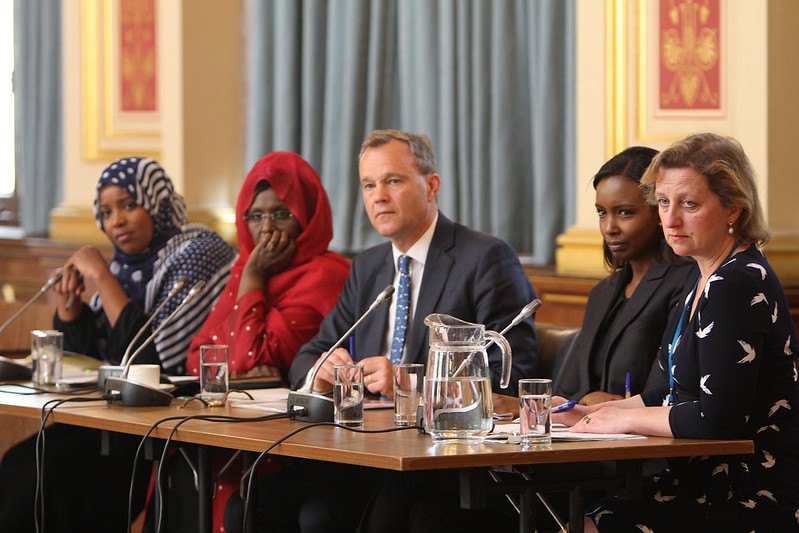
Still, Somalia’s situation is not unsalvageable. The nation’s recovery depends not only on government institutions but also on its citizens’ resilience and commitment to rebuilding—a mission many Somali women have taken to heart. Women have become increasingly involved and influential in Somali politics, education, entrepreneurship and peacebuilding, according to the U.N.

Below is a closer look at how women across Somalia are leading the way toward a brighter and more stable future.

Driving Economic Recovery Through Entrepreneurship

For a nation rebuilding from decades of war, expanding economic opportunity is essential to reducing poverty and strengthening support for struggling citizens. In 2019, Somalia launched the Gargaara Micro, Small and Medium Enterprise (MSME) Financing Facility, designed to fund aspiring Somali entrepreneurs and small businesses.

According to the World Bank, by June 2024, Gargaara had lent more than $23 million to MSMEs across the country, with women-led businesses receiving half of all loans—at least 800 in total. Yet, despite this equal distribution by number, the total monetary value of loans to women was significantly lower than that of male-run enterprises, highlighting a persistent gender gap in capital access.

Even so, Gargaara and its partners at the World Bank have committed to expanding their reach—onboarding more Somali financial institutions, increasing available credit and building lending capacity—all with the goal of supporting a greater number of women-owned MSMEs. Their efforts underscore how vital women entrepreneurs are to rebuilding Somalia’s economy.

Expanding Women’s Political Influence and Representation

Women in Somalia are increasingly taking leadership roles in politics. In March 2025, President Hassan Sheikh Mohamud called on women to get involved in political and security work during a state iftar dinner with more than 100 women leaders, according to AllAfrica News. He praised the work women were already doing—supporting troops and caring for the wounded—and urged them to join political parties, run for office and organize beyond clan divisions.

At the local level, progress is already happening. In Hirshabelle State, women have been elected to district councils and trained in leadership, advocacy and peacebuilding through programs supported by Finn Church Aid (FCA) Somalia. FCA also works with “peace mothers” and female councilors to organize community forums where women, elders and local leaders discuss policy and inclusion. Women now hold roughly 23% of council seats in these areas.

Education for Somali Women

Education for Somali women has been a struggle for generations, but the script is finally starting to flip. “Historically, two groups of patriarchs denied Somali female children schooling—those were the Italian and British colonists,” said University of Minnesota Professor Abdi Ismail Samatar. “It’s really the liberation movement in the 1950s and then the country’s independence in 1960 and thereafter, where female children’s education was expanded. So those challenges still exist.”

Education has become one of the most powerful tools for Somali women to rebuild their lives and communities. According to the U.N., educator Amina Abdi Ali has helped more than 450 women in Kismayo learn to read, write and improve their math skills through a local adult literacy program. Larger initiatives like the Somalia Girls’ Education Programme, led by the U.N. Girls’ Education Initiative (UNGEI) and CARE Somalia, have also focused on keeping marginalized girls in school by removing barriers that prevent them from learning—especially in rural areas. According to the World Bank, the Rajo Kaaba program recently awarded scholarships to more than 2,000 Somali girls, allowing them to study in fields such as teaching and nursing.

Peacebuilding and Social Healing

After decades of warfare, civilian bloodshed and displacement, women in Somalia are taking it upon themselves to advocate for peace. One way they have done this is by establishing the Joint Programme on Women, Peace and Protection (WPP) in May 2022. With support from the United Nations Development Programme (UNDP), U.N. Women and the United Nations Transition Mission in Somalia, the WPP has taken steps to localize peace and security for women in Somalia.

The WPP has already achieved major accomplishments, illustrating its importance as a program for sustained peace. These include the development and launch of a Local Action Plan (LAP) with presidential endorsement, the formation of a Peace Working Group bringing together diverse community leaders and the establishment of a One Stop Center that supports victims of sexual violence, according to the UNDP.

Looking Ahead

“Over the last 35 years, women really have been very crucial to keeping Somali society together—not only the family, but the whole society,” said Abdi Ismail Samatar. From running businesses and creating jobs to taking leadership roles in politics, expanding education for girls and young women and pushing for peace at the local level, women are at the heart of Somalia’s recovery. Their efforts show that rebuilding the nation is not just the work of governments or aid organizations—it is also the work of women who refuse to let their communities fall behind.

– Jordan Venell

Jordan is based in Edina, MN, USA and focuses on Good News and Technology for The Borgen Project.

Photo: Flickr
October 25, 2025
https://borgenproject.org/wp-content/uploads/borgen-project-logo.svg 0 0 Lynsey Alexander https://borgenproject.org/wp-content/uploads/borgen-project-logo.svg Lynsey Alexander2025-10-25 03:00:502025-10-25 01:53:07Education for Somali Women: Rebuilding a Nation
Education, Global Poverty

The Fight against Poverty in Somalia

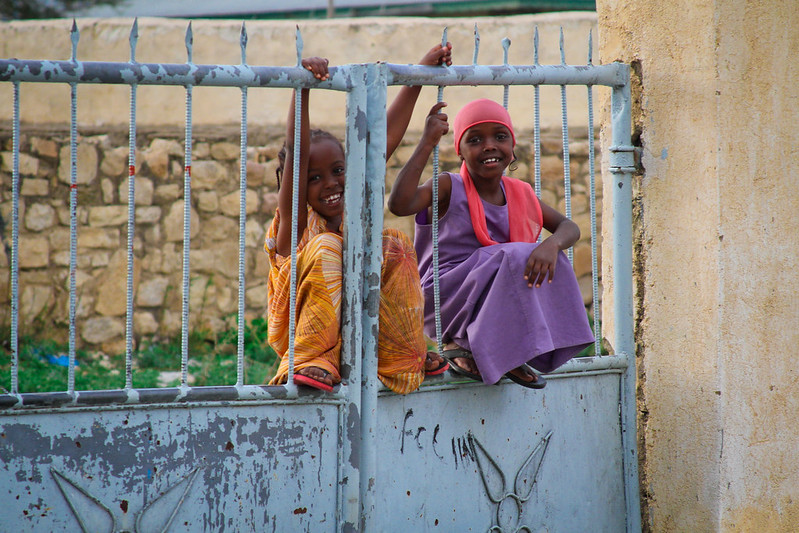
poverty somaliaSince 2002, poverty in Somalia has increased by an estimated 30%, with severe droughts, ongoing conflict and rising inflation making the Northeast African country increasingly harder to live in, with 67% of Somalian people living in multidimensional poverty – meaning that low income affects all aspects of their lives. Despite this, there are intense methods being put into place to fight this poverty, showing hope for a future nation without poverty.

The Somalia Household Integrated Budget Survey (SIHBS)

This national survey, conducted in 2022, reached more than 7,200 households and helped in gathering crucial information for the Somalia National Bureau of Statistics (SNBS). The 2023 survey collected data on employment and household income, along with livelihood, land ownership and technology usage, for the government to see the data for the average person’s life.

This survey showed that approximately 70% of people were living on less than $2.15 per day, with a significant increase in poverty in rural areas, all information which the government could use to prioritise certain, more significant areas of poverty in Somalia.

Improvements in Infrastructure

The government’s strong efforts to improve Infrastructure are also helping to improve poverty in Somalia through means such as the Electricity Act of 2023. Implementing National Water Resource Strategies and promoting rainwater harvesting in rural areas, and regulating energy licensing and tariffs, providing easier access to lower-costing electricity for over 1 million Somalian people.

Another method was through the Somalia Urban Resilience Project, Phase 2 (SURP II), which aimed to improve urban resilience and infrastructure in large cities, such as Mogadishu and Kismayo, by uplifting local governments and pushing economic stability. SURP II exceeded their own expectations, more than 1 million people received improved access to climate-resistance infrastructure as well as improved support for women and children.

Increased Focus on Health and Education

With the government’s increased focus on education and health care, poverty in Somalia is seeing a gradual decrease. This funding has helped to support Street Child, a group that works to improve school attendance while tackling the high infant mortality rates. With this added funding, more than 33,000 children received high-quality education, as well as a significant increase in literacy rates.

In addition, the Baxnaano cash transfer program, started by the government in 2019, provides life-changing help to poor and vulnerable households through $20 cash transfers per month. In 2022, 500,000 people received monetary help, allowing 40% of recipients to access SIM cards, and education.

Whilst poverty in Somalia is definitely still strong, both the government and the public are putting strong efforts into fighting this difficult battle, and, slowly, appear to be winning.

– Daisy McDonald

Daisy is based in Nottingham, UK and focuses on Good News and Global Health for The Borgen Project.

Photo: Flickr
October 15, 2025
https://borgenproject.org/wp-content/uploads/borgen-project-logo.svg 0 0 Lynsey Alexander https://borgenproject.org/wp-content/uploads/borgen-project-logo.svg Lynsey Alexander2025-10-15 07:30:172025-10-15 03:05:35The Fight against Poverty in Somalia
Development, Economy, Global Poverty

Mass Registration Drive for Foundational IDs in Somalia

foundational IDs in SomaliaOn August 18, 2025, Somalia’s National Identification and Registration Authority (NIRA) launched a pilot mass registration campaign for national IDs in two districts of Shangani and Boondheer. This campaign is part of a broader series of reforms by the Federal Government of Somalia (FGS) to support sustainable economic and social development nationwide. By increasing ID ownership, this initiative aims to help millions of Somalis gain access to critical services such as banking, education and government programs that were previously unavailable to them.

The Importance of IDs in Somalia

Somalia, officially the Federal Republic of Somalia, is a country located in the Horn of Africa. Like many countries in that region, Somalia has endured widespread poverty caused by years of drought, famine, conflict and institutional instability. In 2022, more than half of Somalia’s population lived below the national poverty line, while three-quarters experienced non-monetary poverty. Somalia’s nomadic population is especially affected, with approximately three-quarters of nomads living below the poverty line and nearly all experiencing non-monetary poverty.

Despite rapid urbanization, Somalia lags behind other countries with similar income levels in labor force participation and educational access. One major reason for this is Somalia’s low rate of citizen ID possession. According to the 2022 Somali Integrated Household Budget Survey, fewer than 16% of Somalis had some form of government-issued ID.

Foundational IDs are essential for accessing and facilitating multiple private and public services, including:

  • Opening bank accounts
  • Sending and receiving mobile money
  • Accessing government social protection and benefit programs
  • Applying for employment
  • Obtaining a driver’s license
  • Enrolling in school
  • Activating mobile phone or SIM services
  • Domestic and international travel

This same survey found that while most Somalis lack a foundational ID, the vast majority recognize their value and want one.

Challenges to ID Registration

Expanding ID coverage across Somalia presents multiple challenges. Despite recent rapid urbanization, Somalia’s population still remains widely dispersed. Many Somalis live in remote or rural areas, lead nomadic lifestyles or are refugees, returnees or internally displaced persons, which makes it challenging to reach unregistered individuals. Additionally, Somalia’s strong oral tradition and use of various minority languages and dialects create significant communication barriers during outreach and enrollment efforts.

Social norms also play a major role in limiting access to foundational IDs in Somalia. In particular, restrictive cultural practices often hinder women’s participation in public and economic life, which makes it more difficult for them to register or benefit from services that require IDs. Literacy levels in Somalia are also low, estimated at just 54% for people aged 15 and older, with women and youth disproportionately affected. Years of conflict and instability have disrupted education, especially for younger generations.

Security concerns further complicate registration efforts. Many Somalis express wariness toward privacy breaches or surveillance, particularly from hostile groups that may attempt to undermine the digital ID system. These risks create mistrust and cause many individuals to hesitate when seeking out a foundational ID in Somalia.

Current Steps Toward Mass Registration

To address these challenges, earlier this year, the NIRA opened multiple new registration centers in the districts of Shingani and Mogadishu. It aims to increase access to foundational IDs in Somalia. It has deployed several FGS representatives to every district to help with registration. Additionally, the NIRA created a “one-window operation” system, consolidating all necessary steps for obtaining an ID into a single and convenient service point, streamlining services and improving the citizen experience.

Inclusivity and data protection are also a core focus of the pilot program to encourage those without IDs to register. The Ministry of Finance’s Digital ID Inclusive Enrollment and Outreach Strategy instructs that at least 50% of the first one million registrants should be women. Additionally, the FGS has committed to following the United Nations’ Personal Data Protection and Privacy Principles to ensure that registrants’ rights, privacy and data remain secure.

Somalis will have the option to receive their ID in physical, digital or printed certificate formats, further increasing accessibility and adaptability. The NIRA has set the goal to register all 15 million citizens by the end of 2029.

IDs as a Way to Poverty Alleviation and Economic Growth

Expanding foundational IDs in Somalia will facilitate financial inclusion for many, particularly for women and offer a pathway toward economic independence. Mass ID possession will also strengthen national security systems by enabling more effective identity verification, helping to mitigate money laundering and terrorist financing risks and reducing fraud.

For service providers, widespread ID possession improves the ability to identify beneficiaries, eliminate duplication, reduce waste and both improve existing services and offer new ones. Moreover, the digital infrastructure supporting the ID system will enable innovation, drive private sector growth, create new industries and generate more and better jobs.

– Dylan Kretchmar

Dylan is based in Granville, OH, USA and focuses on Good News and Technology for The Borgen Project.

Photo: Flickr
October 13, 2025
https://borgenproject.org/wp-content/uploads/borgen-project-logo.svg 0 0 Lynsey 2 https://borgenproject.org/wp-content/uploads/borgen-project-logo.svg Lynsey 22025-10-13 07:30:502025-10-12 23:07:26Mass Registration Drive for Foundational IDs in Somalia
Agriculture, Economy, Global Poverty

How Camel Milk in Somalia is Boosting the Economy

Camel milk in somaliaSomalia continues to experience civil unrest. Its economy is primarily linked to livestock in agriculture. Livestock contributes about 40% to GDP and more than 50% of export earnings. Somalia has what’s referred to as a “low-income African Horn economy.” The more than 30 years of war and environmental instability have made it hard for the country to get back on its feet financially. However, the more than seven million camels that Somalia has in its borders are starting to change that.

Camels have always been at the center of Somalia’s exports. Now, thanks to a growing industry of camel milk and its benefits to humans, the people of Somalia are using these camels to boost the economy and fight malnutrition.

Production

Before, only a fraction of the country’s seven million camels were used for urban grocery stores. Now, in the outskirts of Mogadishu, there’s been a shift in production thanks to Dr. Abdirisak Mire Hashi, a veterinarian and Beder Camel Farm’s manager. He has been at the center of this production, both preserving heritage and supporting the progress that the country has been experiencing.

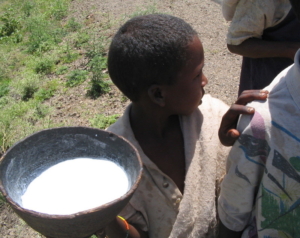
Each camel at the farm now produces up to 10 liters of milk per day, two times more than what traditional farmers got. The increase is directly related to new investments in veterinary care, better feed and modern milking practices. On routine, the camels have a check-up and take their nutritional supplement, a very different practice than the free-roaming camels as seen a decade ago.

The biggest change is the yogurt factory, the first of its kind in Somalia. The factory has created hundreds of much-needed jobs for the country.

Camel Milk Benefits

There has consistently been an uptick in people demanding camel milk in Somalia. It has exploded in popularity for many reasons, but the main reason is its health benefits:

  • Rich in lactoferrin and immunoglobulins.
  • Contains properties similar to colostrum.
  • Provides protein, potassium and healthy fats.
  • Excellent source of calcium and vitamin B1.

Camel milk yogurt is just as nutritious as cow’s milk. It offers a low-lactose alternative that remains rich in vitamins and minerals. This product could provide Somalia with a much-needed public health boost that may help ease the country’s malnutrition crisis.

Modern camel milk production is transforming agriculture. It is changing the way that farmers go about their livestock.

The Future

The Somali government is hoping more people will invest in this growing industry. Camel milk offers countless benefits and rising productivity could transform Somalia’s future. With the introduction of a Dairy Act and a livestock sector development strategy, the country is laying the groundwork for lasting change.

The Beder Camel Farm holds 40% of Somalia’s camel milk market. It continues to lead the way toward a more camel milk-focused future. The people of Somalia see the potential of this investment and they are hopeful for where it takes the country.

– Avery Carl

Avery is based in Norfolk, NE, USA and focuses on Technology and Solutions for The Borgen Project.

Photo: Flickr
August 22, 2025
https://borgenproject.org/wp-content/uploads/borgen-project-logo.svg 0 0 Lynsey 2 https://borgenproject.org/wp-content/uploads/borgen-project-logo.svg Lynsey 22025-08-22 03:00:192025-08-21 16:57:48How Camel Milk in Somalia is Boosting the Economy
Disease, Global Health, Global Poverty

Expanding Somalia’s Vaccination Program

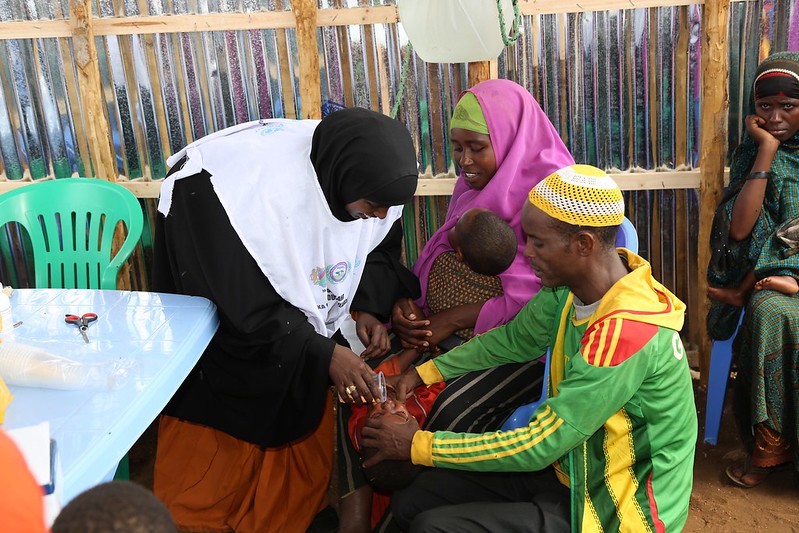
Somalia's Vaccination ProgramLack of health care accessibility has left Somalia with extremely low vaccination rates and high levels of child mortality. To combat this, the Somali administration has implemented national programs to amplify the routine vaccination of children against polio and measles. Recently, two vaccines are now also a part of the initiative’s coverage; rotavirus and the pneumococcal conjugate vaccine (PCV).

On the Ground

In Somalia, there is about a 10% chance that a baby of one month will not make it to the age of 5. This is largely due to low immunization rates, which are especially important for children, as they are more vulnerable to disease. High child mortality rates correlate with slow economic development, poor education and lack of government healthcare funding.

Historically, Somalia has had some of the lowest vaccination rates across the world; however, since its election in 2022, the Somali government is proving its commitment to lowering under-5 mortality rates by investing in nationwide immunization programs.

Somalia’s Vaccination Program

In 2022, the Somali government joined the U.N. and WHO to create the “Big Catch-Up” vaccination plan targeting polio and measles. The campaign achieved the vaccination of 3.2 million children under five against polio, and another 3.5 million against measles. More recently, in 2024, the Somali government implemented the Immunization and Polio Eradication Task Force (SIPE), a multi-agency initiative between the government, WHO and U.N. It also launched the Child Survival Forum to prioritize “zero dose” children, monitor progress and design action plans. An example of its success includes the nation-wide implementation of an electronic immunization registry to efficiently trace individuals’ vaccination records.

In April 2025, SIPE introduced two new vaccines to its agenda; the rotavirus vaccine and PCV. Rotavirus is deadly due to diarrheal effects which can severely dehydrate the child and cause malnutrition. Meanwhile, pneumococcal bacteria can lead to illnesses including pneumonia and meningitis, which are infections of the lungs and infections of the spinal cord and brain tissue, respectively. Together, vomiting, pneumonia and measles account for 43% of child deaths in Somalia.

Looking to the Future

Projections from 2023 suggest that by 2030, Somalia’s child mortality rate could see a decrease from 104 out of 1,000 newborns dying to approximately 91 out of 1,000. Additionally, Lives Saved Tool (LiST) projections show that accounting for both rotavirus and pneumococcal related illnesses, an estimated 28,974 lives could be saved and 1,309,326 cases could be averted between 2024 and 2030.

Government prioritization and financial investment in a robust national immunization initiative are already seeing success. Expansion since implementation, and partnerships with institutions including WHO, U.N. and Vaccine Alliance, prove Somalia’s commitment to a strong, lasting vaccination program for children. Ultimately, slow progress is better than no progress, and the impact of efforts to combat major social obstacles is best observed on a broader scale of time.

– Emily Galán

Emily is based in Edmonton, Canada and focuses on Global Health and Politics for The Borgen Project.

Photo: Flickr
July 13, 2025
https://borgenproject.org/wp-content/uploads/borgen-project-logo.svg 0 0 Lynsey Alexander https://borgenproject.org/wp-content/uploads/borgen-project-logo.svg Lynsey Alexander2025-07-13 03:00:272025-07-13 01:31:51Expanding Somalia’s Vaccination Program
Disability, Global Poverty

Disability and Poverty in Somalia

Disability and Poverty in SomaliaDisability affects 11.7% of Somalia’s adult population, revealing deep inequalities in education, employment and access to services—issues worsened by poverty, rural hardship and a fragile health system amid ongoing humanitarian crises. Many people with disabilities face systemic exclusion from schools, workplaces and public life due to a lack of inclusive policies and cultural beliefs. These challenges are further intensified by widespread poverty and rural isolation. In many areas, the fragile health care system—undermined by decades of conflict—cannot provide the necessary treatment leaving people with disabilities more vulnerable during ongoing humanitarian emergencies. Here is information about disability and poverty in Somalia.

About Disability in Somalia

About 13.5% of adults in rural areas have reported having a disability. This higher rate is likely influenced by limited access to health care services, poor nutrition and the impact of prolonged conflict, which increases the risk of injury and chronic illness. Rural communities also tend to face greater barriers in accessing rehabilitation services and assistive devices, contributing to higher levels of untreated or unmanaged disabilities. It is estimated that landmines and “Explosive Remnants of War” are causing 7,000 disabilities a year.

The most prevalent disabilities among both females and males are an inability to see or walk properly. Such physical impairments will significantly impact someone’s ability to perform daily activities, access education, and participate in the workforce.

Somalia has ratified other international treaties such as the UN Convention on the Rights of the Child (2015), the Convention on Economic, Social and Cultural rights and the African Charter on Human and People’s Rights which make some commitment to prevent discrimination and promote care and inclusion. However, there is little enforcement of these provisions and they did not ratify the UN Convention on the Rights of the Child. Due to this, Amnesty International says that, “the rights of most people with disabilities continue to be excluded, and their particular needs and concerns forgotten.”

About Life for the Disabled in Somalia

Life poses several challenges for disabled people, showing the link between disability and poverty in Somalia.

  • What is the literacy rate of disabled Somali people? The literacy rate of those who are disabled is substantially lower than those who are able-bodied. About 80.6% lack education, and only 3.3% achieve higher education. 
  • What is the mobile phone ownership rate? Mobile phone ownership is less common among people with disabilities, with 79.2% owning a device compared to 92.1% of those without disabilities. Similarly, mobile banking usage is lower, 74.3% versus 88.6%, respectively. This is significant because a lack of mobile phones suggests a broader disparity in digital and financial inclusion.
  • How much of the population is in poverty? Nearly 70% of Somalia’s population lives below the international poverty line, defined as earning less than $2.15 a day. People with disabilities consistently face higher unemployment levels than those without disabilities, regardless of where they live. In urban areas, for instance, 23.2% of individuals with disabilities do not have employment, versus 17.6% of non-disabled individuals.
  • What is the median food consumption? In Somalia, it is $399. Rural areas have a median food consumption of $364, while in urban areas, the lowest median food consumption is $281. In comparison, the average household food expenditure has increased to $10,000 in the USA. People with disabilities in Somalia face even greater challenges, as limited mobility, discrimination and lack of inclusive aid often prevent them from accessing food assistance. In households already struggling with low food consumption, having a member with a disability can further strain resources.
  • What is the health system like? The country’s health system faces critical shortages, and only one-third of the existing health facilities are functional. This has largely been due to the war, and because of the collapse of their health system there has been a spread of diseases such as polio or meningitis which have led to impairments. Further, it is extremely difficult to access the existing health facilities, due to transportation and medical costs. Transportation can cost up to $300 in some cases which prohibits much of Somalia’s poverty stricken-population.

Humanitarian Aid

The EU has allocated up to €202.54 million for humanitarian interventions in the country between 2023 and 2025. This funding supports aid organizations in delivering food assistance, basic health and nutrition services, clean water, protection, shelter and education.

In addition, the International Rescue Committee (IRC) has been delivering critical services in Somalia since 1981. It delivers programming in health, nutrition, water and sanitation services, women’s protection, as well as addressing the impacts of drought and food insecurity. For example, in 2023, it was able to impact 500,000 people through its work. In particular, it provided life-saving healthcare in challenging environments by delivering it through mobile outreach teams to ensure “hard-to-reach communities can access healthcare.”

Looking Ahead

One cannot separate disability in Somalia from the broader context of poverty, conflict and systemic neglect. With nearly 12% of the adult population living with a disability, the issue is far from marginal. The challenges—ranging from poor health care access and lack of education to food insecurity and digital exclusion—are deeply rooted in both social inequality and the country’s ongoing humanitarian crises. While international aid and local initiatives offer some relief, lasting change requires sustained investment in inclusive policies and community-based support. 

– Noorum Khan

Noorum is based in London, UK and focuses on Celebs and Politics for The Borgen Project.

Photo: Unsplash

July 5, 2025
https://borgenproject.org/wp-content/uploads/borgen-project-logo.svg 0 0 Jennifer Philipp https://borgenproject.org/wp-content/uploads/borgen-project-logo.svg Jennifer Philipp2025-07-05 07:30:482025-07-05 02:56:02Disability and Poverty in Somalia
Africa, Food Insecurity, Global Poverty

3 Organizations Tackling Food Insecurity in Somalia

Food Insecurity SomaliaSeveral organizations, including the World Food Program (WFP), the International Rescue Committee (IRC) and Action Against Hunger, are working to help combat the long-standing issue of food insecurity in Somalia. For decades, Somalia has struggled with malnutrition and food shortages, with more than 4 million people currently facing severe hunger.

Extreme Weather Conditions

Hunger and food insecurity can lead to a range of social and economic problems. According to the WFP, these issues include protests over rising food prices and conflict over scarce resources. Chronic hunger also undermines personal well-being and productivity, especially for children, making it harder for them to succeed in school and continuing the cycle of poverty.

In recent years, Somalia has experienced increasingly extreme weather conditions, with the drought from 2020 to 2023 affecting more than 8 million people. Droughts have a devastating impact on food supplies by significantly reducing the water available for agriculture, further deepening the crisis. Also, agriculture is a large part of Somalia’s economy, contributing to 70% of the total Gross Domestic Product (GDP).

WFP, IRC and Action Against Hunger

The WFP is delivering life-saving food and nutrition assistance. In collaboration with the Somali government, WFP is implementing integrated programs aimed at building long-term food security, particularly for drought-affected households. In 2022, when Somalia was hit with severe rain, WFP delivered cash transfers to more than 100,000 people to help them recover from the climate disasters. The organization is working hard to recieve additional funding, particularly from the U.S. that will allow them to continue reaching approximately 820,000 people every month.

The IRC has been active in Somalia since 1981, supporting communities recovering from crises such as droughts and floods. By partnering with local civil society organizations and government institutions, the IRC provides targeted support to vulnerable populations, helping them rebuild after disasters and regain stability.

Another key player in fighting food insecurity in Somalia is Action Against Hunger, which has been making a significant impact since 1992. Currently reaching more than 1 million people, the organization focuses on delivering essential nutrition services to some of the country’s hardest-hit areas. Their efforts are crucial in addressing the challenges of food insecurity in the region.

The Work Never Stops

Through their dedicated efforts, these organizations are not only addressing immediate needs but also striving to find long-term solutions to break the cycle of food insecurity in Somalia. Their commitment provides hope while also highlighting the importance of continued support for this cause and the need to discover new ways to improve conditions in the country.

– Knia Parks

Knia is based in Pepper Pike, OH, USA and focuses on Good News for The Borgen Project.

Photo: Flickr

July 4, 2025
https://borgenproject.org/wp-content/uploads/borgen-project-logo.svg 0 0 Lynsey Alexander https://borgenproject.org/wp-content/uploads/borgen-project-logo.svg Lynsey Alexander2025-07-04 01:30:472025-07-03 11:59:393 Organizations Tackling Food Insecurity in Somalia
Page 2 of 41234

Get Smarter

  • Global Poverty 101
  • Global Poverty… The Good News
  • Global Poverty & U.S. Jobs
  • Global Poverty and National Security
  • Innovative Solutions to Poverty
  • Global Poverty & Aid FAQ’s
Search Search

Take Action

  • Contact Your Leader
  • Donate
  • 30 Ways to Help
  • Volunteer Ops
  • Internships
  • Courses & Certificates
  • The Podcast
Borgen Project

“The Borgen Project is an incredible nonprofit organization that is addressing poverty and hunger and working towards ending them.”

-The Huffington Post

Inside The Borgen Project

  • Contact
  • About
  • Financials
  • President
  • Board of Directors
  • Board of Advisors

Get Smarter

  • Global Poverty 101
  • Global Poverty… The Good News
  • Global Poverty & U.S. Jobs
  • Global Poverty and National Security
  • Innovative Solutions to Poverty
  • Global Poverty & Aid FAQ’s

Ways to Help

  • Contact Your Leader
  • Donate
  • 30 Ways to Help
  • Volunteer Ops
  • Internships
  • Courses & Certificates
  • The Podcast
Scroll to top Scroll to top Scroll to top