• Link to X
  • Link to Facebook
  • Link to Instagram
  • Link to TikTok
  • Link to Youtube
  • About
    • About Us
      • President
      • Board of Directors
      • Board of Advisors
      • Financials
      • Our Methodology
      • Success Tracker
      • Contact
  • Act Now
    • 30 Ways to Help
      • Contact Your Leader
      • Volunteer
      • Courses & Certificates
      • Be a Donor
    • Internships
      • In-Office Internships
      • Remote Internships
    • Legislation
      • Politics 101
  • The Blog
  • The Podcast
  • Magazine
  • Donate
  • Click to open the search input field Click to open the search input field Search
  • Menu Menu

Tag Archive for: Poverty in Somalia

Posts

Africa, Cultural Heritage, Global Poverty

Poetry in Somalia: Using an Age-Old Art Form to Build Peace

Poetry in SomaliaSomalia, the easternmost country of Africa, is also referred to as a “Nation of Poets” or “Nation of Bards” for the Somali people’s deep appreciation for and proficiency with poetry. This form of storytelling has been used in Somali culture as early as storytelling has existed. The earliest poetry in Somalia is from the 18th century; a meditation by Sheekh Cali Cabduraxmaan. This ancient tradition has inspired a newer group that has surfaced just before the COVID-19 pandemic.

The Somali Storytellers

The Somali Storytellers is a group of young poets who have banded together in hopes of reaching the people of Somalia, particularly the younger generations who will be shaping the future of the country. The group produces influential works of art and performances that bring out the nation’s history and ancient culture but also get a touch of modernity.

The UNDP founded a Digital Storytelling Bootcamp that took 20 young Somalis and trained them on how to share their meaningful stories around the world using whatever technology they had available such as smartphones or computers. After the training, the poets went on a field trip to Mogadishu where they could record and create stories in public with their community.

Zahra Abdihagi

There were 400 candidates, including Zahra Abdihagi. Although she faced fierce competition from other applicants, her remarkable accomplishments as a writer and storyteller, along with her efforts to promote social change, helped her to rise to the top.

Zahra received a high school education in Canada, and before she had even graduated, she had succeeded in publishing a book of short stories. Since graduating and returning to her home, she has won several awards for her poetry writing. In her efforts to write poetry in Somalia, she has won awards such as placing third in a Somali-language international poetry competition.

After she and the other 20 applicants went through a six-week course on the introduction of storytelling creation using smart technology, Zahra is now a part of other creative workshops, aiding in training 30 other young Somali people in the art of fables. Once the COVID-19 pandemic hit and everyone became isolated, she encouraged the youth to express themselves and share messages with the people to stay safe.

Digital Shelter

In 2020, Digital Shelter asked the women of Somalia to share their stories about these incidents which became a story and a media-driven campaign called the Without Fear project. In 2021, on International Women’s Day, Digital Shelter launched The Cabsi La’aan – The Without Fear Project. Zahra wrote a story that ended up across social media worldwide, reaching also thousands of women in Somalia.

Her poem speaks to the issues she and other Somali women experience online and in their communities. Every day online, women receive attacks on several different fronts including account hacking, blackmailing and various other forms of online bullying. By creating this poetry in Somalia, women can fight back against cyber attacks.

The Somali Storytellers are currently in the process of forming their own company as well. Zahra said, “I see a great future for us. Lots of young people are already asking how they can become storytellers themselves.” Many people are also donating to their cause via their website.

The Future of Poetry in Somalia

Many young Somali Storytellers are currently making their debut as filmmakers. They have recently screened a digital story collection called “Me and My Somalia,” a series highlighting the innovation, resilience, and challenges that Somali communities face. In their ideal future, digital storytelling will be widely available, Somali culture will be accurately portrayed and the media will be crucial in fostering constructive community transformation.

– Taylor Naquin

Taylor is based in Gilbert, AZ, USA and focuses on Good News and Global Health for The Borgen Project.

Photo: Flickr
March 6, 2025
https://borgenproject.org/wp-content/uploads/borgen-project-logo.svg 0 0 Lynsey Alexander https://borgenproject.org/wp-content/uploads/borgen-project-logo.svg Lynsey Alexander2025-03-06 07:30:372025-03-06 01:12:05Poetry in Somalia: Using an Age-Old Art Form to Build Peace
elderly poverty, Global Poverty, Health

Tackling Elderly Poverty in Somalia  

Elderly Poverty in Somalia
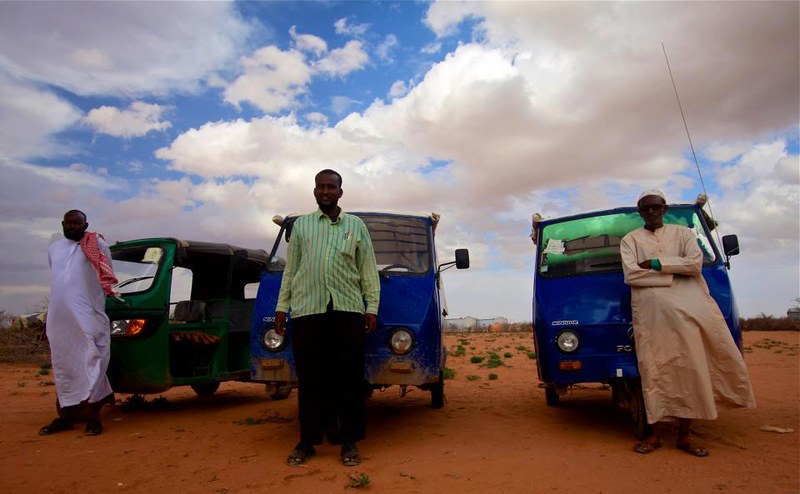
Since the collapse of Somalia’s central government in 1991, the country has faced decades of civil war and lawlessness. Political instability and ongoing conflict have driven widespread poverty, leaving Somalia as one of the world’s poorest nations. Regarding this, 69% of the population lives below the poverty line, earning less than $2.15 a day. Estimates indicate that the poverty rate among the vulnerable and the elderly ranges between 70% and 80%. As the country’s infrastructure deteriorated, so did its ability to provide services to its vulnerable demographic. Elders, who once held revered position in Somali society, now largely depend on their families for survival. However, widespread poverty among younger generations has weakened these traditional support systems. Instead, international organizations are implementing systems to tackle elderly poverty in Somalia.

Conflict Issues

 Years of armed conflict between government forces, militant groups like Al-Shabaab and clan-based factions have caused mass displacement across Somalia. As of 2024, there are more than 3 million internally displaced persons (IDPs) in Somalia. Many elderly individuals, who often lack the physical ability to flee quickly, experience relocation into overcrowded and poorly resourced IDP camps. In these camps, elders endure harsh living conditions with limited access to food, clean water and health care.

Moreover, elderly-headed households are often more susceptible to impacts of violence than households headed by younger people. In contrast, households in the top 20% of the consumption distribution manage to weather these crises better because they typically have savings or alternative income sources. This financial shield allows them to soften the economic shock from terrorist activities and maintain their consumption levels. Consequently, when violence occurs, poverty-stricken elderly individuals suffer more than those in Somalia’s wealthier communities.

Health Care Difficulties

Conflict has decimated Somalia’s already fragile health care system, leaving the population, including the elderly, without essential medical care. However, as the Somali government channels most of its resources into military and security operations, it underfunds and neglects health care facilities. As a result, Somalia faces an alarming doctor-to-patient ratio of 0.4 doctors per 10,000 people.

Environmental Challenges

Somalia has experienced recurring droughts over the past decade, and as of 2024, it grapples with its worst drought in 40 years. With five consecutive failed rainy seasons, Somalia’s agricultural sector has been severely damaged.

Exacerbated by the droughts, heavy rainfall has caused devastating floods in parts of the country. As a result, the World Food Programme (WFP) reports that these environmental disasters killed 4 million livestock and pushed 6.6 million Somalis to crisis levels of hunger. Farmers will take years to restore ruined farmlands and pastures, which puts Somalia in urgent need of humanitarian aid.

Fighting Elderly Poverty in Somalia

“Understanding the magnitude and importance of income shocks, such as drought or conflict, in causing and perpetuating poverty is critical to designing policies aimed at building reliance and contributing toward the goal of ending poverty,” says Utz Pape, lead economist in Poverty and Equity Global Practice at the World Bank Group (WBG). This underscores that to tackle elderly poverty in Somalia, policymakers must address the root causes of these crises by focusing on safety nets and enhancing health care infrastructure.

HelpAge, in partnership with Horn International Relief and Development Organization (HIRDO), are working to provide critical support. They are offering cash assistance to help elderly individuals purchase food and medicines, as many do not receive aid directly and struggle to afford treatment for health conditions. In addition to financial assistance, the initiative also includes referrals for medical care and mental health support to address the physical and psychological toll of poverty crises on older populations. These efforts are crucial as food prices soar and the elderly, who no not have pensions, face increasing hardships.

Additionally, the Somali Help-Age Association (SHAA) has introduced innovative policies and practices with strategies aligned with the Sustainable Development Goals (SDGs) to fight poverty and hunger among vulnerable communities in Somalia. Their efforts specifically target the most at-risk elderly individuals through relief, recovery and development programs. SHAA works to address immediate needs while advocating for basic social, economic and cultural rights of elderly people. As a result of their initiatives, SHAA has reduced hunger by providing food vouchers and cash relief to elderly and disabled individuals living in IDP camps and rural areas. This approach successfully met 60% of the elderly’s immediate needs, making a substantial impact on their survival and well-being.

Looking Ahead

By aligning emergency relief with long-term development, Somalia can make progress toward reducing elderly poverty and achieving broader eradication goals. These efforts not only respond to immediate challenges but also work to break the cycle of poverty that entraps vulnerable communities.

– Nour Mostafa

Nour is based in Gloucester, UK and focuses on Good News and Global Health for The Borgen Project.

Photo: Flickr
January 5, 2025
https://borgenproject.org/wp-content/uploads/borgen-project-logo.svg 0 0 Jennifer Philipp https://borgenproject.org/wp-content/uploads/borgen-project-logo.svg Jennifer Philipp2025-01-05 01:30:062025-01-04 03:25:29Tackling Elderly Poverty in Somalia  
Africa, Employment, Global Poverty

Reducing Unemployment in Somalia

Unemployment in SomaliaSomalia struggles with one of the highest unemployment rates in the world. As of 2022, unemployment stands at 19.29%, with youth unemployment in Somalia being even higher at 34.66%. This means that more than a third of the Somalian youth are unemployed, neither in work nor education, threatening the livelihoods of many and endangering economic growth for the whole country. A significant aspect of unemployment is a lack of education- nearly half of children in Somalia do not attend school, which further limits their career prospects. Poverty remains a generational issue, with four in every five children living in some form of deprivation.
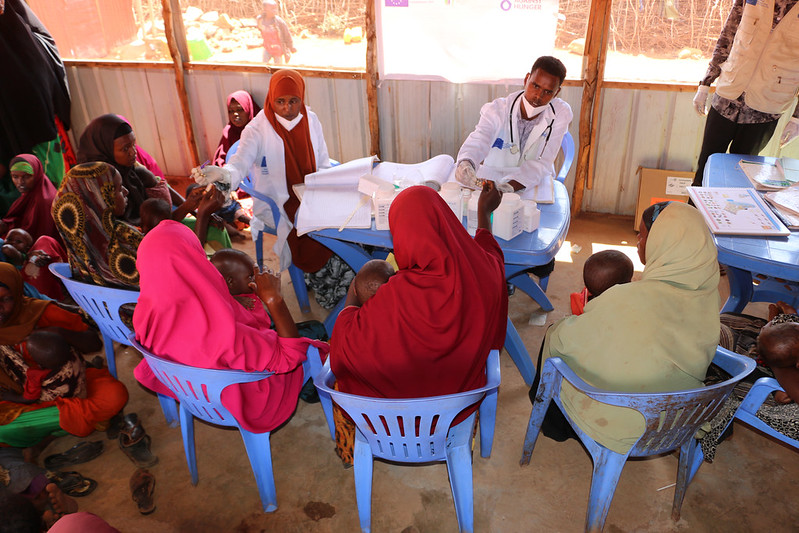
High rates of unemployment worsen already concerning rates of poverty; more than 60% of the population live on less than $2 a day. This means many struggle to feed their families or access education or healthcare. With low employment rates looming over the country, there seems to be no way out of these cycles of poverty.

The Nation of Poets

Somalia has a chance at a different future; known as “The Nation of Poets,” the country is investing more in the arts to help reduce unemployment, especially for younger people. President Sheikh Mohamud launched the National Youth Development Initiative to get more young people into work, with the help of U.S. investments, the World Bank reports.

The World Bank defines the Orange Economy as “a range of economic activities in cultural and creative industries where the main objective is the production or reproduction, promotion, distribution, or commercialisation of goods, services, and activities of content derived from cultural, artistic or heritage origins” and it generates around 30 million jobs every year. Harnessing this area of the economy could be Somalia’s answer to unemployment.

Unemployment in Somalia

Creative industries in Somalia thrived before the civil war but declined during it – now younger people are reviving them, according to the World Bank. The arts are a particularly effective way of reducing unemployment as they offer opportunities for both women and young people, the most affected by unemployment in Somalia.

The Solutions 4 Youth Employment report notes that four areas require changes to improve unemployment rates: training and mentorship; finance and grants; access to international markets; and local community networks for self-sufficiency.

The British Council’s East Africa Arts program is helping provide necessary financial aid to fund training and support people entering the workforce, according to the World Bank. The arts can provide prospects for so many to escape cycles of poverty, through providing opportunities for women and young people, and those whose careers and livelihoods have been impacted by extreme weather and natural disasters.

Other Initiatives

Alongside this investment in the creative industries, there have also been efforts to improve employment rates in numerous different sectors. The U.N. Joint Programme on Youth Employment worked to provide both long and short-term employment for young people by focusing on key areas like agriculture, resulting in 5,000 new jobs.

Organizations like UNFPA and SOLO have been offering training to young people in Somalia to improve their soft skills, a crucial aspect of being employable. This training means that young people are ready and equipped to take up jobs that other programs are helping to create.

Investing in the arts and creative industries could help reduce unemployment in Somalia and provide life-changing chances for so many living in poverty. This focus on harnessing the skills and gifts of Somalia’s young people is instrumental in securing Somalia’s future.

– Eryn Greenaway

Eryn is based in East Sussex, UK and focuses on Business and New Markets for The Borgen Project.

Photo: Flickr

September 2, 2024
https://borgenproject.org/wp-content/uploads/borgen-project-logo.svg 0 0 Lynsey Alexander https://borgenproject.org/wp-content/uploads/borgen-project-logo.svg Lynsey Alexander2024-09-02 07:30:232024-09-02 07:32:04Reducing Unemployment in Somalia
Africa, Global Poverty, Health

Improving Health Care in Somalia

Health Care in SomaliaHealthcare has become a critical issue for Somalia. With only one government hospital in the capital, many residents are forced to pay substantial amounts for health care. Additionally, health care services are more accessible in urban areas than in rural regions, creating a disparity between these sectors. By 2024, Somalia had also encountered numerous humanitarian challenges exacerbated by poverty. This has included natural disasters such as droughts and severe flooding in 2023, which devastated crops and infrastructure. However, several organizations are working to rebuild Somalia, focusing on improving its health care system.

Medair

Medair provides free health and nutrition services to those who cannot afford care, significantly reducing mortality and morbidity rates, especially among children. It has also integrated health services with education on disease prevention to improve overall community health. Additionally, recognizing the impact of family issues like domestic violence, family separation and child labor on mental health, Medair has established child-friendly spaces in Somalia. These spaces offer a supportive environment where children can receive therapy and other assistance to alleviate stress.

For instance, Medair has been invaluable for people like Fadumo and her son Hassan. Their family relies on the father’s income as a construction worker, insufficient to cover their health care needs. With few hospitals accessible due to general shortages in Somalia, Medair’s support has been crucial. Fadumo joined the malnutrition program for pregnant mothers, which helped her regain her strength. Her son, who was also malnourished, received prompt treatment and was able to recover.

International Committee of the Red Cross

In extreme natural disasters like droughts, families in Somalia often struggle to reach the nearest hospital. To address this challenge, the International Committee of the Red Cross (ICRC) works to improve access to health care. The ICRC supports four hospitals and 27 primary care centers in Somalia, ensuring they are adequately staffed to prevent check-up delays. Additionally, the organization provides material assistance by ensuring health care facilities have access to clean water and the necessary tools to address malnutrition. The ICRC also offers rapid support for patients who are shot or severely injured.

The ICRC also engages with local citizens to ensure their safety and protection, particularly during conflict. In response to large-scale armed attacks or the use of explosives, the ICRC has a designated plan and delivery strategy to provide extensive support and prioritize care for the most severely wounded.

Somalia’s First Aid and Pre-Hospital Emergency Care program facilitates comprehensive pre-hospital care by recruiting staff and ensuring the correct delivery of medicine. Additionally, the program offers first aid training for communities, empowering individuals to contribute to improving their community’s overall safety and health.

Somali Universal Health Coverage

After three decades of conflict, health care in Somalia has significantly deteriorated, with up to 70% of the population living in poverty. Recognizing the need for improvement, the government has prioritized primary health care as a crucial initiative to enhance community health. This approach aims to provide comprehensive care for individuals throughout their lives, ensuring the highest quality of treatment. Somalia has undertaken several key actions to advance toward universal health coverage.

First, a coordination system was established to ensure adequate staffing at every district level and monitor hospital medicine availability. Emergency preparedness is a critical component of Somali Universal Health Coverage; one approach includes strengthening warning systems to allocate health services before sudden droughts or floods impact food supplies. Additionally, the role of the Ministry of Health has been expanded to regulate better and finance these initiatives effectively.

Final Note

Somalia’s health care system, severely impacted by decades of conflict and high poverty rates, has seen some improvements through various initiatives. Efforts by organizations like Medair and the ICRC, along with government-led actions such as enhanced coordination and emergency preparedness, are working to address critical health needs and provide essential services. Despite progress, significant challenges remain, highlighting the need for comprehensive support and development in Somalia’s health care sector.

– Linda Yoonseo Lee

Linda is based in Phoenix, AZ, USA and focuses on Good News for The Borgen Project.

Photo: Flickr

August 31, 2024
https://borgenproject.org/wp-content/uploads/borgen-project-logo.svg 0 0 Lynsey 2 https://borgenproject.org/wp-content/uploads/borgen-project-logo.svg Lynsey 22024-08-31 01:30:342024-08-31 02:05:16Improving Health Care in Somalia
Disease, Global Poverty, Health

Health Initiatives and Diseases in Somalia

Diseases in SomaliaFor a long period, Somalia has been a vulnerable target for many infectious diseases. Some of the leading factors can be attributed to the humanitarian crises of malnutrition, mass displacement and lack of access to clean water and food, as well as the several years of drought that started in 2015. With that said, here are three diseases in Somalia and the initiatives combating them.

Cholera

Cholera is a bacterial disease transmitted through contaminated water and food sources, posing a risk of mortality if left untreated. In 2024, there was another cholera outbreak after the flooding of El Niño rains. According to the International Rescue Committee (IRC), 980 cases were reported in the first two weeks of January, with 55% of them being children. The number of reported cases has been increasing for the past few years. The year 2023 experienced a 15% increase from the previous year, while there was a 48% increase in 2024 compared to the same period in 2023.

As of May 27, 2024, there were more than 10,000 cases and 120 deaths across the country since January. The outbreak also destroyed farmlands, which worsened the poverty and malnutrition among families across Somalia. As with other humanitarian crises, the cholera outbreak affected the vulnerable groups the most, adding to their instability with a lack of sanitation facilities, medical treatment and food.

As a response to address the public cholera crisis in Somalia, the National Cholera Task Force has been activated and the IRC has stepped up. The IRC has made an effort to mitigate the impact of the cholera outbreak by providing humanitarian aid such as clean drinking water and proper sanitation materials to affected populations. The Central Emergency Response Fund (CERF) also allocated $2 million to the cholera outbreak in Somalia.

Measles

Measles is a contagious disease with symptoms such as high fever and rash and it carries a risk of potential death. In Somalia, measles is prevalent, with cases reported annually. As of February 2024, there have been 3,365 reported cases and 37 deaths since the beginning of the year. This significant rise is due to limited access to health care services, medical supplies, proper sanitation, safe water and lowered immunity due to acute malnutrition. The risk is further aggravated among vulnerable communities due to low vaccination rates, widespread malnutrition and vitamin A deficiency among children younger than 5 years old.

Amid the measles crisis, the World Health Organization (WHO) responded by providing technical support on surveillance, vaccination, case management, training of health care workers and risk communication. In addition, in the last week of April 2024, Somalia’s Federal Ministry of Health, the WHO and the United Nations Children’s Fund (UNICEF) partnered to increase the immunization rate among children in Somalia.

Past initiatives include administering 933,000 vaccinations in January of 2018 through a campaign partnered with WHO, UNICEF and national and local health authorities. UNICEF also provided 4.7 million doses of vaccines and 1,700 social mobilizers to facilitate the vaccination programs with vitamin A supplementation.

Tuberculosis

Tuberculosis (TB) is another public health problem in Somalia. TB is a serious infectious disease caused by Mycobacterium tuberculosis that affects the lungs. In 2023, there were 246 TB cases per 100,000 population in Somalia. According to WHO, some of the factors related to TB transmission and progression are crowded and poorly ventilated living environments, undernutrition and limited general health knowledge. In other words, poverty correlates with TB cases, increasing the vulnerability of Somalia’s population.

In March of 2024, WHO Somalia, jointly with the Federal Ministry of Health and Human Services, marked World TB Day 2024 with continuous reinvigorated determination to end the TB epidemic. Since 1995, Somalia’s TB program has made significant progress in controlling the TB epidemic in Somalia. The program is based on WHO’s End TB Strategy, adopting WHO’s diagnostic and treatment regimens.

In 2023, TB cases decreased by 14% compared to 2010. Additionally, the number of TB treatment centers increased from seven in 1995 to 109 in 2023. The program saved 184,052 lives with TB cases from 2010 to 2023, with an average treatment success rate of 87%. With a renewed commitment to combat the TB epidemic, Somalia will continue to control TB and save the lives of its people.

Conclusion

Cholera, Measles and Tuberculosis are three of many diseases in Somalia, affecting thousands of people’s lives. With the increase in outbreak cases, there is also an active effort to mitigate the impact of diseases. According to Minister of Health Dr Ali Haji Adam Abubakar, the introduction of new vaccines, including Rotavirus and Pneumococcal Conjugate Vaccines, is also expected to help Somalia combat other diseases that are taking the lives of many children.

Despite ongoing instability and disease outbreaks, with collective and concerted effort, Somalia would be able to keep diseases affecting the population under control and save the lives of Somali citizens.

– Sein Kim

Sein is based in Bellevue, WA, USA and focuses on Good News for The Borgen Project.

Photo: Flickr

August 9, 2024
https://borgenproject.org/wp-content/uploads/borgen-project-logo.svg 0 0 Lynsey 2 https://borgenproject.org/wp-content/uploads/borgen-project-logo.svg Lynsey 22024-08-09 01:30:102024-08-09 00:31:12Health Initiatives and Diseases in Somalia
Developing Countries, Global Poverty, Women's Rights

FGM in Somalia and The National Development Plan

FGM in SomaliaSomalia has one of the highest rates of female genital mutilation (FGM) in the world, with nearly 100% of women aged 15 to 49 having undergone the procedure. This practice is rooted in cultural, religious and social norms, perpetuating control over female sexuality and upholding gender inequality. Despite being illegal, female genital mutilation persists due to societal pressures, weak enforcement of existing laws and unstable governance. Traditional practitioners, often older women in the community, typically perform FGM, leading to severe health complications for the victims.

Reasons for Persistence

  • Cultural and Religious Beliefs: FGM is viewed as a cultural practice to mark the transition from girlhood to womanhood. The practice is also mistakenly linked to religious expectations and beliefs.
  • Social Pressure: There is a risk of ostracism if families do not conform to this practice held by groups. This process often aligns with practices such as child marriage. FGM is a way to preserve family honor and ensure daughters are “pure” and “virginal” women.
  • Limited Access to Education: There is a lack of awareness regarding the pain, danger and injustice of FGM.

The National Development Plan

The Ninth National Development Plan (NDP9) is a comprehensive governmental framework designed to guide Somalia toward sustainable economic growth and poverty reduction between 2020 and 2024. This plan addresses politics, improved security, economic growth and social development. Furthermore, gender equality and women’s empowerment are pivotal objectives of NDP9. A significant focus is placed on combating harmful practices like FGM.

NDP9 incorporates strategies to combat FGM through laws, public awareness campaigns and education programs targeting both men and women. This includes the Ifrah Foundation’s “Dear Daughter” campaign, which hopes to reduce FGM by promoting personal empowerment and asking parents to pledge that they won’t cut their daughters. The aim is that a three-pillar approach of education, advocacy and action will begin to lay sustainable foundations for FGM eradication.

Comparison with Kenya

With previously high rates of FGM, similar initiatives and legislation in Kenya have seen FGM drop to approximately 15% among women aged 15-49. Effective grassroots activism, education and support from nongovernmental organizations (NGOs) have led to significant reductions in FGM prevalence, as well as the criminalization of those practicing. Organizations like the Kenyan anti-FGM Board and Amref Health Africa have been instrumental in these efforts. This comparison suggests that increased governmental stability and specific FGM groups can facilitate a quicker eradication of FGM in Somalia.

Activism, Advocacy and Advice

Activists like Shamsa Sharawe have played a crucial role in the fight against FGM in Somalia and Europe. By bringing the attention of international communities to the issue, Sharawe’s advocacy highlights the physical and psychological harm caused by FGM. Her efforts and those of various NGOs have been instrumental in pushing for more robust policies and community-based interventions. They display that this is not an issue of the past. FGM is a continual injustice and attack on female autonomy, dignity and freedoms.

Survivors of FGM, like Ifrah Ahmed (founder of “Dear Daughter“), have become vocal advocates for ending the practice. They emphasize the importance of education, community dialogue and international cooperation. Additionally, by sharing their stories, survivors help break down stereotypes and stigmas associated with female genital mutilation, advocating for survivor support and defending women’s dignity and integrity.

– Olivia Howard

Olivia is based in London, UK and focuses on Technology and Global Health for The Borgen Project.

Photo: Flickr

July 31, 2024
https://borgenproject.org/wp-content/uploads/borgen-project-logo.svg 0 0 Lynsey 2 https://borgenproject.org/wp-content/uploads/borgen-project-logo.svg Lynsey 22024-07-31 07:30:572024-07-30 03:50:53FGM in Somalia and The National Development Plan
Africa, Global Poverty, Nonprofit Organizations and NGOs

Human Appeal Is Helping Alleviate Poverty in Somalia

Human AppealSomalia is enduring civil war and one of its worst droughts in 40 years, following a fifth consecutive failed rainy season. Most of Somalia’s livelihoods depend on agriculture and the current drought has devastated crops and agricultural activities. As a result, up to 1.8 million children are facing malnutrition. Additionally, approximately 40% of the population, around 6.6 million people, are experiencing acute food insecurity, meaning they urgently need sufficient food. Despite Somalia’s extreme difficulties, there is hope in the fight against poverty.

Human Appeal is a global nonprofit organization that has been combating poverty for more than 30 years. The organization is dedicated to improving the lives of people around the world who are living in poverty. The organization’s slogan, “Whoever saves one life- it is as if he had saved mankind entirely,” summarizes its mission to alleviate poverty worldwide.

Human Appeal’s Work in Somalia

Human Appeal has been active in Somalia since 2016 and is dedicated to supporting vulnerable groups and individuals nationwide. The nonprofit is improving lives in Somalia by fighting against poverty, social injustice and natural disasters. Its work in Somalia entails providing relief and establishing self-sufficient programs that aim to invest in places experiencing higher poverty rates so that these people can find sustainable solutions and independently improve their lives.

Human Appeal is helping alleviate poverty in Somalia through various initiatives, including:

  • Distributing food parcels containing rice, flour, sugar, oil and milk powder, which can sustain families for up to a month.
  • Providing one month’s clean water to communities affected by the drought.
  • Collaborating with UNICEF to supply high-calorie treatment for malnutrition.
  • Offering shelter and nonfood items to displaced families arriving at camps in Mogadishu.

Human Appeal also addresses poverty in Somalia through sustainable efforts that aim to build a lasting future rather than merely provide temporary relief. The projects are managed by local staff, with local doctors and nurses operating hospitals. This approach focuses on reducing poverty and creating a better future for the people of Somalia.

Human Appeal has also been able to reach some of the most remote regions of Somalia, which are often the most in need of aid and struggling with extreme poverty. During these vulnerable times, the Human Appeal team provides critical assistance, saving lives and improving the quality of life for many citizens.

In 2023 alone, Human Appeal reached 287,142 people in Somalia, providing food support for more than 170,000 and health care for 98,000. The organization also provided access to clean water and improved sanitation for more than 11,000 people in the country.

Final Remark

Although much good work by Human Appeal and other aid organizations has already taken place in Somalia, the need for aid is increasing. Due to widespread drought and civil war, the demand for assistance within the country has doubled. Addressing coverage gaps and unmet needs of the affected population remains critical.

– Lachlan Wellington

Lachlan is based in Fareham, UK and focuses on Technology and Global Health for The Borgen Project.

Photo: Unsplash

July 26, 2024
https://borgenproject.org/wp-content/uploads/borgen-project-logo.svg 0 0 Lynsey 2 https://borgenproject.org/wp-content/uploads/borgen-project-logo.svg Lynsey 22024-07-26 07:30:072024-07-26 05:06:35Human Appeal Is Helping Alleviate Poverty in Somalia
Africa, Conflict, Global Poverty

Alleviating Poverty in Post-Conflict Cities: UN Plans for Mogadishu

Plans for MogadishuA 2020 report by the World Bank predicts that by 2030, more than one-half of the world’s impoverished will be living in fragile and conflict-affected situations (FCS). Following 2007 estimates, the number of individuals living near or in FCSs has almost doubled, which has raised questions as to whether the 2030 poverty reduction goals can be reached.

The UNDP

In the past eight years, the United Nations Development Programme (UNDP) has been a beacon of hope, supporting stable and legitimate governments in states transitioning out of FCS. This concerted effort has yielded tangible results, improving stability and increasing development in these transitioning countries.

In collaboration with the United Nations (U.N.)-Habitat, the UNDP has spearheaded reconstruction initiatives for transitionary regions, demonstrating the potential for significant poverty reduction in post-conflict cities.

Pathways for Peace

The 2018 U.N. publication “Pathways for Peace” offers a compelling solution. The Institute for Economics and Peace’s research reveals a striking cost-effectiveness ratio for conflict resolution: 1:16. This means that investing in peace and development saves donor nations money in foreign aid over time and significantly contributes to poverty reduction in post-conflict cities. The success of these strategies is evident in the case of Mogadishu, Somalia.

U.N.-Habitat Plans for Mogadishu

Since 2012, Mogadishu has been one of the fastest-growing regions in Somalia. As a result of several years of internal conflict, the city and municipality surrounding it lack the necessary infrastructure and the general information needed to create strategic urban plans.

Following the 2014 Urban Analysis of Mogadishu conducted, the U.N. developed five plans for the city’s all-around development and socially sustainable growth. Projects one and two focus on building or redeveloping highway systems that connect the city with the surrounding municipality.

Project three specifically affects the rehabilitation and historical preservation of the medieval historic districts, specifically by developing drainage and waste disposal centers within the districts. While it is currently impossible to restore the entirety of the “old town,” developers plan to improve the district with smart tourism and new business opportunities within vacant buildings.

Project four hopes to expand market access within urban Mogadishu while expanding public transportation opportunities to and around market centers. Finally, Project Five plans to redevelop public spaces with the input of the districts of Mogadishu to redevelop public places that are significant to the communities they foster.

Final Remark on Plans for Mogadishu

All projects being researched and prepared are based on the relative stability of Mogadishu. Poverty reduction-centric planning and aid can only work in regions of peace; poverty in post-conflict cities can be alleviated more consistently than FCS-based poverty. By investing in peace, poverty can be reduced for more than 74 million people, and organizations such as the U.N. and World Bank can create localized programs and initiatives to allow communities to rebuild themselves.

– Jamie Sackett

Jamie is based in Hutto, TX, USA and focuses on Global Health and Politics for The Borgen Project.

Photo: Flickr

June 26, 2024
https://borgenproject.org/wp-content/uploads/borgen-project-logo.svg 0 0 Lynsey 2 https://borgenproject.org/wp-content/uploads/borgen-project-logo.svg Lynsey 22024-06-26 03:00:282024-06-25 04:21:01Alleviating Poverty in Post-Conflict Cities: UN Plans for Mogadishu
Aid, Charity, Global Poverty

Charities Operating in Somalia

. Charities Operating in SomaliaThe changing climate and conflict are the driving factors behind poverty in Somalia, where ongoing droughts and political insecurity have led to internal displacements, with much of the population living in camps. As a result, almost 70% of Somalis live below the poverty line and only 53% of children are enrolled in school. In response, many organizations are providing valuable resources to alleviate poverty in Somalia. Here are just five charities operating in Somalia that have made a difference in poverty reduction.

Islamic Relief

This charity provides valuable resources for local communities affected by water scarcity due to the ongoing drought. Islamic Relief has helped displaced communities by drilling a borehole and creating a water supply system in Baidoa, a large city in the southern region of Somalia.

Islamic Relief also trained local community members to establish a water management committee. This has enabled them to oversee the water facility independently. The facility was officially handed over to the local community in August 2023. It now supplies clean drinking water to 3000 homes in Baidoa.

Concern Worldwide

With a mission to end extreme poverty, this charity operates several projects in Somalia that focus on emergency responses to natural disasters and population displacement. It also invests in long-term programs to improve the resilience of local communities. Its latest achievements include the establishment of 13 fixed and 15 mobile health centers. These centers provide patient consultations, antenatal and postnatal services, treatment for malnutrition and immunization for 503,000 patients in 2022. Concern Worldwide also focuses on livelihood support and has created 65 self-help groups for women in Somaliland. The support has improved their social and economic positions in society.

Ifrah Foundation

This charity has been operating in Somalia since 2014 and aims to eradicate Female Genital Mutilation (FGM). This practice is a violation of human rights. It has a prevalence rate of 99% in Somalia – the highest in the world. FGM is carried out on young girls and can cause severe bleeding, extreme pain, cysts and infections, problems urinating and complications in childbirth. It can also negatively impact the mental health of young girls, causing shock, depression and anxiety.

Empowering women and improving gender equality is a key accelerator for sustainable development. Ifrah Foundation’s “Dear Daughter” campaign works across three pillars of action to improve the quality of life for Somali women: Advocacy, Awareness raising and Community Empowerment. The charity has trained 665 community activists on the dangers of FGM and the power disparity between genders, which allows girls and women to be violently targeted. These activists then return to their local communities in Somalia and advocate for the end of FGM by sharing their knowledge with members of their community.

Salam Charity

This organization is dedicated to empowering Somalia’s youth. About 70% of Somalia’s population is aged less than 30 and 67% are currently unemployed. As a result, most young people in Somalia cannot afford vital health care. In response, Salam Charity has created a mobile medical clinic by recruiting teams of medical professionals in Somalia.

This traveling clinic can dispatch essential medical treatments to hard-to-reach communities affected by the civil conflict. In addition to providing free check-ups and treatments, the nonprofit also offers funding to pay for life-altering cataract surgery, which can increase opportunities for the visually impaired.

Muslim Aid

This charity has been operating in Somalia since 1993, when it was first established there in response to the civil war. Since then, it has introduced various projects to aid the country’s recovery and development.

One of its priorities has been education. In 2006, Muslim Aid formed Basaso College, which has now expanded into a university with 532 students. It also addresses gender inequality by providing training and equipment to 500 women to build their skillsets and teach them how to run their businesses. Additionally, it has provided counseling for victims of rape and gender-based violence.

These charities operating in Somalia are improving the lives of vulnerable Somalians by providing them with access to water, education and health care.

– Sabrina Batouche

Sabrina is based in London, UK and focuses on Good News and Global Health for The Borgen Project.

Photo: Flickr

June 9, 2024
https://borgenproject.org/wp-content/uploads/borgen-project-logo.svg 0 0 Lynsey 2 https://borgenproject.org/wp-content/uploads/borgen-project-logo.svg Lynsey 22024-06-09 01:30:022024-06-08 13:03:53Charities Operating in Somalia
Child Marriage, Child Poverty, Children, Developing Countries, Global Poverty, Nonprofit Organizations and NGOs

Solutions in the Fight Against Child Marriage in Somalia

Child Marriage in SomaliaAbout 36% of girls in Somalia are married before the age of 18 and 17% are married before the age of 15. Child marriage is expected in a lot of underdeveloped countries and is often a direct product of poverty. Somalia’s government does not have a national strategy or action plan to help combat this issue.

Causes of Child Marriage

Girls Not Brides is a nongovernmental organization committed to action against child marriage by mobilizing communities and drafting solutions. According to the organization, high rates of child marriage can be attributed to many factors, including gender inequality. Somalian girls are often married young to protect family honor. The social norms in the country emphasize the protection of young girls before marriage.

These young women are married for increased protection measures, mitigating instances of sexual violence or abuse. However, gender inequality is only one small portion of a larger problem: poverty. Often, in times of crisis and disaster, families use child marriage as a solution to cope with severe economic hardship.

The European Civil Protection and Humanitarian Aid Operations, a commission that supports countries based on international humanitarian law, reports that at least 6.9 million individuals in Somalia need humanitarian aid this year alone. Nearly half of the population is in severe need. Child brides are one solution to cope with such hardship. Higher rates of child marriage are further exacerbated by food insecurity and droughts, among other significant issues that the county faces.

Government Action and Legislation

The Somali Ministry of Women and Family Affairs created legislation to protect children from marriage. One of these initiatives included the Child Rights Bill. The bill prohibits the marriage of young children and the abuse of children in any form.

Furthermore, the Ministry of Women and Human Rights Development has developed other laws currently in the drafting stage that aim to protect children and implement elements of the Convention on the Rights of the Child into Somalia’s national laws. Adopted in 1989, the Convention on the Rights of the Child is an expansive treaty on the social, political and cultural rights of children worldwide.

The Humanitarian Relief and Development Council

The Humanitarian Relief and Development Council is a nonprofit, woman-led organization in Somalia supporting women, children and other minority groups facing conflict, poverty, violence and injustice. The organization works directly on the ground to provide community-based mobilization campaigns to spread knowledge and awareness on the harmful effects of sexual gender-based violence and child marriage.

In addition, families also receive health insurance. The nonprofit prioritizes women and children, a vulnerable population, by mobilizing community members to raise their concerns to government officials.

Looking Ahead

According to the Sustainable Development Goals (SDGs), Somalia has committed to eradicating child marriage by 2030. According to Girls Not Brides, global progress varies by country. However, the practice continues to decline globally. The organization reports that around 68 million cases have been prevented in the last few years. Progress has been linked to socioeconomic status, meaning economic growth plays a key role in reducing rates of child marriage.

In conjunction with humanitarian aid organizations, government initiatives are one of the few solutions to stop this slowly but surely decreasing problem. Child marriage prevention in Somalia starts with ensuring the rights of children and supporting families in economic hardship.

– Dominic Samaniego

Dominic is based in Fullerton, CA, USA and focuses on Good News and Technology for The Borgen Project.

Photo: Flickr

May 27, 2024
https://borgenproject.org/wp-content/uploads/borgen-project-logo.svg 0 0 Lynsey 2 https://borgenproject.org/wp-content/uploads/borgen-project-logo.svg Lynsey 22024-05-27 01:30:512024-05-26 09:06:54Solutions in the Fight Against Child Marriage in Somalia
Page 3 of 41234

Get Smarter

  • Global Poverty 101
  • Global Poverty… The Good News
  • Global Poverty & U.S. Jobs
  • Global Poverty and National Security
  • Innovative Solutions to Poverty
  • Global Poverty & Aid FAQ’s
Search Search

Take Action

  • Contact Your Leader
  • Donate
  • 30 Ways to Help
  • Volunteer Ops
  • Internships
  • Courses & Certificates
  • The Podcast
Borgen Project

“The Borgen Project is an incredible nonprofit organization that is addressing poverty and hunger and working towards ending them.”

-The Huffington Post

Inside The Borgen Project

  • Contact
  • About
  • Financials
  • President
  • Board of Directors
  • Board of Advisors

Get Smarter

  • Global Poverty 101
  • Global Poverty… The Good News
  • Global Poverty & U.S. Jobs
  • Global Poverty and National Security
  • Innovative Solutions to Poverty
  • Global Poverty & Aid FAQ’s

Ways to Help

  • Contact Your Leader
  • Donate
  • 30 Ways to Help
  • Volunteer Ops
  • Internships
  • Courses & Certificates
  • The Podcast
Scroll to top Scroll to top Scroll to top