• Link to X
  • Link to Facebook
  • Link to Instagram
  • Link to TikTok
  • Link to Youtube
  • About
    • About Us
      • President
      • Board of Directors
      • Board of Advisors
      • Financials
      • Our Methodology
      • Success Tracker
      • Contact
  • Act Now
    • 30 Ways to Help
      • Email Congress
      • Call Congress
      • Volunteer
      • Courses & Certificates
      • Be a Donor
    • Internships
      • In-Office Internships
      • Remote Internships
    • Legislation
      • Politics 101
  • The Blog
  • The Podcast
  • Magazine
  • Donate
  • Click to open the search input field Click to open the search input field Search
  • Menu Menu

Tag Archive for: Poverty In Iran

Posts

Global Poverty

Addressing Elderly Poverty in Iran

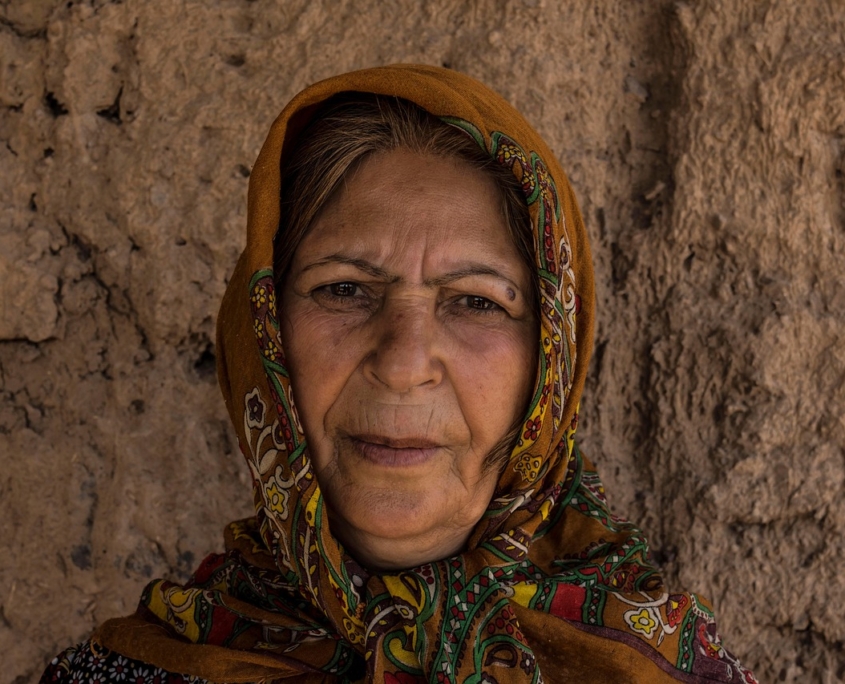
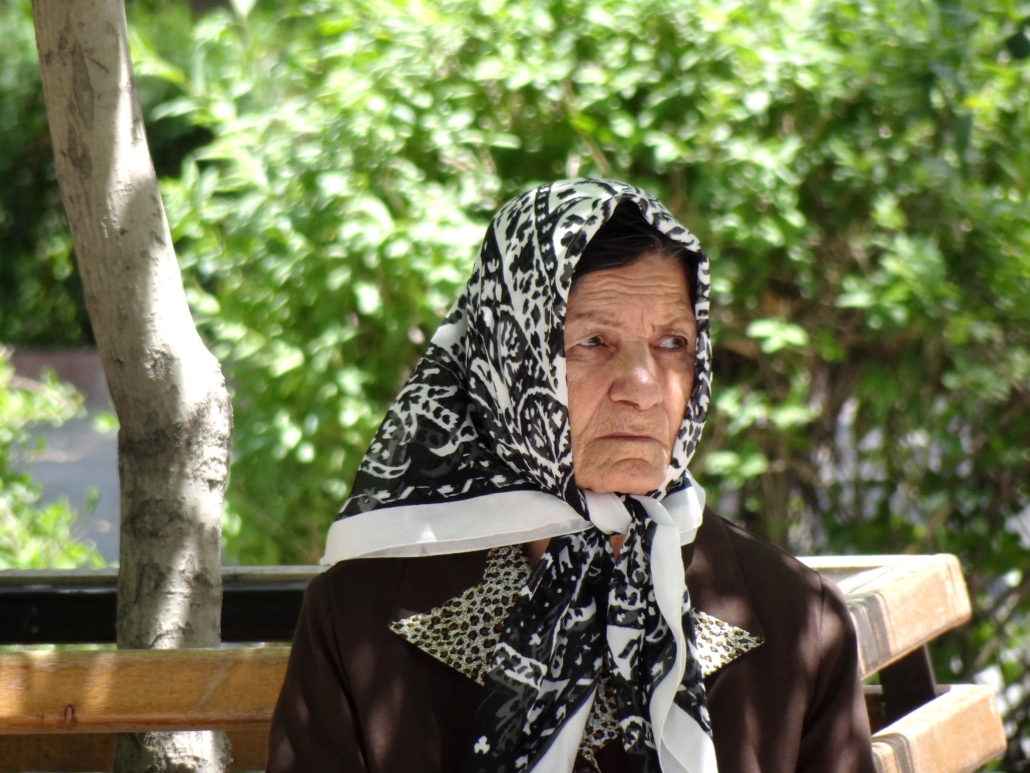
Elderly Poverty in IranIranian officials are warning the country’s people of a rising “tsunami,” a term they have coined to express the sudden wave of elderly individuals flooding the country’s general population. This mounting endemic challenges economic growth and highlights the Iranian government’s lack of preparedness regarding its retired residents. Mismanagement within the government’s finances has blocked more than 55% of Iranian elders from receiving pension funds and more than 35% of elders from living below the poverty line. Though an aging population seems to be their concern, the Iranian government must also tackle the surging rate of elderly poverty in Iran.

The Rise of the Grey-Haired Tsunami

Since 2022, the percentage of Iranian individuals over 60 has encompassed 10% of the total population. Iranian officials cite that this number will only continue to increase and argue that it will attain 33% by 2050. Saber Jabari, head of the Health Ministry Youth Department, ascribes this trend to the recent decrease in the country’s fertility rates. He states that many young Iranians are opting for later marriages and some are even doing away with having children altogether.

While fertility rates among Iranian youths are decreasing, the average life expectancy has increased among men from 57 years to 76 years and among women from 55 years to 78 years, according to Anadolu Agency.

In 2021, Iran’s Population Studies Centre had previously alerted government officials of the gravity of this situation. The center had cautioned that if officials continue to ignore these demographic trends, Iran would go down an irreversible path of aging, according to the Middle East Institute (MEI).

As the percentage of Iranians above the age of 60 increases, officials fear that, in years to come, the retired population could exceed that of the working population. The speed at which its residents are aging threatens the economic and social state of the country and puts into question the efficiency of its programs, i.e. the health care system and pension plan. Discrepancies within the government’s budgeting also explain the mounting poverty rate amongst the Iranian elderly.

Inadequacies in Iran’s Treatment of the Elderly

The Iranian elderly population relies heavily on a traditional family support system as well as a pension plan. Studies report that, as of 2023, nearly 50% of Iranian households live below the poverty line. Many experts attribute this cause to the Iranian government’s mismanagement of its priorities. The government’s prioritization is on foreign policy and international sanctions rather than their pension fund. Internal corruption and mismanagement have also impeded the government from developing a strong pension fund, according to MEI.

A Saba Institute study shows that 86% of retirees covered by pension funds are unable to maintain their living expenses, thus forcing many to seek a bank loan or borrow from a willing relative, Zamaneh Media reports. Improper funding is due to the government’s fiscal policy, which aims at reducing social welfare programs. This reduction has forced the Social Security Organisation and its supporting pension funds into a permanent risk state.

As poverty rates amongst Iranian households continue to mount, many families have begun to abandon their elderly members in parks in an attempt to rid themselves of financial burden. Mohammad Esmaeili Mahjoub, head of Tehran Municipality’s department for managing social issues, reports that, since the start of 2024, 25 cases of elderly abandonment have already occurred.

Elderly Abuse

Abuse among the elderly is increasing at an alarming rate. According to a study by Maziyar Mollaee from Beheshti University of Medical Sciences, 30.7% of elders were reported to have been subject to emotional abuse; 25.4% were victims of psychological abuse; 25.1% suffered from neglect; 19.7% were financially abused; 13.1% were victims of physical abuse; and, 11.7% were abandoned.

Fatemeh Abbasi, deputy responsible for rehabilitation affairs at the National Welfare Organization, stipulates that there has been a recent rise in homelessness among the elderly. Currently, more than 60% of Iranian elders do not have proper support, while 40% are in poverty.

Nearly 1.5 million elderly Iranians receive aid from the Imam Khomeini Relief Foundation, and Iranian charitable organization that aids those in poverty, while another 15,000 are under 24-hour care at various elderly residents. This increases the possibility of an elder being subject to abuse since two in three staff members in care homes report that they have committed abuse. 

Reclaiming One’s Independence

Due to the current economic situation elderly poverty in Iran seems bleak, however, various social programs have been put into place to aid the people and reduce elderly poverty in Iran. Bonyadeh Farzenegan is a non-profit organization the elderly created and currently lead. By taking on a leading role, members of the organization are fostering the development of their health and prolonging their sense of independence.

Since its founding in 2010, the organization has expanded its doors to more than 120 locations and has supported more than 200,000 elderly individuals across Iran. Many of their locations offer various forms of mentally and physically stimulating activities, such as aerobics, painting and theatre, according to Financial Tribune. Mostafa Seraj, a representative of Iran’s State Welfare Organisation, clarifies, “Our strategy behind Bonyadeh Farzenegan is to empower the elderly and delegate services and activities,” Financial Tribune reports.

Other organizations similar to Bonyadeh Farzengan have also been put into place by the Iranian government in collaboration with the United Nations Population Fund (UNPFA) to help tackle this issue and promote the betterment of the overall quality of life of the Iranian elderly.

The Future

Zeinab Nasri, the head of the Tehran Mayor’s Health Office, proclaims, “We have a long way to go before Tehran becomes an age-friendly community and that worries me. The key is for everyone who is a part of this effort to believe that change is necessary, to keep pushing forth, and accept this big responsibility,” Financial Tribune reports.

– Yasmine Nowroozi

Yasmine is based in Quebec, Canada and focuses on World News for The Borgen Project.

Photo: Wikimedia Commons

June 2, 2024
https://borgenproject.org/wp-content/uploads/borgen-project-logo.svg 0 0 Jennifer Philipp https://borgenproject.org/wp-content/uploads/borgen-project-logo.svg Jennifer Philipp2024-06-02 01:30:592024-06-02 02:47:39Addressing Elderly Poverty in Iran
Developing Countries, Global Poverty

3 Facts About Maternal Mental Health in Iran

Maternal Mental Health in IranAccording to the Iranian Journal of Psychiatry, “The prevalence of psychological birth trauma has been reported at a rate between 20% to 30%,” which can result in mental health complications in new mothers. Often, these complications go untreated. In Iran, the majority of the population is Muslim and views birthing as a sacred and noble act. Over recent decades, infant and maternal mortality during childbirth has decreased significantly, with 95% of births taking place at the hospital.

Despite these positive advancements, the act of giving birth is seen as a practice that only women can witness. Therefore, fathers and male doctors do not partake or aid the mother while she is in labor. Midwives are present at some hospitals, but not enough to attend to every mother. Often, the mothers are left to give birth alone. This instills significant anxiety in new mothers: “According to a study in a health care center in Tehran, 46.5%, 12.1% and 11.1% of mothers experience post-trauma stress disorders, anxiety and depression respectively four to six weeks after a traumatic birth.”

Attitudes Around Mental Health in Iranian Women

Roughly a quarter of Iranian women suffer from mental health complications, such as depression and anxiety. Based on a study in the Iranian Journal of Public Health, women in Iran conceptualize mental health as emotional stability and the ability to function in day-to-day life with a sense of fulfillment. Mental health also includes sound decision-making, a lack of behavioral problems and a healthy family dynamic.

The journal notes, “According to participants’ views, people with high self-esteem, realistic beliefs, sense of control, essence or spirituality are satisfied.” Key concerns regarding mental health include poverty, marital issues, parental divorce, patriarchal attitudes, social stigmas and lack of religion/faith. Many women also believe that personal failings, such as jealousy or egoism, contribute to mental dysregulation.

Demographics and Maternal Mental Health

In terms of maternal mental health in Iran, especially in new mothers, a large theme is a sense of helplessness. In a study by the Iranian Journal of Psychiatry, many new mothers explain that, despite calling for help, they were not given attention. This experience resulted in them feeling alone and afraid. Additionally, they felt that if a birth complication should arise, they would not be assisted, resulting in their death or the death of their child. Many conceptualize this feeling as a “loss of control.”

They also note that the hospitals are not a comforting or suitable environment for childbirth. Some mothers note that this experience dissuades them from wanting to give birth again, resulting in a sense of insecurity. The journal notes that this experience is prevalent across demographics: “Regardless of their education, knowledge, socioeconomic status and place of delivery, they expressed their fear.”

Resources for Iranian Mothers Through Midwifery

Increasing and supporting access to reproductive health resources is the most direct way to accommodate maternal mental health in Iran. A study conducted by the World Health Organization (WHO) urges developing the roles of midwives beyond aiding women in hospitals during labor: “Midwives are well placed within communities; therefore, defining and expanding their roles will result in better accessibility and availability of sexual and reproductive health care.”

Midwives need to be accessible beyond the hospital context and be more engaged on a community level. This can be done through house visits, general education and skill-sharing. The study notes that midwives could also be used as a source of information and education. This would prepare new mothers for labor and inform them of the process prior to their due date. The study also explains that many midwives are given training that they do not implement in the hospital sphere. Ultimately, this results in the loss of these skills. WHO suggests that additional training courses be provided to these midwives, specifically to better deal with pregnancy complications and stressors surrounding labor.

While poor maternal mental health in Iran is a concern, there are accessible modes of combating these complications through education and community. Midwives are a staple in the birthing process. With advancements in the roles of Iranian midwives, new mothers will be better prepared and can avoid unnecessary stressors during childbirth.

– Anna Williams
Photo: Pexels

April 4, 2024
https://borgenproject.org/wp-content/uploads/borgen-project-logo.svg 0 0 Hemant Gupta https://borgenproject.org/wp-content/uploads/borgen-project-logo.svg Hemant Gupta2024-04-04 01:30:222024-04-02 03:44:583 Facts About Maternal Mental Health in Iran
Global Poverty

The Reality of Child Prostitution in Iran

Child Prostitution in IranIran is one of the Middle East’s most politically important countries and its central government has transformed significantly over the past century. Once a monarchy, Iran became an Islamic republic in 1979, but its elected presidents ultimately ceded authority to the Rahbar, a theocratic Supreme Leader.

Iran’s authoritarian government and association with terrorist groups have often forced U.S. sanctions. Its high-profile human rights abuses have similarly attracted criticism, with the prostitution and trafficking industries particularly on the rise. Prostitution is technically illegal in Iran, but a failing economy and government inaction have allowed it to proliferate. In 2023, the U.S. World Trafficking in Persons Report ranked Iran as a Tier 3 country, signaling a lack of anti-trafficking initiatives. Prostitution rings often target young girls aged 13 to 17, selling them into service in neighboring countries like Afghanistan and the United Arab Emirates (UAE).

Here’s what to know about child prostitution in Iran:

Poverty Encourages Child Prostitution in Iran

As U.S. sanctions continue to hinder Iran’s economic growth, the nation’s population of roughly 88 million grapples with inflation and unemployment. In September 2023, the Iranian Statistics Center reported the country’s Misery Index at 60.4%, a record high. The Misery Index is a combined assessment of inflation and unemployment rates, aiming to understand Iran’s economic outlook individually.

According to the World Bank, by November 2023, more than 10 million Iranians had fallen victim to poverty. To better their families’ circumstances, many children are forced to work because of loopholes in Iran’s child labor laws. About 15% of Iranian children participate in the labor force and many live on the streets in the country’s urban centers, vulnerable to predation from prostitution rings. Some families even rent their children to criminal organizations, which then make the children beg for money. If children fall short of their quotas, they are often moved into commercial sex work.

Iran’s Temporary Marriage System

Sexual affairs outside of marriage are illegal in Iran, punishable by 100 lashes. However, the Iranian government recognizes so-called “temporary” marriages, allowing couples to legally participate in sex without the formality of a lifelong union. A temporary marriage or sigheh, as it’s called in the country –allows a man to marry a woman for a predetermined period, ranging from an hour to several months or even years. By design, these arrangements absolve men of any financial responsibility to their partners, functioning instead as legalized casual sex. Though some advocates for sigheh cite its religious antecedents, many of its critics point to its potential for sexual exploitation. According to Iranian law, girls as young as 13 can enter into sigheh, providing a legal avenue for child prostitution in Iran.

Afghan Refugees Are Especially Vulnerable

In August 2021, despite a U.S.-led invasion that had forced its ousting 20 years prior, the Taliban regained power in Afghanistan. The Taliban is an Islamic fundamentalist group, often curtailing human rights in observance of an extremist doctrine. As a result, more than 750,000 Afghans have sought refuge in Iran, hoping for economic opportunity and relief for families back home. However, according to the U.S.’s 2023 World Trafficking in Persons Report, many immigrating Afghans have trouble obtaining documentation and their children are especially vulnerable to forced marriage and sex trafficking.

Government Officials Fail To Address Child Prostitution

As evidenced in the U.S.’s 2023 World Trafficking in Persons Report, Iran has failed to protect its most vulnerable populations, with some government officials even complicit in the sex trade. For instance, despite the recent influx of Afghan refugees, the Iranian government often neglects to screen immigrants for indications of sex trafficking, even denying foreign trafficking victims access to government welfare services. Reportedly, the Iranian police and IRGC, a branch of the Iranian armed forces, even collaborate with sex traffickers based in Dubai, discouraging the Iranian government from investigating and apprehending major traffickers. As a result, victims, adults and children alike endure the most significant penalties, including lashings, public shaming and imprisonment.

Looking Ahead

Subject to widespread poverty, temporary marriages and poor governmental oversight, Iranian children often fall victim to prostitution and are recruited into crime rings that prey on the disadvantaged.

Despite the Iranian government’s half-hearted response, the international community remains committed to investigating child prostitution in Iran. For instance, the U.S. State Department publishes yearly reports on global human trafficking, specifically detailing its prevalence in Iran. These reports include thorough recommendations for curtailing trafficking’s spread, such as: providing protection services to trafficking victims, proactively identifying potential trafficking victims, especially children and adhering to the U.N. TIP protocol, an international standard meant to impede human trafficking. Similarly, on the domestic front, a feminist movement has challenged Iran’s compulsory hijab laws, criticizing the fundamentalist morality that informs many Iranian institutions, including the sigheh.

– Sydney Verdi
Photo: Flickr

February 20, 2024
https://borgenproject.org/wp-content/uploads/borgen-project-logo.svg 0 0 Hemant Gupta https://borgenproject.org/wp-content/uploads/borgen-project-logo.svg Hemant Gupta2024-02-20 15:00:162024-02-19 04:43:51The Reality of Child Prostitution in Iran
Global Poverty, Water

Access To Water in Iran

Water in IranFrom Antiquity to the Modern Era, control of water and its sources has long been a cause for war. Sadly, this continues to be the case even nowadays, with border clashes emerging between Iran and Afghanistan. Caught in the crossfire is the civilian population of a region that is in sore need of access to water amidst a drought in the area. This article will cover the border conflict, what the Iranian government is doing and organizations fighting to expand access to water in Iran.

The Conflict

The source of discrepancies lies in the river Helmand, flowing from the Afghan mountains into Iranian Balochistan. Since 1973, the Helmand River Water Treaty has regulated the amount of water that flows into Iran. Tensions still persisted, however, and after the Taliban took over Afghanistan in 2021, they surged once again. Afghanistan allegedly breached the 1973 treaty by repeatedly withholding more water than stipulated. Most recently, in May 2023, one of these clashes threatened to escalate into a full-blown war after a deadly encounter in Milak-Zaranj.

The Iranian population has been hit hard by the Afghan retention of water. Droughts in Iran have had a steady intensification pattern for the past 40 years, and this only rubs salt in the wound. The region has suffered from desertification and, with one of its primary water sources compromised, access to irrigation water could be at high risk. This issue extends to the entire nation, as Iranian water consumption per capita is significantly above its yield of renewable water sources. High consumption paired with low availability threatens to worsen access to water in Iran, with large parts of its population suffering from water insecurity.

What the Government Is Doing

With regard to the Helmand River, Iran has urged its neighbor to abide by the 1973 treaty and fulfill its obligations in international law. Nevertheless, it has also adopted a conciliatory tone to avoid the risk of escalation. An open war over water still seems unlikely, but should environmental patterns persist, it would be naïve to discard this possibility.

As for the water provision for its population, the Iranian government heavily subsidizes water prices to make it affordable to its population. While effective in achieving its goal in the short run, this policy has increased water consumption in the country. Moreover, the government’s focus on food self-reliance through subsidies has further strained water consumption in agriculture. All in all, this subsidy policy has exacerbated the country’s drought problem.

To address these issues, there have been several studies on Iranian soil to tackle these unwanted consequences and to identify more water-efficient farming methods. So far, these investigations have yielded mixed results, but even if they managed to improve efficiency, the population needs more to reduce water consumption and make access to water in Iran sustainable in time. 

What Is the Role of NGOs?

Access to water in Iran is a hot topic among international NGOs. Notably, the International Federation of the Red Cross and Red Crescent Societies has taken measures to alleviate the effects of drought in the region, targeting to provide aid to 916,200 people during the 2021-2022 drought season. Furthermore, there have also been efforts by Relief International to address the economic effects of droughts and help 30,000 people in need gain access to water, education and financial aid.

Prospects for the Future

Access to water in Iran is a growing issue and, as such, its government should start to pursue policies to address it more actively. Water importation or more water-efficient methods are examples of policies that, while politically improbable, could help lift some of the pressure off the population’s shoulders.

– Daniel Pereda
Photo: Flickr

October 20, 2023
https://borgenproject.org/wp-content/uploads/borgen-project-logo.svg 0 0 Yuki https://borgenproject.org/wp-content/uploads/borgen-project-logo.svg Yuki2023-10-20 07:28:502023-10-22 03:17:28Access To Water in Iran
Child Marriage, Global Poverty

Child Marriage in Iran

Child Marriage in IranChild marriage is illegal in 153 countries. However, it is not in the past and still occurs legally quite frequently in 45 sovereign states. Despite the immense decline in matrimonies among minors, the numbers still remain disturbing in the eastern part of the world. One of the countries with a high prevalence rate of child marriage is Iran. 

Economy in Iran 

Iran is a Middle Eastern country known for its fossil fuel sources. The United States Department of Energy proclaimed Iran the world’s third-largest oil and second-largest natural gas reserves holder. Despite its abundance of lucrative resources, Iran’s Parliament Research Center reported that 30.8% of the population faces financial hardship. 

Legal and Illegal Child Marriages

The pervasiveness of underaged marriages is one of the reasons that detriments the economy of Iran. UNICEF shortlisted Iran in the top five countries with a high rate of child espousal in 2020 in the Middle East and North Africa. According to Iran Open Data, one out of five marriages is among minor people. The Islamic government established the legal age of marriage to be 13 for girls and 15 for boys. However, the Islamic Republic civil code permits people to get married below the set age with a legal guardian’s consent. 

Despite scientific research recording the physical, mental and moral harm caused by early marriages, Iranian law still allows it. Moreover, numerous cases of illegal marriages occur on a religious basis that forces girls to wait for their majority to get married legally. Therefore, an underaged wife is not eligible for endowment or financial support in case of the loss of her husband. In addition, society always demands young women to quit academic institutions in order to take care of the household. 

Economic, Mental and Moral Harm of Early Matrimony

The law’s acceptance of child marriage in Iran results in early pregnancy, illiteracy and social barriers for young women. All these factors are detrimental to the flourishing economy and society of the country because they lead to the gender gap in the community and workplace. 

Early marriage not only harms the economy of Iran, but it also motivates pedophilia and child mistreatment because Islamic Republic laws on marriage permit alternative forms of sexual pleasure besides penetration until the age of 9 for spouses. Hence, child marriage traumatizes girls and ruins their lives from an early age. 

The Effect of COVID-19

COVID-19 raised the number of early marriages. Iran Open Data announced a sharp increase in child nuptials. COVID-19 provoked this type of marriage after a gradual reduction previously. The Civil Registration Organization reported 118,000 registered underaged marriages, which is 9000 extra from the past years. 

Hope for Iranian Girls From the Government 

Regardless of a rapid spike in underaged marriages, the situation remains hopeful. Currently, the Iranian government is undertaking measures to prevent child marriage by increasing the age of the legal espousal for both men and women to 18 years old. The Iranian government has accepted for consideration an adjustment of the Civil Code to enlarge the legal age for matrimony. The law’s implementation will result in positive outcomes for the communal and financial future of the country. 

Furthermore, Iran aims to banish early and involuntary marriage by 2030. Apart from the legislation, Plan International has presented five solutions to thwart underaged matrimonies. It emphasized education and empowerment of young ladies to help the community be more supportive and accepting of women’s rights. Plan International offers to petition the Iranian government about the importance of girls’ development which they are not able to get because of forced and child marriages.

Positive Outcomes 

Augmentation of marriage age will result in a higher prevalence of education for both men and women. Since society will not force girls to abandon school in order to take care of their husbands and offspring. Thus, this change will affect the economic condition of Iran because more women will be able to work. 

It is important not only from an economic point of view but also from a social perspective, considering that girls will receive an opportunity to fulfill their potential in society. 

– Stephanie Len
Photo: Flickr

October 17, 2023
https://borgenproject.org/wp-content/uploads/borgen-project-logo.svg 0 0 Yuki https://borgenproject.org/wp-content/uploads/borgen-project-logo.svg Yuki2023-10-17 08:18:032023-10-19 04:25:25Child Marriage in Iran
Global Poverty

Poverty and Disability in Iran: A Significant and Overlooked Minority

Disability in IranAccording to a survey published in the Iranian Journal of Public Health, the prevalence of disabilities stands at 13.5 per 1,000 individuals in the population. This means that approximately 1.35% of the population in Iran is living with at least one type of disability. People with disabilities represent a significant and often overlooked minority within the population. More concerning, the occurrence of disabilities is higher in rural areas than in urban areas and exhibited a higher prevalence among men compared to women. Poorer provinces in Iran exhibited a higher prevalence of disabilities such as blindness, deafness, vocal disorders and hand disorders compared to wealthier provinces, and individuals with disabilities experienced lower socio-economic status in comparison to those without disabilities.

Neglecting the Disabled: A Deep-Seated Issue Beyond Sanctions

While Iranian officials often point to international sanctions as the cause of their nation’s hardships, it is evident that the neglect of disabled individuals predates these measures. Blaming external factors only highlights their lack of attention to the issue.  

Even if sanctions were lifted, there’s little assurance that meaningful change would occur. The lack of action thus far casts doubt on the government’s commitment to rectify the situation for people with disabilities. 

Blind Heroine Defies Odds: Empowering Iran’s Fight Against COVID-19

Samaneh Shabani, a remarkable 30-year-old, experienced firsthand the challenges COVID-19 posed to a blind individual, which disrupted her primary sensory connections to the world. Undeterred by her disability or societal prejudices, Samaneh has remained resolute in pursuing her goals. With a master’s degree from the prestigious University of Tehran and a recently defended Ph.D. dissertation on “Violence Against Women with Disabilities and their Access to Justice,” she is now a dedicated law lecturer and a passionate advocate for people with disabilities during this crisis. Through her internship at UNIC Tehran and her work with the Tavana NGO, she actively communicates accurate information and strives to change public perceptions, addressing the real concerns of those with disabilities. 

Samaneh’s unwavering commitment to an inclusive society is evident as she bridges the gap between the NGO and the UNIC, emphasizing the importance of verified information and direct community engagement. While acknowledging the limitations her blindness imposes on certain activities, she remains pragmatic, calling for actionable changes by governments, the private sector, civil society and individuals to create a more accessible world. This pandemic has taught her the significance of unity and kindness in ensuring that no one is left behind. 

MOHAM: Empowering Lives through Accessible Solutions

MOHAM, a non-governmental organization, was established a little less than half a decade ago to address inaccessibility in Iran. According to one member, “MOHAM” means “supporter” in Persian and “lawyer” in Arabic, and they rely on self-support for their operations. While MOHAM hasn’t achieved the comprehensive infrastructure overhaul it aimed for, the NGO provides a variety of small but impactful services that significantly improve individuals’ lives. Some of these services include free home improvements, such as widening door frames to allow wheelchair passage without difficulty. 

A volunteer explains that enlarging a door might not appear significant, but it can be unaffordable for families with financial constraints and caring for a sick family member. MOHAM steps in to support these families by performing these small acts of kindness for them. Additionally, MOHAM collaborates with other charities helping to eliminate poverty and disability in Iran. The organization conducts workshops in various cities, educating people about diverse types of disabilities and appropriate ways to interact with and offer support to disabled individuals. According to an attendee, this type of training is not provided by the government, and it falls upon private and non-governmental organizations like MOHAM to take the initiative. 

Looking Ahead

Amid the challenges that Iran’s disabled population faces, individuals like Samaneh Shabani are proving the power of resilience and advocacy. Samaneh’s determination, displayed through her academic achievements and active engagement, highlights the potential to drive positive change for people with disabilities. Organizations like MOHAM are also making meaningful strides by addressing inaccessibility issues through small but impactful services that directly improve lives. These stories illustrate that, despite existing disparities, there are individuals and groups working toward creating a more inclusive and supportive society for those with disabilities in Iran.

– Negar Borhani
Photo: Unsplash

August 24, 2023
https://borgenproject.org/wp-content/uploads/borgen-project-logo.svg 0 0 Lynsey 2 https://borgenproject.org/wp-content/uploads/borgen-project-logo.svg Lynsey 22023-08-24 07:30:162023-08-22 02:48:31Poverty and Disability in Iran: A Significant and Overlooked Minority
Child Soldiers, Global Poverty

Child Soldiers in Iran

Child Soldiers in IranAn anonymous former Iranian soldier shared with an Iranwire reporter the profound impact the Iraq-Iran War had on his life. At just 14 years old, he was sent to the frontlines, robbed of the joys of adolescence, such as going to school and experiencing love. This practice of using child soldiers in Iran commenced during the Iraq-Iran War in 1980 and has persisted, with reports of its employment as recently as 2022. Notably, Iranian government officials specifically target children from impoverished families, enticing them with promises of financial rewards and martyrdom.

Martyrdom

After the 680 CE Battle of Karbala, the glorification of martyrs within the Shiite religion (the official religion of Iran) started. The Sunni Caliph Yazid killed Hussain ibn Ali, the third Shiite Imam and grandson of Muhammad, along with his fellow fighters (including children) during this battle. Due to the praise that martyrs receive, the Iranian government commonly recruits child soldiers by promising them martyrdom.

In 1979, Iranian ayatollahs (Shiite religious leaders) introduced child martyrdom into school curricula throughout Iran. They promised children as young as 9 years old that dying as martyrs against the Iraqi enemy would lead them straight to heaven. This teaching continues to be part of the curriculum, as a 2021-22 interim update report on Iran’s radical education revealed that authorities teach students to seek suicide or death in battle even when not required.

Common Duties for Child Soldiers in Iran

Clearing minefields is one of the common duties assigned to child soldiers in Iran. Former New York Times foreign correspondent, Terrence Smith, brought attention to the mine-clearing process that young boys were involved in during the Iraq-Iran war. Many boys between the ages of 12 and 17 would wear red headbands with inscriptions like “Sar Allah” or “Warrior of God” and carry small metal keys around their necks, symbolizing their “keys to heaven” as they prepared for battle.

Military authorities took measures to prevent desertion by binding the child soldiers with ropes. Despite facing withering machine gun fire, these brave children fearlessly hurled themselves on barbed wire or marched into Iraqi minefields to clear the way for Iranian tanks. Their courage and sacrifice in performing such dangerous tasks highlight the unfortunate reality of child soldiers in Iran.

Iran’s authorities exploit child soldiers as propaganda tools, showcasing them in pro-regime media with placards that glorify Iran’s involvement in various wars. Additionally, there are repeated mentions of children in speeches at parades commemorating the 1979 Islamic Revolution. Sadly, this practice of involving children in warfare only exacerbates the poverty Iran confronts.

Connection to Poverty

Approximately 60% of Iranians are grappling with poverty and among them, 20 to 30 million are living in absolute poverty. The use of child soldiers in Iran contributes to this distressing cycle. In their quest to join the war efforts, many child soldiers fall for incentives that particularly appeal to impoverished families.

In 2022, the Iranian government employed young boys to suppress anti-government street protests. Disturbing images of children and young men donning military uniforms and holding batons circulated on social media. Reports from more than 500 supporters of the Imam Ali Society, a local charity in Iran, indicated that authorities recruit these children from impoverished families, offering them a meager exchange of “a few bags of food.”

Moreover, poor families exploit their children’s “martyr status” for benefits. They receive monetary compensation per child involved in conflicts and a martyr card granting them access to food and other privileges. This exploitation of children as both tools of suppression and sources of financial gain further exacerbates the challenges of poverty faced by many Iranian families.

Solutions

The use of children as soldiers has long been a concern of the United Nations (U.N), but there are currently no reported Iran-specific initiatives to prevent this troubling practice. A governmental pattern of recruiting child soldiers persisted as recently as March 2022.

However, UNICEF has been diligently working to support children in Iran for nearly seven decades. Its efforts include providing essential services such as health care, immunization, proper nutrition, access to education and protection. Additionally, UNICEF maintains regular communication with Iranian authorities to safeguard children’s rights.

Globally, UNICEF has taken action to end the use of children as soldiers through its impactful 2014 Children, Not Soldiers campaign. This initiative, in collaboration with the Special Representative of the Secretary-General for Children and Armed Conflict, aimed to garner international support to halt the recruitment of children in conflicts. The campaign focused on countries like Afghanistan, Chad, the Democratic Republic of the Congo, Myanmar, Somalia, South Sudan, Sudan and Yemen. Member states, the U.N., NGO partners, regional partners and the general public promptly rallied behind this vital cause, culminating in the campaign’s success in 2016.

Regrettably, Iran persists in using children as tools of war. But sustaining awareness about this critical issue and receiving support from organizations like UNICEF could play a pivotal role in ultimately ending the use of child soldiers in Iran, once and for all.

– Taylor Barbadora
Photo: Flickr

August 9, 2023
https://borgenproject.org/wp-content/uploads/borgen-project-logo.svg 0 0 Kim Thelwell https://borgenproject.org/wp-content/uploads/borgen-project-logo.svg Kim Thelwell2023-08-09 07:30:002023-08-08 00:47:08Child Soldiers in Iran
Education

Poverty and Higher Education in Iran

Higher Education in IranThe Islamic Republic of Iran is a developing nation that sits along the Persian Gulf in Central Asia. Currently, it has an estimated population of more than 87.5 million, and as of 2019, about 27% of people were living below the international poverty line, according to the World Bank. With that percentage on the rise in recent years due to the devastating impacts of COVID-19, higher education in Iran has suffered significantly. Fortunately, several organizations are working to provide a fair chance at higher education for underserved people.

A Brief History of Higher Education in Iran

The 1979 Islamic Revolution redefined the political structure of Iran by creating the Islamic Republic. As the nation began to desecularize, almost all universities stopped operations until 1983 during the revision of curricula. Simultaneously, post-revolutionary policy emphasized funding for creating rural infrastructure but invested little in ensuring equal access to secondary education and creating job opportunities. Consequently, employment prospects have faced limitations, even for students who completed higher education in Iran.

For instance, the 2016-17 Iranian census reported unemployment rates of 34.6% and 45.7% for college-educated men and women, respectively. Therefore, Iranian young people have increasingly left the country to pursue higher education elsewhere and university enrollment rates within the country have substantially dropped. For example, in 2014-2015, there were 4,811,581 students enrolled at Iranian universities, and this number decreased by more than a million to 3,616,114 students in 2017-2018.

Growing poverty in Iran has only exacerbated the dropping rates of college graduates, with many families unable to afford even basic education for their children. As of 2019, an estimated 7 million Iranian children were “deprived of education” due to poverty. Furthermore, financial difficulties forced about 25% of enrolled students, especially females, to drop out of school.

Particularly in rural communities, a lack of sufficient educational facilities, funding to maintain schools and increasing tuition rates are heightening barriers to secondary education. Simultaneously, low university admission rates, high college graduate unemployment rates and nominal government support for college students are dissuading struggling families from applying for higher education in Iran. Equally, exorbitant international fees make education abroad an impossibility for some 33% of Iranian families who, according to estimates, are now living in extreme poverty.

Improving Accessibility

In light of recent sanctions and other economic shocks, Iran’s GDP growth in the wake of the COVID-19 pandemic has been modest. While this has limited the government’s ability to provide support for college students, organizations like A More Balanced World (AMBW) have remained committed to providing funding and opportunities for students who cannot access education due to poverty.

With programs in 11 countries around the world, AMBW’s Iranian program funds first, secondary and university-level education for students from struggling families. Its scholarships and sponsorships are having a profound impact on Iran’s youth. For example, AMBW supported Siavosh, a student from Iran’s Hamadan Province, beginning in the eighth grade, making it possible for him to complete his education at an elite school and pursue his dreams as a weightlifter.

Another organization investing in higher education in Iran is Keep Children in School (KCIS), which is working “to break the cycle of poverty by providing financial support for educational needs of underprivileged children.” Focusing specifically on countries including Iran and Afghanistan, KCIS supports primary through university-level education and offers opportunities for donors to provide individual sponsorship for children in need. To date, the organization’s financial assistance has facilitated the education of more than 1,800 young people.

Looking Ahead

Education, especially higher education, can be a gateway out of poverty, allowing disadvantaged young people to gain control over their futures and secure meaningful livelihoods. While there appears to be a need for efforts that focus on creating a more sustainable job market within Iran, organizations like AMBW and KCIS are helping the country’s youth obtain the higher education needed to reshape the future.

– Inaya Lala
Photo: Flickr
July 4, 2023
https://borgenproject.org/wp-content/uploads/borgen-project-logo.svg 0 0 Jennifer Philipp https://borgenproject.org/wp-content/uploads/borgen-project-logo.svg Jennifer Philipp2023-07-04 01:30:222024-12-13 18:02:34Poverty and Higher Education in Iran
Global Poverty

Universal Basic Income in Iran

Universal Basic Income in Iran
Universal Basic Income (UBI) in Iran was originally implemented in 2011, making it one of the first countries to use such a program. While there have been some opponents to this program, it largely remained successful in comparison to existing welfare programs.

Universal Basic Income and Poverty

Universal basic income is used in developing countries to fight poverty and to promote health and education, where the population does not have enough resources to fulfill these needs on their own. Iran started their universal basic income program in 2011 in the form of cash transfers.

The government started monthly deposits of cash into individual family accounts amounting to 29% of the median household income and 6.5% of the GDP. This amounts to about $1.50 extra income per person per day.

In the 40 years prior, there have been subsidies on bread and energy, so people paid less for bread, water, electricity, heating and fuel. This program was changed to the cash transfer program in 2011 because the government believed that energy subsidies always benefit the wealthy more than the poor and also because energy subsidies encourage more fuel consumption which is detrimental to the environment.

Universal Basic Income and Labor Supply

One of the main concerns people had before this program was implemented was that it would negatively affect the labor supply. It was believed that if people received money from the government unconditionally, there would be no incentive for them to work at all.

However, the only negative labor supply that was affected was people between the ages of 20 and 29. But this age group did not have a strong connection with the labor market even before the Universal Basic Income program in Iran was implemented. This is because Iranians have the choice to enroll in tertiary and graduate education, thus largely preventing this age group from working.

Rationing is prevalent in the market for formal work in the private and public sectors, where jobs are highly sought after. Employees are attached to their jobs and are unlikely to withdraw from their positions. This is apparent even with the population receiving cash assistance.

Positive Impact of UBI

Of the individuals employed in 2010, 88.5 percent remained employed, 4.5 percent lost or quit their jobs and the rest became inactive in 2011. Of the unemployed, 26.3 percent found work in 2011, which is about the same number as those who lost their jobs in 2011. Of those engaged in housework in 2010, 3.2 percent found jobs in 2011, which is fewer than those who left their jobs for housework.

There was a positive impact of the universal basic income program on the service sector. This can be explained by the fact that the service sector is populated by credit-constrained small firms that cash transfers can help expand. Some examples of workers in the service industry are housekeepers, teachers and deliverymen. In fact, their weekly hours had increased by roughly 36 minutes.

Conclusion

The overall conclusion is that the program did not affect labor supply in any appreciable way, according to a paper published by economists in 2011. Universal Basic Income in Iran is a proven program despite the fact it went through modifications. It serves as an example of the benefits a UBI has that other countries can look to for comparison.

– Casey Geier
Photo: Flickr

November 11, 2018
https://borgenproject.org/wp-content/uploads/borgen-project-logo.svg 0 0 Borgen Project https://borgenproject.org/wp-content/uploads/borgen-project-logo.svg Borgen Project2018-11-11 16:48:462024-05-29 22:57:29Universal Basic Income in Iran
Global Poverty

Reasons and Solutions for Poverty in Iran

Poverty in Iran

Poverty in Iran has been fluctuating over the years. There are many reasons for this, but also many solutions that the government, citizens and other countries can take to make changes and help those in poverty. The current population of Iran is around 82 million, and in 2017,  28.40 percent were unemployed youth.

According to a World Bank study, poverty in Iran is estimated to have fallen from 13.1 percent to 8.1 percent between 2009 and 2013. This was most likely because of a universal cash transfer program in late 2010 that focused on eliminating the subsidies on energy and bread. However, poverty is still a major issue. According to another World Bank study, poverty increased again in 2014 and declining social assistance could be a potential reason.

Poverty in Iran is not only affecting citizens’ ability to afford basic necessities, but is also causing negative issues related to mental health, including suicide, in Iran’s youth. Regardless of all the causes of poverty, there are actions being made to make changes.

Income Gap Causing Problems

Unemployment is a major problem in Iran. Many individuals are working more than one job to afford basic necessities and pull themselves and their families out of poverty, while others are barely working at all. According to an Iranian economist, “there are currently 3.3 million jobless people in the country.” This is due to the increasing income gap between the rich and the poor. The minimum wage jobs of many individuals with lower incomes can not help them move out of poverty and the wealth gap has been expanding. On top of this, there aren’t enough jobs to go around.

According to World Bank statistics, unemployment in Iran was 11.26 percent in 2016, 11.06 percent in 2015 and 10.57 percent in 2014. There is hope that the unemployment rate will keep going down by creating more jobs and having the government adopt new approaches to pull individuals out of poverty.

In 2017, President Rouhani stated that his government wants to prioritize reducing unemployment and creating around 900,000 job opportunities per year. On the other hand, Labor Minister Ali Rabiei said that realistically his government can create 300,000 to 400,000 job opportunities annually.

Sanctions Hurt the People Too

U.S. sanctions imposed on Iran don’t only affect the politicians but the citizens too. Sanctions are seen as one of the major causes of food insecurity, mass suffering and eventual high poverty rates. According to The Economist, 75 million Iranians are suffering from the U.S. sanctions imposed on them. Oil, for instance, is the largest source of income for Iran. When there is no oil coming, there are no U.S. dollars, and everything purchased in Iran is with U.S. dollars. With no U.S. dollars, the value of Iranian rial is falling drastically, causing many companies to go bankrupt. Therefore, they have to let a lot of employees go.

The World Bank released a report on the economic improvement in Iran and stated that many of the economic developments in Iran are due to the removal of the sanctions over the country’s nuclear energy program enforced in 2016. Removing the sanctions will make living conditions for Iranian citizens in poverty less difficult. However, as of November 2018, the U.S. is imposing the sanctions again and informing and requesting all other countries, including India, China and the European Union countries, to stop working with Iran. With reinforced sanctions that were in place before 2016, there is a lot of unrest and fear among citizens for more unemployment and more people going into poverty.  

Action to Reduce Poverty

Poverty in Iran can be seen as a major issue, exasperated by the upcoming sanctions on businesses and oil in the country as well as the increasing gap between the rich and poor in society.  However, statistics show that creating jobs and removing sanctions can significantly improve the lives of Iranians living in poverty. Communication is key to global change.

– Negin Nia
Photo: Flickr

September 9, 2018
https://borgenproject.org/wp-content/uploads/borgen-project-logo.svg 0 0 Borgen Project https://borgenproject.org/wp-content/uploads/borgen-project-logo.svg Borgen Project2018-09-09 01:30:152024-05-29 22:43:08Reasons and Solutions for Poverty in Iran
Page 2 of 3123

Get Smarter

  • Global Poverty 101
  • Global Poverty… The Good News
  • Global Poverty & U.S. Jobs
  • Global Poverty and National Security
  • Innovative Solutions to Poverty
  • Global Poverty & Aid FAQ’s
Search Search

Take Action

  • Call Congress
  • Email Congress
  • Donate
  • 30 Ways to Help
  • Volunteer Ops
  • Internships
  • Courses & Certificates
  • The Podcast
Borgen Project

“The Borgen Project is an incredible nonprofit organization that is addressing poverty and hunger and working towards ending them.”

-The Huffington Post

Inside The Borgen Project

  • Contact
  • About
  • Financials
  • President
  • Board of Directors
  • Board of Advisors

International Links

  • UK Email Parliament
  • UK Donate
  • Canada Email Parliament

Get Smarter

  • Global Poverty 101
  • Global Poverty… The Good News
  • Global Poverty & U.S. Jobs
  • Global Poverty and National Security
  • Innovative Solutions to Poverty
  • Global Poverty & Aid FAQ’s

Ways to Help

  • Call Congress
  • Email Congress
  • Donate
  • 30 Ways to Help
  • Volunteer Ops
  • Internships
  • Courses & Certificates
  • The Podcast
Scroll to top Scroll to top Scroll to top