Poverty and Disability in Iran: A Significant and Overlooked Minority
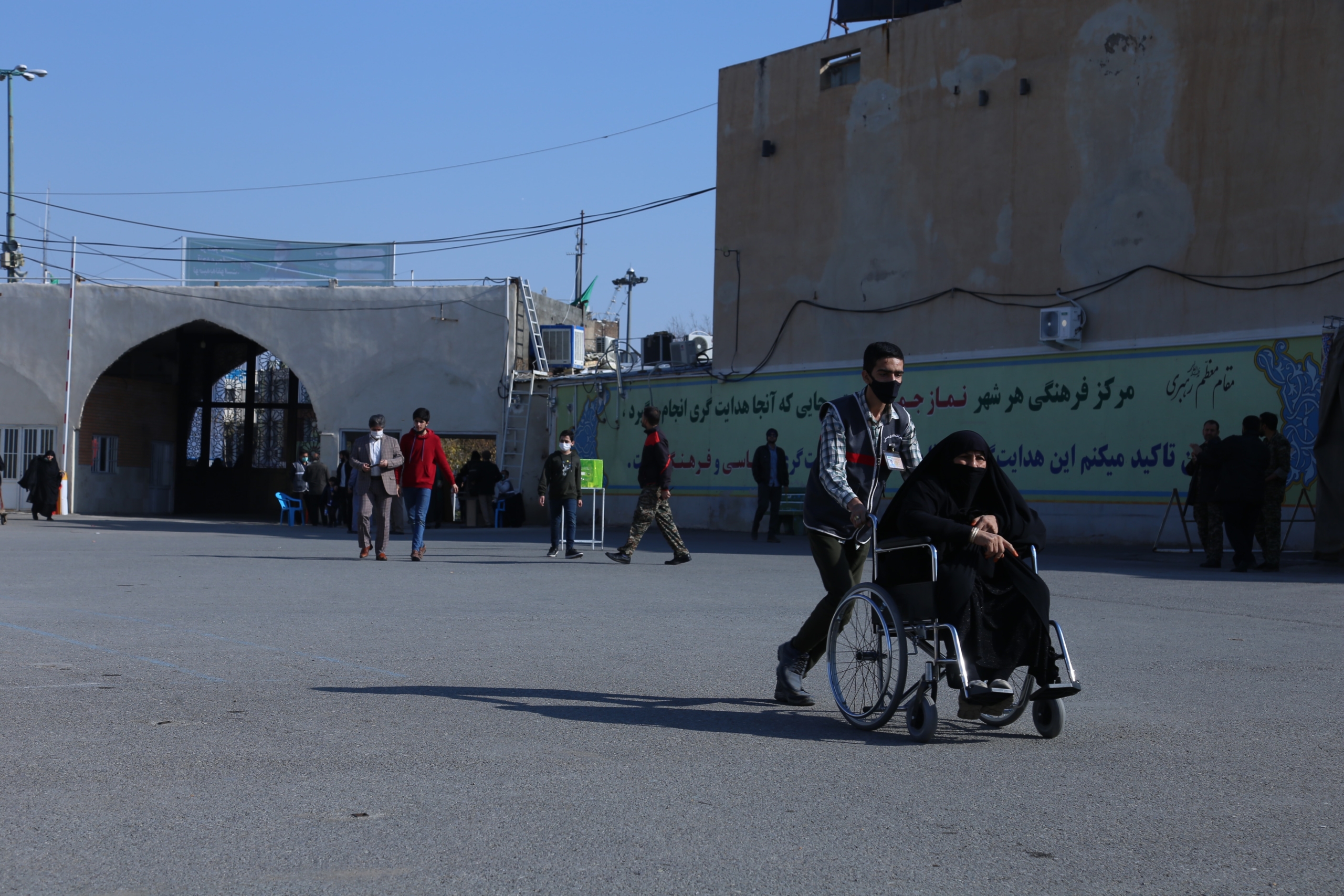 According to a survey published in the Iranian Journal of Public Health, the prevalence of disabilities stands at 13.5 per 1,000 individuals in the population. This means that approximately 1.35% of the population in Iran is living with at least one type of disability. People with disabilities represent a significant and often overlooked minority within the population. More concerning, the occurrence of disabilities is higher in rural areas than in urban areas and exhibited a higher prevalence among men compared to women. Poorer provinces in Iran exhibited a higher prevalence of disabilities such as blindness, deafness, vocal disorders and hand disorders compared to wealthier provinces, and individuals with disabilities experienced lower socio-economic status in comparison to those without disabilities.
Neglecting the Disabled: A Deep-Seated Issue Beyond Sanctions
While Iranian officials often point to international sanctions as the cause of their nation’s hardships, it is evident that the neglect of disabled individuals predates these measures. Blaming external factors only highlights their lack of attention to the issue.
Even if sanctions were lifted, there’s little assurance that meaningful change would occur. The lack of action thus far casts doubt on the government’s commitment to rectify the situation for people with disabilities.
Blind Heroine Defies Odds: Empowering Iran’s Fight Against COVID-19
Samaneh Shabani, a remarkable 30-year-old, experienced firsthand the challenges COVID-19 posed to a blind individual, which disrupted her primary sensory connections to the world. Undeterred by her disability or societal prejudices, Samaneh has remained resolute in pursuing her goals. With a master’s degree from the prestigious University of Tehran and a recently defended Ph.D. dissertation on “Violence Against Women with Disabilities and their Access to Justice,” she is now a dedicated law lecturer and a passionate advocate for people with disabilities during this crisis. Through her internship at UNIC Tehran and her work with the Tavana NGO, she actively communicates accurate information and strives to change public perceptions, addressing the real concerns of those with disabilities.
Samaneh’s unwavering commitment to an inclusive society is evident as she bridges the gap between the NGO and the UNIC, emphasizing the importance of verified information and direct community engagement. While acknowledging the limitations her blindness imposes on certain activities, she remains pragmatic, calling for actionable changes by governments, the private sector, civil society and individuals to create a more accessible world. This pandemic has taught her the significance of unity and kindness in ensuring that no one is left behind.
MOHAM: Empowering Lives through Accessible Solutions
MOHAM, a non-governmental organization, was established a little less than half a decade ago to address inaccessibility in Iran. According to one member, “MOHAM” means “supporter” in Persian and “lawyer” in Arabic, and they rely on self-support for their operations. While MOHAM hasn’t achieved the comprehensive infrastructure overhaul it aimed for, the NGO provides a variety of small but impactful services that significantly improve individuals’ lives. Some of these services include free home improvements, such as widening door frames to allow wheelchair passage without difficulty.
A volunteer explains that enlarging a door might not appear significant, but it can be unaffordable for families with financial constraints and caring for a sick family member. MOHAM steps in to support these families by performing these small acts of kindness for them. Additionally, MOHAM collaborates with other charities helping to eliminate poverty and disability in Iran. The organization conducts workshops in various cities, educating people about diverse types of disabilities and appropriate ways to interact with and offer support to disabled individuals. According to an attendee, this type of training is not provided by the government, and it falls upon private and non-governmental organizations like MOHAM to take the initiative.
Looking Ahead
Amid the challenges that Iran’s disabled population faces, individuals like Samaneh Shabani are proving the power of resilience and advocacy. Samaneh’s determination, displayed through her academic achievements and active engagement, highlights the potential to drive positive change for people with disabilities. Organizations like MOHAM are also making meaningful strides by addressing inaccessibility issues through small but impactful services that directly improve lives. These stories illustrate that, despite existing disparities, there are individuals and groups working toward creating a more inclusive and supportive society for those with disabilities in Iran.
– Negar Borhani
Photo: Unsplash
