 Impact investing is a growing industry with huge potential for combatting poverty around the world. The practice consists of firms and individuals directing capital to businesses and enterprises that have the capacity to generate social or environmental benefits. Traditional businesses tend to avoid such investments due to the high level of risk, low liquidity and general difficulty to exit if returns are not satisfactory. Most impact investing is done by particularly adventurous capitalists as well as nongovernmental organizations (NGOs) that aim to create social change. Impact investing in Rwanda, in particular, has yielded positive results.
AgDevCo
AgDevCo is an example of a social impact investing firm that aims to invest with the intention of reducing poverty and increasing opportunity in developing regions. Based in the United Kingdom, AgDevCo was incorporated in 2009 and has engaged in numerous projects since.
The firm’s specific area of investment is in African agriculture, where it believes that impactful investments have the potential to be a significant force in reducing poverty. The firm is currently investing in eight different African countries. Its portfolio includes $135 million worth of funds in 50 different companies. These investments have engaged more than 526,000 customers and have created or sustained more than 15,000 different jobs.
Uzima Chicken Limited
One of its investment projects is a partnership with the East African poultry company, Uzima Chicken Limited. Uzima Chicken produces and distributes the Sasso breed of chickens. Sasso chickens are resistant to disease and can feed through scavenging. These beneficial traits make Sasso chickens particularly useful in the struggle to reduce poverty in East Africa.
In 2017, AgDevCo invested $3 million to support Uzima’s establishment in Rwanda. As a result of the investment, Uzima gained funds necessary for rapid operational growth as a domestic producer of poultry. This is in line with the government of Rwanda’s strategy to achieve poultry self-sufficiency in two to three years. Uzima has also been able to expand into Uganda, where its business is rapidly scaling upwards.
The Uzima Business Model
The Uzima model of business involves the employment of company agents who raise the chicks for six to eight weeks before selling them to low-income households in rural areas. Such a model provides benefits to farmers, who can increase income through the sale of the more valuable Sasso chickens, as well as the agents.
Agents typically make a 25% profit from selling chickens. A survey of Uzima agents found that, on average, 27% of household income came from selling Sasso chickens. By providing a reliable source of extra income for employed agents, Uzima helps to alleviate the burdens of poverty for these people. As of 2017, the efforts had created 150 new jobs, 40% of which are held by women. Rwandan women have benefitted significantly from Uzima’s employment with 64% of women agents reporting that the income they earned from selling Sasso chickens led to a positive change in the decision-making power they had in their households.
Impact Investments for Poverty Reduction
Uzima’s Sasso chickens grow faster, live longer, produce more eggs and have higher market prices. They are disease-resistant and thrive in local, rural conditions. Out of all the customers buying these chickens, 54% live below the $2.50 poverty line. AgDevCo investment gave Uzima the capital necessary for operational expansion, and as a result, a greater quantity of impoverished people in East Africa could buy superior chickens and increase income. Uzima’s business also has clear potential for women’s empowerment, making it a great tool in the effort to reduce poverty and inequality in the region.
The impact investments made by firms like AgDevCo have clearly measurable impacts in impoverished regions, particularly noting the success of impact investing in Rwanda. This makes impact investment firms an important part of the global effort to reduce all poverty.
– Haroun Siddiqui
Photo: Flickr
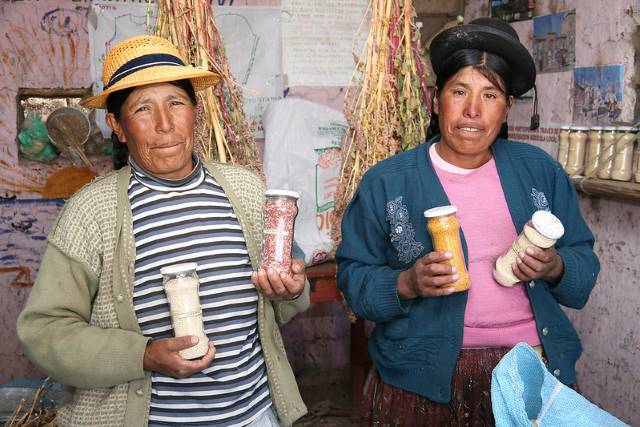 Quinoa is a species of goosefoot original to the Andes of Peru and Bolivia. For more than 6,000 years, Peruvians and Bolivians considered quinoa a sacred crop because of its resistance to high altitudes, heat, frost and aridness. Because of its sudden rise in worldwide popularity, the U.N. declared 2013 the “
 Ukraine is the second poorest country in Europe, with a per capita
 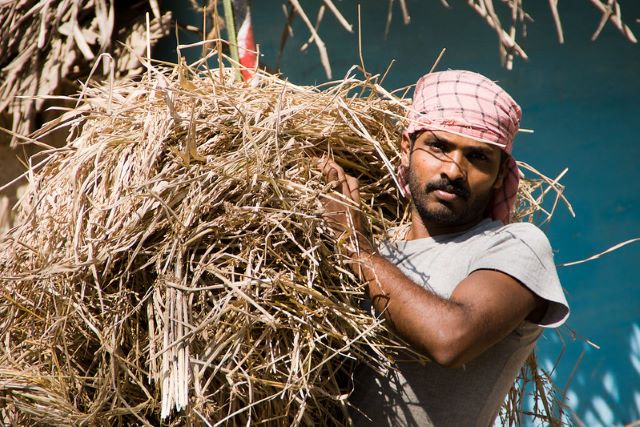 Pakistan and India are battling a rice war, as India is attempting to gain exclusive
 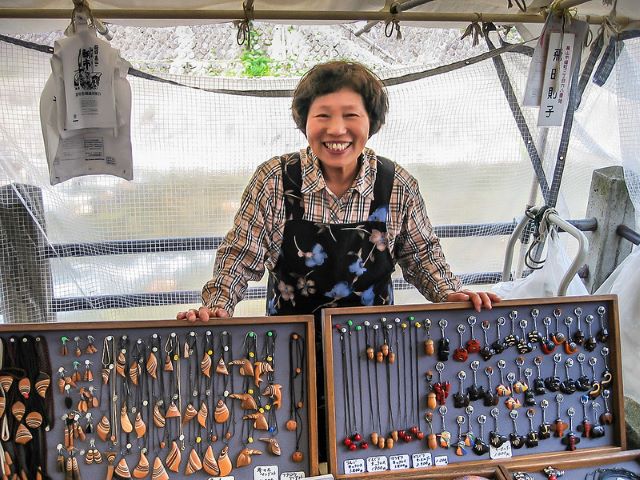 Year after year, Japan consistently ranks as one of the top countries for life expectancy. These top 10 facts about life expectancy in Japan is a reflection of economic developments that occurred since World War II.
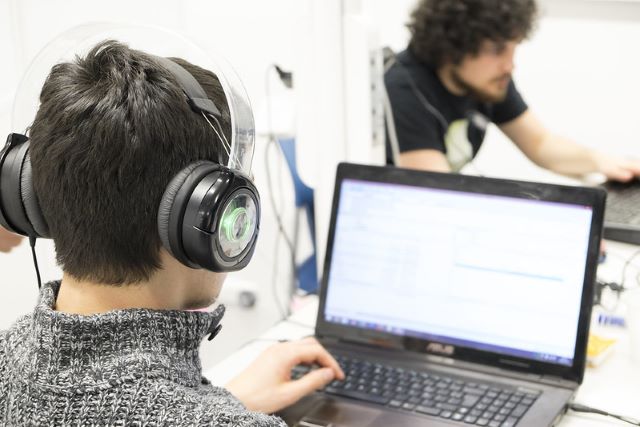 Entrepreneurs in Greece are finding ways to battle the financial crisis that has crippled its economy. While entrepreneurship in Greece has predictably prospered in the tourism sector, many new startups are finding success in technology, science and engineering. In 2018, Greece was named the European Capital of Innovation by the European Union and ranked 11 in the world by the Global Innovation Index for science and engineering graduates. Via innovative ideas, Greek startups are helping the economy by creating jobs and stimulating economic development.
 Mexico is the second-largest nation in Latin America with over 130 million residents. Mexico exports an abundance of fruits and vegetables but its number one export crop is avocados. Not too long ago, avocados were not the number one crop being exported from Mexico. Today, the economic impact of Mexican avocados has helped many people escape poverty.
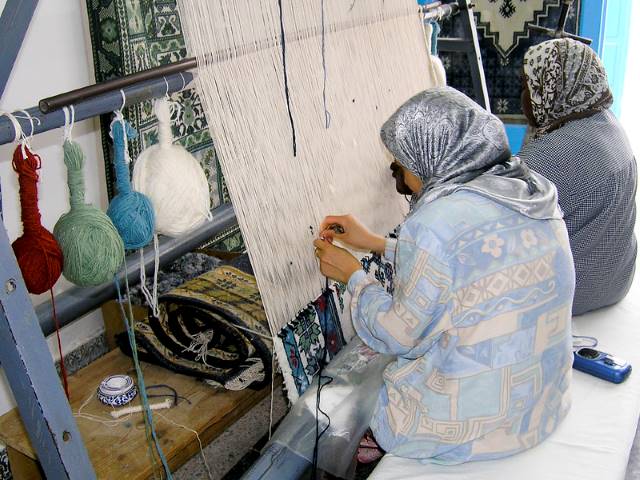 For neighboring countries, Tunisia is a model of women’s rights. Although
 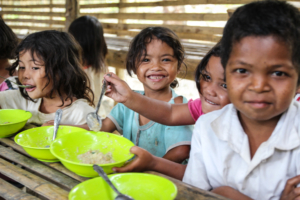 Over the past decade, there have been drastic innovations in the Philippines. The country has experienced dramatic economic growth and development. In 2019, the Global Innovation Index (GII) found that the country improved on all metrics used to calculate advancement. In specific, several health innovations in the Philippines help the nation achieve better health for its citizens.
