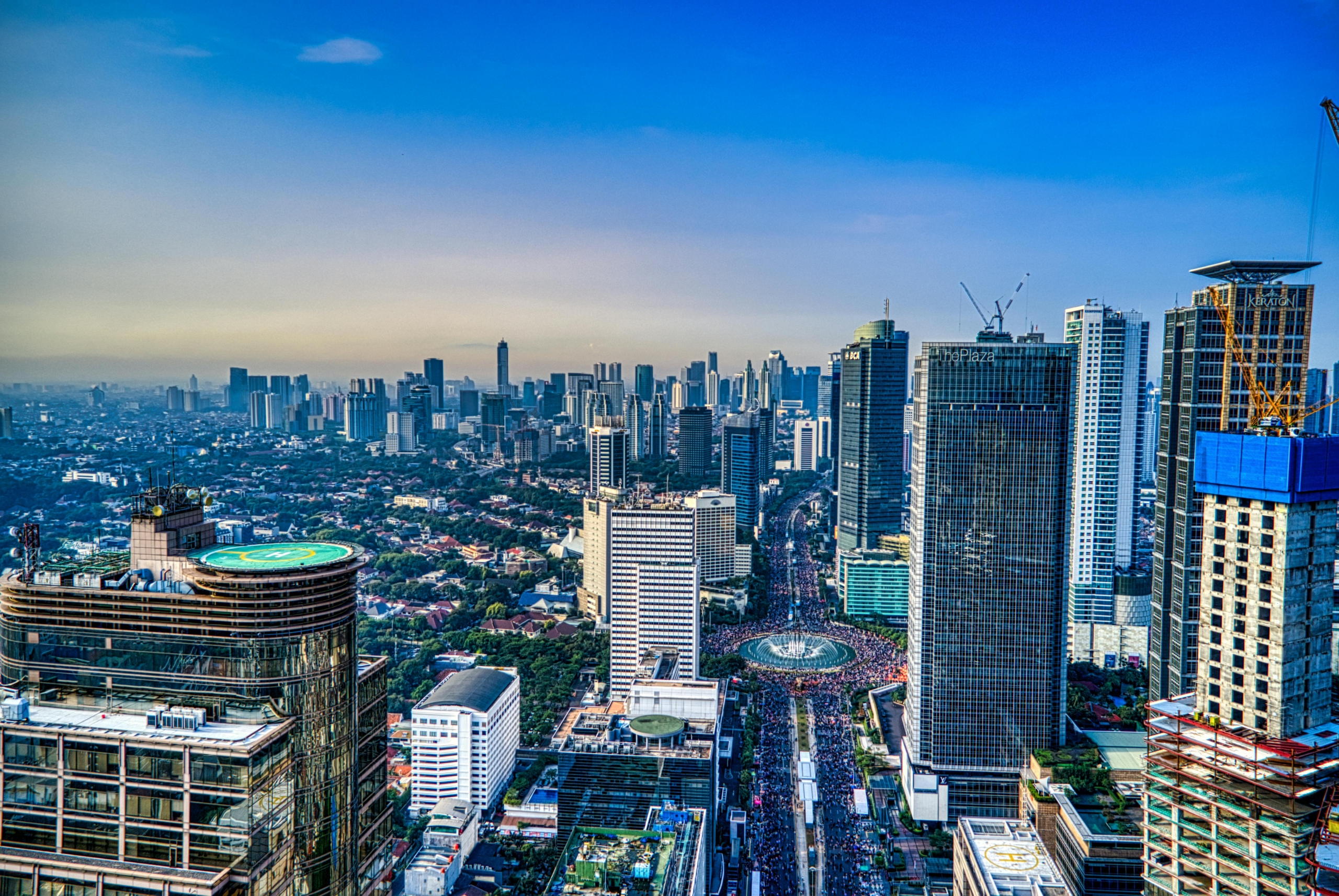
 The largest economy in Southeast Asia, Indonesia, has achieved impressive economic growth in the last decade, with a steady gross domestic product (GDP) growth rate after overcoming the effects of the Asian financial crisis in 1998. However, a significant portion of the country’s population is still living in poverty. As of March 2024, Indonesia’s poverty rate stood at 7.09% for the urban region and 11.79% for the rural area. In total, more than 25 million Indonesians are living below the national poverty line.
Social Entrepreneurship in Indonesia
Social entrepreneurs or entrepreneurs who pursue innovative ideas with the potential to solve a community problem, can contribute to poverty reduction in Indonesia. As of 2018, there were an estimated 34,205 social enterprises in Indonesia, including nongovernmental organizations (NGOs), cooperatives and micro, small or medium businesses. The study also found that young people are strongly represented in social enterprises, suggesting the increasing popularity of social entrepreneurship among young people and the growth potential of social entrepreneurship in the future. Social enterprises in Indonesia are mostly in the creative industry (22%), followed by the agriculture and fisheries industry (16%) and the education sector (15%).
Social entrepreneurship in Indonesia can support business opportunities and economic development in the country. Researchers found that amid economic crises like the COVID-19 pandemic, social entrepreneurship plays an important role in encouraging the creation of existing and new social entrepreneurial business opportunities to help solve economic development problems. Besides, social entrepreneurship also contributes to sustainable environmental policies in Indonesia. Research on green space development in Indonesia suggests that social enterprises serve as catalysts for ecological impact, effectively converting community perceptions that favor sustainability into sustainable practices.
Facilitating Positive Changes
For instance, Azzura Solar, a social enterprise co-founded by Hemant Chanrai, is a social enterprise that focuses on solar energy and empowers communities with its businesses. The Bright Future Program (BFP) of the company installs solar panels for the population in the Marga Mulya area of North Jakarta, a more impoverished region of the country with limited access to electricity. The enterprise developed its own indigenous, low-cost system that not only promotes access to electricity for needier populations but encourages the reuse of drinking bottles. The receivers of the services can pay what they can afford, with the rest of the cost covered by sponsors and Azzura Solar.
Javara, on the other hand, focused on assisting local indigenous farmers to earn their livelihood from traditional agricultural products. Through ethical partnerships with farmers, fishers and food artisans, the enterprise brings biodiversity-based food products from rural Indonesia to a broader market. With a wide range of products from honey and coffee to pasta, the company has exported sustainable agricultural products in Indonesia to 33 countries on five continents.
Looking Forward
Policymakers in the Indonesian government have promoted social enterprises mainly through financial assistance and training. The Kredit Usaha Rakyat (KUR) Program, for instance, has been in place to provide bank loans to small businesses in Indonesia since 2007. The Beginner Entrepreneur Program also provides funds for young entrepreneurs with training certificates from the Ministry of Cooperatives and Small and Medium Enterprises.
The ProKUS program in 2021 assisted impoverished and vulnerable families with activities and social and business approaches to prevent and overcome social risks after the COVID-19 pandemic. The program collaborated with social workers and 26 business mentors to incubate social enterprises across 33 districts of the country, improving entrepreneurship skills for the recipients.
With significant government commitment and existing successes, social entrepreneurship in Indonesia is a highly promising solution that can promote poverty reduction in the country. By further promoting social entrepreneurship, the government can empower the local community and contribute to sustainable development in the long term.
– Wangruoxi Liang
Wangruoxi is based in Ann Arbor, MI, USA and focuses on Business and New Markets for The Borgen Project.
Photo: Pexels

 The
The 
 According to U.N. statistics,
  In Malawi, a landlocked country in southern Africa, economic inequality persists, hindering
 The Philippines is an archipelagic country in Southeast Asia, consisting of
 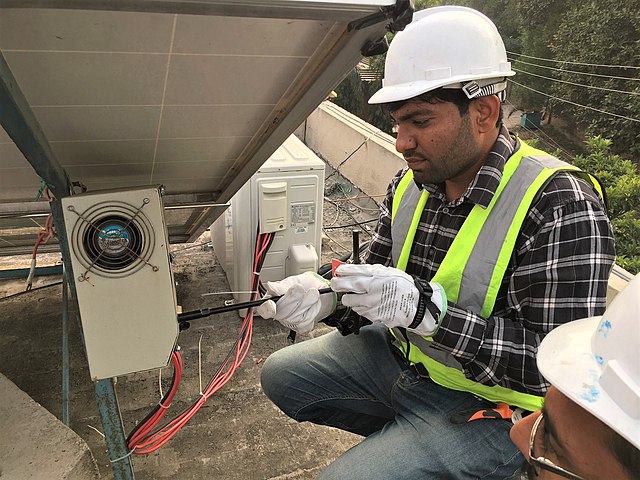 As the greater community of nations constantly collaborates for sustainable, alternative energy solutions, one key issue that has been at the forefront of these discussions has been developing nations’ inability to take advantage of the road toward alternative energy. Due to the experimental and expensive nature of alternative energy and the need for more infrastructure, the world leaves developing nations behind in its collective pursuit of new methods of harnessing energy to power the increasingly industrialized planet. The United States (U.S.), particularly U.S. solar companies, can mitigate the absence of resources by expanding its solar power grid and forming a symbiotic relationship with the developing world. U.S. solar collaboration can be an innovative form of global poverty relief that grows the U.S. solar industry and its profits, expands developing nations’ economies and provides the globe with new energy sources.